Kyoto feels personal when a local plans it. This private, walking-focused tour is built around a pre-tour questionnaire, so you’re not stuck on a one-size-fits-all loop. I like the way the guide keeps things flexible as you go, and you get a genuinely Kyoto-first view that goes past postcards.
Two things I especially like: first, you get a true private experience just for your group (so the pace matches you, not a bus schedule). Second, you’ll likely cover major sights such as Pontocho Alley, Kennin-ji, Gion, Kiyomizu-dera, and Fushimi Inari, while still leaving room for the “wait, what’s that?” moments.
One consideration: it’s mostly walking, and food/entry fees aren’t included. If you hate steady walking or you’re counting on a fully paid-for day, you’ll want to plan your time and budget carefully.
Key things to know before you go
- Private and flexible: your route adjusts based on your interests and how long you want to linger
- Questionnaire-based planning: you’re not just assigned a checklist
- Iconic Kyoto, plus quiet side streets: expect famous stops and calmer streets in between
- Walking first: it’s designed for neighborhoods, not vehicle sightseeing
- Local context that makes sites click: shrines, temples, and street layouts explained in plain language
- Meeting point is central: Starbucks at Kyoto Sanjo-ohashi Bridge area makes day start easy
In This Review
- A Private Kyoto Walk Built Around Your Interests
- Price and value: why $102.03 can make sense
- Meeting point near Sanjo and why it helps
- Pontocho Alley: Kyoto’s car-free street mood
- Kennin-ji and the twin dragon mural details
- Gion: Hanami-koji, Tatsumi Bridge, and tea-house street life
- Yasaka Shrine and Maruyama Park: a calmer rhythm
- Sannenzaka and Ninenzaka: old-street shopping without rushing
- Kiyomizu-dera and Otowa Waterfall views
- Fushimi Inari and the torii paths on foot
- Kiyamachi Street for a lively finish
- How walking pace and transit really affect your day
- Who should book this private Kyoto tour
- Should you book this private Kyoto tour?
- FAQ
- How long is the private Kyoto tour?
- Is this tour private or shared with other groups?
- Do I pay for food or temple entry separately?
- How does transportation work if it’s mostly walking?
- Where do we meet the guide?
- Can the itinerary be customized?
- Is a pickup from my accommodation offered?
- What is the cancellation policy?
A Private Kyoto Walk Built Around Your Interests
This is the kind of tour that works because it doesn’t act like Kyoto is the same for everyone. Before you meet your guide, you fill out a short online questionnaire about what you care about most—history, religion, street scenes, food, photo spots, or simply seeing the city at your pace. Then your host uses that info to put together a route that makes sense for your day length (about 2 to 5 hours).
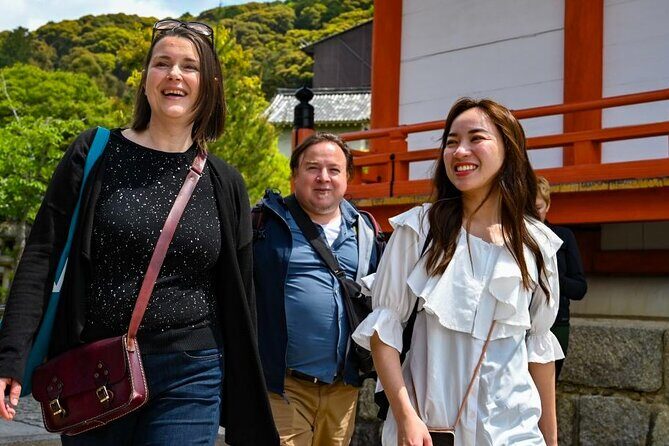
You’ll also notice the “local friend” style: the guide isn’t just naming places. They explain why certain streets matter, what you’re seeing, and what to look for so you don’t spend your time guessing. That’s also why a private format helps—if you want extra time at one stop (like Kiyomizu-dera’s viewpoints or the stair streets around Sannenzaka), you can.
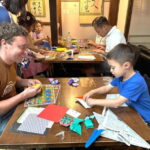
If you’re traveling as a couple, with kids, or with friends who want a more personal day, this setup is a solid fit. It’s also great when you only have one afternoon in Kyoto and you want it to feel intentional.
Price and value: why $102.03 can make sense
At about $102.03 per person, the value comes from what you’re buying: time with a local who can steer you toward the right stops and help you avoid wasting hours “figuring it out.” With group tours, you often pay for proximity to landmarks but lose control of pacing. Here, your itinerary can shift as you go.
What’s included matters too. You get the private walking experience, direct communication with your local host before the tour, a flexible route, and local cultural context. Entry fees and meals are not included, so you’ll decide those on the day. If you like setting your own priorities (and you don’t mind paying temple fees or choosing your own lunch), the pricing can feel fair.
If you’re the type who enjoys walking and wants a guide to connect the dots between neighborhoods, $102 can be a good use of limited time in Kyoto.
Other private tours in Kyoto

Meeting point near Sanjo and why it helps
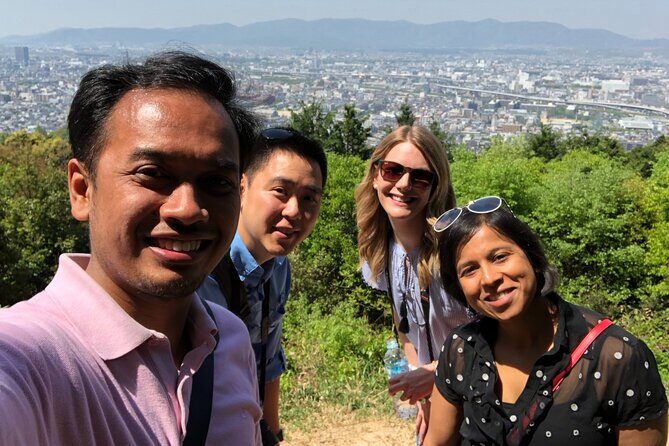
You’ll meet at Starbucks Coffee Kyoto Sanjo-ohashi Bridge area (Nakagyo Ward). Having a fixed, central starting point is practical in Kyoto, where “one extra turn” can cost time.
From there, the tour is designed primarily as a walking route. That means you’ll move through the city like a local—more time noticing street details, less time coordinating buses. Your guide can also use public transport or taxis between sites if needed, but transportation costs can be discussed after you book.
If you want pickup at your accommodation, it’s offered where accessible. The key is to tell the host what area you’re staying in so they can plan the most efficient walking/transit mix.
Pontocho Alley: Kyoto’s car-free street mood
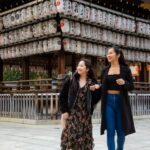
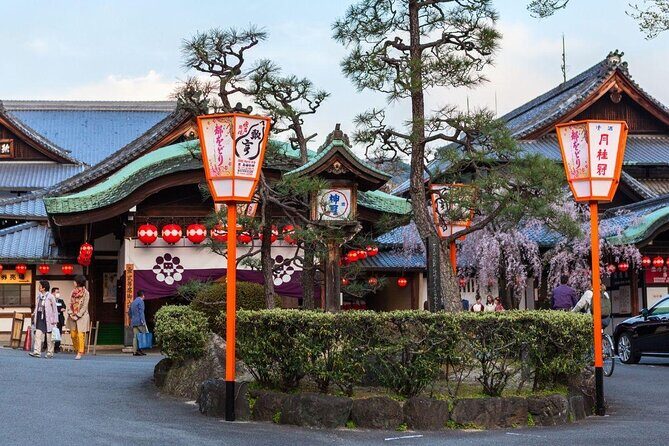
One of the stops is Pontocho Alley, often praised for its classic Kyoto look: car-free lanes, traditional wooden storefronts, and intimate restaurant settings. Even if you’re not there to eat, it’s the kind of street that helps you understand why Kyoto feels different from other Japanese cities.
What’s useful here is the “how to look” lesson. You’ll spend less time scanning for photos and more time understanding the layout—how the lane runs, how the buildings face the street, and what makes it feel timeless. It’s also a strong reset point in the middle of a day, because the street scale is human and slow compared to bigger landmark areas.
A practical note: Pontocho can be popular on certain days. A private guide helps you arrive when it’s workable, and it’s easier to step out of foot-traffic lanes without turning your whole day into a sidestep marathon.
Kennin-ji and the twin dragon mural details
Another temple stop is Kennin-ji, described as Kyoto’s oldest Zen temple. The draw here is visual: the iconic twin dragon mural and gilded screens connected to wind and thunder gods.
This is where a guide makes a difference. Temples like this can feel like a “check-the-box” stop if you’re only reading signage. With a local host, you can understand what you’re seeing and why certain artworks and screens matter to the temple’s traditions.
The bonus is atmosphere. Kennin-ji is often the kind of place where you naturally slow down—courtyard scale, quiet corners, and crafted details. If you’re the type who likes religious art and temple design, this stop delivers.
If you’re short on time, you might still want Kennin-ji because it’s concentrated. You get meaning and strong visuals without needing to spend the whole day inside.
Gion: Hanami-koji, Tatsumi Bridge, and tea-house street life
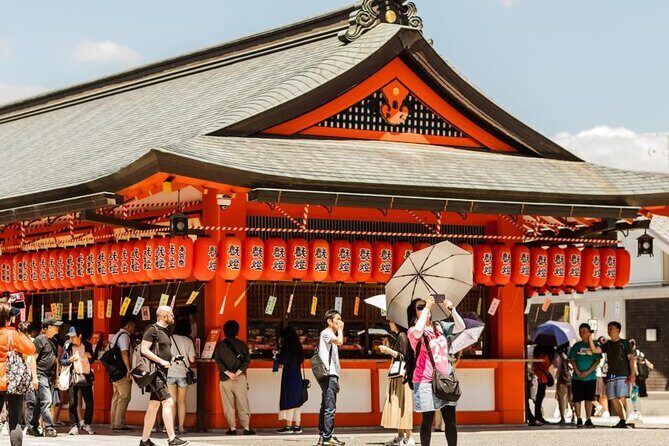
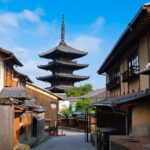
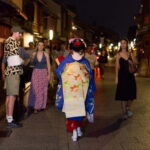
Gion is a major part of the itinerary, usually connected through Hanami-koji Street and Tatsumi Bridge, leading toward Shimbashi tea houses and the area’s traditional wooden buildings.
This stop is fun because it shows Kyoto as a living neighborhood, not just an outdoor museum. Your guide can help you spot the difference between streets built for passing through and those meant for slower viewing—plus explain what’s going on culturally so you don’t miss the point.
A smart way to use your time here is to give yourself small chunks of attention. Walk a bit, pause, look at building textures and street angles, then move on. A private guide helps you choose the direction so you’re not crisscrossing for no reason.
If you’re traveling with kids, this is also one of the easiest zones to keep them interested: the scenery shifts often, and there’s plenty to notice without climbing huge stairs.


Yasaka Shrine and Maruyama Park: a calmer rhythm
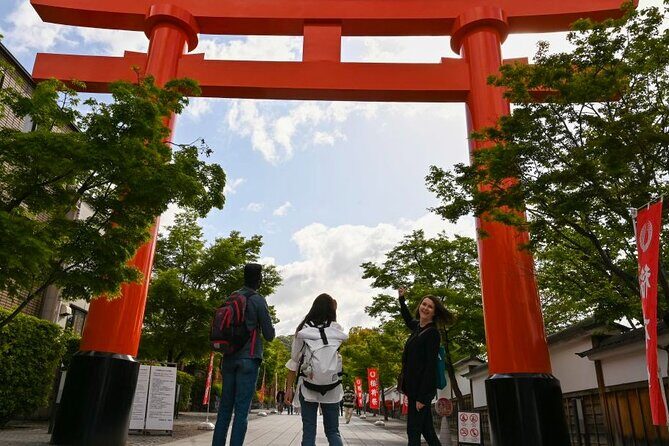
Your route may include Yasaka Shrine, noted for its long history and connection to the Gion Matsuri festival, plus Maruyama Park as a quieter break to take in Kyoto’s natural setting.
Why this pair works: it breaks up the temple-heavy parts of the day. After walking between street scenes and major shrines, a park stop gives you a moment to breathe and reset. You’ll also get a different Kyoto texture—less about carved wood and more about open space and viewpoints.
Yasaka Shrine can be meaningful even if you don’t consider yourself religious. The value is the cultural layer and how it fits into the Gion area. Your guide helps you connect what you see on site to the bigger story of the neighborhood.
If you’d rather skip one of these, you can. This tour is flexible, and your guide can adjust based on how much you want to focus on spirituality versus scenery.
Sannenzaka and Ninenzaka: old-street shopping without rushing
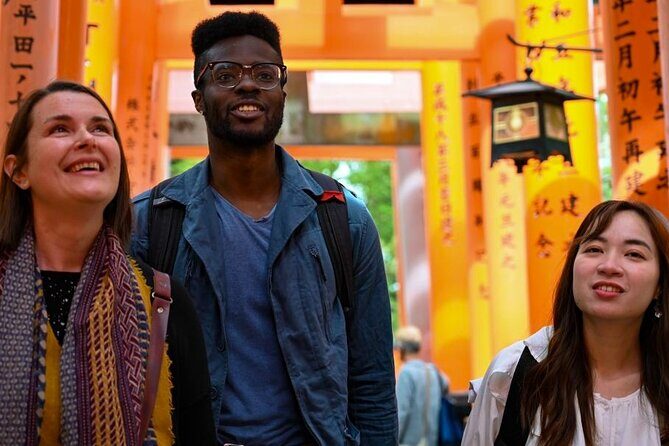
For a taste of old Kyoto, the tour includes Sannenzaka and Ninenzaka, the narrow historic streets lined with traditional wooden buildings and shops. This is a great place to slow down and pick up small crafts, pottery, or sweets if that’s your style.
The key benefit is context. Without guidance, you might treat these streets like any shopping strip. With a local host, you’ll understand why these areas have their specific look and how the streets function as part of the approach to major temples nearby.
A small caution: old streets can get crowded. If the vibe feels too dense, your guide can shift your route and timing to keep things comfortable.
This stop is ideal if you like walking for the atmosphere—textures, wooden facades, and the gentle “Kyoto by feet” feel.
Kiyomizu-dera and Otowa Waterfall views
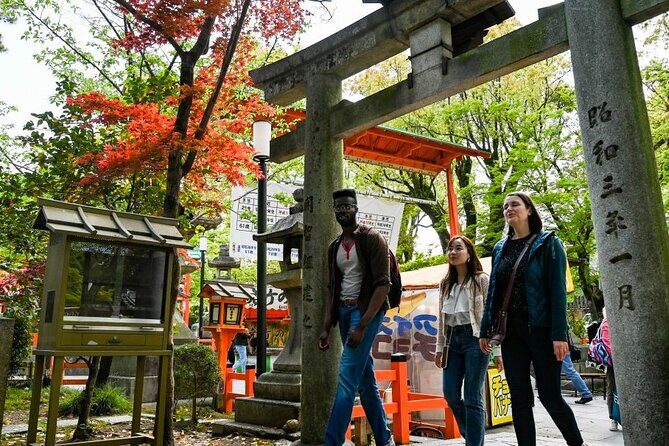
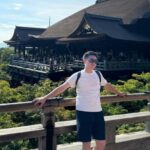
Kiyomizu-dera is one of those places where the views and the structure matter, and this tour calls out its historic wooden stage and major scenic outlook. Your route may also include the Otowa Waterfall, known for blessings connected with longevity, success, and love.
Here’s what makes this stop work with a guide: you don’t just stand in front of the temple and take photos. You learn what to notice in the architecture and what the waterfall area represents. That turns a famous sight into a meaningful one.
Also, Kiyomizu-dera is a vertical experience—stairs, platforms, and changing angles. If your legs are okay with some steady walking, you’ll get a lot out of this stop. If you need breaks, tell your guide early so the pace can be adjusted.
If you’re building a short 2- or 3-hour Kyoto day, Kiyomizu-dera is often worth prioritizing because it’s both visual and explanatory.
Fushimi Inari and the torii paths on foot
The itinerary may also include Fushimi Inari-taisha, famous for its vermilion torii gates. It’s not just a single photo spot—it’s a path experience. Your guide may suggest hiking partway for views or focusing more on the fox statues and shrine details, depending on your interests and time.
Why a private guide helps here: you can decide how much walking you want to do while still seeing the most important areas. If you go all the way, it can take longer than you planned. If you go partway with context, you still get the heart of the place without burning your whole day.
If you’re sensitive to crowds, tell your host what you prefer—shorter time on the busiest lanes or a slower, more scenic approach.
This is also a strong stop for photography because the torii creates natural framing. But again, the “right amount” depends on your energy level.
Kiyamachi Street for a lively finish
To end on a more social note, the tour can include Kiyamachi Street, known for bars, cozy cafes, and classic restaurant lanes. This is useful because it gives you a natural transition from sightseeing into food.
Even if you don’t plan a big sit-down meal, it’s a good place to ask your guide for advice on where to eat next. Your host can also help you connect your day’s sights to what you might try afterward—so the tour ends feeling like part of Kyoto, not just a series of stops.
If you prefer a quieter finish, you can also ask to swap this for calmer street time around the areas you enjoyed most.
How walking pace and transit really affect your day
This is a walking experience, and there’s no private vehicle included. That’s usually a plus in Kyoto, where neighborhoods feel best on foot. The flip side is simple: your day depends on how you handle continuous walking and stair steps.
Your guide keeps pacing flexible, which is huge. In a city like Kyoto, “flexible” means you can slow down for viewing, speed up when needed, and adjust when you run into real-world crowds.
If your route uses public transport or taxis between sites, the additional costs are something you’ll discuss with your host after booking. That’s normal for a walking-first tour. The smart move is to wear comfortable shoes you trust and plan a water break or two without needing to ask every time.
Who should book this private Kyoto tour
Book this if you want:
- a private guide to tailor your route based on your interests
- a mix of major sights and calmer neighborhood walking
- a day that feels planned but not rigid
- help connecting what you see to cultural context, so it clicks faster
It’s especially good for first-timers who want a high-impact introduction to Kyoto, and for people with limited time who still want quality over rushing. It also fits families, because private pacing makes it easier to keep kids engaged—guides have a track record of adjusting for children and making the walk feel manageable.
It might be less ideal if you want a vehicle-based tour with minimal walking, or if you want every cost fully included from the start (meals and entry fees are not part of the package).
Should you book this private Kyoto tour?
Yes—if you like walking through neighborhoods and you’d rather have a local steer you than follow a checklist. This works because it’s personalized (questionnaire + direct guide communication) and because it pairs big-name Kyoto with smaller-feeling street moments like Pontocho’s lanes and the approach through Sannenzaka/Ninenzaka.
I’d book it especially if you only have one afternoon or one partial day. You’ll get a lot of Kyoto in a humane way, with room to slow down where it matters to you.
If you tell me your travel dates and what you care about most (temples, streets, food, photos, or festival culture), I can also suggest a sensible 2-hour, 3-hour, or 4-hour priority set from the stops above.
FAQ
How long is the private Kyoto tour?
The duration is about 2 to 5 hours, depending on your route and pace.
Is this tour private or shared with other groups?
It’s private, meaning only your group participates.
Do I pay for food or temple entry separately?
Food, drinks, and entry fees are not included. You can choose together with your host on the day if you want.
How does transportation work if it’s mostly walking?
It’s primarily a walking experience, and public transportation or local taxis may be used between sites. Exact transportation costs can be discussed with your host after you book.
Where do we meet the guide?
The meeting point is Starbucks Coffee – Kyoto Sanjo-ohashi Bridge, Japan, 604-8004 Kyoto, Nakagyo Ward, Nakajimachō, 113 近江屋ビル 1F.
Can the itinerary be customized?
Yes. You’ll complete a pre-experience questionnaire, and your local host uses it to personalize your route and pace.
Is a pickup from my accommodation offered?
Pickup is offered where accessible, and you can also meet at a convenient central location.
What is the cancellation policy?
You can cancel for a full refund up to 24 hours in advance of the experience start time.