Kyoto without the transit headache. This private licensed-guide tour is designed to move you around the city in a dedicated vehicle, so you can focus on sights like Fushimi Inari and Gion instead of figuring out subways and buses. It’s a fast, practical way to stack multiple highlights into one day, with pickup options that reduce the mental load.
I love the door-to-door feel: being collected and dropped near your hotel (when pickup is offered) makes the day start smoother and end less stressful. You also get real flexibility, because your guide helps you choose which places to hit from a set list, rather than being locked into a fixed route.
One caution: the schedule is built for efficiency, so many stops are short, and popular places can still be busy. Also, entry fees and lunch are not included, so you’ll want to budget for that during the day.
In This Review
- Key highlights worth planning around
- A private-vehicle Kyoto day built for sanity
- How the price stacks up for a group of up to 2
- Pickup, timing, and the day’s realistic pace
- Fushimi Inari-taisha and Nijo Castle: the Kyoto starter pack
- Gion, Nishiki Market, and Pontocho for the Kyoto mood
- Kiyomizu-dera Temple and Kyoto Imperial Palace: pick your temple rhythm
- Higashiyama hopping: Ginkakuji, Nanzenji, Tofukuji, and Toji
- Beyond the famous names: Ninna-ji, Shugakuin, and more refined stops
- Arashiyama and the western temples: where the day can breathe
- Kibune River and Kurama-dera: northern Kyoto when you want forests
- A quick reality check on crowds, walking, and entry fees
- Who should book this Kyoto private tour
- Should you book this private Kyoto tour?
- FAQ
- How long is the private Kyoto tour?
- How many people are in the group?
- Does the tour include hotel pickup?
- Are entrance fees included?
- Can I customize which sites we visit?
- Is there a mobile ticket?
- Can I cancel for a full refund?
Key highlights worth planning around
- Private vehicle for Kyoto’s crowded routes: you avoid the hassle of buses and transfers between far-apart temples
- Choose 3–4 sites from a menu: you stay in control of the day, not the itinerary
- Short, targeted time at major landmarks: great for first-timers, less ideal if you want to linger
- A licensed English-speaking guide: you get context as you walk, not just photos
- Historic neighborhoods + food streets: Gion, Nishiki Market, and Pontocho fit naturally into a 6-hour loop
A private-vehicle Kyoto day built for sanity
Kyoto can feel like a puzzle. The subway lines don’t map neatly to the temples, and the bus network can be hard to read when you’re tired or jet-lagged.
This tour tackles that by using a private vehicle and a licensed local English-speaking guide, so you’re not guessing routes while trying to reach timed sights. Even better, it’s set up as a private activity, meaning only your group participates.
It’s also sized for comfort. The tour states a maximum of 15 persons, and it’s described as private—so the vibe should be calmer than squeezing into buses with everyone else.
Other guided tours in Kyoto
How the price stacks up for a group of up to 2
The price is $634.72 per group (up to 2 people), for about 6 hours. If you’re two, that effectively comes to roughly $317 each, which is a useful way to sanity-check the value.
What makes the math make sense is that you’re buying three things together: a private car, a licensed guide, and a route that’s designed to cover multiple iconic areas in one day. In Kyoto, the “time cost” of transit can be huge, especially when sites are spread across eastern and western parts of town.
Your biggest additional costs are predictable: entrance fees (for many temples) and lunch are not included. If you’re visiting several ticketed landmarks like Kinkakuji, Nijo Castle, or Kyoto Imperial Palace, those fees will add up—so think of the base price as logistics + guidance, not a total all-in pass.
Pickup, timing, and the day’s realistic pace
You can get pickup offered, and door-to-door hotel transfers are included. The tour also uses a mobile ticket, which is handy when you’re bouncing between multiple neighborhoods.
Plan for a “drive, quick walk, photo, next” rhythm. Many stops are listed as brief (often around 15 minutes), so your guide has to make sharp decisions about timing and what to prioritize on-site.
This is exactly why the private setup is valuable. You can reach places faster and park closer, which matters when you’re hopping between temple districts like Higashiyama and Arashiyama.
Fushimi Inari-taisha and Nijo Castle: the Kyoto starter pack
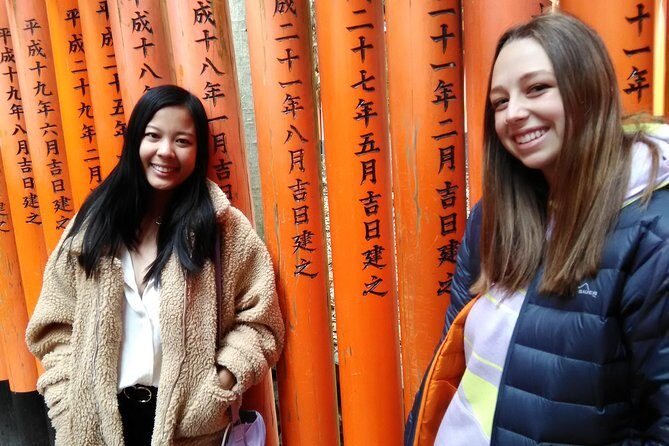
Stop 1: Fushimi Inari-taisha Shrine
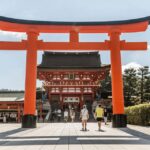
Fushimi Inari is Kyoto’s signature torii experience, and this visit is positioned as a short, high-value look. The description hints that you’ll get background and context that goes beyond the standard quick walkthrough, which is where a good guide pays off.
It’s also listed with admission ticket free, so you’re not hit with an entry fee right at the start. The only drawback? A short visit means you’ll want to choose your focus—main corridor views, viewpoints, or photo angles.
Stop 2: Nijo Castle (UNESCO)
Nijo Castle is tied to the Tokugawa era, built in 1603 as the Kyoto residence of Tokugawa Ieyasu. It’s a major cultural stop, and it’s listed as UNESCO, which usually signals a lot to see in a limited time.
Admission is not included here, and the visit is short, so you may feel like you’re speed-walking. If you care about the Edo-period details, ask your guide to steer you to the parts that matter most to you.
Gion, Nishiki Market, and Pontocho for the Kyoto mood
Stop 3: Gion
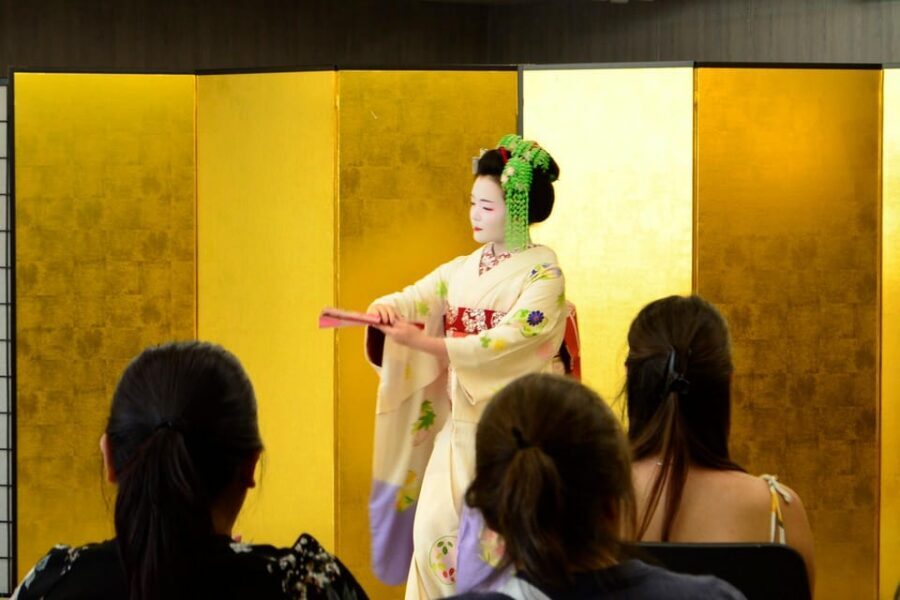
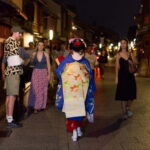
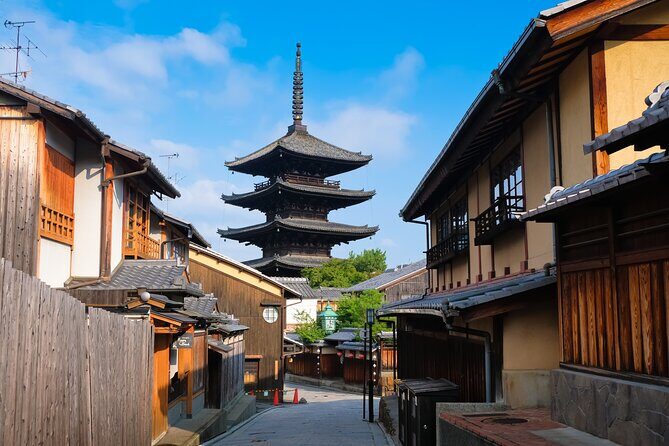
Gion’s narrow lanes can be intimidating on a first visit—easy to wander without a plan. Going with a guide reduces that stress and helps you notice smaller details you might otherwise miss.
Admission is free, so this is a low-cost way to start absorbing the atmosphere. The tradeoff is time: you’ll likely get a guided pass through the neighborhood rather than a long, slow night stroll.
Stop 4: Nishiki Market Shopping District
Nishiki Market is described as Kyoto’s Kitchen: a narrow, five-block street with more than one hundred shops and restaurants. It’s ideal for a quick sampling loop, especially if you’re hungry for local flavors without committing to a full sit-down meal.
It’s also listed as admission ticket free, and this is one of those stops that works even when the weather is rough. The catch is that it can be busy, and the “best moment” is usually when you’re moving with purpose—not wandering aimlessly.
Stop 7: Pontocho
Pontocho is the famous dining alley running from Shijo-dori to Sanjo-dori, just one block west of the Kamogawa River. It’s set up as an atmospheric evening-feel street even if your visit is short.
Admission is free here too. Your main consideration is that it’s a street experience—so you’ll want your guide’s help to point you toward worthwhile areas to look for (and where to avoid just passing through tourist traps).
Stop 8: Higashiyama Ward
Higashiyama is one of Kyoto’s best-preserved historic districts along the mountain slopes. This stop is a strong choice when you want the “old Kyoto” feeling, not just one temple photo.
Admission is free, but it can involve hills and walking. If your day includes multiple temple areas, decide ahead of time how much walking you want your legs to do.
Stop 24: Kennin-ji Temple
Kennin-ji sits close to the busy streets around Hanamikoji and Shijo, but the grounds are described as expansive and pleasant to walk. It’s also noted for dry landscape gardens (karesansui), which can be a welcome break from street crowds.
Admission is not included for this stop, and your time window is short. If you’re the type who enjoys garden details, make sure your guide gives you enough time to actually look, not just pass through.
Other private tours in Kyoto


Kiyomizu-dera Temple and Kyoto Imperial Palace: pick your temple rhythm
Stop 5: Kiyomizu-dera Temple
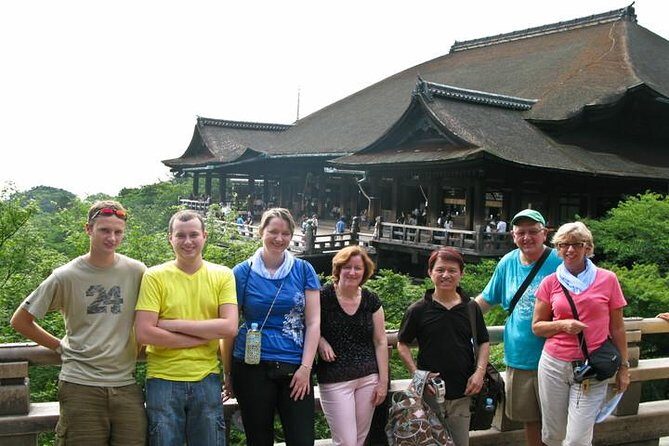
Kiyomizu-dera is one of Kyoto’s most popular temples, and the description emphasizes a guided visit that teaches you as you explore. Compared with other quick stops, this one is framed as a more “comprehensive” guided experience, so it’s usually a good anchor for the day.
Admission is not included here. The drawback is simple: popularity can mean crowds, and the more crowded it is, the harder it is to take in details during a short visit.
Stop 6: Kyoto Imperial Palace
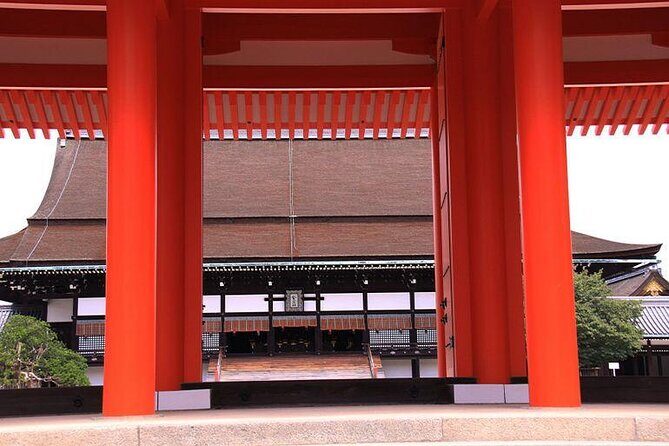
The Imperial Palace once served as the residence of Japan’s Imperial Family until 1868. The tour description highlights that it’s set in spacious grounds, which can feel calmer than temple streets.
Admission is not included, and like other ticketed sights, you’ll pay separately. Also, because it’s historically specific, it helps if you like context—ask your guide to explain what changed when the capital moved from Kyoto to Tokyo.
Higashiyama hopping: Ginkakuji, Nanzenji, Tofukuji, and Toji
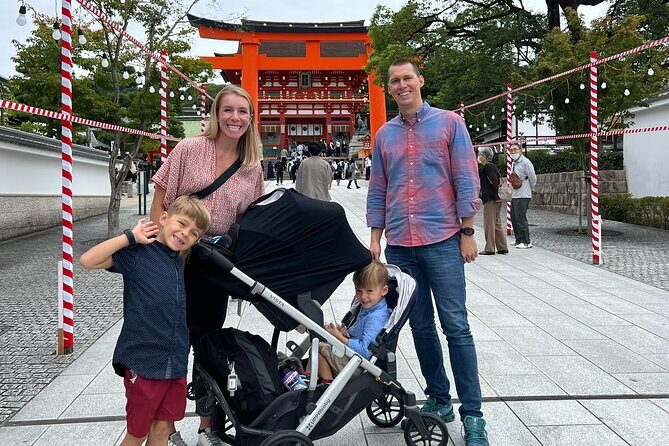
Stop 9: Ginkakuji Temple (Silver Pavilion)
Ginkakuji is a Zen temple often called the Silver Pavilion. The grounds are tied to Ashikaga Yoshimasa’s retirement villa, so there’s a story here beyond just the building.
Admission is not included, and time is short. If you want to focus on the Zen garden atmosphere, tell your guide early so the pacing matches your style.
Stop 10: Nanzenji Suirokaku
Nanzenji is described as a major Zen temple with spacious grounds at the base of Higashiyama’s mountains. The “Suirokaku” reference matters because it points to a distinctive landmark feature connected to waterworks and temple history.
Admission is not included, and quick stops can make it feel like you’re skimming. Ask your guide to point out what to look for—temple halls, the water element, and why it matters.
Stop 11: Tofuku-ji Temple
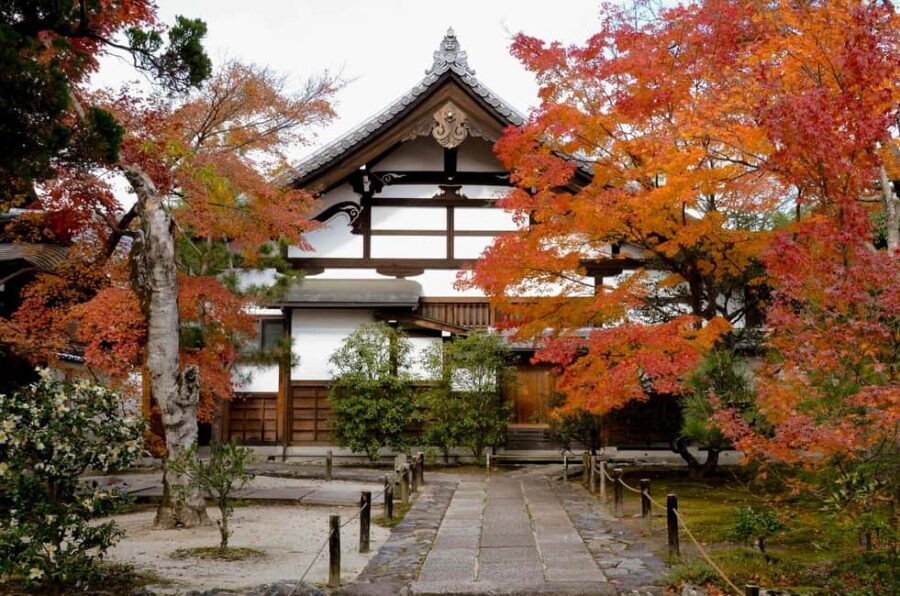
Tofukuji is a large Zen temple in southeastern Kyoto and is particularly famous for autumn colors. Even outside autumn, it’s a solid choice if you want a Zen temple setting with enough space to breathe.
Admission is not included. The drawback is that if your trip happens in a different season, the “autumn wow” isn’t guaranteed—so treat it as an architectural and atmosphere stop.
Stop 12: Toji Temple (East Temple)
Toji is one of Kyoto’s big Heian-period anchors, founded right after the capital moved to Kyoto. The good news: it’s listed with admission ticket free in this tour plan, which keeps costs manageable.
Admission is free, and the main challenge is staying engaged for a short visit. If you love temple scale and history, ask for the best angle to understand the complex quickly.
Beyond the famous names: Ninna-ji, Shugakuin, and more refined stops
Stop 14: Ninna-ji Temple
Ninnaji is a World Heritage site and the head temple of the Omuro School of the Shingon sect. That’s a mouthful, but it translates to a stop with real religious and historical weight.
Admission is not included. Because it’s ticketed and time-limited, you’ll want a guide who can explain the basics without rushing you through the grounds.
Stop 15: Shugakuin Imperial Villa
Shugakuin Imperial Villa is tied to Emperor Gomizuno and includes Upper, Middle, and Lower Villa areas. This is a good pick if you prefer gardens and refined imperial residence vibes over “one big temple photo.”
Admission is not included, and it may feel like less of a pop-icon stop. Still, if you like design and space, it can be a memorable change of pace.
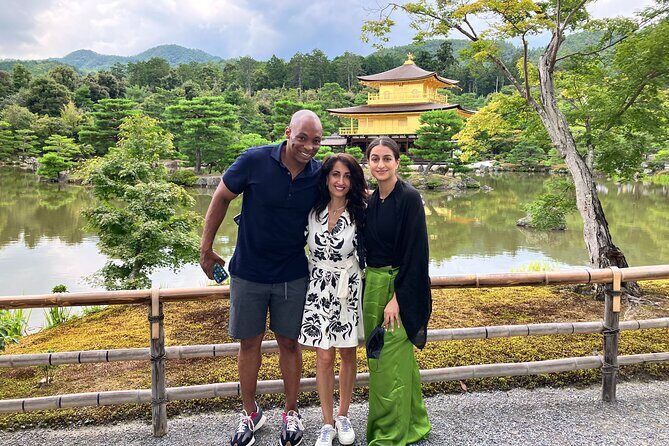
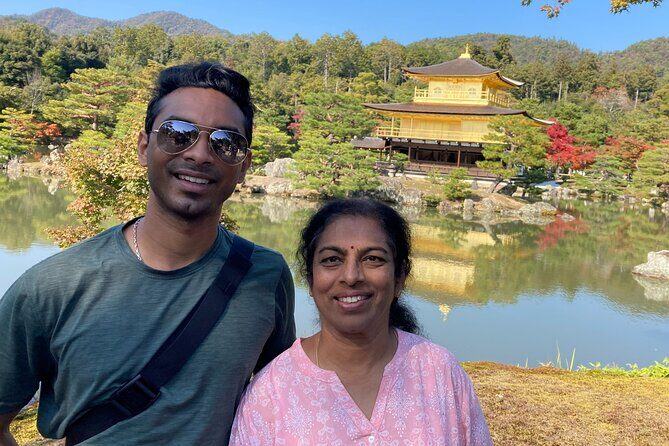
Stop 13: Kinkakuji Temple (Golden Pavilion)
Kinkakuji is Kyoto’s most famous Zen icon, with top floors covered in gold leaf. This is a must if it’s on your list, and the tour description frames it as such.
Admission is not included. The practical drawback is crowds: at least one guide-handled day included huge school-group volume, so you can expect it to be busy at peak times and you’ll want to go in with patience.
Stop 18: Ryoan-ji Temple (rock garden)
Ryoanji is known for Japan’s most famous rock garden. If you’re the type who enjoys quiet observation (even for a short time), this stop can feel surprisingly peaceful.
Admission is not included. The garden experience relies on stillness, so short timing can limit how much meaning you squeeze out of it.
Arashiyama and the western temples: where the day can breathe
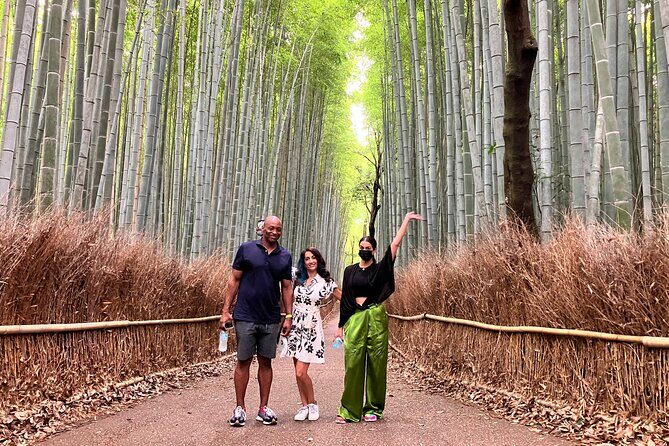
Stop 19: Arashiyama
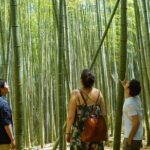
Arashiyama is a popular western Kyoto district, historically loved for its natural setting. It’s listed as a short stop, so think of it as a change of scenery rather than a full day on its own.
Admission is not included. The drawback is that Arashiyama is touristy by nature, so you’ll want your guide to direct you to the best “walk paths” for your time window.
Stop 22: Tenryu-ji Temple
Tenryuji is described as the most important temple in Arashiyama and a major Zen site registered as a World Heritage site. This one gives you a classic temple-plus-garden feel in a region known for atmosphere.
Admission is not included. In a short visit, prioritize one main viewpoint or garden area rather than trying to see everything.
Stop 21: Daikaku-ji Temple
Daikakuji is another big temple in Sagano’s northern area, originally built as a detached palace of Emperor Saga. This can be a strong choice if you want more “imperial residence” flavor rather than only Zen architecture.
Admission is not included. Short timing means you’ll need to lean on your guide for what to focus on first.
Stop 20: Katsura Imperial Villa
Katsura Imperial Villa is highlighted as one of the finest examples of Japanese architecture and garden design. If you care about craftsmanship and layout, this is a very different angle from the classic “temple yard” stops.
Admission is not included, and it’s likely to be a slower-feeling experience than street stops. Still, it’s an excellent choice when you want something quieter than the most famous photo lines.
Stop 23: Yoshimine-dera
Yoshiminedera is located in Kyoto’s western mountains and is linked to the Tendai sect. It’s described as built along the slope, which suggests a scenic, hillside walking feel.
Admission is not included. The stop is only listed as about 5 minutes, so it may work best as a quick side note rather than a headline attraction.
Kibune River and Kurama-dera: northern Kyoto when you want forests
Stop 16: Kibune River
Kibune is a small town in a forested valley where the culture developed around Kifune Shrine. The legend element—about a goddess traveling by boat from Osaka—gives this stop a mythic feel beyond geography.
Admission is not included. The drawback is travel time: even though you’re in a vehicle, going north means the schedule tightens elsewhere.
Stop 17: Kurama-dera
Kurama is a rural town less than one hour from the city center, and it’s known for Kurama-dera and a hot spring. If you want a break from the dense temple loops, this is a nice shift into countryside tempo.
Admission is not included. Because it’s tied to rural scenery and walking, it can be less satisfying if you only want famous “big landmark” photos.
A quick reality check on crowds, walking, and entry fees
Many stops are around 15 minutes, which is great for checking items off and moving efficiently. It’s less great if you want long meditation-like quiet or you’re hoping to wander freely for an hour+ at every place.
Entrance fees are not included for several major sites. Plan for ticket costs at places like Nijo Castle, Kiyomizu-dera, Kyoto Imperial Palace, Ginkakuji, Nanzenji, Kinkakuji, Ninna-ji, and more.
Also, Kyoto weather can change fast. If it rains, you’ll still have a lot of moving parts, so I suggest dressing for the weather and wearing comfortable shoes—especially with district walking like Higashiyama.
Who should book this Kyoto private tour
This is a great fit if you want to avoid transit stress and still see a stack of top sights in one day. I’d also point you here if you’re with kids, because pacing and access to the right entrances can make the difference between a great day and a miserable one.
The program description and the guide comments suggest flexibility for different needs. For example, Shuji was praised for preplanning routes for a wheelchair, and multiple guides like Haru and Noriko were praised for tailoring timing and helping families move at a comfortable pace.
If you’re a first-timer who’s unsure how to string temples together, this private vehicle approach is exactly what you’re buying. And if you enjoy history but don’t want to study a map all morning, your guide’s explanations will keep the day from turning into photo sprinting.
Should you book this private Kyoto tour?
Book it if you want maximum highlight coverage with minimal navigation. You’ll especially like this if your priorities include Fushimi Inari, Gion-style streets, and at least one major temple icon like Kinkakuji or Kiyomizu-dera.
Consider skipping it (or downsizing expectations) if you want slow, deep temple time every stop. With short stop windows, you may feel like you’re moving fast, and you should expect additional costs for entrance fees and lunch.
If you do book, pick your 3–4 sites first. Then communicate what matters most—crowd tolerance, walking limits, and which sights are must-sees—so your guide can build a route that matches your day, not a generic checklist.
FAQ
How long is the private Kyoto tour?
It runs for about 6 hours.
How many people are in the group?
It’s a private tour with only your group participating, with a maximum of 15 persons for the activity. The price is listed per group up to 2.
Does the tour include hotel pickup?
Pickup is offered, and door-to-door hotel transfers are described as included.
Are entrance fees included?
No. Entrance fees are not included, and lunch is also not included.
Can I customize which sites we visit?
Yes. You can choose from a list of places, and the included option is a customizable walking tour of 3–4 sites from that list.
Is there a mobile ticket?
Yes, the tour includes a mobile ticket.
Can I cancel for a full refund?
Yes. Free cancellation is available if you cancel up to 24 hours in advance for a full refund.