Quiet tea in a real Kyoto home.
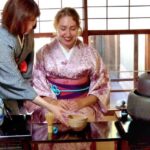
This private ceremony near Nijo Castle feels less like a show and more like learning manners from someone who actually lives this way. I like the chance to meet a certified tea master in Kyoto and hear what each step means, not just what to do. I also like the practical structure: you get guided history, utensil basics, and a hands-on matcha moment. One thing to watch for: the 1-hour schedule can feel a bit tight toward the end if other time slots are starting up.
You’ll be seated in a calm tea room in a local home, then walk through the full flow at an easy pace. Matcha comes from Uji, and you also get two seasonal sweets that are made to match your order (with dietary accommodations available). It’s wheelchair accessible, offered in English and Japanese, and it’s private, so questions don’t feel rushed.
In This Review
- Key things to know before you go
- A Kyoto tea room near Nijo Castle: why this feels authentic
- Getting there from your Kyoto base: meeting point and timing
- Step-by-step ceremony lesson: what you’ll learn in that one hour
- The tasting: Uji matcha and made-to-order seasonal sweets
- Your hands-on moment: whisking matcha and learning the tools
- Etiquette rules and comfort tips: what to wear and what to avoid
- Meeting the rhythm of the session: timing, pace, and the “one-hour” reality
- Who this experience is best for in Kyoto
- Price and value: is $101 per person worth it?
- Should you book this private Kyoto tea ceremony?
- FAQ
- FAQ
- How long is the Kyoto private tea ceremony?
- Where is the meeting point?
- What’s included in the price?
- Do they accommodate dietary restrictions or allergies?
- What languages are offered?
- Is it suitable for children?
Key things to know before you go
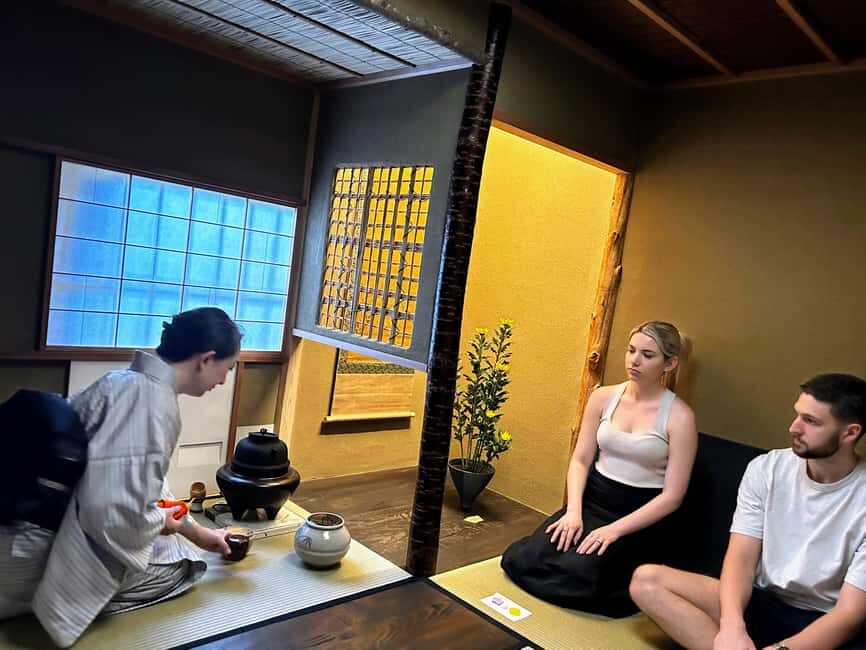
- Certified Kyoto tea master leads the lesson in a local home setting near major sights.
- Uji matcha plus two seasonal sweets makes the tasting part feel complete, not token.
- You’ll cover utensils, etiquette, and tea philosophy step-by-step, with a demo and hands-on whisking.
- Dietary needs are supported, including Halal, Vegan, and allergies (plus LGBTQ-friendly).
- Dress rules are strict: long pants/long skirt, socks, no perfume, no jewelry, and no shoes indoors.
A Kyoto tea room near Nijo Castle: why this feels authentic
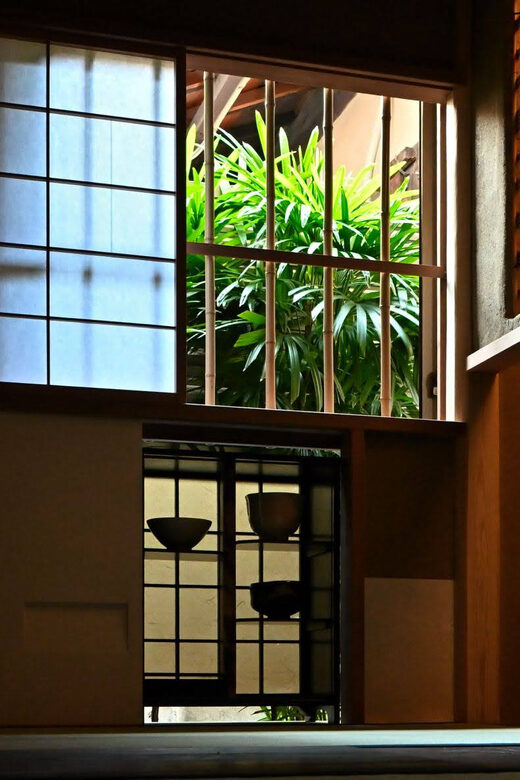
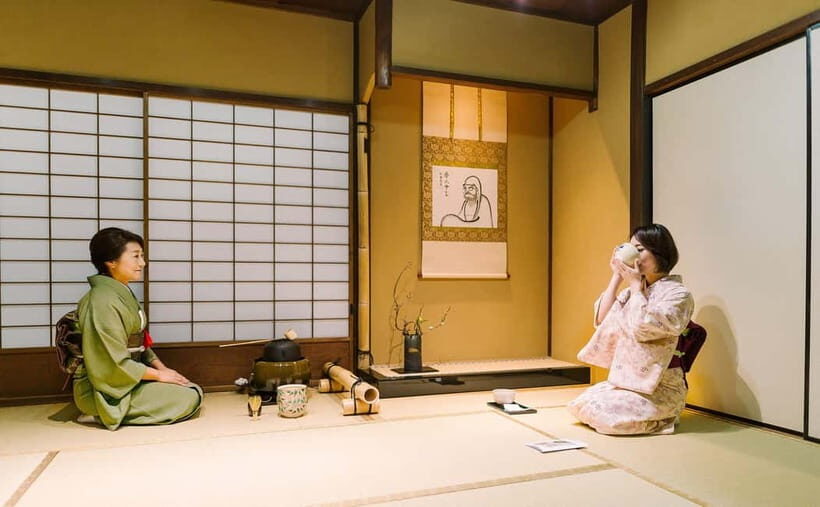
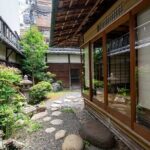
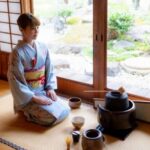
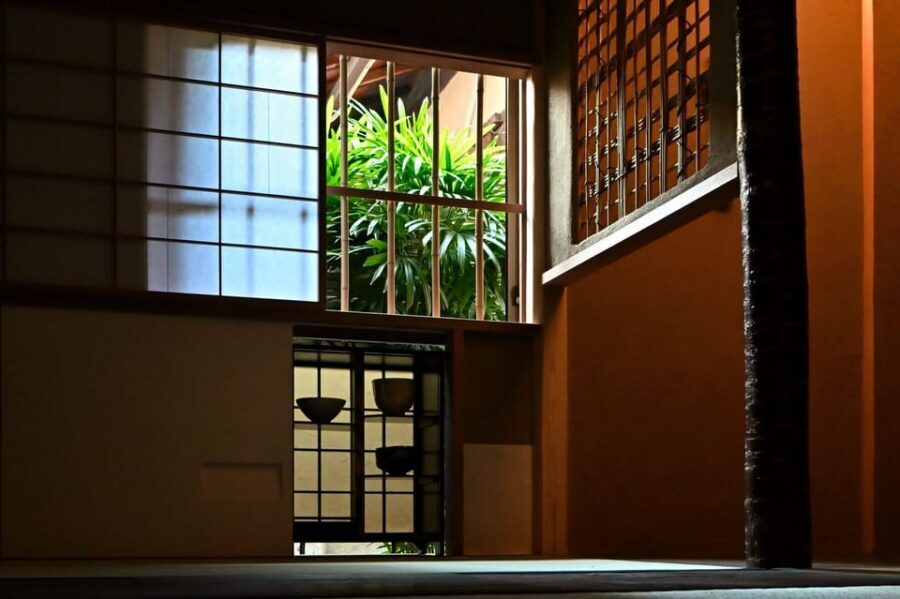
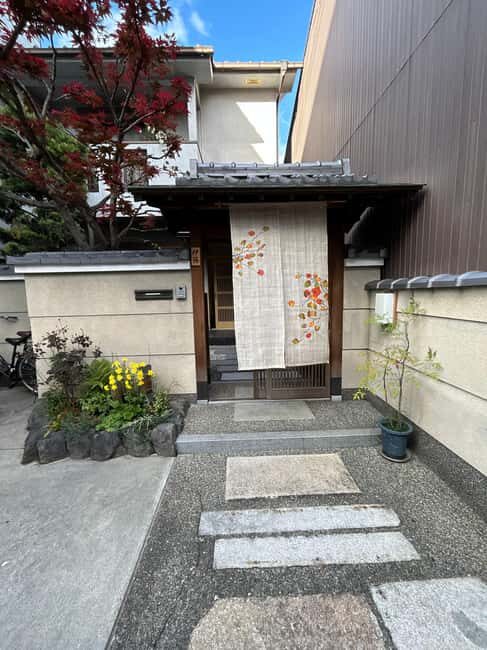
Kyoto does tourism well, but a standard classroom doesn’t always capture the real mood of tea. What I like about this experience is the setting: you go into a tea room inside a local home, close to Nijo Castle and not far from the Kyoto Imperial Palace area. That location matters because you’re not forced into a far-away venue or a scripted “tour booth” vibe.
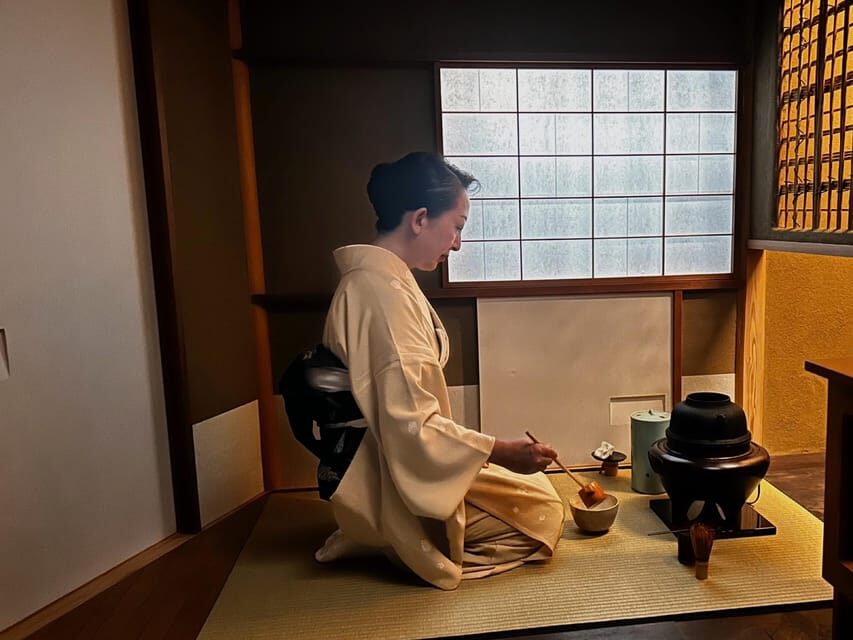
The other authenticity piece is the teacher. The ceremony is led by a tea master who is certified and born and living in Kyoto. You can feel the difference when someone explains tea as a living practice, not a museum item. The lesson focuses on respect, tranquility, and small, precise gestures—things you can’t really learn from a photo.
The result is a calm hour that’s part culture class, part etiquette practice, and part tasting. If you want to understand why Japanese people treat tea like a social ritual, this hits the target.
A few more Kyoto tours and experiences worth a look
Getting there from your Kyoto base: meeting point and timing
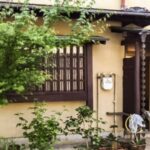
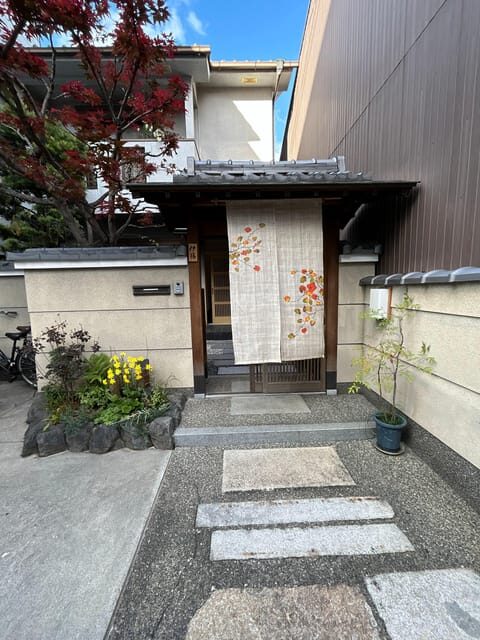
You start at さくら 日本文化体験 (Sakura Japanese Culture Experience). The walk is easy if you’re already sightseeing near Nijo Castle:
- about 3 minutes from Nijo Castle
- about 3 minutes from the Kyoto city bus Nijojomae stop
- roughly 3 minutes from Nijojomae station (subway)
- around 15 minutes on foot from the Hankyu Shijo station
- about 10 minutes by taxi from JR Kyoto Station
That matters because Kyoto can be slow on foot if you’re zig-zagging between neighborhoods. This lets you keep your day tight: tea in the center, then back out to temples and markets without a long commute.
Duration is 1 hour, and it runs as a private group, so you’re not dealing with a crowd shuffling through at random times. Still, I’d plan your next stop as something flexible. Even when a session runs smoothly, it’s a short visit by design.
Step-by-step ceremony lesson: what you’ll learn in that one hour
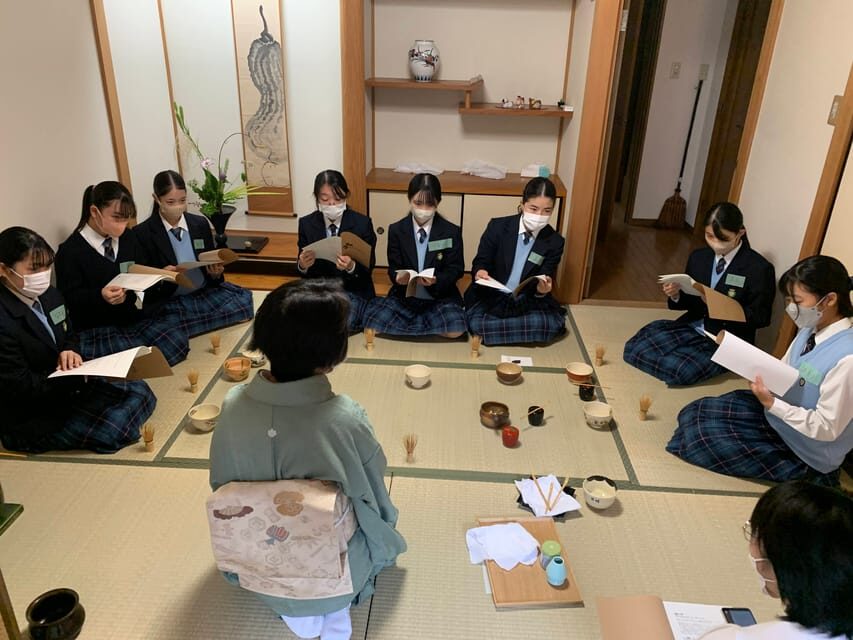
The session is structured, and that’s a big part of the value. Instead of only watching, you learn the why behind the moves.
Here’s what the program covers:
- Introduction and history: how the practice developed and how ideas from it connect to Japanese culture.
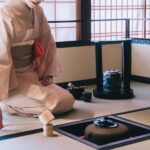
- Tea utensils and their significance: what the tea bowl (chawan), whisk (chasen), and tea scoop (chashaku) are for, and why each matters.
- Etiquette for preparation and appreciation: how to handle the bowl and how to enjoy tea with the right mindset.
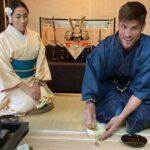
- Demonstration: you’ll watch the teacher’s graceful movements and see seasonal hospitality in action.
- Hands-on matcha preparation: you get to try preparing matcha yourself.
- Q&A and reflection: time to ask questions and clarify what you felt confused about.
This approach is good for beginners. Tea ceremony can sound mysterious—like you need a cheat code to understand it. But the lesson breaks things down into manageable chunks. You’ll leave knowing what each object does and how etiquette connects to respect.
One practical takeaway: when you understand the utensils, you stop thinking of the ceremony as performance and start noticing it as ritual logic. That makes it easier to spot similar practices later, even if you’re just walking into a café that serves matcha.
The tasting: Uji matcha and made-to-order seasonal sweets
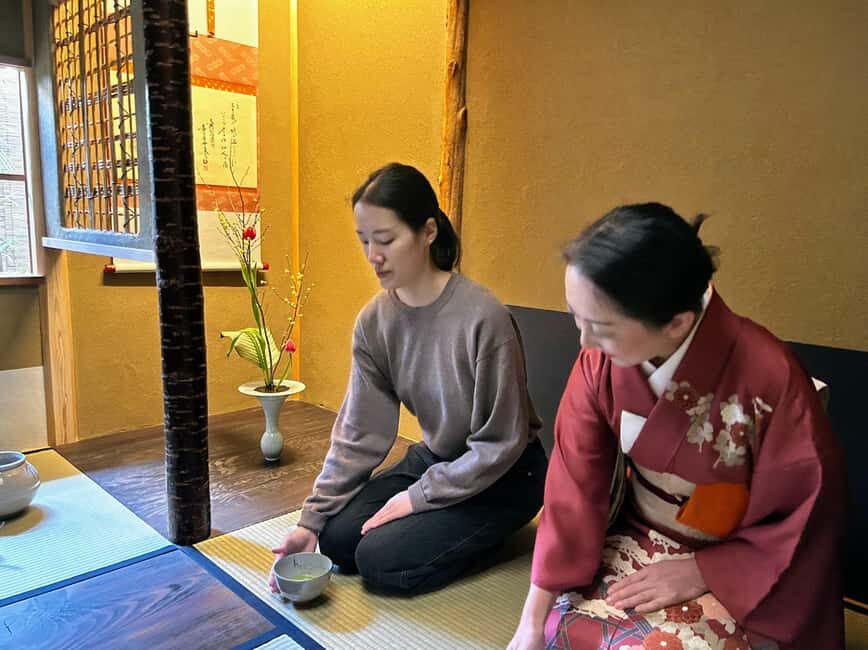
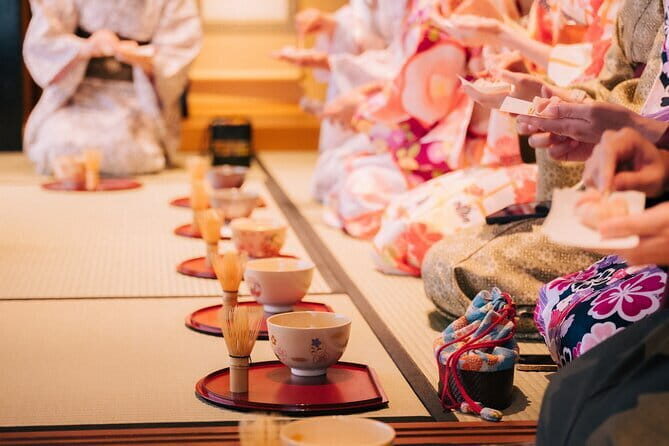
You’re served 2 cups of matcha during the ceremony. The matcha is described as high-quality and sourced from Uji, Kyoto—the famous tea region that most matcha lovers are chasing for flavor and balance.
The tasting isn’t just “drink and go.” The teacher explains how to appreciate it properly, which changes how you actually experience it. For example, you’ll pay attention to aroma, color, and the way the drink changes as you sip slowly instead of treating it like a quick caffeine hit.
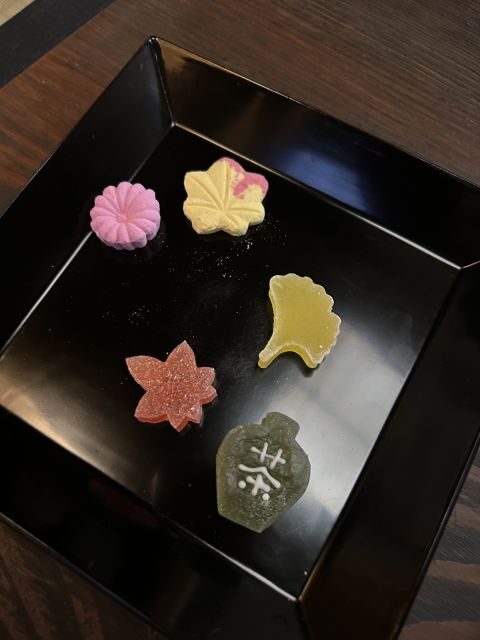
Then comes the sweets. You’ll get 2 types of Japanese traditional dried sweets, described as seasonal and beautiful, and they’re made based on your order. That’s useful because it supports different dietary needs rather than forcing everyone to eat the same thing.
If you care about food restrictions, this is worth noting: the experience states they can accommodate Halal, Vegan, allergies, and they also accommodate LGBTQ visitors. I’d still email or message your needs clearly before you arrive, since “accommodations possible” works best when the details are known ahead of time.
Your hands-on moment: whisking matcha and learning the tools
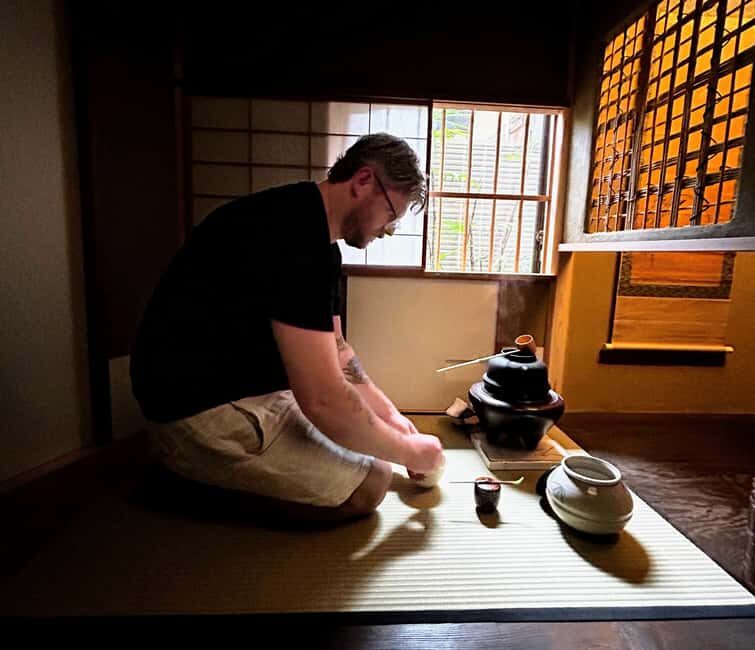
The most memorable part for many people is the practical try-at-it moment. Here, you get to prepare matcha yourself. That shifts the experience from watching into doing—and that’s where learning sticks.
You’ll be taught using the classic tools:
- Chawan (tea bowl): for receiving and drinking the tea
- Chasen (tea whisk): the motion and technique matter
- Chashaku (tea scoop): used to portion matcha carefully
The ceremony is strict about manners and physical actions—no rushing, no extra movement, and no distractions. In a good way, it forces you to slow down and focus. That’s the point.
Also, you’ll see why the teacher emphasizes etiquette so much. When you try the motions, you understand that the “slow” pace isn’t just style. It’s part of how the tea is prepared and how the room stays respectful.
Other private tours in Kyoto



Etiquette rules and comfort tips: what to wear and what to avoid
This is the part I want you to take seriously, because the tea room rules affect your comfort.
What to bring and wear:
- comfortable clothes
- long pants or a long skirt
- socks (if you don’t have socks, socks may be available to purchase)
- plain, respectful basics—think comfortable but modest
What’s not allowed:
- shorts
- hats
- short skirts
- sleeveless shirts
- jewelry
- smoking indoors (and vaping)
- alcohol and drugs
- shoes indoors
- video recording or audio recording
- strong fragrances
One clear instruction is to come without perfume. This matters in a tea room because scent can overpower the matcha experience and disrupt the calm atmosphere.
Also, you shouldn’t plan on going barefoot. Shoes come off, but the rules state you should wear socks. It’s a simple thing, yet it catches people who show up ready to walk around in sandals.
If you’re someone who hates restrictive clothing, this might take planning. But if you pack the right outfit—long pants and socks—you’ll be fine and enjoy the ceremony without feeling like you’re constantly worried about rules.
Meeting the rhythm of the session: timing, pace, and the “one-hour” reality
The ceremony is 1 hour, including instruction, demonstration, hands-on preparation, and Q&A. Most of the time it works beautifully because the lesson is broken into clear stages.
One consideration: the session can feel a bit rushed near the end when other guests are arriving for later slots. That doesn’t mean the host is careless. It just means you should treat the last few minutes as a wrap-up moment, not a free-flow conversation.
My advice: if you have specific questions (like how to hold the bowl or how utensils relate to etiquette), save your top ones for early in the hour. If you wait until the final minutes, you might not get as much time as you hoped.
Who this experience is best for in Kyoto
This private tea ceremony is a strong fit if you want:
- an introduction to Japanese etiquette without feeling intimidated
- a calm, indoor cultural activity during a busy Kyoto itinerary
- a guided matcha experience with hands-on practice
- a host who can explain the meaning behind the steps
It’s also a good option if you prefer a more personal format. The group is private, and the session is designed for beginners with simplified explanations.
Not suitable for:
- children under 13
Language support:
- English and Japanese
Wheelchair accessible:
- yes, wheelchair access is listed, which helps a lot for planning. Still, you’ll want to consider that shoes come off and the tea room has rules about socks and clothing.
Price and value: is $101 per person worth it?
At $101 per person for a 1-hour private experience, it’s not the cheapest “do something cultural” option in Kyoto. But it’s also not priced like a generic class either.
Here’s what you’re paying for:
- A certified tea master who teaches and guides your movements
- A private group format (not a big crowd)
- 2 cups of matcha (with matcha from Uji)
- 2 types of seasonal sweets, made based on your order
- A structured lesson covering history, utensils, etiquette, demo, and hands-on preparation
- A cultural experience in a local home tea room, near major sights
If you split the idea of value into ingredients + instruction + access to a private home setting, the price starts to make more sense. You’re not just buying a drink. You’re buying a guided performance of manners and meaning, plus your own hands-on time.
If you’re traveling solo, this is a premium experience price. If you’re traveling with a friend or partner, it can feel like a fair trade for the time and personalization.
Should you book this private Kyoto tea ceremony?
Book it if you want a respectful, structured introduction to tea—and you like the idea of learning the rules behind the ritual. The private setting near Nijo Castle, the Uji matcha, and the chance to prepare your own matcha make this feel like more than a quick photo stop.
Skip or rethink it if:
- you dislike dress codes and strict no-perfume rules
- you’re traveling with very young kids (it’s not suitable under 13)
- you’re expecting a long, slow conversation. It’s 1 hour, so the end can feel tighter when sessions switch over.
If you plan your outfit (long pants or a long skirt, socks, no jewelry, no perfume) and come ready to slow down, you’ll get a memorable, calming Kyoto moment that stays with you longer than a typical tour.
FAQ
FAQ
How long is the Kyoto private tea ceremony?
The experience lasts 1 hour.
Where is the meeting point?
You meet at さくら 日本文化体験 (Sakura Japanese Culture Experience), about 3 minutes from Nijo Castle and 3 minutes from Nijojomae station on foot.
What’s included in the price?
You receive 2 cups of matcha, 2 kinds of Japanese traditional dried sweets, and a certification from a tea master.
Do they accommodate dietary restrictions or allergies?
Yes. The experience states they can accommodate Halal, Vegan, and various allergies, and it also notes LGBTQ accommodations.
What languages are offered?
Instruction is available in English and Japanese.
Is it suitable for children?
It is not suitable for children under 13 years.