Arashiyama is famous for a reason.
This walking tour strings together the sights that usually get people stuck in photo lines, and it adds context along the way. You’ll move through bamboo and temple gardens, then climb up for the monkeys with a guide who helps you understand what you’re seeing and where to go next. The route is also built to keep you off the most crowded paths when possible.
I like two things a lot. First, the schedule hits classic stops without feeling like a checklist—Okochi Sanso Garden and Tenryu-ji Garden are both included, so you get more than just a quick bamboo photo. Second, the guides are praised for strong explanations and keeping the day moving at a good pace, with names like Teri, Mari, Marie, and Aron showing up in the guide stories.
One consideration: there’s a 20-25 minute uphill hike to Monkey Park, and the path is described as a bit steep. If you don’t like climbs or have knee trouble, this is the part you’ll want to plan for.
In This Review
- Key highlights you’ll feel right away
- Why Arashiyama works better with a plan
- Getting oriented fast at the start point
- Nonomiya Shrine: a quiet start with cultural context
- Okochi Sanso Garden: calm Kyoto garden time
- Bamboo Forest Trail: how to enjoy it instead of just shooting it
- Tenryu-ji Temple Garden (UNESCO): the garden that earns its reputation
- Togetsukyo Bridge: the viewpoint before the climb
- Monkey Park Iwatayama: the hike, the payoff, and safety reality
- Lunch time: when to eat and how to avoid losing momentum
- What you’re actually paying for: value check on $65.57
- Who this tour suits best (and who should skip it)
- The small-group vibe: why it feels smoother in practice
- Guide styles you can expect (from the people who’ve led it)
- Should you book the Kyoto Arashiyama Walking Tour?
- FAQ
- How long is the Kyoto Arashiyama Walking Tour?
- What’s included in the price?
- Do I need to buy lunch?
- Is there a hike during the tour?
- Is this tour private?
- Will I be able to record or livestream?
- What if I’m booking solo?
Key highlights you’ll feel right away
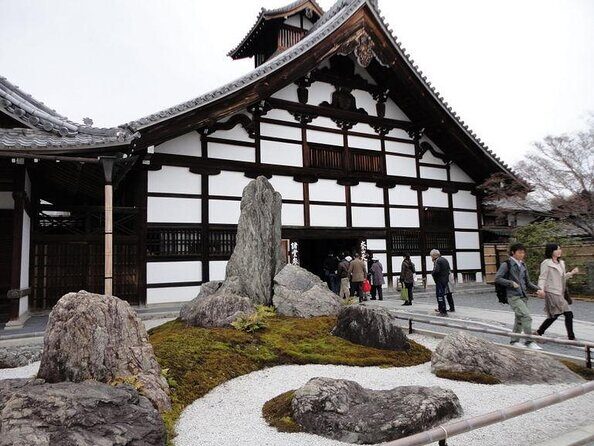
- Small group size (max 12) keeps questions flowing and pacing smoother
- Built-in admissions for Monkey Park and major gardens means fewer tickets and less hassle
- Arashiyama context on every stop so bamboo and temples make sense, not just look pretty
- Back-road style routing to reduce time stuck in the busiest lanes
- Togetsukyo Bridge views over the Hozu River before the monkey hike
- Photo-friendly guidance (some guides even help with photo spots and little extras)
Why Arashiyama works better with a plan
Arashiyama is one of those Kyoto districts where the main attractions sit close together on a map, but not close together in real life. People spread out across multiple lanes, and there are several similar-sounding train stops. A good guide makes the difference between “I’ll figure it out” and actually seeing the places you came for, in the right order, without burning half your day wandering.
This tour also leans into what Arashiyama offers beyond the headline bamboo grove. You’ll visit a Shinto shrine used historically for purification rituals by imperial princesses before they served as priestesses at Ise, then shift into Kyoto’s garden culture with Okochi Sanso and Tenryu-ji. That mix is exactly what makes the day feel full instead of repetitive.
And the timing is built for comfort. You’re walking for hours, yes, but the stops are spaced out so you can absorb what you’re looking at: short shrine moments, garden browsing, then a longer climb to the monkey overlook.
A few more Kyoto tours and experiences worth a look
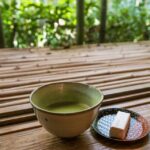
Getting oriented fast at the start point
The tour begins at Saga-Arashiyama Station, where you can gather your group and get your bearings. This matters more than it sounds. In Arashiyama, there are multiple stations with related names, and it’s easy to end up at the wrong one before you even start.
Once you meet up, your guide heads you toward the small shrine area first, then gradually works you into the bamboo and garden zone. That flow helps you avoid the feeling of arriving and immediately being overwhelmed by crowds.
If you’re traveling independently, I’d still recommend arriving a little early. You’ll likely want a couple minutes to check which exit you’ll use and make sure you’re in the right place before the group moves.
Nonomiya Shrine: a quiet start with cultural context
Your first key stop is Nonomiya Shrine. It’s small, but the point here is meaning. The tour frames it as part of Arashiyama’s longer religious footprint, including the tradition of purification rituals by unmarried imperial princesses before serving as priestesses at Ise.
This is the kind of stop that often gets skipped because it’s not the “viral” landmark. With a guide, it becomes a grounding moment. You go from the train-station buzz into a calmer pocket of shrines, and suddenly the day has context before you hit the bamboo photo crush.
It’s also short—plan on about 10 minutes—so don’t expect a long ceremony. Expect a focused, explanatory introduction and then movement onward.
Okochi Sanso Garden: calm Kyoto garden time
Next you’ll step into Okōchi Sansō Garden, often described as a peaceful escape reached at the end of the bamboo area. The big draw is that it’s not just “pretty greenery.” The garden was once the private villa of a famous Japanese actor, and that background gives the place a different flavor than temples that are primarily visitor spaces.
This stop gets about 30 minutes, which is a sweet spot. You can stroll slowly enough to notice how the paths and views are framed, without feeling like you’ve been parked for an hour.
Practical note: gardens in Kyoto can be gorgeous in any season, but they can also feel busy at peak times. The guide’s routing is there to help you get the experience without spending your time elbow-to-elbow.
Bamboo Forest Trail: how to enjoy it instead of just shooting it
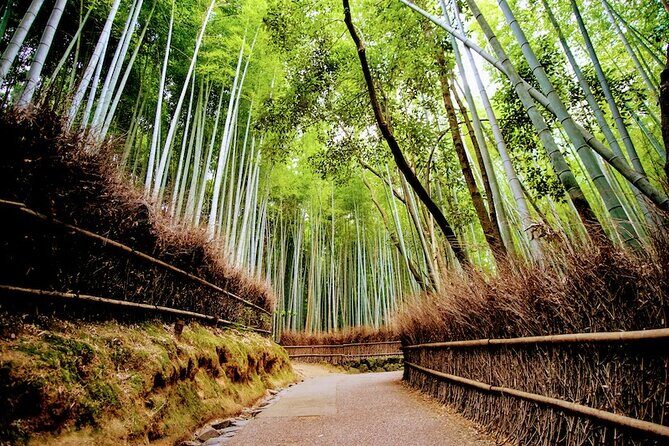
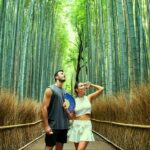
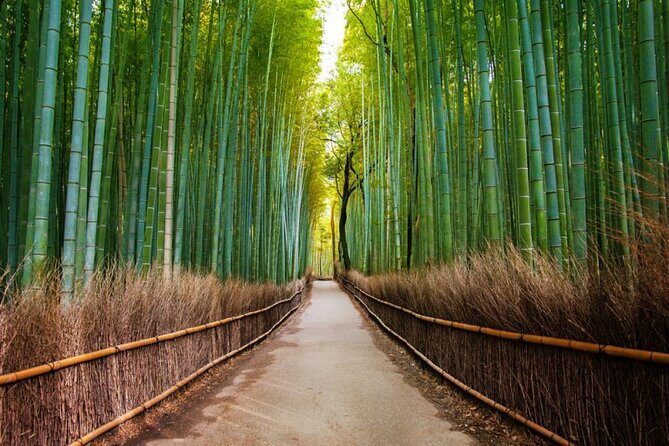
From the garden area you head into the Bamboo Forest Trail. Yes, it’s the famous bamboo grove. Towering stalks, a natural tunnel effect, and that “wow, I get why people come” feeling.
Here’s the trick: the bamboo grove is easy to rush, and that turns a serene scene into a crowd navigation problem. With a guide, you’re more likely to slow down for the best angles and understand what you’re looking at—how the space works and why this corridor has such a strong reputation.
Admission is included, and the time on this section is about 30 minutes. That duration gives you enough chance to get your photos, but not so long that you start longing for peace.
Other walking tours we've reviewed in Kyoto


Tenryu-ji Temple Garden (UNESCO): the garden that earns its reputation
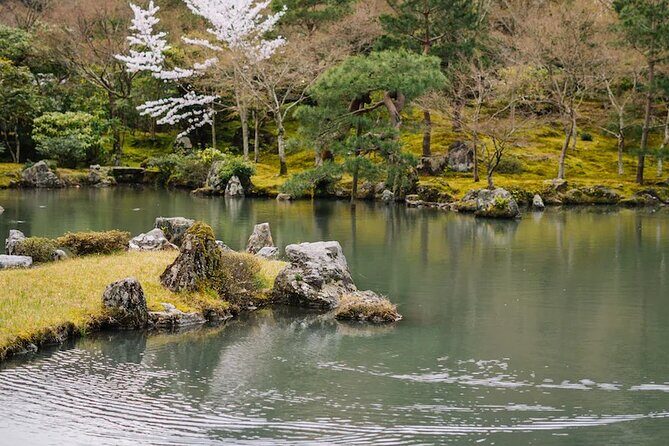
You’ll then visit Tenryu-ji Temple, specifically the Tenryu-ji Garden, which is UNESCO World Heritage. This is one of those Kyoto experiences where the value is in the details: how the garden is structured, how paths guide your viewpoint, and how the scenery changes as you move.
You get about 35 minutes here, and since admission is included, you won’t waste time figuring out ticket desks and entry rules.
A useful mindset: don’t treat it like a static “see and leave” attraction. Let it become a walking design lesson. Even if you’re not into garden design, the guided explanation helps you read the place.
If you’re sensitive to lots of standing, the good news is that the garden layout naturally slows you down. The walking is gentle compared with the later monkey hike.
Togetsukyo Bridge: the viewpoint before the climb
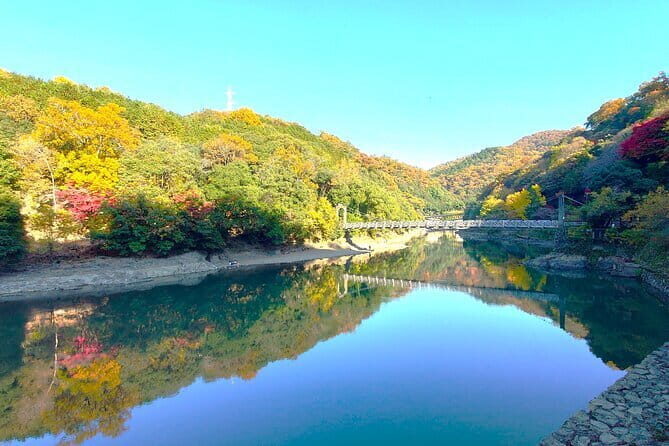
After the gardens, you’ll reach Togetsukyo Bridge, one of Arashiyama’s most popular viewing points. The pull here is the river and the mountains: you’re looking out over the Hozu River with a classic Arashiyama backdrop.
This stop is shorter—around 15 minutes—so treat it like a viewpoint checkpoint. Get your photos, take in the river view, and then steel yourself for the hilltop hike that comes next.
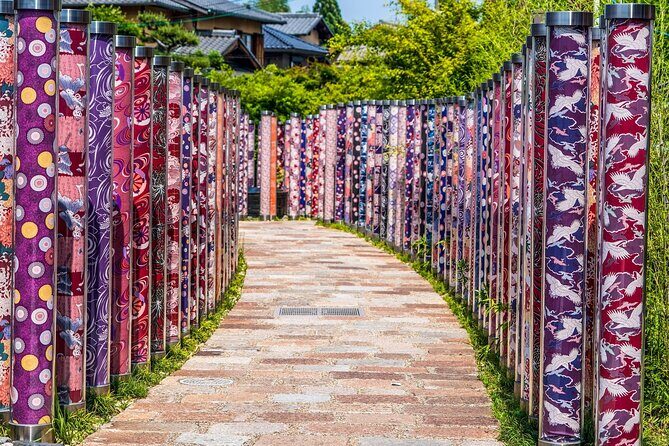
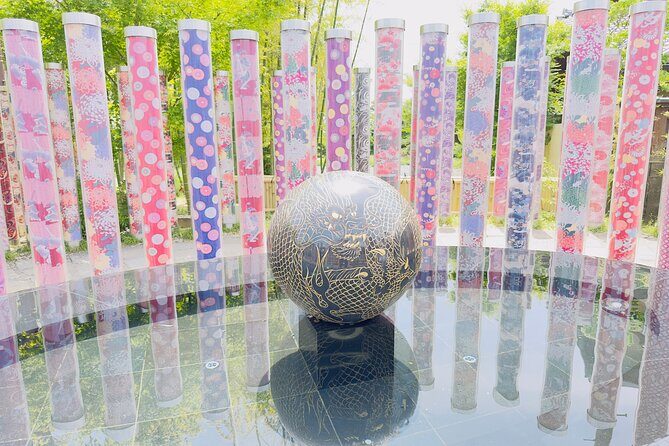
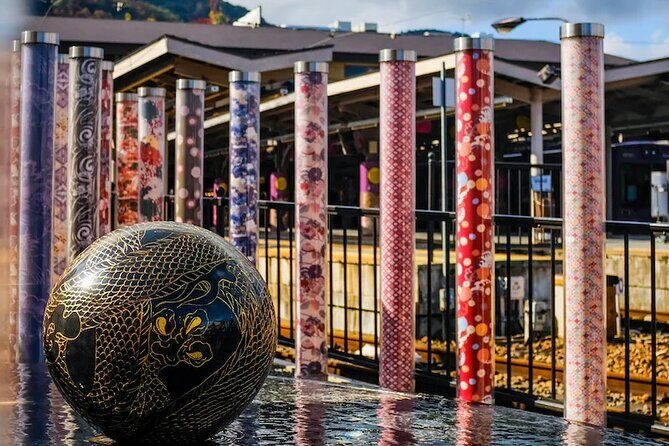
Also, the tour description includes time after visiting Kimono Forest before reaching the bridge. Even if you’re not buying anything, it’s a quick photo moment. Think of it as a visual break right before the more physical part of the day.
Monkey Park Iwatayama: the hike, the payoff, and safety reality
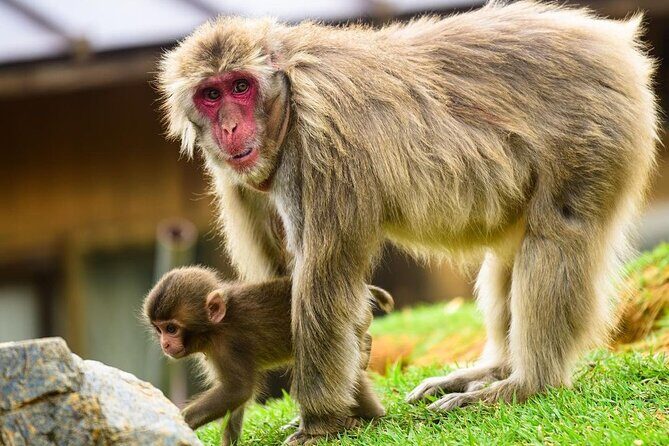
This is the heart of the tour’s adventure: Monkey Park Iwatayama. From Togetsukyo Bridge, you’ll hike up to the overlook, with the climb taking about 20-25 minutes one way and described as a bit steep.
The timing on this segment is about 1 hour total at Monkey Park area, which includes the climb and your time viewing monkeys. The whole point is interaction and watching how monkeys move through their environment.
A few practical pointers based on what’s emphasized for this stop:
- Wear shoes you trust on a slope. Even if you’re fine walking on flat streets, this one isn’t flat.
- Plan your effort so you’re not exhausted before you reach the viewpoint. Go steady on the way up.
- Bring a little patience. Monkeys don’t pose on command, and the experience is more about watching their behavior than collecting one perfect shot.
One more note: the tour includes rules around recording and live streaming. Smart glasses with recording capabilities are not allowed, and recording isn’t allowed during the tour. So if you’re a casual filmer, this is still fine for photos, but you’ll want to follow the guide’s instruction about what’s permitted.
Lunch time: when to eat and how to avoid losing momentum
You’ll get a quick lunch break with about 35 minutes, and lunch isn’t included. This is enough time to grab something simple nearby without derailing the schedule.
I suggest you don’t plan on a long sit-down meal here. Instead, treat it like a reset: water first, then food, then regroup for the next stretch if anything remains on your route.
If you’re picky about eating at specific places, do your homework before the day. When you’re on a timed tour, last-minute restaurant hunting turns into lost minutes.
What you’re actually paying for: value check on $65.57
At $65.57 per person for a 5-6 hour outing, the value comes from three parts.
1) Admissions included for major stops
You’re not paying separately for Monkey Park and Tenryu-ji Garden, and Okochi Sanso is included as well. That’s a real cost saver in a day that otherwise stacks multiple paid entries.
2) A guide who reduces friction
Arashiyama has enough navigation traps to make even a confident traveler second-guess themselves. A guide helps you move in the right order and often keeps you off the busiest paths. The schedule being kept on track is also repeatedly praised.
3) Time efficiency
This tour is long enough to feel like an “experience day,” not a quick drive-by. You’re getting multiple distinct settings: shrine → bamboo → garden → bridge → hike.
If you’re traveling with someone who likes history and garden culture, the guide explanations add extra value. If you mainly want photos, the paid stops plus time control still make it worth considering.
Who this tour suits best (and who should skip it)
This one fits best if you want an Arashiyama highlights loop without spending your day choosing between crowds, tickets, and directions.
You’ll likely enjoy it if you:
- like walking and can handle a decent amount of time on your feet
- want the bamboo grove plus garden stops, not just the monkeys
- appreciate cultural context, like why a small shrine matters
You might want to think twice if you:
- don’t feel good about a steep 20-25 minute hike
- need a more relaxed pace with no uphill segments
- plan to film or stream extensively, since recording/live streaming is not allowed on this tour
The small-group vibe: why it feels smoother in practice
The tour caps at 12 travelers, and that size matters. Larger groups can shuffle and stretch out, leaving people waiting at entrances or missing the guide’s explanation. With a smaller group, you tend to stay together more naturally, and the guide can adjust timing when something needs a moment.
In the guide stories, you also see attention to schedule control—finishing on time so you don’t lose the rest of your Kyoto day. That’s one of those “small” benefits that turns into a big deal once you’re trying to connect to trains and plan evening meals.
Guide styles you can expect (from the people who’ve led it)
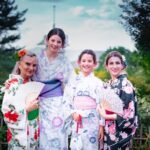
Guides named Teri and Mari are repeatedly described as giving strong context, moving through a wide variety of stops, and staying engaging. Another guide name that comes up is Aron, and one route note includes surprise-style additions like a sake tasting and the kimono photo area. A couple stories also mention photo help and small take-home touches like a polaroid souvenir.
You shouldn’t count on extras every day, but the pattern is consistent: you’re not just walking from point A to point B. You’re getting narration that helps the day click.
Should you book the Kyoto Arashiyama Walking Tour?
Book it if you want a guided, efficient Arashiyama day that includes the big-name stops plus the garden and shrine pieces that make the district feel like more than a photo backdrop. The included admissions and the small-group format help you feel like you’re buying time and clarity, not just transportation.
Skip (or choose a different style) if the monkey park hilltop hike sounds too hard. That climb is the main physical hurdle on the itinerary, and the tour is built around it.
If you’re comfortable walking and okay with a bit of effort for a great payoff, this is an easy yes for an Arashiyama “do it right” day.
FAQ
How long is the Kyoto Arashiyama Walking Tour?
It runs about 5 to 6 hours.
What’s included in the price?
The tour includes admission for the stops on the route, including Monkey Park, Tenryu-ji Temple Garden, and Okochi Sanso Garden, plus a bilingual guide. Bamboo Forest and Togetsukyo Bridge are part of the route as well.
Do I need to buy lunch?
Lunch is not included. You’ll have a quick lunch break of about 35 minutes.
Is there a hike during the tour?
Yes. There is a 20-25 minute hike to the Monkey Park hilltop, and the path is described as a bit steep.
Is this tour private?
You can choose a private or small-group option. The tour also has a maximum group size of 12.
Will I be able to record or livestream?
Recording and live streaming are not allowed during the whole tour. Smart glasses with recording capabilities are also not allowed.
What if I’m booking solo?
Solo travelers can book, but there is a “2 guests minimum” requirement. If only one guest is booked, the tour may be canceled, with options for rescheduling or a full refund.