Kyoto’s sweets taste better when you make them. This hands-on class takes you through Nerikiri traditional sweet making, then shifts into a tea ceremony using Uji matcha. I love that you start by coloring white bean paste and then shape two seasonal treats, and I also love the focus on quality ingredients, including single-origin matcha. The main thing to consider is that the tea part can feel more like a guided lesson than a perfectly silent, formal ceremony, and a few sessions can run with nearby classes in the same space.
In plain terms: you’ll work with dough-like bean paste, learn the logic behind the shapes, prepare matcha, and finish by eating what you made. It’s also a useful “slow down” activity in Kyoto, especially on a rainy afternoon or after a busy temple day.
In This Review
- Key Things to Know Before You Go
- Kyoto Nerikiri Meets Uji Matcha: What Happens in 95 Minutes
- Making Nerikiri: Coloring Bean Paste Into Seasonal Shapes
- The Tea Ceremony With Uji Matcha: How the Session Plays Out
- Pairing Your Sweets With Your Own Matcha: Taste Matters
- Price, Value, and Optional Extras (Including Take-Out and Certificates)
- Where to Go: Gojo Station Meet-Up and Stair Realities
- Best For: Who Will Enjoy This the Most
- Should You Book This Kyoto Class?
- FAQ
- How long is the Kyoto Japanese Traditional Sweets Making and Tea Ceremony?
- Where is the meeting point?
- What sweets will I make?
- What matcha do they use?
- Is the experience included in the price?
- Are there any optional add-ons?
- Does the class offer English?
- What time does it run?
- Is the venue wheelchair accessible?
- Is free cancellation available?
Key Things to Know Before You Go
- Seasonal Nerikiri shapes: you’ll make two sweets that match the time of year
- Bean paste from Kyoto’s long-established shops: quality is part of the class design
- Uji matcha, single-origin: you’re not just drinking tea, you’re tasting the source
- You make the matcha you drink: not a demo, not a handoff
- No elevator: plan for stairs even though the venue is described as wheelchair accessible
- English support varies by timing and group: they’ll do their best, but Japanese remains the base language
Kyoto Nerikiri Meets Uji Matcha: What Happens in 95 Minutes
This class is built around a simple idea: Kyoto food culture makes more sense when you learn the craft, not just the end result. The duration is 95 minutes, so it’s long enough to feel hands-on, but short enough that you won’t spend your whole day in one room.
You start with Nerikiri, a higher-end Japanese sweet known for its elegant shapes. Then you move into making and drinking matcha—specifically Uji matcha—with a guided routine that includes basic etiquette and how to handle the cup and tea. When it’s done, you don’t leave with a vague souvenir. You leave with two sweets you shaped and matcha you prepared yourself.
One practical note: English translation is provided “as much as possible,” and the language is listed as Japanese. In the real world, that usually means the instructor tries to explain in English when needed and may switch pace depending on your group. I like that flexibility, but it’s worth keeping your expectations grounded: the primary flow is still Japanese-led.
A few more Kyoto tours and experiences worth a look
Making Nerikiri: Coloring Bean Paste Into Seasonal Shapes
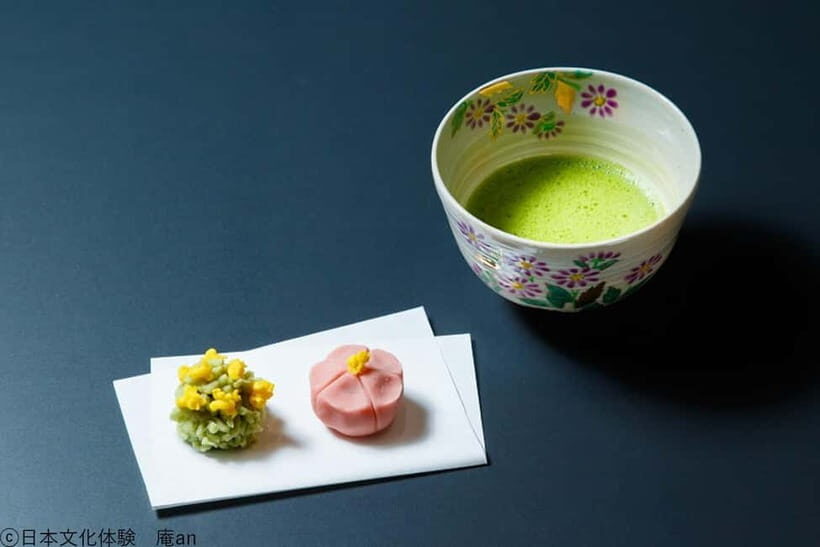
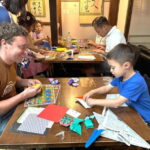
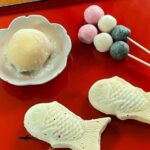
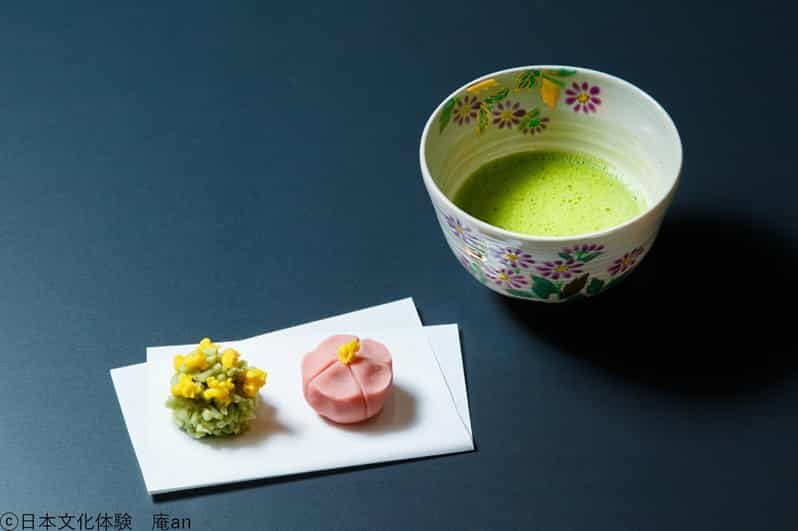
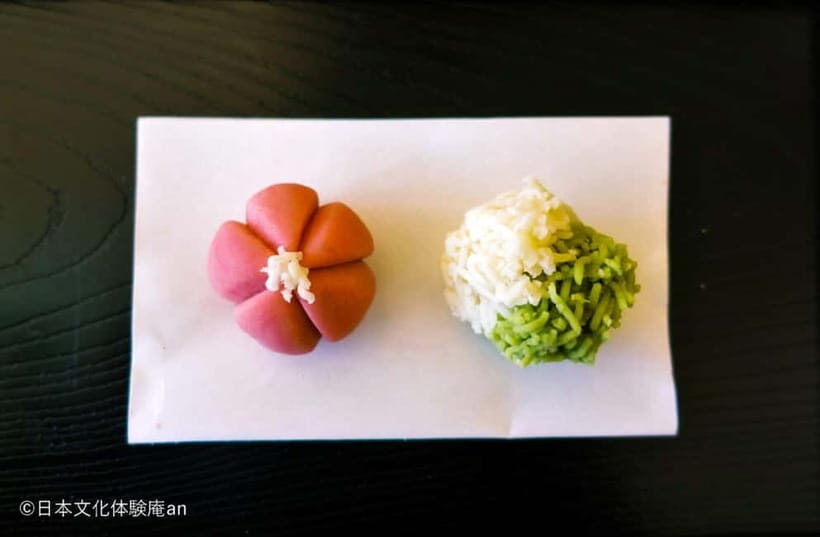
“Nerikiri” is the part most people remember, because it’s tactile and surprising. You begin with white/red bean paste and then do the really “Kyoto” step: coloring and shaping.
Here’s what you can expect at a hands-on level:
- You’ll color the bean paste and work it until you can handle it cleanly.
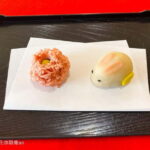
- You’ll make two sweets that correspond to the season (so it’s not one generic design).
- You’ll shape Nerikiri into seasonal motifs like flowers or fruit forms, depending on what’s appropriate for the time of year.
A big reason this feels authentic is that the class doesn’t treat nerikiri as a craft for tourists. The sweets are described as being made using bean paste produced by Kyoto’s long-established shops, which matters because the texture and sweetness balance are key. In other words, your shaping effort has a good foundation.
Also, the best part of Nerikiri is that it rewards attention without demanding perfection. Several people found it enjoyable even if they weren’t “good at crafts.” The instructors tend to break steps into manageable chunks and keep moving so the whole group can follow.
The only caution is time pressure. A handful of experiences note moments where the schedule felt a bit rushed, especially in the tea portion. That doesn’t mean you won’t learn; it means you should arrive on time and be ready to work steadily.
The Tea Ceremony With Uji Matcha: How the Session Plays Out
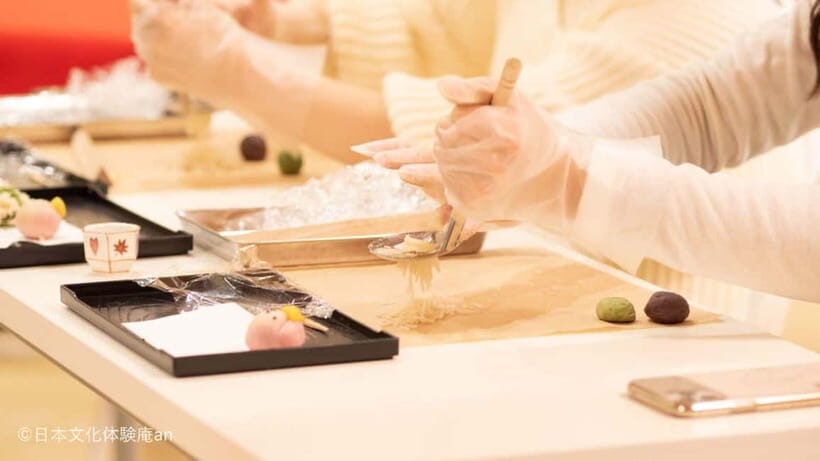
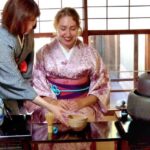
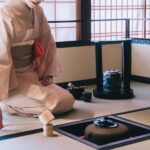
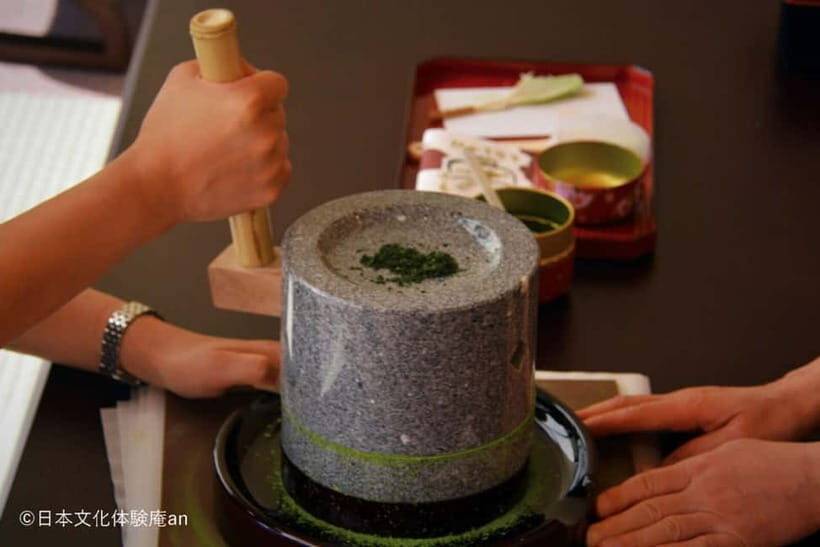
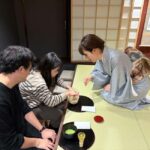
After the sweets, the focus turns to matcha from Uji, Kyoto’s famous tea-growing area. This isn’t just “tea time.” You’ll prepare your own Uji matcha and practice the basic motions involved in drinking it properly.
What’s taught:
- How matcha is prepared (at least at the level needed to make a good cup)
- How to handle the cup and drink in a way that fits the tradition
- Etiquette cues that help the ritual feel respectful, not random
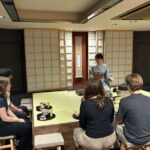
In a few experiences, the tea segment was described as more of a class than a slow, formal ceremony. That tracks with the structure: this is a 95-minute package, and you’re also eating what you made. So you may not get the full, silent, museum-like version of the ceremony.
Still, the matcha portion is a win for most people because you leave understanding what makes matcha taste like matcha: the balance, the texture, and the care that goes into the cup. One person specifically said the instructor adjusted and explained in English when they noticed non-Japanese speakers, which is exactly what you want in a mixed-language setting.
If you’re hoping for a perfectly choreographed, every-detail ceremony with lots of breathing room, this might fall a little short. If you want the practical “how-to” and a meaningful cultural snapshot, it delivers.
Pairing Your Sweets With Your Own Matcha: Taste Matters
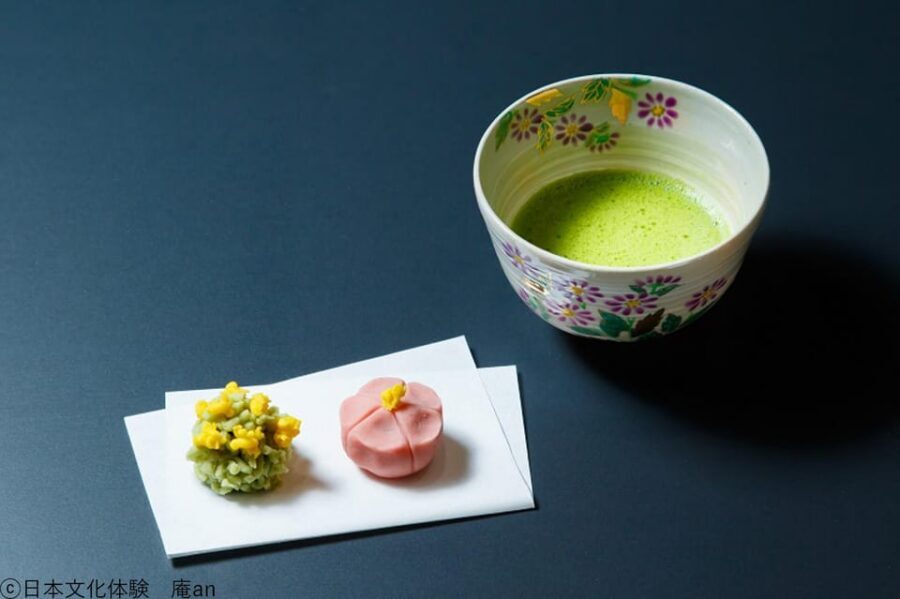
This class doesn’t end with a clipboard lesson. It ends with the pairing: the sweets you made, matched with the tea you prepared.
Two details matter here:
- Your bean paste sweets are sweet, but not one-note. The class description emphasizes that the quality white/red bean paste balances the taste of matcha. If you like bean paste, you’ll probably feel the contrast right away: creamy sweetness against the grassy depth of matcha.
- You’re tasting the ingredient story. Because the matcha is described as single-origin, it tends to feel more specific and focused than generic blends. Even if you don’t know the terms yet, you can usually tell when tea has a clean character.
One small, real-world thing: in some sessions the tea felt colder than expected, and in one case the ceremony felt short. That’s not ideal if you came for a calm, slow ritual. But in exchange, you’ll still walk away with the core learning: how to make matcha and how nerikiri and matcha work together as a Kyoto pairing.
Price, Value, and Optional Extras (Including Take-Out and Certificates)
The price listed is $18 per person for about 95 minutes. That’s what makes this class hard to beat. You’re paying for two connected experiences—Nerikiri making plus matcha—and the ingredients are described as higher quality: bean paste from established Kyoto shops and Uji matcha.
What’s not included:
- Sweets take-out box: 100 JPY
- Experience completion certificate: 300 JPY
That matters because many classes like this try to sell extras as a “must.” Here, you can keep it simple: make, drink, eat. If you want the certificate, it’s there. If you want to bring extra sweets home, the take-out box is an easy add.
One tip from experience patterns: if you’re traveling with a child, you might see mention of a helper fee being unnecessary unless the child needs extra assistance. I can’t guarantee how each booking works, but it’s a good question to ask during booking if you’re trying to keep costs clean.
A few more Kyoto tours and experiences worth a look


Where to Go: Gojo Station Meet-Up and Stair Realities
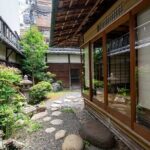
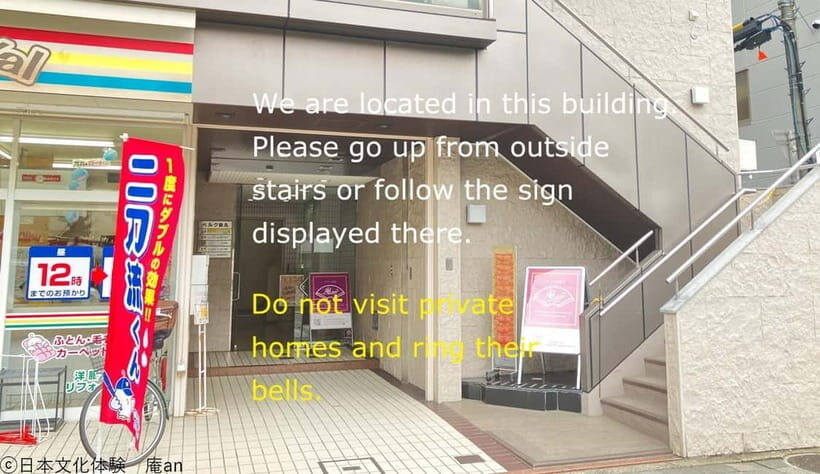
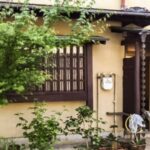
The meeting point is easy to find: 1 minute walk from Exit 1 of Subway Karasuma Line Gojo Station. The store entrance faces the main street (Gojo-dori), so you’re not hunting down a hidden alley.
Coordinates are also provided: 34.9964743, 135.7617429. If you’re using navigation, I’d search with Gojo Station first and then follow the street frontage.
Now the logistical part to respect: there’s no elevator, and you’ll need to take stairs to reach each venue. The activity is described as wheelchair accessible, but “accessible” doesn’t always mean “no stairs.” If stairs are a challenge for you, it’s worth asking ahead what support they can provide once you’re on-site.
Also keep in mind:
- The class is run on set hours (operations are listed as 10:00–17:00).
- They won’t hold the event for delays, so treat arrival like a train: get there early and settle.
If you’re the type who likes a buffer, aim to arrive a few minutes before your start time. You’ll be doing manual work soon, and you don’t want to show up flustered.
Best For: Who Will Enjoy This the Most
This is a good match if you want Kyoto culture that’s hands-on and not just sightseeing. It’s especially great for:
- People who enjoy food workshops and want something more specific than “make dumplings”
- Anyone curious about matcha beyond ordering it
- Couples and friends who like a shared activity with a clear result (two sweets plus one cup of matcha each)
- Families with kids old enough to follow step-by-step instructions (many experiences describe it as manageable when instructions are clear)
It’s also a smart pick when your Kyoto schedule needs a reset. One person described it as a relaxing rainy-afternoon option, and that makes sense. You sit, make, learn, and eat—no long walking loop required.
If you’re very sensitive to language barriers, remember: English translation is provided as much as possible, but Japanese is the base language. Some instructors are excellent at switching to English when needed, so the experience can still work well. Just don’t expect every explanation to be perfectly mirrored in English.
Should You Book This Kyoto Class?
Book it if you want the real Kyoto combo: Nerikiri craft + Uji matcha in one tidy session, with quality ingredients and a strong practical outcome. The $18 price for a full 95-minute food-and-tea experience is genuinely attractive, and you’ll leave with something you made—not just photos.
Skip it or choose carefully if:
- You need a perfectly formal, slow, silent tea ceremony with lots of time to soak in atmosphere.
- You can’t do stairs, and you haven’t confirmed how the no-elevator setup will work for your needs.
- You’re expecting a lecture-heavy, deep history lesson. This is craft-first, guided practice-first.
If that sounds like your style, you’ll likely enjoy it. And even if your shapes aren’t perfect, that’s part of the fun. Nerikiri is about effort, texture, and tradition—not flawless artistry on the first try.
FAQ
How long is the Kyoto Japanese Traditional Sweets Making and Tea Ceremony?
It lasts 95 minutes.
Where is the meeting point?
It’s 1 minute walk from Exit 1 of Subway Karasuma Line Gojo Station. The entrance faces Gojo-dori.
What sweets will I make?
You’ll make two Japanese sweets for the season. The class starts with Nerikiri and you’ll color the bean paste as part of the process.
What matcha do they use?
They use single-origin Uji matcha.
Is the experience included in the price?
The experience includes the Japanese traditional sweets making and tea ceremony.
Are there any optional add-ons?
Yes. A sweets take-out box costs 100 JPY, and an experience completion certificate costs 300 JPY.
Does the class offer English?
English translation is provided as much as possible, and the activity language is listed as Japanese.
What time does it run?
Operation hours are 10:00–17:00. Reservations received after 17:00 are processed next day.
Is the venue wheelchair accessible?
It’s described as wheelchair accessible, but there is no elevator, so you’ll need to take stairs to reach each venue.
Is free cancellation available?
Yes, you can cancel up to 24 hours in advance for a full refund.