Matcha, temples, and crafts in one walk. This Kyoto tour strings together Gion streets, Kennin-ji, and a final tea ceremony, with a guide leading you the whole way so you’re not playing map roulette. I love the small-group setup for easy questions, and I love that temple admission is already built in, so your time stays on the good stuff.
One thing to consider: the experience depends on your guide’s communication. A small handful of feedback flagged that English clarity can vary, so if you’re the type who needs every detail, I’d lean in early—ask questions when you meet up and during the stops.
In This Review
- Key Highlights You’ll Feel Right Away
- Starting in Gion: Quick Orientation, Minimal Stress
- Gion Tea Culture Stop: Matcha, History, and How It’s Made
- Kennin-ji Temple in 30 Minutes: Worth It, If You Let It Be Slow
- Craft Shops in Kyoto: How to Shop Without Getting Lost
- Hidden Temple and Garden: A Break From the Main Streets
- Tea Bowl Focus: Raku Cups and Why Each One Feels Different
- Tea Ceremony Chayu: Matcha, Tea Master Instruction, and Wabi-Sabi in Action
- A practical note on age
- What You Really Get for $94.45: Value That Adds Up
- Weather, Timing, and a Few Day-of Tips That Matter
- Who Should Book This Kyoto Tea and Temple Tour
- Should You Book It?
- FAQ
- FAQ
- How long is the Kyoto Way of Tea tour?
- Where does the tour start?
- What’s the group size?
- Is there an English-speaking guide?
- What are the main stops during the tour?
- Are temple entrance fees included?
- What happens at the tea ceremony?
- What’s included besides the ceremony and admissions?
- How old do you need to be to join the tea ceremony?
- Where does the tour end?
Key Highlights You’ll Feel Right Away
- Gion Shijo start point near the Izumo-no-Okuni statue, with a guide holding a Magical Trip Tour sign
- Guided tea history walk in Gion, plus a matcha shop stop focused on how tea is made
- Kennin-ji Temple visit with admission handled, giving you a calm, guided look at a centuries-old site
- Craft shopping with a raku tea bowl angle where each cup’s meaning gets explained
- Wabi-sabi-led tea ceremony in a traditional house, with tea master instruction and matcha included
- Photos taken during the tour plus a mobile ticket for simpler day-of logistics
Starting in Gion: Quick Orientation, Minimal Stress
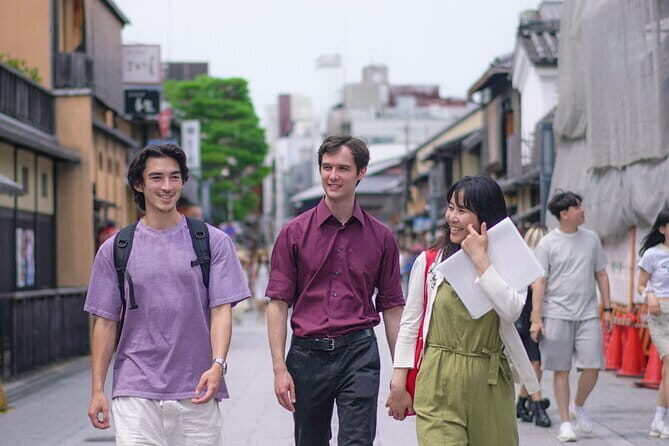
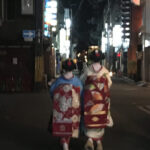
Your tour begins in Gion, right by the Statue of Izumo-no-Okuni. The meeting point is outside Exit 5 of Gion Shijo Station (Keihan Line). Your guide will be holding an orange signboard that says Magical Trip Tour, which is a small detail, but it matters. In a busy area like this, it’s the difference between “found it” and “where are they?”
The pace is built for a short, high-signal visit. It runs about 3 hours 30 minutes, and the format is practical: the guide moves you between stops, then tells you what to look for. That means you spend less time figuring out directions and more time actually seeing Kyoto up close.
The group is capped at 7 people, which keeps the vibe relaxed. You’re not stuck in a crowd where your only job is to follow a line. It also helps during the tea and craft moments, because you can ask a question without feeling like you’re interrupting a full bus of people.
Other walking tours we've reviewed in Kyoto


Gion Tea Culture Stop: Matcha, History, and How It’s Made
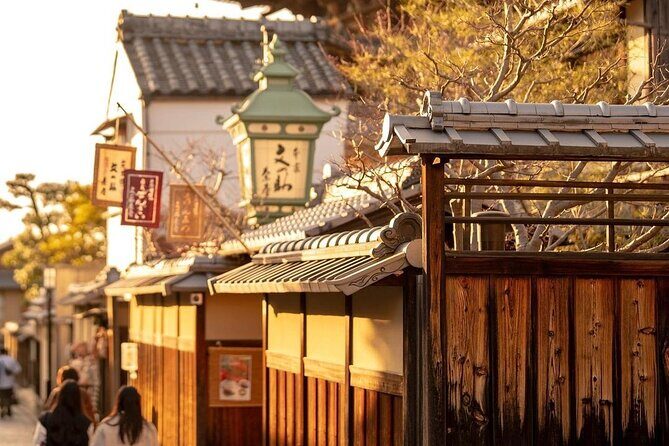
The first real chunk of time happens in Gion. You start with tea culture basics—Japanese tea history and how tea is made—then you walk through the historic district and stop at a matcha shop.
This is where the tour earns its “tea and temples” promise. Many Kyoto itineraries treat tea as a final add-on. Here, you get the context first, so later when you’re drinking matcha and talking about wabi-sabi, it lands with more meaning.
That matcha shop stop is also timed to feel manageable. It’s about 30 minutes, and it’s not presented as a hard sell. Think of it as your chance to see what matcha looks like in real life: the packaging, the products, and the everyday place where locals pick up their tea.
If you’re the kind of person who likes to taste and compare, you’ll likely enjoy this part most. It’s a good “before the ceremony” primer, and it gives you language and ideas you can carry forward.
Kennin-ji Temple in 30 Minutes: Worth It, If You Let It Be Slow
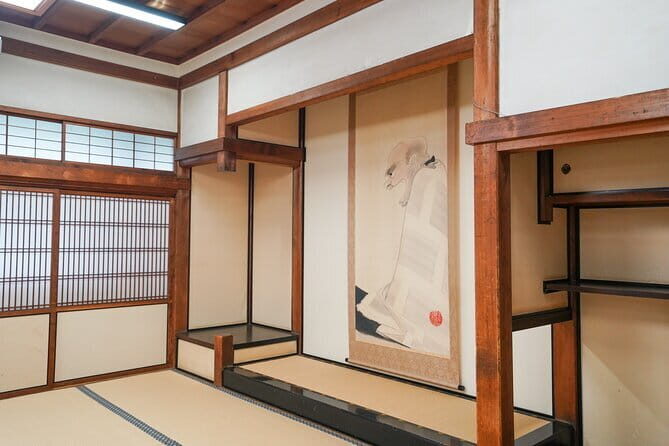
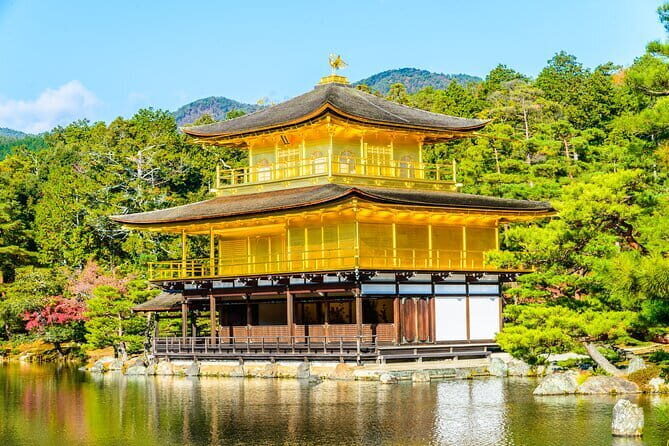
Next up is Kennin-ji Temple. This stop is also about 30 minutes, and it’s long enough for a meaningful look without dragging on. The guide helps you understand what you’re seeing, instead of just pointing and moving on.
Kennin-ji is one of those places where Kyoto doesn’t feel like a theme park. The guide’s explanations help you notice the small things—how a temple reads as a living space, not just a photo backdrop. You’re there for the atmosphere and the perspective, not a checklist sprint.
Also important: temple admission for two temples is included. That’s a quiet win. In Kyoto, you can lose time hunting tickets or figuring out what’s required at each gate. Here, you don’t need to.
If you’re short on time and you want one major temple stop that still feels personal, this is a solid pick. If you’re a temple fanatic who wants hours of unhurried roaming, you might wish this portion ran longer—but for most people, 30 minutes is a sweet spot on a half-day tour like this.
Craft Shops in Kyoto: How to Shop Without Getting Lost
After Kennin-ji, you shift to crafts. You’ll visit craft shops for about 30 minutes.
This isn’t random shopping. The tour steers you toward objects you can connect to the tea story—especially ceramics. That matters because Kyoto crafts can otherwise blur together if you don’t know what you’re looking at. With a guide, you get help sorting out what’s meaningful versus what’s just decorative.
A good way to think about this stop: it’s your “slow shopping” segment. You’re not racing through stores, and you’re not pressured into decisions. Instead, you’re learning the reasoning behind what you might see later at the tea bowl shop.
Even if you don’t plan to buy anything, you’ll probably enjoy the craft perspective. It’s a nice counterbalance to temple sightseeing, and it gives your brain a different type of attention.
Hidden Temple and Garden: A Break From the Main Streets
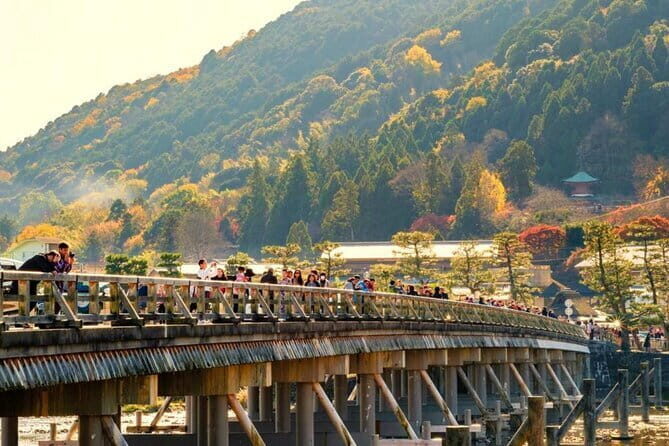
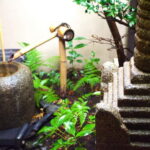
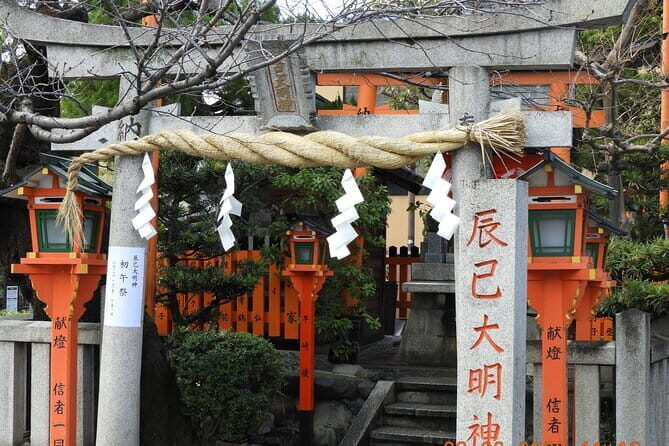
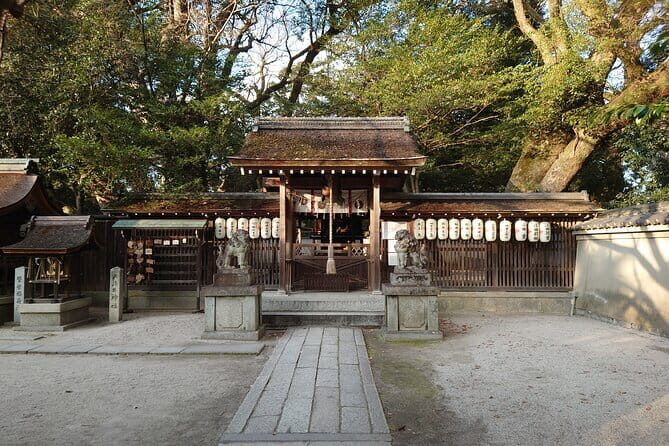
Then comes a more quiet moment: a hidden temple and garden stop. Like the rest of the itinerary, it’s about 30 minutes.
This is the kind of pause Kyoto does well. You go from the more open streets into something calmer, where details matter more than crowds. The garden piece is also a helpful setup for the tour’s theme of wabi-sabi—the idea that beauty includes age, wear, and imperfection.
I like these “small scale, quiet place” stops because they change your pace. You come in from the busy area, then the garden/temple atmosphere gives your day a reset button.
Don’t expect this to be a long, solo wander. This is guided. But that can be a benefit: the guide helps you find what’s worth your attention in a limited time window.


Tea Bowl Focus: Raku Cups and Why Each One Feels Different
One of the most interesting parts of the tour is how it connects crafts to tea. After the garden stop, you’ll visit a tea bowl shop, with the raku teacup taking center stage.
You’ll hear how each cup can have its own character, history, and meaning. That’s a big deal in tea culture, because the cup isn’t just a container. It’s part of the ritual. When you understand that, the tea ceremony later stops feeling like a performance and starts feeling like a conversation between object and moment.
This is also where wabi-sabi becomes more than an aesthetic word. You’re being trained to notice the value of an item that doesn’t look brand-new. You’re learning to appreciate the human touch—changes that come with firing, use, and time.
Even if you don’t buy a bowl, you’ll likely carry that mindset into the ceremony. It’s the difference between watching what’s happening and understanding what matters.
Tea Ceremony Chayu: Matcha, Tea Master Instruction, and Wabi-Sabi in Action
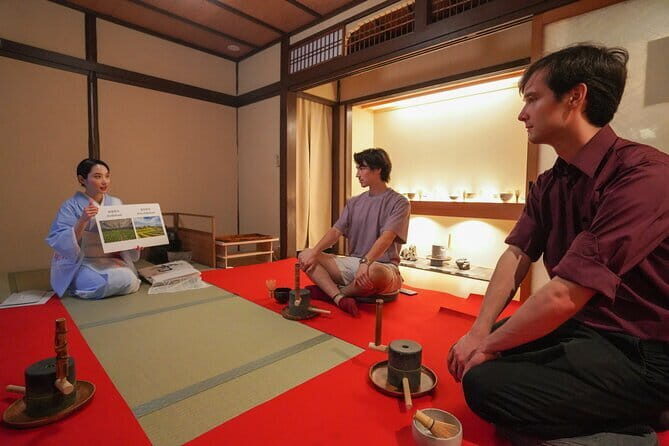
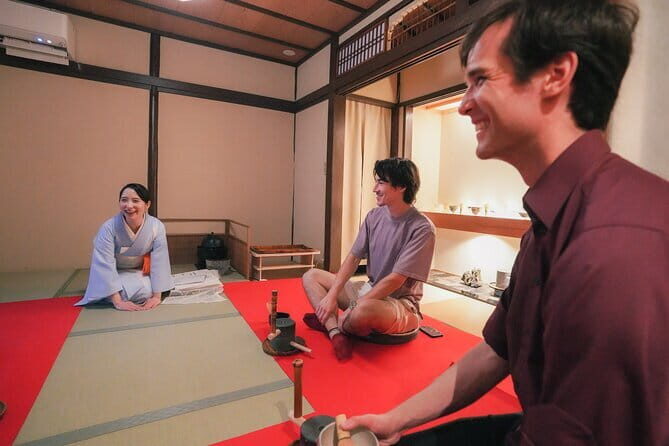
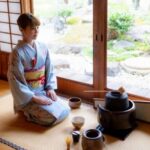
The tour ends with the main event: Tea Ceremony Chayu. This portion lasts about 1 hour and includes the tea-making experience plus matcha.
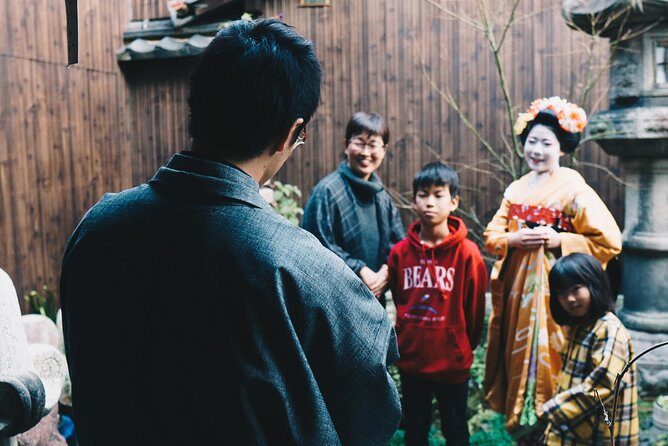
You’ll get tea master instruction in a real tea house setting. And there’s a clever structure to the whole day: you’ve been learning about wabi-sabi during the city walk, then you apply that attitude when you actually handle the tea process.
Here’s what you should look for during the ceremony:
- How the host treats the tools (not rushed, not careless)
- The pace—it’s meant to slow your attention
- The meaning behind the moments, like how you’re invited to appreciate the appearance and character of what’s served
Also, you do drink matcha (green tea) as part of the experience. That’s not just a taste at the end; it’s the point.
A practical note on age
The tea ceremony can only accommodate participants 6 years old and older. Children younger than 6 can go along, but one adult needs to accompany them outside the facility during the experience. If you’re traveling as a family, that’s a key detail to plan around.
What You Really Get for $94.45: Value That Adds Up
At $94.45 per person, this tour is priced for people who want structure and included experiences. Kyoto has plenty of DIY options, but the value here is in what’s already covered.
You’re not just paying for a walk:
- You have an English-speaking local guide
- Entrance fees of 2 temples are included
- The tea ceremony experience is included, including the matcha drink
- You get photos taken during the tour
- You use a mobile ticket, which reduces day-of friction
When I think about value, I compare it to the cost and time of doing each element separately. Temple entry plus a guided explanation plus a tea ceremony lesson can easily eat up a half day of planning and scheduling. This tour compresses that into one smooth flow, with a small group to keep it personal.
It also helps that the itinerary is designed around short stops (mostly 30 minutes) so you get variety without feeling trapped in one location. The final hour at the tea house is the place where you slow down and fully participate.
Weather, Timing, and a Few Day-of Tips That Matter
Kyoto’s weather can swing hard. The info you’re given notes summer highs can reach 40°C (110°F) and winter lows can drop to -5°C (20°F). So dress like you’re managing conditions, not just sightseeing.
Also, the tour is designed to start on time, and you won’t be able to join (or reschedule) if you’re late and miss the group. If you’re taking trains, give yourself buffer time to reach the exact meeting spot near Gion Shijo Station Exit 5.
Finally, you’ll be walking between several stops. That’s not portrayed as extreme, but it is a city walk plus brief visits. If you prefer long seated museum-style time, you might find this day-to-day rhythm a bit active.
Who Should Book This Kyoto Tea and Temple Tour
This tour is a great match if you want:
- A guided Kyoto intro with minimal navigation stress
- Tea culture context before you drink matcha in a formal setting
- A balance of temples, craft shops, and ceramics
- A smaller group experience where you can ask questions
- A wabi-sabi angle that ties objects and attention together
It may be less ideal if:
- You need every explanation to be loud and crystal-clear (communication can vary by guide)
- You want long free time at temples or markets instead of timed stops
- You’re traveling with kids under 6 who can’t participate in the ceremony
Should You Book It?
If your goal is a smooth, high-impact Kyoto day that blends tea and temples with real craftsmanship, I’d say yes. The strongest reasons are the included temple admissions, the tea ceremony lesson with matcha, and the way the tour builds wabi-sabi understanding before you enter the tea house.
Book it when you want a guided path through Gion and Higashiyama that doesn’t waste time. Skip it if you’re mainly chasing long temple wandering or you’re very sensitive to how clearly the guide speaks.
FAQ
FAQ
How long is the Kyoto Way of Tea tour?
The tour is about 3 hours 30 minutes.
Where does the tour start?
It starts in front of the Statue of Izumo-no-Okuni, right outside Exit 5 of Gion Shijo Station (Keihan Line).
What’s the group size?
The tour has a maximum of 7 travelers.
Is there an English-speaking guide?
Yes, the tour includes an English-speaking local guide.
What are the main stops during the tour?
You’ll visit Gion, Kennin-ji Temple, craft shops, a hidden temple and garden, and end with a tea ceremony experience at Tea Ceremony Chayu.
Are temple entrance fees included?
Yes. Entrance fees for 2 temples are included.
What happens at the tea ceremony?
You’ll take part in a tea-making experience with tea master instruction and drink matcha at a traditional Japanese house.
What’s included besides the ceremony and admissions?
The tour includes photos taken during the tour and the matcha tea ceremony drink.
How old do you need to be to join the tea ceremony?
The tea ceremony can only accommodate participants who are 6 years old or older. Children younger than that must be accompanied by one adult outside the facility during the experience.
Where does the tour end?
The tour ends after the tea ceremony experience at 4-chōme-172-7 Kiyomizu, Higashiyama Ward, Kyoto.