Dusk turns Kyoto into theater. This short walk through Gion and Higashiyama is timed for that magic hour, when streets look softer and details pop. You’ll move from a classic shrine ritual to old temple grounds, then straight into the postcard streets of Hanamikoji and the riverside lanes of Gion Shirakawa.
What I love most are two things. First, starting at Kyoto Ebisu Shrine and doing the coin-toss ritual at Ebisu’s smiling face feels playful and actually different from the usual shrine stop. Second, the walk is guided in a way that makes you notice what you’re seeing: wooden townhouses, temple art, and street signs that suddenly mean something. And with a small group, you can ask Romi questions without feeling rushed.
One drawback to plan for: you may not always spot a maiko or geiko. I’d still book this for the streets, the atmosphere, and the stories, but don’t count on a guaranteed sighting.
In This Review
- Key Things You’ll Notice on This Dusk Walk
- Dusk Setup: Why Donguri-bashi Park Matters
- Kyoto Ebisu Shrine: The Coin Toss Under Ebisu’s Smile
- Kennin-ji Temple Grounds: Wind and Thunder Gods in Real Life
- Hanamikoji Street at Sunset: Townhouses, Signs, and Possible Maiko Moments
- Gion Shirakawa by the River: Cobbles and Candle-Edge Atmosphere
- What the 2 Hours Really Gives You (and What It Doesn’t)
- Small-Group Energy With Romi: How the Tour Feels
- Practical Tips Before You Go
- Should You Book Geisha at Dusk?
- FAQ
- How long is the tour?
- What does it cost?
- Where do we meet?
- Is the tour guide English-speaking?
- Is this tour wheelchair accessible?
- What should I bring?
- Is a meal included?
Key Things You’ll Notice on This Dusk Walk
- Ebisu coin-toss at the shrine (a fun prosperity ritual tied to Ebisu)
- Kennin-ji temple grounds, including the famous Wind and Thunder Gods picture area
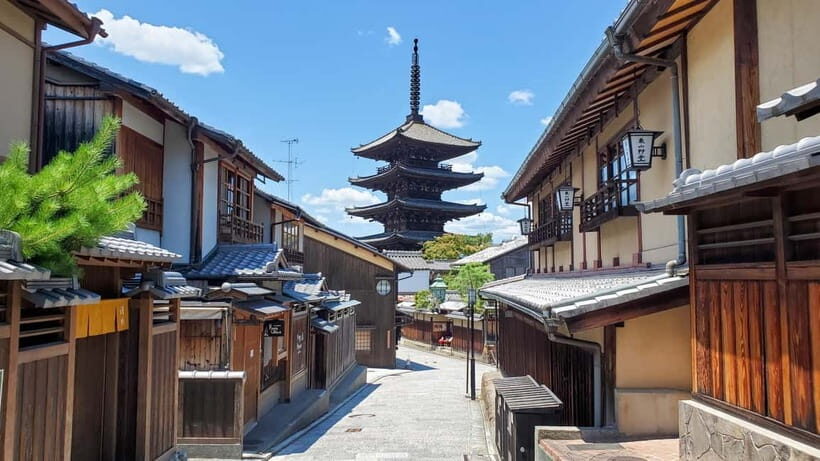
- Hanamikoji Street at sunset, where the townhouses look their best
- Gion Shirakawa by the river, with cobblestones and quiet dusk charm
- English guide Romi with time for your questions in a small group setting
- A 2-hour pace built for walking and photos without turning into a marathon
Dusk Setup: Why Donguri-bashi Park Matters
The whole experience starts with good timing, and your launch point at Donguri-bashi Park helps you get moving at the right moment. This is not a long tour. It’s built to cover a compact stretch of traditional Kyoto, so you’re not spending half your time commuting or waiting around.
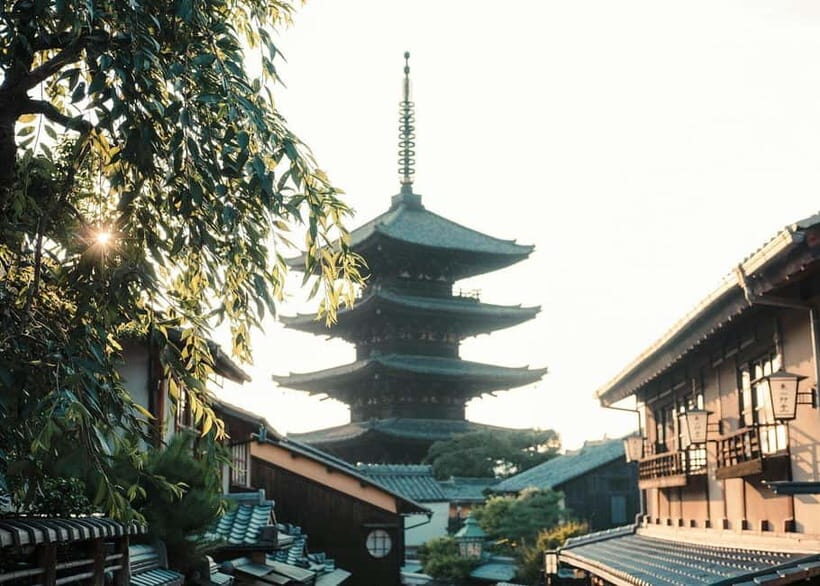
That matters because dusk is fleeting. The route is designed so you hit the most atmospheric parts as light changes—sunset fading, after-dark edges appearing, and lantern-like vibes forming around the streets. Even if you’re not a photo fanatic, you’ll feel it. Kyoto’s charm hits differently when the day cools down and people slow their pace.
Also, you’ll want to show up ready to walk. Comfortable shoes are a must. Kyoto’s historic areas can mean uneven sidewalks and cobblestones, and two hours adds up fast when you’re stopping often for explanations and photos.
A few more Kyoto tours and experiences worth a look
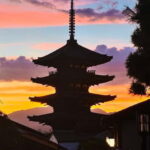

Kyoto Ebisu Shrine: The Coin Toss Under Ebisu’s Smile
Your first major stop is Kyoto Ebisu Shrine, dedicated to Ebisu, one of Japan’s Seven Lucky Gods and the deity of prosperity. This is one of those places where a little context changes the whole experience. It’s easy to see a shrine and think, okay, pretty and quiet. But once you understand who Ebisu is and what he represents, the visit feels more intentional.
Then comes the main event: the unique ritual where you toss a coin into a box beneath Ebisu’s smiling face. It’s simple, slightly silly (in a good way), and very memorable. You’re not just walking past something. You’re participating in a tradition that’s meant to be fun and symbolic.
Why I think this is valuable: it gives you an early win. Many shrine visits are observational. This one turns into an action moment, so you immediately feel connected to the culture you’ve come for.
Practical tip: bring your camera, but don’t let it swallow the moment. Do the ritual first, then shoot. The best photos usually happen right after you’ve experienced what’s going on.
Kennin-ji Temple Grounds: Wind and Thunder Gods in Real Life
From the shrine, you pass through the peaceful temple grounds toward Kennin-ji Temple. This stop adds a different flavor to your evening. Shrines tend to feel bright and open. Temple grounds feel slower, more internal. That contrast is a big part of why this tour works.
Kennin-ji is tied to cultural treasures, including the famous “Wind and Thunder Gods” picture. Even if you’ve seen photos before, seeing it as part of an actual temple experience hits different. You understand it as an artwork with place and purpose, not just an image on a screen.
You’ll also get that in-between feeling that makes Kyoto great: walking from one sacred space to another, with the city noise falling away behind you. It’s not a high-energy stop. It’s a grounding one.
Possible drawback to consider here: if you’re expecting nonstop big sights every five minutes, this portion can feel calmer. But that’s not a mistake. It helps set up the later shift into the busy Kyoto streetscape.
Hanamikoji Street at Sunset: Townhouses, Signs, and Possible Maiko Moments
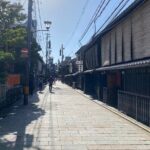
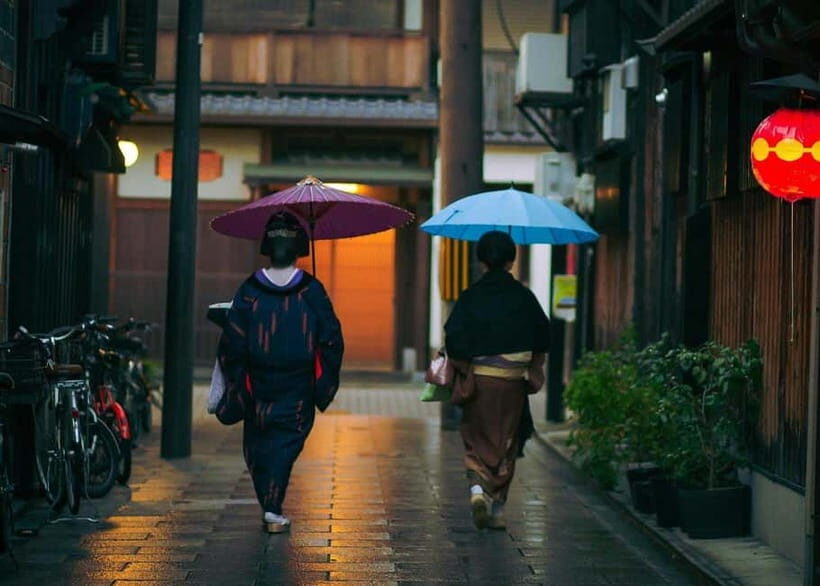
Then the vibe changes. You arrive at Hanamikoji Street, and suddenly it feels like Kyoto is leaning forward to show off. Hanamikoji is one of Kyoto’s most atmospheric streets, and it lives up to that reputation because of the preserved traditional townhouses along the route.
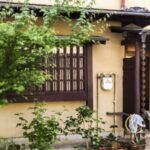
This is where you’ll see the architecture up close. Wooden facades, old-style layouts, and the rhythms of a street that still has a strong sense of place. With a guide like Romi, you’re not just staring at buildings—you’re learning what to look for, and why certain details matter.
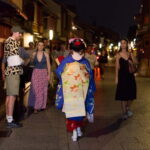
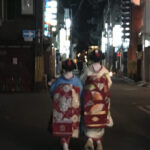
You may also catch a glimpse of a maiko or geiko passing by. The timing here is helpful. Dusk is when you’re more likely to see people moving in the traditional evening flow rather than mid-day rush.
Important reality check: you’re not guaranteed to see them. That’s not the guide’s fault, and it’s not a marketing promise you should lean on. If you do see someone, great. If you don’t, you’ll still get something valuable: a guided walk through one of Kyoto’s most recognizable traditional lanes.
My advice: keep your eyes on the street too, not only people. The charm comes from both—human presence and the built environment.
Gion Shirakawa by the River: Cobbles and Candle-Edge Atmosphere
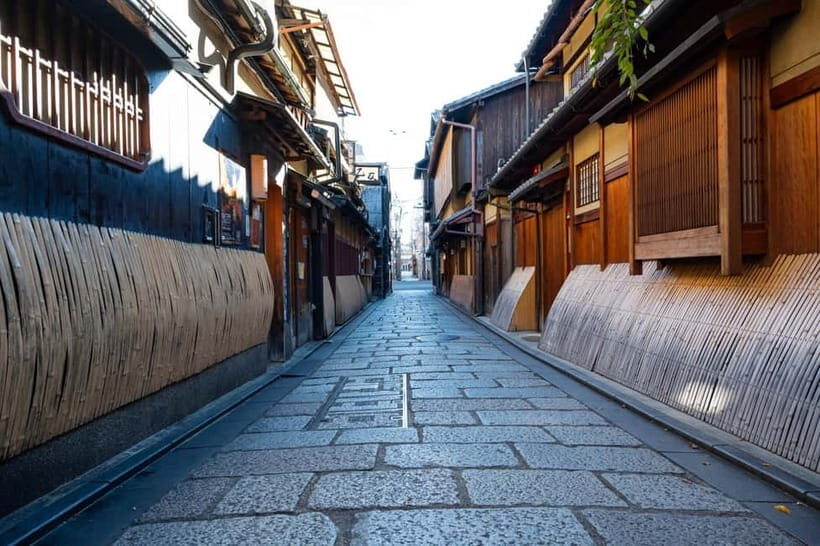
Your final main stretch is Gion Shirakawa, along cobblestone paths beside the clear Shirakawa River. This is classic Kyoto mood: traditional wooden townhouses close to the water, light reflecting across stone, and a sense of quiet that feels right for evening.
What makes this part special is how the street “breathes” after dark. In daylight, you can treat places like this as scenery. At dusk, it turns into an experience. You start noticing textures and small shifts in lighting. The river adds motion, even when everything else seems slow.
If you’re hoping for that Kyoto feeling you’ve seen in photos—quiet streets, old buildings, evening glow—this is where you’ll get it. And since this is still part of a guided experience, Romi helps you understand what you’re looking at as you go.
One more practical note: bring your camera, but also plan to put it down sometimes. The most satisfying moments are often the ones you remember without needing to frame them.


What the 2 Hours Really Gives You (and What It Doesn’t)
At 2 hours, this tour sits in a sweet spot. Long enough to cover multiple neighborhoods and key stops, short enough that it won’t dominate your entire evening plan. It also fits well with a typical Kyoto day, where you might already have temple time earlier or plan to eat afterward.
For $20 per person, the value comes from three areas:
- You get a local guide explaining what you’re seeing, not just pointing at it.
- You get timing for dusk, when Kyoto’s atmosphere is at its best.
- You get the coin-toss ritual and the temple context that a self-walk won’t easily deliver.
What you don’t get is a meal. That’s fine, because it keeps the pacing focused on walking and seeing. Plan to eat before or after based on your schedule.
Also, the group is small, which shows up in the feel of the tour. Romi answers questions and takes the conversation beyond the standard script, including the odd ones you might ask when you start noticing details. That’s exactly what you want from a guided evening stroll: room for curiosity.
Small-Group Energy With Romi: How the Tour Feels
This is a “walk, stop, look, learn, move” style tour. You’re not trapped in a classroom. You’re out in the streets, and the guide’s role is to help you connect the dots.
The reviews you may have seen point to the same strengths: Romi is warm and friendly, and she’ll explain things in a way that makes you feel comfortable asking questions. In a small group, you’re less likely to feel like you’re competing with other people for attention.
If you like your guide style practical and conversational, this kind of tour is a good fit. And if you’re the type who reads signs and wonders what they mean, you’ll probably enjoy how Romi helps you interpret everyday details.
Practical Tips Before You Go
You’ll make the tour better with a few simple choices:
- Comfortable shoes: you’ll be walking, and parts can be cobblestone or uneven.
- Camera: dusk and after dark make photos easier, but keep your hands free enough to enjoy the walk.
- Wear something you can move in. Two hours doesn’t sound long, but you’ll be on your feet.
- Keep expectations flexible about sightings of maiko or geiko. If it happens, it’s a bonus.
Also, expect that even in warm weather, the day can feel hot. Kyoto streets have both open patches and shaded stretches, so pace yourself. The tour is short, but it still adds up.
Should You Book Geisha at Dusk?
If your goal is the classic Kyoto experience—old streets, traditional wooden houses, temple atmosphere, and dusk lighting—this is a strong choice. The price is reasonable for what you get: a local guide, a compact route, and key cultural stops that are more than just “walk by and take a photo.”
Book it if:
- you want a guided evening walk focused on traditional areas (Gion, Higashiyama, Hanamikoji, Gion Shirakawa)
- you like stories and context, not just sightseeing
- you enjoy small-group tours where you can ask questions
Skip it or adjust your expectations if:
- you mainly want a guaranteed maiko/geiko sighting. This tour does not promise that.
- you hate walking or prefer very minimal movement. Two hours is manageable, but it’s still a walk.
Bottom line: If dusk in Kyoto is your thing, and you want it with a real guide and a memorable ritual, I’d book it.
FAQ
How long is the tour?
The tour lasts 2 hours.
What does it cost?
The price is $20 per person.
Where do we meet?
You meet at Donguri-bashi Park (団栗橋公園).
Is the tour guide English-speaking?
Yes. The live tour guide speaks English.
Is this tour wheelchair accessible?
Yes, the tour is wheelchair accessible.
What should I bring?
Bring comfortable shoes and a camera.
Is a meal included?
No meal is included.