Kyoto food tastes different in a machiya kitchen. This Japanese cooking class is set in a traditional Kyoto townhouse near Toji Temple, just a short walk from Kyoto Station. You’ll get a practical, step-by-step meal lesson focused on Kyoto flavors and simple home-style technique.
I really like that Chef Iku teaches with a nutrition-minded approach, plus you can ask questions in both English and Japanese. I also like the hands-on focus: clay-pot rice and miso are front and center, and most ingredients are vegan with options for fish and eggs.
One thing to consider: the menu is a set meal (one soup plus five sides), and fish/eggs may show up unless you communicate your dietary needs early.
In This Review
- Key Things to Love
- A Kyoto Machiya Kitchen Near Toji Temple
- What You Actually Cook: Clay-Pot Rice, Miso, and Five Kyoto Side Dishes
- Clay-pot rice that teaches more than timing
- Miso basics that make the flavor make sense
- One soup and five sides: learn the rhythm of Japanese plates
- Matcha tea to close the loop
- How the Class Works in a Small Group (and Why It Changes Everything)
- Food Philosophy: Kyoto Ingredients, Mostly Vegan Options, and Allergy-Friendly Cooking
- What you learn beyond the menu
- From Notes to Your Table at Home: Recipes, Utensils, and What to Practice
- The “how to repeat it” part
- The plating lesson
- A practical tip for your next cooking night
- Price, Timing, and Value for a 11:30 am Kyoto Break
- Who This Cooking Class Is For (and Who Might Skip It)
- Should You Book This Japanese Cuisine Cooking Class in Kyoto?
- FAQ
- FAQ
- What day of the week does the class run?
- How long is the Japanese cuisine cooking class in Kyoto?
- What time does it start?
- What do you cook and eat during the class?
- Are the dishes vegan?
- Is transportation included?
- Where is the meeting point?
Key Things to Love
- Kyoto machiya setting near Toji Temple, about a 5-minute walk from Kyoto Station
- Clay-pot rice + miso taught in a way you can reproduce at home
- Mostly vegan menu with clear guidance for allergies and full vegan requests
- Small-group feel (private activity for just your group)
- You eat what you make, with matcha tea after the meal
A Kyoto Machiya Kitchen Near Toji Temple
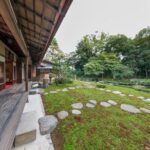
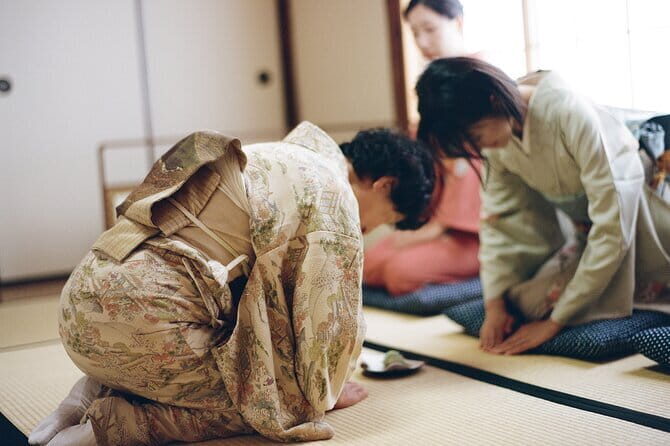
This class happens in a Kyoto machiya exhibition-style room, not a big studio with fluorescent lights and a fast conveyor-belt vibe. The kitchen space is set up for small groups, so you can actually see what’s happening and ask questions without shouting over a dozen people.
The location is convenient for getting oriented fast. You’ll meet at 411-2 Kujōchō, Minami Ward (near Toji Temple), and it’s about a 5-minute walk from Kyoto Station. That matters because cooking classes are easiest when you can arrive calm, not stressed.
Chef Iku runs the session, and you’ll notice the teaching style right away: practical steps first, then the why. The class also focuses on Kyoto ingredients and the cultural context behind them, so you’re not just learning recipes—you’re learning how Kyoto home cooking thinks.
Other cooking classes in Kyoto


What You Actually Cook: Clay-Pot Rice, Miso, and Five Kyoto Side Dishes

You’re in for a full meal, not a snack-and-swag class. The session runs about 3 hours, and the menu is one miso-based soup plus five side dishes, then matcha tea.
Here’s what the kitchen time looks like in plain terms:
Clay-pot rice that teaches more than timing
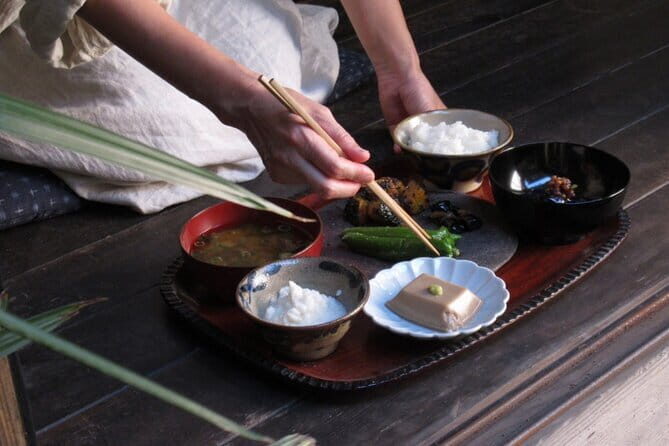
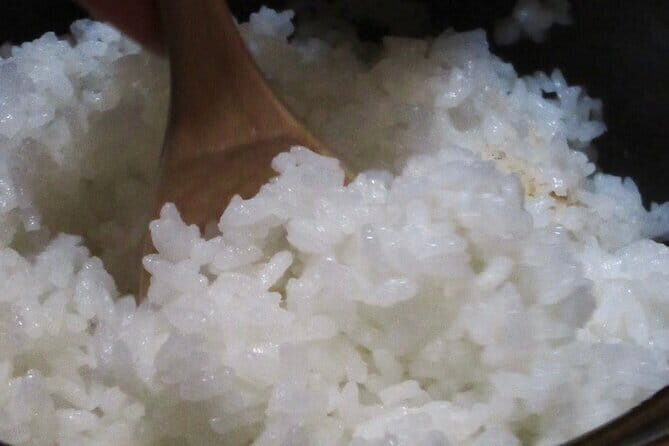
You’ll see how to cook rice in a clay pot, then you’ll help make it. Clay pots do two things well: they help distribute heat more gently and they encourage even cooking. Even if you’re using a rice cooker at home, learning the clay-pot logic helps you understand what rice should feel like when it’s properly cooked.
Miso basics that make the flavor make sense
The class also covers making miso and what it is as a fermented food. You won’t just taste a spoonful and move on; you’ll learn how miso fits into Japanese cooking as a flavor base—salty, savory, and deep without being complicated.
That matters for at-home cooking because miso is one of those ingredients people either misuse (too much, too often) or never use beyond soup. After this, you’ll understand how to build a dish around it.
One soup and five sides: learn the rhythm of Japanese plates
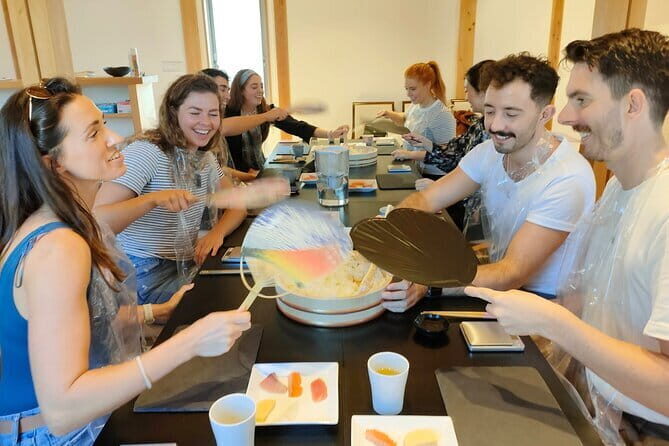
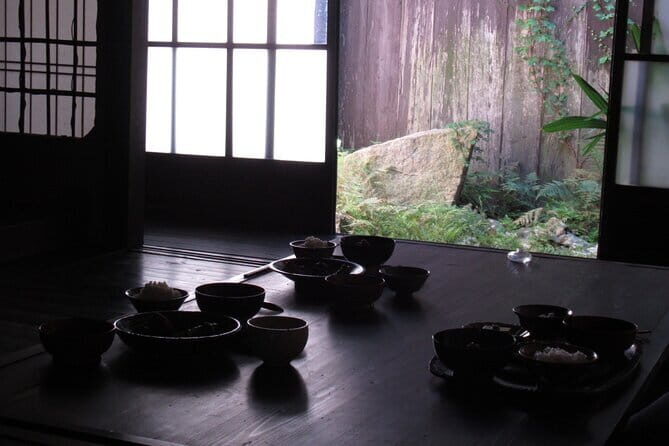
After the demonstrations, you’ll help prepare rice, the soup, and several side dishes. Then you plate everything and eat together. This format is great because you learn how a Japanese meal comes together: one main carb (rice), a warm base (soup), and a set of smaller dishes designed to balance textures and flavors.
Even better: many of the class dishes use vegetables. A couple of dishes may include fish or eggs, but you’ll have a chance to manage that based on what you tell Chef Iku in advance.
A few more Kyoto tours and experiences worth a look


Matcha tea to close the loop
After you eat your work, you’ll be served matcha tea. It’s a small detail, but it makes the whole experience feel finished—like you truly sat for a meal, not just attended a lesson.
How the Class Works in a Small Group (and Why It Changes Everything)
This is a private activity, so only your group participates. Even though cooking classes are often called small-group, private means you get a better chance for real conversation, not just quick instructions.
In a class like this, the biggest difference between “watching” and “learning” is whether you can ask follow-up questions when something feels unclear. You’re cooking rice, handling utensils, prepping side dishes, and assembling a plate. If you get stuck, you want the instructor right there with answers.
Chef Iku speaks in both English and Japanese, which is a practical advantage for non-Japanese speakers. You’re not forced to guess at technique names or rely on gestures. You’ll be able to ask about utensils, culture, or ingredient choices while you’re actively cooking.
Also, the pacing is built around doing. You’ll watch key steps, then you’ll participate with the help of others. That structure works well because you’re not thrown into complexity immediately, but you also aren’t stuck as a spectator.
Food Philosophy: Kyoto Ingredients, Mostly Vegan Options, and Allergy-Friendly Cooking
One of the strongest selling points here is how clearly the class addresses dietary needs.
Many of the ingredients used in class are vegan, and fish and eggs may also be used. If you have allergies, you’re asked to let Chef Iku know in advance. If you want a completely vegan diet, you can send a message so the menu can be adjusted.
That matters because Japanese home cooking is often built on layers—dashi, seasoning, fermented flavors—so it’s not always obvious where animal-based ingredients could appear. The fact that this class explicitly flags vegan-leaning ingredients and invites you to coordinate ahead of time is a big confidence boost.
What you learn beyond the menu
Even if the exact dishes aren’t “your” dishes, the real win is technique and taste logic. You’ll learn how Kyoto-style sides complement rice and miso soup, how vegetables can carry flavor, and how fermented ingredients like miso create depth without relying on heavy sauces.
And because the instructor is a chef and nutritionist who previously ran a French restaurant (with home-style meals on the Yakushima World Heritage site), you can feel a “balance first” approach. That’s a helpful mindset when you’re trying to eat better without turning dinner into punishment.
From Notes to Your Table at Home: Recipes, Utensils, and What to Practice
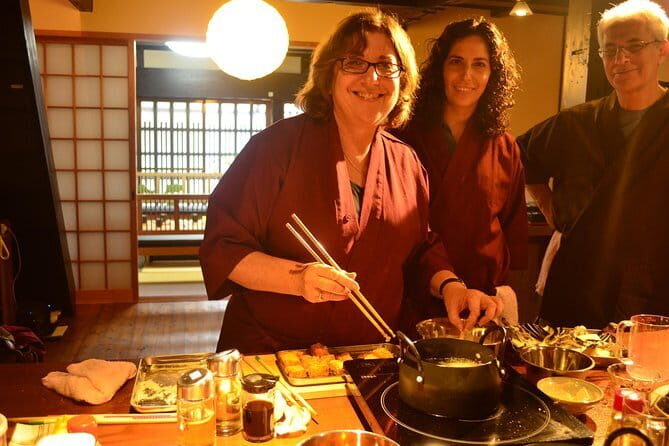
You don’t leave empty-handed. The class includes cooking utensils and writing implements, plus recipes you can take home. That combo is more useful than it sounds.
Writing implements matter because you’re likely to notice small differences in temperature, timing, and texture. When you’re actively cooking, it’s easy to forget details later. If you can jot down what you did—especially anything about rice texture and miso ratios—you’ll make the next attempt smoother.
The “how to repeat it” part
The clay-pot rice lesson and the miso understanding are the two big anchors for repeatable results. Rice is straightforward once you know what cooked rice should look and feel like. Miso is trickier for beginners, but learning what it is as a fermented food gives you a baseline for using it in soups and sides.
The plating lesson
You’ll plate your food before eating. That might sound like extra, but it helps you learn portioning and how Japanese meals avoid clutter. You end up thinking in components—warm, savory, and balanced sides—rather than one big mixed pot.
A practical tip for your next cooking night
Plan to cook again soon. With take-home recipes and new technique context, this class works best when you test yourself while the flavors are still fresh in your memory.
Price, Timing, and Value for a 11:30 am Kyoto Break
At $71.67 per person, this class sits in the category of paid experiences that can genuinely justify the cost—if you care about learning, not just eating.
Here’s why I think it’s good value:
- You get a full meal: rice, soup, five side dishes, plus matcha tea.
- You get hands-on instruction plus take-home recipes.
- Utensils and writing tools are provided, so you’re not paying extra to participate.
It also lands at 11:30 am. That timing is ideal if you want to fill the midday gap without losing your whole day. You’ll finish around 3 hours later, then you can head out for temples, markets, or a slow stroll.
One consideration: because it’s a set format (one soup and five sides), don’t book if you’re craving a “pick your own ingredients” experience or a super-custom menu. It’s designed to teach Kyoto home-style cooking in a structured way.
Who This Cooking Class Is For (and Who Might Skip It)
This class is a strong match for:
- You want a hands-on Kyoto experience that feels authentic and not staged
- You like Japanese cooking enough to learn technique, not just taste dishes
- You’re interested in vegan-leaning Japanese food and need clear guidance for dietary needs
- You prefer a calm setting close to Kyoto Station, with an instructor who answers questions
You might skip it if:
- You only want meat-focused dishes and don’t want a vegetable-heavy set menu
- You’re looking for a longer cooking day or a multi-stop food tour (this is focused on the kitchen and the meal)
Should You Book This Japanese Cuisine Cooking Class in Kyoto?
If you want a practical cooking experience in Kyoto—one where you leave with recipes, technique, and a meal you made with your own hands—this is an easy yes. The machiya setting adds atmosphere, but the real value is the structure: clay-pot rice, miso knowledge, and a full plate of sides that teaches how Kyoto meals work.
I’d book it especially if you care about dietary needs. The class explicitly notes mostly vegan ingredients, asks about allergies, and welcomes messages for a completely vegan diet. That makes it less stressful and more likely you’ll feel good about what you’re eating.
FAQ
FAQ
What day of the week does the class run?
This cooking class takes place every Tuesday.
How long is the Japanese cuisine cooking class in Kyoto?
The class is about 3 hours.
What time does it start?
It starts at 11:30 am.
What do you cook and eat during the class?
You’ll learn about rice cooked in a clay pot, miso (as a fermented food), and you’ll make and eat one soup and five side dishes, followed by matcha tea.
Are the dishes vegan?
Many ingredients used in class are vegan, but fish and eggs may also be used. If you want a fully vegan diet, you should send a message.
Is transportation included?
No. Private transportation is not included.
Where is the meeting point?
The meeting point is 411-2 Kujōchō, Minami Ward, Kyoto, 601-8473, Japan, near Toji Temple and about a 5-minute walk from Kyoto Station. The activity ends back at the meeting point.