A ninja training hour sounds like a movie. In Kyoto, it’s a real, hands-on class where you practice ninja breathing, walking, and then get time with weapons props in a dojo-style setting. It’s built for beginners, so you’re not expected to already know anything about stealth techniques or Japanese martial tools.
I like that the group stays small (max 6), which makes it feel personal and lets the instructor actually coach your form. I also like that you’ll be taught by an English-capable sensei; in the past classes I’ve read about, instructors such as Sho and Jack have led lessons in clear, friendly English. One possible drawback: it’s a fast, entry-level introduction, so if you’re hunting for deep, academic ninja history, you may wish the class went longer or slowed down.
In This Review
- Key Things to Know Before You Go
- Kyoto’s Ninja Dojo Lesson: What You Learn in 1 Hour
- Meeting at NINJA DOJO and STORE KYOTO: Getting There Smoothly
- Ninja Basics First: Kuji-In, Breathing, and Ninja Walking
- The Ninja Trick House Moment: A Gimmick With a Purpose
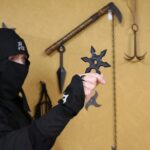
- Weapons Training: Sword, Kunai, Shuriken, and Blowgun Darts
- Ninja Clothes Rental and an English-Speaking Sensei
- Value for $80.58: Is This Worth It?
- Who This Is Best For (and Who Should Think Twice)
- Should You Book This 1-Hour Ninja Lesson in Kyoto?
- FAQ
- How long is the Ninja 1-hour hands-on lesson?
- What’s the group size for this class?
- What’s included in the price?
- What weapons and skills are covered?
- Do I need hotel pickup?
- Where do I meet the instructor?
- Is this lesson for beginners?
- Is transportation easy to reach?
- What about weather?
- Is the lesson friendly for kids and families?
Key Things to Know Before You Go
- Small-group class (max 6): more coaching time and less waiting around.
- Ninja basics first: you start with Kuji-In, breathing, and ninja walking before weapons.
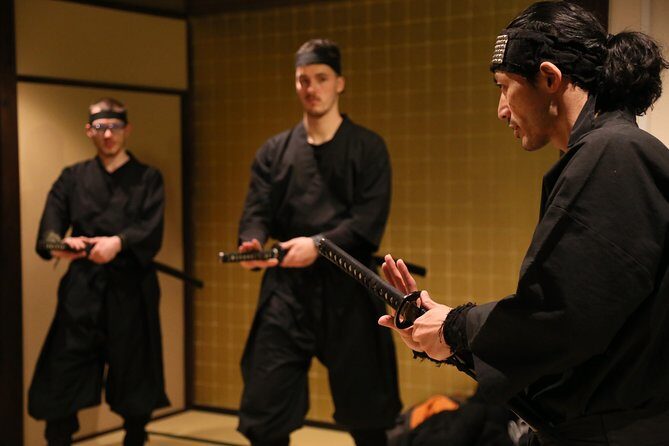
- Real training props, safety-first handling: sword, kunai, shuriken, and a blowgun-style darts practice.
- Ninja outfit rental included: you’re in gear for the whole session, not just photos.
- Short but action-packed: sword + throwing drills in about an hour.
- Central meeting point: you start at NINJA DOJO and STORE KYOTO in Shimogyo Ward, easy to reach by transit.
Kyoto’s Ninja Dojo Lesson: What You Learn in 1 Hour
This is a beginner-friendly ninja lesson in a Kyoto dojo. In one hour, you’ll learn the basic “body language” side of ninja training (how to breathe, how to move quietly) and then move into practical drills with ninja weapons.
The format is straightforward. You get a quick setup and introduction, you practice foundational techniques, then you rotate through weapon stations with a Japanese master teaching in English. It’s the kind of class where you’ll feel busy the entire time, because there’s always something to try or adjust.
If you want a Kyoto activity that isn’t another shrine line or temple photo sprint, this gives you a hands-on, physical break. And because the group is capped at 6, you’re not stuck watching while someone else takes the spotlight.
Other ninja experiences in Kyoto


Meeting at NINJA DOJO and STORE KYOTO: Getting There Smoothly
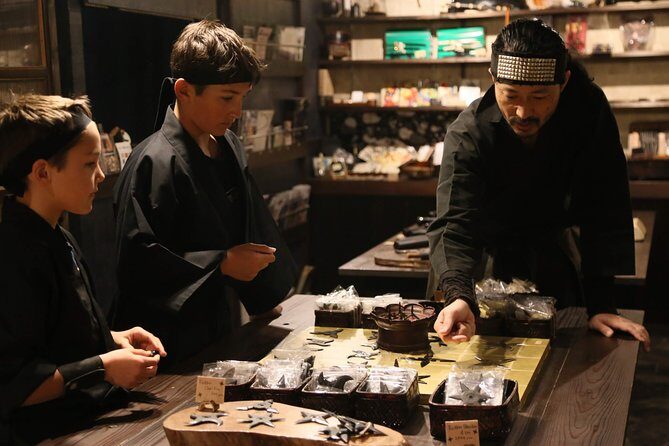
Your meeting point is NINJA DOJO and STORE KYOTO, 528 2F in Shimogyo Ward (Kyoto 600-8422). The activity ends back at the same meeting point, so you don’t have to worry about finding a new location or figuring out a return route after the class.
There’s no hotel pickup or drop-off, so you’ll be going on your own and arriving at the start time. The location is described as near public transportation, which matters because you’ll likely be pairing this with other Kyoto stops before or after.
One small practical tip: plan to arrive with enough time to check in and get into the ninja outfit. The class runs about an hour, so you’ll get the best experience if you’re not rushing at the last minute.
Ninja Basics First: Kuji-In, Breathing, and Ninja Walking
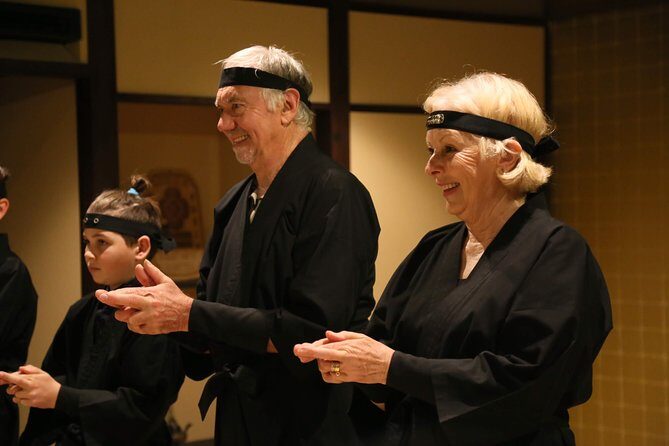
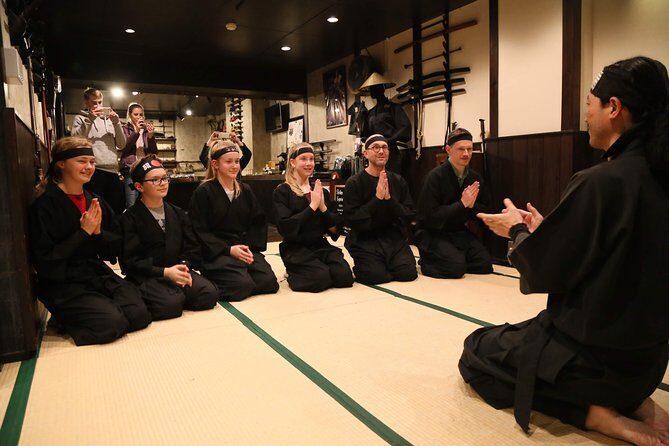
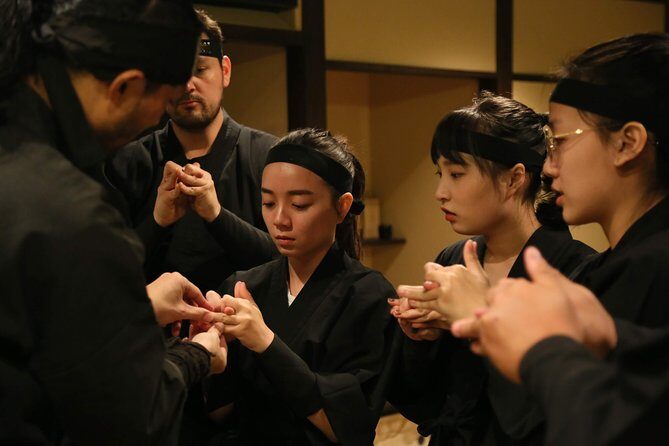
The lesson begins with entry-level ninja training focused on control and calm. You’ll practice ninja meditation Kuji-In, then move into ninja breathing and ninja walking drills.
This part matters more than it sounds. Even if you’re here mainly for weapons, the breathing and walking are what set the “ninja performance” foundation. You’re learning how to coordinate posture and motion so you can move with quieter steps and steadier body control—exactly the kind of thing that makes the later drills feel easier.
Expect the instructor to guide you step-by-step. This isn’t about looking cool at first try. It’s about getting a basic method you can repeat while the class keeps moving forward.
Also, because it’s a short session, you’ll see a clear progression: breathe → move → practice. That structure helps beginners feel like they’re accomplishing something, not just being shown a bunch of moves.
The Ninja Trick House Moment: A Gimmick With a Purpose
After the basics, you’ll experience an introduction gimmick and a trap-style moment in the ninja trick house area. Think of this as part theater, part training mood-setter.
Do you need it to be “true ninja history” to enjoy it? No. In practice, these kinds of set pieces help you stay focused and playful while you’re learning physical techniques. They also make the dojo feel like a functional training space rather than a lecture.
Some participants have described surprise elements in the dojo walls such as trap-door style surprises. Even if you can’t predict what you’ll see, the important part is this: you’re being guided through a themed scenario that keeps the lesson interactive while you prepare for weapon stations.
If you’re sensitive to anything that feels too staged, this is the part to watch out for. It can feel playful, and that’s the point—but it can also be where the experience feels less “serious history classroom” and more “training adventure.”
Weapons Training: Sword, Kunai, Shuriken, and Blowgun Darts
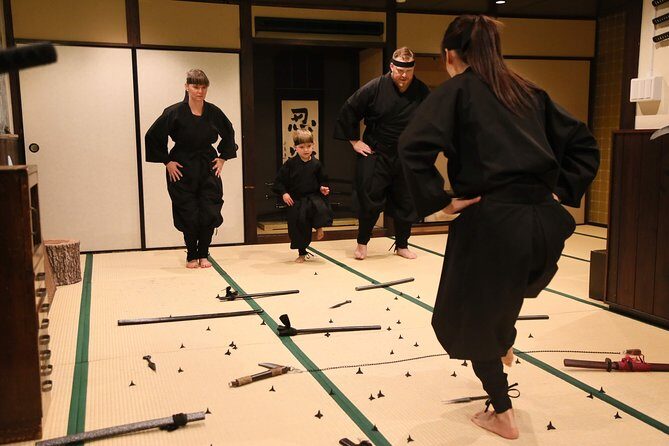
This is where the class really turns physical. You’ll get demonstration and then hands-on training with:
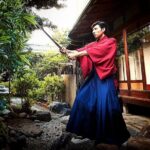
- Ninja sword techniques (sword training)
- Kunai (dagger) practice
- Shuriken (ninja star) throwing practice
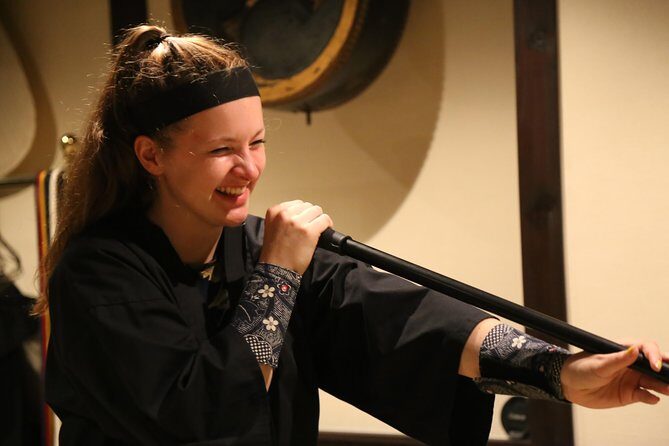
- Ninja blowgun (blow darts) training
The order matters. The instructor starts with safer, simpler motions and progressively adds the “throwing” and “aiming” parts. For beginners, that’s a good pacing choice because you’re building confidence as you go.
What I love about this setup is that it’s not one weapon and done. You get multiple tools in a single hour, so you can compare what you like and what feels hardest. Some people end up having an instant knack for one station and struggle at another—perfectly normal when you’re learning new motion patterns.
Safety also matters here. The experience is taught with careful handling, and the tools are managed with instruction so you’re not just flinging props around. You’ll be guided on how to handle the weapons you practice with, and you’ll stay within the station setup.
And yes, if you’re a fan of ninja-themed pop culture (Naruto vibes are a common reference), this is the part that scratches that itch—without requiring you to already know the “terms.” You’ll learn what each tool is for in the context of the lesson, then practice it yourself.
A few more Kyoto tours and experiences worth a look





Ninja Clothes Rental and an English-Speaking Sensei
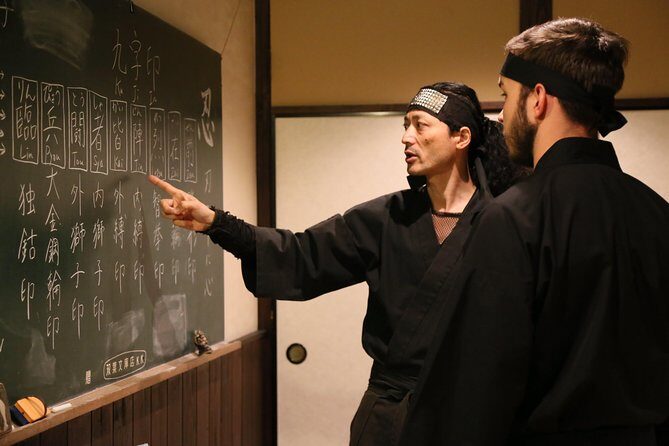
One included perk that genuinely changes the experience: you get ninja clothes rental during training. It’s not just a costume change for a quick photo. Once you’re in the outfit, the class feels like a “practice session,” not an awkward demo where you’re dressed like a tourist watching a martial arts show.
You’re also being taught by an English-capable Japanese master (a sensei) who has trained in ninja-arts. In the classes described, instructors like Sho and Jack have been called out for both humor and clear English.
That combination—ninja training plus language support—matters a lot for beginners. When instruction is easy to understand, you improve faster. When it’s easy to understand, you also enjoy the mistakes. In a weapons class, that confidence makes a difference.
If you’re looking for a “non-touristy” feel, pay attention to the coaching style. A lot of the best parts come from interaction: corrections, encouragement, and hands-on feedback rather than just watching someone perform.
Some sessions may also include shared photos or video clips after training at no extra cost, which is a nice bonus for capturing the day.
Value for $80.58: Is This Worth It?
At $80.58 per person for about one hour, the value depends on what you want from Kyoto.
If you want a passive experience, this won’t make sense. You’re paying for practice time: breathing drills, walking technique, and multiple weapon stations. The included ninja outfit rental also adds real value because it’s part of the activity, not an optional add-on.
Where the price feels more reasonable is exactly where the class stands out:
- small group size (max 6)
- hands-on weapons practice (sword, kunai, shuriken, blowgun)
- beginner structure (Kuji-In, breathing, walking first)
- English instruction by a sensei
Also, you’re not paying extra for transportation logistics inside the activity, since the class is all contained at the dojo and ends where it began.
My “value check” advice: if you’re the type who learns by doing, you’ll likely feel good about this cost. If you want a deep historical lecture, you might feel it’s too short for the money.
Who This Is Best For (and Who Should Think Twice)
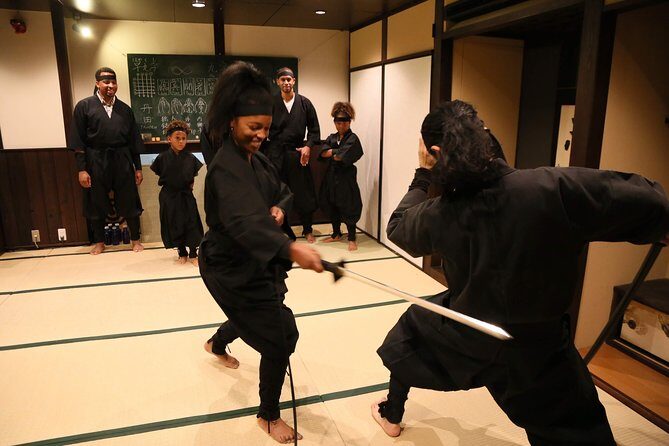
This class is designed for all ages, and it’s clearly set up for families and beginners. If you’re traveling with kids, you’ll likely appreciate the action-to-instruction balance: everyone gets a chance to try the weapons rather than just watching.
It also fits date travel and group fun. Adults can take it seriously, but the lesson is playful enough that it doesn’t require martial arts experience to enjoy it. You’ll be active, get coached, and walk away with real “I did that” memories.
If your travel style is mostly quiet sightseeing and you don’t enjoy physical, structured activities, you might find this less appealing. And if you want a more authentic, low-theatricality lesson, note that the trick house moment can feel gimmicky—some people love that energy, others don’t.
Bottom line: it’s best for people who want a hands-on break in Kyoto and don’t mind that the experience leans entertaining as well as instructional.
Should You Book This 1-Hour Ninja Lesson in Kyoto?
Book it if you want:
- a small-group dojo experience in Kyoto
- hands-on practice with multiple ninja tools
- an English-taught introduction starting from breathing and walking
- a fun, family-friendly activity that uses training props safely
Think twice if you want:
- long, in-depth ninja history or advanced martial training
- a completely serious, lecture-only experience
- a slower pace that leaves time for deeper questions
My advice is simple: if your ideal Kyoto day includes trying something physical and unusual, this is a strong match. You’ll get a full session’s worth of ninja basics and weapon practice in one convenient hour, without needing any prior knowledge.
FAQ
How long is the Ninja 1-hour hands-on lesson?
It’s about 1 hour.
What’s the group size for this class?
The maximum group size is 6 travelers.
What’s included in the price?
You get a sensei master teaching in English, ninja clothes rental, and the admission fee.
What weapons and skills are covered?
You practice Kuji-In meditation, ninja breathing, ninja walking, and then you train with a sword, kunai, shuriken, and a blowgun (blow darts).
Do I need hotel pickup?
No. There’s no hotel pickup or drop-off.
Where do I meet the instructor?
You meet at NINJA DOJO and STORE KYOTO, 528 2F, Kyoto, Shimogyo Ward (600-8422). The activity ends back at the meeting point.
Is this lesson for beginners?
Yes. It’s described as an entry-level lesson for basic ninja training, and most travelers can participate.
Is transportation easy to reach?
The meeting location is near public transportation.
What about weather?
The experience requires good weather. If it’s canceled due to poor weather, you’ll be offered a different date or a full refund.
Is the lesson friendly for kids and families?
It’s described as for all ages, and it’s set up as a beginner, hands-on class.