Flour, fold, and instant ramen wisdom. This Kyoto ramen factory class is a hands-on lesson built around real technique, from noodles made from flour to choosing your broth base and oils, inspired by Menbaka Fire Ramen. You also get to taste and mix featured sauce styles like Miso, Salt, and Soy, then sit down with the bowl you assembled.
I love how the class walks you through the step-by-step noodle process (including the kind of careful folding you would never guess from a menu), and then lets you customize your bowl instead of repeating one option. I also like that you get a full recipe sent by email, so the experience doesn’t stop when you leave the basement. One thing to plan for: drinks aren’t included, and the meeting spot is on the basement floor—so arrive a few minutes early to find it calmly.
In This Review
- Key things I’d circle before you book
- Kyoto Ramen Factory Class: Why This One Is More Than a One-Off Meal
- Finding the Ramen Factory Near Demachiyanagi (Basement Floor Tip)
- The 90-Minute Flow: Video, Prep, Noodles, Then Your Bowl
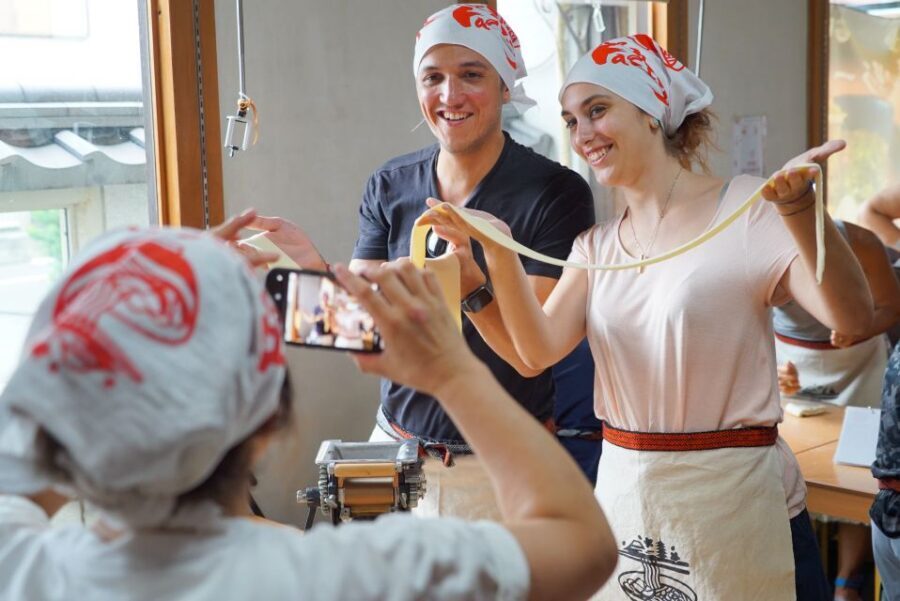
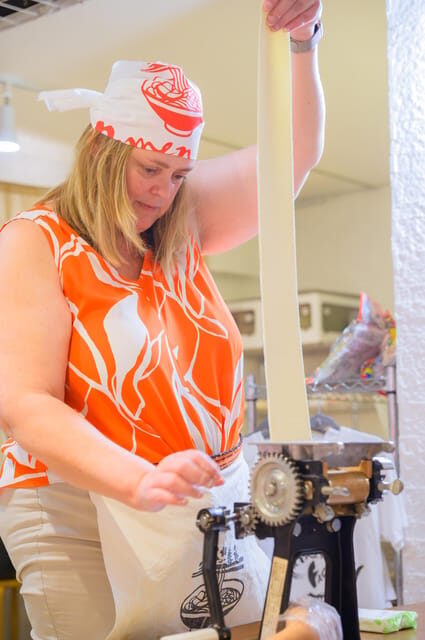
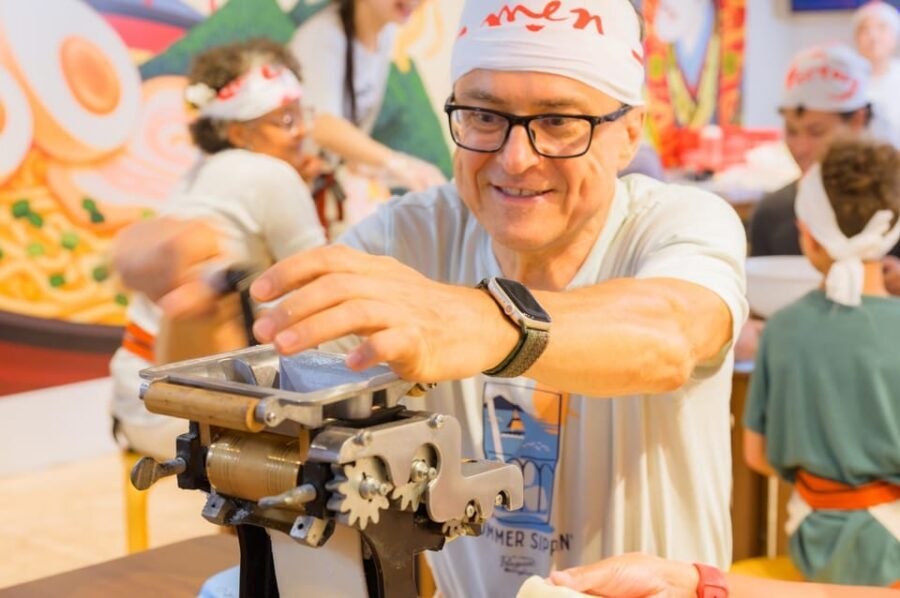
- Noodle-Making From Flour: The Part That Feels Weirdly Satisfying
- Chicken Flavoring and Broth-and-Oil Choice: The Builder Stage
- Miso, Salt, and Soy: Mixing Sauces for a Custom Ramen Style
- Toppings, Egg, and Condiments: Putting It Together Like a Chef
- Souvenirs and the Email Recipe: What You Take Home (Besides a Full Stomach)
- Price and Value: Is $127 Reasonable for 90 Minutes?
- Dietary Needs, Pescatarian Options, and Allergy Handling
- Language and the Instructor Energy: Why It Can Feel Like a Show
- How to Fit This Into Your Kyoto Day
- Should You Book the Ramen Factory Ramen Cooking Class?
- FAQ
- How long is the ramen cooking class in Kyoto?
- What is included in the $127 per person experience?
- Where is the meeting point near Demachiyanagi Station?
- What will I make during the class?
- Are dietary options available?
- Will I get a recipe to cook ramen at home?
- Can I cancel and get a full refund?
Key things I’d circle before you book
- Make noodles completely from flour instead of assembling a shortcut version
- Custom build your bowl with a soup base and oils you choose
- Taste and mix three featured sauces (Miso, Salt, Soy) for your ramen style
- Get the full recipe by email so you can cook at home
- Meet energetic English/Japanese instructors like Sakura, Fuku, Moeka, and others
- Take home a souvenir set chosen from four options
Kyoto Ramen Factory Class: Why This One Is More Than a One-Off Meal
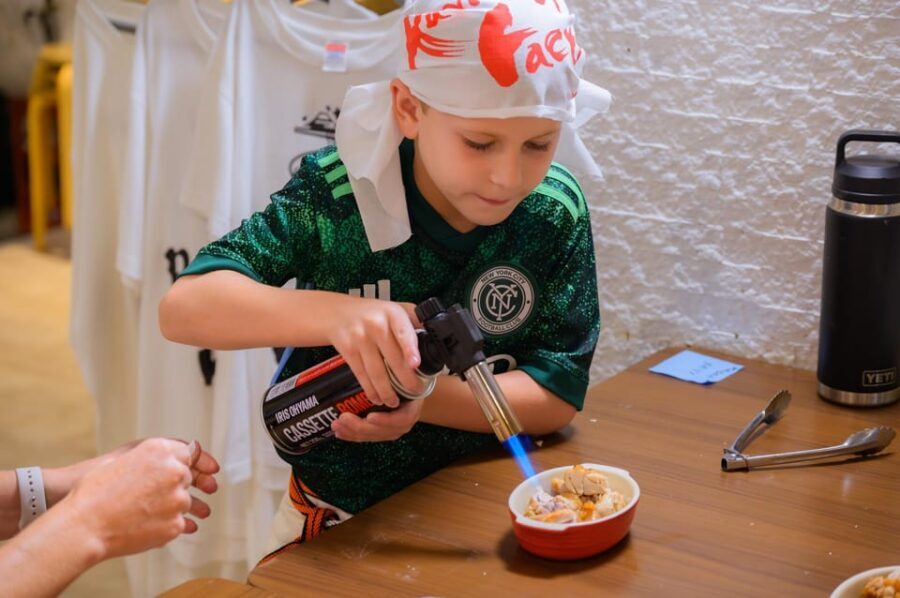
This is one of those food experiences that turns learning into eating. You’re not just sampling ramen at the end—you’re involved in the core steps: seasoning chicken, making noodles from flour, and putting together a broth-and-sauce combination that matches your taste.
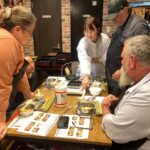
I like that it’s built like a mini ramen workshop: you watch an overview video, put on the apron and headscarf, and then follow a strict but friendly rhythm. That matters because ramen sounds simple until you try it—then you realize how much “feel” is involved, especially with dough handling and sauce balance.
You’ll also get a dose of context. The class is tied to a ramen-school setup at the Ramen Factory, established by Menbaka Fire Ramen, one of Kyoto’s well-known ramen houses. That connection makes the whole thing feel less like a tourist demo and more like a real local food craft.
A few more Kyoto tours and experiences worth a look

Finding the Ramen Factory Near Demachiyanagi (Basement Floor Tip)
The meeting point is easy on paper and a little tricky in practice: it’s a five-minute walk from Demachiyanagi Station on the Keihan line. The key detail is that you’re going down into the building’s basement floor, not into a street-level shop.
When you arrive, take the staircase to the right of the supermarket and go down to the basement. It’s worth arriving a few minutes early because basements can be confusing when you’re checking your phone and trying to match the correct entrance.
Plan for a simple pre-class routine: use the restroom before you start, and come ready to handle a doughy activity. Even if you’ll be given the ramen apron and headscarf, you’ll still want to wear clothes that you don’t mind getting a bit flour-adjacent.
The 90-Minute Flow: Video, Prep, Noodles, Then Your Bowl
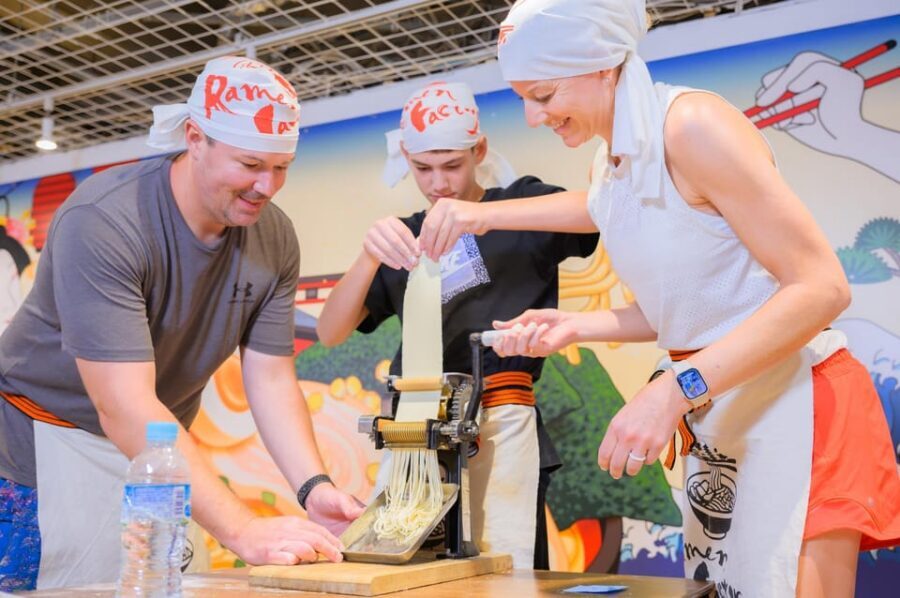
The schedule is tight, but that’s the point. The class is 90 minutes, long enough to do the meaningful steps and eat, short enough to fit between Kyoto highlights without exhausting your day.
Here’s the structure you can expect:
- You’ll be outfitted with a ramen apron and headscarf
- You’ll watch an overview video so you know what’s coming
- You’ll flavor chicken with seasonings
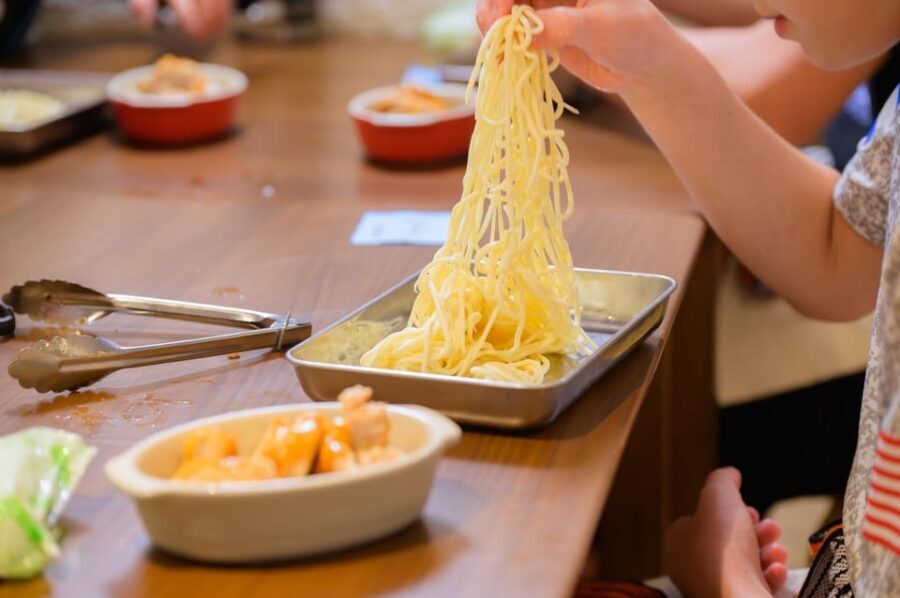
- You’ll work the dough through the noodle process—mixing, punching, kneading, draining, and shaking—until the noodles are finished
- You’ll pick your soup base + oils and then build your bowl with toppings and condiments
- You’ll enjoy what you made, right after the setup
At the end, you’ll also choose from four different souvenir options. The whole session is designed so you leave full, with something you can remember, and with a recipe you can use at home.
Noodle-Making From Flour: The Part That Feels Weirdly Satisfying
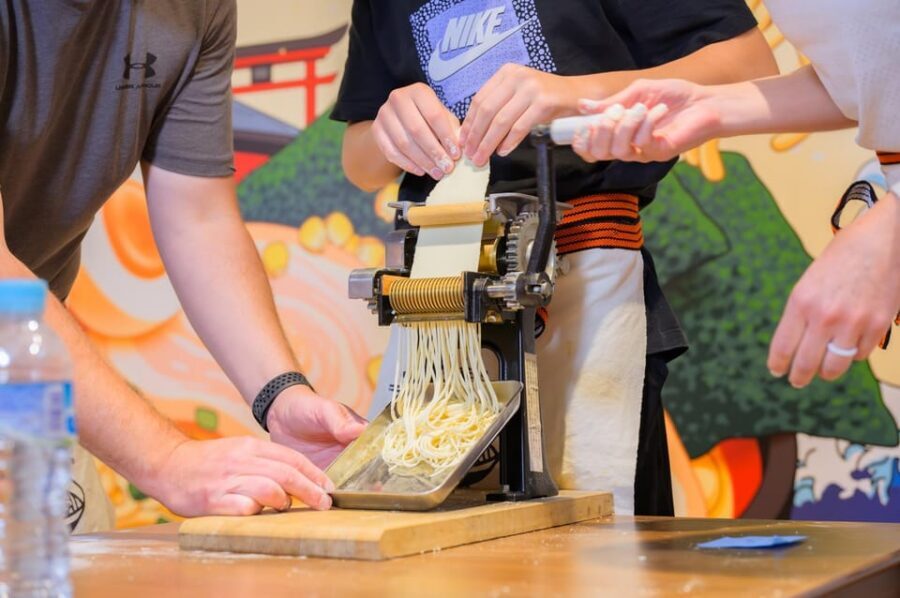
The standout skill here is that you make noodles completely from flour. That means you’re not relying on pre-made noodles, and you don’t just learn flavor theory—you practice texture.
The class describes a meticulous process, including folding the noodle dough over 100 times. That’s the kind of detail that explains why ramen dough feels different from regular pasta dough when you work it. The instructor is essentially teaching you how to create the right spring and chew.
Even if you’re not a confident cook, the format still works because the activity is broken down into actions you can follow. Many people note the instruction is clear and organized, and that the workflow is designed so the final noodles come out well even on your first try.
One practical note: dough work takes a steady rhythm. If your hands get tense, relax your grip and focus on the instructions. Your goal isn’t speed—it’s consistency.
Chicken Flavoring and Broth-and-Oil Choice: The Builder Stage
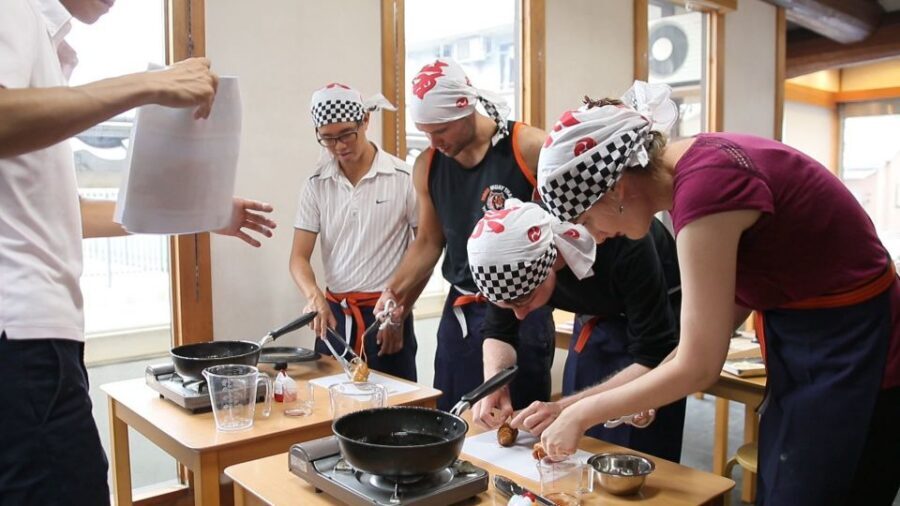
Once the noodle work is underway, you’ll shift to the supporting cast: chicken seasoning and then choosing the soup elements that shape the final bowl.
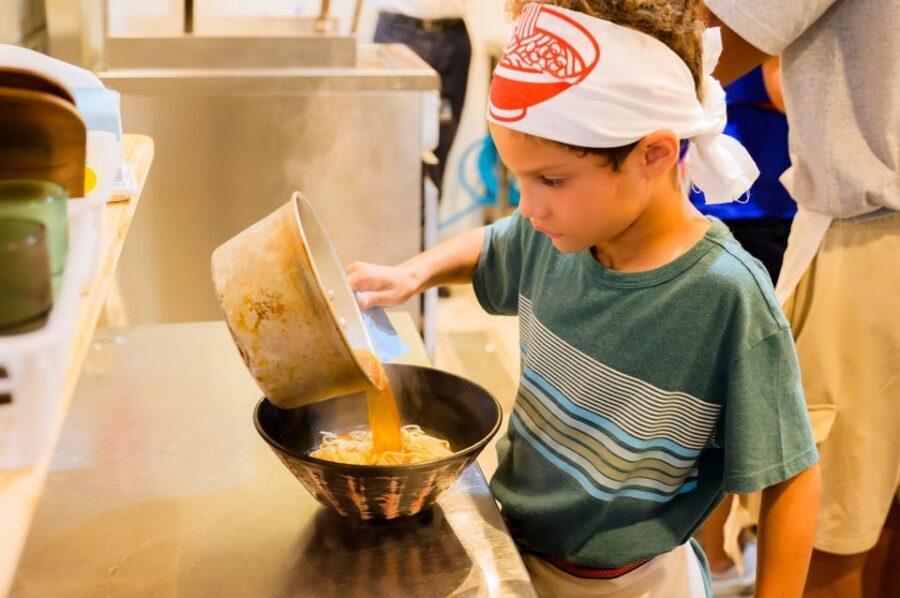
You’ll be guided through how to flavor the chicken with seasonings. Then, when it comes time to build the ramen, you’ll choose a soup base and oils—the combination is the difference between a bowl that tastes “good” and a bowl that tastes like ramen.
This is where the class is smarter than the typical cooking class. Instead of just teaching “cook chicken, add soup,” it teaches balance. Oils and base choices affect mouthfeel and aroma, and that’s what you’ll notice when you taste your finished ramen.
If you’re the type who always asks what makes a dish taste like that, this is your moment. You’ll be shaping the flavor structure, not just assembling ingredients.
Other cooking classes in Kyoto

Miso, Salt, and Soy: Mixing Sauces for a Custom Ramen Style
Ramen sauce choices can feel abstract until you taste them and mix them yourself. This class includes tasting and mixing three featured sauces for your ramen, specifically Miso, Salt, and Soy.
What I like about this is that it gives you a practical framework:
- Miso tends to bring warmth and depth
- Salt usually reads as clean and direct
- Soy often delivers that savory backbone
Your bowl becomes your version of ramen, not a single “standard” you have to accept. And because you’re mixing sauces as part of the class, you learn what adjustments do—so you can recreate the idea at home.
If you’re a fan of tasting flights or you like to fine-tune flavors, you’ll probably get the most value from this section.
Toppings, Egg, and Condiments: Putting It Together Like a Chef
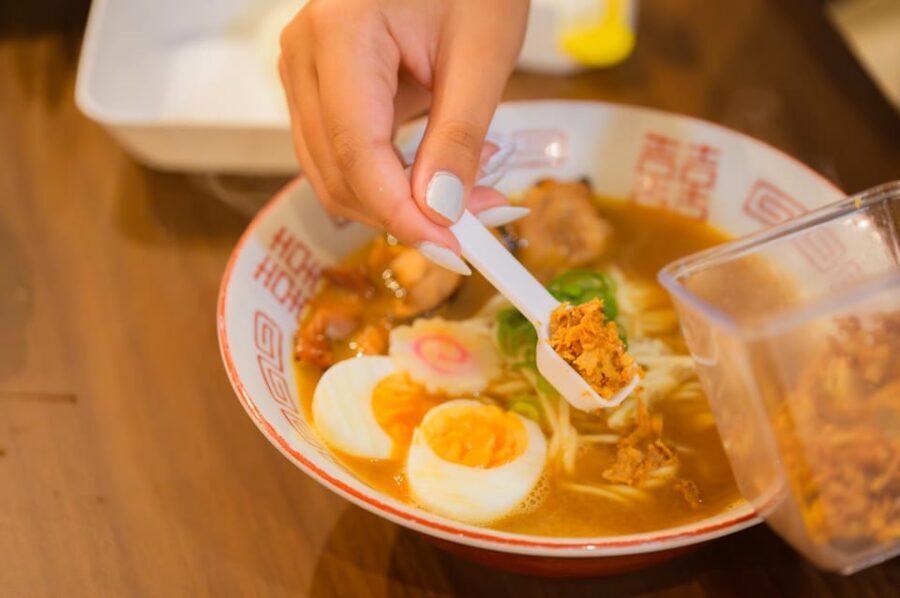
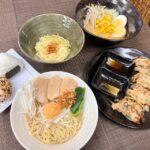
The finished bowl isn’t just noodles and broth. You’ll assemble it with toppings, egg, and condiments according to your taste.
This part matters because ramen is a build-your-bowl dish. The toppings add contrast—cooling, crunch, richness—while condiments let you push flavor hotter, sharper, or more aromatic.
You’ll also display your bowl according to your preferences. That’s a small moment, but it’s the kind that turns a cooking class into an experience. The food looks like the thing you came to Japan for, not like a generic “noodle meal.”
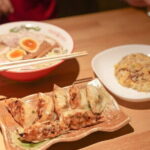
Then you eat. The class includes enjoying the ramen you made while looking back at the experience during preparation, which keeps the session from feeling like pure labor.
Souvenirs and the Email Recipe: What You Take Home (Besides a Full Stomach)
This class doesn’t only hand you a meal. It hands you a memory and a plan.
First, there’s the takeaway souvenir. You choose from four different souvenir types, and you’ll get it as part of the experience. Based on recent experiences, the staff also tends to help with photos and videos, so you leave with both an item and proof you were there.
Second, and more useful: you get the full recipe sent via email. That’s the difference between “fun class” and “something I’ll actually cook again.” If you’re the type who buys cooking classes but never makes the food at home, this is where the value usually clicks.
Also, since ramen takes time to do properly, it helps that the class is set up to make the 90 minutes work. You’re doing the hands-on steps that change the outcome, while the program structure keeps it realistic.
Price and Value: Is $127 Reasonable for 90 Minutes?
At $127 per person, this isn’t a budget activity. But you’re paying for three things at once:
- Hands-on noodle-making from flour (real technique, not a tasting-only stop)
- Structured instruction with an English/Japanese instructor
- A finished meal plus a recipe email and souvenir selection
Many Kyoto food experiences are either a long meal out or a short tasting. This is different because you leave knowing how the dish is built. If you’re comparing it to a day of eating random bowls, it can feel like better value because it converts into skills and a home cooking reference.
The other value play is timing. This is a perfect side trip when you have limited time between major sights. Ninety minutes is the right length to feel satisfied without burning a full half-day.
Dietary Needs, Pescatarian Options, and Allergy Handling
If you need dietary accommodations, this class has support options. The info says to contact the local supplier after booking if you want a dietary option.
Recent experiences also show that instructors can adapt meals—for example, one person noted a pescatarian setup with tofu and fish broth. Another mentioned accommodations for allergies. That’s a good sign: the instruction team seems used to adjusting the components without derailing the class.
Still, don’t assume everything is automatically vegan/halal/etc. If you have specific needs, reach out after booking, and clearly explain what you avoid.
Language and the Instructor Energy: Why It Can Feel Like a Show
The class includes an instructor who speaks English and Japanese. That matters because you’re doing physical steps with timing. When instructions are clear, you waste less time and the final ramen comes out right.
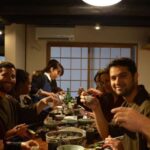
Also, instructors tend to bring energy. Names like Sakura, Fuku, Moeka, Mahiro, Kazuki, Akemi, Maya, Hama, Haruka, Yuto, and Moeka appear in recent experiences as people who kept things entertaining and well-paced.
The practical takeaway: even if you’re a slow cook, you’ll be guided through each step so you’re not left guessing with a sticky dough ball.
How to Fit This Into Your Kyoto Day
Think of this as a “fuel and skill” stop. If you’re already sightseeing around Demachiyanagi and nearby neighborhoods, it’s an easy side trip.
For your day:
- Aim to schedule it when you’re hungry enough to enjoy the meal you make
- Plan your clothing like a workshop class: wear something you don’t mind slightly flour-adjacent
- Bring your camera energy, not just your appetite—staff focus on helping with photos/videos
And since drinks aren’t included, plan how you’ll handle hydration around the class. If you’re the type who gets thirsty while cooking, a quick water plan before the start helps.
Should You Book the Ramen Factory Ramen Cooking Class?
Book it if you want a Kyoto food experience that’s hands-on, structured, and actually teaches you something you can repeat. This class is a strong match for ramen lovers, families, and anyone who likes skill-building over passive sightseeing. The combination of noodles from flour, sauce customization, a recipe email, and souvenir selection makes the $127 price feel more justified than a typical short meal.
Skip it only if you’re looking for a quick snack-style activity or you don’t want any cooking work at all. This is a class, not a tasting walk-through. If you hate hands-on food tasks, the time and effort won’t feel worth it.
FAQ
How long is the ramen cooking class in Kyoto?
The class runs for 90 minutes.
What is included in the $127 per person experience?
It includes a 90-minute Chef Course Ramen Making and a selective souvenir. Drinks are not included.
Where is the meeting point near Demachiyanagi Station?
You’ll meet at a location that is five minutes’ walk from Demachiyanagi (Keihan-line station). The business is on the basement floor, and you should take the staircase to the right of the supermarket and go down.
What will I make during the class?
You’ll make ramen from flour into noodle dough and finished noodles, season chicken, choose a soup base and oils, and build your bowl with toppings, egg, and condiments. You also taste and mix three featured sauces (Miso, Salt, Soy).
Are dietary options available?
Yes, you can request a dietary option by contacting the local supplier after booking.
Will I get a recipe to cook ramen at home?
Yes. You’ll receive the full recipe sent via email.
Can I cancel and get a full refund?
Yes. You can cancel up to 24 hours in advance for a full refund.
If you want, tell me what time of day you’re thinking of doing it (and whether anyone in your group has dietary needs), and I’ll help you slot this into a Kyoto day plan without losing time.