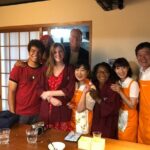
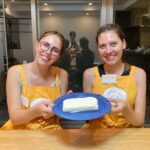
Ramen is the first thing you taste. Then you learn how to make it, step by step. This Kyoto ramen, gyoza, and onigiri class keeps things practical: you focus on ramen broth you can recreate at home, plus gyoza technique and onigiri shaping, all in a small group setting with English-speaking instructors like Nori and Kairi.
I especially like that the instructors help you master the parts most home cooks struggle with: the broth flavor balance and the gyoza wrapping and sealing. One thing to consider before you book: it’s not flexible for diets, and it’s not suitable for kids under 12 (and participants must be 13 and able to cook without assistance).
In This Review
- Key Things I’d Want You to Notice
- Finding the B1 Classroom: Getting to Life Building in Kyoto
- What You Learn: Ramen Broth Without Making Noodles
- Your two ramen bases: miso and shoyu
- Toppings That Make Sense at Home (Because They’re Simple)
- Gyoza: Filling, Flavor Balance, and Getting the Wrap Right
- Mastering gyoza filling
- Wrapping and sealing: the real skill
- Onigiri Shaping: Rice Balls You Can Actually Replicate
- How the 90 Minutes Feel in Real Life: Stations, Pace, and Q&A
- What You Eat at the End (Yes, You’ll Be Stuffed)
- Price and Value: Is $90 Fair for This Kyoto Cooking Class?
- Diet Limits and Practical Rules Before You Book
- What to Wear and Bring for a Smooth Class
- Should You Book This Kyoto Ramen, Gyoza, and Onigiri Class?
- FAQ
- How much is the Kyoto Ramen, Gyoza, and Onigiri Cooking Class?
- How long is the class?
- Is this class only about ramen broth or do you make noodles too?
- What dishes will I make during the class?
- Are there vegetarian or diet-friendly options?
- What age is this class for?
- Where is the meeting point?
- What should I bring or wear?
- Is the class in English, and how big is the group?
- Can I cancel or pay later?
Key Things I’d Want You to Notice

- Broth-first ramen (noodle-free): You learn soup making, not just what comes in a bowl.
- Two ramen styles: Miso and Shoyu broths with simple topping approaches.
- Gyoza you can wrap at home: You get technique for filling, folding, and sealing the dumpling.
- Onigiri with proper shaping: You’ll make rice balls that hold their form, not squishy blobs.
- Small group attention: Limited to 8 participants, so you’re not stuck waiting.
- You eat what you make: The class ends with a meal made from your own work.
Finding the B1 Classroom: Getting to Life Building in Kyoto

The meeting point is at B1 of Life Building, and it’s not on a main street. You’ll want to check Google Maps before you arrive, because the classroom is one street down, tucked away rather than posted right on the busiest corner.
If you’re coming by cab, get off in front of Family Mart at Sanjo Keihan. It’s a short walk from there, and it’s easier than trying to land a cab precisely at the building entrance. Search for Manryo cooking class on Google Maps so you’re looking for the right spot.
Other cooking classes in Kyoto


What You Learn: Ramen Broth Without Making Noodles

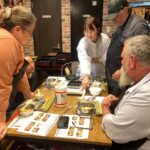
Here’s the smart part. This class teaches the piece most visitors can’t easily replicate: the ramen broth. You don’t make noodles, and that’s totally intentional. You focus on building flavor with ingredients you can find back home, so your future bowl isn’t just “microwave soup with toppings.”
You start with learning how to make rich, flavorful ramen broth using straightforward components. The class also emphasizes the seasoning and balance, not just following a list. That’s the difference between copying a recipe and actually understanding it.
Your two ramen bases: miso and shoyu
You’ll work with two broth styles:
- Miso ramen: built to support toppings like boiled egg, bean sprouts, green onions, and sweet corn.
- Shoyu ramen: flavored with a different base, usually paired with chicken, bamboo shoots, and green vegetables.
A useful takeaway is that toppings shouldn’t wrestle the broth. The broth is the main event, and the toppings are there to add texture and small bursts of flavor.
Toppings That Make Sense at Home (Because They’re Simple)

One of the best lessons you’ll absorb is the logic of ramen assembly. The class uses toppings that are basic and easy to source, so you can repeat the bowl without hunting specialty items.
The key idea is balance:
- Use simple vegetables and mild elements so the broth stays in charge.
- Keep topping flavors from overpowering the soup.
- Build your bowl as a system: broth style + toppings + garnish.
Even if you love trendy ramen shops, this approach is practical. It helps you make a satisfying bowl without needing restaurant-grade ingredients or a long shopping mission.
Gyoza: Filling, Flavor Balance, and Getting the Wrap Right
Gyoza is where most people feel out of their depth—until they try, and the instructors guide them through the “why” behind the steps. The class focuses on learning the filling first, then moving quickly into the wrapping technique.
A few more Kyoto tours and experiences worth a look


Mastering gyoza filling
You’ll learn how to create a properly seasoned gyoza filling that balances:
- meat (ground pork),
- vegetables (like cabbage),
- aromatics and seasoning.
The goal is not just tasty filling. It’s filling that behaves well inside the wrapper so the final dumpling tastes clean and cohesive.
Wrapping and sealing: the real skill
You’ll fully master how to wrap gyoza and seal it. That matters because a dumpling that doesn’t seal properly often turns into steamed-filling chaos when it hits the pan.
You’ll also get technique for getting that classic shape. The instructors keep the process structured so you can repeat it later, even if your first attempt looks a little lopsided.
Onigiri Shaping: Rice Balls You Can Actually Replicate

Onigiri is the quiet win of this class. It’s simple in concept, but the “right” shape makes a huge difference in how it eats and holds up for lunch.
You’ll learn how to make perfectly shaped rice balls and stuff them with a variety of fillings and flavors. Onigiri is a natural alternative to sandwiches, and it’s a great skill for Japan travel: you can build a snack you understand, not just grab whatever’s wrapped in plastic.
The class treats onigiri as more than assembly. It’s about technique—how you form the rice so it holds its shape instead of collapsing into a messy mound.
How the 90 Minutes Feel in Real Life: Stations, Pace, and Q&A

This class runs in a tight 90-minute window. That means it’s hands-on and fast-paced. You’ll be cooking, tasting, and moving between tasks, and you’ll leave with a meal that’s clearly more than a bite-sized demo.
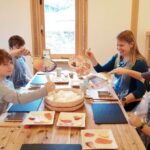
A small group helps. With a maximum of 8 participants, you’re more likely to get quick corrections at your station instead of waiting your turn. In past sessions, instructors like Nori have been described as funny and encouraging, and the helper team has been efficient with setting you up so you can focus on the cooking.
You should expect measured ingredients and clear steps, which makes the class feel less chaotic than some cooking tours. Still, it’s not slow and lounge-y. Come ready to cook.
What You Eat at the End (Yes, You’ll Be Stuffed)

The class is designed so you eat what you make. That’s a big part of the value: you aren’t just taking notes—you’re getting results.
Your meal includes:
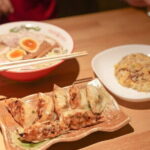
- ramen you built from broth (miso and shoyu),
- gyoza you wrapped and cooked,
- onigiri made by your own hands.
The toppings are intentionally simple, which keeps the focus on what you learned: broth and balance. And since you’re making multiple items in one sitting, you’ll likely want to skip a heavy meal beforehand. One practical note: show up hungry, because you’ll be eating a lot in a short time.
There’s also a chance to add a drink afterward. Some participants have mentioned you can purchase beer after the meal, depending on what’s available.
Price and Value: Is $90 Fair for This Kyoto Cooking Class?
For $90 per person and 90 minutes, the value is less about “watching cooking” and more about skill-building. You’re paying for:
- English-speaking instruction,
- all cooking ingredients and equipment,
- food you make,
- printed recipes (including ramen and gyoza),
- free coffee and tea.
Where this price makes sense is that you’re not learning one dish. You’re learning three Japanese staples, and two of them—ramen broth and gyoza wrapping—are exactly the kind of things that are hard to get right from a cookbook alone.
Also, the class is small. Limited to 8 people, it’s easier to get feedback. That turns the class from a fun activity into a skill you can use again at home.
Diet Limits and Practical Rules Before You Book
This class has firm diet rules, so read carefully:
- Vegan is not accommodated.
- Pescatarian is not accommodated.
- Gluten-free is not accommodated.
- Any other special diets are not accommodated.
There is a Vegetarian Menu, but it’s limited. The menu replaces pork with tofu, while other ingredients remain the same. If you have allergies or dietary needs beyond that, you’ll need to look for another option.
You also need to consider comfort and ability requirements:
- Not suitable for children under 12.
- Participants must be 13+ and able to cook by themselves without stuff help.
- Not suitable for wheelchair users.
- Not suitable for people with recent surgeries.
If your group matches these rules, the class is a great fit. If not, it’s better to avoid disappointment.
What to Wear and Bring for a Smooth Class
This isn’t a dress-up dinner. Wear comfortable shoes and comfortable clothes so you can stand and move at your station.
If you’re prone to getting cold easily indoors, a light layer can help. You’ll be handling food prep items and moving around, so flexible clothing beats anything restrictive.
Most importantly: arrive on time. The classroom is in a tucked-away location, so give yourself a buffer to find it.
Should You Book This Kyoto Ramen, Gyoza, and Onigiri Class?
I’d book it if you want real cooking skills tied to two big wins: ramen broth you can recreate and gyoza wrapping you can repeat at home. The class is small, English-friendly, and built around eating what you make—so you leave full and with usable recipes.
I’d skip it if your group needs vegan, gluten-free, or other special dietary accommodations. Also skip if you’re not comfortable with a fast, hands-on 90 minutes where you’re expected to cook yourself.
If you want a focused Kyoto food experience that pays off long after you leave the city, this one is a strong choice.
FAQ
How much is the Kyoto Ramen, Gyoza, and Onigiri Cooking Class?
The price is $90 per person.
How long is the class?
The class lasts 90 minutes.
Is this class only about ramen broth or do you make noodles too?
You learn how to make ramen broth. The class does not make noodles; it teaches you how to prepare the soup with ingredients and seasonings you can find at home.
What dishes will I make during the class?
You will make ramen broth, gyoza (including filling and wrapping), and onigiri (Japanese rice balls).
Are there vegetarian or diet-friendly options?
There is a Vegetarian Menu, where pork is replaced with tofu while other ingredients remain the same. The class cannot accommodate vegan, pescatarian, gluten-free, or other special diets.
What age is this class for?
It is not suitable for children under 12. Participants must be 13 and able to cook by themselves without staff help.
Where is the meeting point?
The classroom is located at B1 of Life Building. It is one street down from the main street. If arriving by cab, get off in front of Family Mart at Sanjo Keihan and walk about 2 minutes. Search for Manryo cooking class on Google Maps.
What should I bring or wear?
Bring comfortable shoes and comfortable clothes.
Is the class in English, and how big is the group?
Yes, instruction is in English. It’s a small group limited to 8 participants.
Can I cancel or pay later?
You can cancel up to 24 hours in advance for a full refund. You can also reserve now and pay later.