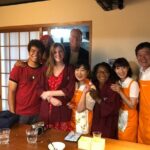
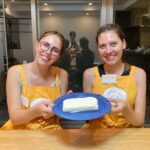
Your lunch becomes a mini lesson. In this Kyoto small-group class near Saiin, you craft a bento box from separate dishes while learning the washoku logic behind fresh, seasonal ingredients and balanced flavor. I like that you get practical help with knife skills, not just recipes on paper, and I like the way core skills like tempura frying and dashi making are taught as you cook.
One catch: timing matters. The chef meets you at Kyoto Laundry Cafe, and if you’re more than 15 minutes late, your reservation can be canceled, so give yourself buffer time from Saiin Station.
In This Review
- Key highlights at a glance
- Kyoto Bento Cooking Class: What You’re Really Learning
- Kyoto Laundry Cafe Meeting Point and How It Works On Arrival
- Your Cooking Line-Up: Sushi Rolls, Tempura, Tofu Salad, and Dashimaki
- Sushi Rolls: Small Cuts, Clean Rolls, and Bento-Friendly Portioning
- Tempura Frying: The Crispy Technique Behind Light Batter
- Tofu Salad (Often Sesame-Style): Balance Without Overcomplication
- Dashimaki (Japanese Rolled Omelette): Structure, Texture, and Flavor Base
- Dashi Stock From Scratch: The Flavor You’ll Use Again and Again
- Knife Skills and the Japanese Way of Prep
- Eating Together: What to Notice After You Cook
- Price and Value: What $58 Buys You in Real Skills
- Who This Class Fits Best in Your Kyoto Plan
- Should You Book This Kyoto Washoku Bento Cooking Class?
- FAQ
- How long is the Kyoto washoku bento cooking class?
- Where do I meet the instructor?
- Will I cook all the dishes?
- What dishes are included?
- Do you teach dashi stock?
- Is the class in English?
- How big is the group?
- Is there free cancellation?
- What if I arrive late?
- Who should avoid booking this class?
Key highlights at a glance
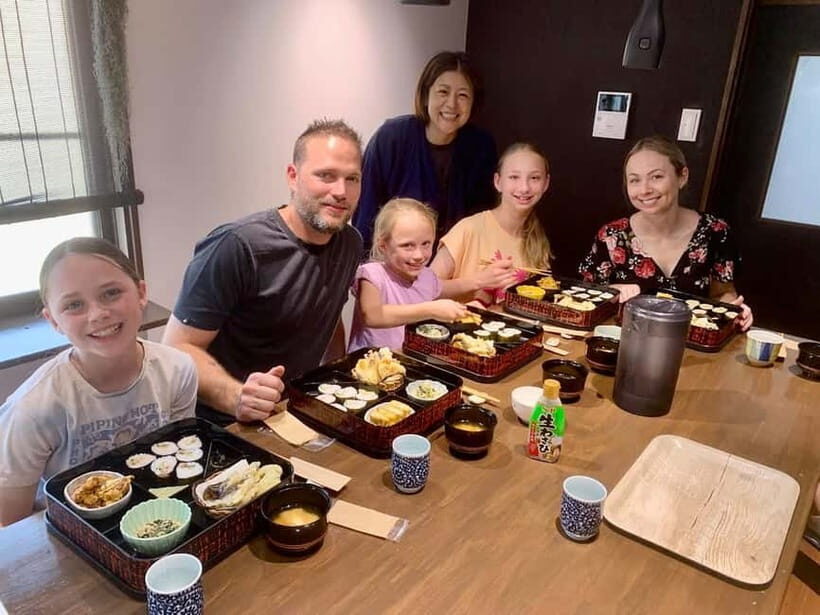
- Four bento dishes you cook yourself, so you leave with a complete, portable meal
- Tempura frying and dashi stock from scratch, two big washoku building blocks
- Small group (up to 5), meaning more attention when your knife is mid-cut
- History + culture woven into the cooking, including how bento fits Japanese everyday life
- Recipes may be shared after class, since multiple participants mentioned getting them by email
- You eat what you make, together with the group in a relaxed, chat-friendly meal
Kyoto Bento Cooking Class: What You’re Really Learning
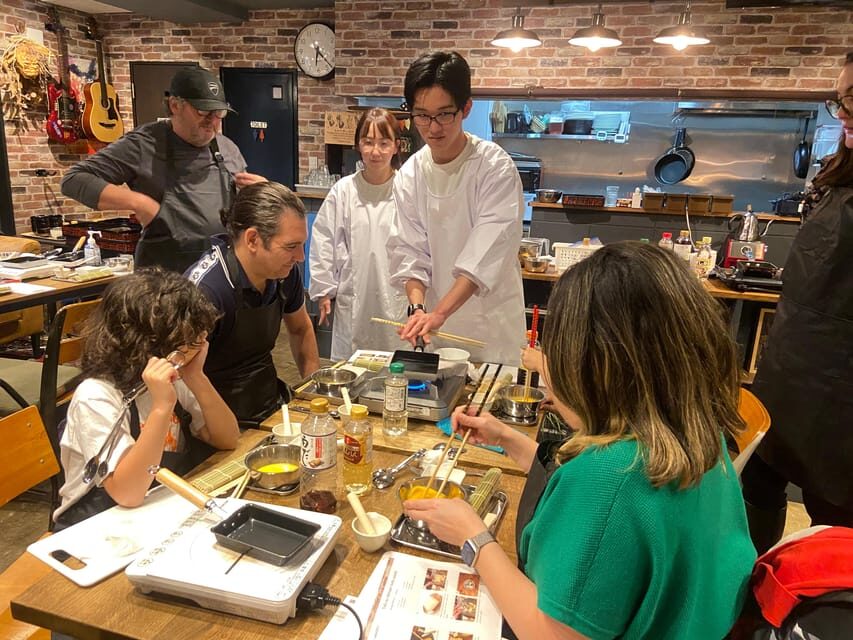
A bento is more than lunch in a box. It’s a way to organize food so every bite makes sense on its own, but also works as part of a planned whole.
In this class, you’re guided through washoku style cooking, which puts fresh, seasonal ingredients first and aims for harmony in flavor, color, and texture. That matters because once you understand the thinking, you can recreate the approach even when you don’t have the exact same ingredients as the day of class.
You’ll also learn the practical side of bento: how Japanese home cooks build a meal that travels well, looks tidy, and still tastes good cold or at room temperature. Several participants specifically called out how much they enjoyed learning the bento background, not just the mechanics.
Other cooking classes in Kyoto


Kyoto Laundry Cafe Meeting Point and How It Works On Arrival
Your day starts at Kyoto Laundry Cafe (Kyoto Laundry Cafe / 京都ランドリーカフェ). The class meets near Saiin Station on the Hankyu Railway, and the cafe is described as about five minutes from the station.
Here’s the key thing: the chef comes to pick you up at the meeting point. That removes stress of finding an unfamiliar kitchen, but it raises the stakes on arrival time.
Two practical tips I’d follow:
- Use Google Maps for directions, not Instagram map links.
- Build in buffer time. If you arrive more than 15 minutes after the scheduled meeting time, your reservation is automatically canceled, and late-arrival refunds or schedule changes aren’t offered.
In plain terms: this class runs like a real appointment, not a drop-in.
Your Cooking Line-Up: Sushi Rolls, Tempura, Tofu Salad, and Dashimaki
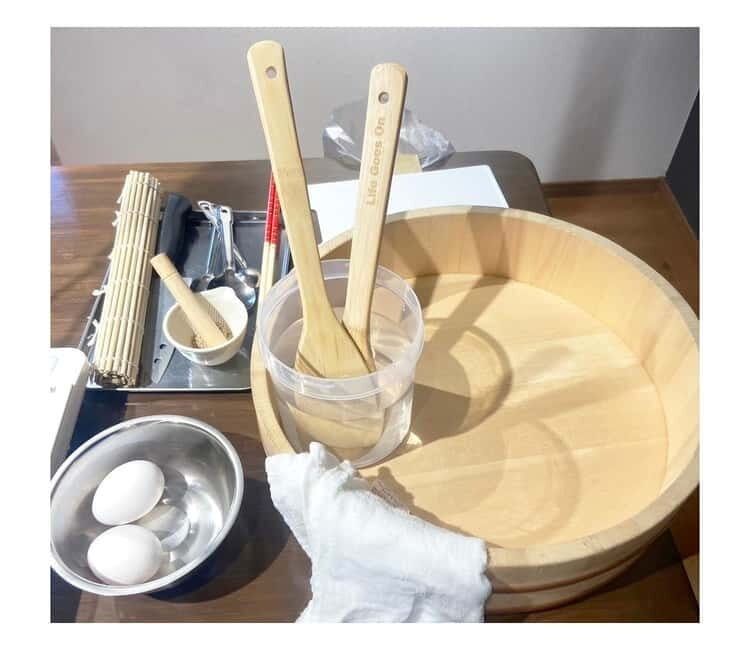
The bento you make includes four dishes. You’ll cook sushi rolls, tempura, a tofu salad, and a Japanese rolled omelette (often called dashimaki).
I love how this lineup teaches both flavor and technique. Sushi rolls give you precision. Tempura gives you heat control. Tofu salad teaches balance and dressing style. Dashimaki forces you to focus on structure and texture, not just taste.
From past class notes, instructors have included Ai, Miyu, and Yamamoto Rie. In other words, you might feel like you’re learning from one “head chef,” rather than a rotating instruction team. The consistent theme in the feedback is clear: the chef explains what you’re doing and why, then helps you correct it as you go.
Sushi Rolls: Small Cuts, Clean Rolls, and Bento-Friendly Portioning
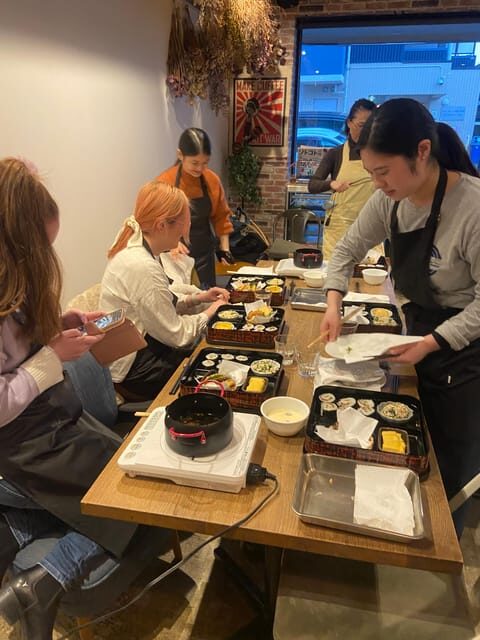
When you make sushi rolls as part of a bento, you learn a different mindset than when you order sushi at a counter. Bento rolls often need to look neat and fit into compartments, which pushes you toward tidy prep and portion control.
You’ll be cooking alongside the instructor, so the focus isn’t just on eating the result. You’re practicing steps like handling ingredients carefully and working with the pace that comes with rolling neatly.
Even if you’ve made sushi before, bento teaches the “finish” details: how to make everything look intentional, not random. That’s a big reason participants later said they felt proud of the bento box they created.
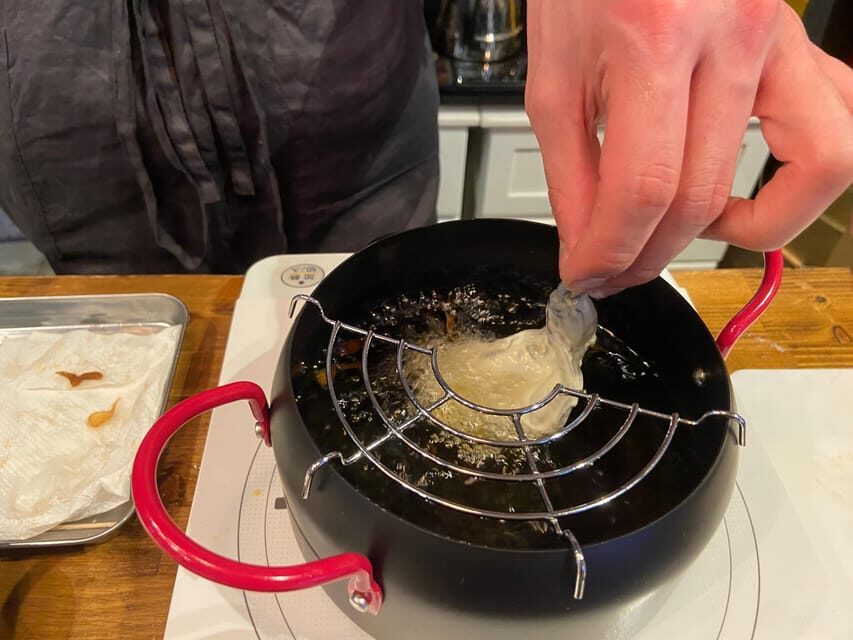
Tempura Frying: The Crispy Technique Behind Light Batter
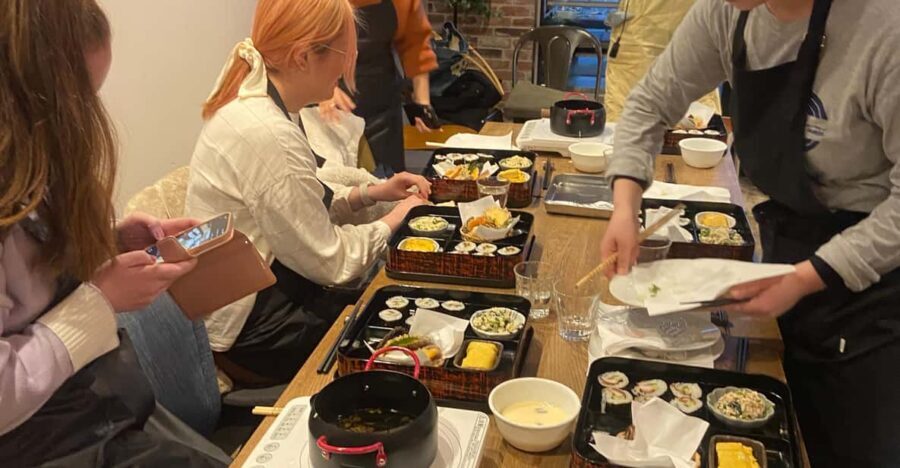
Tempura sounds simple until you actually fry it. The whole point is light, crisp batter that doesn’t turn greasy or heavy.
This class teaches tempura frying technique, not just the final dish. Expect guidance on how to fry properly and how to handle the process so the result stays crisp and appetizing.
A helpful way to think about tempura during class is this: you’re practicing control. Control of heat, control of timing, and control of how you move while cooking. That’s the sort of skill you can reuse when you fry other foods later.
One more detail worth noting: multiple participants mentioned that each dish comes with specific utensils and techniques. That matters because tempura isn’t just batter and oil. The tools and handling shape the outcome.
A few more Kyoto tours and experiences worth a look


Tofu Salad (Often Sesame-Style): Balance Without Overcomplication
The tofu salad component is where washoku often feels approachable. Tofu absorbs flavors, so the trick is in seasoning and balance rather than drowning everything in sauce.
You’ll make the tofu salad as part of your bento, which means you’ll learn how to portion and dress it so it holds up as a bento item. A bento isn’t a hot plate meal. It needs planning for texture and how flavors read together in one box.
If you like food that tastes clean but still rich, this part of the class usually lands well. Participants repeatedly praised the overall flavor and the fact they made “real home cooking,” not just a demo plate.
Dashimaki (Japanese Rolled Omelette): Structure, Texture, and Flavor Base
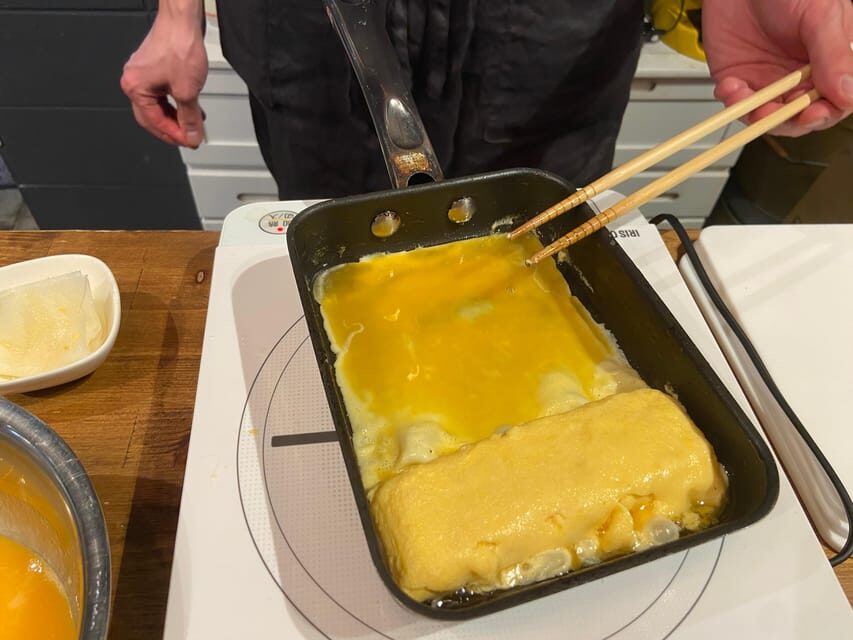
The Japanese rolled omelette is a signature bento dish for a reason. It’s portable, sliceable, and it brings comfort to the box.
This class includes the rolled omelette component and also teaches how to make dashi stock. Dashi is the flavor foundation of a lot of Japanese home cooking, and learning it in the same experience helps the omelette make more sense as a whole.
From participant feedback, Chef Rie in particular was praised for teaching the recipe process so people could recreate dashimaki and dashi later. That’s one of the best signs of a cooking class: you don’t just enjoy the meal that day—you understand how to rebuild it later.
Dashi Stock From Scratch: The Flavor You’ll Use Again and Again
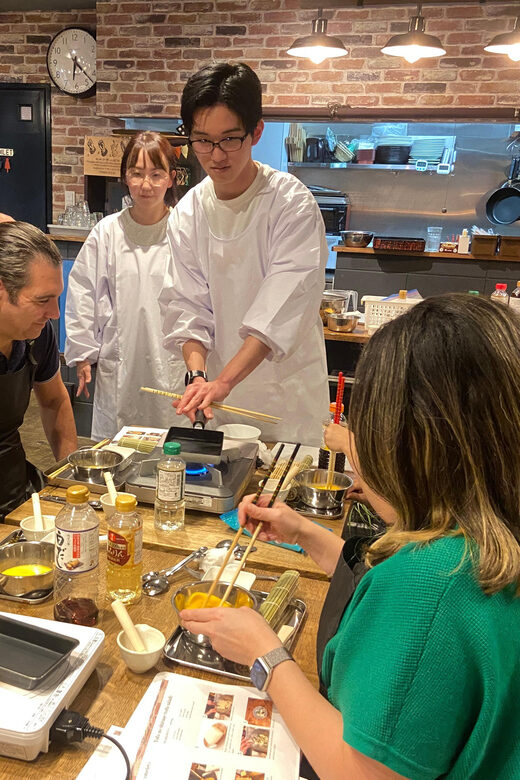
Learning dashi isn’t just about making stock. It’s about understanding the base taste that shows up across Japanese cuisine—broths, sauces, and even parts of dishes.
During class, you’ll make dashi stock from scratch with instruction from a chef. Many people pointed out that the dashi explanation flowed clearly and that they felt confident following the process.
What you should take away as a home cook:
- Dashi is a simple concept with a precise execution.
- Small changes in steps can shift the end flavor.
- If you learn dashi once in a guided way, you can start seasoning other dishes with the same idea.
And yes, tasting is part of the learning curve. Dashi becomes easier once you’ve tasted it and matched it to what you’re cooking.
Knife Skills and the Japanese Way of Prep
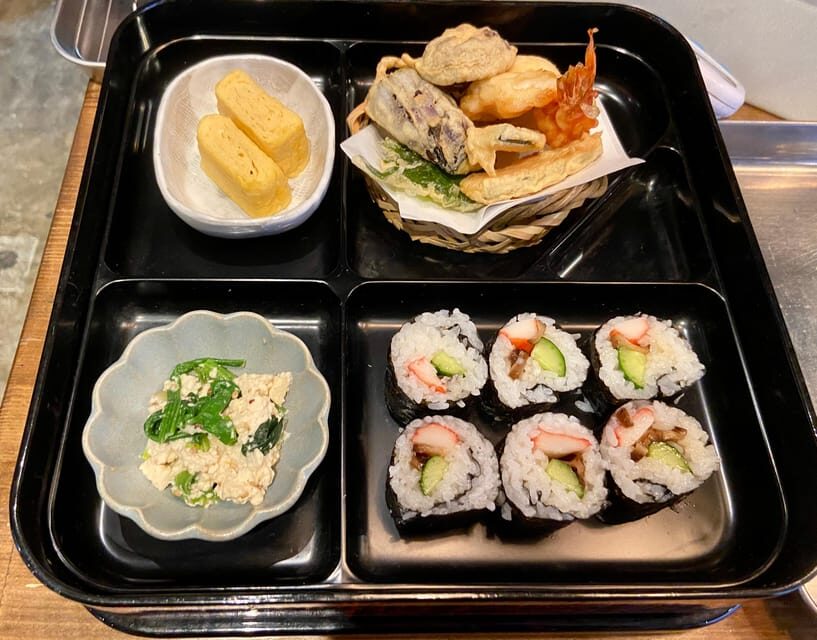
One of the strongest themes in the feedback is knife skills improvement. People didn’t just say the chef showed them knives—they said they got better at technique and learned the proper Japanese approach during prep.
That likely means two things in practice:
- You learn how to hold the knife and control cuts.
- You learn how to plan cuts so ingredients cook evenly and fit the bento layout.
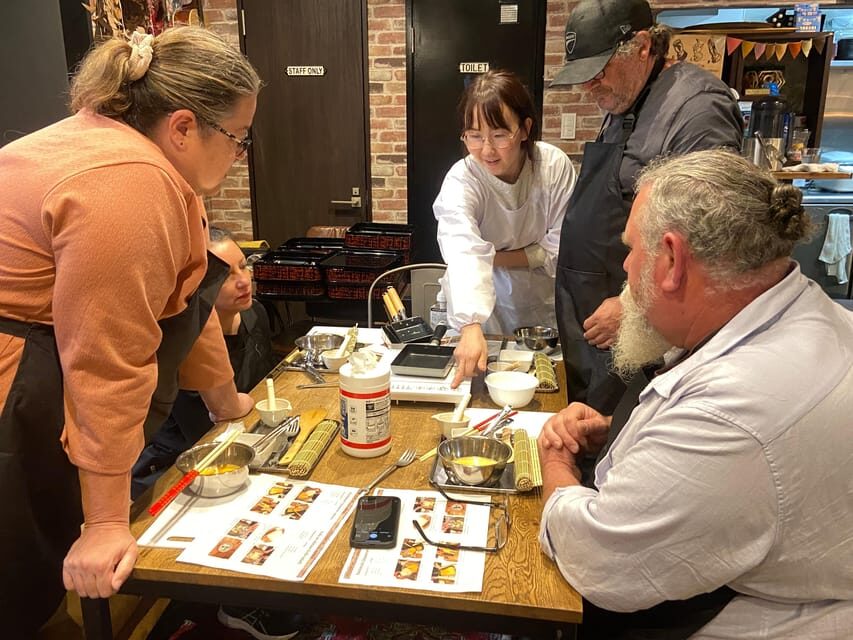
If you’ve ever been overwhelmed by “cooking classes” that feel like assembly lines, this part is different. It’s hands-on. You’re doing real prep with coaching while the class moves forward.
Also, uniform pieces and neat portions make your bento look like it belongs in a Japanese lunchbox. That visual satisfaction is real.
Eating Together: What to Notice After You Cook
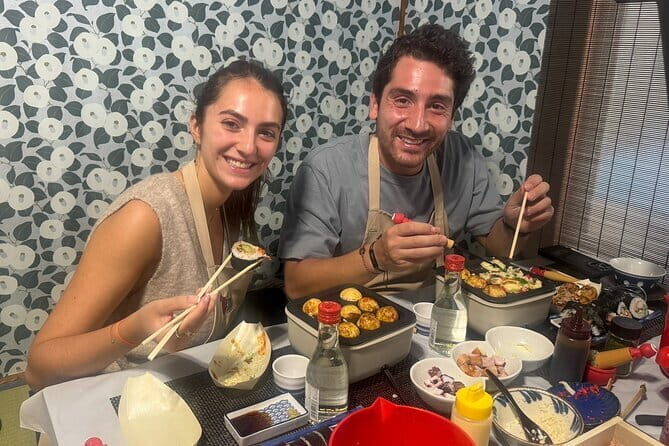
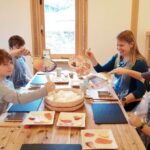
The class finishes with a shared meal where you eat the bento you made while chatting with the group. This matters more than you might think.
When you sit down together, you get to compare outcomes. Everyone’s bento reflects their hands-on work, and instructors can clarify the little details that make flavor and texture click. Several participants described the meal as delicious and genuinely filling, not a tiny “chef snack.”
If you’re wondering whether you’ll leave hungry: you shouldn’t. The class uses four dishes, and the feedback repeatedly mentions the amount of food you make and the pride of the final box.
Price and Value: What $58 Buys You in Real Skills
At $58 per person for about 150 minutes, you’re paying for more than a meal. You’re paying for instruction, ingredients, equipment, and a structured path through multiple techniques—tempura frying, dashi stock, knife practice, and bento assembly.
Value is best judged by outcomes. Here, your outcomes are:
- A full bento you can eat immediately
- A set of repeatable skills you can use later
- A calm small-group setup where you get hands-on correction
Small groups (limited to 5 participants) help justify the price. In a larger class, you might do more watching and less improving. Here, more people said they felt well looked after during cooking steps.
Also, instructors speak English and Japanese, which makes it easier to ask questions without losing the thread.
Who This Class Fits Best in Your Kyoto Plan
This is a strong choice if you:
- Want authentic washoku basics early in your trip
- Like learning skills you can reuse at home, especially dashi and bento structure
- Enjoy hands-on cooking more than museum-style demonstrations
- Prefer small groups and conversations over big crowds
A couple of practical realities:
- If you have mobility needs, note that wheelchair users are not accommodated based on the activity’s stated suitability.
- If you have diabetes, the class is listed as not suitable.
- If you’re traveling with young children, there are age cutoffs (not suitable for children under 2, 3, and 4 years, and babies under 1 year).
If your goal is technique and lunch-in-a-box pride, this class makes a lot of sense.
Should You Book This Kyoto Washoku Bento Cooking Class?
Book it if you want a focused, small-group cooking session where you learn bento construction, tempura frying, and dashi stock in the same afternoon. It’s also ideal when you want a Kyoto food experience that’s practical, calm, and repeatable—something you can bring home as skill, not just photos.
Skip it if you’re arriving late often, hate structured start times, or need accessibility accommodations not provided by this activity. And if you’re extremely sensitive to dietary needs, make sure you plan ahead; while one participant reported a shrimp substitution, the class materials here don’t spell out a full allergy policy.
If you’re on the fence, my vote is yes: this is the kind of class that turns a lunch box into a real cooking lesson you can use long after you leave Kyoto.
FAQ
How long is the Kyoto washoku bento cooking class?
The class lasts 150 minutes, about 2.5 hours.
Where do I meet the instructor?
Meet at KYŌTO LAUNDRY CAFE (京都ランドリーカフェ). It is near Saiin station (Hankyu Railway), about five minutes away.
Will I cook all the dishes?
Yes. The class includes cooking 4 dishes as part of your bento box.
What dishes are included?
You’ll cook sushi rolls, tempura, tofu salad, and a Japanese rolled omelette.
Do you teach dashi stock?
Yes. You’ll learn how to make dashi stock as part of the class.
Is the class in English?
Instruction is available in English and Japanese.
How big is the group?
It’s a small group limited to 5 participants.
Is there free cancellation?
Yes. You can cancel up to 24 hours in advance for a full refund.
What if I arrive late?
On the day of the program, the chef picks you up at the meeting point. If you arrive more than 15 minutes after the scheduled meeting time, the reservation is automatically canceled. Late arrivals are not eligible for refund requests or schedule changes.
Who should avoid booking this class?
The activity is not suitable for wheelchair users, people with diabetes, and children or babies under the listed age limits (including children under 2, 3, and 4 years, and babies under 1 year).