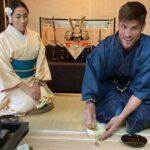
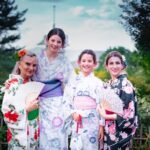
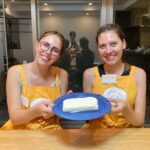
Cooking in a Kyoto home feels personal. This is one of those rare experiences that turns a lesson into real life: you arrive, slow down with tea, talk about your trip, then jump into a kitchen where Japanese staples like dashi, soy sauce, mirin, and sake are the backbone of what you make. I also love the truly hands-on rhythm—slicing, dicing, and mixing right at the counter. One consideration: you’re coming into a family house setting with kids and pets, so the vibe is relaxed and informal, not like a polished cooking studio.
What really seals the deal is the format. You cook together, then sit down and eat the meal you helped make, all as a group dinner. It runs about 2 hours 30 minutes in the early evening on weekdays, and it’s a private activity, so it stays your group’s pace instead of a crowded tour-factory feeling.
In This Review
- Key Things I’d Tell You Up Front
- A Kyoto Home Kitchen, Not a Tour-Stop Classroom
- What You Actually Cook: Japanese Staples You’ll Use Everywhere
- Tea Talk to Apron Time: How the Evening Flows
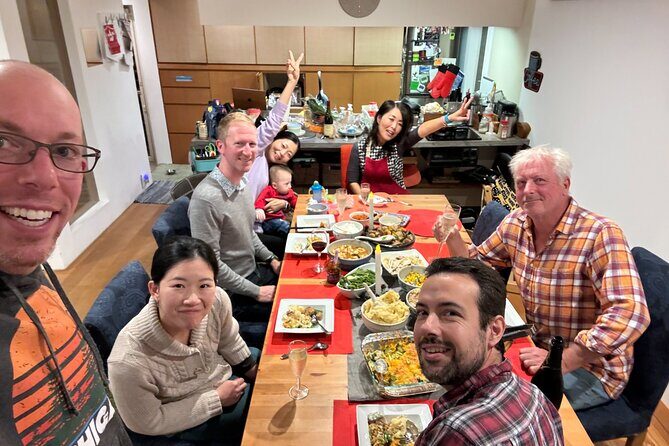
- The Dinner Part: Why Eating Together Is the Lesson
- Family, Kids, and Pets: The Real-World Part of Kyoto
- Price and Value: What $96.84 Gets You (and Why It’s Not Just Cooking)
- Getting There and Planning Your Kyoto Evening
- Food Rules and Flexibility: How to Handle Dietary Needs
- Who Should Book This Kyoto Family Kitchen Class
- Should You Book This Kyoto Family Kitchen Cooking Class?
- FAQ
- How long is the Kyoto Family Kitchen cooking class?
- What time does the class run?
- Is dinner included, or is it just cooking?
- Is the instructor able to teach in English?
- What about drinks and alcohol?
- Is transportation provided?
- Is this a private experience?
- What if I need to cancel?
Key Things I’d Tell You Up Front
- Japanese pantry basics first: dashi, soy sauce, mirin, and sake show up in everyday dishes.
- Hands-on prep at the counter: you’re doing real cooking steps, not just watching.
- Tea first, then food talk: expect a friendly start before you put on aprons.
- Dinner is part of the lesson: you eat what you cook, family-style.
- Home setup includes kids and pets: this is intentional and part of the charm.
- Transport support is included: they include transportation to the Kokusaikaikan subway station.
A Kyoto Home Kitchen, Not a Tour-Stop Classroom
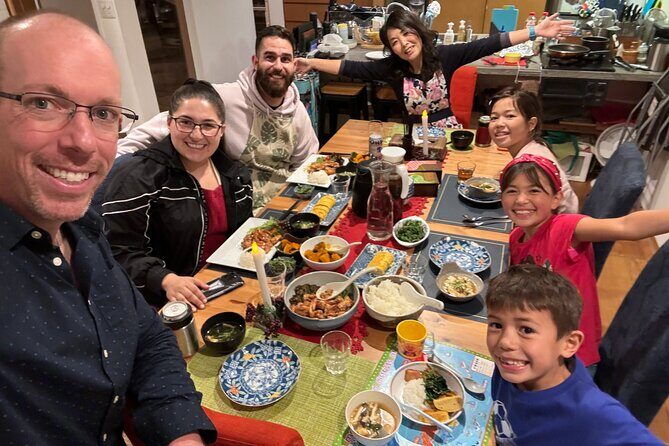
Kyoto can be very good at making you feel like you’re always passing through. This experience slows that down on purpose. You’re headed to a suburban home just outside the city center, where the kitchen is lived in, the conversation is casual, and the goal is simple: make an every day home-cooked meal together.
If you like cooking lessons where you actually touch the food, you’ll get that here. The hosts set you up with seasonings and ingredients, then guide you through the prep and cooking steps. And if you like cultural travel, you’ll get that too, because the meal is the center of it all—stories, everyday Japanese food, and the way families gather around the table.
This is also a private setup, meaning your group isn’t forced into a big mixed crowd. That matters in a class like this, where the energy is social and hands-on. If someone in your group is quieter, you can still feel included.
Other cooking classes in Kyoto


What You Actually Cook: Japanese Staples You’ll Use Everywhere
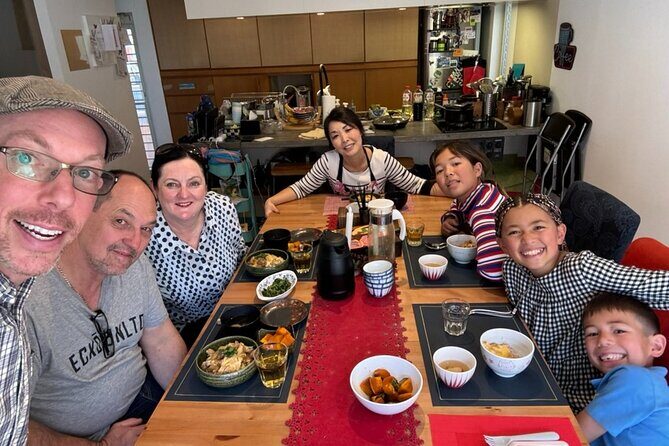
The biggest promise of Kyoto Family Kitchen is not a single signature dish. It’s the way Japanese home cooking is built from a small set of flavor tools.
You’ll work with staples such as dashi, soy sauce, mirin, and sake. Even if you’ve eaten plenty of Japanese food before, these ingredients help you understand the common logic behind it. You start seeing why the same sauce family can turn into totally different results—sweet-salty balance, savory depth, and that clean flavor that makes everything feel less heavy.
In the evening, you’ll learn how these staples show up in dishes families make on a typical night. The hosts don’t present Japanese food as complicated. They frame it as practical. That’s one of the reasons this experience gets such high praise: people don’t leave with just a full stomach. They leave with a sense of how Japanese kitchens really work.
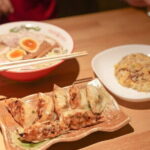
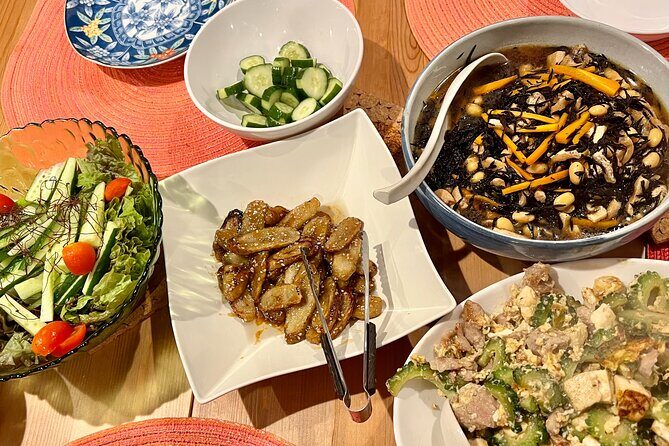
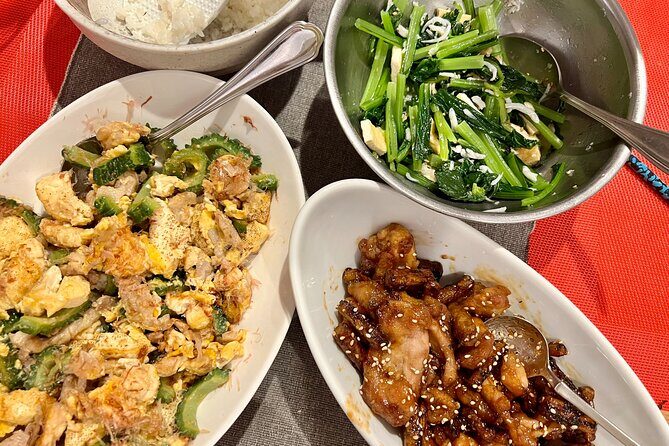
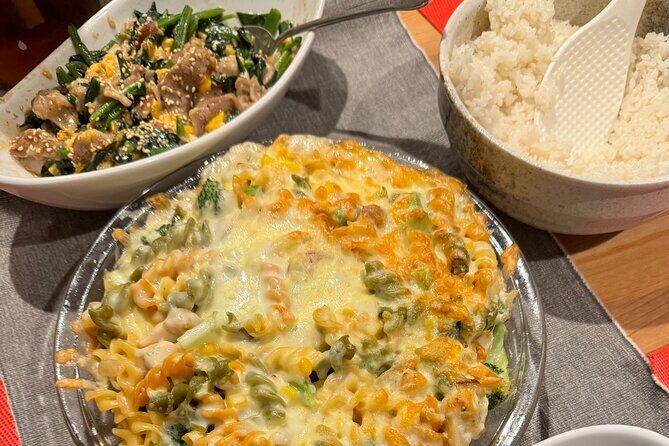
From the kinds of dishes people have cooked in the class, you can expect a mix of familiar comfort food and classic home-style items. Examples that have come up include gyoza, tamago yaki, and okonomiyaki. Other groups have cooked teriyaki-style chicken and sautéed vegetables as well. Your exact menu for the evening can vary, but the teaching focus stays consistent: the fundamentals and the feeling of making dinner from scratch.
Tea Talk to Apron Time: How the Evening Flows
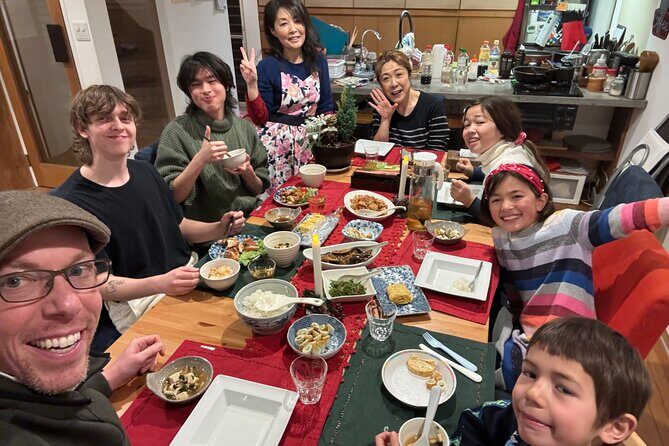
The timing is built to make you comfortable, not rushed.
You start by arriving at the family home and getting settled. There’s tea, and you’ll chat about your trip. Then the session moves from conversation to cooking, with a preview of what you’ll make that night. You don’t need to be a foodie expert to follow along. The teaching is designed for mixed experience levels, including kids.
Then it’s apron time. Everyone gathers around the kitchen counter and starts doing the real work: slicing, dicing, and mixing. This is where you’ll feel the class shift from “learning” to “doing.” It’s a nice change from many lessons where you spend most of the time watching a guide plate and explain.
English-speaking instruction is included, which is huge for families and mixed groups. You can ask questions and actually connect the ingredients to what you’re making. And because dinner is part of the plan, you get the feedback loop you’d want at home: you make it, you taste it, and you understand the result.
The class runs Monday through Friday evenings, with the activity window listed as 6:00 PM to 8:30 PM. It’s long enough to cook and eat without turning into a sprint.
The Dinner Part: Why Eating Together Is the Lesson
Many cooking classes end the moment the meal hits the table. Here, the meal is the goal.
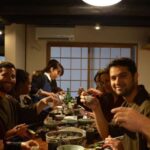
After cooking, you sit down and eat the dinner family-style. That matters because Japanese food is often about balance and timing—how flavors come together, and how the meal feels as part of a shared moment. Eating right after cooking turns what you learn into something you can remember.
I also like that the hosts treat the table as conversation time, not just refueling time. You’ll talk with the family and the other members of your group. People have even shared that they picked up small phrases to help during the rest of the trip, which is a smart bonus. It’s not about memorizing a textbook. It’s about building confidence for real travel moments.
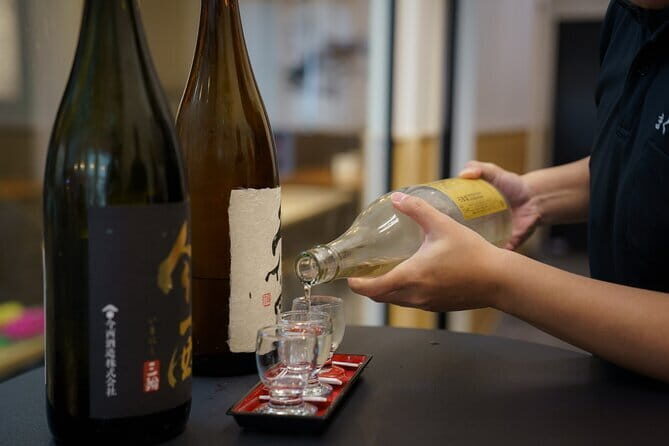
And yes, dinner includes what you’d want: the class includes dinner plus coffee and/or tea. Alcohol is not included, so if your group wants sake or beer, you’ll need to handle that separately.
Family, Kids, and Pets: The Real-World Part of Kyoto
Let’s talk about the elephant in the room—pets.
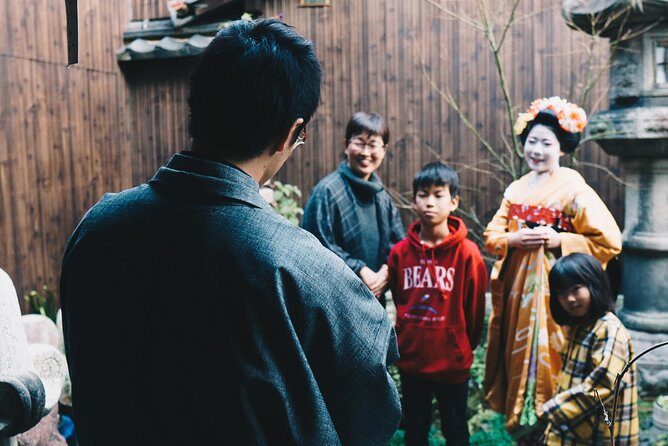
This is a family home experience, and that means your cooking space may include kids and animals. Reviews from past groups describe kids, a cat, and a dog being part of the setup, and that’s consistent with what the hosts state: you’re joining their home for the day and making a meal with the family, kids, and pets.
If you’re expecting a sterile experience, you’ll be disappointed. If you want something more human, you’ll probably love it. There’s a difference between visiting Kyoto as a checklist and seeing how a real household cooks and gathers.
For families, this is especially good. Kids usually don’t need to be persuaded to participate when the room feels like a living family kitchen. Adults get the benefit too: the pets and kids keep the energy relaxed, and the lesson feels less formal.
For groups without kids, it can still work well. The class is described as inclusive for all ages, and it’s private, so you’re not dealing with a classroom-style intensity.
A few more Kyoto tours and experiences worth a look




Price and Value: What $96.84 Gets You (and Why It’s Not Just Cooking)
At $96.84 per person, this isn’t the cheapest way to eat and learn in Kyoto. But it can be strong value if you compare it to what you’d pay for a good dinner plus a guided experience that actually teaches you cooking fundamentals.
Here’s what you’re buying:
- A private, home-hosted cooking and dinner experience (not a crowded group show).
- Dinner included, plus coffee and/or tea.
- An English-speaking instructor.
- Ingredients and seasonings for cooking.
- Transportation support to the Kokusaikaikan subway station.
That last piece matters more than you might think. Kyoto evenings can get tricky, especially if you want to avoid turning your night into a logistics puzzle. Having transportation to the station included helps you keep your evening simple.
The biggest value, though, is the format. You’re not just learning recipes. You’re getting the everyday logic behind Japanese pantry cooking—how a small set of staples becomes dinner after work or school. If you like taking home skills you can use, that’s where the money actually turns into something lasting.
One more practical note: the experience says it’s minimum 2 guests. So it’s best for couples, families, and small groups who can fill at least that minimum.
Getting There and Planning Your Kyoto Evening
This class starts at a specific home address: 33-50 Kamitakano Saimyōjiyama, Sakyo Ward, Kyoto, 606-0064.
After booking, you finalize the meeting times and directions. Do that step seriously. A private home-based experience works best when you show up on time and don’t waste the hosts’ attention.
The activity is scheduled in the early evening window (listed as 6:00 PM to 8:30 PM, Monday–Friday). Plan the rest of your day so you’re not rushing in from a long temple run. Give yourself time to settle, especially with kids.
Transportation to Kokusaikaikan subway station is included. That’s a helpful safety net if you’re not sure how you’ll get back to where you’re staying.
You’ll also receive a mobile ticket.
Food Rules and Flexibility: How to Handle Dietary Needs
Your best move is to communicate food needs after booking, because what matters most is how the hosts adapt in practice.
One review highlights that the hosts were accommodating for a vegetarian guest and made sure there was plenty to eat. That’s encouraging. Still, don’t assume every group’s meal is identical. If your family has dietary needs—vegetarian, allergies, or other restrictions—message ahead and confirm what’s possible.
Alcohol isn’t included, so if your group wants it, plan for that as well. The class focuses on cooking and dinner together, with tea/coffee provided.
Who Should Book This Kyoto Family Kitchen Class

I’d point you to this experience if any of these sound like you:
- You want hands-on cooking with real prep steps.
- You prefer learning Japanese food through fundamentals like dashi, soy sauce, mirin, and sake.
- You’re traveling with kids and want an activity that feels normal for a home family dinner.
- You want Kyoto beyond temples and street-food lines—something you can only really do by stepping into a household rhythm.
- You like social travel: chatting, sharing stories, and eating as part of the lesson.
I’d think twice if you’re looking for a strict, technique-heavy class where you only interact with the instructor. This is interactive and family-led. The energy is relaxed, and the environment can include kids and pets.
Also, the experience is private, so it tends to work best when your group is comfortable being part of someone’s home for a couple hours.
Should You Book This Kyoto Family Kitchen Cooking Class?
If you want a cooking class that feels like dinner with real people, this is a strong yes. The combo—hands-on prep, Japanese pantry fundamentals, and then eating together—turns a lesson into a memory. I especially like the focus on everyday staples, because that’s the kind of knowledge you can use again later, whether you cook at home or try to recognize flavors when you eat out.
Book it if your group is excited to be friendly, to participate, and to treat the kitchen like a shared space. Skip it if you need a quiet, formal classroom experience or if you’re very averse to the reality of kids and pets in a home setting.
If you do book, message early about dietary needs, confirm meeting details when they send them, and plan an un-rushed arrival. Then show up hungry. You’ll cook, you’ll eat, and you’ll leave with more than recipes—you’ll leave with the feeling of what Japanese dinner time looks like.
FAQ
How long is the Kyoto Family Kitchen cooking class?
It lasts about 2 hours 30 minutes.
What time does the class run?
It runs Monday through Friday between 6:00 PM and 8:30 PM.
Is dinner included, or is it just cooking?
Dinner is included. You cook together and then eat the meal family-style.
Is the instructor able to teach in English?
Yes. An English-speaking instructor is included.
What about drinks and alcohol?
Coffee and/or tea are included. Alcoholic beverages are not included.
Is transportation provided?
Transportation to the Kokusaikaikan subway station is included.
Is this a private experience?
Yes. Only your group participates.
What if I need to cancel?
Free cancellation is available up to 24 hours in advance for a full refund. If you cancel less than 24 hours before the start time, the amount paid is not refunded.