Kyoto’s Gion feels different in daylight. This private 90-minute walk focuses on the places and rituals that shaped the district, not just passing photos. I like how the route takes you from Hanamikoji Street to quieter back lanes, and I also like the respectful way your guide explains geiko and maiko traditions in plain language.
What I love most is the pairing of architecture and meaning: you’ll stroll Shirakawa Canal with its willow-lined views, then connect the scenery to the faith and festivals tied to Gion. The second big win is that the tour is structured for understanding, so you leave with context for why the neighborhood looks the way it does.
One possible drawback: this is a daytime walking tour, so you won’t get the nighttime glow that people chase in Gion. Also, with a 90-minute pace, if you need frequent breaks, tell your guide early and go in ready to walk.
In This Review
- Key points at a glance
- Strolling Gion Like You Have a Local Map in Your Head
- Hanamikoji Street: Machiya Townhouses and Ochaya Atmosphere
- Shirakawa Canal: Willow Views and the Quiet Side of Gion
- Yasaka Shrine: Why Gion’s Story Runs Through This Gate
- Geiko and Maiko Traditions: More Than a Nickname for the Street Scene
- Rain, Pace, and Practical Comfort for a 90-Minute Walk
- Price and Value: Is $38 Worth a Private Gion Walk?
- Who Should Book This Kyoto Gion and Yasaka Shrine Tour
- Should You Book This Tour?
- FAQ
- How long is the Kyoto Gion Geisha District & Yasaka Shrine walking tour?
- What is the price per person?
- Is this tour private or group-based?
- What languages does the guide speak?
- What stops are included in the tour?
- What is included in the price?
- What is not included?
- Can I cancel for a refund?
Key points at a glance
- Hanamikoji Street and traditional machiya: stone-paved lanes with wooden townhouse facades and ochaya-style tea house atmosphere
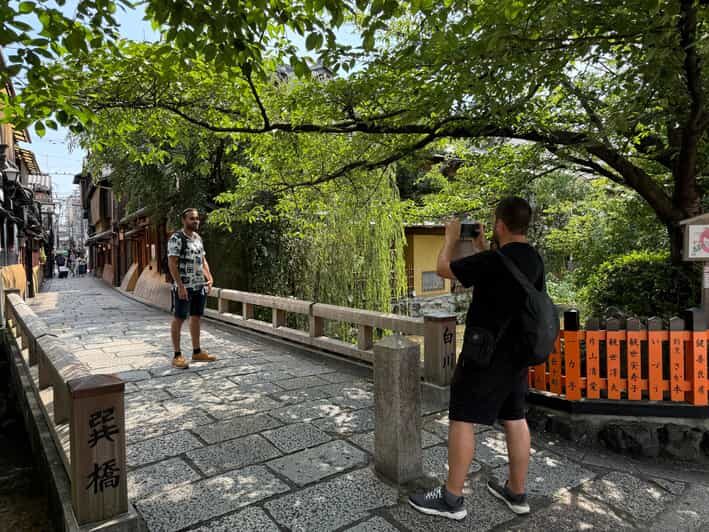
- Shirakawa Canal stroll: willows, small bridges, and the kind of calm you miss when you rush the main sights
- Yasaka Shrine visit: the spiritual center of Gion tied to Kyoto’s major festivals
- Geiko and maiko tradition, explained clearly: roles, discipline, and artistry behind the customs
- Private group flexibility: a smaller group means your pace and questions can actually fit the walk
Strolling Gion Like You Have a Local Map in Your Head
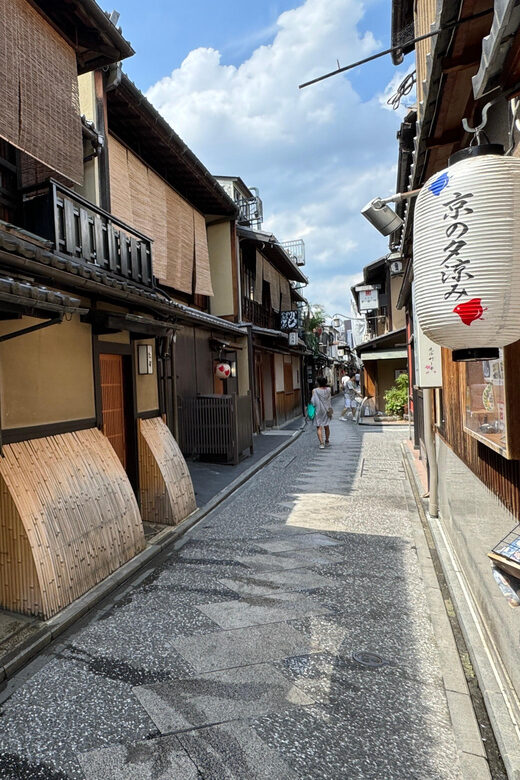
Gion is often treated like a photo stop, but this tour is built more like a guided lesson. In the soft daylight, the district shows details you usually miss at night: the woodwork, the subtle street curves, and the way the neighborhood organizes itself around ritual and craft. The result is a walk that feels slower and more meaningful, even though it stays efficient at 90 minutes.
You’ll cover classic areas, but the guide’s job is the important part. They give cultural and historical commentary throughout, aiming to help you understand what you’re seeing and why it matters. That focus is especially helpful in Gion because the look of the place can be confusing if you only know it by reputation.
If you’re expecting a tour where you hunt for street sightings, adjust your mindset. This one is about traditions and context, with the guide steering you through the neighborhood’s story. I think that’s a better use of time, especially if it’s your first visit to Kyoto’s geisha district.
A few more Kyoto tours and experiences worth a look

Hanamikoji Street: Machiya Townhouses and Ochaya Atmosphere
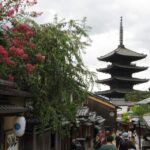
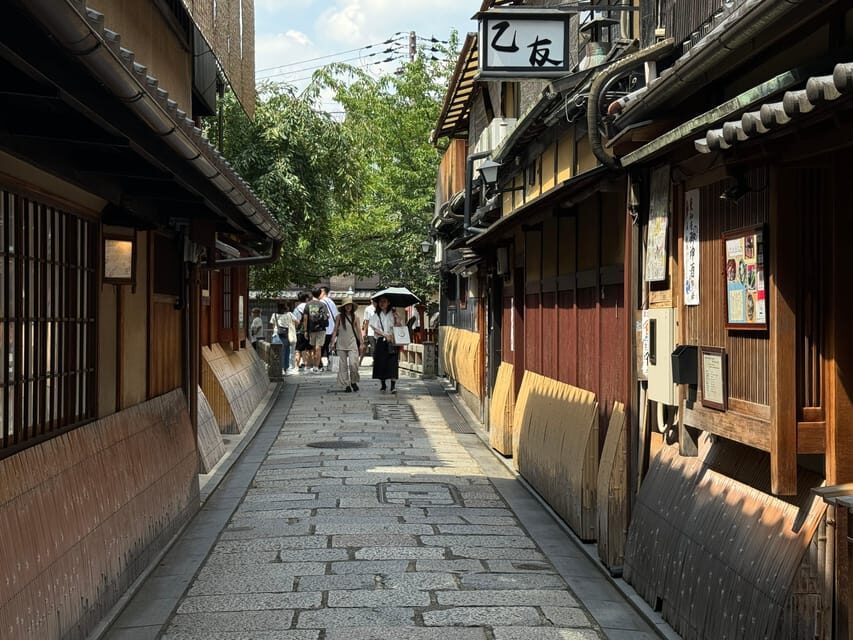
You’ll start in the Gion lanes, where Hanamikoji Street is the spine of the district. The street is known for its traditional machiya townhouses—wood-framed facades and quiet architectural rhythms that look great in daylight. Even if you’ve seen pictures, walking it forces your brain to notice the little things: the scale of doorways, the spacing of townhouses, and how the street feels designed for pace and privacy.
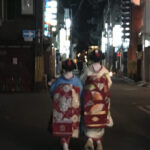
This part of the walk is also where you get grounded in etiquette and background. Your guide explains the roles of geiko and maiko in Kyoto society with clarity and respect, so you aren’t just hearing buzzwords. You’ll learn that these roles aren’t random celebrity vibes; they’re tied to discipline, apprenticeship, and the arts.
One practical tip: wear shoes you trust. The stone-paved road can feel uneven underfoot, and you’re walking through a historic district where comfort matters more than fashion. If you’re traveling with a walking stick or you move slowly, it’s worth mentioning your needs at the start so the guide can set a workable pace.
Shirakawa Canal: Willow Views and the Quiet Side of Gion
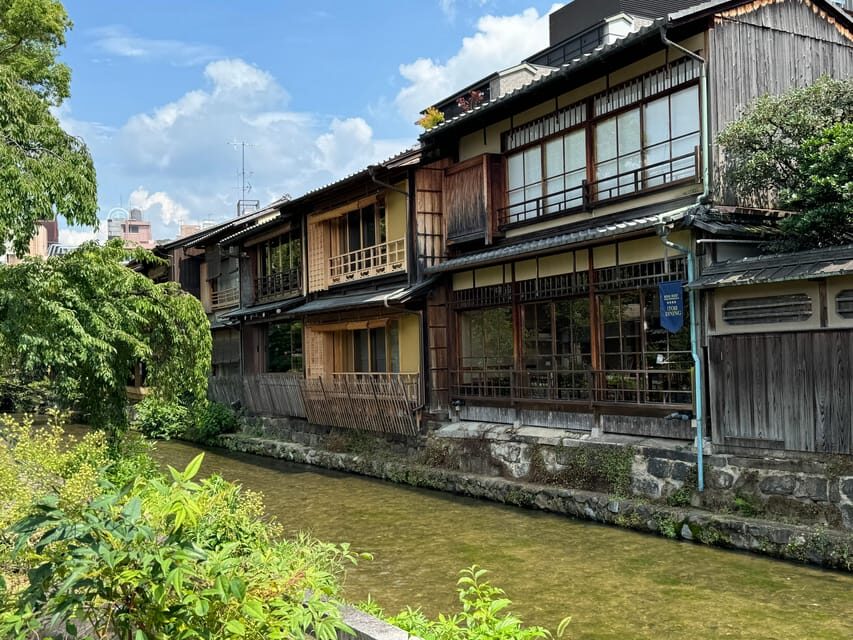
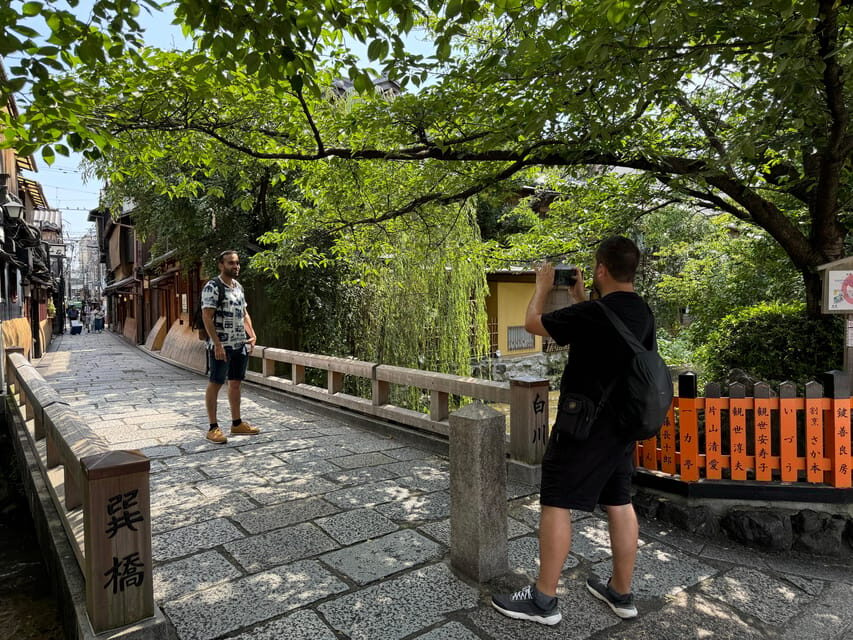
Next comes Shirakawa Canal, one of the most photogenic spots in Gion, and also one of the most calming. This stretch is framed by willow trees, small bridges, and preserved facades that reflect Kyoto’s refined aesthetic. In daylight, the water and the architecture sit in the same frame, so you get that classic Kyoto look without needing to chase ideal lighting.
The best value here is the guided attention. The tour isn’t just walking past pretty scenery; your guide connects what you see to how the neighborhood developed and how it’s maintained. That makes the canal feel less like a postcard and more like a living part of the district.
The walk also tends to include quieter streets and back-lane paths that you might otherwise skip. In one recent group experience, rain did not stop the walk, and the guide still kept the pace and route comfortable. That’s a good sign if your Kyoto trip includes unpredictable weather.
If it’s your first time in Kyoto, you’ll probably come away with a stronger sense of the neighborhood layout. You’ll see how Gion’s beauty isn’t just in one landmark—it’s in the way the district opens, narrows, and breathes as you move.
Yasaka Shrine: Why Gion’s Story Runs Through This Gate
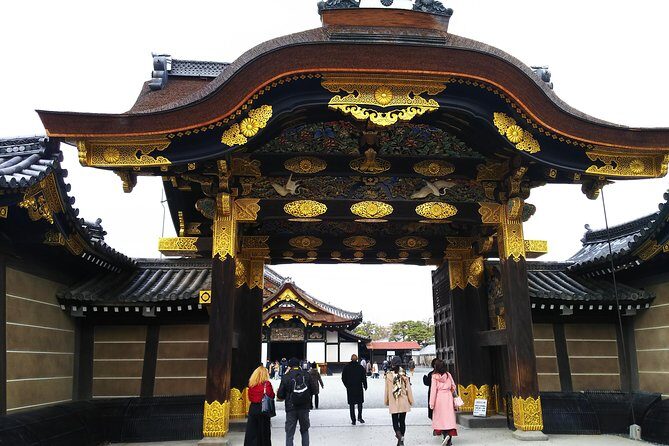
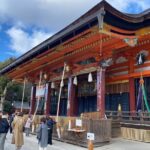
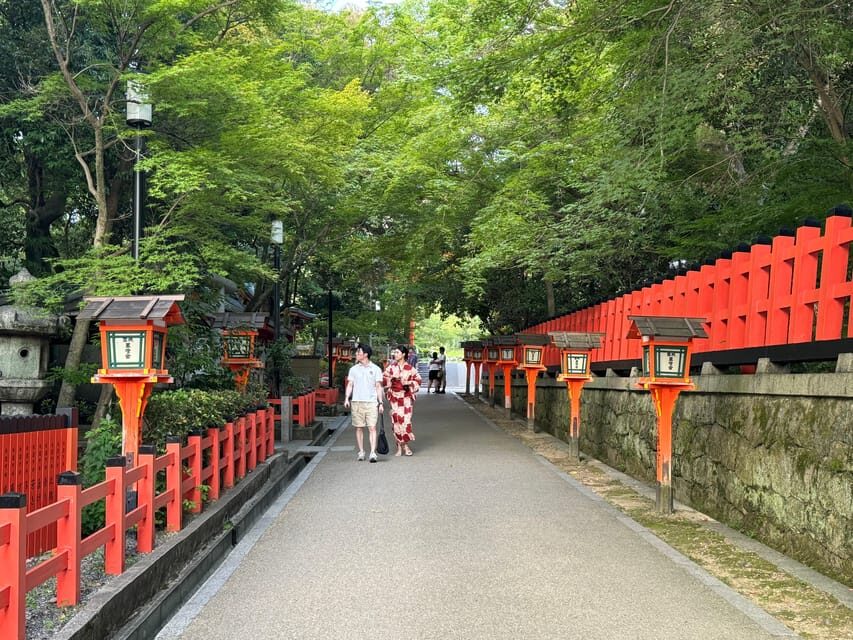
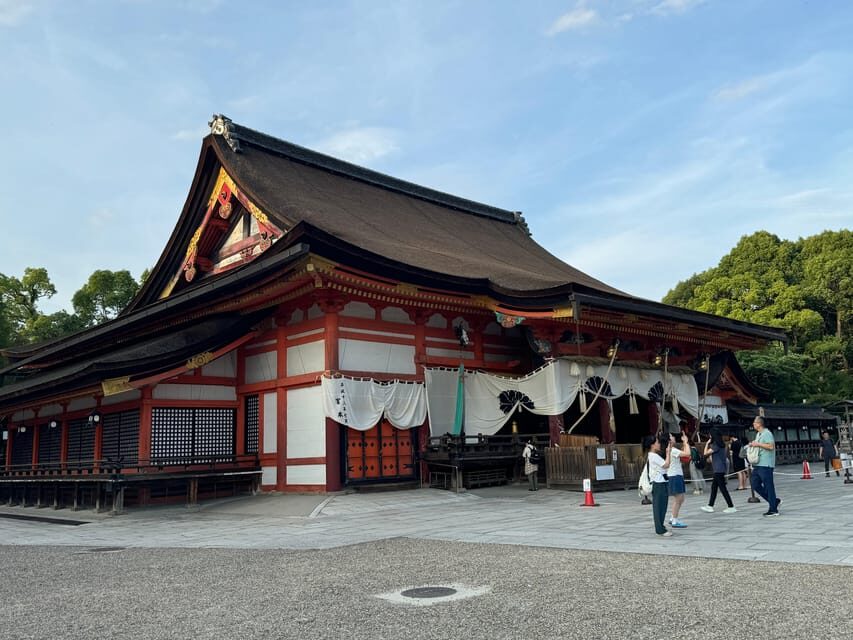
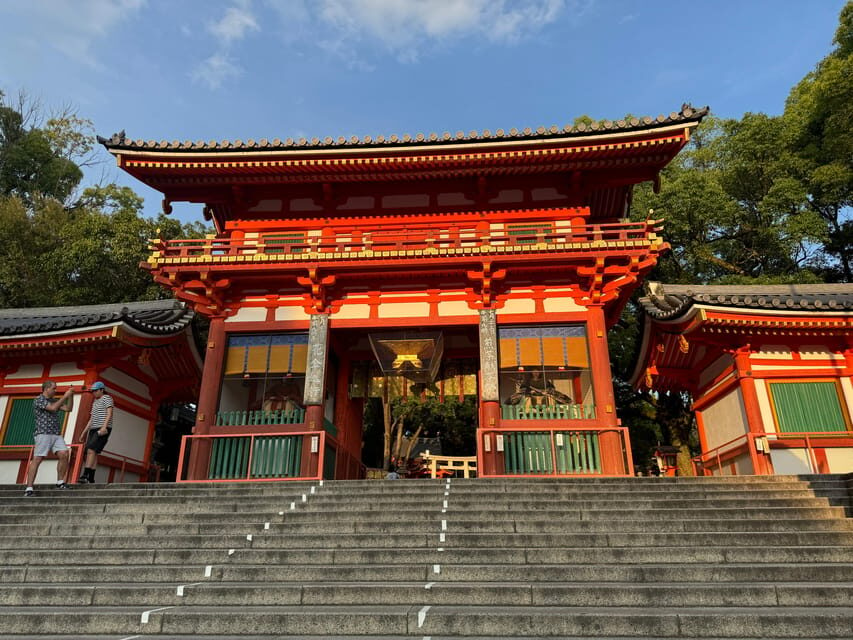
The tour includes a visit to Yasaka Shrine, often described as the spiritual heart of Gion. Even if you’re not a shrine person, this stop helps you understand the district’s deeper center. Yasaka Shrine has a history spanning over a thousand years, and it’s closely tied to Gion’s development.
What I like about including the shrine is that it changes your perspective. Gion can look like pure performance culture from the outside, but the shrine reminds you that this area also has ritual and community roots. The shrine is central to major festivals such as the Gion Matsuri, so you can start to picture how the neighborhood comes alive at certain times of year.
In practical terms, plan for a calmer rhythm here. Shrine visits tend to slow you down naturally because you’re watching details and reading the space. Since this tour is only 90 minutes, this stop is a focused introduction, not a long temple marathon.
If you like your sightseeing with meaning—architecture, religion, and craft tied together—this is the part that usually clicks. It turns Gion from a famous neighborhood into a coherent story.
Geiko and Maiko Traditions: More Than a Nickname for the Street Scene
This is the educational core of the walk. You’ll learn about geiko and maiko in Kyoto society, and the guide explains cultural significance with clarity and respect. The tour’s approach matters because Gion is internationally known for geisha imagery, but the real-world tradition is more complex than what most people expect.
Here’s what this focus changes for you: it helps you see the neighborhood as a space built for artistry. Wooden machiya buildings, the quiet of tea house lanes, the presence of shrine culture—these aren’t separate categories. They’re connected to how performance arts fit into daily life, how apprenticeship shapes discipline, and how tradition stays alive through careful practice.
Also, the guide’s tone is set to avoid turning people into “sightings.” This matters in a place where privacy and respect are part of the system. Instead of trying to spot someone at every corner, you’re learning what the traditions mean.
If you care about culture beyond photos, this part is where you get the biggest return on the time you spend. It’s short, but it gives you a framework that makes the streets easier to interpret.
Other walking tours we've reviewed in Kyoto





Rain, Pace, and Practical Comfort for a 90-Minute Walk
This tour is built as a compact loop through key Gion areas, lasting about 90 minutes. That makes it a smart add-on to a day already packed with Kyoto sites. You’re not committing to half a day, but you still get the benefit of a guide-led flow rather than wandering randomly.
Your meeting point can vary depending on the option you book, so you’ll want to confirm the exact spot before you leave. Since transportation to and from the meeting point isn’t included, plan to arrive under your own steam. Once you start walking, the guide handles the route and keeps the commentary moving with you.
For comfort: bring water if you tend to get thirsty on walks, and wear shoes suited to stone streets. If rain is part of your forecast, don’t assume you’re stuck indoors; one group experience explicitly noted that rain didn’t stop the walk. Still, you’ll want a light layer and maybe a small umbrella you can manage while walking.
If you’re traveling with seniors or anyone with limited mobility, the tour’s private format helps. In one group example, a guide (Yozo) was accommodating to a guest using a walking stick and even helped by carrying a bag for another participant. You can use that as a confidence point that the guide can adapt the pace when needed.
Price and Value: Is $38 Worth a Private Gion Walk?
At $38 per person for a private guided walking tour (about 90 minutes), the value comes from three things: a local guide, focused storytelling, and time efficiency. This isn’t just “walk here, look there.” The guide provides cultural and historical commentary the whole way, which is what turns scenery into understanding.
Private tours usually cost more because you’re paying for personal attention. In this case, the size stays small enough that it’s easier to manage comfort, questions, and the walking pace. That matters if you want your guide to answer the big stuff, like what the roles of geiko and maiko mean and how Yasaka Shrine connects to Gion.
Food isn’t included, and transportation isn’t included. So treat this as a cultural block you slot into your day, then eat afterward on your own schedule. If you were going to wander Gion anyway, a guide can still be worth it because you’d likely miss the interpretive layers—especially the tradition-focused explanations.
For travelers who enjoy learning while moving, this price feels reasonable. For travelers who only want to see famous streets with minimal talking, you might decide you’d rather self-guide. But if you want context, it’s a strong buy.
Who Should Book This Kyoto Gion and Yasaka Shrine Tour
I’d point this tour toward you if you’re in Kyoto for a limited time and you want a high-signal introduction to one of the most meaningful neighborhoods in the city. It’s especially good if you care about how religion, architecture, and performance arts connect.
It’s also a great match if you’re traveling with family members who prefer structure. The tour is organized, paced for sightseeing, and guided in English and Japanese. That means fewer awkward moments of interpretation when you hit streets that look similar at first glance.
If you’re a serious history or culture fan, the shrine stop and geiko/maiko explanations will give you something to take home. If you’re more of a “photos and vibes” person, you’ll still get beautiful views, but you’ll get the best experience by enjoying the stories too.
Finally, the private group format makes it work well for small friend groups and couples. If you want a guide to set the pace for your comfort, this setup is the practical choice.
Should You Book This Tour?
Book it if you want Gion with context, not just a checklist of sights. The combination of Hanamikoji Street, a calm Shirakawa Canal walk, and Yasaka Shrine creates a clear story arc: neighborhood, artistry, and spiritual center. You’ll come away with a better understanding of what geiko and maiko traditions mean in Kyoto society.
Pass or consider a self-guided option if you’re chasing night-time atmosphere, because this is a daytime walk. Also, if you dislike guided commentary and prefer to keep your sightseeing quiet and independent, the guided cultural focus might feel like more talking than you want.
If you’re open to learning while you walk, this tour is a smart use of time. It’s short enough to fit almost any itinerary, and it targets the places and ideas that most people miss when they wander without a guide.
FAQ
How long is the Kyoto Gion Geisha District & Yasaka Shrine walking tour?
It lasts 90 minutes.
What is the price per person?
The price is $38 per person.
Is this tour private or group-based?
It is a private group tour.
What languages does the guide speak?
The guide is available in English and Japanese.
What stops are included in the tour?
The tour includes Hanamikoji Street, Shirakawa Canal, and Yasaka Shrine.
What is included in the price?
The price includes a private guided walking tour in Gion, an English-speaking local guide, and cultural and historical commentary throughout.
What is not included?
Food and drinks are not included, and transportation to and from the meeting point and personal expenses are also not included.
Can I cancel for a refund?
Yes. Free cancellation is available up to 24 hours in advance for a full refund.