Gion is where Kyoto slows down. This 2-hour walking tour mixes geisha culture with Kyoto landmarks you can actually see in one afternoon or early evening. I like that it’s not just big sights. You also get the smaller lanes and local context that help the whole district make sense.
Two things I especially like: the chance to spot a geisha while walking in the right streets, and the way the guide ties details together—training, etiquette, and even the craft behind kimono and hairstyles—so it feels real, not like trivia. You also walk with a small group (max 15), which makes it easier to ask questions and move at a human pace.
One consideration: it’s a stroll, not a sit-down tour. If you get overheated easily, bring water and plan for summer warmth, because this route does not build in long breaks.
In This Review
- Key Highlights You’ll Actually Feel
- What You’re Really Getting for $23.88 in Kyoto
- Hanamikoji Street: Where the Geisha Culture Stories Hit Home
- Sannenzaka and Ninenzaka: Kyoto’s Photo Myth and the Real Meaning
- Yasaka Shrine: The 1,000-Year Marker You Can Feel
- Hokan-ji Temple: The Photogenic Moment Built Into the Walk
- Pontocho and the Kamogawa River: Kyoto at Night Without the Rush
- Gion Shirakawa and Edo-Period Townhouses: Old Wood, Not Just Old Photos
- Yasui-Konpiragu: A Quick Shinto Stop That Adds Texture
- Guides Make It Real: Soyo, Uta, Dan, Alex, Naoya, and More
- Practical Tips: Timing, Shoes, and Water (Yes, Water)
- Who This Tour Is For (And Who Should Skip It)
- Should You Book This Kyoto Gion Geisha Culture & History Walking Tour?
- FAQ
- How long is the Kyoto Gion Geisha Culture & History Walking Tour?
- Where is the meeting point, and where does the tour end?
- Is there a chance to see a geisha during the tour?
- What stops are included on the walk?
- Is admission included for these places?
- What happens if poor weather cancels the experience?
Key Highlights You’ll Actually Feel
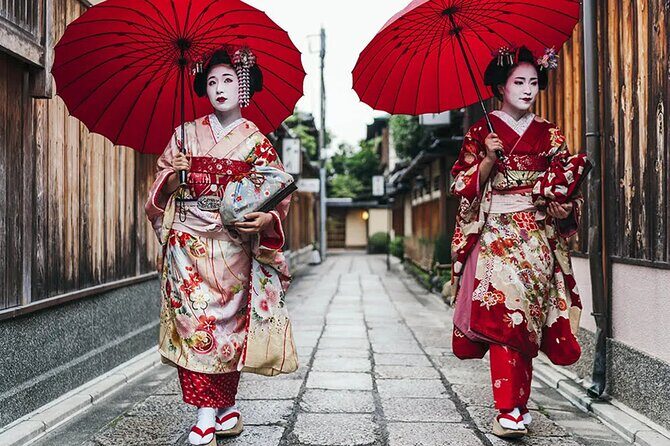
- Hanamikoji Street: the geisha-district core where spotting a real geisha is possible
- 1,000-year-old Yasaka Shrine: a major sacred stop with meaningful context
- Hokan-ji Temple photo stops: a famous, photogenic moment built into the walk
- Pontocho and the Kamogawa River pause: classic Kyoto evening atmosphere
- Edo-period townhouses in Gion Shirakawa: old wooden architecture you can see up close
What You’re Really Getting for $23.88 in Kyoto
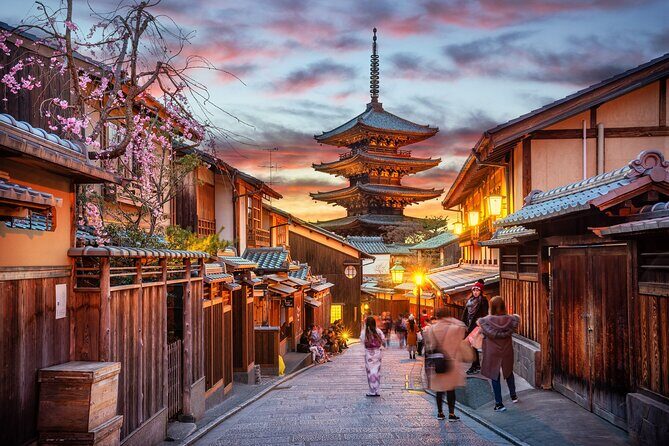
At $23.88 for about 2 hours, this tour is priced like a solid “orientation + highlights” experience. You’re paying for a guide who can translate what you’re seeing—especially the customs around geisha and maiko—and then lead you through streets most people miss when they wander on their own.
The tour runs with a small group size (up to 15), and that matters more than you’d think. In a district like Gion, you want space to pause, look, and hear the explanation without feeling like you’re on a conveyor belt. You also get a mobile ticket, which keeps day-of logistics simple when you’re bouncing between Kyoto sites.
The walking is moderate, and you’ll cover a handful of key places without it turning into an all-day hike. Still, wear comfortable shoes. This is Kyoto on foot—pretty, but your calves will notice.
One more practical thing: the experience is described as weather-dependent and you need good weather. Kyoto can be gorgeous one minute and rainy the next, so plan on having a backup day if the forecast looks shaky.
A few more Kyoto tours and experiences worth a look

Hanamikoji Street: Where the Geisha Culture Stories Hit Home
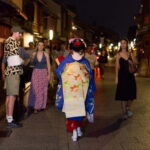
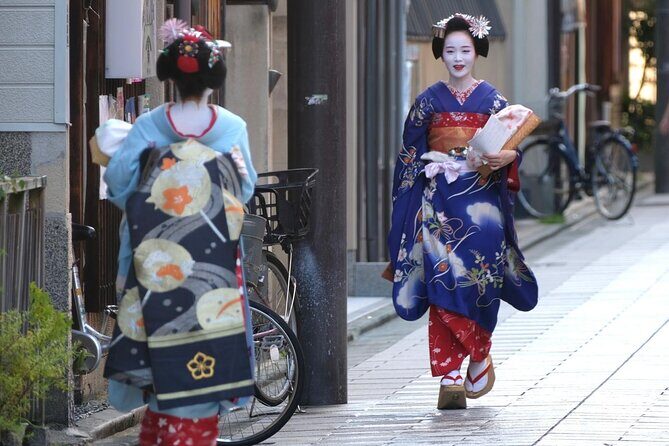
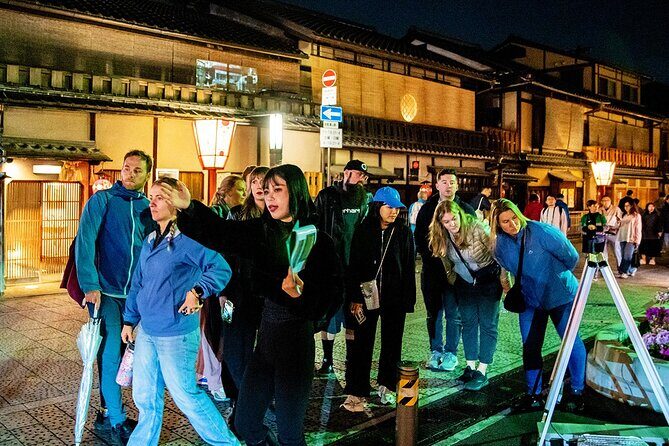
You start in the heart of the geisha district on Hanamikoji Street. This is the street people recognize, but what makes it worth doing with a guide is what you learn while you’re standing there.
Your guide talks about how geisha training works, including the discipline behind performances and the craft behind the look—kimono, hairstyles, and the careful choices that go into “effortless” appearance. That context changes how you see everything. Instead of only noticing the costumes, you understand why the details matter.
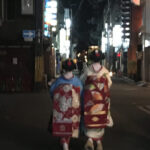
Here’s the best part: you’re walking in a place where a real geisha might appear. You can’t guarantee it—no ethical guide can promise sightings—but going with an expert increases your odds because you’re moving through the right lanes at the right time and in the right rhythm.
If you’re serious about a sighting, I’d plan your schedule so you’re out there in late afternoon to early evening. The district gets livelier, and street visibility improves as daylight fades. (And yes, do not treat it like a theme-park meet-and-greet—keep your distance and let people pass.)
Sannenzaka and Ninenzaka: Kyoto’s Photo Myth and the Real Meaning
Next comes the classic slope streets around Sannenzaka and Ninenzaka. If you don’t stop for photos here, it can feel like you skipped a core Kyoto memory. With this tour, you’ll get both the look and the story.
Your guide also addresses an eerie local rumor tied to this area. The exact myth matters less than the teaching moment: Kyoto is full of little warnings, superstitions, and local folklore. Hearing the truth behind a scary legend is a fun way to connect culture to place, not just scenery.
These streets are also where you’ll notice Kyoto’s older street character—narrow lanes, historic textures, and the kind of visual rhythm that makes you want to slow down. The drawback is simple: this area can be crowded at peak times. Your best tool is to follow your guide’s pacing, take a few good photos, and keep moving before the slow shuffle ruins your enjoyment.
Yasaka Shrine: The 1,000-Year Marker You Can Feel
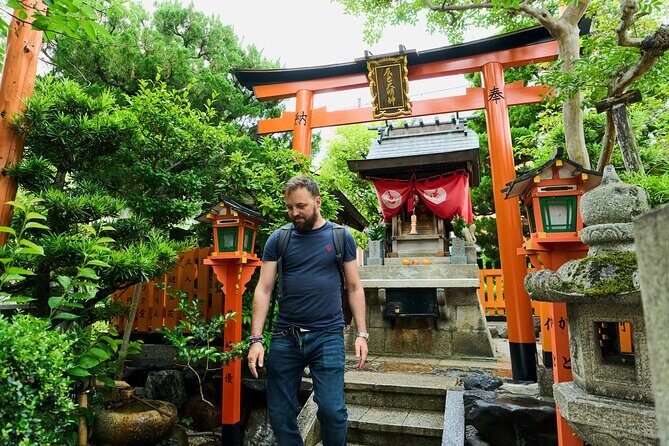
Then you reach Yasaka Shrine, described as a 1,000-year-old sacred site. This stop is not about ticking a box. It helps you understand why Gion exists as more than a nightlife district.
At shrines like Yasaka, the atmosphere teaches you the pace of Japanese sacred spaces: quiet attention, respectful movement, and a sense that tradition isn’t staged for tourists. With a guide, you’ll also connect the shrine’s role to what surrounds it—especially the cultural environment that supports geisha traditions.
Your time here is short, so don’t expect a long temple-style wandering session. Instead, use this stop to orient yourself: look around, notice the sacred layout, and let the guide’s explanations give you a “why” for what you’re seeing.
Hokan-ji Temple: The Photogenic Moment Built Into the Walk
The tour includes Hokan-ji Temple, often called the most photogenic stop in this part of Kyoto. That description is accurate in practice—you’ll want your camera ready, because it’s the kind of place where the light and architecture make photos easy even for non-photographers.
What you get from a guide here is timing and context. You’ll know where to stand, when to pause, and how to look past the postcard angle. It’s also a good moment to reset your brain during the walking stretches.
A practical note: if you prefer empty-photo time, go a little earlier in the evening rather than late-night. Kyoto can fill in around popular spots, and you don’t want to fight a crowd just to get one clear shot.
Other walking tours we've reviewed in Kyoto




Pontocho and the Kamogawa River: Kyoto at Night Without the Rush
From Hokan-ji, you move toward Pontocho, a historic street known for food and evening atmosphere. Even if you don’t eat during the tour, you’ll get the feel of the place—dark lanes, warm lighting, and the sense that Kyoto’s traditions continue after daytime sightseeing ends.
Right after, there’s a chill moment by the Kamogawa River. This is where the tour becomes more than “look at sights.” It gives you space to breathe, watch the water, and feel the district’s rhythm.
If you’re aiming for the best overall mood, I’d do this tour in the late afternoon window. Many people find that the streets are calmer and the lighting is nicer as crowds shift. Plus, it’s often when geisha sightings feel most plausible in the real-world sense of walking around rather than hunting.
Gion Shirakawa and Edo-Period Townhouses: Old Wood, Not Just Old Photos
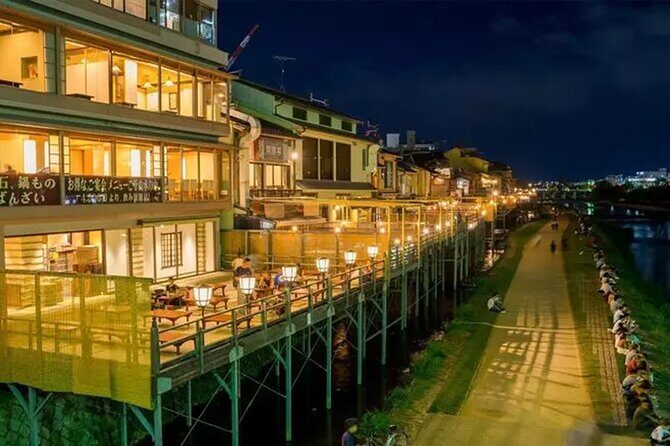
Next up is Gion Shirakawa, where you’ll see Edo-period townhouses. This is the part that turns “Kyoto looks traditional” into “Kyoto is actually built on old structures.”
The guide helps you read the architecture—why these wooden townhouses matter and how the district’s old-town shape influences today’s Gion experience. You’re not just photographing wood. You’re learning how the neighborhood preserves its character over time.
This stop also benefits from the small-group setup. You can pause where it’s polite, listen to the explanation, and still have time to walk on without feeling trapped in a crowd.
Yasui-Konpiragu: A Quick Shinto Stop That Adds Texture
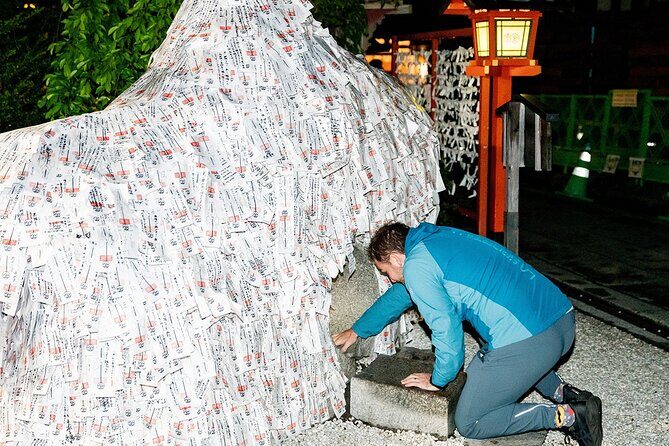
You also make time for Yasui-Konpiragu, with an experience centered on Shinto worship. This short segment adds texture to the tour because it broadens the spiritual landscape beyond one shrine.
The main value here is contrast. When you’ve seen geisha culture, old streets, and temple photography, this stop grounds the experience in Japan’s everyday sacred practice. It’s quick, but it changes how you understand the surroundings.
If you’re sensitive to crowds in religious spaces, keep your pace steady and follow your guide’s lead. These places reward quiet attention.
Guides Make It Real: Soyo, Uta, Dan, Alex, Naoya, and More
This tour’s reputation really comes from guides who can tell stories without turning them into lectures. In the guides’ names you’ll hear—Soyo and Uta, Dan, Alex, Naoya, and others—the common thread is clear: friendly energy, strong storytelling, and practical local guidance.
One guide style you’ll appreciate is the “how it works” explanation. Instead of only listing what geisha do, the guide connects the discipline behind the traditions—how training shapes performance, how the look is built through craft, and why etiquette matters.
Another plus: many guides share restaurant and drink suggestions afterward or during the walk. That can be helpful in a neighborhood where it’s easy to walk past good options while chasing only the headline spots.
A small but meaningful detail: a great guide also handles real-world issues. If someone arrives late, you’ll often feel that the guide can keep the group calm and moving without turning it into stress. That helps the whole experience stay enjoyable.
Practical Tips: Timing, Shoes, and Water (Yes, Water)
This is a walking tour. Even though it’s only about 2 hours, it adds up.
Here’s what I’d do to make it smoother:
- Wear comfortable shoes with decent grip. Kyoto streets can be uneven around older lanes.
- Bring water. One caution from people is that there are no built-in drink stops on the route, which can feel tougher in hot weather.
- If you’re hoping for a geisha sighting, aim for 5 to 6-ish in the late afternoon window. You can’t control sightings, but this is a solid strategy for better odds.
- Don’t schedule it too late at night. You want the streets and nearby sites to be in workable hours so you’re not rushing at the end.
Also, keep your camera respectful. If you do see a geisha or maiko, give them space and let the guide handle the group’s pacing.
Who This Tour Is For (And Who Should Skip It)
This works best for you if:
- You want a starter-friendly introduction to Gion geisha culture without spending your whole day hopping buses.
- You like walking with a guide and getting context you can’t easily get from signs.
- You want a mix of street atmosphere, shrines, and photo stops, all in a tight time window.
It may not be ideal if:
- You want lots of downtime, cafés, or frequent breaks. The route is built for steady movement.
- You dislike short shrine/temple stops and prefer slower, deeper visits where you can spend extra time on each site.
Should You Book This Kyoto Gion Geisha Culture & History Walking Tour?
If you’re in Kyoto for a short time and you want one good way to understand Gion, I’d book it. The value is strong for the price: small group, meaningful cultural explanations, and a smart mix of places like Hanamikoji, Yasaka Shrine, Hokan-ji, Pontocho, and the Kamogawa River.
I’d lean toward booking especially if you care about the “why” behind geisha traditions and you want to walk the district with someone who can guide your eyes. If you’re mostly after long temple time or lots of food stops, look for a different style of tour. But for an efficient, atmosphere-rich introduction to Gion, this one makes sense.
FAQ
How long is the Kyoto Gion Geisha Culture & History Walking Tour?
The tour is about 2 hours.
Where is the meeting point, and where does the tour end?
Meet at McDonald’s – Shijo-ohashi Bridge, 105-1 Hashimotochō, Shimogyo Ward, Kyoto. The tour ends back at the meeting point.
Is there a chance to see a geisha during the tour?
Yes. The tour description notes that you might spot a geisha, especially as you walk through the geisha district streets.
What stops are included on the walk?
You’ll visit Hanamikoji Street, Sannenzaka Ninenzaka, Yasaka Shrine, Hokan-ji Temple, Pontocho, a chill-out stop by the Kamogawa River, Gion Shirakawa, and Yasui-Konpiragu.
Is admission included for these places?
The tour information lists admission as free for the stops mentioned.
What happens if poor weather cancels the experience?
If canceled due to poor weather, you’ll be offered a different date or a full refund.