Gion has a way of slowing you down. This guided walk is built to help you understand what you’re seeing as you move through Kyoto’s historic geisha districts at a steady pace.
I particularly like the focus on real maiko and geiko culture, explained in story form by your local guide. I also love that the route is practical: you hit big atmosphere spots like Yasaka Shrine, Shirakawa Canal, and Gion Corner without wasting time trying to piece it together yourself.
One consideration: it’s a walking tour with stairs, so it’s not suitable for wheelchair users or people with mobility impairments.
In This Review
- Key highlights to know before you go
- Why Gion makes more sense with a guided route
- Choosing your start point: Statue, kimono shop, or the Kanji Museum
- Yasaka Shrine (about 40 minutes): the tone-setter stop
- Gion walking time (about 80 minutes): stories that turn alleys into meaning
- The “small moments” stops: quick photo pause and route breaks
- Shirakawa Canal: atmosphere plus real cultural grounding
- Gion Corner stop: a cultural add-on that explains what you’re seeing
- Spotting maiko and geiko: what the guide can help with
- Price and value: is $29 a good deal for Kyoto Gion time?
- The pacing, group size, and what to expect from the flow
- Who this tour is for (and who should pick something else)
- Should you book Kyoto: Gion World of the Geisha Guided Walking Tour?
- FAQ
- What duration is this tour?
- Is the guide available in English?
- Is this a small-group tour?
- Where can I start the tour in Gion?
- If I choose the kimono rental option, where do I go after changing?
- Does the tour visit Yasaka Shrine?
- Will we stop at Shirakawa Canal and Gion Corner?
- Does the tour run in bad weather?
- Is the tour suitable for wheelchair users or mobility impairments?
Key highlights to know before you go
- English live guide who can connect the streets, customs, and costumes into an easy-to-follow story
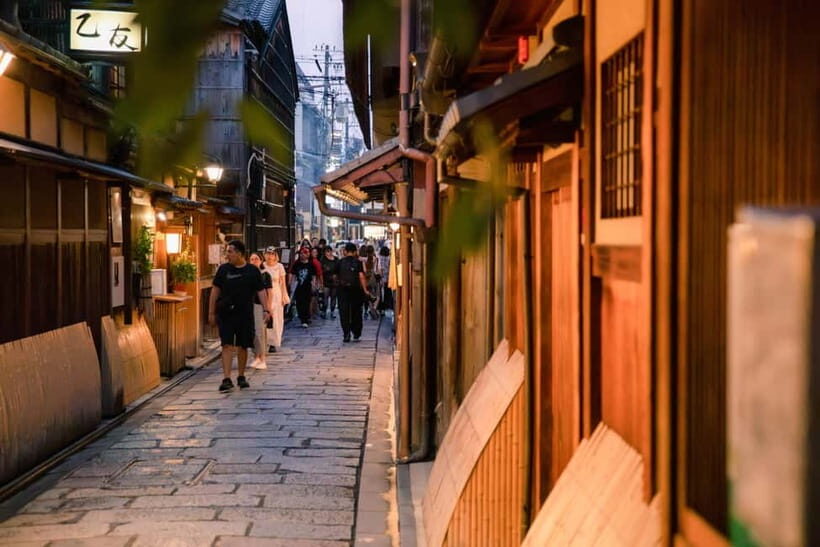
- Two Gion geisha districts covered in one walk, so you get a bigger picture than just one neighborhood
- Maiko and geiko context (including how they fit into Kyoto’s Kagai) rather than random facts
- Iconic stops with timing built in, including Yasaka Shrine, Shirakawa Canal, and Gion Corner
- Small-group format that helps you move efficiently and ask questions
Why Gion makes more sense with a guided route
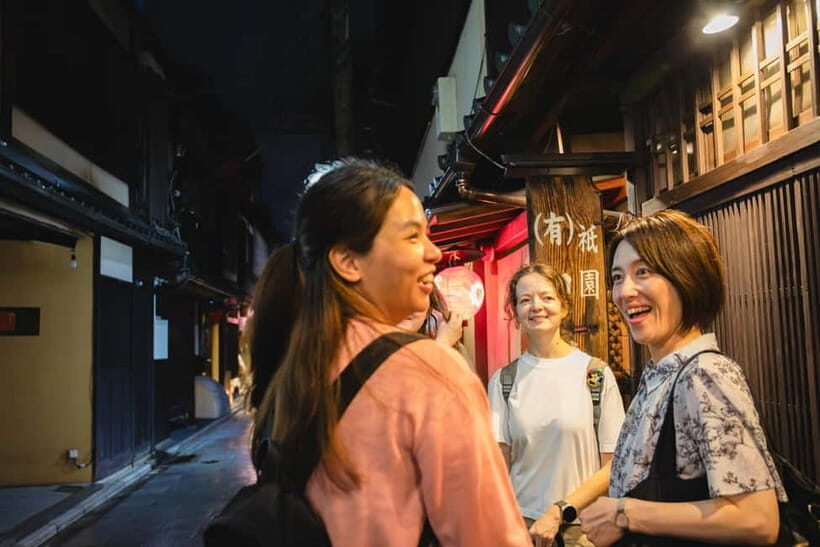
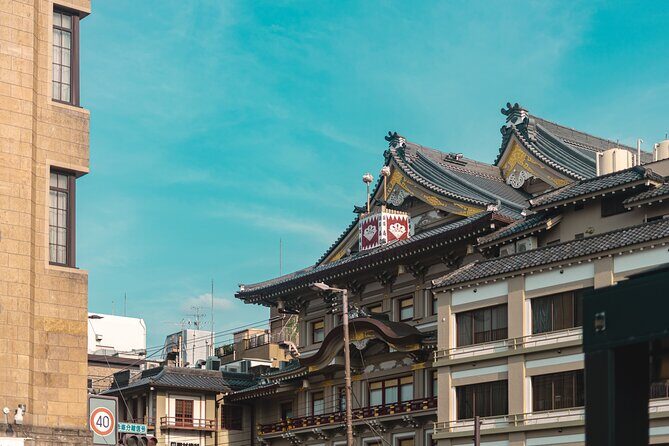
Kyoto’s Gion can feel magical, but it can also feel a little confusing if you’re trying to figure it out on your own. The lanes look similar. The signs and street layouts don’t always give you the story behind what you’re seeing. This tour helps you place each stop in the bigger picture of Kyoto’s geisha districts, so your time turns into understanding, not just photos.
What I like about this kind of guided walk is that it respects the pace of the neighborhood. You’re not sprinting to tick boxes. You’re strolling through the atmosphere and getting context as you go: why the area is known the way it is, and what the daily life and training path of maiko and geiko are really about.
And if your goal is to see something “real” (not just the idea of geisha culture), this tour points you in the right direction. The guide is also set up to share tips on where you can see maiko in action—useful, because sightings depend on timing and chance.
A few more Kyoto tours and experiences worth a look


Choosing your start point: Statue, kimono shop, or the Kanji Museum
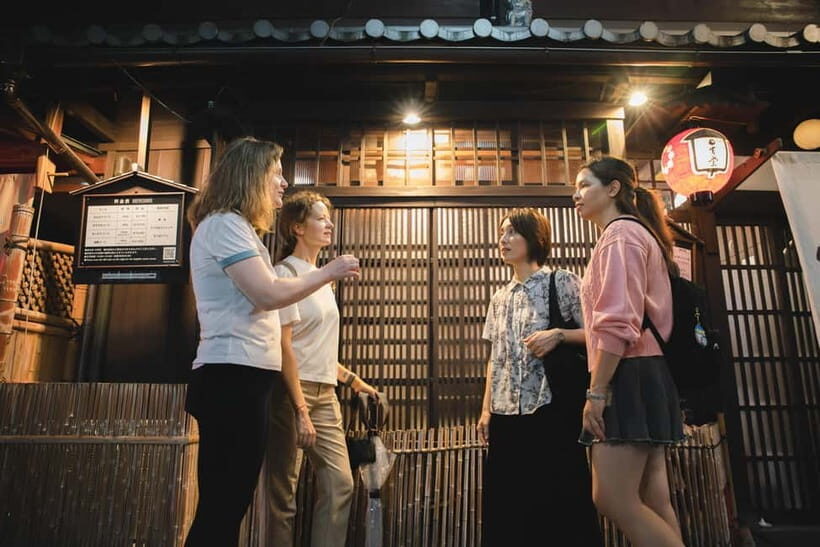
You’ll pick from three starting options, and that matters because it affects how smooth your morning or afternoon feels.
- Statue of Izumo-no-Okuni: A strong, central-feeling starting point if you want to begin in a symbolic Kyoto way.
- Wargo Kyoto Kimono Rental Kyoto Gion Store: Best if you’re pairing the tour with a kimono rental experience.
- 漢検漢字博物館・図書館(漢字ミュージアム)/ Japan Kanji Museum & Library: This is also crucial for the kimono option.
Here’s the practical bit: if you choose the kimono rental option, after you change into your kimono, you go to the Japan Kanji Museum & Library on your own. The guide will wait there. That’s efficient, but it does require you to keep an eye on the timing and move directly to the correct meeting place after your outfit change.
Either way, once you’re with the group, the tour moves like a coordinated stroll. That’s the value: you get local flow in a place where getting your bearings can otherwise take time.
Yasaka Shrine (about 40 minutes): the tone-setter stop
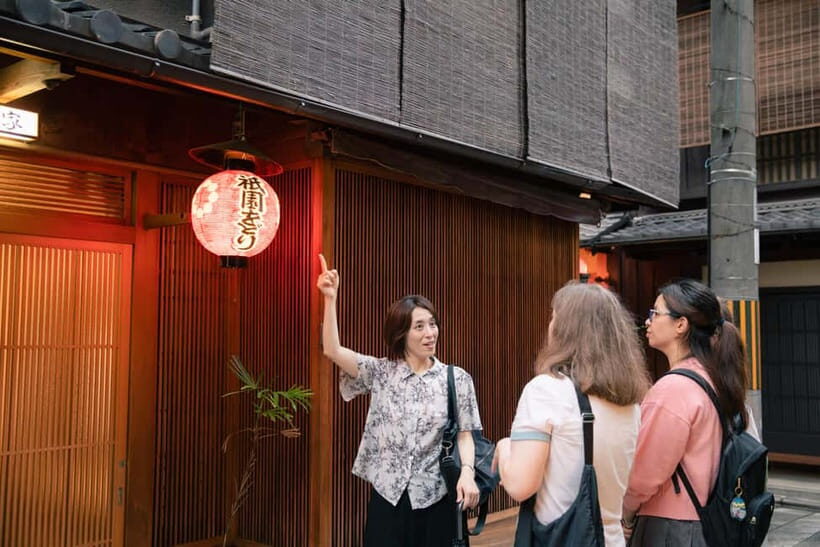
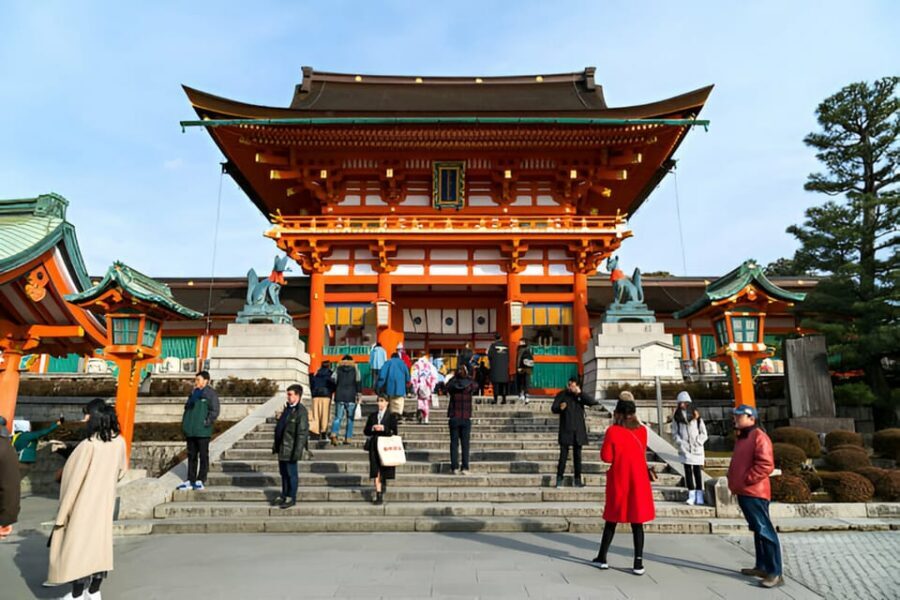
The itinerary begins with a guided visit to Yasaka Shrine for around 40 minutes. Even if you’ve been to shrines before, this stop works because it grounds you in Kyoto’s sacred, everyday rhythm before you shift into the Gion geisha districts.
This is also where the tour’s storytelling style starts to pay off. You’re not just walking past structures and gates. You’re getting the “why” that helps the whole day click. It’s the kind of stop that helps you slow down and notice details without feeling like you’re being lectured.
Potential drawback: you’ll need comfortable shoes. The tour continues on foot right after this, so you don’t want your legs to already be tired before you reach Gion’s lanes.
Gion walking time (about 80 minutes): stories that turn alleys into meaning
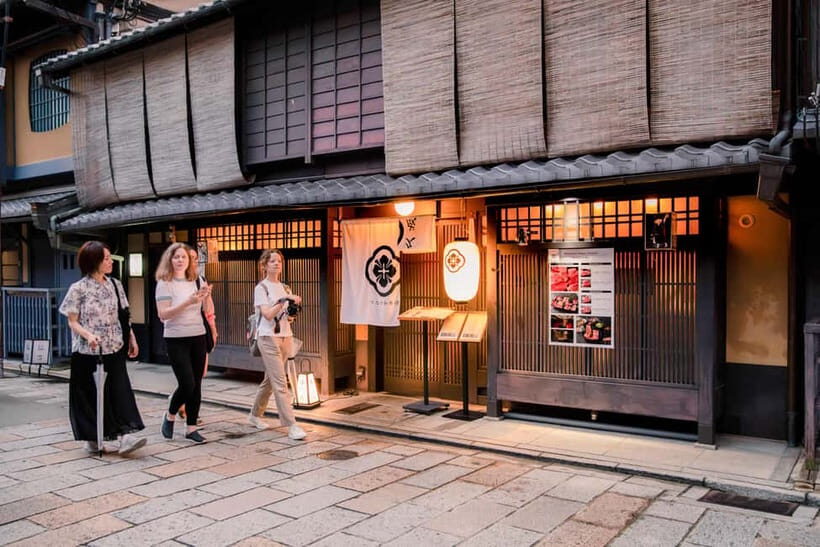
The core of the experience is the guided walk through Gion for about 80 minutes. This is where the tour tries to solve a common problem: people see the streets and think they’re looking at “one Gion.” In reality, the area is organized around geisha district culture—often referred to as Kagai—and the tour is designed to cover two geisha districts within Gion.
That matters because the culture isn’t a single costume-and-legend package. Your guide ties together:
- What a maiko is as an apprentice geisha
- What a geiko is in Kyoto (the term used locally)
- How the district’s history shaped today’s atmosphere
- Why the streets and customs matter beyond appearances
What I find valuable is that this kind of guided context helps you avoid the common trap of turning Gion into a theme park. The tour doesn’t just point; it explains.
Could it be perfect? Not always. On any walking tour through a famous district, you’ll be surrounded by other visitors at times. The advantage here is that your guide gives you direction so you’re not standing still, guessing, and getting pulled in random directions.
The “small moments” stops: quick photo pause and route breaks
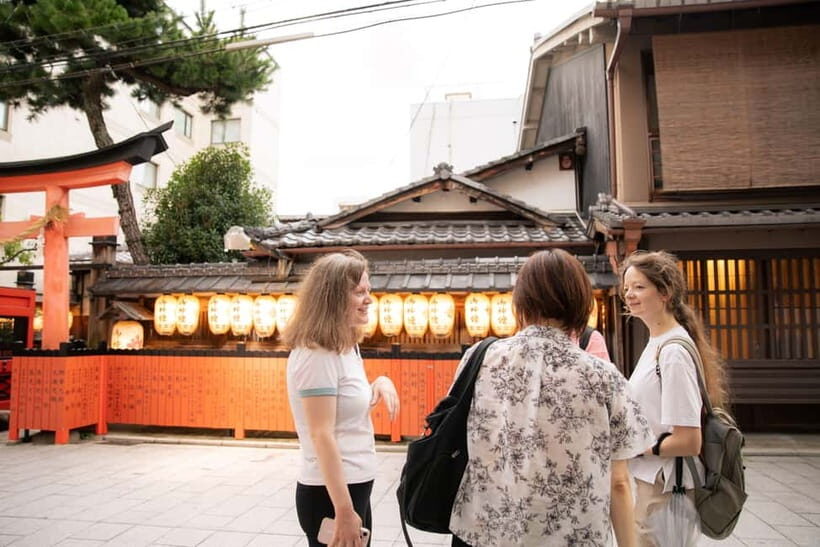
Between the larger guided segments, the tour includes short sightseeing moments—think brief pauses for what you’re seeing and a photo stop around five minutes. There’s also a short sightseeing segment that keeps things moving at a comfortable walking pace.
These short breaks are actually a smart design choice. In a place like Gion, it’s better to move in short bursts than to spend long stretches waiting for the perfect shot. You’ll keep your momentum, and you won’t feel like you missed the best light because you wandered too far.
Tip for your comfort: use these pauses to step off to the side, check your photos, and hydrate. Then you’ll be ready for the canal and the evening-facing cultural highlights that come next.
Other walking tours we've reviewed in Kyoto






Shirakawa Canal: atmosphere plus real cultural grounding
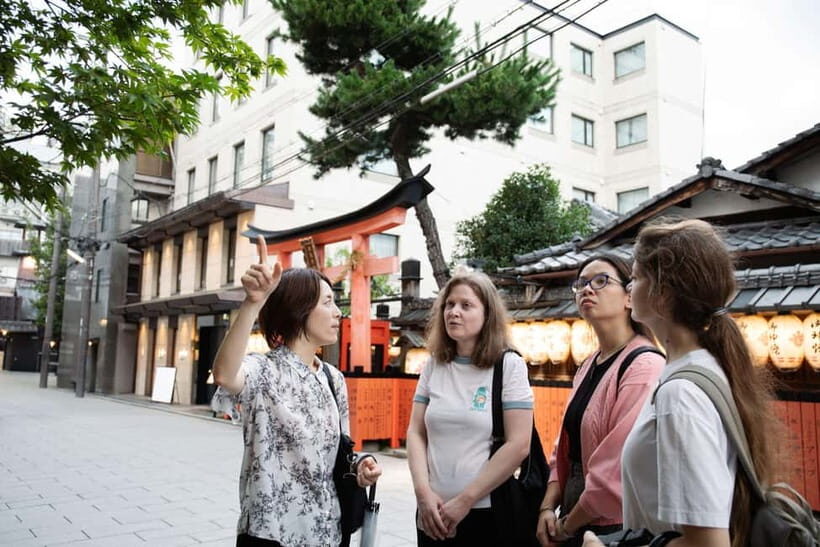
Next up is Shirakawa Canal, included as a sightseeing stop. The canal area is one of those Kyoto spots that looks beautiful in photos, but it’s also a place where context helps you understand why it’s such a draw.
This is where the guide’s storytelling continues. You’re walking through a scenery that has strong visual identity, and your guide helps connect that look to how the district operates culturally. It makes the area feel less like a postcard and more like a living environment with rules, traditions, and etiquette.
If you’re the type who likes to travel with your eyes open—notice architecture, street patterns, and how people behave—this stop rewards you.
Gion Corner stop: a cultural add-on that explains what you’re seeing
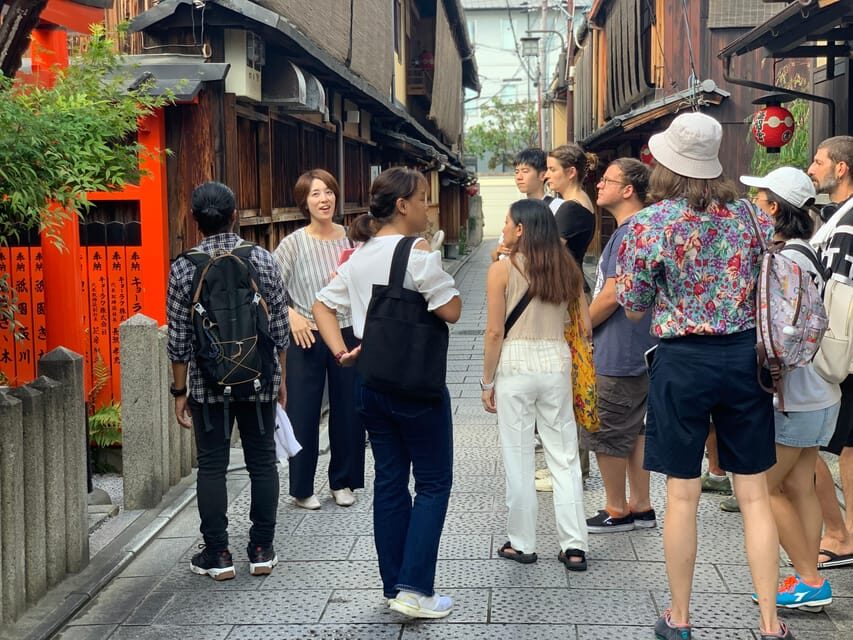
The itinerary includes Gion Corner as a guided/sightseeing moment. Even if you only know it as a name, the tour approach makes it more useful: you’re not just there for the setting, you’re there with guidance.
This kind of stop works well at this point in the day because you’ve already covered:
- Shrines and Kyoto atmosphere
- Gion’s geisha district context
- A major scenic area (the canal)
Now you get a cultural viewpoint that ties the whole outing together, instead of ending with the streets feeling like they were left unexplained.
One more practical note: because the day is outdoors and includes walking time, you’ll want to plan on rain risk. The tour states it runs rain or shine, so your jacket matters.
Spotting maiko and geiko: what the guide can help with
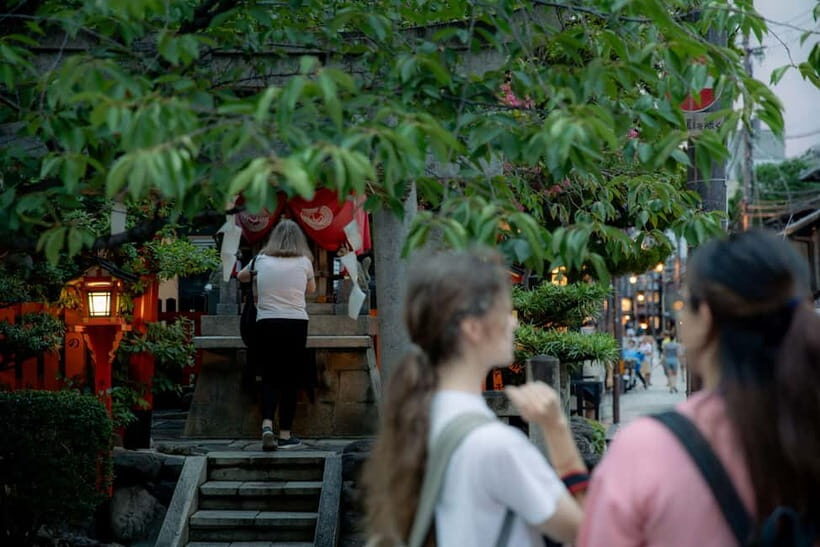
A big question for many people is simple: will I see maiko or geiko?
This tour doesn’t promise a sighting, but it does say that if you’re lucky you might encounter geiko and maiko during the walk. More importantly, the guide shares tips on where you can see maiko in action. That’s the real win, because “seeing” depends on timing and where you stand.
I recommend treating those tips like a plan, not a gamble. After the tour, you’ll know what to watch for and where to look during the right hours in Gion. Even if you don’t catch a full encounter, you’ll feel less lost about what’s possible.
Price and value: is $29 a good deal for Kyoto Gion time?
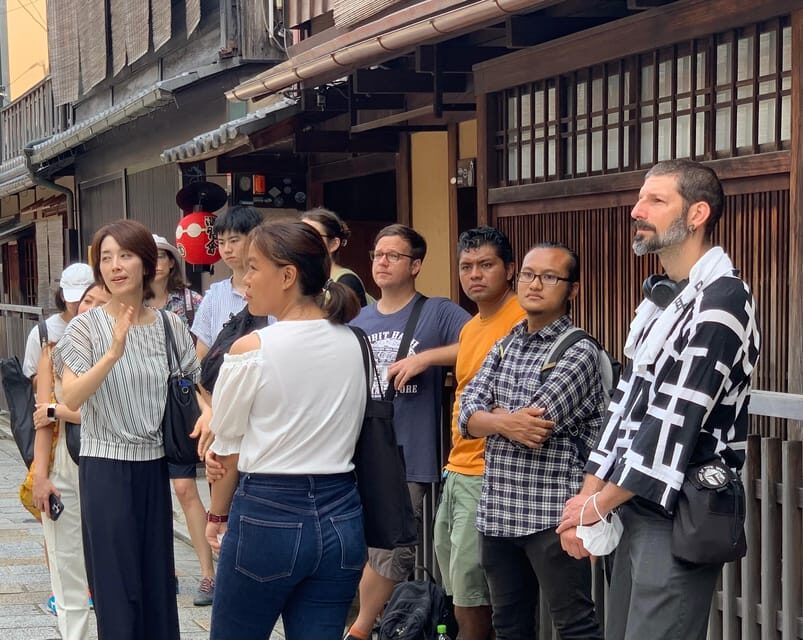
At $29 per person, this is priced like an affordable, focused walking experience. For that money, you get:
- A live English guide
- A guided walk through the Gion area
- Multiple structured stops (including Yasaka Shrine, Shirakawa Canal, and Gion Corner)
- Small-group format
So the value isn’t luxury. It’s guidance plus direction. In a district where self-guided wandering can cost you time, this tour acts like an itinerary brain with local context.
What you should know: this price doesn’t turn into private car service or a hands-on cultural workshop. It’s a walking tour. If that’s your style—learn while you stroll—then it’s a solid deal.
And the guide quality seems to be a key part of why people rate it highly. The reviews highlight the guide as superb and specifically call out Ito as an excellent guide for the Gion district. That’s exactly what you want when you’re paying for a cultural narrative.
The pacing, group size, and what to expect from the flow
This is a small-group walking tour, which is a big deal in Gion. Smaller groups tend to keep the walk moving and make it easier to hear the guide’s stories.
The overall duration is listed as 2 hours to 270 minutes, depending on availability and starting time. That wide range suggests some tours may include slightly more time at stops, or different starting options may shift the rhythm. Either way, plan for a chunk of your day.
Pacing wise, the itinerary alternates guided segments with sightseeing and short photo breaks. That means you’re not constantly listening, but you’re also not doing long stretches without guidance. For many people, that balance is what makes a walking tour feel worth it.
Who this tour is for (and who should pick something else)
This tour is a great fit if you want:
- A guided introduction to Gion’s geisha district culture
- A walk that connects places to stories
- An English guide who can talk through the maiko-to-geiko world
- A practical route instead of figuring out the neighborhood from scratch
It may not be ideal if:
- You need wheelchair access or have mobility issues, because it’s not suitable for wheelchair users and involves stairs
- You’re traveling with small kids who can’t keep up with sustained walking (children must be accompanied by an adult)
- You’re expecting a “sit and watch” experience rather than a walking format
Should you book Kyoto: Gion World of the Geisha Guided Walking Tour?
Book it if you want a guided walk that explains Kyoto’s geisha district culture in a way that makes the streets feel logical. The strongest reasons to go are the storytelling focus on maiko and geiko, the plan to cover multiple parts of Gion in one outing, and the fact that the tour is built for efficient exploring rather than aimless wandering.
Skip it (or consider another style of tour) if walking is hard for you, or if you’re only after photos and don’t care about cultural context. This isn’t a costume-and-legend show. It’s a guided cultural walk meant to help you understand what you’re looking at.
If you’re on the fence, I’d use this rule: if you like learning while you walk through real neighborhoods, this will likely make your Kyoto day feel sharper and more meaningful.
FAQ
What duration is this tour?
The tour duration is listed as 2 hours to 270 minutes, depending on the starting time you select.
Is the guide available in English?
Yes. The tour is run with a live English tour guide.
Is this a small-group tour?
Yes. The activity is described as a small group.
Where can I start the tour in Gion?
Meeting point can vary by option, with starting locations that include the Statue of Izumo-no-Okuni, the Wargo Kyoto Kimono Rental Kyoto Gion Store, and the Japan Kanji Museum & Library.
If I choose the kimono rental option, where do I go after changing?
After changing into kimono, you go on your own to the Japan Kanji Museum & Library. The guide will be waiting there.
Does the tour visit Yasaka Shrine?
Yes. The schedule includes a guided stop at Yasaka Shrine.
Will we stop at Shirakawa Canal and Gion Corner?
Yes. Shirakawa Canal is included for sightseeing, and Gion Corner is included with guided/sightseeing time.
Does the tour run in bad weather?
The tour runs rain or shine.
Is the tour suitable for wheelchair users or mobility impairments?
No. It is not suitable for wheelchair users or people with mobility impairments due to stairs and walking.