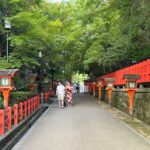
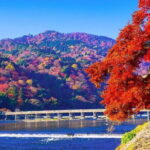
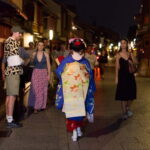
Gion at night changes everything. This 3-hour walking tour lets you move through Kyoto’s Gion geisha district after sunset, with lantern-lit streets, historic lanes, and stops you’ll actually want to see. You’ll also have a real chance of spotting a geiko or maiko making their way somewhere (availability varies).
I especially like two things: the guide does more than point and explain, they share a bunch of smart ideas for what to do next in Kyoto, and the route hits the big-name sights without turning your evening into a long, tiring detour. One drawback to consider: it’s still a walking tour, and food or drinks aren’t included, so plan to handle your own timing and snacks.
In This Review
- Key moments that make this tour worth your time
- A three-hour Gion night walk that fits real plans
- Where you meet: 213 Nakanochō, Higashiyama Ward
- Pontocho Park and Nene-no-michi: getting your bearings fast
- Izumo-no-Okuni and the shift from lanes to landmarks
- Chion-in and Maruyama Park: temple space and evening calm
- Hanamikoji Street at night: the part you’ll remember
- Yasaka Shrine (Gion Shrine) and Shijo-dori: the emotional anchor
- Kyōto Minami-za: a final landmark with a practical payoff
- What you’ll learn about geiko and maiko (without overpromising)
- Price and value: is $44 a good deal?
- Who this tour is best for (and who should skip it)
- Should you book this Treasures of Kyoto Gion walking tour?
- FAQ
- How long is the Treasures of Kyoto: Gion & historical Walking Tour?
- What does the tour cost?
- Where is the meeting point?
- Is this a private tour or a small group tour?
- What languages are available for the live guide?
- What’s included and what’s not included?
- Is there a chance to see a geiko or maiko?
- What’s the cancellation policy?
Key moments that make this tour worth your time

- Gion after dark: You get the night atmosphere, not the midday crowds.
- Main sights plus backstreets: You see the icons and also the quieter lanes in between.
- Hanamikoji Street + Yasaka Shrine: Two of the most memorable stops on the route.
- A guide who gives next-step ideas: You leave with practical suggestions for the rest of your Kyoto stay.
- Geiko/maiko spotting chance: Not guaranteed, but the tour is timed and routed for possibility.
A three-hour Gion night walk that fits real plans

If you only have a short window in Kyoto, a tight walking tour like this can be a smart move. The format is simple: you’re out for three hours, you cover a concentrated area, and you’re guided the whole time. That matters in Gion, where it’s easy to get distracted by side streets and end up wandering without a plan.
The other reason I like this kind of tour is the pacing. Instead of forcing a checklist of nonstop sightseeing, you get photo stops, walking segments, and cultural context along the way. It turns the evening stroll into something more useful: you learn what you’re looking at, and you pick up context that helps everything make sense later.
A few more Kyoto tours and experiences worth a look


Where you meet: 213 Nakanochō, Higashiyama Ward
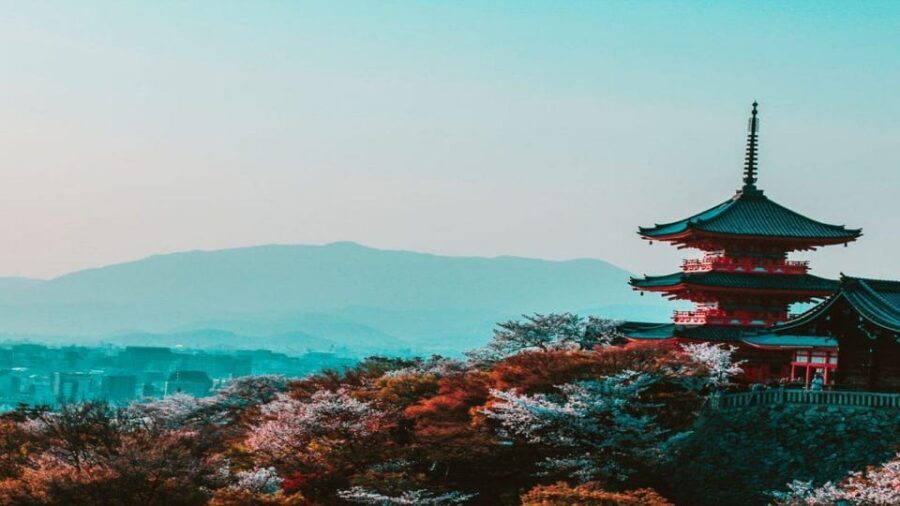
You start at 213 Nakanochō, Higashiyama Ward, Kyoto (605-0075). That’s a solid staging point because you’re already in the historic Higashiyama area, close enough to walk into the Gion experience rather than spending your limited time in transit.
I also like that the tour is offered as either a private group or a small group. If you want a more relaxed pace for photos, or you’re traveling with kids, that flexibility can be a big deal.
Pontocho Park and Nene-no-michi: getting your bearings fast
The first stretch is designed to set the tone. You stop at Pontocho Park for a photo moment and guided sightseeing, then continue to Nene-no-michi, another short stop meant for both atmosphere and orientation. These early waypoints help you understand how the streets flow and where the visual drama is—without you having to guess.
This is a good part of the tour to slow down a bit and look. Night in Gion is often about small details: the way lanterns change the street mood, and how the lane structure funnels you toward the next landmark. If you’re the type who takes photos, these two stops give you breathing room before you hit the more famous stretches.
Izumo-no-Okuni and the shift from lanes to landmarks
Next you’ll visit the Statue of Izumo-no-Okuni. It’s a photo stop and guided stop, so you’re not just ticking a point on a map—you’re getting context that makes the statue meaningful inside this neighborhood story.
After that, you move into the temple-and-park portion of the tour. That contrast matters. Gion can feel focused and theatrical at night, while nearby temple areas tend to slow the pace, even when you’re still walking. It gives your brain a break, and it makes the later stops—like the famous streets—hit harder.
Chion-in and Maruyama Park: temple space and evening calm
Your route includes Chion-in and then Maruyama Park. Both are listed as photo stops with guided sightseeing and walking time. Even if you’re not planning to go deep into interiors on this kind of tour, these stops help you understand Kyoto beyond the geisha-district image.
I like this pairing because it balances the itinerary. You’re not spending the entire three hours only on one theme. You’re also seeing how this part of Kyoto mixes formal religious space and public gathering areas into the same evening rhythm.
Other walking tours we've reviewed in Kyoto




Hanamikoji Street at night: the part you’ll remember
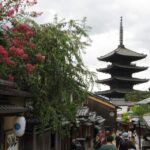
Then you hit Hanamikoji Street, and this is one of the main reasons people book the tour. It’s famous for its preserved historic character, and you’ll be there with a guide to point out what’s worth noticing as the light gets lower.
What I’d focus on here: don’t treat Hanamikoji as just a photo line. Use your guide time to understand how the street’s traditional look connects to the local customs you’ll hear about along the way. If you’re curious about the world of maiko and geiko, this is the place where that curiosity starts to feel grounded, not abstract.
A nice detail from guide feedback: one guide named Raphaël gave clear explanations about maiko and geiko, and it landed especially well with families traveling with kids. That tells me the tour isn’t just for adults who already know the basics.
Yasaka Shrine (Gion Shrine) and Shijo-dori: the emotional anchor
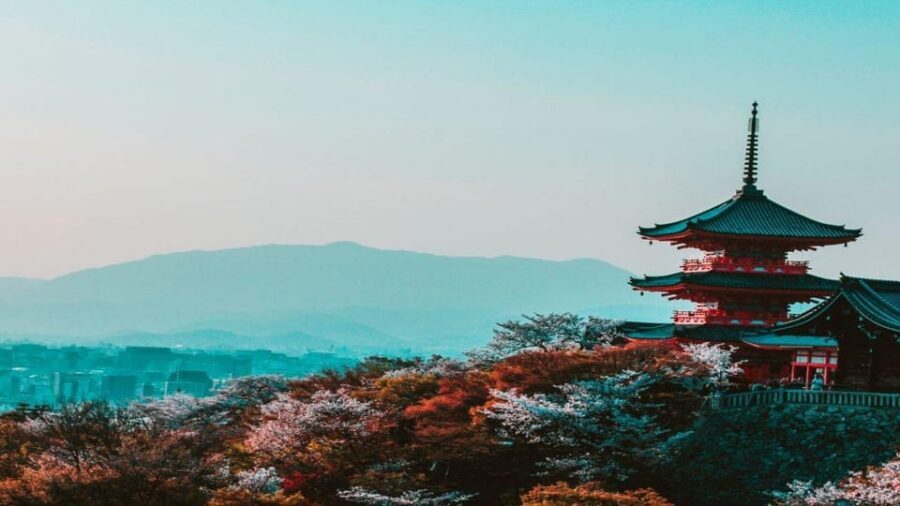
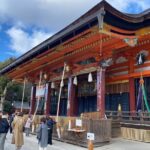
After Hanamikoji, you’ll visit Yasaka Shrine, also known as Gion Shrine. This is a photo stop plus guided sightseeing, and it’s positioned as a key landmark late in the route. Timing like this matters: by the time you reach the shrine, you’ve already soaked in the Gion feel, so the shift to a major religious site gives the evening extra weight.
From there you go to Shijo-dori, another photo stop and guided sightseeing moment. Think of Shijo-dori as a transition. You’ve had lanes and historic streets, and now you’re moving into a more major thoroughfare feel. It helps you connect the neighborhood story to the wider Kyoto map—so when you head back on your own, you don’t feel lost.
Kyōto Minami-za: a final landmark with a practical payoff
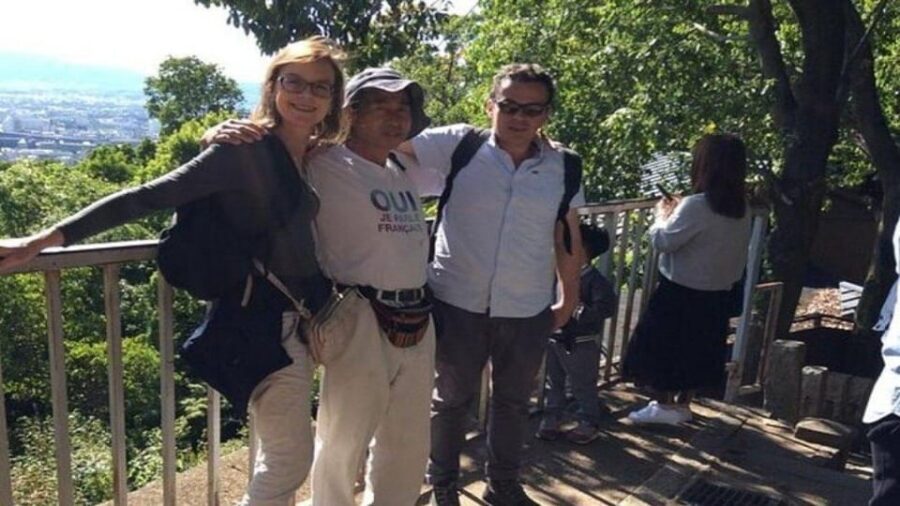
The last stop on the walk is Kyōto Minami-za. It’s listed as a photo stop with guided sightseeing, which makes sense as a finish line: you end near a recognizable landmark so it’s easier to reorient yourself once the tour wraps.
This is also where the best guide value often shows up. Reviews for this experience highlight that the guide doesn’t just talk history on repeat—they also give useful advice on other things to do. One guide named Jérôme was praised for showing hidden treasures of Gion and sharing plenty of extra visit ideas. Another guide, Déborah, was noted for a great walk that helped people see Kyoto’s treasures on foot.
In other words: treat the final minutes as your planning time. If you still have energy after three hours, ask your guide what pairs well with the evening you just experienced. You’ll get more out of Kyoto when you plan the next steps with someone who understands how the neighborhood works.
What you’ll learn about geiko and maiko (without overpromising)
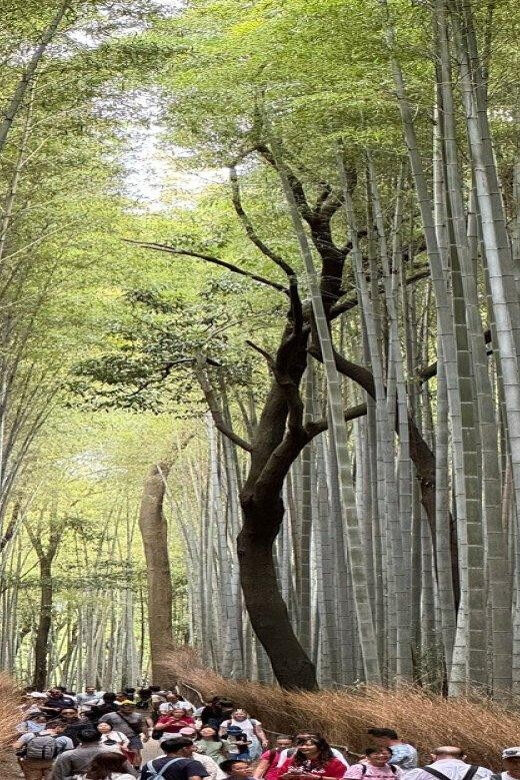
The tour specifically mentions a possibility of seeing a geiko or maiko as you walk, subject to availability. I like that wording. It sets the expectation correctly. You’re not paying for a guaranteed sighting; you’re joining a route timed and arranged so the chance is real.
What you can count on is the guided context. The tour promises narratives about Gion’s history, architecture, and customs. And based on feedback, guides like Raphaël explained topics such as how maiko and geiko fit into the culture in a clear, engaging way—so you walk away understanding what you saw, not just that you saw it.
If you’re traveling with kids, this matters even more. One review praised the way Raphaël made the experience memorable for a family of four, which usually means the explanations stayed clear rather than turning into a lecture.
Price and value: is $44 a good deal?
At $44 per person for three hours, this tour is priced in the “short and focused” category. For me, the value comes from two places:
First, you’re getting guided context at multiple stops—not just one main attraction. In a walk like this, the guide acts like a shortcut to understanding, so you don’t have to research each landmark separately.
Second, you’re getting practical advice beyond the tour itself. Multiple reviews mention that the guides offered lots of good recommendations and additional ideas. That kind of help can save you time later, especially if your Kyoto days are packed and you need solid plans.
One more practical note: walking tours are often cheaper than private car tours, but you still need to think about your own comfort. Since drinks and food aren’t included, make sure you’re not arriving hungry and that you’re ready to manage your own breaks.
Who this tour is best for (and who should skip it)
This tour fits best if you want:
- A short Kyoto plan that covers Gion at night
- Hanamikoji Street and Yasaka Shrine in one guided evening
- A route that mixes famous sights with quieter backstreet atmosphere
- A guide who gives next-step tips for the rest of your stay
It may not be ideal if you prefer:
- A slower, all-day temple-and-museum schedule
- Total freedom to wander without stops
- A guaranteed performance or guaranteed sighting of geiko/maiko
Should you book this Treasures of Kyoto Gion walking tour?
If you’re limited on time and you want your Kyoto evening to feel guided, not random, I’d book it. The three-hour length is realistic, the route hits major Gion anchors like Hanamikoji Street and Yasaka Shrine, and the strongest feedback is about the guide experience—clear explanations and very helpful suggestions for what to do next.
Book it especially if you like walking and want to understand what you’re seeing. Just go in knowing it’s a walking tour with your own food and drink needs, and that geiko/maiko spotting is a chance, not a promise.
FAQ
How long is the Treasures of Kyoto: Gion & historical Walking Tour?
It lasts 3 hours.
What does the tour cost?
The price is $44 per person.
Where is the meeting point?
You meet at 213 Nakanochō, Higashiyama Ward, Kyoto, 605-0075, Japan.
Is this a private tour or a small group tour?
It can be run as private or small group, depending on the option you choose.
What languages are available for the live guide?
The live guide is available in English, French, Spanish, and Italian.
What’s included and what’s not included?
Included: the walking tour and public transport (except if you select one of the options). Not included: drink or food and local transportation around the city (since it’s mainly a walking tour).
Is there a chance to see a geiko or maiko?
Yes, the tour mentions a possibility of spotting a geiko or maiko, subject to availability.
What’s the cancellation policy?
There is free cancellation up to 24 hours in advance for a full refund.