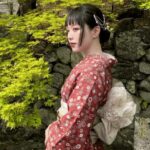
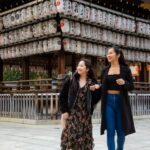
Kyoto at night feels like a different country. This guided evening stroll through Gion and Higashiyama leans into atmosphere: lanterns glowing on wooden facades, quieter lanes later in the evening, and the chance to understand geisha and maiko traditions without turning the whole thing into a photo hunt. I especially like the way you start with shrine culture, then move through old-street charm, and end with the Gion streets where you might even catch a glimpse in full costume. One possible drawback is that it can get cold fast and some spots are darker, so you’ll want warm layers and steady shoes.
I recommend this as a first-day Kyoto plan if you want a clean snapshot of the city’s mood and customs. It is also a solid choice if you care about respectful cultural context, because the guide talk is part of the experience, not just a commentary from point A to point B.
In This Review
- Quick Hits: What Makes This Kyoto Night Tour Worth It
- Entering Gion’s Night World From Yasaka Shrine to the Lantern Streets
- Yasaka Shrine: A Strong Start With Shinto Customs (and Good Etiquette)
- Ninenzaka Street Walk: Old-Style Charm, Slower Footsteps, Better Photos
- Hōkan-ji Temple at Night: The Pagoda Photo Stop That Feels Like a Movie Set
- Yasui Kompira-Gu Shrine: A Local Stop That Adds Depth
- Gion’s Guided Walk: Geisha Streets, Maiko Traditions, and Respectful Looking
- Why the Guide Matters: Clear Stories, Humor, and Real Cultural Respect
- Timing, Cold Weather, and the Dark Corners You Should Plan For
- Value Check: What $24 for Two Hours Actually Buys You
- After the Tour: Use the Guide’s Food and Drink Tips to Keep the Night Going
- Should You Book This Gion Night Tour?
- FAQ
- How long is the tour?
- How much does it cost?
- What is included in the price?
- Is food and drink included?
- Where do I meet the guide?
- What languages are available?
- Will I definitely see geisha or maiko?
- What happens if I arrive late or can’t find the guide?
- What is the cancellation policy?
Quick Hits: What Makes This Kyoto Night Tour Worth It

- Lantern-lit Gion at night when the streets feel calmer and easier to enjoy
- Yasaka Shrine and other sacred stops that teach etiquette along the way
- Hōkan-ji Temple photo moment with a beautifully lit pagoda setting
- Geisha and maiko culture explained with a respectful tone about training and roles
- Practical end-of-tour food and drink tips so you’re not hunting solo after
Entering Gion’s Night World From Yasaka Shrine to the Lantern Streets
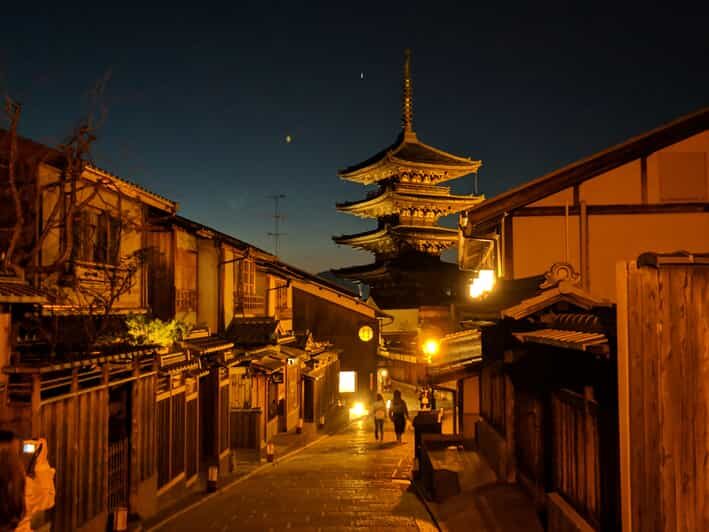
This is the kind of Kyoto evening walk that helps you understand what you are seeing before you see it. You start in the Yasaka area, then work your way through classic streets and temple/shrine spaces, and you finish in Gion when the vibe turns softer and more intimate. The “magic” part is not just pretty scenery. It is the pacing: early enough to have energy, late enough that the crowds thin out.
The other thing I like is that this tour does not pretend geisha culture is a show for outsiders. The guide frames the world of geiko and maiko as living traditions with rules and respect built in. That matters, because Kyoto can be a little too tempting to treat like a theme park if nobody explains the boundaries.
A few more Kyoto tours and experiences worth a look

Yasaka Shrine: A Strong Start With Shinto Customs (and Good Etiquette)
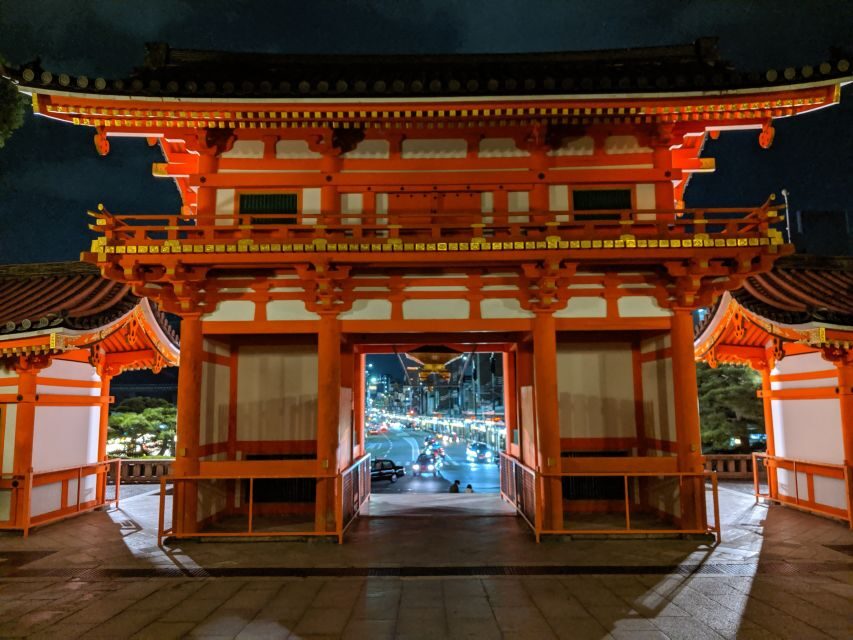
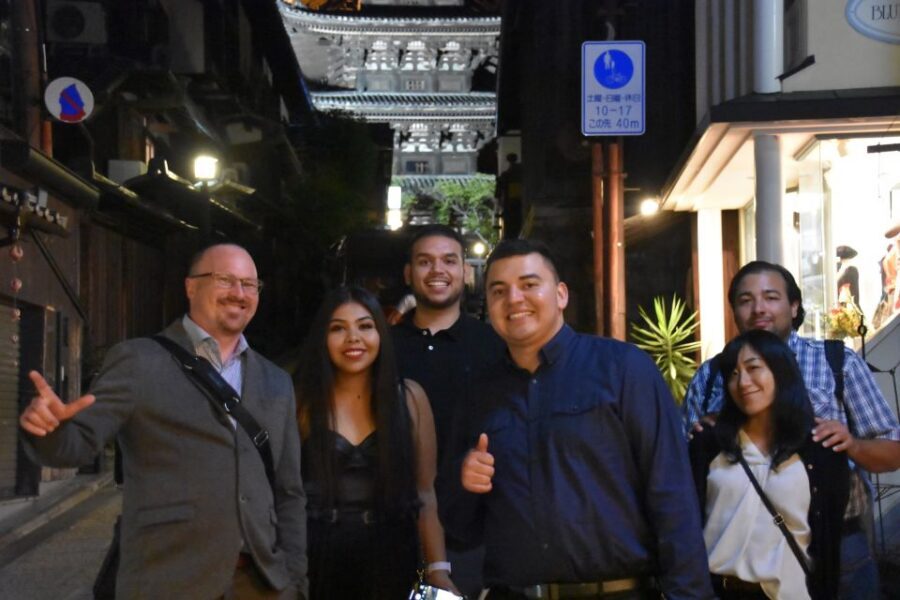
Your tour begins near Yasaka, with a guided stop at Yasaka Shrine. This matters because it sets the tone: shrines are not just backdrops. You get context on how people behave in sacred spaces, so you do not accidentally turn “watching” into “disrupting.”
Practically, the shrine stop is also a smart starting point because it is familiar enough to orient you. Even if you have never visited a Shinto site, you can follow along. And at night, with proper lighting and slower foot traffic, it feels more personal than hectic.
What to watch for: your guide will likely point out how to move through the area and what kinds of attention are respectful. Take the cues. Kyoto rewards quiet behavior, especially after dark.
Ninenzaka Street Walk: Old-Style Charm, Slower Footsteps, Better Photos
Next comes Ninenzaka, one of those Kyoto streets that instantly signals you’re in the old-city layer. In the evening, the experience shifts. The shops and stairs still feel iconic, but the energy becomes less chaotic and more cinematic because the flow of people changes.
This stop is guided for about 20 minutes, which is a good amount of time. Long enough to take in the cobblestone-style texture and the steep, traditional streetscape, without turning it into a slog. Short enough that you are not rushing right when the night light starts to look best.
Small drawback to plan for: this area can involve stairs or uneven surfaces depending on where you walk. If your shoes are not grippy, you’ll feel it by the time you reach the next section.
Hōkan-ji Temple at Night: The Pagoda Photo Stop That Feels Like a Movie Set
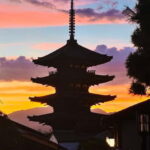
Then you hit Hōkan-ji Temple. This is a photo stop, but it is more than a quick snapshot break. The setting is described as a Zen temple environment with a beautifully lit pagoda, and at night that kind of lighting turns a landmark into a mood.
I like this stop because it balances the entertainment district energy of Gion with something calmer. You get a shift in sound levels, pacing, and atmosphere. Even if you are not a temple person by default, the contrast helps the whole tour make sense: Kyoto is not one theme. It is layers.
Practical tip: use your camera time efficiently. Arrive, frame a couple shots, then step back and let the space breathe. That keeps the moment respectful and also helps you actually notice details instead of only chasing angles.
Yasui Kompira-Gu Shrine: A Local Stop That Adds Depth
Your itinerary includes Yasui Kompira-Gu Shrine for a short visit. This is one of those stops that works well in a night walk because it adds another layer of Kyoto’s spiritual landscape without eating your whole schedule.
The value here is less about a single dramatic view and more about understanding how shrines shape everyday life in Kyoto. A guided visit is your shortcut to learning what you are looking at, instead of trying to interpret it later with a phone battery that is already 12%.
If you are curious about religion and customs, this stop pairs nicely with the later geisha discussion. You start seeing how Japanese traditions are connected to daily behavior and community roles.


Gion’s Guided Walk: Geisha Streets, Maiko Traditions, and Respectful Looking
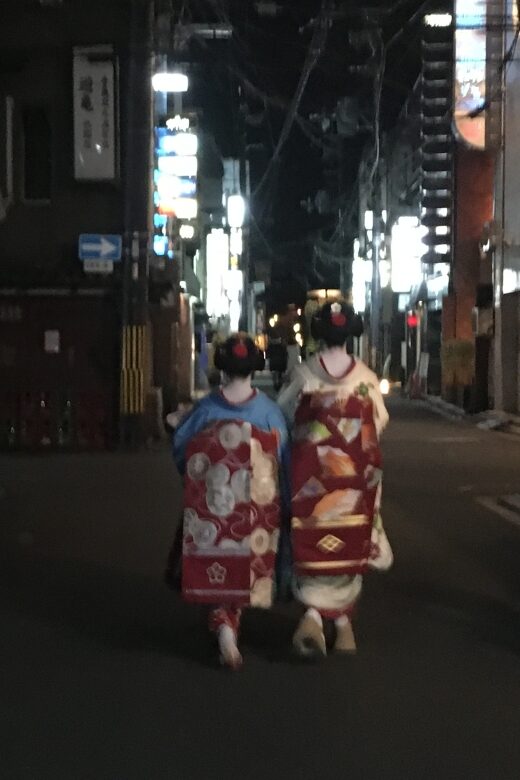
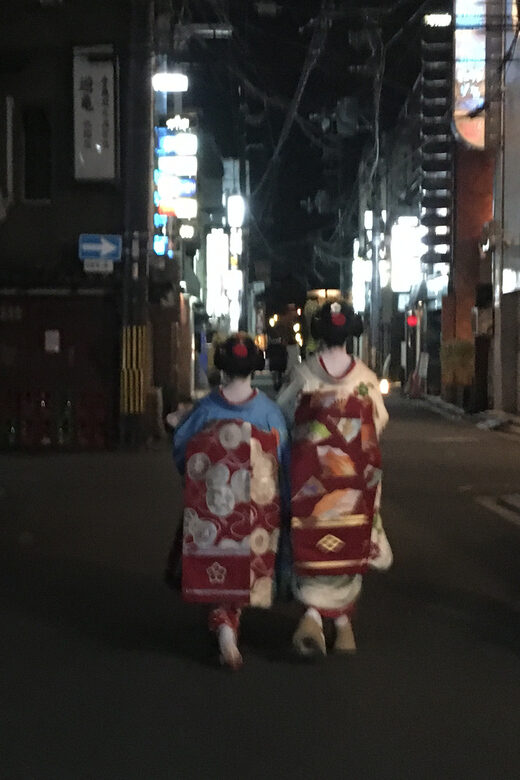
The heart of the tour is Gion, with a guided walk lasting about 45 minutes. This is where you really feel the point of a night visit. Later in the evening, lanes get quieter, lanterns create warmer shadows, and the streets feel less like a crowded walkway and more like you stepped into a story.
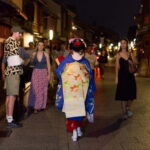
Most importantly, the guide spends time on geisha culture, including maiko-san (apprentices). You learn about customs and what “full costume” actually represents in context. The experience is designed to be respectful and explanatory, not sensational.
Here is what you should expect regarding sightings:
- You may catch a glimpse of women in full costume toward the end of the tour.
- It is treated as a possibility, not a promise.
That approach is exactly how I’d want to experience this. If you only come for the sighting, you can leave disappointed. If you come for understanding and the chance, you can leave satisfied even if you see none.
How to act while looking: keep distance, do not block sidewalks, and avoid sudden moves or loud calls. Your guide will also help you understand boundaries, which is one reason many people say this is the best kind of geisha-focused walk.
Why the Guide Matters: Clear Stories, Humor, and Real Cultural Respect
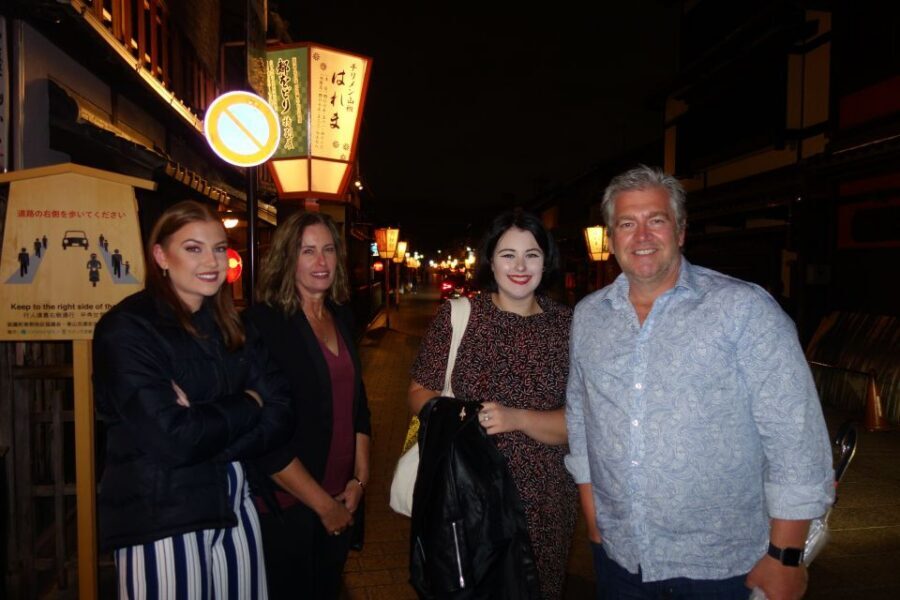
This tour succeeds or fails on the guide’s tone. You can see it in the way people describe their guides: they are fun, prompt, and quick to answer questions, often with a relaxed pacing that doesn’t dump facts on you. Names that come up often include Karim, Kevin, Ben, Amir, Diana, Jannel, Janiel, Hina, Salomé, Salome, and Masu.
A standout theme in the feedback is respect. Several guides are praised for discussing geiko and geisha culture in a way that emphasizes training and the professionalism behind it, not just mystery. Another strong theme is clarity: people like that the explanations stay understandable and that the guide gives culture context you can use elsewhere in Kyoto.
Some guides also use visuals. For example, Ben is mentioned using high-quality slides on a tablet. Even if your guide does not use the same tools, you can still expect a guided narrative that ties the stops together.
My advice: ask questions during the walk. If your guide invites discussion, take it. The tour is only two hours, and good Q&A helps you turn “seeing” into actual understanding.
Timing, Cold Weather, and the Dark Corners You Should Plan For
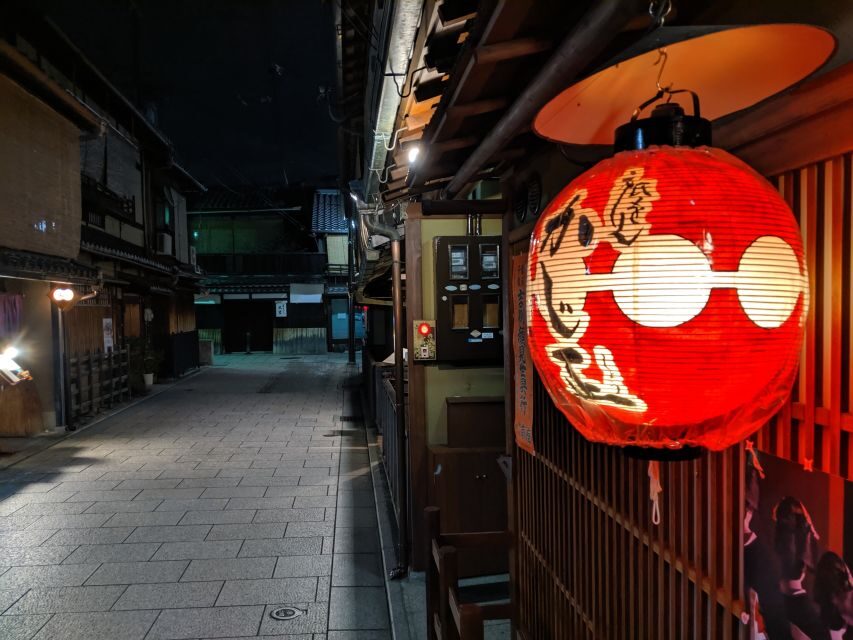
Because this is a night tour, you get an atmosphere boost and a crowd reduction. You also get practical realities.
Based on the experience people describe, plan for:
- Cold weather: multiple mentions of freezing conditions, so dress for it.
- Darker stretches: at least one review calls out that some spots can be darker while walking.
That means you should bring:
- Warm layers (not just a light jacket)
- Gloves if you run cold
- Shoes with good grip
If you are traveling with someone who gets tired easily, note that this is an evening stroll with multiple stops. It is not a long hike, but it is not a sit-down tour either.
Value Check: What $24 for Two Hours Actually Buys You
At $24 per person for about 2 hours, you are paying for three things you typically struggle to assemble on your own:
- A guided route through Gion and Higashiyama that flows logically at night
- Context for shrines/temples and geisha culture
- A human who can answer your questions in real time
You are not paying for food. That is a different category and you should plan on your own dinner after. But the guide’s role in shaping what you notice is where the value lives. When people leave saying it is the best tour of the trip, it is usually because the guide helped them see the place correctly, not just quickly.
If you love wandering, you could technically walk these districts alone. But if you want the “what am I looking at and how should I behave” part, this is a low-cost way to buy that context.
After the Tour: Use the Guide’s Food and Drink Tips to Keep the Night Going
Food and drinks are not included, but the tour is designed to end with recommendations. That is helpful because Kyoto nights can turn into a decision trap: you walk for 10 minutes, find something that looks good, then realize you have no idea if it is tourist-priced.
When your guide offers suggestions, take notes in your head and pick based on what sounds easiest. If you want:
- Something casual, ask for a simple option nearby
- Something more local, ask for the type of place and what it is known for
- A quiet spot, ask for places away from the busiest foot traffic
The best part of these suggestions is timing. You’ll know where to go right after the walk instead of starting from zero with a frozen brain.
Should You Book This Gion Night Tour?
Book it if:
- You are doing Kyoto for the first time and want a focused introduction
- You care about geisha and maiko culture with a respectful, explanatory guide
- You want the Gion streets when they are quieter and less chaotic
- You like night photography settings like lantern-lit lanes and a lit pagoda
Skip it (or at least adjust expectations) if:
- You only want guaranteed geisha sightings (this tour treats costumes as a possible glimpse)
- You hate walking in cold or darker conditions
- You want a food tour, because meals are not included
If you fit the first group, this is one of the better ways to spend an evening in Kyoto: short, guided, culturally grounded, and timed for the atmosphere that makes Gion feel like Kyoto at its most poetic.
FAQ
How long is the tour?
The tour lasts about 2 hours.
How much does it cost?
It is listed at $24 per person.
What is included in the price?
You get a guided walk of the Gion and Higashiyama districts with a live guide.
Is food and drink included?
No. Food and drinks are not included, though your guide may offer recommendations after the tour.
Where do I meet the guide?
The meeting point may vary depending on the option booked. Two starting location options mentioned are Tsuruha Drug Yasaka Shrine Store, FamilyMart, and Kyoto Gion.
What languages are available?
The live tour guide is available in English and French.
Will I definitely see geisha or maiko?
You may catch a glimpse of women in full costume toward the end of the tour, but it is not guaranteed.
What happens if I arrive late or can’t find the guide?
Customers arriving late or unable to find their guide will not be refunded.
What is the cancellation policy?
You can cancel up to 24 hours in advance for a full refund.