Kyoto’s Gion hides a real-life classroom. This tour pairs a guided walk through the lanes where maiko and geiko work with rare access to a private tea house (ochaya) for a live performance and a personal conversation. You’re not watching from the sidelines. You’re learning what the world looks like up close.
I especially love the live maiko dances in an intimate setting, then the chance to ask questions afterward. I also like that the guide brings Gion to life on foot, with street context at each stop, and I’ve seen guides like Mika and Takuma credited for turning details into plain, useful explanations.
One thing to plan around: the performance happens on the second floor with stairs, and you must follow the venue rules about socks, especially on rainy days where wet socks and wet clothes aren’t allowed.
In This Review
- Key moments you’ll remember
- Why this Gion tour beats the usual geisha stops
- Getting oriented in Gion: from Shirakawa Canal to Hanamikoji
- The quick hits that teach you how to read the district
- Entering the ochaya: maiko, former geiko, and the owner
- The dance and Q&A: what to expect in real time
- Photo rules: when you can shoot, and when you must pause
- Timing, stairs, socks, and rain-day reality
- Socks are required
- Stairs to the second floor
- Price vs value: what you’re paying for at $106
- Who this tour suits best
- Should you book the Kyoto Maiko and Geiko Walking Tour?
- FAQ
- How long is the Kyoto Maiko and Geiko Gion walking tour?
- Where does the tour start?
- Do I need to wear socks?
- Is photography allowed during the event?
- What happens inside the ochaya?
- Is the performance venue accessible for wheelchair users?
- What should I do if it rains?
Key moments you’ll remember
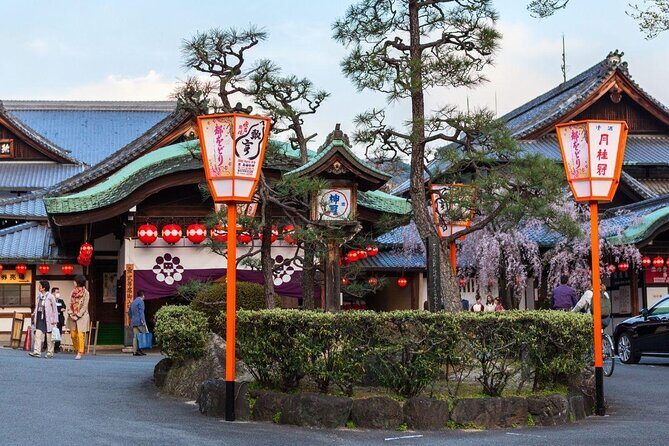
- Private ochaya access for a maiko encounter with a former geiko and the venue owner
- Live maiko performance plus a longer Q&A, not just a quick “look and leave”
- Gion walking segments that help you understand what you’re seeing while you’re seeing it
- Photo session with the maiko with clear rules on when photography is allowed
- Second-floor venue with stairs and the practical need for clean, dry socks
Why this Gion tour beats the usual geisha stops
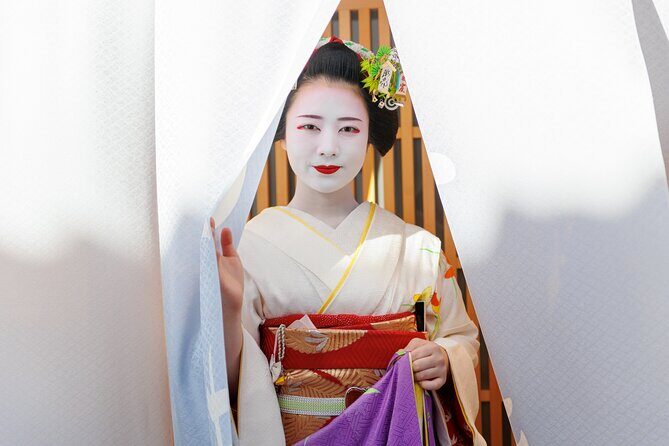
If you’ve already seen a few Kyoto nighttime strolls, you know how easy it is to feel like you’re looking at a postcard. This is different. You start by walking the Gion lanes with a guide, then you shift into a private residence-venue setting where you meet a maiko and a former geiko. That contrast matters.
What makes it feel worthwhile is the way the evening is structured. First, you get street-level context: names, locations, and why these areas matter in the geisha ecosystem. Then, you get the human side: training, traditions, and what everyday life looks like. The big payoff isn’t only the dance. It’s the conversation.
Also, small-group travel is part of the value here. The tour notes say small group available, and at least one booking mentioned a group size of seven. That size keeps the mood respectful and makes it easier to ask real questions.
A few more Kyoto tours and experiences worth a look


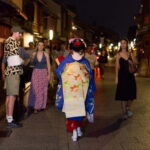
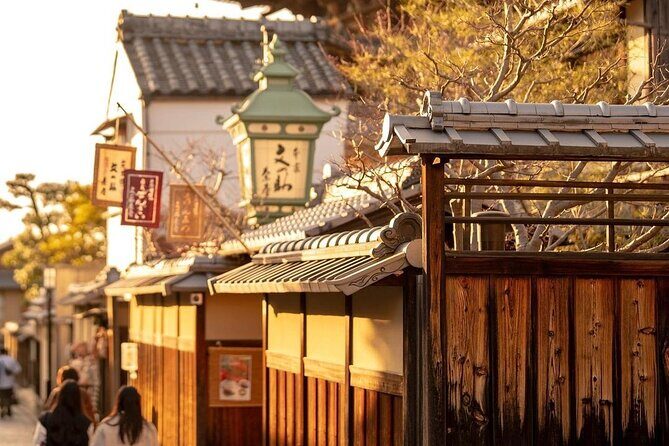
Getting oriented in Gion: from Shirakawa Canal to Hanamikoji
Your experience starts either at the Izumo-no-Okuni statue area (if you’re using the kimono rental option) or at Shirakawa Canal. The canal start works well because you’re immediately in a Kyoto scene that feels older than the road traffic around it. Even if you’ve been to Kyoto before, it’s a smart way to reset your eyes.
From there, the walk ties together the “where” with the “why.” You’ll stop briefly at a couple of recognizable Gion landmarks:
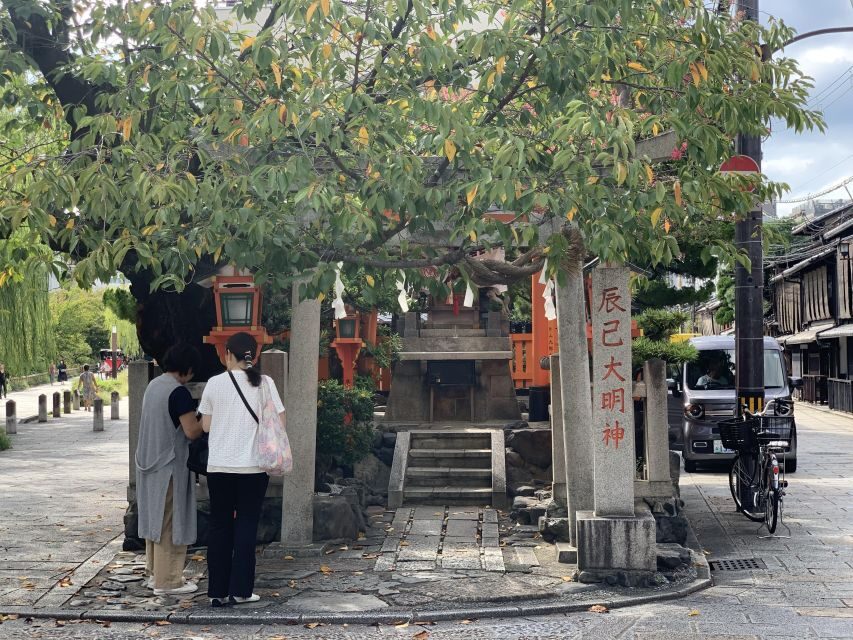
- Tatsumi-jinja Shrine for a short guided look (about 5 minutes)
- Hanamikoji Street for a quick, guided orientation (about 10 minutes)
These stops are short by design. The goal isn’t to turn the morning or afternoon into a museum day. It’s to keep you moving through the district with a sense of purpose.
The quick hits that teach you how to read the district
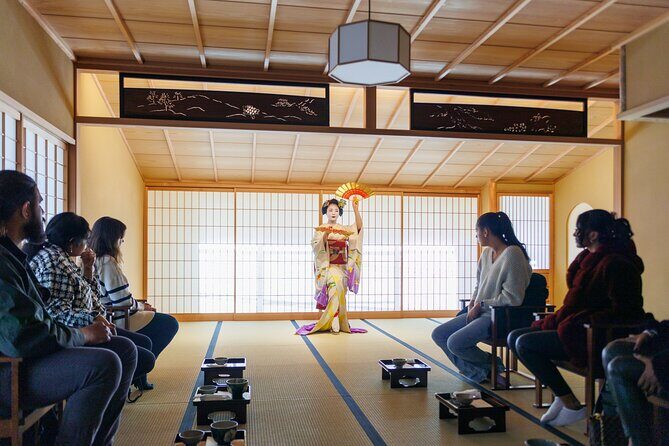
After the main streets, you’ll also get a stop labeled Gion Corner, followed by a Kenninji Temple photo stop and short guided sightseeing (about 15 minutes). The temple portion is short, so don’t expect a long, inside-only visit. Think of it as a pause that gives you a reference point and a few good photo moments.
Then comes Miyagawasuji, which includes both a photo stop and a longer visit (about 1.5 hours). Ending your day here gives you time to absorb Gion beyond the “main view.” This is where the district can start to feel less like scenery and more like a lived-in neighborhood.
Practical tip: use the walking portion to spot details you might miss on your own—doorways, lane widths, and the way foot traffic funnels through the streets. When you later sit in the ochaya and hear about tradition, those details suddenly make more sense.
Entering the ochaya: maiko, former geiko, and the owner
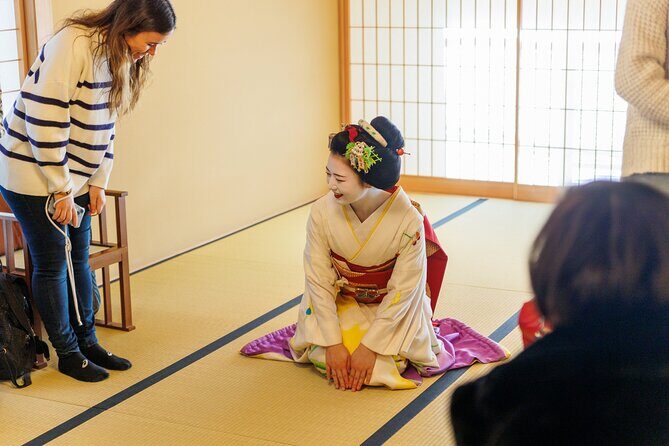
The centerpiece is your meeting in a private tea house setting called ochaya. This is the part that most visitors will never see unless they’re part of a carefully arranged program. You’ll meet:
- a maiko (apprentice geisha)
- a former geiko
- the venue owner (you’ll have a conversation/Q&A that includes them)
In this kind of setting, the atmosphere is quieter and more intentional than a public performance. The tour structure reflects that. You get a guided walk first, so when you arrive, you’re not just “entering a building.” You’re stepping into a space with purpose.
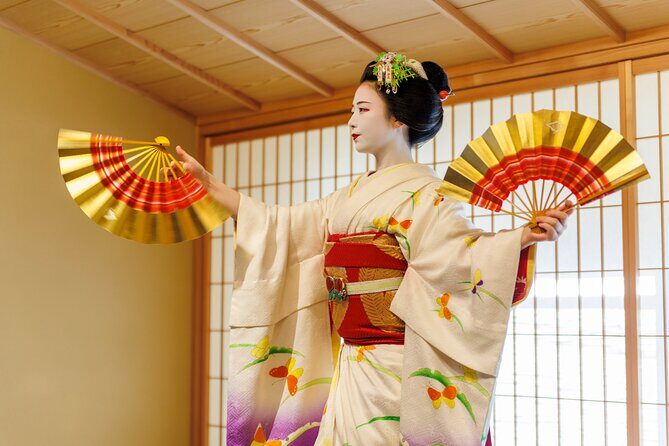
You should expect candid, personal storytelling about training, traditions, and Kyoto’s hidden geisha world. Then you’ll watch a live performance by the maiko plus a former geiko in the program, typically 1–2 dances. After that, you get something many cultural shows don’t offer: a back-and-forth conversation with time for questions.
Guides can make a big difference here. I’ve seen names like Yuko, Eric, Tom, Ellie, Naomi, and Chiko connected to this experience in different bookings, and the pattern is consistent: the best moments happen when the guide helps you ask smarter questions and understand the answers in English.
The dance and Q&A: what to expect in real time
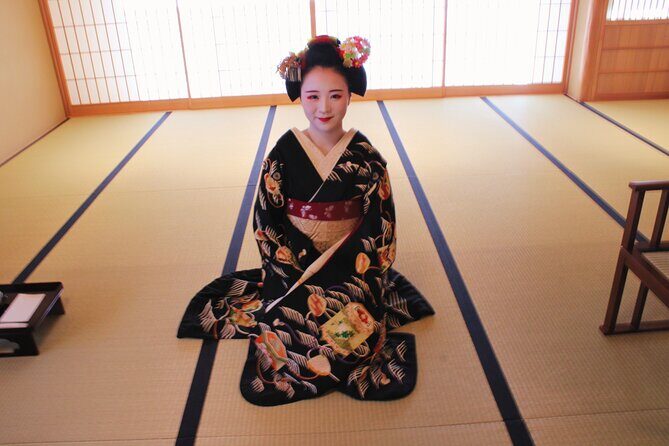
The live portion is graceful, and it’s also shorter than people sometimes assume. Several people highlighted that the performance moment is brief, while the rest of the event is conversation and Q&A. That doesn’t make it less valuable. It changes the feel.
Here’s the rhythm you should expect:
- You’ll settle into the venue seating.
- The maiko performs (and the former geiko contributes in the program).
- You’ll shift into Q&A with the maiko and conversation with the venue owner.
If you’re the type who likes asking follow-ups, this is where you’ll get satisfaction. Many bookings mention friendly, long conversations. You’re learning how their world works, what training involves, and how tradition shows up in everyday details.
Also, this is where the guide’s role matters beyond translation. They’ll help you phrase questions respectfully and keep the exchange flowing, so you get answers that feel personal rather than generic.
Other walking tours we've reviewed in Kyoto





Photo rules: when you can shoot, and when you must pause
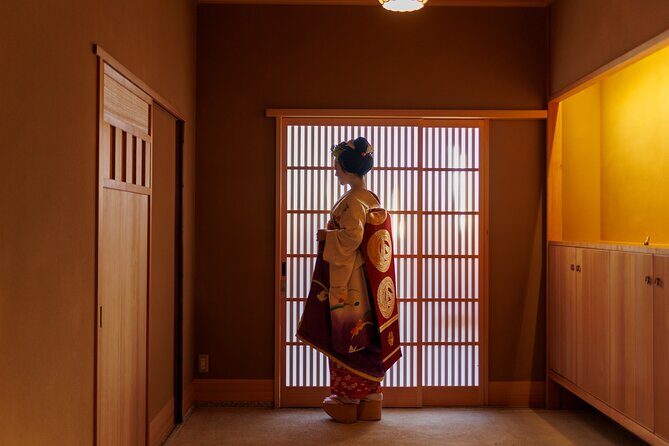
Photography here is controlled, and it’s worth treating that as part of the respect. The tour rules are clear:
- Photography and video recording are allowed only during the performance and the photo session.
- If you plan to upload photos of the maiko online, you must obtain direct permission from the maiko beforehand.
- You cannot upload any video on the internet.
That means your safest approach is simple: take photos only during the allowed windows, and wait for the photo session instructions. During the rest of the conversation, be present and don’t treat it like a scavenger hunt.
One more practical note: the tour says a photo session with the maiko is included. That’s usually the moment for your “keeper” images, so don’t waste that time crowding the seating area early.
Timing, stairs, socks, and rain-day reality
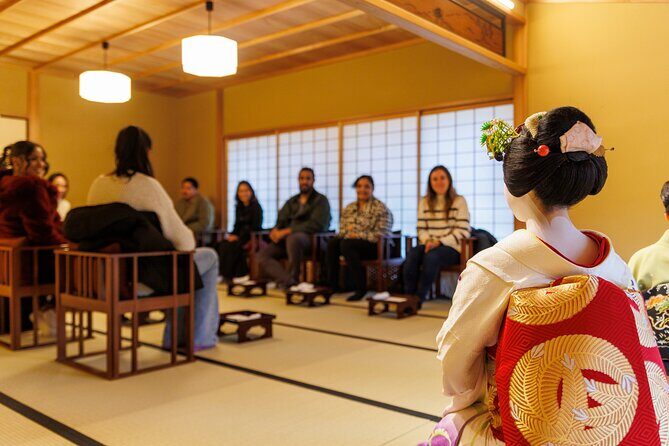
This is a 3–5 hour experience, and it runs rain or shine. If your day is tight, give yourself buffer time. One booking mentioned the tour running a bit later than expected, and you don’t want to feel stressed during the parts that require focus and calm.
Now the practical essentials that can make or break your comfort:
Socks are required
You MUST wear socks at the performance venue. Also, the venue rules say no wet clothes and socks are allowed on rainy days. The walk part can be rainy, but the venue part has stricter requirements.
So plan like this:
- Use an umbrella during the walk (the tour explicitly advises this)
- Keep your socks as dry as possible before you enter the venue
- Treat the entry like you’re going indoors barefoot style, even if you’re wearing socks
Stairs to the second floor
The performance happens on the second floor of a private house, and access is by stairs only. The tour also notes it’s not suitable for people with mobility impairments or wheelchair users, and children under 10 aren’t recommended.
If stairs are a concern for you, skip the tour. Don’t gamble with it. Comfort and respect both depend on being able to move safely.
Price vs value: what you’re paying for at $106
At $106 per person for about 3–5 hours, you might wonder how this fits against the usual Kyoto sightseeing. The value comes from three expensive-to-access ingredients:
- Private ochaya access in a residence-style setting
Most performances are either public, ticketed, or limited in access. Here, the format is intentionally intimate.
- Live performance plus a conversation/Q&A
Many cultural experiences give you a short show and then you’re done. This one gives you time to ask questions and hear personal stories.
- A guided Gion walk that adds meaning
This is not just “walk around.” The stops (canal, shrine, main street, temple/photo moments, and the longer end segment) give you a framework for understanding what you’re seeing later.
Is it a bargain? Kyoto rarely is. But if you’re aiming for the kind of day that feels like contact with living tradition rather than a checklist, the structure here justifies the price. You’re paying for access, time, and interaction.
Who this tour suits best
This works best if you:
- want more than photos of Gion and you care about the human side of the craft
- like Q&A and cultural context while you’re in the moment
- respect rules and want a calmer, controlled environment for performance and filming
It may not fit if you:
- need barrier-free access (the venue is second-floor stairs only)
- travel with young kids (children under 10 aren’t suitable)
- plan to walk in with wet gear and no plan for socks (rain-day rules are strict)
Should you book the Kyoto Maiko and Geiko Walking Tour?
I’d book it if your goal is to understand Gion as a working cultural district, not just as a scenic set. The private ochaya meeting is the main reason to go, and the fact that you get both a live maiko performance and a real conversation makes it feel like a cultural exchange rather than a show.
Before you book, be honest about two things: your comfort with stairs and your ability to follow the socks and rain-day rules. If you can handle that, you’re likely to leave with the kind of “I didn’t know that” understanding that’s hard to get from standard sightseeing.
FAQ
How long is the Kyoto Maiko and Geiko Gion walking tour?
The tour lasts about 3–5 hours.
Where does the tour start?
Meeting points can vary depending on the option booked. One option starts at the Izumo-no-Okuni statue near the Wargo Kyoto Kimono Rental-Gionshijo store. Another option starts at Shirakawa Canal.
Do I need to wear socks?
Yes. The tour states you MUST wear socks at the performance venue.
Is photography allowed during the event?
Photography and video recording are allowed only during the performance and the photo session. If you want to upload photos of the maiko online, you need direct permission from the maiko first, and you cannot upload any video online.
What happens inside the ochaya?
You meet a maiko and a former geiko, enjoy a live performance (typically 1–2 dances), and have a conversation/Q&A with the maiko and the teahouse owner.
Is the performance venue accessible for wheelchair users?
No. The tour notes it is not suitable for people with mobility impairments and wheelchair users.
What should I do if it rains?
The tour runs rain or shine, and the venue does not allow wet clothes and wet socks on rainy days. Use an umbrella during the walk, and plan to keep socks dry.