Kyoto and Uji move fast.
This full-day tour strings together the big-name Kyoto classics with a quieter, tea-focused stop in Uji, all in one day. What makes it interesting is the mix of iconic temples and very walkable neighborhood streets, plus those quick Uji breaks that feel like a reset between the crowds. I especially like that the plan is built around eight major scenic stops with guided context so you’re not just staring at sights and hoping for the best. One thing to keep in mind: the day is packed, and a few of the temple visits are short, so you’ll want to be comfortable with a steady pace.
My two biggest wins are simple. First, the tour includes air-conditioned vehicle + a guide, which saves you energy when Kyoto traffic and walking distances would otherwise eat your day. Second, the pricing feels fair because the only extra costs are the temple admissions (about 1600 yen for Kinkaku-ji, Kiyomizudera, and Byodo-in), while several other stops are admission-free.
The only drawback I’d flag is timing: with a 9-hour day and multiple locations, you may want to skip your extra shopping detours unless you’re quick. It’s still very workable, and the stops are scheduled with enough breathing room to explore on your own—but it won’t feel slow and leisurely.
In This Review
- Key highlights to expect on this Kyoto and Uji day
- A 9-hour Kyoto and Uji plan that actually works
- Starting with Kinkaku-ji: the Golden Pavilion payoff
- Kiyomizudera and the Otowa Waterfall vibe
- Sannenzaka and Ninenzaka: the streets that make Kyoto feel real
- Yasaka Koshindo: the quick colorful stop with character
- Uji River: a calmer pause after Kyoto crowds
- Uji Shrine: rabbits, lanterns, and quick cultural flavor
- Byodoin Temple and the Phoenix Hall moment
- Byodoin Omotesando: tea shops and a walk you can tailor
- Price and value: what you’re really paying for
- Guides, communication, and staying sane in a packed day
- Who this tour is best for (and who should skip it)
- The practical stuff: how to plan your day without stress
- Should you book this Kyoto & Uji day tour?
- FAQ
- How long is the Kyoto & Uji full-day sightseeing tour?
- What does the tour cost and what’s included in the price?
- Are meals included?
- Which temple tickets cost extra?
- How long do you spend at each stop?
- Is a mobile ticket used?
- How big is the group?
- What is the cancellation policy?
- Do guides speak English?
Key highlights to expect on this Kyoto and Uji day
- Eight iconic stops across Kyoto and Uji, including Kinkaku-ji and Byodo-in
- Guided explanations from real humans, including past guides who spoke multiple languages (one guide named John used English, Mandarin, and Japanese)
- Balanced mix of famous temples and local streets, like Sannenzaka and Ninenzaka
- Quick, scenic Uji pauses at the river and Uji Shrine (with rabbit-themed details)
- Short but meaningful temple windows, especially for the UNESCO highlights
- Small group size capped at 45 travelers, which helps the day stay organized
A 9-hour Kyoto and Uji plan that actually works
A day tour like this is all about momentum. You’re not trying to “do everything.” You’re trying to see the best-known sights without spending your day mapping trains, figuring out entrances, and doubling back.
At about 9 hours, this itinerary is long enough to include two major temple clusters in Kyoto and then head to Uji for its calmer, tea-related atmosphere. The pacing is a series of short anchors: you get a guided stop, you have time to look around on your own, then you move on. That works well if you’re visiting for one day, or if you’re pairing Kyoto with other plans and you can’t afford to lose a half-day figuring out transport.
The tour also gives you a practical tool: a mobile ticket. That’s one less thing to worry about when you’re moving through busy temple areas.
A few more Kyoto tours and experiences worth a look

Starting with Kinkaku-ji: the Golden Pavilion payoff
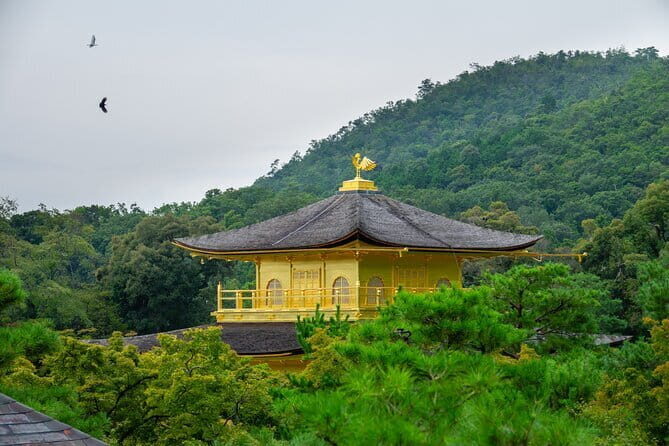
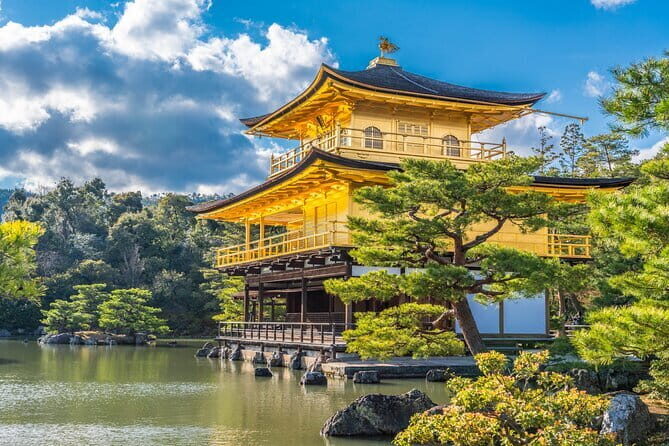
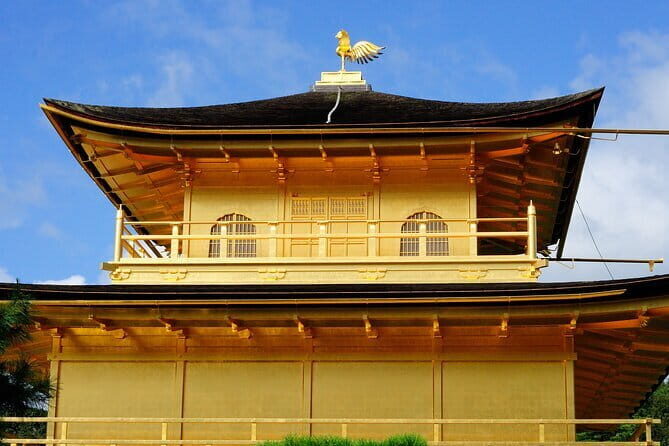
Stop 1 is Kinkaku-ji, also known as the Golden Pavilion. This is one of Kyoto’s most photogenic places, and the structure’s golden exterior and calm gardens are the whole point. It’s a UNESCO World Heritage site, and it tends to be busy because it’s so recognizable.
You get about 40 minutes here, and the temple admission is not included. That means you should plan to buy the ticket before you expect to be fully in viewing mode. If you’re the kind of person who likes to take photos from multiple angles, arrive ready to move quickly. If you prefer slower viewing, you might want to pick your favorite vantage point and commit to it.
What I like about this stop on a group tour is that the guide’s context helps you see beyond the postcard surface. You can treat those gardens like a guided “read,” not just a background.
Kiyomizudera and the Otowa Waterfall vibe
Next up is Kiyomizudera (Kiyomizudera Temple). This is another UNESCO site, and it’s famous for being one of Japan’s most celebrated temples. The tour gives you about 1 hour, which is a solid amount of time for one of the big Kyoto icons.
The admission ticket is also not included. So again, build in a little time buffer for purchasing and entry.
Kiyomizudera is known for its dramatic setting and the temple’s long-standing importance. If you like architecture, you’ll probably spend more time looking up and walking the grounds. If you like atmosphere, this is where the lanes and crowd flow start to matter. A guided stop helps here because you’ll know where to head first instead of wandering into the wrong angles when things get crowded.
Sannenzaka and Ninenzaka: the streets that make Kyoto feel real
After temples, the tour switches gears with Sannenzaka and Ninenzaka. These are the sloping streets lined with preserved historic-style buildings, and they’re the kind of place where Kyoto stops being abstract and starts feeling like a lived-in city.
You get about 1 hour, and admission is free. That’s a good deal because it lets you slow down a bit without paying another ticket fee. This is also where you can time your photos better. Go early in the hour if you want quieter street moments, or save your best photo spots for later if the light changes.
I especially like these streets as a “breather” after temple stairs. You’ll feel less like you’re on a schedule, and more like you’re walking through a story.
Yasaka Koshindo: the quick colorful stop with character
Stop 4 is Yasaka Koshindo (also identified as Daikokusan Kongoji Temple Koshindo). It’s a short visit—about 30 minutes—and it’s free. The reason this stop earns its place is the details: the place is decorated with colorful “monkeys,” which makes it instantly memorable even when your brain is still processing Kyoto’s other big names.
This is the kind of stop that’s easy to skip when you self-plan, because it’s not as famous as the big UNESCO headlines. On a tour, it works because it adds variety and breaks the day into sections.
A few more Kyoto tours and experiences worth a look


Uji River: a calmer pause after Kyoto crowds
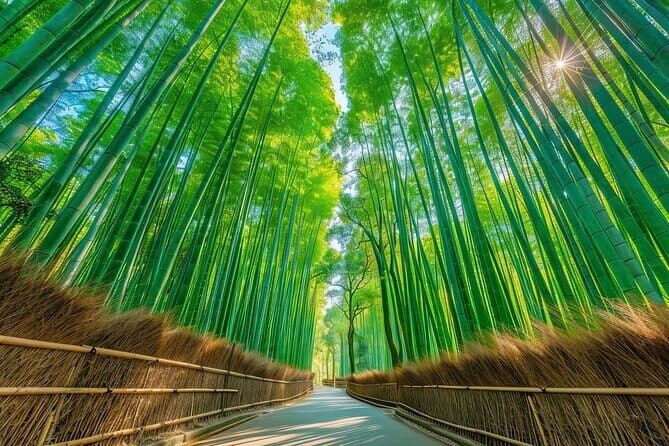
Then you head to Uji for the Uji River stop. You’ll have about 20 minutes, and it’s free. This river is described as the only one originating from Lake Biwa, and it has historically served as a key waterway connecting regions.
Here’s how I’d use your time: don’t treat it like a long sightseeing linger. Treat it like a reset. Take a walk for a few minutes, get your bearings in the Uji area, and use it as an emotional breather after the busier Kyoto sections.
Even a short river stop can make the rest of your Uji visit feel smoother, because your body is between heavy stair walking chunks.
Uji Shrine: rabbits, lanterns, and quick cultural flavor
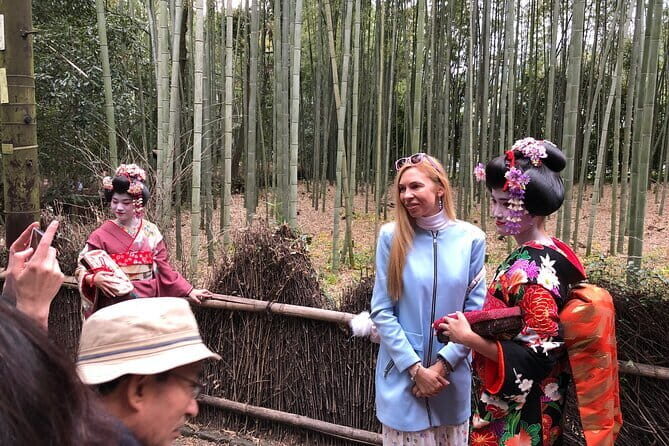
Stop 6 is Uji Shrine. Again, it’s about 20 minutes and free. The theme you’ll notice right away is rabbits—white rabbits with red-eyed features are part of the imagery on lanterns and ema (votive tablets).
That rabbit theme is exactly why a tour stop like this is worth keeping in the schedule. When you move through shrines with a guided context, the small visual details stop looking random. They become a clue to local character and tradition.
It’s also a quick stop, so it won’t steal time from your chance to enjoy the longer Uji highlight later.
Byodoin Temple and the Phoenix Hall moment
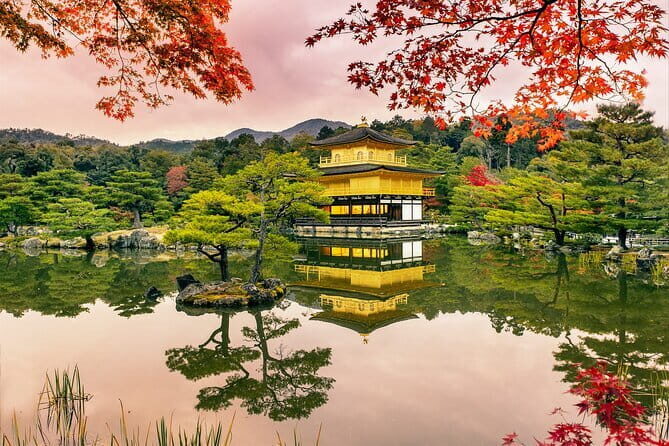
Stop 7 is Byōdō-in Temple, one of Japan’s best-preserved national treasures and a UNESCO World Heritage site. The Phoenix Hall is the iconic structure here, and it’s the reason many people come to Uji in the first place.
You get about 30 minutes, and admission is not included (tickets for Byodo-in are part of the 1600 yen total listed for the paid temples). The Phoenix Hall is the star, but the temple grounds also matter.
This stop is short, so you’ll want to move efficiently:
- Know where you want your first look
- Then use the second pass to appreciate details once your eyes adapt
A guided stop helps because you’ll understand what you’re looking at instead of just trying to match the building to what you saw online.
Byodoin Omotesando: tea shops and a walk you can tailor
Finally, the tour takes you to Byōdō-in Omotesando, a street area tied to Uji’s famous green tea culture. This stop is about 30 minutes and free, which is convenient because it means you can spend your time sampling and browsing without additional entry fees.
The big value here is choice. You can keep it quick and buy something small (tea-related products) or slow down and do more browsing if you’ve saved energy. Since lunch isn’t included, this is also the kind of stop where you can decide how you want your day to end—snack now, buy a gift, or plan a meal later on your own schedule.
Price and value: what you’re really paying for
At $57.90 per person, this tour offers good value if you want a one-day highlights circuit without doing logistics headaches yourself. The tour includes air-conditioned vehicle and a guide, and it runs to a max group size of 45, so it’s not a chaotic stampede.
The main extra cost is temple admissions: 1600 yen total for Kinkaku-ji, Kiyomizu-dera, and Byodo-in. That’s a clear, predictable add-on. Several other stops are free, including Sannenzaka/Ninenzaka, Yasaka Koshindo, the Uji River, and Uji Shrine.
Where this becomes “good deal” territory is in the savings of time and brainpower:
- You don’t need to map routes between Kyoto and Uji
- You avoid hunting down entrances and ticket counters cold
- You get context while you’re moving, so the time feels more productive
Guides, communication, and staying sane in a packed day
One detail that stands out from past experiences is how guides handle communication. A guide named John was praised for speaking English, Mandarin, and Japanese, and for giving clear meeting and return-time explanations. Another guide named Jone was described as friendly and helpful, with good trip planning that kept the day from feeling rushed.
Also, there’s mention of useful delivery via WhatsApp—like meeting points and area maps. That matters because Kyoto can make even simple navigation feel stressful, especially if you’re trying to stay with a group while reading signs.
The tour structure seems designed so you can enjoy each destination without feeling like you’re sprinting nonstop. There’s also a note that even heavy rain in the afternoon didn’t ruin the flow, which tells me the itinerary is built to keep working even when weather throws a wrench at you.
Who this tour is best for (and who should skip it)
This tour suits you best if:
- You have one day to see top Kyoto sights
- You want to include Uji without planning a separate trip
- You prefer guided context over independent temple research
- You like shopping or snacking around streets like Omotesando, not just standing in lines
You might reconsider if:
- You hate tight time windows and want long stays at fewer sites
- You’re very picky about photo angles and want unlimited time at one location
- You’re traveling with a pace that doesn’t work with frequent stepping off and reboarding
The good news: multiple stops include enough time for you to explore on your own, so it’s not purely a guided lecture tour.
The practical stuff: how to plan your day without stress
Even without fancy hacks, you can set yourself up for an easier experience.
Wear comfortable walking shoes. Kyoto temple areas involve stairs and uneven paths. Bring a light layer if you’re going in cooler months, and have a rain plan because the schedule continues in less-than-perfect weather.
For your sightseeing rhythm, I’d mentally group the day like this:
1) Big Kyoto temples (Kinkaku-ji, Kiyomizudera)
2) Classic street atmosphere (Sannenzaka/Ninenzaka + Koshindo)
3) Uji reset (river + shrine)
4) Main Uji icon (Byodo-in Phoenix Hall)
5) Tea street wind-down (Omotesando)
That mental map helps you feel in control, even when the tour is moving.
Also, lunch isn’t included. Build your snack strategy around that. If you need to eat, plan for it during the free street time rather than expecting a sit-down meal to magically appear.
Should you book this Kyoto & Uji day tour?
I’d book it if you want the best-known Kyoto hits plus Uji’s tea-town feel in one organized day. The combination of air-conditioned transport, a guide who can explain what you’re seeing (including guides with multi-language ability), and a schedule that mixes paid icons with free neighborhood stops makes it a strong value.
Skip it if you’d rather pick 2–3 sights and spend half the day lingering in just one area. This tour is designed for efficient coverage. That’s exactly why it works—just know that it’s not a slow wandering day.
If you’re traveling with limited time, and you want a plan that keeps you from wasting hours on transit and ticket planning, this one is easy to recommend.
FAQ
How long is the Kyoto & Uji full-day sightseeing tour?
The tour runs for about 9 hours.
What does the tour cost and what’s included in the price?
The price is $57.90 per person. It includes an air-conditioned vehicle and a guide.
Are meals included?
No. Lunch is not included.
Which temple tickets cost extra?
Kinkaku-ji, Kiyomizu-dera, and Byodoin Temple have admission tickets not included. The listed total for those tickets is 1600 yen.
How long do you spend at each stop?
Stops range from about 20 minutes (Uji River, Uji Shrine) to about 40 minutes (Kinkaku-ji). Kiyomizu-dera is about 1 hour, and Sannenzaka/Ninenzaka is also about 1 hour.
Is a mobile ticket used?
Yes. The tour includes a mobile ticket.
How big is the group?
The tour has a maximum of 45 travelers.
What is the cancellation policy?
Free cancellation is available. You can cancel up to 24 hours in advance for a full refund, based on the experience’s local time.
Do guides speak English?
One past guide named John was noted for speaking English (along with Mandarin and Japanese). The tour includes a guide, but exact language coverage can vary by guide.