That first whiff of matcha is memorable.
This Chazuna experience in Uji mixes hands-on matcha grinding with museum time, so it’s not just watching tea culture on a screen. You start with interactive, touch-friendly exhibits that explain Uji tea in an easy way, then you grind leaves and learn how to whisk and brew what you make.
Two things I’d put at the top of your list are the scent-and-touch learning (freshly ground matcha is a sensory shortcut) and the guidance from instructors like Hideko and Keiko, who keep the session clear and fun. One consideration: the timing is strict, so plan to arrive early, because you won’t be able to join if you’re late.
In This Review
- Key takeaways before you go
- Why Uji tea and Chazuna make sense together
- Entering Chazuna: what the 1-hour flow feels like
- History Room and the 10-yen coin welcome
- The matcha grinding workshop: tea mill, fields, and focus
- From powder to cup: whisking and brewing with an instructor
- Museum extras: touchable exhibits and fun photo spots
- The summer-only 2:45 p.m. matcha ice-cream moment
- Price and timing: is $23 worth it?
- Getting there from Uji Station (Keihan and JR)
- Should you book the Chazuna matcha grinding experience?
- FAQ
- FAQ
- How long is the Chazuna Kyoto Tea Museum tea grinding experience?
- What’s included in the ticket?
- Where is the meeting point?
- Is it wheelchair accessible?
- What languages do instructors speak?
- What is the cost per person?
- Do I need to arrive early?
- What happens if I’m late?
- Is there free cancellation?
- Are there any summer-only food extras?
Key takeaways before you go
- Grind your own matcha using a tea mill, then whisk and drink what you made
- Museum entry is included, with digital exhibits you can touch and explore
- Uji tea context fast, including the Byodoin Phoenix Hall connection shown at the entrance
- A 4K screen experience featuring modernized townscape drawings (Meisho-zue)
- Seasonal summer-only option at 2:45 p.m., pairing matcha with ice cream
- Instructor-led, step-by-step class, taught in Japanese and English
Why Uji tea and Chazuna make sense together
Uji is where a lot of Kyoto’s tea story starts, and Chazuna gives you a focused, understandable route through it. You’re not trying to figure out tea terms on your own; you walk into a museum setting that sets the stage, then immediately put the process into your hands at a grinding station.
The value here is that it’s practical. You’ll learn how matcha is made, what goes into the flavor, and how brewing changes the result. If you like food experiences that teach you something you can actually use later, this fits.
A few more Uji tours and experiences worth a look


Entering Chazuna: what the 1-hour flow feels like
You’ll meet at the 1F reception area at Chazuna, in the Historical Park of Tea and Uji Town. The session is designed to move at a steady pace: a quick orientation, museum time for context, then the workshop portion where you grind and make matcha under an instructor.
The class runs about 1 hour, which is a sweet spot for a vacation day. It’s long enough to feel hands-on, but short enough that you can still explore Uji after. A key note: you’re expected to arrive 15 minutes before your reservation.
History Room and the 10-yen coin welcome
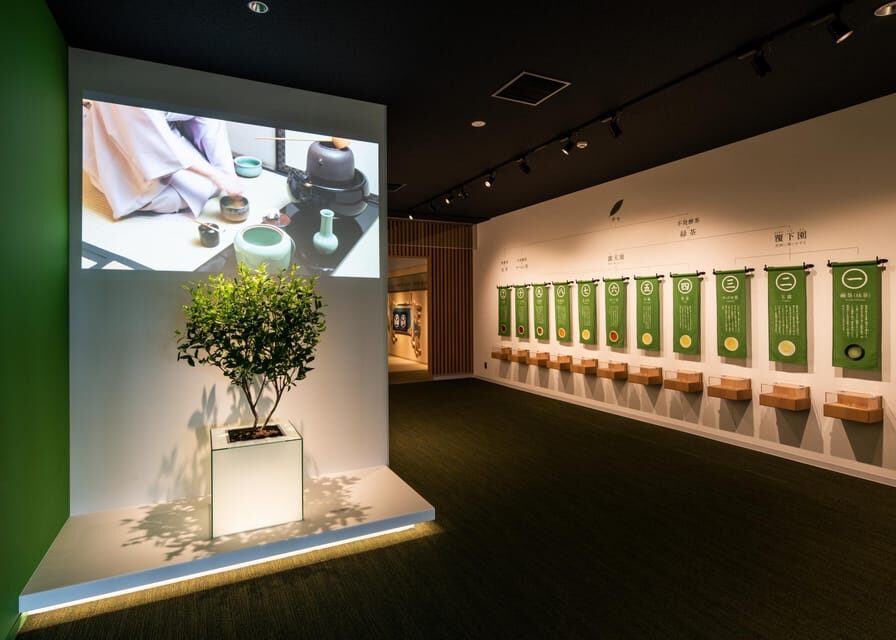
One of my favorite ways to learn in museums is when it doesn’t read like a textbook. Chazuna’s History Room starts strong, with a large 10-yen coin featuring the Byodoin Phoenix Hall. It’s a simple hook, but it quickly ties Uji to something you may have seen in other parts of Kyoto.
From there, you get digital exhibitions you can touch. There’s also a 4K HDTV display with modernized townscape drawings called Meisho-zue, which helps you picture how the town’s tea identity fits into daily life and place, not just dates and legends.
What this section is best for: getting your mental map of Uji tea before you grind leaves. You’ll understand what you’re about to do, not just do it.
The matcha grinding workshop: tea mill, fields, and focus
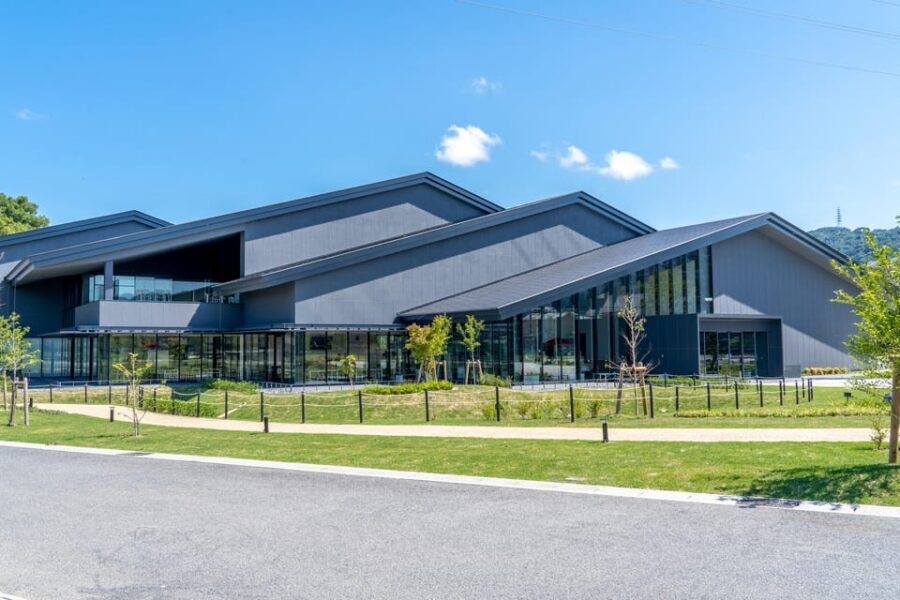
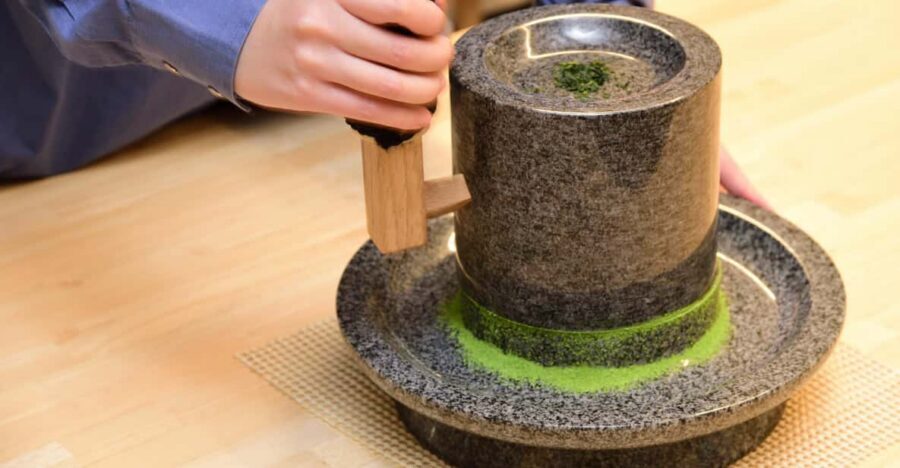
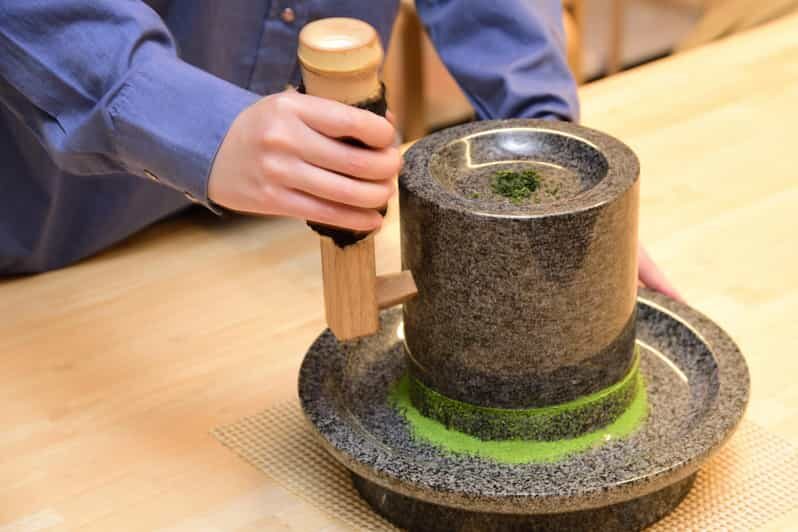
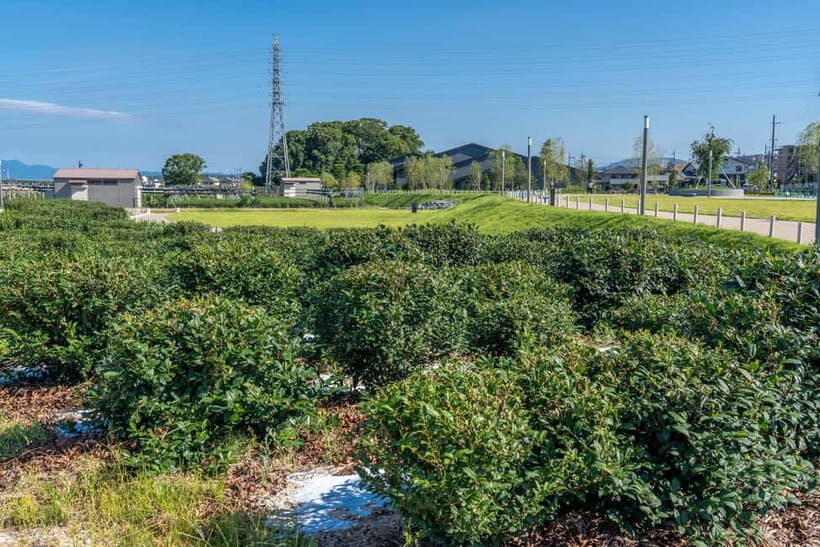
Then comes the part that makes this experience feel different from a standard museum visit: the matcha grinding experience. You’ll grind tea leaves into a powder using a tea mill, guided by a Japanese tea instructor.
The setup matters. You’re not hidden in a back room; the experience includes views of tea fields and gardens, which makes the work feel like it belongs to the landscape instead of a factory process. Expect this to be a sensory moment: the aroma hits quickly when the leaves turn into matcha.
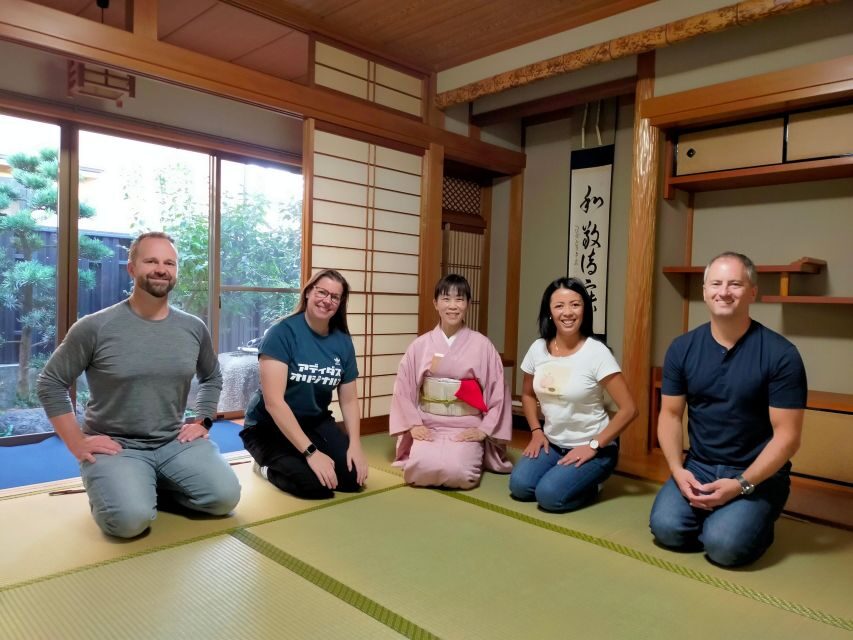
This is also where the instructors earn their keep. In sessions I’ve seen described, guides like Hideko and Keiko explain what you’re doing in a way that keeps you from feeling lost, and they help you get through the motion correctly while keeping it light.
From powder to cup: whisking and brewing with an instructor
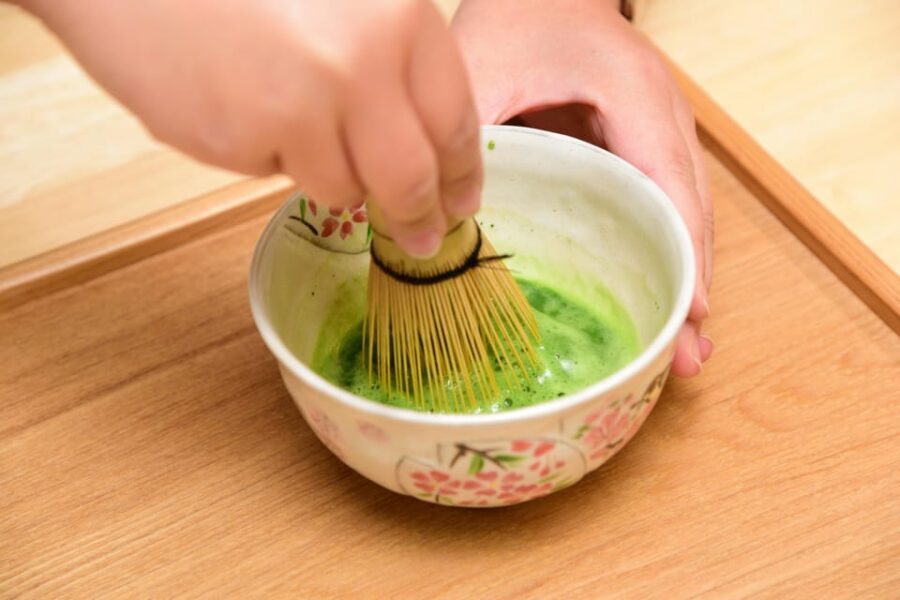
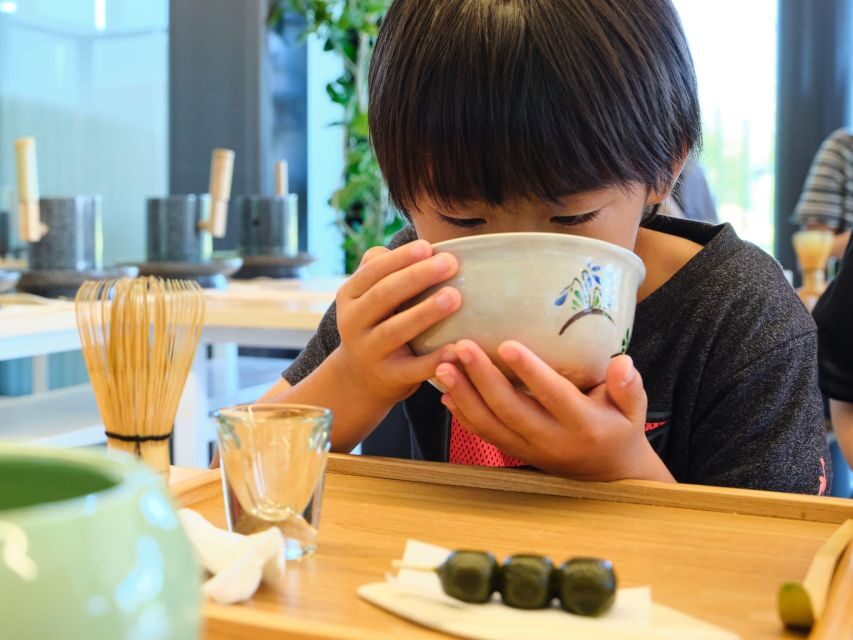
After you’ve made the matcha powder, you move into brewing. Your instructor walks you through how to whisk and prepare matcha so you can actually taste what you made rather than just grinding for the novelty photo.
This is the “why it matters” moment. Matcha isn’t only about the leaves; it’s about how you mix. The guidance you get here helps you make better matcha at home later, because you’ll understand the technique instead of guessing.
If you’re pairing this with other Kyoto experiences, think of this as your practical matcha skill builder. Kyoto has lots of culture stops. This one gives you a repeatable method.


Museum extras: touchable exhibits and fun photo spots
Your ticket includes entry to the Chazuna museum, which is short but information-forward. The interactive design is the key: you’re not just reading labels, you’re pushing buttons and interacting with digital displays so you can understand the process step by step.
You may also encounter photo moments built into the experience flow. Some people call out a picture spot where you can take a playful shot that matches the matcha theme. It’s not the reason to come, but it’s a nice way to end with something shareable without slowing the learning down too much.
The summer-only 2:45 p.m. matcha ice-cream moment
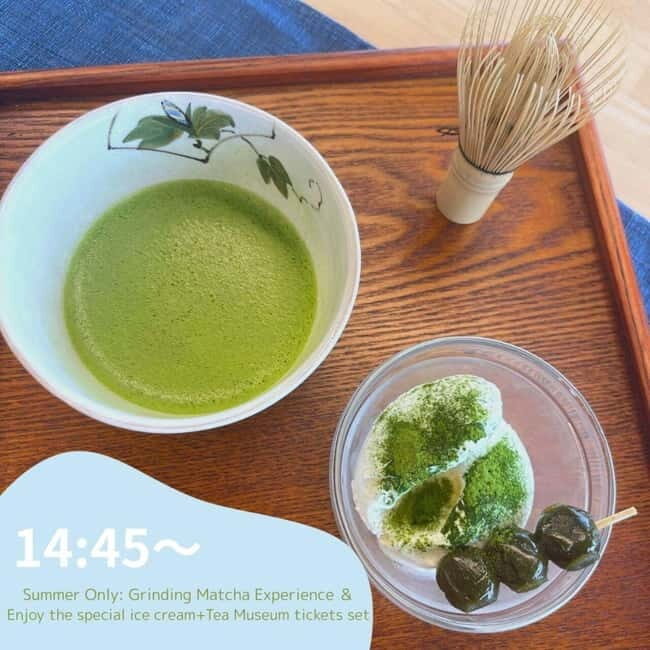
There’s a seasonal twist on select days, offered only at 2:45 p.m. in the summer period. In that version, the restaurant serves a cool treat where you pour your ground matcha over ice cream and you can also drink it.
This part is best if you like contrasts: hot tea culture explained with a cool dessert payoff. If your trip lines up with summer and you’re flexible on timing, this add-on makes the whole experience feel more like a full afternoon ritual.
Price and timing: is $23 worth it?
At $23 per person, this isn’t a throwaway add-on. It’s a one-hour workshop plus museum entry plus an instructor who stays with you through grinding and brewing. You’re paying for three things working together: education, hands-on practice, and your own cup at the end.
That bundle is what makes it good value. A museum ticket alone would be easier to skip. A workshop alone could be repetitive. Here, the museum helps you understand the workshop, and the workshop makes the museum information stick.
Scheduling tip: treat it like a real appointment. Arrive early, because after 30 minutes from the start you won’t be able to participate.
Getting there from Uji Station (Keihan and JR)
The meeting point is easy if you base yourself around Uji Station. If you arrive via the Keihan Uji Line, it’s about a 4-minute walk to Chazuna. If you’re coming from the JR Nara Line, use the South Exit for roughly a 12-minute walk.
Driving is also straightforward: from Osaka, exit at Keiji Bypass Uji Nishi IC and follow the side road toward Uji (around 10 minutes). From Tokyo or Nagoya, turn left at the traffic light at Keiji Bypass Uji-higashi IC (about 3 minutes).
Should you book the Chazuna matcha grinding experience?
If you want a Kyoto-area activity that doesn’t just entertain but actually teaches you how matcha works, I think you’ll like this. The hands-on grinding plus the museum context is a smart pairing, and the instructor-led brewing turns it into something you can repeat later.
I’d skip it only if you’re looking for a very long tour or a totally hands-off experience. This one is built around participation, and it’s designed to run on time. If you can commit to being prompt, $23 buys you a lot more than a typical museum stop.
FAQ
FAQ
How long is the Chazuna Kyoto Tea Museum tea grinding experience?
It’s listed as a 1-hour experience. You can check availability to see the available starting times.
What’s included in the ticket?
Your ticket includes the Chazuna Museum entry, the matcha making experience, and an instructor.
Where is the meeting point?
Go to the 1F reception area at Chazuna, located in the Historical Park of Tea and Uji Town.
Is it wheelchair accessible?
Yes, the experience is listed as wheelchair accessible.
What languages do instructors speak?
Instructors are listed as speaking Japanese and English.
What is the cost per person?
The price is $23 per person.
Do I need to arrive early?
Yes. Please arrive 15 minutes before your reservation so the class can run smoothly.
What happens if I’m late?
If you arrive more than 30 minutes after the start, you may be refused entry or participation, since it disrupts the flow for other customers.
Is there free cancellation?
Yes. You can cancel up to 24 hours in advance for a full refund.
Are there any summer-only food extras?
Yes. During the summer-only option, a restaurant experience is offered at 2:45 p.m. only, with matcha used over ice cream and also served as a drink.