Kyoto can feel almost quiet early. This tour takes you to Kyoto’s most visited sights with an early start so you can enjoy the atmosphere before the day turns into a parade. I love the early access to Fushimi Inari Taisha, with time to pause on the path and actually take it in. I also love the small-group feel, where the pace stays comfortable and your guide explains what you’re looking at as you move.
You’ll also get a smart “morning-to-lunch” plan, so you’re not stuck sightseeing until late afternoon. The highlight rhythm is clear: a reflective stop at Fushimi Inari, then a Japanese nature mood shift in Arashiyama, and ending at the famous temple experience at Kinkaku-ji.
One consideration: this is a walking tour using public transportation, not a bus loop. That means solid footwear matters, and it’s not wheelchair/stroller friendly, and it’s not recommended if you use a cane or have heart problems.
In This Review
- Quick Takeaways
- Why This Kyoto Tour Works So Well Before Crowds
- Meeting at Kyoto Station: Getting Started Without Drama
- The Morning Train Rhythm: Public Transit as Part of the Experience
- Fushimi Inari Taisha at First Light: Torii Gates and Quiet Time
- Arashiyama in an Hour: Bamboo-Heavy Atmosphere Without the Full Day
- Kinkaku-ji Golden Pavilion: Finishing Strong and Photo-Ready
- How the English-Speaking Guide Changes the Whole Day
- Pace and Comfort: Small Group, About 5 Hours, Lots of Steps
- Price and Value: What $101 Really Buys
- Who Should Book This Early Morning Kyoto Tour
- Should You Book This Tour or DIY It
- FAQ
- What’s the meeting point for the Kyoto early morning tour?
- Is this tour a bus tour?
- How long is the tour?
- How big is the group?
- What does the price include, and what’s extra?
- Do I need an IC card or a JR pass?
- Do I need to use WhatsApp?
- Is the tour accessible for wheelchairs or strollers?
- Who might want to avoid this tour?
Quick Takeaways
- Start early to beat crowds at Fushimi Inari and keep your photos from turning into a crowd scene
- Small group of up to 8 makes it easier to ask questions and move at a human pace
- Public transit, not a bus: you’ll ride trains and transfer onward like a local
- Fushimi Inari includes reflection time rather than rushing straight through
- Arashiyama and Kinkaku-ji fit in one morning so you don’t lose a whole day to transit planning
- Kinkaku-ji entrance fee is extra, so budget for it along with the transit cost
Why This Kyoto Tour Works So Well Before Crowds
If you’ve ever visited Kyoto mid-day, you know the vibe: lines, noise, and that feeling that the sights are being seen through other people’s shoulders. This tour’s main trick is timing. It’s designed to start early enough that you’re seeing Kyoto in a calmer way, especially at Fushimi Inari Taisha, where crowds can build quickly.
The tour is also built around efficiency without feeling rushed. You’re done by lunch, which matters if you want energy for Nishiki Market later, an afternoon museum, or just a slow sit with coffee. And because it’s small-group guided sightseeing, you’re not wasting time figuring out which station entrance to use or what route makes the most sense.
Other guided tours in Kyoto


Meeting at Kyoto Station: Getting Started Without Drama
The tour meets at Kyoto Station, Central Ticket Gate. It’s the big gate you can spot near Kyoto Tower, and you should find a 7-Eleven nearby. Your guide will hold a board that says GuideMe Japan.
Bring two things to make your morning smoother: comfortable shoes and cash. You’ll also want either an IC card (like SUICA, ICOCA, or PASMO) or a JR pass, because this is a public-transport tour. The transportation fee is about 1240 yen and is not included, so having a card ready saves you from scrambling for exact cash on the train.
Also, plan on using WhatsApp. The guide contacts you through WhatsApp to confirm the meeting spot and help everyone find each other. This is not just “nice to have,” because the tour is group-based and moving.
Be there early. The guidance is to arrive 5 minutes early (or 5–10 minutes) because late arrivals can’t join once the tour starts and you won’t get a refund. I treat this as part of the cost of a smooth experience: you give the morning a small amount of discipline, and Kyoto rewards you with less chaos.
The Morning Train Rhythm: Public Transit as Part of the Experience
This isn’t a bus tour. You’ll walk between sites and move by train for transfers, with a coach/bus segment as the route shifts later in the morning. The schedule is timed around about 330 minutes total (roughly 5 hours), with flexibility of around 30 minutes either way.
In practical terms, that’s good news for two reasons:
1) You’ll practice the transit flow that you can reuse later in Kyoto.
2) You’ll avoid the kind of slow bus navigation that can happen when streets get crowded.
Here’s the basic flow: you start at Kyoto Station, then take a short train ride to Fushimi Inari Taisha. After that, there’s another train connection onward toward Arashiyama, then you transfer again and finish at Kinkaku-ji. The plan includes a bus/coach segment near the latter part of the tour.
One nice advantage of doing it with a guide is that you’re not just riding trains; you’re learning what to look for and how to transfer without losing time.
Fushimi Inari Taisha at First Light: Torii Gates and Quiet Time
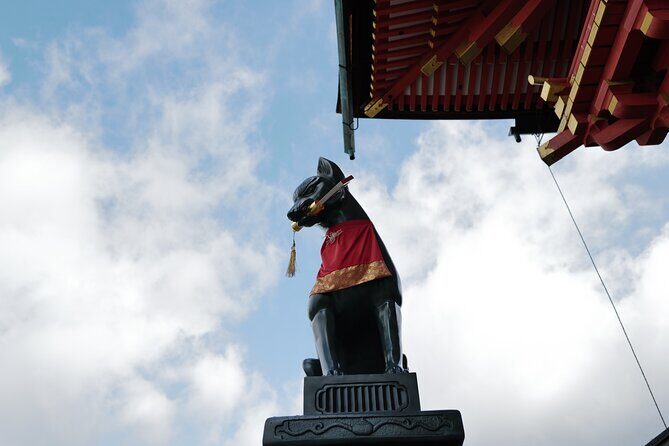
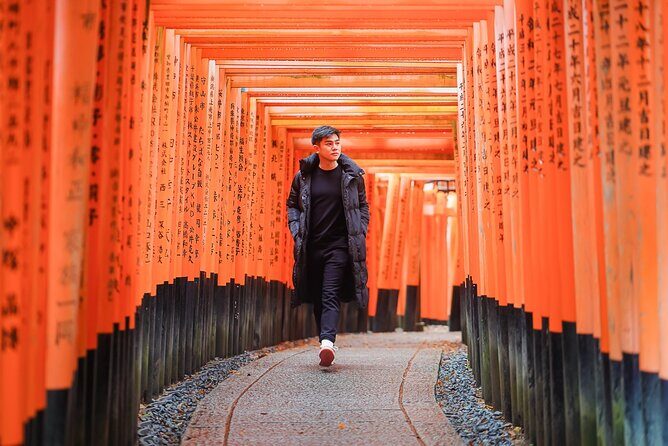
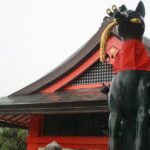
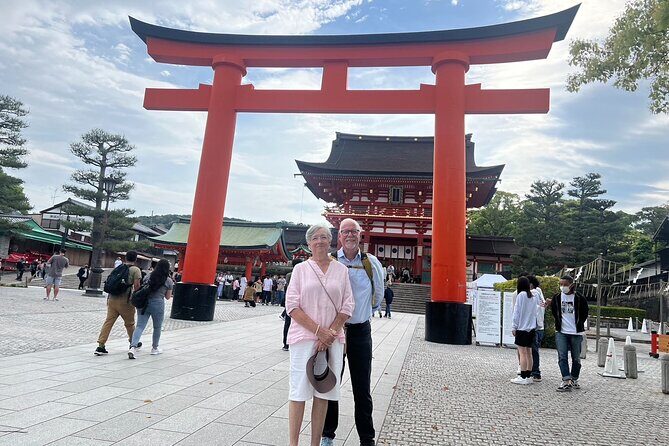
Fushimi Inari Taisha is the kind of place where your eyes keep widening. The tour gives you 70 minutes with a guided walkthrough that focuses on the shrine’s meaning, not just sightseeing. Starting early is the big deal here: you get a calmer path, and you’re more likely to experience the shrine as a living place rather than a traffic jam.
You’ll also have a moment for contemplation and reflection. That matters more than it sounds. Kyoto has plenty of scenic stops, but Fushimi Inari is also a spiritual site. If you go later in the day, you often feel like you’re pushing forward, not actually being present. This tour’s early timing helps you slow down.
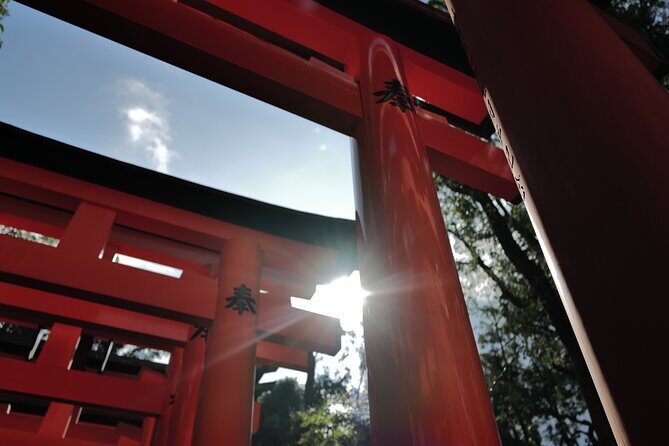
What should you expect on the ground? Expect stairs, walking paths, and lots of torii gates that create a tunnel-like effect as you move through the shrine grounds. Wear shoes that handle uneven and possibly crowded surfaces. And if you’re the type who likes to stop and look up, this is a good morning to do it.
Arashiyama in an Hour: Bamboo-Heavy Atmosphere Without the Full Day
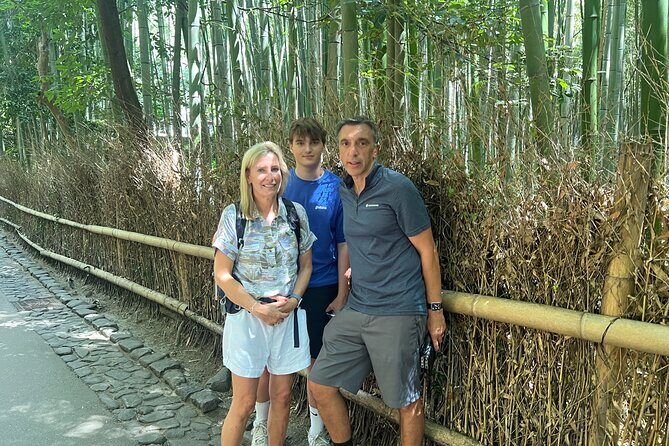
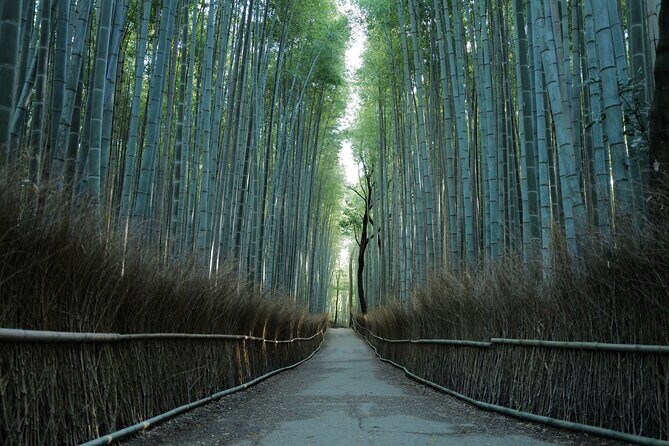
After Fushimi Inari, you’ll head toward Arashiyama. This portion is shorter on purpose: you get about 1 hour with guided time in the district. The main promise is seeing the area’s famous sights, including the bamboo surroundings that people come to Kyoto for in the first place.
Arashiyama can be a lot even on a good day. The timing here helps. You’re arriving earlier rather than later, and that makes it easier to enjoy what the district does well: the mix of natural scenery and temple/shrine energy.
A guide’s value shows up here. It’s not only about where to go, but what to notice while you’re there. You’ll get context for what you’re seeing so the bamboo isn’t just a photo backdrop. And because this is a small group, you can ask questions without turning your visit into a side quest.
Potential drawback: one hour is not “deep exploration.” If you want to add extra stops like riverside walks, additional temples, or time for shopping, you’ll likely need to do that on your own after lunch. Think of this Arashiyama window as the highlight taste that still leaves you energy for an afternoon plan.
A few more Kyoto tours and experiences worth a look

Kinkaku-ji Golden Pavilion: Finishing Strong and Photo-Ready
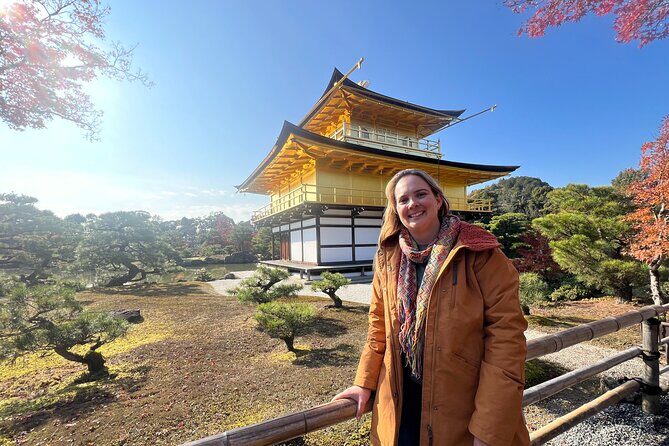
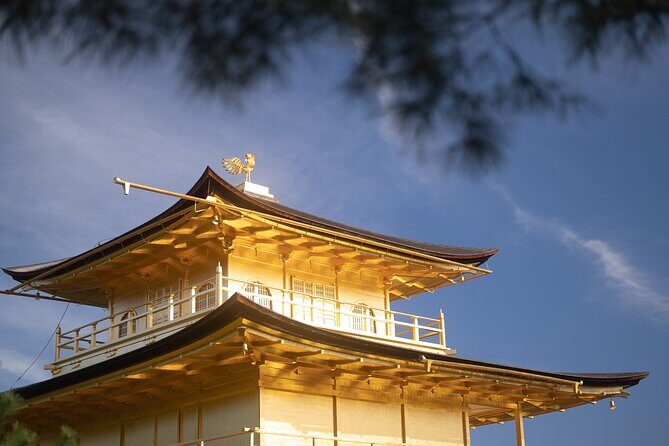
Kinkaku-ji is Kyoto’s famous “golden” temple, and it’s easy to see why. The tour includes about 1 hour there with guided sightseeing. This is also where you should budget extra costs: the entrance fee for Kinkaku-ji is about 500 yen and is not included.
Timing matters again. By the time you reach this stop, you’re still operating within the tour’s early-morning logic. That helps you enjoy the temple without arriving at peak crush.
What’s the experience like? Expect a classic Kyoto temple setting with a strong focus on the main hall and the way the gold elements catch light. You’ll likely spend time moving around the area to take photos and also to listen to what your guide shares about the temple’s place in Japanese culture.
Also, this tour uses walking plus transit, so you’re not just “arriving and leaving.” You’ll have a guided rhythm that helps you get oriented fast.
One more practical note: public transport can throw curveballs. In at least one case from past tour execution, a bus issue near Kinkaku-ji was handled by switching to a taxi so the group could keep moving. That’s a reminder that the guide isn’t there only to talk. They’re also there to problem-solve when the day gets messy.
How the English-Speaking Guide Changes the Whole Day
For many first-timers, guided tours are the difference between seeing famous places and actually understanding what you’re looking at. This one is highly guided: an English-speaking guide (and in some cases also Korean language support) leads you through the stops and explains the stories behind the sights.
The strongest praise pattern across guide names like Natsuki, Hinano Yoshida, Ramu, Genki, Koi, Haruki, Karin, Hina, and Rin is simple: they help you connect the dots. People aren’t just walking from point to point. They’re getting historical and cultural context that turns Fushimi Inari, Arashiyama, and Kinkaku-ji into one coherent Kyoto snapshot.
Another big plus: many guides are big on practical help. You might get tips for using Kyoto public transit beyond the tour, plus suggestions for food. One guide also helped a guest with food recommendations after the tour, which is handy if you want to keep the momentum going right after you return to Kyoto Station.
And photo help matters more than you’d think. Multiple guides are praised for taking pictures for the group and pointing out good spots, which saves you from losing time swapping phones and trying to frame shots while also listening.
Pace and Comfort: Small Group, About 5 Hours, Lots of Steps
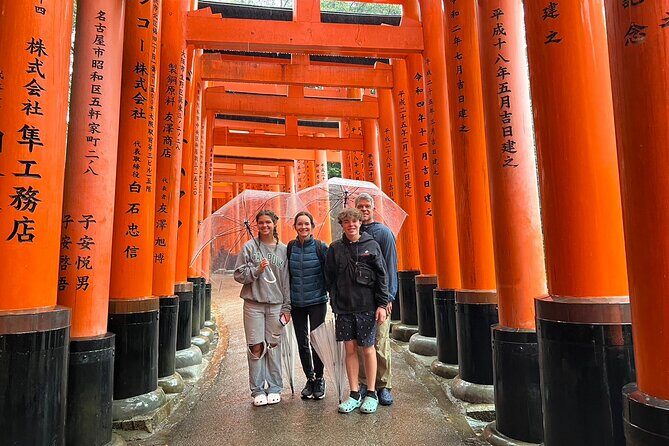
The tour is not private. It’s capped at up to 8 participants, which keeps it manageable. The pace is designed to be neither painfully rushed nor slow enough to feel like you’re waiting. Most people come away saying it feels like a complete morning.
But you are still walking. This is not the kind of tour where you can “sit and soak it all in.” Wear shoes you’re comfortable standing in for extended periods, because Kyoto’s famous spots are famous for a reason: lots of steps and lots of wandering.
Also, it’s not suitable for everyone. The tour is not wheelchair/stroller accessible, and it’s not recommended for guests who use a cane. People with heart problems are also advised against booking. And there are age boundaries: babies under 1 year aren’t suitable, and the guidance says it’s not for guests over 95.
If you’re in good walking shape and want a high-value morning plan, it’s a strong match.
Price and Value: What $101 Really Buys

This tour costs $101 per person for the guided experience, which sounds straightforward until you add in what isn’t included. Here’s the math to keep you confident:
- Transportation fee: about 1240 yen (not included)
- Lunch: not included
- Kinkaku-ji entrance: about 500 yen (not included)
So you’re paying for a trained guide, the structured route, and the early-morning plan that saves you time. The value is not only in the sights. It’s in not having to design a transit-heavy day when you’ve got limited Kyoto time.
If you’re a first-time visitor and want the big three—Fushimi Inari, Arashiyama, and Kinkaku-ji—this does the hardest planning part for you. If you love doing everything on your own and you’re already comfortable with Kyoto transit, you could DIY. But the early start plus tight sequencing is exactly where guided tours justify themselves.
Also, the tour has strong overall demand: it shows a 4.9 rating with 1,100+ verified bookings. High ratings often mean repeat success with pacing and guide quality, which is what you care about most on a short schedule.
Who Should Book This Early Morning Kyoto Tour
I’d book this if:
- You’re short on time in Kyoto and want a highlights plan that fits before lunch
- You want English-speaking guidance for meaning and context, not just directions
- You like getting photos before crowd density takes over
- You’re comfortable using trains and transfers (since it’s not a bus tour)
I’d think twice if:
- You need lots of mobility support, since it’s a walking tour
- You dislike strict meeting times (you must be on time at Kyoto Station Central Ticket Gate)
- You want a slow, pick-any-tempo day with no schedule pressure
This tour also makes sense for couples, solo travelers, and anyone who wants an organized start without losing the chance to explore freely later.
Should You Book This Tour or DIY It
Book it if you want the easiest way to see Kyoto’s headline sights in one morning. The early timing at Fushimi Inari and the structured progression to Arashiyama and Kinkaku-ji are the core benefits. You’ll also get transit confidence from a guide, which can save you stress the rest of your trip.
DIY it if you already know Kyoto transit well, you want a longer Arashiyama day, and you’re okay spending time figuring out route details yourself. But if your biggest goal is to beat crowds and see a complete Kyoto “greatest hits” set, this is a strong choice.
FAQ
What’s the meeting point for the Kyoto early morning tour?
The meeting spot is at Kyoto Station Central Ticket Gate. It’s the big gate near Kyoto Tower, next to a 7-Eleven, and the guide will be holding a board that says GuideMe Japan.
Is this tour a bus tour?
No. It’s a walking tour that uses public transportation (train and other transit), not a bus tour.
How long is the tour?
It runs for approximately 330 minutes, about 5 hours, with possible variation of around 30 minutes before or after.
How big is the group?
The group is small, limited to up to 8 participants.
What does the price include, and what’s extra?
Included: the sightseeing tour and an English-speaking guide. Not included: lunch, transportation fee (about 1240 yen), and the Kinkaku-ji entrance fee (about 500 yen).
Do I need an IC card or a JR pass?
Yes. You can use an IC card such as SUICA, ICOCA, or PASMO, or use a JR pass, since the tour uses public transportation.
Do I need to use WhatsApp?
Yes. The guide will contact you through WhatsApp before the tour, so you should download it prior to your booking.
Is the tour accessible for wheelchairs or strollers?
No. The tour is not wheelchair/stroller accessible, and baby strollers are not allowed.
Who might want to avoid this tour?
It’s not suitable for people with heart problems, wheelchair users, babies under 1 year, and guests over 95 years old. It’s also not recommended if you use a cane.