Beat Kyoto traffic before the day starts. This early-morning tour strings together Kyoto’s biggest highlights—Fushimi Inari-taisha, Arashiyama’s bamboo grove, and Kinkaku-ji—while keeping crowds and photo-blocking bodies to a minimum. You also get a practical lesson on using public transit, so the rest of your day feels easier.
I love the tight group size (max 8) because it keeps the walking pace smooth and the viewpoints less chaotic. I also love that the guide helps you move like a local, not like a panicked tourist herd, with clear English explanations from guides such as Haruki, Aya, and Genki.
One consideration: you’ll be adding extra costs for public transit (about ¥1,240) and Kinkaku-ji admission (¥500), so the full trip price is more than the base ticket. You’ll also want moderate fitness, since this is still a morning of walking and transit time.
In This Review
- Key takeaways before you go
- Why Kyoto feels quieter when you start early
- Price and duration: what your money and minutes are buying
- A small group matters: how guides keep the pace
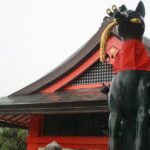
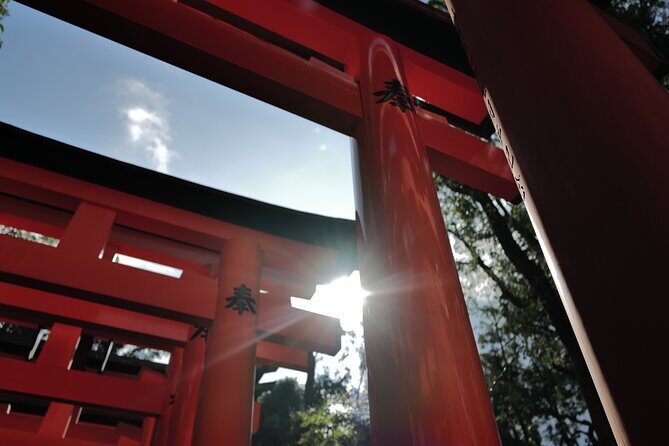
- Fushimi Inari-taisha before the lines: walking the torii gates
- Arashiyama Bamboo Grove in calm light, plus a breather
- Kinkaku-ji Golden Pavilion: planning for the extra fee
- Learning the transit basics so you can keep going
- Photo timing and crowd control that actually works
- Who this early-morning Kyoto tour suits best
- Should you book this Kyoto early start tour?
- FAQ
- What attractions are included in the tour?
- How long does the Kyoto early morning tour take?
- Is the tour price all-inclusive?
- How much is the Kinkaku-ji admission fee?
- How much is the public transportation fare?
- How big is the group?
- Are there different early morning options to choose from?
- Is the meeting point convenient for using public transit?
- What happens if the tour is canceled due to weather?
- FAQ
- Can I get a refund if I cancel?
- What fitness level do I need?
Key takeaways before you go
- Tiny group, calmer photos: max 8 people means less crowding at the gates and bamboo.
- Early timing is the whole point: you’ll hit iconic spots before they get packed.
- Public transit coaching: you learn the routes so you can keep exploring after the tour.
- Three big sites, reasonable pacing: Fushimi Inari, bamboo grove, and Golden Pavilion fit into 5–6 hours.
- Guides add real context: Haruki, Akira, Aya, Arisa, and others are praised for making the history click.
Why Kyoto feels quieter when you start early
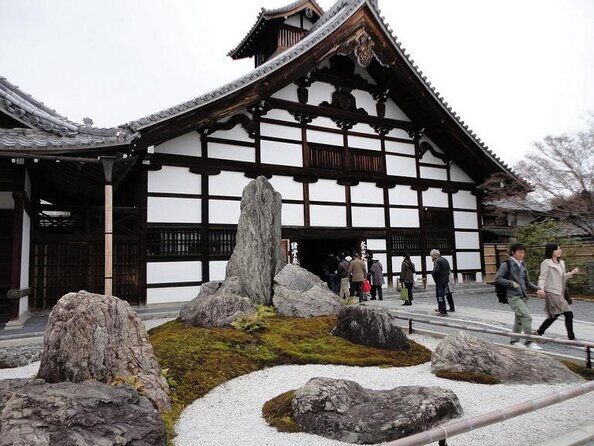
Kyoto is one of those places where the morning can feel like a different city. This tour is designed for that reality: you visit the headline stops before the tour-bus wave shows up and before the streets get tight.
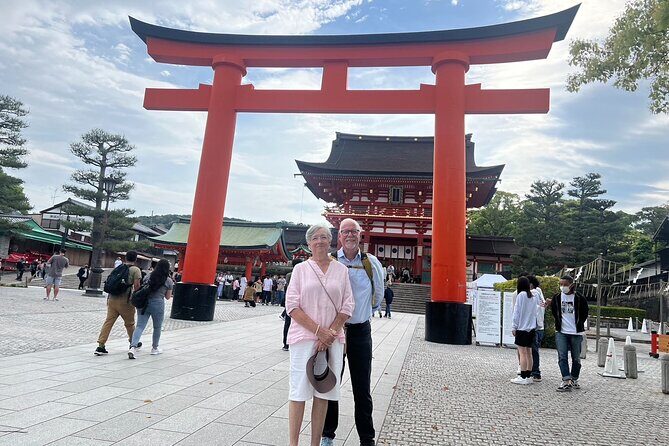
That timing changes everything at Fushimi Inari-taisha. The torii gates look more magical when you can actually see them, not when you’re photographing around other people’s heads.
It also makes Arashiyama’s bamboo grove feel less like a line and more like a walk. The bamboo sways, the air is cooler, and you get a chance to slow down for photos without constantly waiting for space.
Then you roll into Kinkaku-ji while the morning still feels calm. Even if the temple is famous year-round, arriving early helps you experience it at a more human pace.
Other guided tours in Kyoto

Price and duration: what your money and minutes are buying
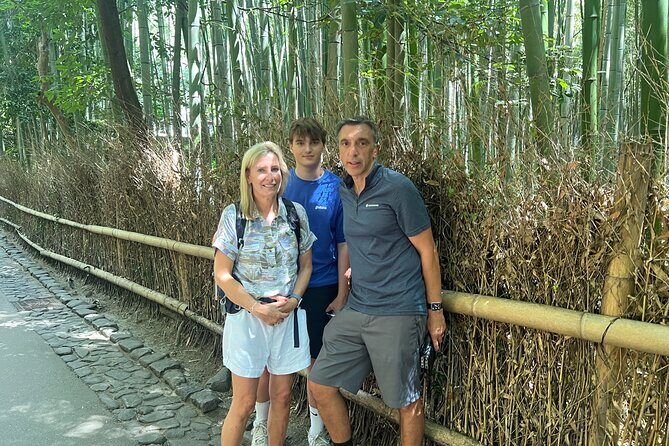
The base price is $68.98 per person, and the best value here is time saved. In Kyoto, it’s not hard to spend your limited day figuring out routes, where to start, and what order makes sense—this tour gives you that structure.
The tour runs about 5 to 6 hours including travel time. That’s long enough to hit three “must-see” places, but short enough that you keep your afternoon to yourself for slower wandering.
Budget for the add-ons. Kinkaku-ji admission is ¥500 per person, and public transportation fare is about ¥1,240 (not included). When you add those, you’ll be closer to a “real total” travel cost than the base ticket alone—but you’re also paying for an English guide and organized routing.
There’s also a practical advantage: you get a mobile ticket. That’s one less thing to manage at stations or check-in points.
A small group matters: how guides keep the pace
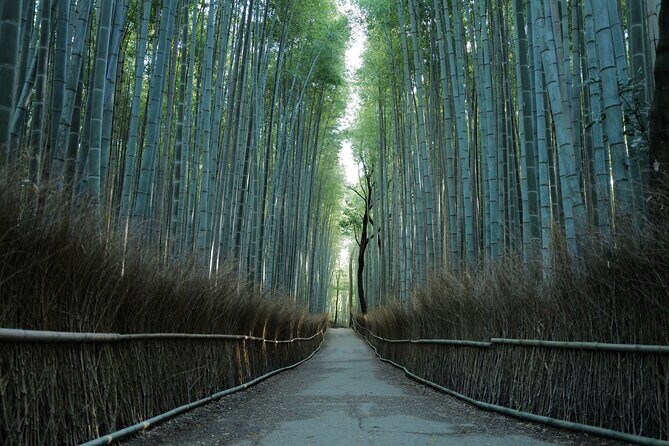
This tour caps at 8 travelers, which is a big deal in Kyoto. With a smaller group, the guide can adjust the pace, keep everyone together, and spend time on explanations without dragging you through a bottleneck.
The guides are a standout. In the groups shared here, Haruki is praised for being patient and fun with a 10-year-old, while Akira is highlighted for making the history land in a way that felt personal. Aya gets praise for efficiency and for guiding guests through the bamboo grove, shrine area, and temple with a steady flow.
Another thing I like: the tour isn’t just “walk, look, move on.” Guides help you understand what you’re seeing and how to move between stops using public transit, which makes the whole morning feel less stressful.
You’ll get a calmer rhythm, with enough photo opportunities and breaks that don’t feel rushed. One guest noted there was even some free time after the bamboo forest, which matters because it lets you breathe instead of sprinting.
Fushimi Inari-taisha before the lines: walking the torii gates
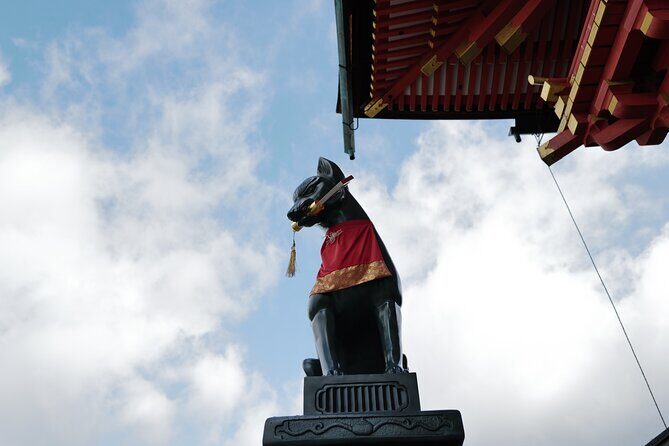
Fushimi Inari-taisha is the obvious headline. What’s less obvious is how different it feels depending on when you arrive.
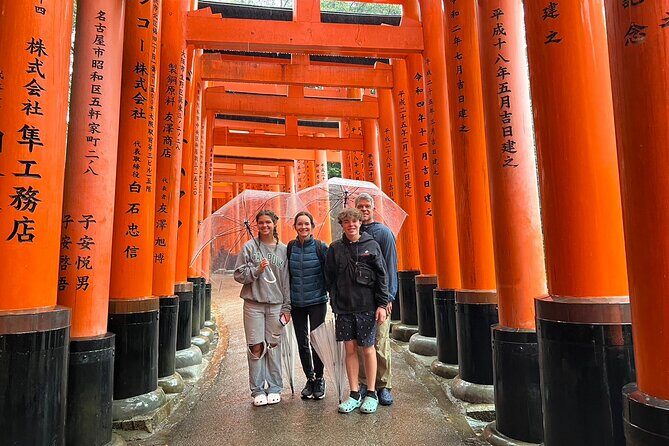
On this tour, you spend about 1 hour here. That’s enough time to walk the gate paths, soak in the scenery, and take photos without standing in the thickest crush. The torii corridor can be visually overwhelming in the afternoon; in the morning, it’s a walk you can actually enjoy.
The shrine is also a great “first Kyoto” stop because it teaches you the vibe fast. The place is instantly recognizable, yet the guide can help you understand why the red gates and winding approach matter.
Photo tip: if you want the classic gate tunnel shots, go for side angles when the path is busy. Early morning gives you the best chance to use central viewpoints without other people turning your photos into a crowd scene.
The other underrated benefit is that early access lets you check off a major sight before the day gets hotter and busier. You’ll likely feel like you started strong, not like you’re still trying to catch up.
Arashiyama Bamboo Grove in calm light, plus a breather
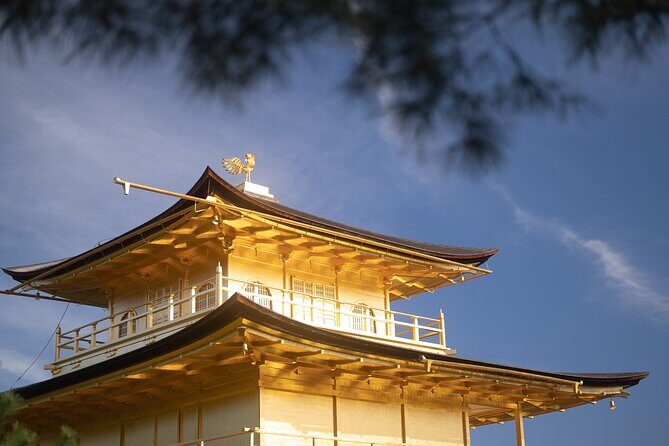
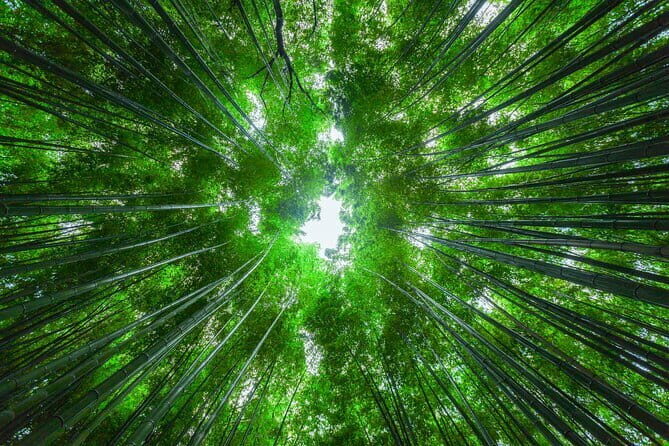
After Fushimi Inari, you head to Arashiyama, with another 1-hour stop. The bamboo grove is famous for a reason: tall shoots, shifting shadows, and a quiet visual rhythm that feels almost cinematic.
This is where the early timing becomes your secret weapon. With fewer pedestrians, you can take photos without constantly stepping around people. You also get more space to enjoy the atmosphere rather than just survive it.
The bamboo grove experience is also great for mixed travel styles. If you love photography, you can slow down and frame shots. If you’re more into culture and stories, your guide can put the place into context so it’s not just a pretty path.
Plan for walking. The area is easy to spend time in, but you’ll still be on your feet, moving along pathways and back toward the group.
You may also get a bit of free time after the bamboo forest. That matters because it lets you adjust to your pace—grab a quick bite, take extra photos, or just sit for a minute before the temple stop.
A few more Kyoto tours and experiences worth a look

Kinkaku-ji Golden Pavilion: planning for the extra fee
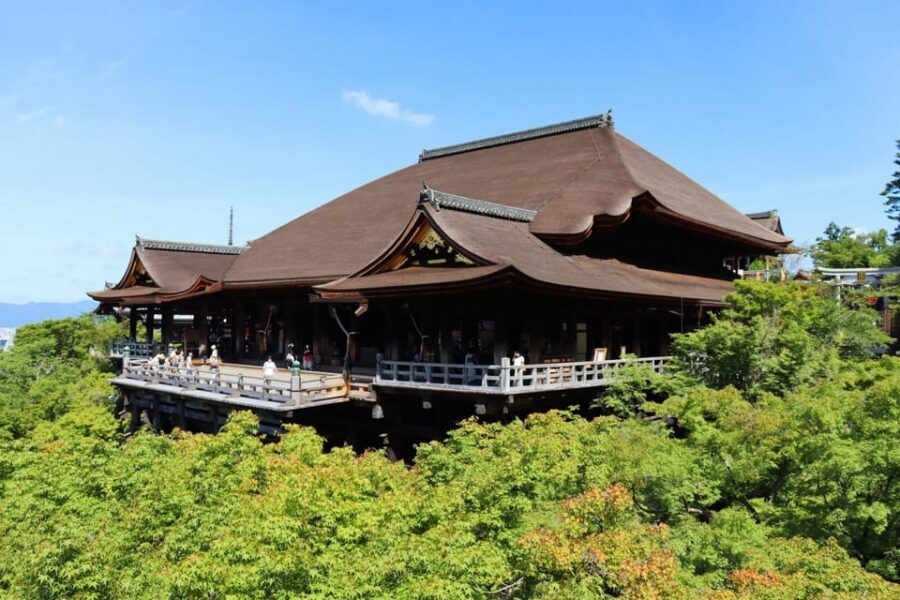
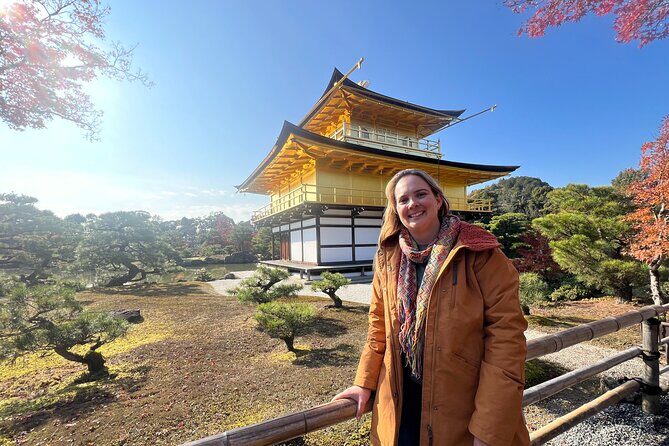
Kinkaku-ji is the final marquee stop, and it’s built for first-time wow. Expect about 1 hour here.
The Golden Pavilion stands out right away. But the morning version feels different: the light is softer, the area can be less congested, and you get a better chance to appreciate the temple without constantly weaving through groups.
Important logistics: the ¥500 admission for Kinkaku-ji is not included. This is the one “pay at the gate” item you should have in mind ahead of time, so you’re not surprised mid-tour.
What I like about ending here is momentum. You’ve already “earned” the calmer morning conditions by hitting Inari and bamboo first, so Kinkaku-ji lands as a satisfying finish instead of another stressful stop.
Weather can matter. If conditions are poor, the tour may be changed or canceled, depending on the day’s circumstances. If that happens, you’ll be offered a different date or a refund.
Learning the transit basics so you can keep going
A big part of the value isn’t just the three stops—it’s how you move between them. The tour includes help with using public transit, and that can be genuinely useful in Kyoto.
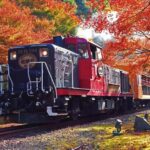
One of the most memorable details shared is the chance to ride the same commuter train as locals. That’s practical because it teaches you the feel of the system, not just the route name.
Even if you only use a fraction of what you learn, you’ll walk away with better “map sense.” After this tour, you’re less likely to feel lost trying to stitch together your own afternoon plans.
The tour is also described as being near public transportation, which helps keep logistics simple. You’re not starting deep in the countryside or from a hard-to-reach meeting point.
Photo timing and crowd control that actually works
If you’re chasing photos, early starts are not a luxury—they’re the difference between a clean shot and constant editing.
This tour’s whole rhythm is built around “less pedestrian interference.” In practice, that means more space to get the shot you want at Fushimi Inari’s gate paths, better opportunities in the bamboo grove, and a calmer look at the Golden Pavilion grounds.
Here’s the simple strategy I’d use during the tour:
- Take your quick wide shots first, while you’re still fresh.
- Then switch to side angles or quieter corners for more detailed frames.
- Let your guide know what you’re aiming for so they can point you toward easier spots.
Because the group is capped at 8, you’re less likely to be stuck waiting your turn in narrow areas. It’s a small difference that makes a big impact on photo sanity.
Who this early-morning Kyoto tour suits best
This tour fits well if you want a structured introduction to Kyoto without feeling trapped in a full-day frenzy. You’ll cover three top sights in 5–6 hours, then you still have the afternoon to explore at your own tempo.
It’s also a good match if you’re traveling solo or as a couple and you’d rather not spend your morning planning trains and routes. The transit coaching helps you feel confident going back out on your own afterward.
Families can do well too, as long as everyone is okay with moderate walking. In the groups shared, guides are praised for patience and for keeping children engaged, which is a strong sign this isn’t just a lecture-style outing.
If you hate early mornings, this might feel like a push. The tradeoff is that you get Kyoto’s quietest version—so decide if that’s your priority.
Should you book this Kyoto early start tour?
Book it if you want the classic Kyoto highlights in a small group, with an English guide, and you care about seeing them before they turn into lines. The best value is the combo of early timing, organized transit, and guided context—so you get results without the stress.
Consider skipping or choosing something else if you want a slower, deeper day in one neighborhood only, or if you already have a strong handle on Kyoto transit and prefer total self-guided freedom. Also, if you’re not comfortable with walking, you might find three stops in one morning too active.
My bottom line: this is a smart “starter Kyoto” tour. If you treat it like a focused morning sprint followed by a relaxed afternoon, you’ll get what most people want out of Kyoto—big sights, calmer streets, and a much easier way to keep exploring.
FAQ
What attractions are included in the tour?
The tour visits Fushimi Inari-taisha Shrine, Arashiyama Bamboo Grove, and Kinkaku-ji (Golden Temple).
How long does the Kyoto early morning tour take?
It lasts about 5 to 6 hours, and travel time is included.
Is the tour price all-inclusive?
No. The listed price includes an English-speaking guide, but public transportation fare and Kinkaku-ji admission are not included.
How much is the Kinkaku-ji admission fee?
Kinkaku-ji admission is ¥500 per person and is not included in the tour price.
How much is the public transportation fare?
Public transportation fare is about ¥1,240 and is not included.
How big is the group?
The tour has a maximum of 8 travelers.
Are there different early morning options to choose from?
Yes. You can choose from multiple early AM tour options for flexibility.
Is the meeting point convenient for using public transit?
Yes. The tour information says it is near public transportation.
What happens if the tour is canceled due to weather?
This experience requires good weather. If it’s canceled due to poor weather, you’ll be offered a different date or a full refund.
FAQ
Can I get a refund if I cancel?
Yes. Cancellation is free up to 24 hours before the experience’s start time for a full refund.
What fitness level do I need?
The tour states that travelers should have a moderate physical fitness level.