Sake gets serious in Fushimi. This 3-hour Kyoto experience takes you into the Fushimi Sake District and connects the craft of brewing to the flavors you’ll taste. You’ll start at the Gekkeikan Okura Sake Museum, then compare different styles side by side with a certified guide in English.
I especially like the way the tasting is structured. You’re not just handed samples. You learn how what shapes sake flavor—like brewing choices and sake style—translates to what’s in your glass, then you get a sake cheat sheet to help you remember what you liked and how to order later.
One consideration: the first half includes about 1.5 hours of walking and standing. If you’re hoping for mostly seated, you may want to choose a more seated-friendly alternative from the same operator.
In This Review
- Key Things You’ll Notice Right Away
- Entering the Fushimi Sake Scene at Gekkeikan Okura
- The Walk + Museum Setup: Learn First, Taste Better
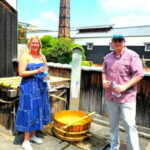
- Inside Gekkeikan Okura Sake Museum: Brewing Basics That Actually Change the Sip
- If the museum is unexpectedly closed
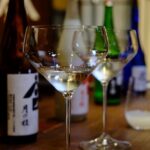
- The Main Event: Side-by-Side Sake Tasting in the Dedicated Room
- What you’re learning while you taste
- Hot or cold matters more than you think
- Otsumami Pairing: Why Your Favorite Changes With the Snack
- Reading Sake Bottles Like a Grown-Up (In a Good Way)
- Getting Value From an $87, 3-Hour Experience
- Who This Tour Fits Best (And Who Might Want Another Option)
- A Quick Practical Plan for Your Day in Kyoto
- Should You Book This Kyoto Sake Brewery Tour?
- FAQ
- Where does the tour start?
- How long is the experience?
- What’s included in the tasting?
- Do I need to be a sake drinker to join?
- What language is the tour?
- What happens if the Gekkeikan Okura Sake Museum is closed?
- Can vegetarians or vegans join?
- Is this tour suitable for children or young teens?
- Are there rules about alcohol service?
- What should I know about timing and late arrivals?
- Is transportation included?
Key Things You’ll Notice Right Away

- Expert-led tastings with 10+ sake types selected to help you find your style fast
- Museum learning at Gekkeikan Okura Sake Museum, with a backup brewery if it’s closed
- Otsumami food pairing that shows how flavor changes with what you eat
- Hands-on label reading tips, so you can order in Japan without guessing
- Hot vs cold serving guidance and practical pairing advice for sushi and beyond
- High-energy guides in English, with names like Kyoko, Miyuki, Momo, Chika, and Mayo showing up often in recent feedback
Entering the Fushimi Sake Scene at Gekkeikan Okura
Your tour meeting point is the Gekkeikan Okura Sake Museum. Go to the entrance and look for your guide inside. If you’re searching by address, use 697 Motozaimokuchō, Fushimi Ward, Kyoto, 612-8043, Japan.
This spot matters. Fushimi is one of Kyoto’s most famous sake neighborhoods, and it’s not just a nice backdrop. The whole area is built around the idea that sake is local culture, not a museum piece. So the learning hits differently here. You’ll get the sense that this is still a living craft.
Also, the tour includes skipping the ticket line. That sounds minor, but in Japan, it’s a real time-saver—especially when you’d rather be sampling and asking questions.
Other sake brewery and tasting tours in Kyoto

The Walk + Museum Setup: Learn First, Taste Better

About the timing: the first half is roughly 1.5 hours of walking and standing. You’ll be on your feet, moving through museum content and the brewing story before the tasting begins.
I like this order. It keeps the tasting from turning into random sipping. Instead, you get a mental framework first, then your palate does the job of confirming what you learned. And the guides tend to bring it to life with clear explanations and pacing that works well for both first-timers and people who already drink sake.
One practical note: if you arrive more than 20 minutes late, your booking is canceled. And alcohol won’t be served to guests arriving by car or bicycle for safety and legal reasons (non-alcoholic drinks are available). So if you’re planning transport, build in a buffer.
Inside Gekkeikan Okura Sake Museum: Brewing Basics That Actually Change the Sip
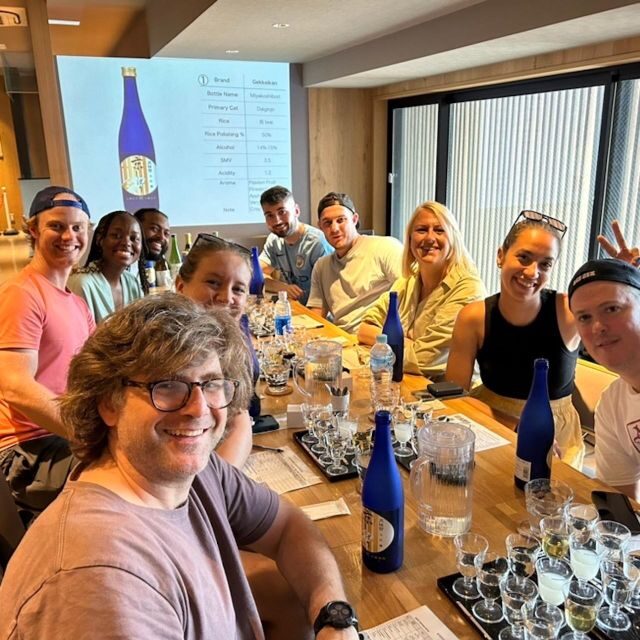
At the museum, you’ll get the essentials of sake brewing—what matters for flavor and style. The tour description doesn’t promise boring lectures. It promises understanding. And that’s exactly what the repeated feedback points to: guides like Kyoko and Miyuki are praised for explaining the process in a way that’s easy to follow, then connecting it to the tasting.
You’re also learning the framework you’ll use again later when you’re reading bottles in shops or menus at restaurants. The museum tour portion is where you’ll start noticing that sake isn’t one thing. It’s a spectrum.
If the museum is unexpectedly closed
You’re not left hanging. If it’s closed, the visit may take place at another historic brewery in Fushimi. That backup plan is important because it protects the core experience: learning the brewing story in the district where it belongs.
The Main Event: Side-by-Side Sake Tasting in the Dedicated Room
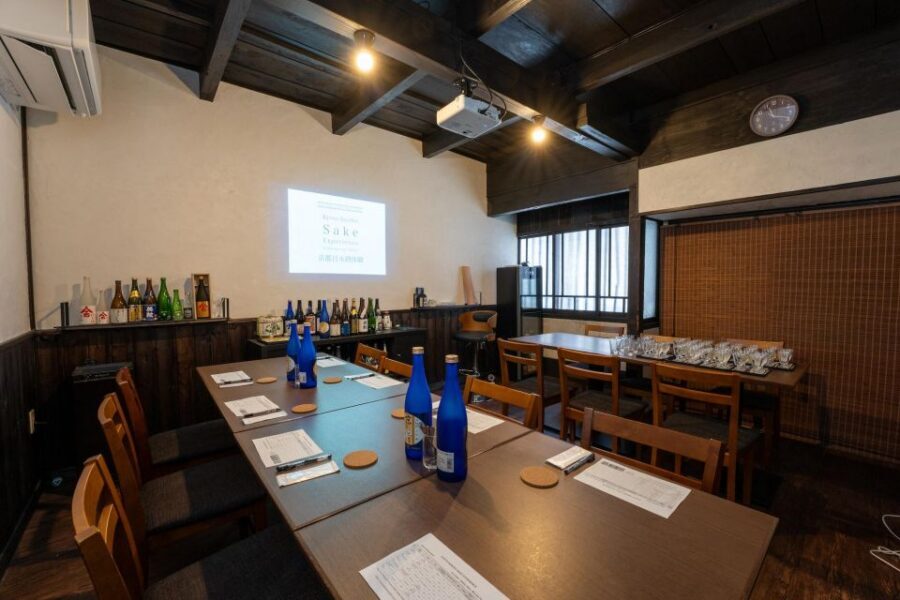
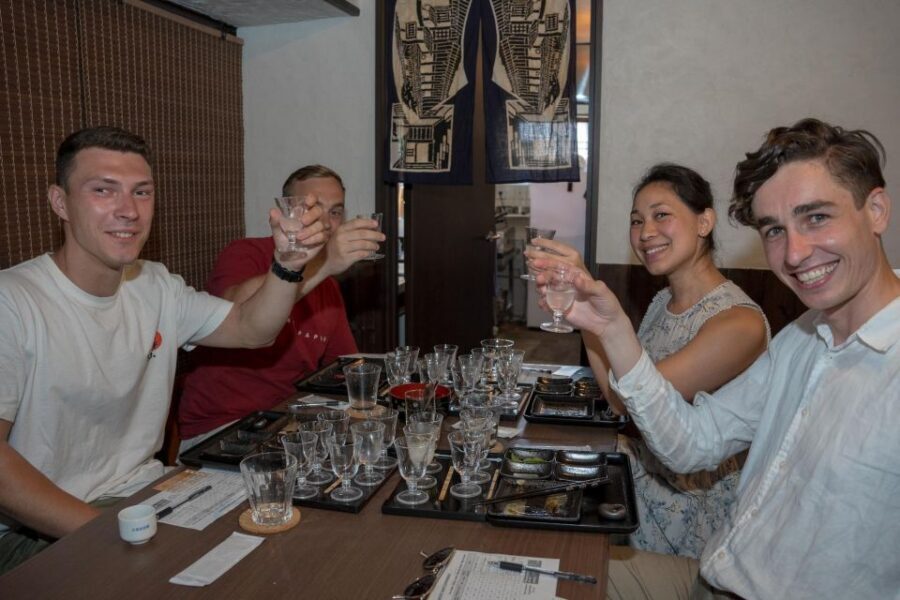
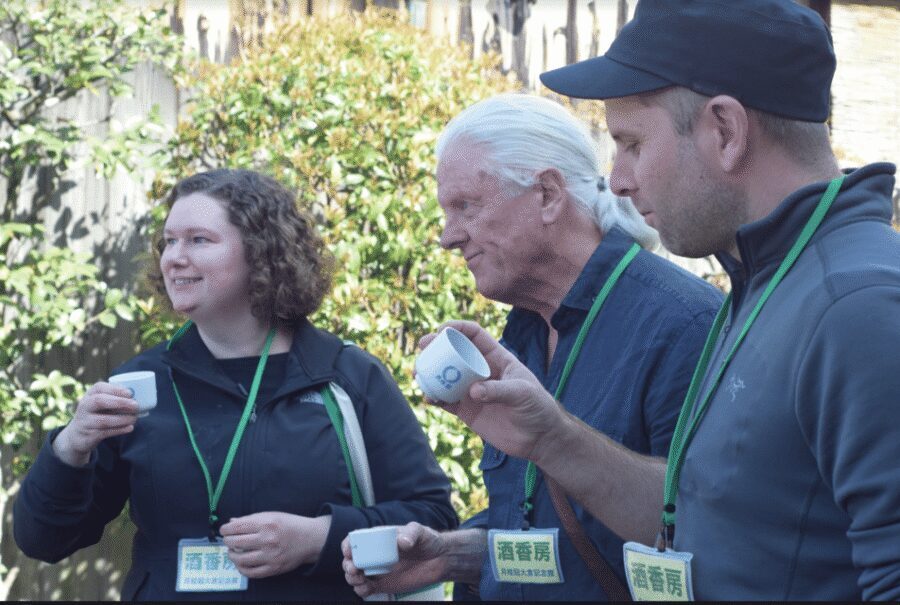
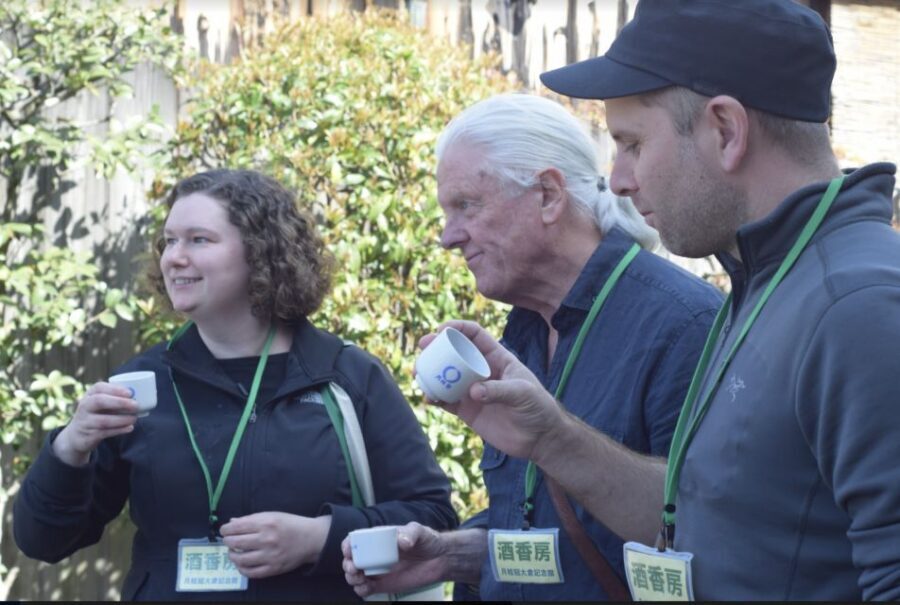
After the museum, you’ll move into a guided sake tasting session in the tour operator’s own dedicated room. This is where the experience shifts from learning to decision-making.
You’ll taste 10+ sake types, selected by a certified sake sommelier. The best part is the side-by-side format. It’s hard to understand sake differences when everything comes at random. Here, the progression helps you compare dry vs. crisp, fruity vs. rich, and other style differences in a way your brain can actually track.

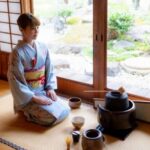

What you’re learning while you taste
This tour doesn’t just ask you to notice flavor. It teaches you what to look for, including:
- How sake styles can taste different even when you’re drinking the same “category”
- What creates those differences
- How to recognize what you personally enjoy
In guide feedback, the “I know what to order now” theme shows up again and again. People mention leaving with the confidence to buy bottles and choose in restaurants—sometimes even after trying sake for the first time. That’s not luck. It’s the structure: tasting notes, guided recommendations, and a cheat sheet that turns your experience into something you can use.
Hot or cold matters more than you think
You’ll also get practical tips on enjoying sake in Japan—specifically when to drink it hot or cold. That’s a huge deal because the same bottle can feel like a different drink depending on serving temperature. The tour helps you avoid the common mistake of treating sake like beer: one service method for everyone.
Otsumami Pairing: Why Your Favorite Changes With the Snack
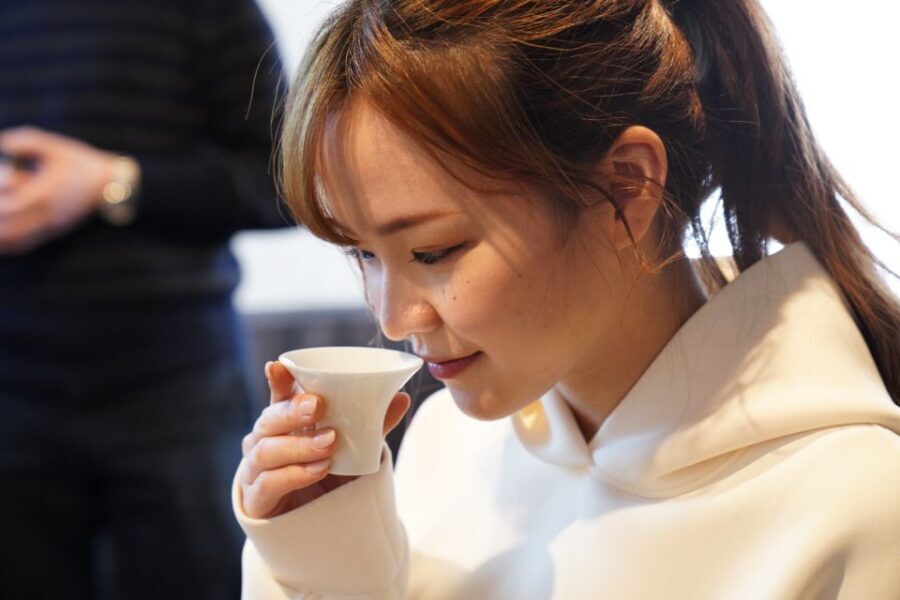
Food pairing is a real highlight here. You’ll taste sake with otsumami, traditional Japanese appetizers. And you’ll learn how pairing changes aroma and flavor.
This is one of those lessons that sounds obvious until you try it. A sake that feels sharp on its own can feel smoother with the right bite. Another that seems sweet might feel more balanced when paired correctly. The pairing helps you connect sake style to real eating, not just tasting notes.
The pairing section also gives you a bridge to Japan’s restaurant reality. In Japan, sake menus can be confusing fast. If you already understand how sake behaves with different flavors in food, ordering gets easier and more fun.
If you want a specific takeaway for meal planning: the tour includes tips about which sake types pair best with sushi. That’s practical knowledge you can use the very night you return to your hotel.
Reading Sake Bottles Like a Grown-Up (In a Good Way)
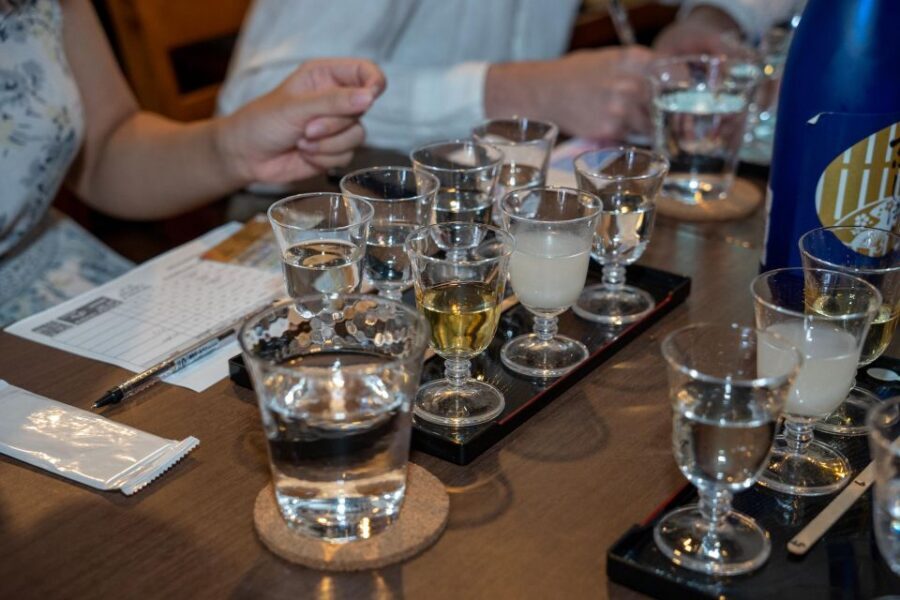
One of the reasons people love this tour is that it stops at the tasting and goes one step further: you learn to read sake bottles and menus so ordering becomes straightforward.
A cheat sheet helps you take the tasting room experience back into stores and restaurants. And the recurring praise for the “presentation” and easy-reference format matters. In Japan, you don’t want to be translating in real time while everyone else is waiting for you to make a decision.
So what does this buy you?
- You can recognize styles quickly
- You can match your preference (dry, crisp, fruity, rich) with what you’re seeing on labels
- You can ask better questions instead of just pointing and hoping
Guide feedback repeatedly mentions this label-reading confidence. People come away feeling like they can choose something they’ll like, not just something that sounds interesting.
Getting Value From an $87, 3-Hour Experience
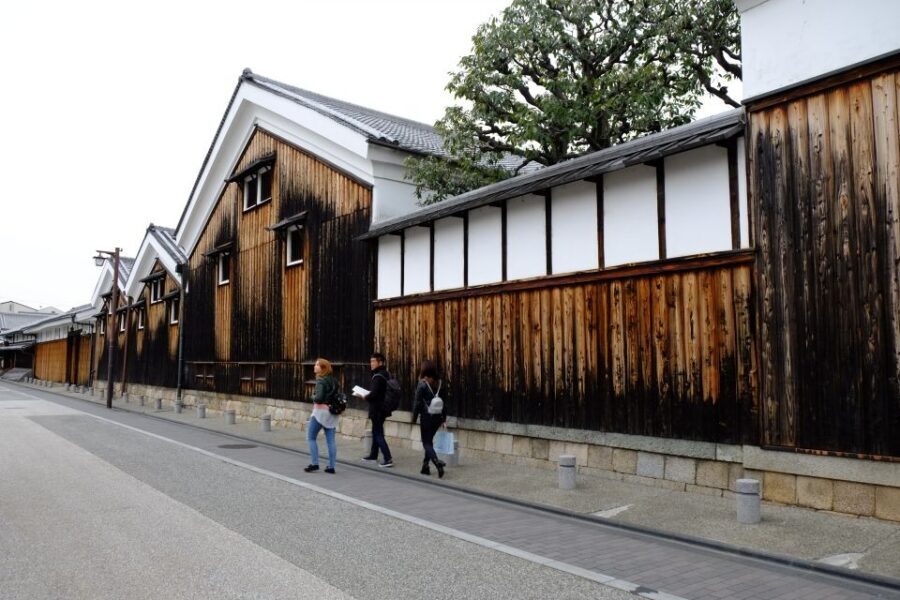
Let’s talk value honestly. At $87 per person for 3 hours, you’re paying for:
- A certified English-speaking guide
- Entry and a guided tour at the Gekkeikan Okura Sake Museum
- A structured tasting of 10+ sake types
- Otsumami included for pairing
- A tasting note system / sake cheat sheet
- A dedicated tasting room for the session
The biggest value isn’t the price tag. It’s that this is set up to teach you patterns, not just flavors. You’re not doing a DIY tasting where you lose track of what you liked and why. You’re learning how to choose again later.
If you’re the type who buys souvenirs anyway, this tour also gives you better bottle-buying instincts. Several recent visitors mention leaving with bottles and confidence afterward. That’s a sign the experience is doing its job.
Who This Tour Fits Best (And Who Might Want Another Option)
This is built for you if:
- You like sake but don’t know what to order
- You want more than a quick “sample and go” tasting
- You enjoy learning how a food or drink works, then using that knowledge right away
- You want practical pairing advice you can use at Japanese restaurants
It may not be ideal if:
- You have low fitness and don’t want to stand and walk for about 1.5 hours early on
- You need wheelchair access (not suitable for wheelchair users)
- You’re traveling with kids (it’s not recommended for children, and it lists restrictions for children under 12 and under 3)
- You’re pregnant (listed as not suitable)
- You’re under 20 (Japan’s legal drinking age is 20; under-20 guests get non-alcoholic drinks)
Also, alcohol rules apply in a practical way for transport (car/bicycle arrivals won’t be served alcohol). If alcohol is the main point, plan accordingly.
A Quick Practical Plan for Your Day in Kyoto
Here’s how I’d fit this into your schedule. Keep the rest of your day loose after the tour. Even with the education, you’ll still want time to chill, compare what you tasted, and maybe pop into nearby shops in Fushimi with your new cheat sheet brain switched on.
And do your homework on hunger. You’ll be tasting a lot, and food pairing is part of the flow. If you arrive starving, you’ll enjoy the pairing more. If you arrive too full, you might miss subtle differences. Either way, you’ll probably leave thinking, not just sipping.
Should You Book This Kyoto Sake Brewery Tour?
I’d book it if you want a real upgrade in how you understand and order Nihonshu. The museum-to-tasting structure is what makes this worth your time. You get learning, then you test it immediately through side-by-side tastings and otsumami pairing.
Skip it only if standing and walking aren’t your thing, or if you need lots of access accommodations this format can’t support. Otherwise, this is the kind of Kyoto experience that pays off later: at restaurants, in bottle shops, and at the moment you realize you can finally pick sake without playing label roulette.
FAQ
Where does the tour start?
The meeting point is inside the entrance of the Gekkeikan Okura Sake Museum. Use the address 697 Motozaimokuchō, Fushimi Ward, Kyoto, 612-8043, Japan if you’re searching by location.
How long is the experience?
It’s 3 hours.
What’s included in the tasting?
You’ll have a guided sake tasting of 10+ types selected for you, plus otsumami for food pairing. The tour also includes the museum entry fee and guided tour.
Do I need to be a sake drinker to join?
You must have a reservation, and guests without a reservation (including children and non-drinkers) will not be allowed. If you’re under the legal drinking age, you’ll be served non-alcoholic drinks.
What language is the tour?
The tour is English with a live guide.
What happens if the Gekkeikan Okura Sake Museum is closed?
If the museum is unexpectedly closed, the visit may take place at another historic brewery in Fushimi.
Can vegetarians or vegans join?
Yes. Vegetarian/Vegan options are available. Let the guide know at the site about any food preferences or allergies.
Is this tour suitable for children or young teens?
It’s not recommended for children, and it lists not suitable for children under 3 and under 12. It also lists not suitable for people under 19.
Are there rules about alcohol service?
Yes. For safety and legal reasons, alcohol will not be served to guests who arrive by car or bicycle (non-alcoholic drinks are available). Japan’s legal drinking age is 20.
What should I know about timing and late arrivals?
If you’re more than 20 minutes late, your booking will be canceled.
Is transportation included?
No. Transportation to and from attractions is not included. Hotel pickup and drop-off are also not included.