A Maiko dinner is Kyoto in motion.
This experience pairs Maiko performance with traditional Kyoto cuisine, so you get culture you can see and taste, not just read about. The best part is the close access: you’re not stuck watching from far away.
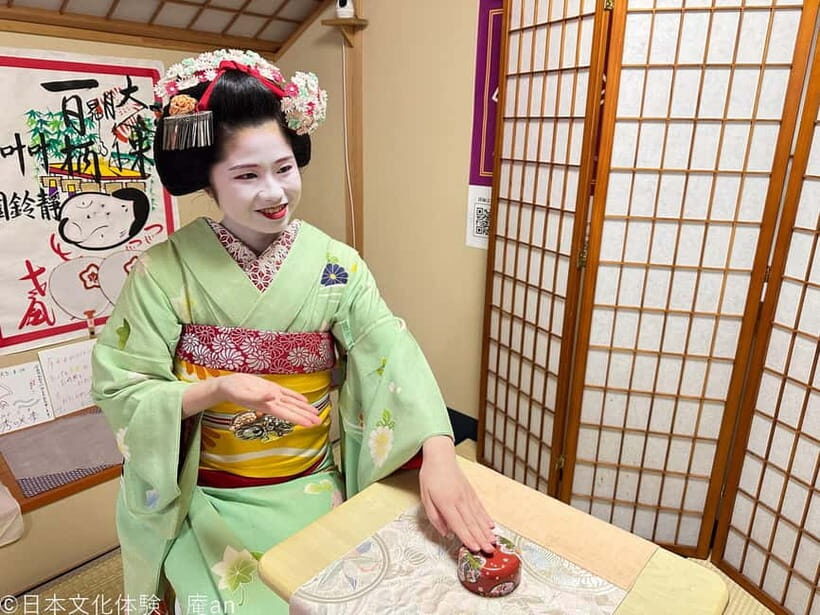
What I love most is the up-close photo with the performer, plus the Q&A where you can ask real questions about her daily life. I also like that the program doesn’t just stage a dance and leave; you’ll see multiple parts of the Maiko world in one smooth 90-minute visit.
One drawback to consider: the venue is in a building (not a classic ochaya), and you’ll need stairs since there’s no elevator.
In This Review
- Key things to know before you go
- Why a Kyoto Maiko lunch or dinner hits differently
- The 90-minute flow: tea ceremony demo, dinner, Q&A, dances
- What you’ll eat: Kyoto dishes built around dashi and tradition
- The up-close magic: Q&A, photos, Senjyafuda, and that interactive game
- Two dances and how to watch them like a pro
- Where it happens: not an ochaya, plus stairs and timing reality
- Price and value: is $63 worth it?
- Who should book this Kyoto Maiko experience
- Should you book Lunch or Dinner with Maiko?
- FAQ
- What is the duration of Kyoto: Lunch or Dinner with Maiko?
- Where is the meeting point?
- What’s included in the price?
- Is a tea ceremony included?
- Will I meet the Maiko and get photos?
- Are there options for better seating?
- Can the performer be different from a Maiko?
Key things to know before you go
- Two dances, close to the action: you’ll watch a pair of Maiko performances tied to seasonal and everyday themes.
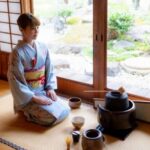
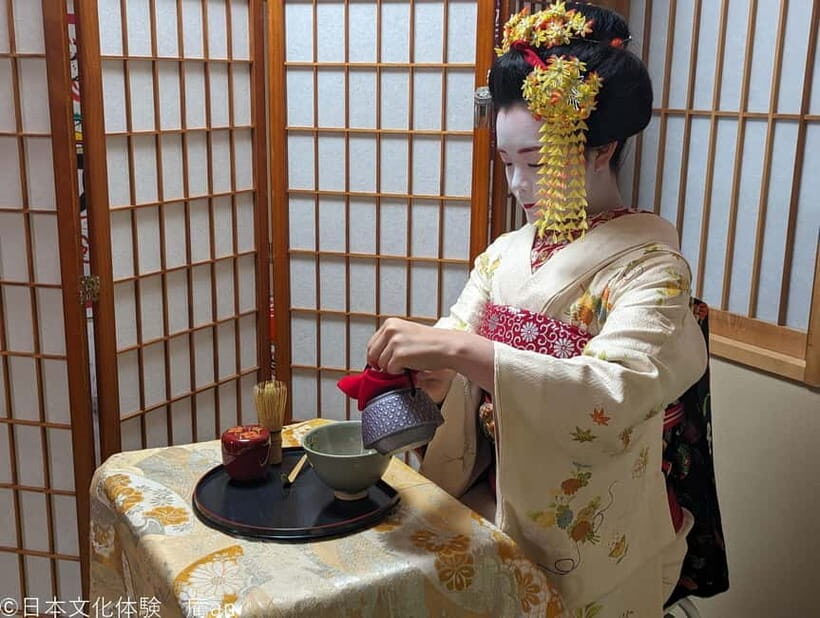
- Tea ceremony demonstration in the schedule: etiquette and movements come first, with an optional tea-making add-on.
- Q&A plus interactive game: you’ll get direct answers and a fun moment where hospitality turns into participation.
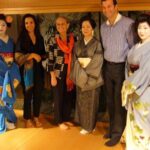
- Photo right beside Maiko: you’ll get a commemorative picture up close.
- Senjyafuda lucky charm: the Maiko presents you with this special gift during the program.
- Sometimes it’s Geiko instead of Maiko: the experience can shift depending on the situation, so keep an open mind.
Why a Kyoto Maiko lunch or dinner hits differently
Kyoto has performers who live inside tradition, not just perform it. A Maiko is built on years of practice: kimono details, hairstyle choices, and the daily etiquette behind the scenes. Seeing all of that while you’re eating Kyoto food is a very practical way to understand the culture.
I like how this experience gives you context. You’re not only watching a pretty show. You also get a chance to learn what the routine means and ask questions that make the whole thing feel personal and grounded.
Also, the setting is designed to feel friendly. It’s not a stiff formal tea house vibe where you can’t breathe. You’re in a building, and the staff keeps things relaxed, which matters if you’re doing this after a busy day in Kyoto.
A few more Kyoto tours and experiences worth a look


The 90-minute flow: tea ceremony demo, dinner, Q&A, dances
The program is tightly timed for a quick but full experience. You’ll start with a tea ceremony demonstration by the Maiko, then move into the meal, then pivot into the talk-and-performance parts. Here’s how the sequence works in real time.
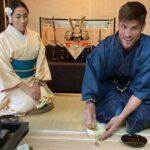
First, you’ll watch the tea ceremony demonstration. Even if you’ve seen tea ceremonies before, this one is useful because it highlights etiquette and the graceful movements that people often skip over in photos and videos. If you want to do more, there’s an optional tea-making experience you can add (extra cost).
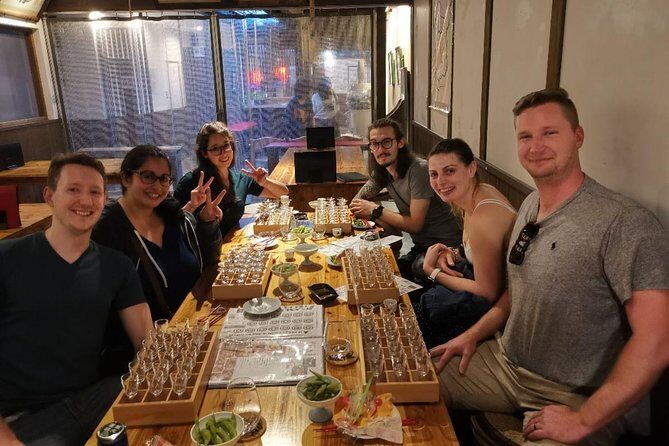
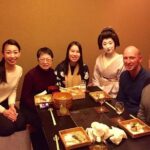
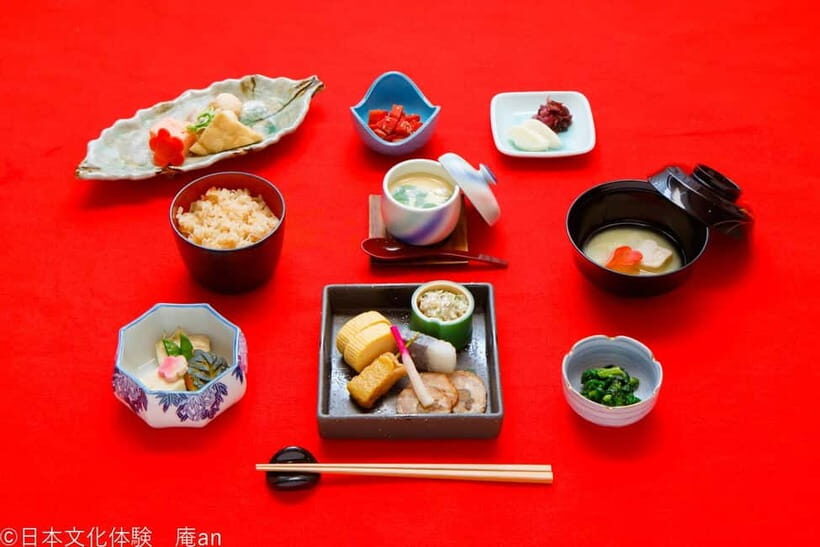
Next comes the Kyoto dinner prepared by a long-established restaurant. You’ll eat traditional dishes, with Kyoto cooking flavors that lean heavily on dashi, the soup stock that gives many Kyoto meals their calm depth. In practical terms, this is where you slow down and taste what you’re learning about.
After dinner, the program shifts into conversation: a Q&A session. This is a big deal. You’re getting insight into her world straight from her perspective, not through a script that only covers surface points. It’s also the moment where it helps to have a few simple questions ready, like how her training affects her daily routine.
Then you’ll get your photo opportunity. This is meant to be up close—right beside the Maiko—so you can capture the kimono details and styling that you might miss when you’re standing with a crowd.
You’ll also receive a lucky charm called a Senjyafuda as a special gift. It’s a small object, but it turns the visit into something you can bring home that’s linked to the performance and hospitality.
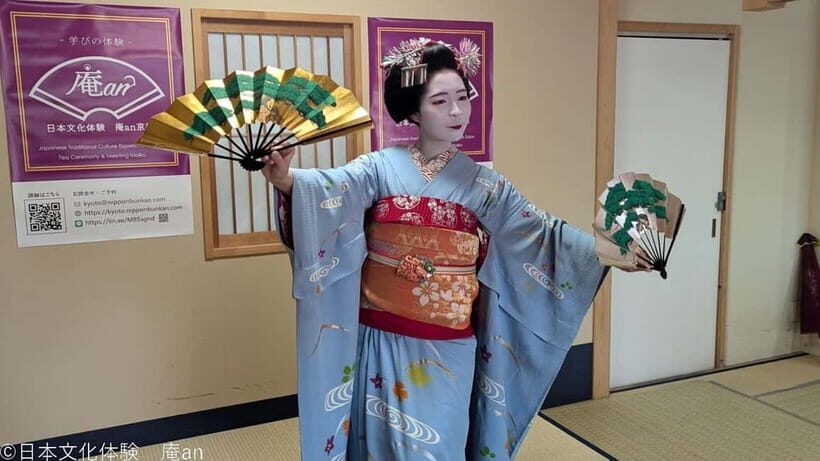
Finally, you’ll watch the dance performance—two traditional dances that express themes like the seasons, love stories, or everyday life. The interactive game with the Maiko comes in as part of the hospitality too. Even if you mostly watch, it adds a human tone that makes the show feel alive rather than rehearsed.
What you’ll eat: Kyoto dishes built around dashi and tradition
The meal is traditional Kyoto cuisine, prepared by one of the city’s long-established restaurants. The big cooking clue is dashi. It shows up often, because Kyoto food is known for elegant flavors that don’t rely on heavy sauces.
You should also expect a style of dining that fits Kyoto habits. The information provided for the program points to delivery as a common traditional practice in the city, called Shidashi. That matters because it suggests the food is meant to taste like Kyoto’s careful routines, even if the venue is modern.
Now, here’s the honest part: food quality can be polarizing in short experiences like this. One negative review described an unpleasant meal situation and called the food hard to eat. Another review said the meal was fairly typical but not everyone’s favorite, and that the smell/flavor impact felt limited.
So if you’re primarily chasing top-tier dining, keep your expectations realistic. The food is part of the experience and is traditionally Kyoto, but the main event is the Maiko interaction and performance. If you’re also hungry, you may want to eat a light snack before you go so you don’t judge the experience harshly based on a single set menu.
The up-close magic: Q&A, photos, Senjyafuda, and that interactive game
This is where the experience earns its money. The schedule is built around proximity and personal contact.
In the Q&A session, you get the chance to ask questions directly and learn about the Maiko’s daily life. This isn’t meant to be a lecture. It’s more like a guided conversation where the Maiko’s answers bring tradition into focus.
Then comes the photo opportunity. You’ll take a commemorative picture right beside the Maiko. That’s the kind of detail that’s hard to replicate on your own in Kyoto, because access is usually limited to formal areas and tight viewing rules.
As a gift, the Maiko presents you with a Senjyafuda lucky charm. Little souvenirs are often just clutter, but this one ties to the performance moment and feels like an actual part of the ceremony-style hospitality.
You’ll also join in a simple interactive game. The program notes that Maiko sometimes play games with guests as part of their hospitality. Volunteers may jump in, but watching is still fun. The goal is not to test you. It’s to create a friendly, shared moment. In a country like Japan, that kind of structured warmth is often the difference between a show you watch and a moment you remember.
Two dances and how to watch them like a pro
The dance performance gives you two separate pieces, both traditional, with themes based on seasons, love stories, or daily life. Even without knowing every technical term, you can learn to read what you’re seeing.
Here’s how I’d watch: focus on hands, wrists, and the timing of movement. Kyoto dance style often communicates feeling through small changes, not big theatrical gestures. When the dance transitions, look at how the posture holds steady and then shifts. That control is part of why Maiko training matters.
You may also notice that the performance includes more than aesthetic posing. The program is built around storytelling—seasons, everyday moments, and romance themes. If you try to spot which theme is being expressed, the dances start to feel less like separate acts and more like a conversation with Kyoto culture.
Also, there’s a chance the performer could be a Geiko instead of a Maiko, depending on the situation. Don’t treat that as a downgrade. If it happens, you’re still seeing a skilled traditional performer, and the program description is clear that this swap can occur.
One more practical note from real feedback style: some people love the spectacle and the games more than the meal. If that’s your taste, you’ll likely feel satisfied because the dance and interaction are the core of the experience.
A few more Kyoto tours and experiences worth a look




Where it happens: not an ochaya, plus stairs and timing reality
Let’s talk logistics in plain terms.
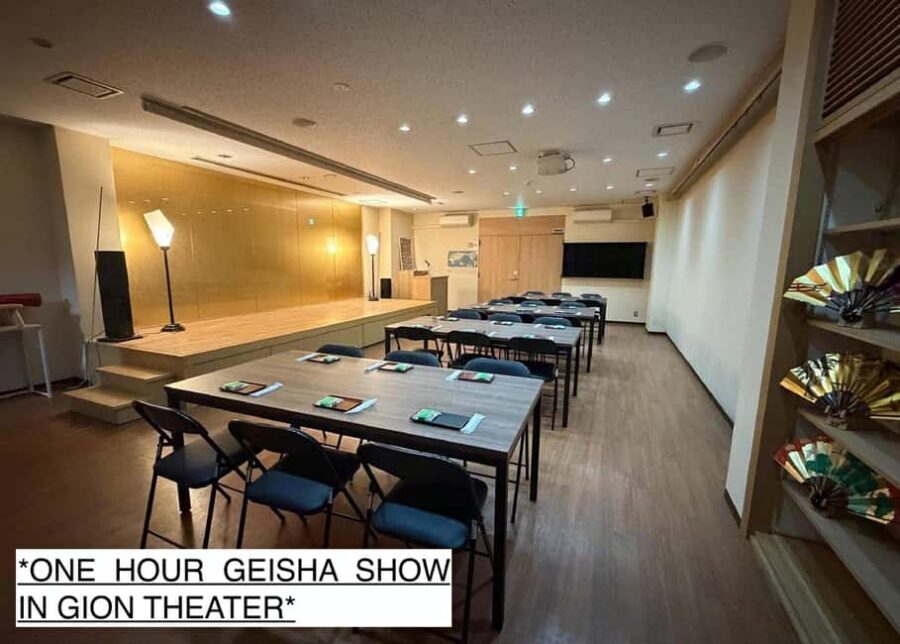
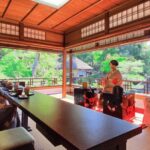
The venue is not an ochaya or a traditional house. It’s located in a building, but the atmosphere is relaxed and the staff is friendly. That can be a plus if you hate feeling like you’re in a museum display. It can also be a downside if you came specifically hunting for a very old-school Kyoto interior setting.
One review even mentioned lack of decor like screens or privacy-style partitions, and another review criticized the setting as more basic. Translation: don’t expect a fully staged, cinematic tea-house world every second. The focus is the performer, the tea ceremony demo, the dances, and the interaction.
There’s also no elevator. You’ll take stairs to reach each venue. If you’re carrying bags or you’re not steady on stairs, plan extra time.
Timing matters. The information says they can’t hold the event for delays. You should aim to arrive early, especially because the meeting point is a short walk from Subway Karasuma Line Gojo Station, Exit 1. It’s only about a minute walk, but you don’t want to cut it close.
English translation is provided as much as possible. If you want something specific, the provider asks you to contact them. The language listed is Japanese, so plan for a mix of translated moments and structured explanations.
Price and value: is $63 worth it?
At $63 per person for a 90-minute Maiko lunch or dinner, the value comes from what you can’t easily DIY in Kyoto.
You’re paying for:
- a guided tea ceremony demonstration
- a set traditional Kyoto meal
- a direct Q&A
- photo access right beside the performer
- a Senjyafuda lucky charm
- two dances plus an interactive game component
Most food and cultural shows in Kyoto charge for the performance. Here, the access level is the differentiator. The photo moment and Q&A are the parts that make it feel like more than a ticketed act.
That said, the meal can be the weak link for some people. If you’re a picky eater or you judge experiences by how memorable the food is, you might not love the menu. The safer way to think about it is: treat the meal as part of the cultural package, not as a restaurant review you’ll brag about.
If you’re considering a seat upgrade, there are options listed: SS seat (first row) for 3,300 JPY, S2 seat (second row) for 2,200 JPY, and S3 seat (third row) for 1,100 JPY. If your goal is maximum sightlines for the dances, the upgrade can be worth it. If you’re mainly there for the conversation and photo, standard seating may still work fine.
Also, kids under 2 are free as long as they sit on a parent’s lap. If a seat or meal is needed, the same fee as one person applies.
Who should book this Kyoto Maiko experience
I think this is a strong match if you want a concentrated, well-structured taste of Kyoto culture in a short time window. It’s ideal for first-timers who want the big cultural signals—kimono tradition, tea etiquette, and dance storytelling—without spending a whole day chasing multiple separate experiences.
You’ll likely enjoy it if:
- you like performance plus conversation
- you want a close photo and a direct cultural meet
- you’re comfortable with a set schedule that moves from tea to dinner to show
- you like Kyoto food flavors built around dashi
You might want to rethink it if:
- you expect an ochaya-style interior setting with heavy decor
- you judge value mostly by food quality
- you don’t like group experiences where multiple parts may happen at the same time (the program notes can involve mixed groups, and some feedback points to overlapping meal and prep moments)
If your top priority is pure dining, you might pair this with a better meal plan elsewhere in Kyoto. If your top priority is cultural access and performance, this is aimed at you.
Should you book Lunch or Dinner with Maiko?
Book it if you want a Kyoto experience with direct interaction: Q&A, a close photo, and two dances in about 90 minutes. The lucky charm and the structured tea moment make it feel more ceremonial than a typical dinner show.
Don’t book it if you’re chasing a full traditional house atmosphere or if you’re extremely food-critical. The venue setup can feel basic, and the meal’s impact varies by person.
My practical advice: come with the right mindset. This is a culture-and-performance package first, dinner second. Arrive early for the stairs and meeting point, prepare a few simple Q&A questions, and go in excited to watch the dance details, not just take pictures.
FAQ
What is the duration of Kyoto: Lunch or Dinner with Maiko?
The program runs for 90 minutes.
Where is the meeting point?
You meet about a one-minute walk from Exit 1 of the Subway Karasuma Line Gojo Station. The entrance faces Gojo-dori.
What’s included in the price?
The included portion is the dinner with Maiko. Children under 2 years old can be free if they sit on a parent’s lap.
Is a tea ceremony included?
A tea ceremony demonstration by the Maiko is included in the program. There is an optional tea-making add-on for an extra fee.
Will I meet the Maiko and get photos?
Yes. The schedule includes a Q&A session and a photo opportunity right beside the Maiko.
Are there options for better seating?
Yes. SS seat (first row), S2 seat (second row), and S3 seat (third row) are listed as paid seat options.
Can the performer be different from a Maiko?
Yes. Depending on the situation, the program may invite Geiko instead of Maiko.