Three hours can reshape Fushimi Inari.
This Kyoto hike takes you through forest trails and lesser-used paths, so you spend much of the walk away from the selfie crowd. You’ll start near Tofukuji, trace up toward Mount Inari through bamboo, shrines, and torii moments, then return via a different forest route that still lands you at the famous gate area for great photos.
What I like most: you get the quiet trails first, then the iconic sights later, and you’re not just walking—you’re learning how to approach torii and shrine spaces with respect. I also love the photo stops: guides will take pictures during the hike, and the route includes both popular lookouts and areas most people never see. One real drawback to plan for: it’s a hike (about 7 km total with stairs and uneven paths), and it’s not for limited mobility; plus mosquitoes and slippery conditions can show up if the weather turns.
In This Review
- Key highlights worth planning for
- Why Tofukuji sets up Fushimi Inari better
- From a convenience store to quiet shrines
- The bamboo grove detour: where photos feel less forced
- Connecting to the torii flow without getting swallowed by it
- Summit time: altars, pauses, and the view from higher ground
- Coming down through forests instead of repeating the same climb
- How hard is it really: 7 km, stairs, and forest footing
- Price and value: is $72 worth a 3-hour hike
- What the guide actually does on the trail
- Getting there and starting on time from Tofukuji Station
- My advice on timing, rain, and bug season
- Should you book this Fushimi Inari hidden-trail hike?
- FAQ
- Where is the meeting point for the Kyoto Fushimi Inari hike?
- How long is the tour?
- What is included in the tour price?
- Is the hike suitable for everyone?
- About how far do you walk?
- What should I wear or bring?
- Are large bags or luggage allowed?
- What can I do for food at the end?
Key highlights worth planning for
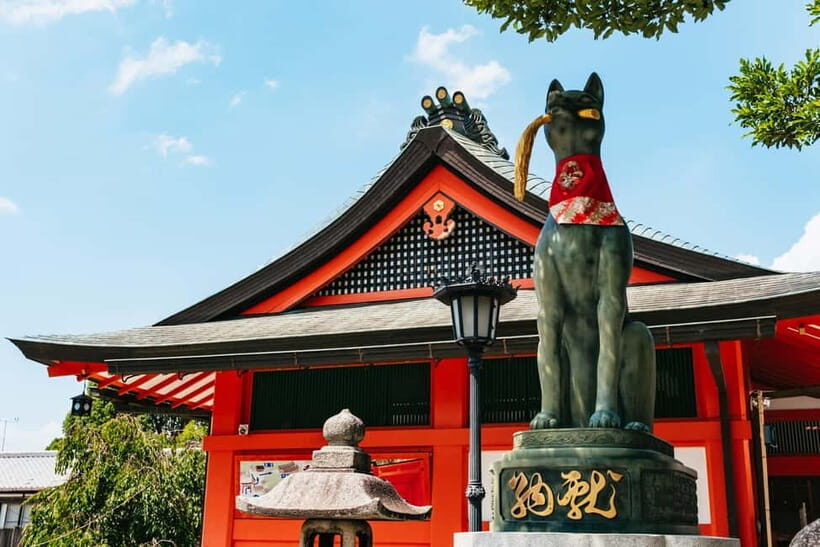
- Off-paved forest routes that keep most of the hike crowd-light
- Bamboo grove time on both the way up and the way back
- Summit altars and viewpoints with steady chances to pause and photograph
- Shrine etiquette coaching for torii gates and offerings/wishes
- Small groups (up to 9) plus guided photos during the walk
Why Tofukuji sets up Fushimi Inari better
Most people start Fushimi Inari at the bottom and meet the biggest crowds right away. This tour flips that script by meeting you at FamilyMart Nakai Tofukuji, right outside Tofukuji Station Exit 2. From there, you move into a calmer neighborhood first, with the day feeling more like a local walk than a tourism stampede.
You’ll visit Tofukuji Temple for about 10 minutes, which matters more than it sounds. It gives you a cultural on-ramp before you climb into Mount Inari. In practice, it also helps you settle in as a group before the hiking starts in earnest.
A few more Kyoto tours and experiences worth a look


From a convenience store to quiet shrines
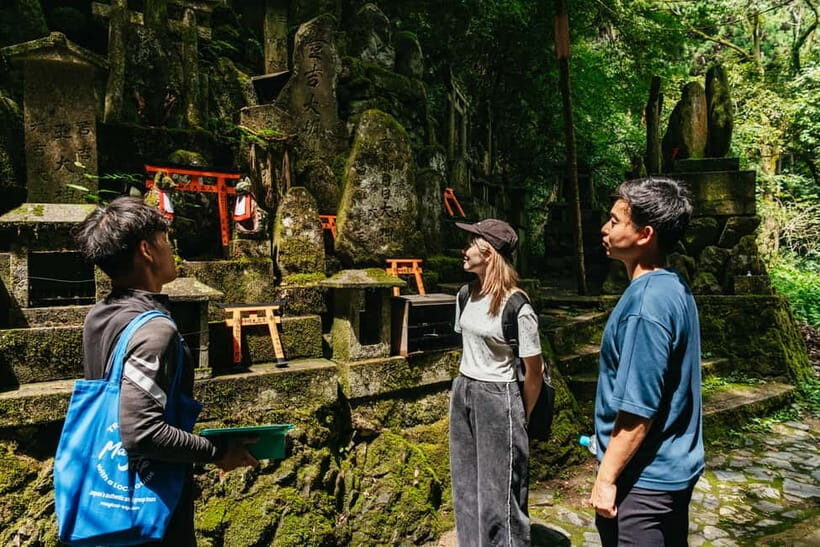
After the temple stop, you’ll wander on foot through quieter streets and small shrines along the way up the mountain. This section is part “warm-up” and part “context,” because it’s where the route starts feeling less like a straight climb and more like a guided approach to sacred space.
The tour keeps you moving, but it also builds in time to look. Expect regular short stops, not one long slog where you only see scenery when you’re exhausted. And for the walkers: half the tour is in the forest, so you won’t be dealing with direct sun the whole time.
The bamboo grove detour: where photos feel less forced
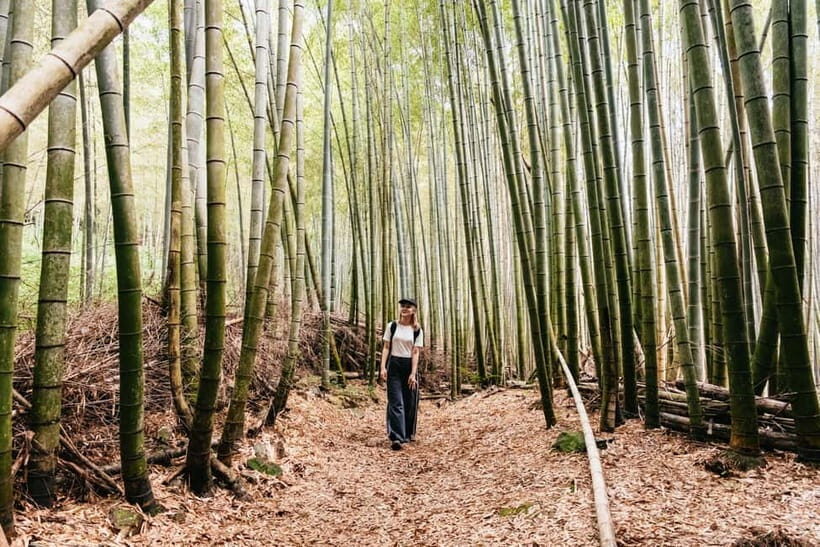
The standout change in pace happens when you reach the hidden trail area (around 40 minutes at that early stage). This is the portion designed to get you off the paved flow and onto actual forest paths. In plain terms, it’s the difference between standing in line for a view and walking into a view.
You’ll find a bamboo grove here, and later you’ll hit another bamboo section on the way back. Bamboo doesn’t just look good in pictures—it softens the whole experience. The air feels cooler, footsteps sound quieter, and even when you reach torii later, the day already feels like a hike with story, not a checklist.
If you care about photography, this route helps a lot. One reason guides earn such high praise is that they know where the best angles are without forcing you to fight the main crowd. Several guides are specifically praised for taking pictures at scenic points, so you can focus on seeing rather than constantly swapping phones with strangers.
Connecting to the torii flow without getting swallowed by it
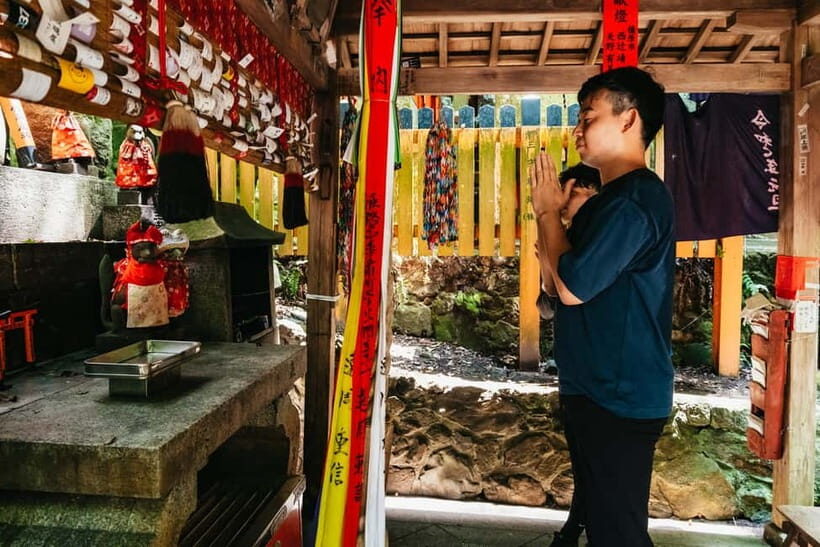
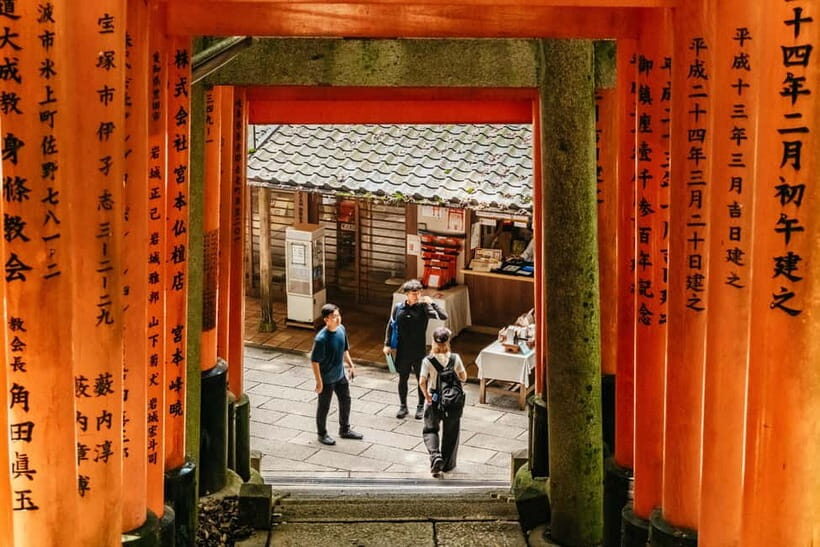
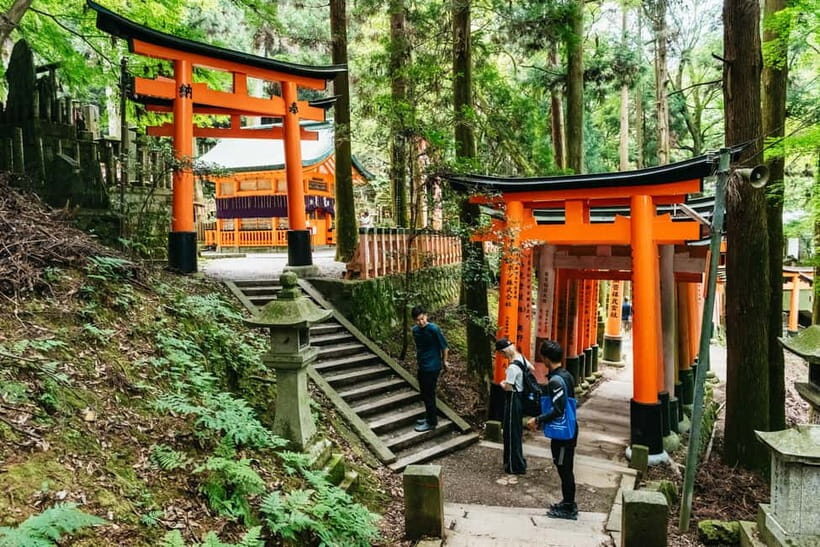
At some point, the trail reconnects with the main path where the famous vermilion torii gates begin to dominate your view. The key is timing and approach. You’re not marching straight into the busiest corridor; you arrive with a different perspective, already warmed up and mentally prepared for what makes this place so iconic.
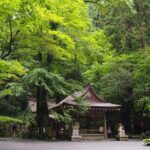
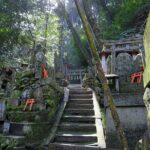
You’ll also pass smaller shrines tucked into the edges of the hiking route. That matters because Fushimi Inari isn’t just one photo spot. It’s a mountain dotted with sacred markers, and your guide helps you notice what you’d otherwise walk past.
One consistent thread in the guide style: teaching you how to move through torii spaces respectfully. For example, guides like Jimmy are praised for explaining customs and how to make offerings and wishes at the shrines. Others, like Hina and Yukari, are singled out for shrine culture explanations and answering questions in a way that makes the walk feel meaningful, not just scenic.
Summit time: altars, pauses, and the view from higher ground
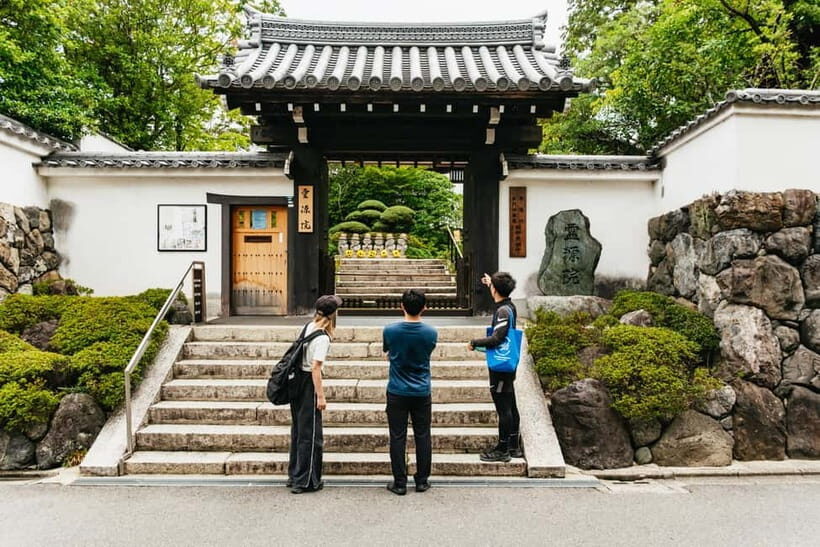
As you climb, you reach the summit area covered in shrine altars. This is the moment the hike turns into the heart of Fushimi Inari. You’re surrounded by the shrine elements that make people come here, but you experience them from a hiking route, not from a paved walkway packed shoulder-to-shoulder.
Expect about one hour around the viewpoint phases on the way up and another 45 minutes during the later viewpoint time. These aren’t rushed pit stops. They’re long enough for your guide to explain what you’re seeing and for you to step back and actually take it in.
One nice benefit of hiking first: by the time you reach the most famous area, you understand the place better. You’ll recognize more of what’s going on, and your photos become less random shots and more like a sequence—trail, bamboo, torii, altar, return.
Other hiking tours in Kyoto
Coming down through forests instead of repeating the same climb
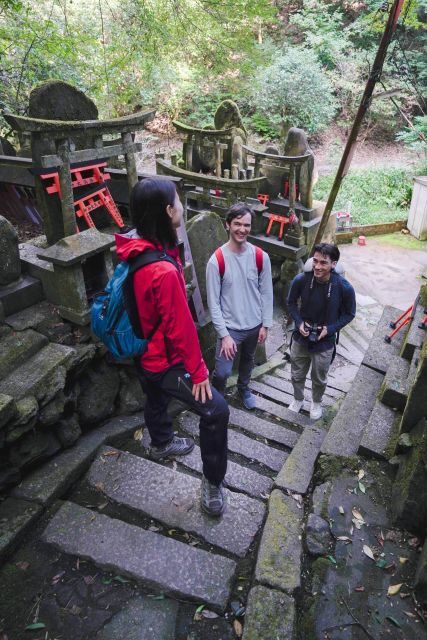
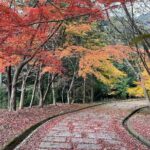
Here’s where the tour earns extra points: it doesn’t send you back the way you came. You’ll venture down via a forested trail, visiting smaller shrines along the way, and you’ll reach another bamboo grove before heading into the more famous zone near the base.
This descending route is often the sweet spot. Several hikers describe the crowd level increasing later in the walk, but the first portion—especially the forest and bamboo sections—stays calm. One review even calls out that doing the shrine in the opposite direction can make the climb feel less intense. The big idea for you: by the time you enter the most crowded segment, you’ve already gotten the quiet, hike-first experience.
Eventually, you finish at the main shrine at the base of the mountain. That’s a good ending point because it pairs perfectly with your next plan in Kyoto. If you’re hungry, you can grab local street food nearby before you go back to exploring the city.
How hard is it really: 7 km, stairs, and forest footing
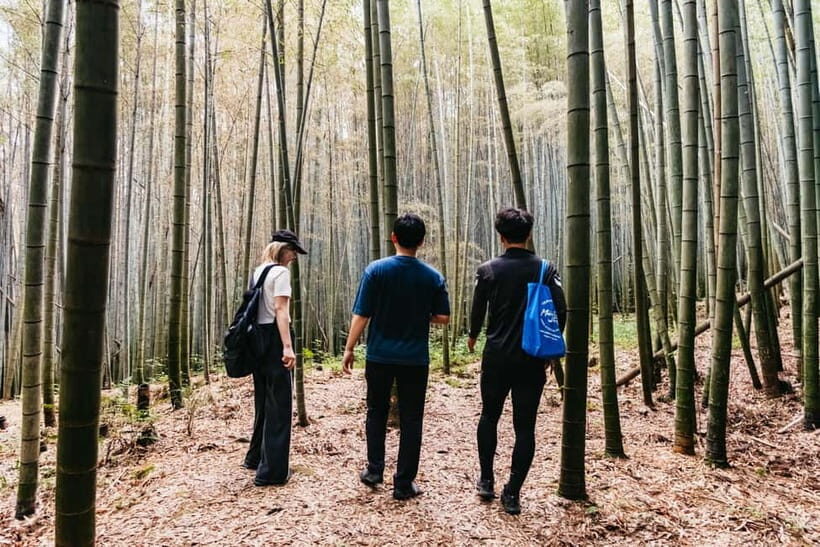
The tour is listed as not super difficult, but it still takes some effort. You’re looking at about 7 kilometers total, and multiple reviews highlight that it’s more of a hiking workout than a relaxed stroll. Expect stairs and uneven footing on mountain trails, even if the overall distance isn’t huge.
Also note the practical side: since half the tour is in the forest, you may not get the sun, but you might get the damp. Rain can make paths slippery and muddy. If you’re going on a rainy day, go in expecting tougher footing and take your time on stairs.
Mosquitoes and bugs are explicitly mentioned as a possibility in the mountain areas. That’s why the tour recommends long-sleeved shirts and long pants. You’ll be much more comfortable if you dress for nature, not for a city walk.
Finally, the tour is not recommended for people with limited mobility. If you’re unsure, don’t guess—ask first. A “moderate hike” can still be too much if you need frequent flat ground or step-free routes.
Price and value: is $72 worth a 3-hour hike
At $72 per person for about 3 hours, this isn’t the cheapest way to see Fushimi Inari. But the value comes from what you’re buying besides the view.
You’re paying for:
- A local guide who controls the route and helps you interpret what you’re seeing
- A small-group format (up to 9 people), which changes the whole vibe
- A route designed to keep you away from crowds for most of the experience
- Photos during the tour, so you don’t spend the hike playing photographer and losing the moment
If you try to replicate this on your own, you can walk off paths, but you won’t get the same structure, the same “where to look and how to behave” coaching, and it’s easier to miss shrines and connecting trails. That’s where the guide adds real savings in time and stress.
Also, you won’t be paying for extra meals as part of the tour. Additional food and drinks are not included, so you can plan your budget the way you like.
What the guide actually does on the trail
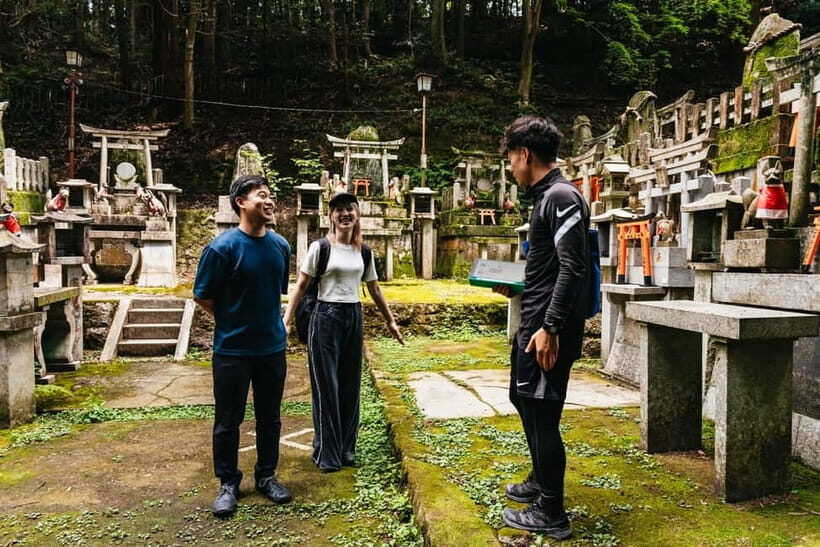
This tour isn’t just, follow me. The best feedback points to guides who actively explain the site and support the group.
Across the praised guides, you’ll see patterns:
- Guides help with torii etiquette and shrine respect
- They point out shrines tucked into corners you might miss
- They take group and individual photos at key points
- They keep the pace comfortable with regular stops
Guide names that come up often in positive reports include Hina, Yukari, Josh, Shiori, Naru, Yuto, Hira, and Jimmy. You might not get the exact same guide, but the consistency is what matters: you’re not just buying walking time, you’re buying guidance through a sacred place.
One honest note from the feedback you should consider: English ability can vary by guide. Some people report very clear explanations, while others mention limited English. That doesn’t mean the tour isn’t worth it—just means if you want deeper explanations, choose a day when you can ask questions and slow down at stops.
Getting there and starting on time from Tofukuji Station
Logistics matter here because the meeting point is specific: FamilyMart Nakai Tofukuji, outside Tofukuji Station Exit 2. It’s next to the FamilyMart, so it’s hard to miss once you’re out of the station.
For getting there, you can use:
- JR line: rapid trains or local trains
- Keihan line: avoid express trains; use sub-express, semi-express, or local trains
You’ll also want to follow the rules about what to bring. The tour says no luggage or large bags. Plan for a daypack with water and your essentials so you’re not fighting weight on stairs.
My advice on timing, rain, and bug season
This hike is scheduled as a 3-hour experience, but your comfort depends on conditions.
If it’s hot, the good news is that a lot of your time is in forest shade. If it’s rainy, expect muddy sections and be careful on slippery stairs. The tour may be canceled during extreme weather, and you can cancel due to rain if you’re not prepared—so build a little flexibility into your Kyoto schedule.
For clothing, stick to what the tour asks for: long sleeves and long pants. It’s not just for style. It’s for mosquitoes and comfort when you move through mountain terrain.
Finally, if you’re the type who likes easy-going walking, this isn’t that. It’s scenic and rewarding, but it’s still hiking—steady effort, uneven ground, and enough climbing to feel accomplished.
Should you book this Fushimi Inari hidden-trail hike?
Book it if you want Fushimi Inari in a way that feels less like a crowd event. You should especially consider it if you:
- Want torii and shrines, but also want bamboo and forest trails
- Prefer a small-group pace over mass tourism
- Care about learning etiquette and context, not just taking photos
- Are comfortable with stairs and moderate trail walking
Skip it if you:
- Have limited mobility or need an easy, flat walking route
- Want a relaxing, low-effort stroll
- Can’t handle uneven mountain paths, especially in wet conditions
If you’re a regular walker with a moderate fitness level, this is one of the smarter ways to see Fushimi Inari: you get the famous moments, but you earn them first with quiet trails and real nature time.
FAQ
Where is the meeting point for the Kyoto Fushimi Inari hike?
The meeting point is FamilyMart Nakai Tofukuji, outside Tofukuji Station Exit 2 next to the FamilyMart.
How long is the tour?
The tour duration is 3 hours.
What is included in the tour price?
Included: a local English-speaking guide and photos taken during the tour.
Is the hike suitable for everyone?
It is not recommended for people with limited mobility and is not suitable for children under 8. It’s also not a simple walk, even though it is described as not super difficult.
About how far do you walk?
The hike is approximately 7 kilometers total.
What should I wear or bring?
Bring long-sleeved shirts and long pants. The tour mentions mosquitoes and bugs due to hiking in the mountains.
Are large bags or luggage allowed?
No. The tour does not allow luggage or large bags.
What can I do for food at the end?
Food and drink are not included, but the tour finishes at the main shrine at the base of the mountain, where you can enjoy local street food on your own.