Kyoto’s mountains can feel like a reset button. This hiking tour sends you from your hotel into the Kurama and Kibune area with a private English-speaking guide, so you’re not stuck figuring out where to go or what you’re looking at. I especially love how the day is built around stories with real places tied to them—Mount Kurama is tied to the birth of Reiki, and the shrines along the way connect folklore, faith, and local life.
I also like the practical approach: you get hotel pickup and drop-off, and you do not have to hunt down extra shrine tickets at each stop. The main drawback is that this is not a casual stroll. You’ll face a lot of stairs and uneven mountain ground, so bring the right expectations if your “hike” tolerance is low.
The day runs about 8 hours (starting at 9:00 am), and it’s designed for people with moderate physical fitness. If rain hits or trails are slippery, the route may change for safety, which is smart—just know you might trade some forest time for easier shrine access.
In This Review
- Key things I’d bet on from this Kurama and Kibune hike
- Kurama and Kibune: a quieter Kyoto day that still feels very Kyoto
- Door-to-door hotel pickup: the stress-saver you’ll actually notice
- Yuki Shrine: the moved shrine and that 800-year-old cedar
- Mount Kurama: the Reiki origin story on real mountain ground
- Kuramadera: a forest walk to an 8th-century shrine focus
- Okunoin Maoden: shorter stop, strong mood
- Kibune’s Kifune Shrine: water prayers and the legend of the boat
- The hiking reality: stairs, uneven ground, and how to be comfortable
- English guidance that helps you read the shrines, not just pass them
- Price and value: what you’re really paying for at $191.60
- When rain or weather changes the plan
- Who should book this Kyoto hiking tour (and who should not)
- Should you book this Kurama and Kibune hike?
- FAQ
- What is the duration of the Kyoto Kurama and Kibune hiking tour?
- What time does the tour start?
- Is hotel pickup and drop-off included?
- Is lunch included?
- Are temple or shrine admission fees included?
- What physical fitness level do I need?
- Is the tour private?
- What happens if weather is bad?
Key things I’d bet on from this Kurama and Kibune hike
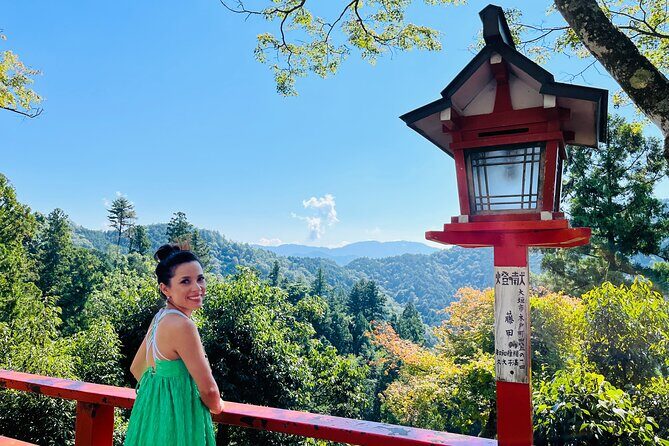
- Reiki starts on Mt. Kurama: you’ll visit the place tied to founder Mikao Usui’s 21-day meditation story.
- Yuki Shrine’s moved-and-protected origin: it was moved in 940 AD to protect the area from mysterious evil.
- 800-year-old cedar tree stop: one highlight at Yuki Shrine is an ancient cedar tied to the shrine’s identity.
- Forest temple walking, not just ticket photos: you’ll connect Kuramadera, Okunoin Maoden, and the Kibune shrines with guided context.
- You get paid-in-fun admissions: the route includes paid entry for key sites, and stop 2 is free.
- Guides can shape the whole day: past tours highlight guides such as Mariko, Ryoma, Yuki, Etsuka Nakaba, Miyo, Akira, Miki, Akari, Mizuho, Michiko Murayama, and Yoji for clear English and thoughtful pacing.
Kurama and Kibune: a quieter Kyoto day that still feels very Kyoto
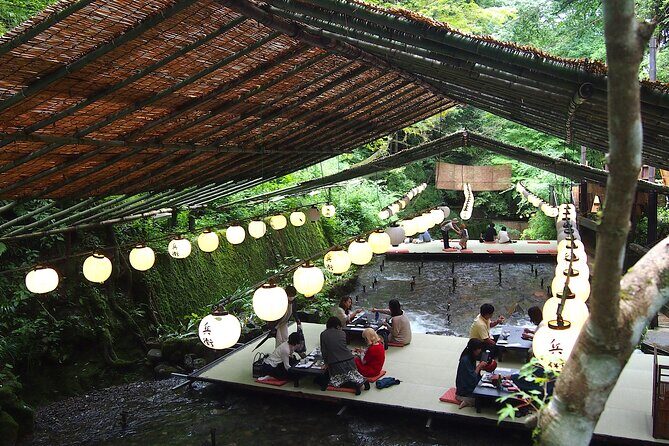
Most visitors know Kyoto for its big temple circuits. This is different. Kurama and Kibune sit in the mountains north of the city, where you trade crowds for forest air, shrine steps, and the slow rhythm of locals moving between holy spaces.
What makes the area work so well for a guided hike is that it’s not one “main attraction.” It’s a chain of meaning: cedar trees, shrine relocations, mountain meditation stories, and water prayers. You end the day feeling like you touched several layers of Kyoto at once, not just checked a box.
And it’s a smart way to see Kyoto’s nature side. You’re walking outside the city core while still staying close enough for a full-day experience with transfers and planned stops.
Other hiking tours in Kyoto
Door-to-door hotel pickup: the stress-saver you’ll actually notice
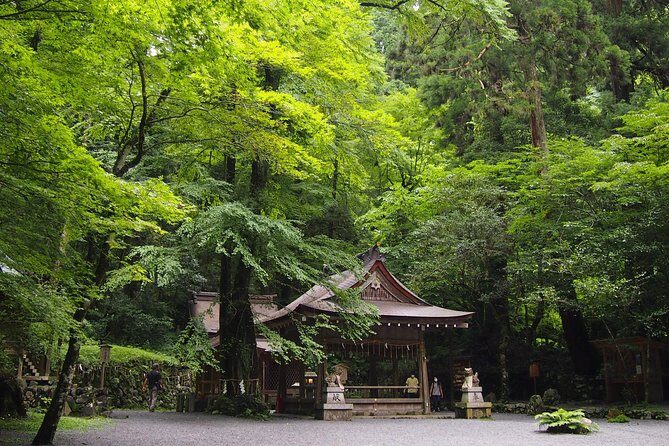
A Kyoto day can get eaten alive by transit logistics. Here, you start with hotel pickup and end with hotel drop-off. That matters because the Kurama side of town isn’t where most hotels sit, and getting to the trail area on your own can turn into a half-day project.
You’ll also start at 9:00 am, which is a big deal. Earlier hours mean cooler mountain air and calmer entry into the shrine areas. Plus, you’re guided from the start, so you don’t waste energy figuring out routes, entrances, or which path connects to the next stop.
If you’re traveling as a private group, this is also set up as a private tour/activity, so you’re not squeezed into someone else’s pace. Group discounts are listed too, which can make the price easier to swallow if you’re sharing with friends.
Yuki Shrine: the moved shrine and that 800-year-old cedar
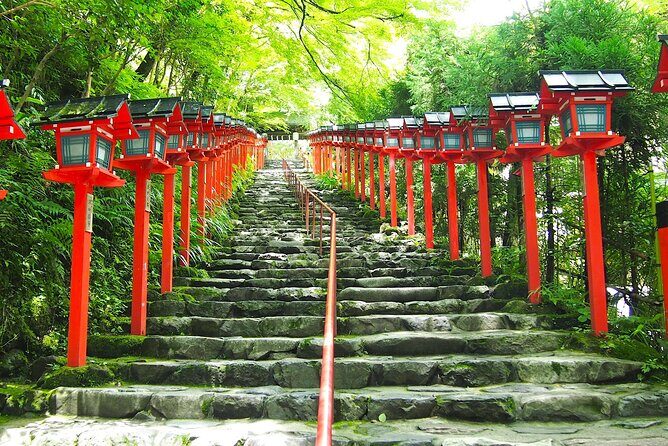
The morning opens at Yuki Shrine, and it immediately gives you a story to hold onto. The shrine was originally built in central Kyoto, then moved to Kurama in 940 AD to protect the area from mysterious evil. That single detail changes how you look at the place. It’s not just a pretty shrine. It’s a sign that people once believed the mountain needed guardians.
One of the highlight features here is an 800-year-old cedar tree. When you see an ancient tree like that, it’s easy to understand why shrines feel permanent even when cities change. You’re walking in a space where time is part of the message.
This stop is about 20 minutes, and admissions are included. That keeps things efficient while still giving you enough time to take in the cedar and absorb your guide’s local explanations.
Mount Kurama: the Reiki origin story on real mountain ground
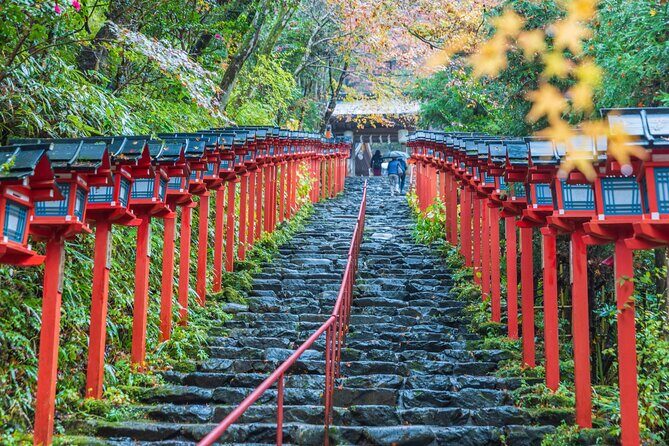
Then the tour shifts to Mount Kurama, the place tied to the holistic healing art called Reiki. The core story is simple and unforgettable: Mikao Usui, the founder of Reiki, meditated for 21 days on this mountain and received Reiki healing energy.
Even if you’re not into spiritual history, this is a powerful way to experience the mountain. You’re literally walking in a setting that people connect with belief, discipline, and practice. And because you have a private guide, the story is not just repeated—it’s placed into the context of the area so it feels grounded instead of abstract.
This stop is listed at about 1 hour, and the entry at this point is free. Plan for the walking time here as part of the hike rhythm, not just a sit-and-listen window.
Kuramadera: a forest walk to an 8th-century shrine focus
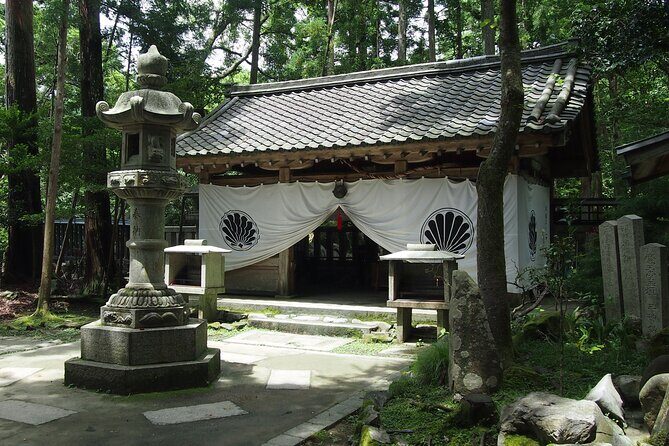
After Yuki Shrine, you take a forest walk toward Kuramadera. The route includes about a 25-minute walk through the trees to reach the area’s most famous shrine. Kuramadera is founded in the 8th century, which means the place has had a long run at being meaningful to people.
This is where the day starts to feel like a real hike, not just shrine-hopping. The forest path helps you slow down. You’ll likely spend more time looking at details that you might otherwise miss, because your guide is there to point out what to notice.
Kuramadera stop time is about 45 minutes, and entrance is included. It’s a good length for a mix of walking, viewing, and guided explanation.



Okunoin Maoden: shorter stop, strong mood
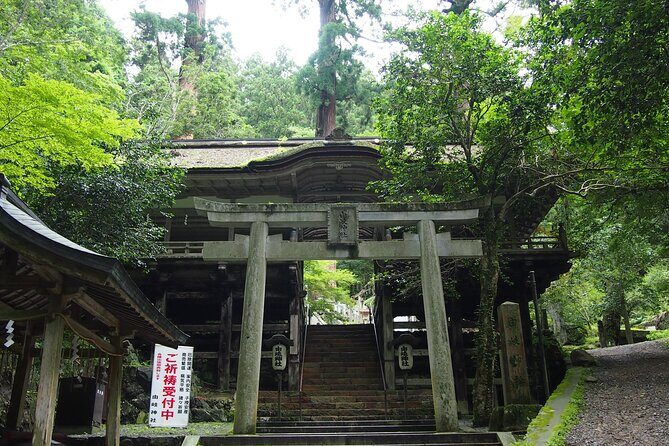
Next comes Okunoin Maoden, deeper in the mountains. It’s described as a temple area where demons reign, and it carries a mysterious feeling. That kind of framing can make a short stop memorable because you walk in expecting atmosphere.
The time here is about 10 minutes. Think of it as a quick pulse-check moment in the middle of the hike. You don’t need hours to feel the shift; you just need the guide’s cues and a few minutes of quiet to let the mood land.
Admission is included, so you’re not spending time on ticket logistics. You’re spending time on presence, which is exactly what a mountain stop should be.
Kibune’s Kifune Shrine: water prayers and the legend of the boat
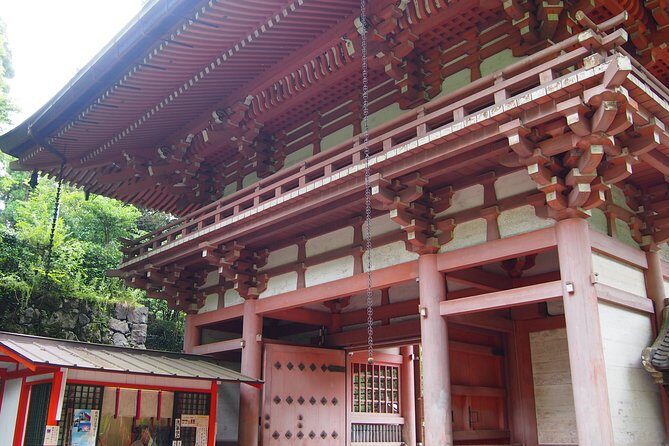
From the Kurama side, the day moves toward Kibune and Kifune Shrine. Kifune Shrine is dedicated to the God of water and rain. It’s also described as a place where sailors pray for luck on voyages. That’s a great reminder that shrines often reflect real work and real survival, not just mysticism.
You’ll spend time at Kifune Shrine twice, which is unusual in a day trip but makes sense here. The first Kifune segment is about 30 minutes and includes admission. The tour notes you can drink pure mountain water fresh from the source, which is the kind of small ritual that feels practical and local.
The second Kifune segment is about 25 minutes and focuses on an inner shrine legend. A goddess traveled in a boat from Osaka up the river into these mountains. The inner shrine houses the boat connected to this story.
Taken together, these stops tie the mountain water theme to movement and protection. It also helps you understand why the area has a special relationship with rivers and weather. You’re not just walking near water. You’re learning why water matters here.
The hiking reality: stairs, uneven ground, and how to be comfortable
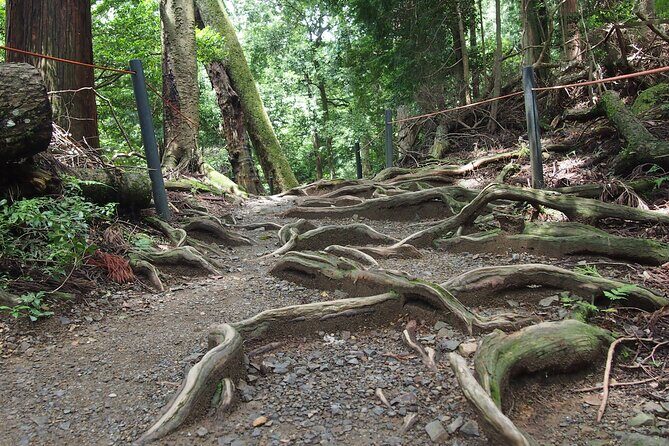
The tour is listed as requiring moderate physical fitness. The walking route is not long in clock time, but it does involve lots of steps up and down and uneven surfaces. That means your legs will know it, even if your cardio feels okay.
So I’d plan for three things:
- Wear shoes with grip for stone and uneven ground.
- Bring something to cover sun or drizzle, because conditions in the mountains can change fast.
- Treat the guide as your pacing tool, not just your narrator. If you need slower movement, you’ll get it.
One reason this tour earns strong recommendations is that guides tend to manage the pace well. People have praised guides for being patient, adjusting plans for injuries, and even handling changes when weather turns rough. That’s worth paying attention to because the tour’s success is partly about control—staying safe while still enjoying the view.
English guidance that helps you read the shrines, not just pass them
A private guide is the difference between seeing Kyoto and understanding it. Here, you’re not only learning facts. You’re learning how legends connect to the geography.
You’ll get explanations tied to what you’re standing in front of: why Yuki Shrine moved in 940 AD, why Mount Kurama matters for Reiki, why Kuramadera’s long lineage makes it feel steady, and why Kifune Shrine focuses so much on water and prayer.
The guide element also shows up in how the day stays smooth. Multiple names from past tours—Mariko, Ryoma, Yuki, Etsuka Nakaba, Miyo, Akira, Miki, Akari, Mizuho, Michiko Murayama, and Yoji—are associated with friendly conversation and clear English. More importantly, those guides are described as actively helping people not get lost and not miss meaning along the trail.
If you like your travel with a brain and a heart, this structure works. You’ll come away with more than photos.
Price and value: what you’re really paying for at $191.60
At $191.60 per person, this isn’t a cheap “walk and go” outing. But you’re paying for a bundle that adds up fast in Kyoto: door-to-door transfers, an English-speaking guide, and included admissions for the key stops.
Lunch is not included, so you’ll still need to plan for food. But the rest of the costs that often surprise people—entry fees and the hassle factor—are handled. You’re also told that photos of tour participants are included, which is a nice service touch if you don’t want to do constant phone-tiptoe posing on stairs.
Average booking is about 60 days in advance, which suggests this day fills up. If your travel dates are fixed, I’d book earlier rather than later, especially if you want a specific season for views.
When rain or weather changes the plan
This experience requires good weather. If it’s canceled due to poor weather, you’ll be offered a different date or a full refund.
On messy days, the route may shift for safety. That’s not a failure mode. It’s mountain sense. You might trade more forest walking for easier shrine access. If that happens, focus on the parts that stay intact: the key shrines and the guide’s explanations.
And yes, being in the mountains means weather can be rude. Pack a simple layer and be flexible. You’re still doing the right day; it’s just being updated for reality.
Who should book this Kyoto hiking tour (and who should not)
This is a strong match if you want:
- A guided day outside Kyoto’s central crowds
- A spiritual and folklore angle that’s tied to real places
- A hike with structure, so you don’t wander off or miss important spots
- English explanations that turn shrines into stories you can actually follow
It’s not the best fit if:
- You want minimal stairs or flat terrain
- You dislike uneven footing
- You expect lunch to be included and planned for you
If you’re older or returning to hiking, you can still consider it. The tour includes regular stops and guided pacing, and people with slower fitness levels have described it as manageable, even when stairs were a lot. But you should be honest with yourself about leg stamina.
Should you book this Kurama and Kibune hike?
I’d book it if you want a Kyoto day that feels local, quiet, and meaningful, without making you play transport planner. The value comes from door-to-door transfers, a private English guide, and admission coverage for major stops, all while giving you a real mountain walking experience.
Skip it if you want an easy, low-step stroll or you don’t want the day to be affected by weather. The route is built around steps and uneven ground, so your body needs to be part of the plan.
If you’re excited by Reiki origins, cedar legends, water prayers, and a day that mixes nature with shrine storytelling, this is one of those Kyoto tours that actually earns its time.
FAQ
What is the duration of the Kyoto Kurama and Kibune hiking tour?
It runs for about 8 hours.
What time does the tour start?
The start time is 9:00 am.
Is hotel pickup and drop-off included?
Yes. The tour includes hotel pickup and drop-off from the Kyoto urban area and the Kurama area.
Is lunch included?
No. Lunch is not included.
Are temple or shrine admission fees included?
The tour notes that admission is included. Kuramadera Temple entrance is listed as included, and the route’s stops include admissions for the shrines/temples described.
What physical fitness level do I need?
You should have a moderate physical fitness level. The route involves lots of stairs and some uneven surfaces.
Is the tour private?
Yes. It’s listed as a private tour/activity, so only your group participates.
What happens if weather is bad?
This experience requires good weather. If it’s canceled due to poor weather, you’ll be offered a different date or a full refund.