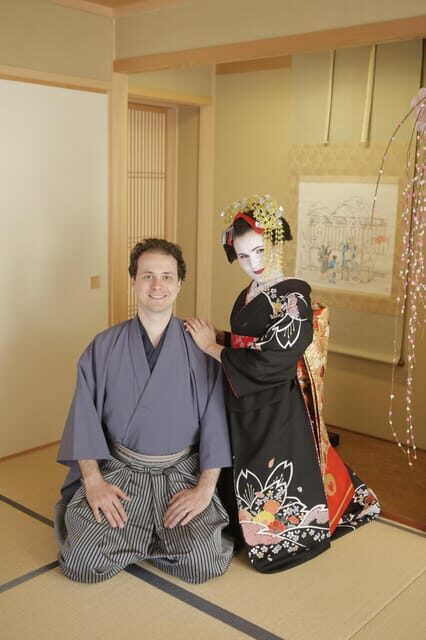
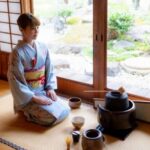
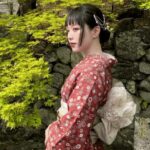
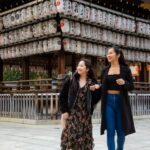
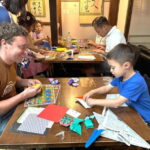
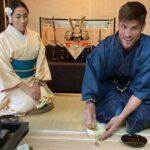
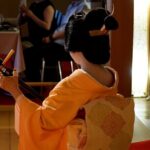
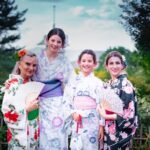
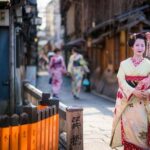
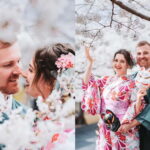
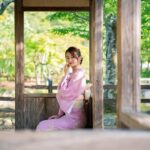
Kimono photos in Kyoto are pure magic. You’ll dress up in Edo-period inspired style and get guided portrait posing with professional photographers, including staff like Satsuki and Nao who make it comfortable even if you’re not used to cameras. The big win is seeing Gion look cinematic while you’re wearing a real kimono.
One thing to plan for: the session runs about 1 hour 30 minutes, so it’s a photo block, not a long sightseeing tour. If you want hours of walking and unplanned stops, you might feel a bit rushed.
Based at Hagoromoya, the experience can happen in atmospheric outdoor spots or in an authentic Japanese-style studio, depending on your setup. It’s private, so your group only, and it starts at 60 Motoyoshichō in Higashiyama near public transport.
In This Review
- Key things that make this Kyoto shoot worth it
- Kyoto Kimono Photos: a fast way to get that perfect Gion look
- Hagoromoya studio vs outdoor Kyoto: choose the look you want
- Where you meet in Higashiyama (and why that’s a good thing)
- Your first photo moment: Kyoto backdrops that do the work for you
- Gion: the hardest kimono photo zone to DIY (so let them handle it)
- The dress-up details: it’s more than a costume rack
- Posing and direction: how they help you look natural
- What “private” changes for your photos
- Photo results: clean, polished, and worth keeping
- Price and value: is $177.57 per person fair?
- Who this is best for (and who might skip it)
- Timing, conditions, and expectations for a smooth shoot
- Should you book this Kyoto photography and kimono dress-up adventure?
- FAQ
- FAQ
- How long is the Kyoto private kimono photo experience?
- Where does the experience start and end?
- Is this activity private?
- Is there a mobile ticket?
- What kinds of locations will the photos be taken in?
- How much does it cost per person?
- What’s the booking timing like?
- Is it near public transportation?
- What’s the cancellation policy?
- Is the session suitable for families or kids?
Key things that make this Kyoto shoot worth it
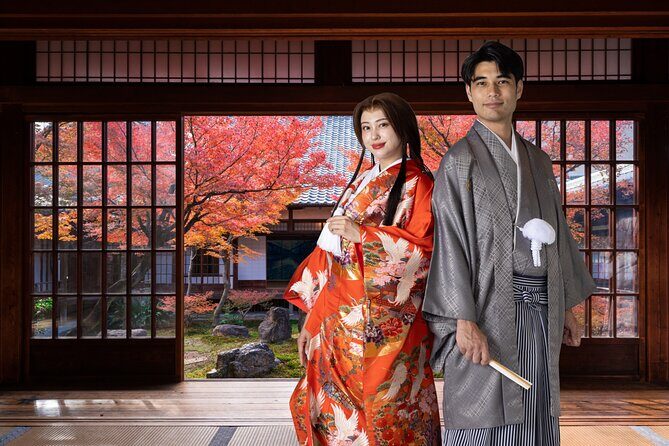
- Kimono dress-up with wedding-era inspiration so your photos look intentional, not like a last-minute costume.
- Professional photographer direction that helps you pose comfortably, especially if you’re traveling solo or with kids.
- Gion focus where it’s hard to get great “real kimono in the right streets” photos on your own.
- Outdoor Kyoto or a Japanese-style studio for a look that fits your time and conditions.
- A clean, well-equipped studio setup designed for lighting and portrait results.
- Short, high-impact timing—about 90 minutes to get a lot of usable images.
Kyoto Kimono Photos: a fast way to get that perfect Gion look
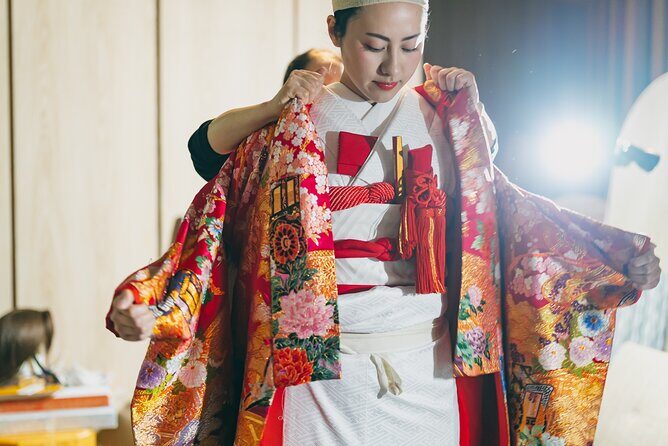
Kyoto is famous for heritage. But getting a truly great “kimono + street setting + flattering photos” combo is tougher than it sounds. This is exactly what I like about the Hagoromoya approach: it treats your session like a real photo shoot, with someone guiding you step by step and making sure the details look right.
You’re not just putting on a kimono and hoping for the best. The experience is built around portrait-making. That matters because in Kyoto, small things can throw off a photo: awkward posture, uneven footing, or the classic problem of trying to direct your own camera at the same time you’re wearing something delicate.
In the review highlights, people keep pointing out how comfortable they felt—professional, but warm. And that’s the practical magic. When you feel relaxed, your photos look better. When you’re stressed about cameras, umbrellas, or standing still in footwear that’s new to you, your shots suffer.
Other private tours in Kyoto
Hagoromoya studio vs outdoor Kyoto: choose the look you want
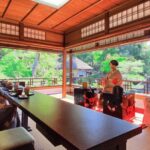
You’ll get a kimono photo experience either in atmospheric outdoor locations or in an authentic Japanese-style studio. That “or” is more important than it sounds. Kyoto weather can change fast, and outdoor shooting takes coordination. If you’re lucky with conditions, outdoor can give you that street-level Kyoto atmosphere. If not, a studio gives you consistency—controlled lighting, clean backgrounds, and a more calm pace.
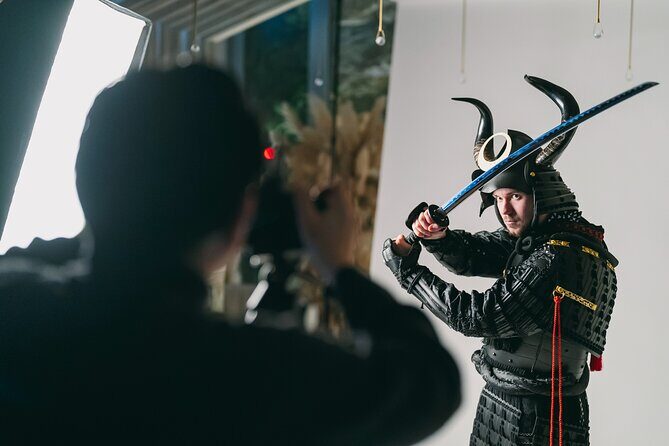
The studio side gets strong praise for being spacious, clean, and professionally set up. One review specifically called out the lighting and equipment, which is what you want if you care about photos that look crisp and polished rather than slightly blurry “vacation proof.”
If you’re a photographer-at-heart, you’ll likely appreciate that the team isn’t improvising. They’re working inside a photo environment designed for portraits.
Where you meet in Higashiyama (and why that’s a good thing)
The meeting point is 60 Motoyoshichō, Higashiyama Ward, Kyoto, and the activity ends back at the meeting point. It’s also near public transportation, which helps a lot. Kyoto can be annoying to “wander” across—one wrong turn and you lose time and energy.
Why I consider this a plus: a private photo session should feel easy to access. You don’t want your morning turning into a navigation puzzle, especially when you’re wearing a kimono that’s better handled carefully than regular travel clothes.
Also, this is a private experience—only your group participates. That means you don’t need to share time slots with strangers, and you’re less likely to feel rushed while the team helps your group with dress-up and posing.
Your first photo moment: Kyoto backdrops that do the work for you
The experience starts in Kyoto, then continues to Gion. Even without a huge sightseeing plan, this structure helps your photos feel varied. You’re essentially getting two visual “chapters.”
In Kyoto, the look is usually about texture: old streets, traditional walls, and that sense of place. When your kimono matches the setting, the photos read instantly as “Kyoto,” not “portrait wearing traditional clothing somewhere in Japan.”
This is also a good setup if you want photos that feel balanced. You’ll likely get more generic travel photos while you’re sightseeing. A guided kimono shoot gives you the ones with mood—images you can send to friends and actually feel proud of.
Gion: the hardest kimono photo zone to DIY (so let them handle it)
Gion is where many people dream of getting a kimono photo. It’s also the part that’s hardest to do well on your own. You need timing, a good lens-ready angle, and the ability to move without blocking foot traffic or losing your footing on busy streets.
That’s why I see Gion in this experience as the real headline. You’re not just “in Kyoto.” You’re making a clear Gion statement in your photos.
The reviews back this up. People specifically describe Gion kimono photos as something they wanted for years, and something that’s difficult solo when you’re trying to manage outfit, camera, and street coordination at once. With a professional team, you’re trading guesswork for a planned portrait flow.
And yes—Gion is visually photogenic. But photogenic isn’t the same as flattering. Direction and positioning are what turn a good setting into great photos.
Other photography tours in Kyoto
The dress-up details: it’s more than a costume rack
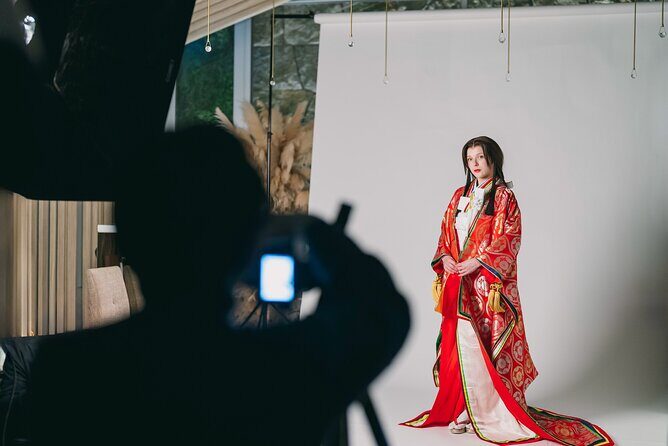
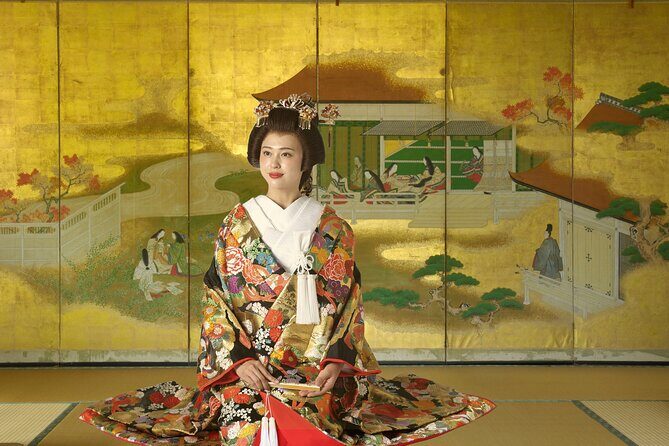
The kimono theme is inspired by Edo-period wedding beauty, and that shows in the way the experience is described. One of the biggest repeated praise points is the costumes being exceptional.
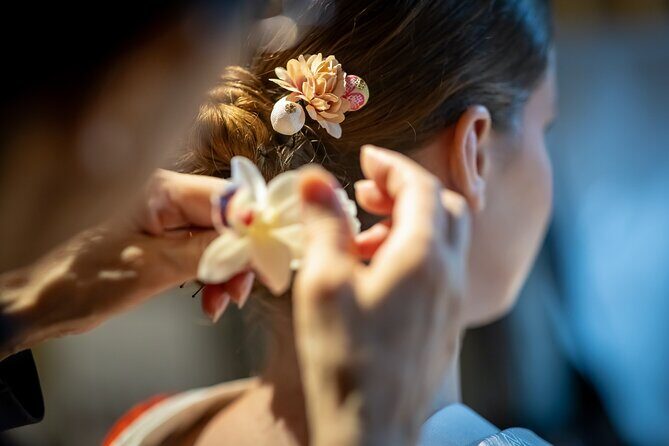
That matters because kimono “reads” differently depending on fabric, color, and how well the outfit fits and sits. A low-effort costume can look off in photos—wrinkles, incorrect drape, or colors that don’t pop in daylight or studio lighting. The team’s attention to detail is a key part of why people leave happy.
One review also highlighted that the experience started with preparations and consultation based on client wants. That’s a practical sign of a more personalized approach, not a one-size-fits-all session.
Posing and direction: how they help you look natural
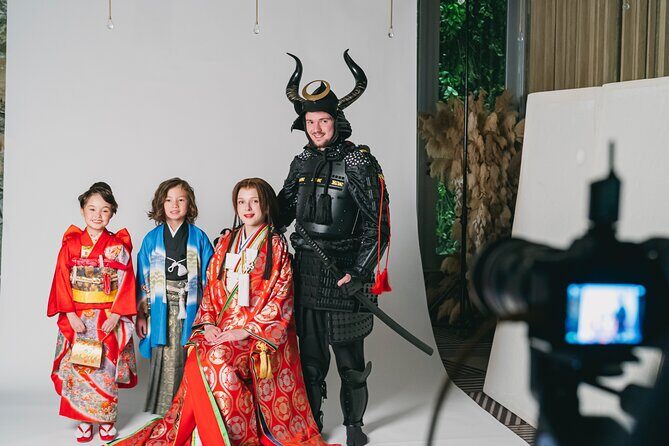
The best photo sessions feel like a conversation with structure. You move when told. You relax between shots. You’re given small changes that improve the final result.
That’s exactly what many reviewers emphasize: they made people feel comfortable and guided them professionally. In one family-focused story, the team’s patience is praised too, with young daughters enjoying the session while adults worried about nothing.
This is your value if you’re:
- going solo and want portraits that don’t look stiff
- traveling as a couple and want coordinated framing
- bringing family and need the session to be paced well for kids
Also, English support is explicitly mentioned in reviews. That’s important. If you don’t share a language, it’s harder to understand quick instructions that improve your photos.
What “private” changes for your photos
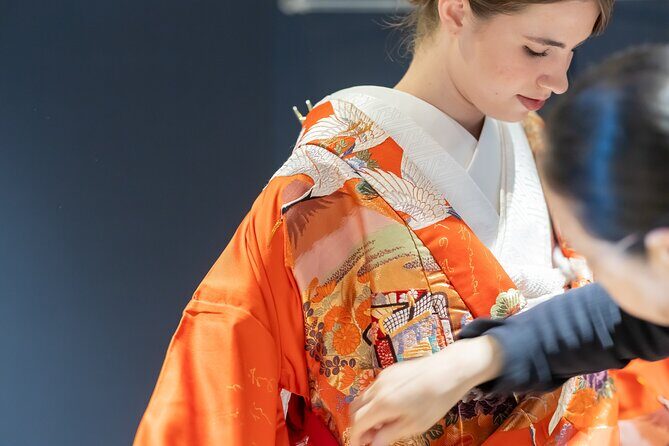
Private doesn’t just mean no strangers in the background. It changes the whole rhythm.
With a private group, the photographer can adapt in real time—what your poses look like, how the kimono moves as you shift, and where your group needs more time. That flexibility is usually the difference between photos that feel like checkboxes versus photos that feel like you.
And because your group is the only group, you’re less likely to feel pressured to “go faster” to fit into someone else’s schedule.
Photo results: clean, polished, and worth keeping
A recurring theme is that the photos are beautiful and the quality feels professional. People also call out the studio environment, equipment, and lighting—again, that’s not casual. It’s setup for portrait work.
If you care about sharing images later, studio quality matters. Outdoor photos can be dramatic, but lighting and focus are less predictable. Studio time means you get portraits that are consistent and crisp, which is a great backup if you want photos you can print or frame.
In other words, you’re not gambling your whole memory on one perfect outdoor moment. You’re getting a more reliable photo outcome.
Price and value: is $177.57 per person fair?
At $177.57 per person for about 90 minutes, this isn’t a “budget souvenir” activity. It’s paying for three things you can’t easily DIY in Kyoto:
1) kimono dress-up handling
2) professional photographer work
3) a portrait-focused setup, either outdoors or in a studio
If you try to replicate this yourself, you’ll quickly spend money on kimono rental, dressing support (because kimono fit and tie matter), and then you still need a photographer who can actually direct posing and manage shots. Hiring a photographer in Kyoto without a full kimono production style can also be costly and may not include the same dress-up coordination.
So the value question is really this: do you want photos that look like a planned session, not random travel photos? If yes, the pricing makes more sense.
Also, because it’s booked on average about 16 days in advance, it’s wise to plan ahead if your dates are popular. That helps you lock in a time that fits the rest of your day.
Who this is best for (and who might skip it)
This experience is a strong fit if you want a memorable Kyoto photo set with less stress than DIY.
It’s especially good for:
- couples who want pre-wedding style portraits without doing the planning themselves
- birthdays, anniversaries, and special occasions where you want something more than a typical dinner photo
- families, because the team is described as patient and welcoming
- solo travelers who want Gion kimono photos without needing to constantly manage a camera and composition
It may be less ideal if:
- you’re looking for a long walking tour with lots of sightseeing time
- you don’t want guided posing and prefer pure freedom
- you’re on a super tight budget where any paid portrait session is hard to justify
Think of it as a high-impact photo appointment. If that’s what you want, it delivers.
Timing, conditions, and expectations for a smooth shoot
Because the session is about 90 minutes, you’ll want to think of it like a schedule window. Arrive with time to settle. Plan your day around it rather than building it into a rushed “between trains” moment.
Kyoto is also a place where conditions can shift quickly. The good news is that the experience offers both outdoor atmospheric settings and an authentic Japanese-style studio option. That means you’re not forced into only one type of backdrop.
One more expectation to set: kimono sessions require some patience. Even with professional direction, you’re wearing something different from your normal clothes, and you’ll be moving carefully. The best part of the reviews is how the staff make people feel at ease, which turns “awkward outfit time” into a fun activity.
Should you book this Kyoto photography and kimono dress-up adventure?
If you want a straightforward, guided way to get Gion kimono photos that look professional, I’d book it. The combination of Edo-inspired costume style, photographer direction, and a setup that includes both studio and outdoor options is a practical recipe for photos you’ll actually keep.
Skip it only if you’re the type who prefers unstructured sightseeing and doesn’t want a posed session. Also, if your ideal “Kyoto day” is 5 different neighborhoods and zero appointments, this 90-minute block might feel like the wrong fit.
For most people planning a first (or only) Kyoto trip where you want one standout memory in photos, this is a strong use of time and money.
FAQ
FAQ
How long is the Kyoto private kimono photo experience?
It takes about 1 hour 30 minutes.
Where does the experience start and end?
It starts at 60 Motoyoshichō, Higashiyama Ward, Kyoto, and ends back at the meeting point.
Is this activity private?
Yes. It’s a private tour/activity, and only your group participates.
Is there a mobile ticket?
Yes, it lists a mobile ticket.
What kinds of locations will the photos be taken in?
You can expect atmospheric outdoor locations or an authentic Japanese-style studio at Hagoromoya.
How much does it cost per person?
The price is listed as $177.57 per person.
What’s the booking timing like?
On average, this is booked 16 days in advance.
Is it near public transportation?
Yes, it’s listed as near public transportation.
What’s the cancellation policy?
Free cancellation is available up to 24 hours in advance for a full refund.
Is the session suitable for families or kids?
Most travelers can participate, and reviews mention the experience working well for young children and families.