Two cities, one smooth day. I like the Osaka or Kyoto hotel pickup and the fact that this is truly private transportation with an English guide. I also like that the big temple admission fees are handled for you (Todai-ji and Kinkaku-ji), but the schedule is tight, so plan for walking and a day that moves.
In Nara, Nara Park deer turn sightseeing into an easy, hands-on moment, and Kyoto ends with the red torii trails at Fushimi Inari. It is a smart way to see both places without spending your precious time figuring out trains, transfers, and crowd flow.
Your guide can be someone like Ben (Yujiro) or Christine, and the best part is how they explain what you are seeing. That said, not every guide style will match your expectations, so if you want nonstop storytelling during long drives, bring your questions and be ready to steer the conversation.
In This Review
- Key highlights at a glance
- How the Osaka-to-Kyoto-to-Nara Private Route Really Feels
- Todai-ji Temple: The Great Buddha in a Hall You Can’t Shrug Off
- Nara Park Deer Time: Sweet, Fast, and Very Japan
- Kinkaku-ji Golden Pavilion: A Classy Temple With Real Photo Payoff
- Arashiyama Kimono Forest and Bamboo: Art Installations Meet Real Nature
- Fushimi Inari Taisha: Torii Gates That Turn Into a Walk
- English Guide Commentary and the Difference Between a Tour and a Day Out
- Price and Value: Is $266.85 Per Person Worth It?
- Who This Kyoto and Nara Private Day Suits Best
- Should You Book This Osaka Pickup Kyoto and Nara Tour?
- FAQ
- How long is the Kyoto & Nara Private Tour from Osaka?
- Do you get pickup from Osaka or Kyoto hotels?
- Is this tour private or shared?
- What entrance fees are included in the tour price?
- Are there any stops on the tour that have no admission fee?
- Does the tour have an English guide?
- What transportation is provided?
- What is not included?
- What is the cancellation and weather policy?
- Is there any fitness requirement?
Key highlights at a glance
- Hotel pickup plus an air-conditioned vehicle so you start sightseeing without the logistics headache
- Todai-ji and Kinkaku-ji entrance fees included (800 yen and 500 yen) and no ticketing scramble
- A one-day Kyoto + Nara hit list that covers deer, the Great Buddha, Golden Pavilion, bamboo, and torii gates
- Free stops that still feel special, including Nara Park, Arashiyama bamboo, the Kimono Forest installation, and Fushimi Inari
- English guidance that connects sights to culture, not just facts on a sign
- A private format for your group only, which helps with pace and photo stops
How the Osaka-to-Kyoto-to-Nara Private Route Really Feels
This is built for people staying in Osaka who want Kyoto and Nara in one day without spending half the day moving between stations. You get pickup from Osaka or Kyoto hotels, ride in an air-conditioned vehicle, and then go back to Osaka at the end. It is private, so it is only your group inside the van.
The day runs about 8 to 10 hours, and that time matters. You will be sightseeing for stretches, but you will also spend time on the road. One guest described the drives as long, around three hours, and that matches the reality of getting between Osaka, Nara, and multiple Kyoto neighborhoods. Translation: bring water, wear comfy shoes, and don’t treat this like a slow museum day.
Fitness level is listed as moderate, which is a polite way of saying you will do walking through temple areas and along paths. Most of the route is not extreme hiking, but you should still expect uneven surfaces and stairs around the shrine areas.
Also, this experience needs good weather. If conditions are poor, the tour can be moved to another date or you can get a full refund. That matters in Japan—rain can turn some outdoor walking into a damp shuffle.
Finally, you get a mobile ticket, plus a guide and van support that includes parking fees and fuel surcharge. That all reduces the little surprises that can happen when you plan independently.
A few more Kyoto tours and experiences worth a look
Todai-ji Temple: The Great Buddha in a Hall You Can’t Shrug Off
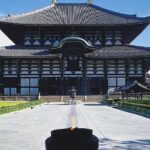
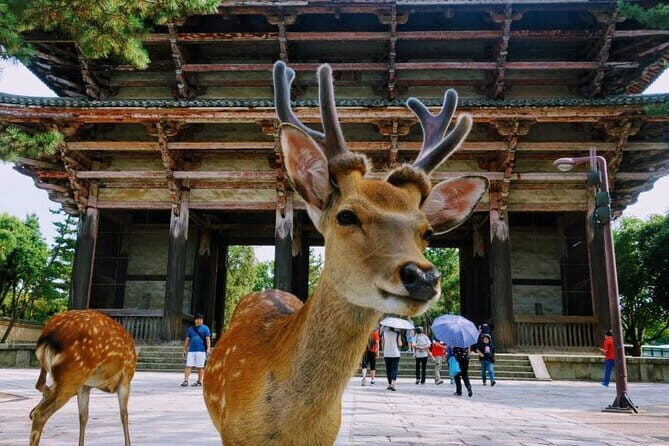
Your day often starts in Nara with Tōdai-ji Temple, and it is the kind of stop that resets your sense of scale. Todai-ji is famous for housing the world’s largest bronze Buddha statue, housed inside the Daibutsuden Hall, which is the largest wooden structure. The temple dates back to the 8th century, so you are not just looking at something old—you are stepping into a big chapter of Japanese Buddhist history.
You get about one hour here, and that’s a useful window. It is long enough to see the main hall area and take in the atmosphere, but short enough that you still keep momentum for the rest of the day. The entrance fee for Todai-ji is included, listed as 800 yen, so you are not wasting time paying at the gate.
What makes this stop work with a guide is orientation. Even if you read a little beforehand, it is easy to get lost in scale and symbolism. A good English guide can help you notice the details—where your attention should go first, what the setting means, and why the hall is such a big deal. That is the difference between seeing a temple and understanding why people treat it like a major pilgrimage site.
The practical note: big temple halls can be cooler than outside, but you may still feel the day’s walking. Bring layers you can handle when you step back out into the street.
Nara Park Deer Time: Sweet, Fast, and Very Japan
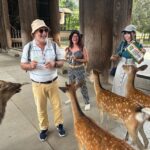
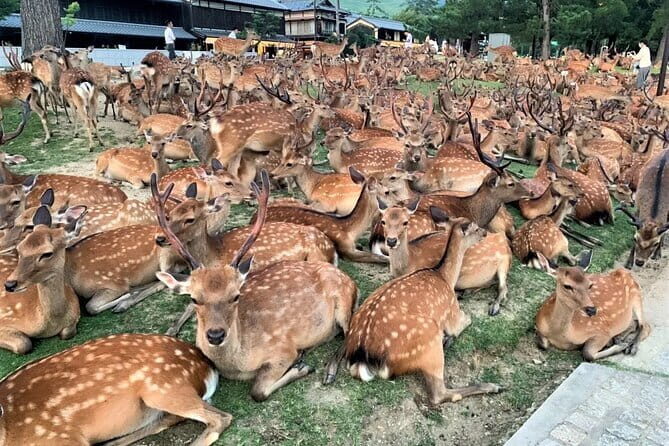
After Todai-ji, you move to Nara Park for a much shorter stop—about 20 minutes. This is where the experience turns playful. You can buy deer crackers and feed the deer, and the deer are described as sacred messengers that are tame around people.
This is not a deep-nature hike. It is a quick, iconic interaction, and it is one of the easiest ways to make Nara feel like more than a temple checklist. If you are traveling with kids, this part often becomes the highlight because it is immediate and visual—kids can’t miss it.
The tradeoff is time. Twenty minutes is enough for a first look and a few moments with the deer, but not enough if you want a long, slow wander. If you think you will want more deer time, consider adding it before or after your tour.
Also, keep your expectations grounded. Deer crackers are the whole point, but the park is still a public space with animals and people. Your guide can help you do this quickly and respectfully.
Kinkaku-ji Golden Pavilion: A Classy Temple With Real Photo Payoff
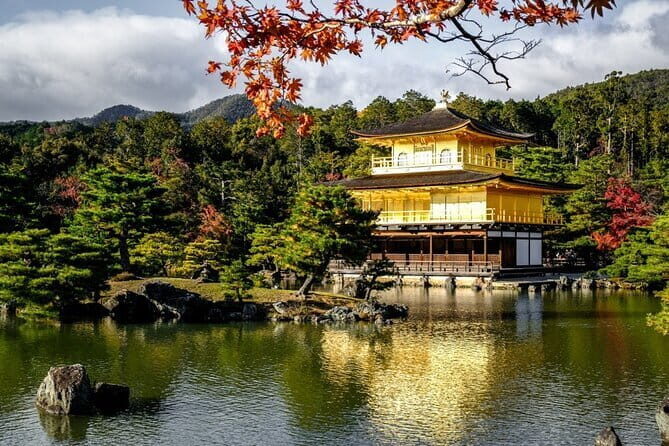
Next is Kinkaku-ji Temple, also known as the Golden Pavilion. You get about one hour, with entrance included (listed as 500 yen). This is one of Kyoto’s most famous sights for a reason: the gold structure reflects in a pond, set among gardens and Zen-style design.
In a group tour, this place can turn into a slow-moving crowd stampede. The private format helps because your guide can manage your timing and pacing. Even if you still see people, you are not stuck waiting behind the same camera-clutching bottleneck as everyone else.
What I like about Kinkaku-ji in a structured day is the way it balances the morning’s heaviness. Todai-ji is a monument to scale and faith; Kinkaku-ji shifts you into a calmer, aesthetic space. If you like architecture, reflections, and garden design, this one hour is well spent.
One caution: expect to do some walking on paths and viewing areas. Shoes matter here too, especially if it is damp or crowded.
Arashiyama Kimono Forest and Bamboo: Art Installations Meet Real Nature
Arashiyama is split into two parts on this route.
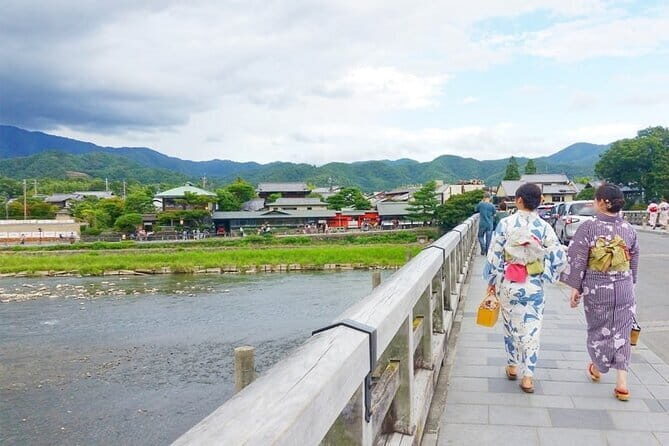
First, you stop at Arashiyama Kimono Forest for about 20 minutes. This is an art installation with colorful kimono-themed cylindrical pillars located near Arashiyama Station. It is fun, bright, and designed for pictures. If you are the type who loves quick photo stops, this fits perfectly. If you are not, it can feel like a detour—but it is short.
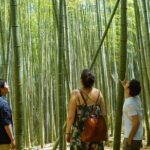
Then you get about two hours in Arashiyama itself. This is the real nature pull: the bamboo grove, with towering stalks and narrow paths that create that slightly magical tunnel effect. The walking here is gentler than a climb, but it still takes time to soak in and move through.
Both parts are listed as admission-free, so you are paying for time, location, and guide management rather than ticket costs. In practice, the guide matters because Arashiyama can be busy. A private day helps you keep your experience from turning into a long wait.
Practical tip: bamboo groves and garden paths can be slippery. Bring shoes you trust, and don’t rush just to beat the crowd.
Other private tours in Kyoto



Fushimi Inari Taisha: Torii Gates That Turn Into a Walk
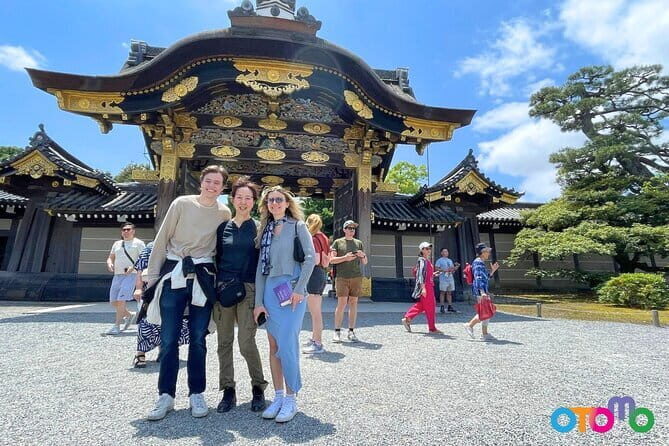
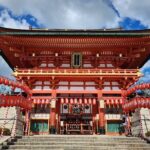
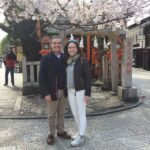
You finish the day at Fushimi Inari Taisha Shrine for about one hour. This is one of Japan’s most recognizable shrine scenes: thousands of vermilion torii gates creating trails through wooded areas. The shrine is dedicated to Inari, the Shinto god of rice and prosperity, and it traces back to 711 AD.
This stop is free of charge on the tour, and it is one of the best uses of your final hour. The torii gate path is scenic, and the shrine setting gives you a different vibe from the heavier temple architecture earlier.
What you should know: an hour goes fast here. There are lots of photo angles, and it is tempting to walk farther than you planned. If you want the full experience, ask your guide how far you should go for your preferred pace—because this is the one part where “quick look” can turn into “how did it get so far?”
In a private format, you are not trapped behind a large group schedule. Your guide can also point out where to pause so you get good sightlines without turning it into a stop-and-go grind.
English Guide Commentary and the Difference Between a Tour and a Day Out
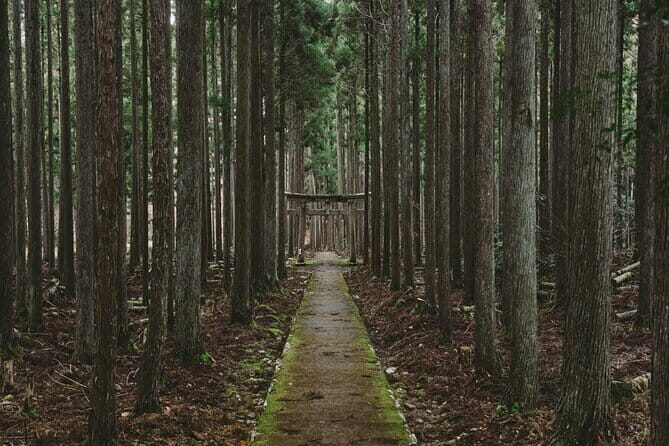
The tour includes an English tour guide, and that is where this kind of day trip either feels flat or feels meaningful. Some guides associated with this service, like Ben (Yujiro), are described as enthusiastic and strong at explaining cultural meaning. Other guides, like Christine, are described as very professional, with clear explanations and good English.
The way good guides handle the day matters in three big ways:
- They brief you before each stop, so you know where to look when you arrive.
- They answer questions on the spot, which helps the time inside temples feel more like learning than just watching.
- They manage timing, so you spend more time seeing and less time stuck.
There is also a practical layer. At least one group reported small extras like umbrellas, water, and snacks. That’s not a guarantee you should count on, but it fits the overall idea of a private, smoother day rather than a bare-bones bus run.
One possible downside showed up too: a couple of unhappy experiences complained about a guide being late or not providing enough information during the longer drive, even mentioning a driver falling asleep. That is rare, but it is a reminder to set expectations. This is not a scripted lecture tour. It can be great for storytelling if your guide is into it and you ask questions.
Lunch is another variable. Some groups mentioned an authentic ramen meal and also noted that a lunch spot may be cash-only, so it’s smart to carry some yen just in case your guide steers you toward a specific place.
Price and Value: Is $266.85 Per Person Worth It?
At $266.85 per person, this is not a budget day trip. The value comes from what is included:
You get:
- Pickup and drop-off between Osaka (and/or Kyoto) and the Kyoto + Nara route
- Air-conditioned vehicle
- Parking fees and fuel surcharge
- English guide
- Entrance tickets included for Todai-ji (800 yen) and Kinkaku-ji (500 yen)
A key detail: several other major parts of the route are admission-free on this plan—Nara Park, Arashiyama Kimono Forest, Arashiyama, and Fushimi Inari. So you are not paying entry fees for every stop; you are paying for transportation + guidance + the two larger ticket temples.
So who gets the best value?
- If you are traveling as a couple or small group, the private van cost can feel reasonable compared to multiple taxis and wasted time.
- If you hate transit math, the included drives and planning are worth real money.
- If you care about context, the guide time is the main return on cost.
If you are a solo traveler who wants lots of free roaming and zero schedule pressure, you might feel the price more sharply. Also, gratuities are not included, so plan a bit extra at the end.
Who This Kyoto and Nara Private Day Suits Best
This tour makes the most sense for travelers who want a highlights-packed day without chaos:
- First-timers who want the major hits: Great Buddha at Todai-ji, Golden Pavilion, bamboo at Arashiyama, and torii gates at Fushimi Inari
- People staying in Osaka who want Kyoto and Nara without changing trains and navigating connections
- Families with kids, since the deer interaction is quick, visual, and fun
- Travelers who like English commentary and want someone to connect temples and shrines to meaning
It might not fit as well if:
- You want slow time at each place and long wandering with no structure
- You expect the guide to act like a full-time storyteller during every minute of driving
- You dislike tight schedules and frequent “move to the next stop” moments
And one more practical note: since the tour requires good weather, keep your flexibility in mind if your dates are rain-prone.
Should You Book This Osaka Pickup Kyoto and Nara Tour?
I’d book this if you want a clean, private way to check off Kyoto and Nara in one shot, with an English guide and two temple tickets included. It is especially appealing if you value convenience, hate transit hassle, and enjoy having someone else manage the pacing so you can focus on the sights.
Before you commit, do three simple things:
- Plan for walking and bring comfortable shoes
- Bring a little cash for extras like deer crackers or lunch (some lunch stops may be cash-only)
- If you care a lot about guide-style, come with questions and interests so your day feels personal
If you want a slower, deeper temple day with no time pressure, you may prefer splitting Kyoto and Nara into separate days. But if your goal is maximum impact with minimal stress, this private combo is a strong choice.
FAQ
How long is the Kyoto & Nara Private Tour from Osaka?
It runs about 8 to 10 hours.
Do you get pickup from Osaka or Kyoto hotels?
Yes. Pickup is offered from Osaka or Kyoto.
Is this tour private or shared?
It is private. Only your group participates.
What entrance fees are included in the tour price?
Todai-ji Temple (800 yen) and Kinkakuji Temple (500 yen) are included.
Are there any stops on the tour that have no admission fee?
Yes. Nara Park, Arashiyama Kimono Forest, Arashiyama, and Fushimi Inari-taisha Shrine are listed as free of admission.
Does the tour have an English guide?
Yes, the tour includes an English tour guide.
What transportation is provided?
You ride in an air-conditioned vehicle. Parking fees, fuel surcharge, and travel time from Osaka to Kyoto and Nara, back to Osaka are included.
What is not included?
Gratuities or tipping are not included.
What is the cancellation and weather policy?
Free cancellation is available up to 24 hours in advance for a full refund. The tour requires good weather, and if it is canceled due to poor weather, you can choose a different date or receive a full refund.
Is there any fitness requirement?
The tour is described as requiring moderate physical fitness level. Service animals are allowed, and it is near public transportation.