One Kyoto day, then Nara’s big Buddha.
What makes this outing worth your time is the way it links two legend-soaked cities in a single, well-paced loop: Kyoto temples and Nijo Castle, then down to Nara for Todai-ji and the deer-filled park. I love that transport is air-conditioned and the guide keeps the story straight across multiple stops. I also love that admissions and transport costs are bundled, so you’re not hunting for tickets all day. The main consideration is the tight timing: it’s a see-more-than-linger day, so you’ll likely want your own extra time later if you fall in love with one site.
I’ve seen guides like KC, Momo, Yuki, and Etsuko turn this kind of long day into something fun, not stressful. You’ll get clear context on shoguns, imperial rule, and Buddhist and Shinto traditions as you move. Just plan for walking and follow the shoe and crowd rules when you’re asked to, especially at places like Nijo Castle.
In This Review
- Key things to know before you go
- Kyoto and Nara in One Day: Why This Route Works
- Nijo Castle: Shogun Power, Carpets Off Your Feet
- Kinkaku-ji Golden Pavilion: Photo Time With a Pond View
- Kyoto Imperial Palace Grounds: When the Main Gate Isn’t the Plan
- Kasuga Grand Shrine: Lanterns and the Deer Messenger Idea
- Todai-ji and Nara Park: Great Buddha Scale, Then Deer Chaos
- Transport, Timing, and Group Size: How to Make the Day Feel Smooth
- Meeting Point and Getting On the Bus Without Guesswork
- Price and Value: What You’re Really Paying For
- Who This Day Trip Suits Best
- Should You Book It?
- FAQ
- How long is the Kyoto and Nara day trip?
- What major stops are included?
- Is lunch included in the price?
- Does the tour include admission fees and transportation?
- What happens if a site is closed?
- Can I get a refund if my plans change?
Key things to know before you go

- UNESCO-heavy day, but not overwhelming: Nijo Castle, Kinkaku-ji, Kyoto Imperial Palace area, Kasuga Grand Shrine, and Todai-ji are all part of the core experience.
- Admissions + transport are included: fewer small payments, less decision fatigue, more time looking up at what you came for.
- A real guide story, not just directions: English interpretation from a licensed guide interpreter is built into the experience.
- Nara Park is quick but memorable: Todai-ji sets the awe level, then the deer park changes the mood fast.
- Schedules can shift with closures: if Kyoto Imperial Palace or Nijo Castle is closed, the tour swaps in alternate sites rather than leaving you stuck.
Kyoto and Nara in One Day: Why This Route Works

If you only have one full day, Kyoto and Nara together make sense. Kyoto gives you the “power and ritual” backbone of Japan—shogun-era rule at Nijo Castle, golden-lacquer religious art at Kinkaku-ji, and the imperial presence around the palace grounds. Then Nara brings the spiritual scale way up at Todai-ji and adds that playful chaos at Nara Park with the free-roaming deer.
This tour is especially practical if you’re traveling light or you’re not sure how to connect between areas efficiently. The day is built around guided movement and air-conditioned bus comfort, so you spend less time figuring out transit and more time absorbing the sites.
The tradeoff is obvious: 10 to 11 hours goes fast. You’ll get great snapshots and solid explanations, but you won’t “live” in any one place the way you could on a slower plan.
A few more Kyoto tours and experiences worth a look

Nijo Castle: Shogun Power, Carpets Off Your Feet
Nijo Castle is your first major anchor, completed in the early 1600s period and linked to Tokugawa Shoguns. It’s one of those places where the outside feels strict and formal, while the inside details are intricate—almost like the building is hiding its real personality in plain sight.
A standout part of starting here is the context. Early in the day, the guide can frame what the Tokugawa family represented and why Kyoto still mattered even when power was centered elsewhere. That makes later temple and shrine stories land better.
One practical tip: plan for shoe-off moments and follow the site rules calmly. Reviews specifically flag this at Nijo Castle, and it’s the kind of detail that’s easy to miss if you assume every stop works like a standard walkway.
Expect about 50 minutes here, plus time to join the group flow. It’s long enough to see the key areas, but not long enough to wander for an hour and a half on your own.
Kinkaku-ji Golden Pavilion: Photo Time With a Pond View

Kinkaku-ji is Kyoto at its most iconic. You’re looking at the Golden Pavilion, a multi-story structure covered in gold leaf, set beside a pond. Even if you’ve seen photos before, you’ll notice how the light and reflections change the look as you move around.
The other reason this stop works is the contrast between architecture and setting. The building is the star, but the water view and surrounding garden composition give you options for photos that actually look different from each angle.
You get about 45 minutes. That’s enough to see the main pavilion areas and get your share of pictures without feeling like you’re sprinting across a parking lot—assuming the group stays on schedule.
Kyoto Imperial Palace Grounds: When the Main Gate Isn’t the Plan

Next up is the Kyoto Imperial Palace area, used as the emperor’s residence until around 150 years ago. You may get a look at Shishin-den, noted for its connection to major state ceremonies, plus time to walk through parts of the palace grounds.
Here’s the key practical detail: Kyoto Imperial Palace isn’t always open. If it’s closed (often Mondays, and sometimes around Imperial Household Agency events), the tour swaps in Kitano Tenmangu Shrine. If the closure falls on the 25th, the alternate is Nishi Hongan-ji Temple. That means you shouldn’t treat the palace stop as guaranteed day-one viewing.
Still, this is a good inclusion because it anchors the day’s theme. You go from shogun authority to imperial symbolism, so the story of Japan’s governance and religion feels connected rather than random.
Kasuga Grand Shrine: Lanterns and the Deer Messenger Idea

Kasuga Grand Shrine is one of Nara’s signature Shinto experiences. It’s famous for the lanterns—more than 3,000 lining the interior spaces. In real life, the density of the lanterns makes the place feel lit from within, even on overcast days.
There’s also a lovely conceptual detail: the deer of Nara are thought to be messengers for the shrine. That theme pays off later when you hit Nara Park and see the deer in the wild.
You’ll spend about an hour here, and the tour also enters the Main Sanctuary special visit area. If the special area can’t be entered due to events or operational circumstances, the backup options are Kasuga Taisha Museum or Todaiji Museum.
The value of this stop is that it’s not only pretty. It ties Shinto symbolism to what you’ll see in Nara Park, so the day stops feeling like a list and starts feeling like a theme.
A few more Kyoto tours and experiences worth a look






Todai-ji and Nara Park: Great Buddha Scale, Then Deer Chaos

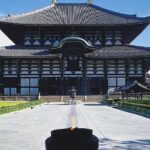
Todai-ji is the Nara stop you don’t want to miss. It’s a World Heritage site and the symbol of the Nara Period, known for being one of the world’s largest wooden structures. The Great Buddha Hall is the main draw, housing a huge bronze Great Buddha statue that hits you in scale fast—no special effects needed.
You’ll get about 1 hour 10 minutes for Todai-ji. That’s enough time to look closely without feeling like you’re only there for a single corner photo.
After that you continue to the adjacent Nara Park area and wrap up around the Deer Park portion. This part is fun because the mood changes. Todai-ji is weighty and grand; the deer park is lively and a little chaotic in the best way.
One practical note: the day ends with you walking back with the group. If you’re sensitive to long distances or you don’t handle crowds well, you should prepare yourself for extra walking at the end of the day. Some departures also involve a walk from the park area back to the bus, so comfortable shoes matter here.
Transport, Timing, and Group Size: How to Make the Day Feel Smooth

This tour is set up for comfort. You get air-conditioned transport between sites, and the bus ride reduces the stress of self-planning across Kyoto and Nara. It also helps if your Japanese is minimal and you’d rather spend your mental energy looking up at temples than decoding routes.
The group size is capped at 40 travelers. Seats may not be designated, so if you care about front-row sightlines, show up a bit early at the meeting point and keep your expectations realistic.
Pacing is the big tradeoff. The stops are timed (about 40 to 50 minutes each for the major sites), so you’ll get highlights and context, but you won’t fully unfold every side courtyard. If you prefer slow travel, plan a “return visit” to the one place that grabs you most—Kinkaku-ji and Todai-ji are common favorites for a reason.
Also, be strict about being on time for the bus. Reviews repeatedly flag punctuality as a key to keeping the day flowing.
Meeting Point and Getting On the Bus Without Guesswork

The start point is at the JTB SUNRISE TOURS DESK KYOTO, located inside Avanti near Kyoto Station, at B1F (3-31 Higashikujō Nishisannōchō, Minami Ward). The location is described as near public transportation, but Avanti’s interior can feel like a maze the first time you’re there.
My advice: arrive at least 15 minutes early, locate the desk, and take one photo of the storefront or nearby landmark so you don’t end up doubling back.
The tour uses a mobile ticket, which makes check-in quick once you find the right desk. Service animals are allowed, and the guide interpreter handles English explanation throughout.
Price and Value: What You’re Really Paying For
At $194.85 per person for a 10 to 11 hour day, you’re paying for three things at once: guided interpretation, bus transport, and admissions tied to the core sites. That matters in Japan, where individual entry fees and local transit can add up quickly—especially if you’re trying to hit Kyoto and Nara in one day.
You also get convenience. Instead of building your own plan and worrying about connection times, you’re given a structured path and swaps when closures happen. That’s not just comfort; it’s risk reduction. You lose fewer hours if weather or schedules change.
The value is highest if:
- it’s your first trip to Kyoto and you want an organized highlights route
- you want English interpretation and context, not just a checklist
- you’d rather not spend your day figuring out transport between regions
It’s less ideal if you hate time limits and want to linger in one place for hours at a stretch. This is a “see the big things” day.
Who This Day Trip Suits Best
This Kyoto and Nara tour is a strong match for first-timers and for anyone who values explanations. If you want to understand why Nara feels different from Kyoto—why Todai-ji is a different kind of awe than golden temple photography—this guide-led pacing helps.
It also fits groups and families who prefer one meeting point and one plan rather than splitting up and reassembling. The air-conditioned transport is a real plus when it’s hot or rainy.
If you struggle with walking long distances or you want a slower, more personal rhythm, adjust expectations. The timing is efficient, but Nara’s end-of-day walk can feel long for some people.
Should You Book It?
Yes—if you want the highlights of Kyoto and Nara in one managed day and you like learning as you go. I like that the tour bundles admissions and transport, uses a licensed English guide interpreter, and keeps the day moving with sensible swaps when major sites are closed.
Skip it or modify your expectations if you need lots of quiet time inside each temple complex or you’re likely to feel trapped by a fixed schedule. This is still one of the smarter “one day” solutions, but it’s built for momentum.
If you book, do two things for a better day: wear comfortable shoes, and be punctual at the Avanti desk so your group has time to enjoy each stop instead of chasing the clock.
FAQ
How long is the Kyoto and Nara day trip?
It runs about 10 to 11 hours.
What major stops are included?
You visit Nijo Castle, Kinkaku-ji, Kyoto Imperial Palace area, Kasuga Grand Shrine, and Todai-ji, plus Nara Park’s Deer Park.
Is lunch included in the price?
Lunch is included only if you choose a With Lunch option when booking. There are Western-style set menu or Indian thali set menu options, both served as set meals. If you choose No Lunch, you’ll have free time to eat on your own around Kyoto Station.
Does the tour include admission fees and transportation?
Yes. Admission fees and transportation costs are included, along with a licensed English guide interpreter and air-conditioned transport between sites.
What happens if a site is closed?
If Kyoto Imperial Palace is closed, the tour visits Kitano Tenmangu Shrine instead (or Nishi Hongan-ji Temple if the closure falls on the 25th). If Nijo Castle is closed, the tour visits Ryoan-ji Temple instead. Kasuga’s Main Sanctuary special visit area may be replaced by Kasuga Taisha Museum or Todaiji Museum if entry isn’t possible.
Can I get a refund if my plans change?
Yes. You can cancel up to 24 hours in advance for a full refund. If you cancel less than 24 hours before the start time, the amount you paid won’t be refunded.