Kyoto is at its best on a human scale. This private walk pairs you with a local host who shapes the route around your interests, your pace, and your curiosity, not some one-size-fits-all circuit. I like the pre-tour questionnaire idea because it sets the tone for a tour that feels planned for you, and not just assigned. You’ll also get direct communication with your host so you can adjust on the fly.
The other big plus is flexibility. Your guide can slow down for photos, reroute around crowds, or swap a stop if your group energy changes. In reviews, guides like Pam, Mia, Kenta, Harun, Milos, and Takaya are praised for listening first, then steering the day. The main drawback to consider: this is a walking tour, and you may use public transport or taxis between sites, which can add cost.
In This Review
- Key Things That Make This Kyoto Walk Worth Your Time
- Why a Private Kyoto Walk Beats the Usual Highlights
- How Your Local Host Builds the Day Around You
- Typical Kyoto Stops You May Want to Choose (And What They Feel Like)
- Food-focused Kyoto moments
- Shrine-and-temple time with context
- Off-the-main-path “Kyoto backstreets”
- Gion and classic atmosphere
- Gardens and tea-room culture
- A monkey park stop, if you want it
- Nishiki Market, Temples, and Gion Alleys: The Real Value of the Mix
- The market stop helps you understand daily Kyoto life
- Temple time gives you the meaning behind the visuals
- Gion and alleys turn your photos into memory
- Price and Logistics: What You’re Really Paying For
- Meeting Point and Getting Around Without Losing Your Day
- English and Japanese Support: How to Get More Out of Your Guide
- Should You Book This Customized Kyoto Walking Tour?
- FAQ
- How long is the Kyoto private customized walking tour?
- Is this tour private?
- What languages are the guides?
- Where do we meet if we don’t arrange hotel pickup?
- Are meals and attraction tickets included?
- Is it accessible for wheelchair users?
Key Things That Make This Kyoto Walk Worth Your Time
- Personalized planning from a questionnaire, then real back-and-forth with your host
- A like-minded guide matched to your interests and pace, with room for detours
- Food and culture on your terms, including local stops like Nishiki Market
- Low-crowd options when a guide steers you toward quieter temples and alleys
- English or Japanese support from a private guide, not a group handler
Why a Private Kyoto Walk Beats the Usual Highlights

Kyoto can overwhelm you in two ways: too many must-sees, and too many people at the same time. A private customized walking tour is built to fix both. Instead of dragging you through checkboxes, it starts with what you actually want to feel.
One love: you’re not forced into a rigid itinerary. Guides in the feedback often describe helping visitors hit what matters to them, like Kyoto shrines, Geisha-era streets, gardens, or food. That’s the real value here—your time goes toward the Kyoto you care about, not the Kyoto a template assumes.
Two love: the local insider angle is practical, not just ceremonial. You’ll get restaurant and shop suggestions, plus tips you can use after the tour. A couple of guides specifically stood out for giving follow-up guidance for where to go next, which is what you need when the tour ends and you’re still in Kyoto.
One thing to keep in mind: you’re paying for guidance and routing, not tickets or guaranteed admissions. The guide can suggest and help you plan, but entry fees and extra food are on you. If you want a day of included meals and paid attractions, this model may feel more like a smart framework than an all-in package.
Other walking tours we've reviewed in Kyoto


How Your Local Host Builds the Day Around You
This tour uses a simple method: you answer a short questionnaire, then your host uses your responses to shape the route. The match matters. Several reviews praise guides for understanding what the visitor wanted quickly, then adapting as the day progressed.
You also pick the tour length, from 2 to 6 hours. That choice is more important than it sounds, because Kyoto pacing is everything. Some sites eat your time with lines and stairs. Others are best enjoyed slowly, with side streets and small moments.
Here are the practical ways your guide can use that questionnaire:
- If you care about temples and history, you’ll likely get a shrine-and-steps style route with context and stories.
- If you care about food, you’ll likely get mapped toward markets or lunch stops that fit your preferences.
- If you care about quieter Kyoto, you’ll get nudged toward less crowded areas and better timing.
In reviews, guides like Eiko, Emi, and Hiro are praised for asking questions beforehand, then translating those answers into a smoother day. Alexis and Daus also get credit for being prepared and shaping the plan around visitor lists while still leaving room for spontaneous pauses.
Typical Kyoto Stops You May Want to Choose (And What They Feel Like)
Because your route is customized, I can’t promise the exact same sequence for everyone. But the experience is consistent: your guide selects the best-fit areas from common Kyoto “themes,” then stitches them into a logical, walkable arc.
Think of the tour as a menu with a host at the grill. Based on the places that show up repeatedly in the feedback, here are solid themes you can steer toward.
Food-focused Kyoto moments
Nishiki Food Market comes up often in the reviews. It’s easy to see why. In a short time, you can sample the vibe of Kyoto food culture—small bites, specialty stalls, and that happy chaos that makes you hungry before you even decide what to eat. One guide, Mia, is specifically mentioned for good food time at Nishiki, which suggests this is a strong option if your questionnaire leans culinary.
What to expect:
- Short stops for browsing and snack-style tasting
- Practical advice on what to order and how to navigate quickly
Possible drawback:
- Markets can feel intense if you’re not into crowds. A good guide helps by timing your walk and keeping you moving.
Shrine-and-temple time with context
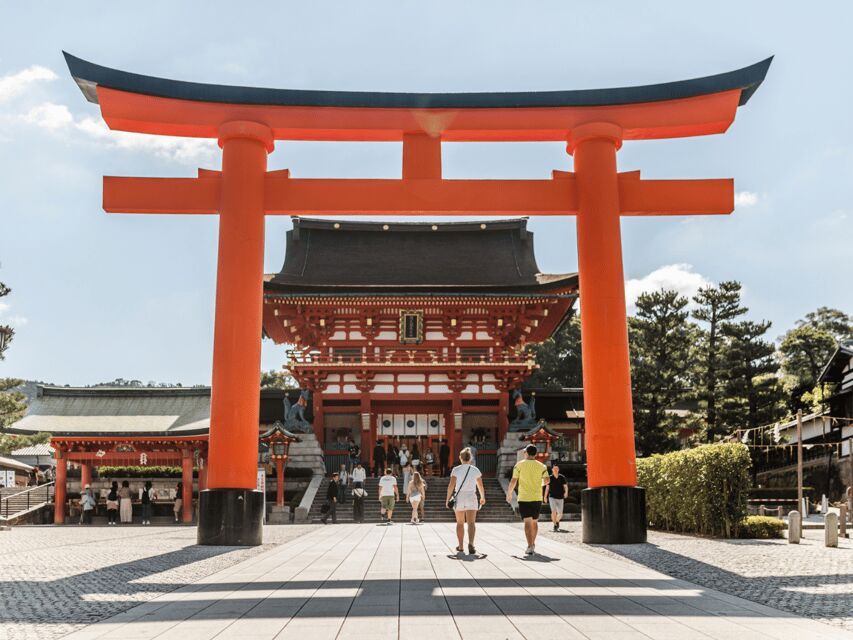
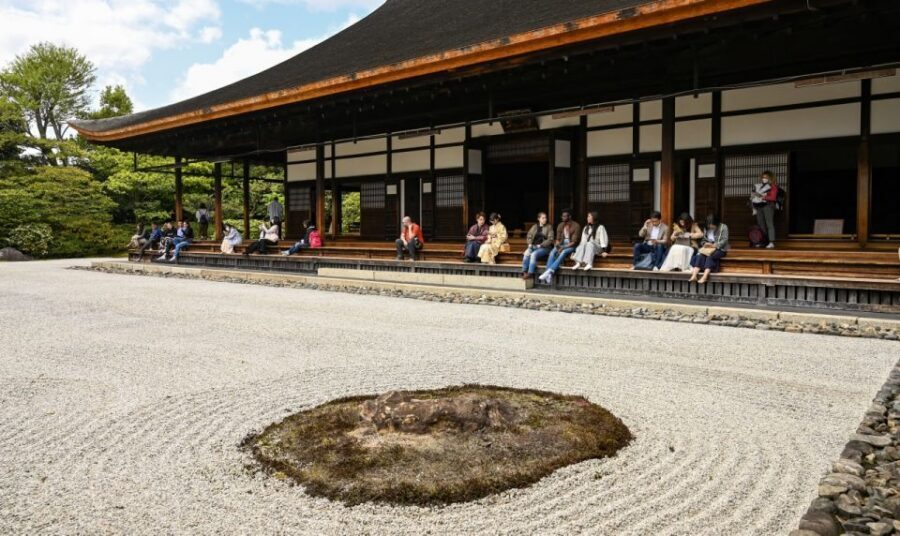
Nanzenji is a specific temple that appears in the feedback, along with storytelling about Japanese garden design. That matters. Temples are beautiful, but without context you can miss why the layout matters—the bridges, the pathways, the way the grounds shape your attention.
Some guides are praised for history and cultural explanations, while others are praised for guiding you to gardens and tea settings. If you like understanding what you’re looking at, say so early in your questionnaire.
What to expect:
- Time in temple grounds with a narrative thread
- Guidance on what to notice, not just where to stand for photos
Possible drawback:
- The walking can include uneven surfaces and lots of steps. Your guide can adjust for mobility needs, and you should tell them up front.
Other private tours in Kyoto





Off-the-main-path “Kyoto backstreets”
Several reviews highlight tours described as less crowded or “off the beaten path,” with guides leading visitors through calmer areas. You’ll often feel the shift when the street narrows and the bustle turns into side-alley quiet.
One standout example: a guide took a visitor to Philosophy’s Path during cherry blossom season, then also included Gion. That kind of pairing can work well because both areas have strong visual identity, but you get to choose the mood—flowers and walkability versus traditional alley energy.
What to expect:
- Street-level Kyoto—alleys, small shrines, street scenes
- Less time stuck behind tour groups
Possible drawback:
- If you’re chasing only famous photo spots, a quieter route may feel slower. Tell your host if you still want at least a few big-name sights.
Gion and classic atmosphere
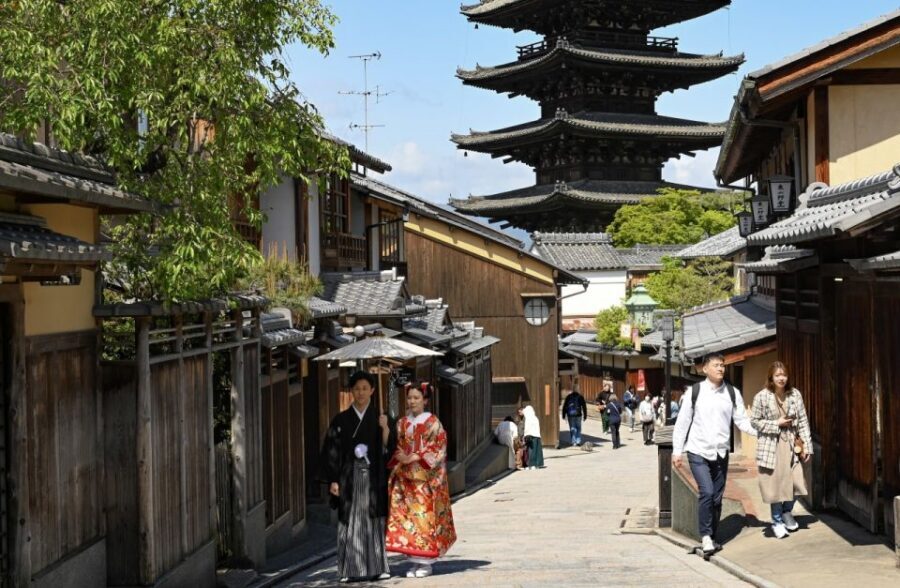
Gion is named directly in the feedback, and it’s a common target for first-time Kyoto visitors. The value of doing Gion with a private guide is timing and pacing. You can see more of the neighborhood feel, and you can ask questions about etiquette and what you’re seeing as you walk.
What to expect:
- Guided context for the area
- Helpful suggestions for where to eat or keep exploring after the tour
Possible drawback:
- Expect crowds at peak times. A careful guide can still help you enjoy it without wasting your energy standing still.
Gardens and tea-room culture
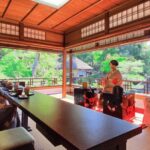
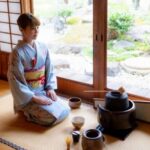
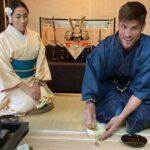
Matcha tea and garden storytelling show up in the reviews too—specifically described in relation to a temple tea setting. This is one of those experiences where the “custom” part matters: if you enjoy sensory culture, your guide can slow the day down and build in time for it.
What to expect:
- A calmer moment in the middle of walking
- Explanations that connect gardens, seasons, and aesthetics
Possible drawback:
- Tea and extras are not included, so you should budget for it.
A monkey park stop, if you want it
One review mentions a monkey park included as part of a lunch-and-sights day. If you want “Kyoto plus a side adventure,” this kind of stop can add variety. Just remember this is still a walking tour—choose the day length and effort level carefully.
Nishiki Market, Temples, and Gion Alleys: The Real Value of the Mix
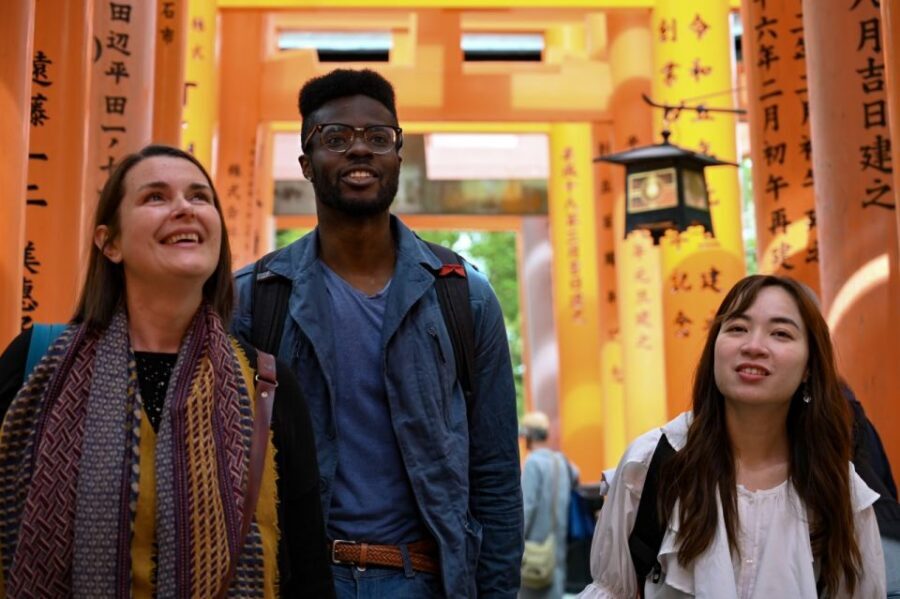
What makes this tour work is the rhythm. Your guide can combine three kinds of Kyoto experiences in one stretch:
1) Food culture (often Nishiki-style browsing)
2) Sacred sites (temples/shrines with explanations)
3) Neighborhood atmosphere (Gion and the walkable lanes around it)
That mix is what turns Kyoto from a list into a story.
Here’s how each part pays off for you.
The market stop helps you understand daily Kyoto life
Markets aren’t just snacks. They’re where you learn what people actually buy and eat, and how food vendors shape the neighborhood rhythm. If you’re new to Japan, a guide can also help you decode basic etiquette and ordering—small things that reduce stress fast.
A good example from the feedback: Mia’s tour was praised for both knowledge and great food at Nishiki. That’s the sweet spot: you enjoy the food, but you also walk away understanding why the place works.
Temple time gives you the meaning behind the visuals
In multiple reviews, guides are praised for history and cultural stories tied to the sites. That’s the difference between seeing a temple and getting something you can carry with you.
If your group includes kids, ask for a pacing style that keeps them engaged. One review praised a guide for cheering up a grumpy kid so the whole group stayed happy.
Gion and alleys turn your photos into memory
Gion looks good on camera. But with a host, you’ll understand what you’re seeing as you walk—seasonal cues, why certain streets feel different, what to expect at specific times.
One cherry blossom-season routing example included Philosopher’s Path and Gion. That pairing works because it gives you two kinds of beauty: a scenic walking corridor and a traditional neighborhood mood.
Price and Logistics: What You’re Really Paying For
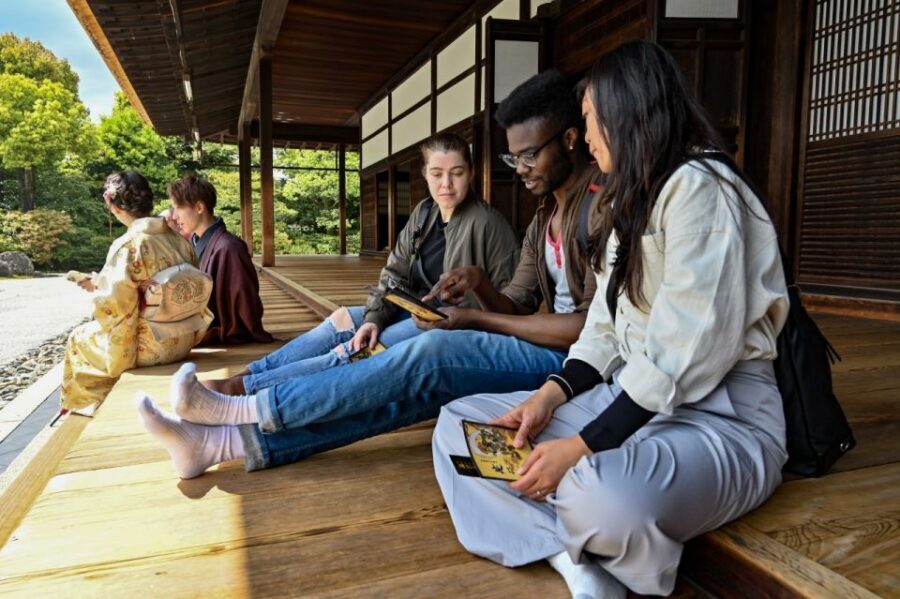
At $64 per person, this is priced as an access and guidance experience more than a ticket bundle. The tour can run from 2 to 6 hours, so the value depends heavily on what duration you choose.
Here’s the practical way to think about it:
- If you book the 2-hour version, you’re paying for smart routing and a high-impact introduction.
- If you book closer to 6 hours, the hourly value improves because you’re stretching the guide’s time across more Kyoto moments.
Also, consider what’s not included. Food, drinks, and attraction tickets are not part of the price. So your real cost is:
- base tour fee
- plus your personal spending (meals, tea, small purchases)
- plus possible transport between sites
Transportation is the main logistics question. Since it’s a walking tour, you won’t get a private vehicle. Public transport or local taxis may be used to transfer between sites, and your guide can discuss likely costs after booking. If you hate surprise logistics, ask your guide early how much transit they expect for your selected route style.
Meeting Point and Getting Around Without Losing Your Day
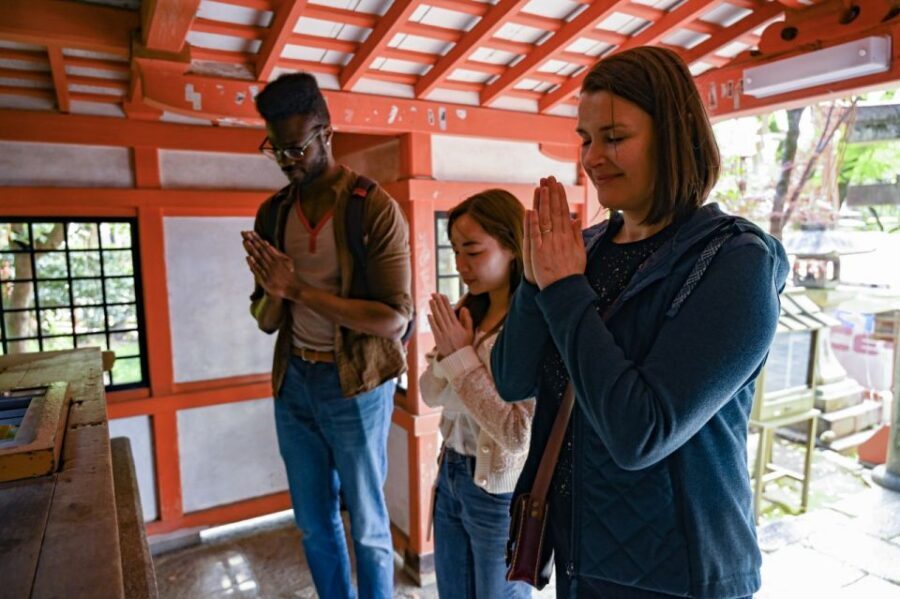
You have two common starting paths here:
- Hotel pickup is possible for central Kyoto hotels
- Or you meet at a central location: Starbucks Coffee – Kyoto Sanjo-ohashi Bridge (Kyoto, Nakagyo Ward, Nakajimachō, building 1F)
That Starbucks meeting point sounds plain, but it’s actually helpful. It’s easy to find, easy to orient to, and you don’t waste your first hour hunting for a guide.
A walking tour also means you’ll spend your energy on your own feet. That’s great for sightseeing. It’s also why your guide’s pacing matters so much. A few guides are specifically praised for adapting timing and staying flexible, including helping with mobility issues gracefully in one case.
Practical tips before you meet:
- Wear shoes that handle uneven pavement and lots of stairs.
- Bring a water bottle and something light for snacking if you think you’ll get hungry between stops.
- If you have dietary needs, communicate it in your questionnaire. One review praised a guide for catering to dietary requirements at lunch.
English and Japanese Support: How to Get More Out of Your Guide
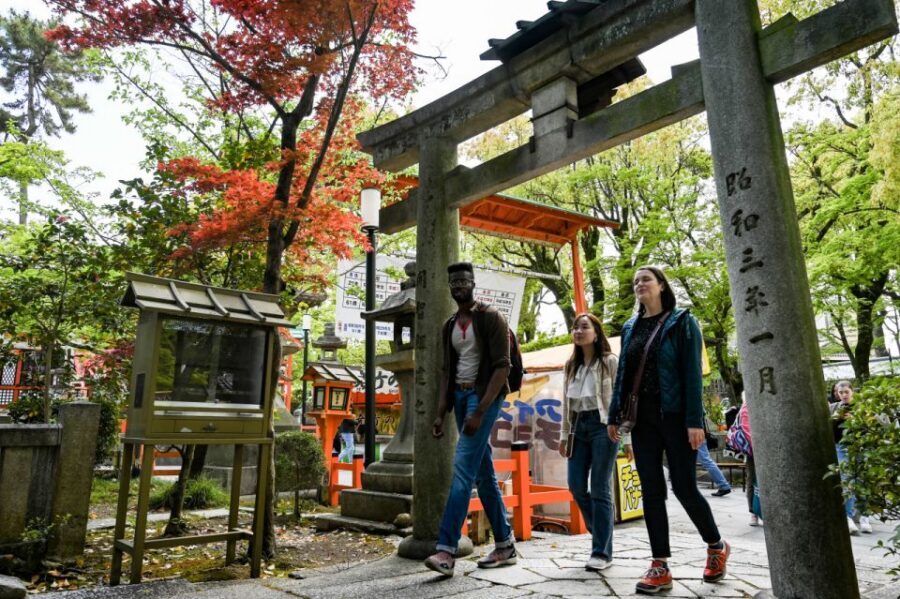
The guide can work in English or Japanese, which helps if your group includes different comfort levels. In reviews, many guides are described as friendly and chatty, with the ability to answer questions and explain what you’re seeing.
To get the most out of your tour, come prepared with 2 or 3 priorities. Examples based on what the guides consistently delivered:
- A shrine/temple focus with explanations
- A food route, including time for Nishiki-style snacks
- A neighborhood walk like Gion with less stress on logistics
- Garden and matcha/tea culture if that’s your thing
- Quiet alternatives to crowds when possible
Also, ask for a short plan after the tour. Several guides are credited with pointing visitors to where to go next for lunch, dinner, or additional key spots. That’s how you turn one guided block into multiple good days.
Should You Book This Customized Kyoto Walking Tour?
Book it if:
- You want a plan that changes with your interests, not a fixed checklist.
- You like walking but don’t want to be stuck figuring everything out alone.
- You value insider food and shop recommendations, including markets like Nishiki.
- You want context at temples and a calmer way to experience neighborhoods like Gion.
Skip it if:
- You’re looking for an all-inclusive day where meals and tickets are built in.
- You only want big famous stops with zero flexibility; a customized tour may steer you toward less crowded timing and side streets instead.
- You dislike walking or are unsure about transferring between sites by public transport or taxi.
If you’re on your first Kyoto trip, I think this is one of the smartest ways to get your bearings fast and start the rest of your days with confidence. And if you’re returning to Kyoto, it’s a strong way to find the parts that feel personal instead of repetitive.
FAQ
How long is the Kyoto private customized walking tour?
You can choose a duration between 2 and 6 hours, based on availability and your preferred start time.
Is this tour private?
Yes. It’s listed as a private group experience, so you won’t be mixed into a larger group.
What languages are the guides?
The tour is available with a live guide in English or Japanese.
Where do we meet if we don’t arrange hotel pickup?
If pickup isn’t arranged, the meeting point is Starbucks Coffee – Kyoto Sanjo-ohashi Bridge, Kyoto, Nakagyo Ward, Nakajimachō, building 1F.
Are meals and attraction tickets included?
No. Food, drinks, and attraction tickets are not included, though your host can recommend where to eat.
Is it accessible for wheelchair users?
Yes, it’s listed as wheelchair accessible.