Kyoto is easiest with a guide at your side. This private walking tour is built around seeing the main highlights and getting the story behind them, thanks to a government licensed Tour Guide-Interpreter. You can pick your sights from a menu (or let the guide design the day), then use the time well with smooth navigation between stops.
I especially love the way the tour can be tailored to your pace and interests, whether you want early mornings, temple time, or a Gion evening. I also like that you get local context tied to what you’re standing in front of, not just a checklist, and even guides like Kazuo, Rie, and Naoki are praised for planning logistics and sharing clear explanations. One possible drawback: it’s a walking day tour, so you’ll want comfortable shoes, and you may use public transit or taxis between sites.
You’ll be moving through Kyoto’s famous scenes fast enough to feel you made progress, but slow enough to actually notice details. Expect iconic places like Fushimi Inari-taisha with its Torii corridor and Kinkaku-ji, plus options that mix temples, castles, and neighborhoods like Gion and Nishiki Market. If you’re expecting a car-based tour with minimal walking, this one may feel a bit more active than you want.
In This Review
- Key highlights that make this tour click
- Why a private walking guide works so well in Kyoto
- Planning your day: 4, 6, or 8 hours and how many stops to expect
- Fushimi Inari-taisha and the Torii Corridor: what to watch for
- Seeing Memoirs of a Geisha’s filming location without turning it into a theme park
- Kinkaku-ji: the Golden Pavilion and why the timing matters
- Kiyomizu-dera’s veranda views and the walk into Gion
- Other stops you can build around: temples, markets, and classic neighborhoods
- Transit and timing: how the tour keeps its pace
- Price and value: what $106 gets you in Kyoto
- What the best guides bring to the day
- Who should book this tour (and who should skip it)
- Should you book this Kyoto private walking tour?
- FAQ
- How long is the Kyoto private walking tour?
- How many places will we visit during the tour?
- What’s included in the price?
- What isn’t included?
- Do we use public transportation during the day?
- What languages are the guides?
- Does the tour run in bad weather?
- When will I know the tour is confirmed?
Key highlights that make this tour click

- Nationally licensed English/Japanese guides who can explain culture and history on the spot
- Fushimi Inari-taisha Torii corridor plus the symbolic meaning your guide will connect to the setting
- Memoirs of a Geisha filming location mentioned as part of what you can see during your day
- Real customization: 4, 6, or 8 hours with an average target of 2–3, 3–4, or 4–6 places
- Kiyomizu-dera to Gion walking flow, with shopping and dining recommendations from your guide
Why a private walking guide works so well in Kyoto

Kyoto can feel like a maze until someone local guides your route. With a private group and a government-licensed interpreter, you’re not translating details on your own while also trying to figure out which bus or train makes sense.
I like that this is structured like a walking day, not a rushed drive-by tour. Your guide can help you sequence stops, spot good photo timing, and explain what you’re seeing as you go.
Other guided tours in Kyoto


Planning your day: 4, 6, or 8 hours and how many stops to expect

This tour comes in 4–8 hour lengths, and the number of sites is set with realistic pacing in mind. The general guide is: an average 4 hour tour covers 2–3 places, a 6 hour tour covers 3–4 places, and an 8 hour tour covers 4–6 places.
That matters because Kyoto’s big attractions can’t be treated like quick errands. Even if you take taxis or public transportation between areas, time still disappears fast through walking, queues, and transit steps.
A practical way to use this: if you’re visiting Kyoto for the first time and you want iconic hits, choose a 6-hour or 8-hour version. If your schedule is tight, the 4-hour version works best when you commit to a tight cluster like one shrine area plus one or two central sights.
Fushimi Inari-taisha and the Torii Corridor: what to watch for

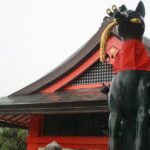
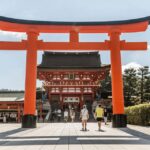
Fushimi Inari-taisha is the kind of place where your brain needs help focusing. You’ll see the Torii gate corridor, and your guide will connect what you’re walking through to the shrine’s symbolism, including the idea of a continuing gateway from the current world to the world of the dead inhabited by the gods.
The corridor is also where timing really pays off. Several guides in this program are praised for helping people manage crowds and still keep the day fun, so if you care about photos and calm walking, I’d prioritize an early start when possible.
One more thing: don’t treat Inari like a single photo spot. It’s a stroll through a layered shrine landscape, so plan to slow down. Let your guide show you where to linger for better views without feeling stuck.
Seeing Memoirs of a Geisha’s filming location without turning it into a theme park

The tour may also include the filming location for Memoirs of a Geisha, described with a colorful crimson scenery and a mysterious atmosphere. This is a good example of why a private guide adds value: it’s not just where the camera was, but what the setting meant and how it fits the neighborhood’s character.
If you’re a movie fan, this stop can feel extra meaningful. If you’re not, you can still enjoy it as a Kyoto contrast point: cultural storytelling tied to a very specific visual mood.
Keep an open mind here. Kyoto locations like this work best when your guide explains the connection while you’re standing in the exact space.
Kinkaku-ji: the Golden Pavilion and why the timing matters

Kinkaku-ji, the Temple of the Golden Pavilion, is famous for a reason. The name comes from the golden color of its reliquary hall, and your guide will point out how the structure looks bold and simple with mountain views behind it.
The “why” behind a guided stop here is simple: it helps you understand what you’re seeing from the most interesting angles. If you try to do this alone, you can easily end up staring straight at the most crowded view and missing the quieter perspectives.
A small planning tip: with private time, you can adjust pacing. If the area is busy, ask your guide how to reposition for better sightlines without losing time on the rest of your route.
Other private tours in Kyoto



Kiyomizu-dera’s veranda views and the walk into Gion

Kiyomizu-dera is the kind of stop that rewards standing still for a minute. You’ll enter the temple and get panoramic city views from its large veranda, which is one of Kyoto’s most dependable “wow” moments.
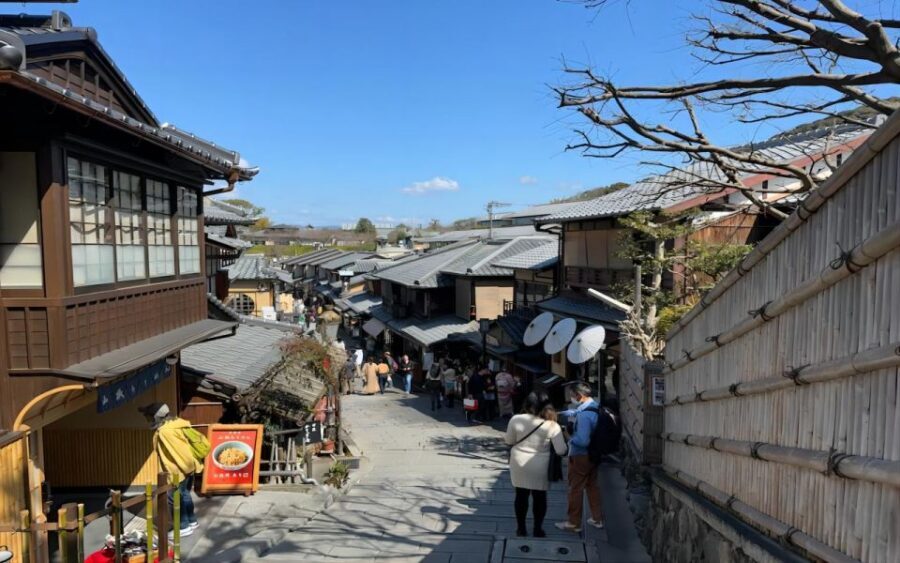
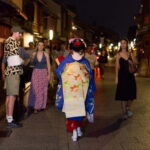
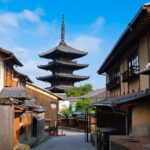
What I like most is the flow after Kiyomizu-dera: you’ll walk from the temple path toward Gion. That stretch is where Kyoto turns into street-level life. Along the way you can find Kyoto-esque shops with unique souvenirs, so it’s a good place to slow down and actually browse.
Gion also makes dinner easier. Your guide can recommend food options in the district, and this is one area where a local’s taste matters. You’re not stuck choosing between three overhyped choices; you’re getting a recommendation that matches what you want to eat and how your day is going.
In short: treat this section like two parts—views at the temple, then a stroll that naturally leads to dinner.
Other stops you can build around: temples, markets, and classic neighborhoods

The tour gives you a menu of major areas you can request, including options like:
- Fushimi Inari-taisha, Kinkakuji, Kiyomizu-dera
- Nijo Castle
- Nishiki Market Shopping District
- Gion, Pontocho, Higashiyama Ward
- Kyoto Imperial Palace
- Ginkakuji, Nanzenji Suirokaku, Tofuku-ji, Toji
- Arashiyama and nearby areas like Togetsukyo Bridge and Bamboo Forest Street
- Several temple gardens and complexes such as Okochi Sanso Garden and Byodoin Temple
- Maruyama Park
Because the itinerary is customizable, the best “special” you’ll get from these stops depends on your own priorities. If you want shopping and snacks, Nishiki Market and the Gion walk make sense. If you want a more historical mix, you can pair places like Nijo Castle or Kyoto Imperial Palace with at least one standout shrine/temple.
A drawback to keep in mind: Kyoto’s famous sights often cluster. That’s great for efficiency, but it can make crowds heavy in popular zones. If avoiding peak crowds matters to you, tell your guide early. Many guides in this program are praised for adjusting the order to fit the day, including rainy conditions.
Transit and timing: how the tour keeps its pace

This is a walking tour, and a private vehicle isn’t included. Your guide may use public transportation or local taxis to transfer between sites, and you should have Japanese Yen on hand for any transportation costs.
This doesn’t mean you’re stranded or scrambling. It means your guide is planning route transitions as part of the day, and that’s where private time shines. When a tour is self-guided, “distance” is hard to judge. With a guide, you can spend your energy on sights instead of figuring out the next step.
Also note the practical max group size: up to 7 passengers. That’s still small enough for a real private experience, but large enough that the logistics stay manageable.
Price and value: what $106 gets you in Kyoto

At $106 per person for a 4–8 hour private walking tour, the value depends on what you’re trying to get out of Kyoto.
Here’s the good part: you’re paying for a licensed local interpreter, private pacing, and itinerary planning. That’s not just comfort. It’s time saved and context gained—especially in Kyoto, where names, rituals, and neighborhood rhythms can feel mysterious if you don’t have someone translating the meaning.
What’s not included matters, too. Food and drinks are on you, entrance fees aren’t included, and any transit during the tour may cost extra. But think of it like this: you’re budgeting for the places themselves and the meals, while the guide helps you choose the best order and timing so you don’t waste hours getting “almost there.”
If you want maximum efficiency with minimal stress, this price starts to make sense fast—especially if your alternative is piecing together multiple guidebooks and hoping you picked the right sequence.
What the best guides bring to the day
The guide is the experience. This tour’s guides hold the Nationally-licensed Tour Guide-Interpreter certification, which is issued by the Japanese government and requires strong understanding of Japanese culture and history.
In practice, the standout guide traits mentioned across different names include:
- Great English communication, with some guides also writing key info in Japanese
- Careful planning for transit logistics between stops
- Flexibility to adapt the route, including handling different ages in the group
- Helpful extras like hand-made references or clear explanations tied to each location
You might meet guides such as Kazuo, Rie, Naoki, Haru, Akira, Shoji, Yuka, and others. The unifying theme is that the guide isn’t just pointing you toward a destination—they’re helping you understand why the destination matters.
Who should book this tour (and who should skip it)
This tour is a strong fit if you:
- Have limited time in Kyoto and want major highlights plus context
- Prefer private pacing over joining a group at fixed times
- Want dining and shopping guidance tied to where you’ll be walking
It’s also ideal for families and mixed-age groups, since some guides are praised for adjusting pacing and keeping everyone comfortable. If you care about keeping up, this is a walking day, so good shoes are non-negotiable.
If your travel style is mostly “sit, photo, repeat,” and you want a car-heavy day with minimal walking, you may feel this is too active for you.
Should you book this Kyoto private walking tour?
Yes—if you want Kyoto explained while you walk, and you like the idea of tailoring the day to your interests. The $106 price isn’t just paying for movement; it’s paying for translation, planning, and smoother transitions between classic neighborhoods.
I’d book this especially if you’re aiming to combine at least one of these: Fushimi Inari, Kinkaku-ji, or Kiyomizu-dera plus the walk into Gion. That combo gives you shrine scale, temple atmosphere, and real street-level Kyoto in one day.
If you do book, send your guide your must-see list early from the provided options. Then be honest about what you want most: crowds or calm, shopping or temples, or time for a slower dinner in Gion.
FAQ
How long is the Kyoto private walking tour?
You can choose a 4, 6, or 8 hour option, based on available starting times.
How many places will we visit during the tour?
The average target is 2–3 places for a 4 hour tour, 3–4 places for a 6 hour tour, and 4–6 places for an 8 hour tour.
What’s included in the price?
You get a private and personalized walking tour, a licensed local guide, and pickup on foot if you’re within a reasonable distance.
What isn’t included?
Food and drinks, any entrance fees, and any public or private transportation fees during the tour are not included.
Do we use public transportation during the day?
This is a walking tour, and a private vehicle is not included. Public transportation or local taxis may be used to transfer between sites, and exact costs can be discussed after reservation.
What languages are the guides?
The tour is offered with live guides in English and Japanese.
Does the tour run in bad weather?
Yes. The experience takes place rain or shine.
When will I know the tour is confirmed?
The tour is not confirmed until your guide contacts you. Most guides contact you within 7 days, and the provider will reach out if a guide is unavailable.