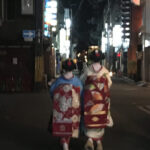
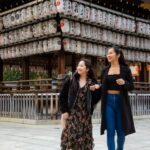
Gion at night feels like a movie set. This guided walk is built for the after-dark magic, when the lanes glow with lantern light and you can drift through back streets with a guide instead of getting lost in the crowds. I really like the small group size (no more than 9 per outing), and I also like that the route focuses on places most people skip in a rushed day. One thing to consider: the tour runs through prime dinner hours, so you may finish feeling snack-starved if you don’t plan ahead.
I also like how easy this experience is to fit into your Kyoto stay. You’ll cover Gion, then Hanamikoji Street, and end at Yasaka Shrine, all on foot at an evening pace that’s meant to feel more personal than a cattle-car bus tour. If you’re hoping for geisha sightings, you might be lucky, but don’t treat that like a guarantee.
In This Review
- Key highlights worth your attention
- Why Gion at night feels like a different Kyoto
- The small-group size that actually changes your experience
- Stop-by-stop: Gion lanes, Hanamikoji Street, and Yasaka Shrine
- Gion after sunset: lantern light and old-street energy
- Hanamikoji Street: the preserved old street moment
- Yasaka Shrine (Gion Shrine): tradition with real explanations
- Your evening route: where you meet and where you end
- Guides make the difference: what you’re likely to get from them
- What’s included (and how that affects your planning)
- Dress warm, bring sensible shoes, and expect real walking
- When geisha sightings happen (and when they don’t)
- Is this tour worth $18?
- Should you book this Gion night walk?
- FAQ
- How long is the Kyoto Gion Night Walk tour?
- How big are the groups?
- Where does the tour start and end?
- What are the main places you visit?
- What’s included in the price?
- Can I cancel and get a refund?
Key highlights worth your attention
- Small groups (max 9 per outing) make it feel calmer and easier to ask questions
- A true night focus—lantern-lit streets change the mood fast
- Hanamikoji Street at human speed with a guide who points out what matters
- Yasaka Shrine gives context for Gion’s traditions and customs
- Many language options via private upgrade if you want a one-on-one feel
- A snack break can be included on premium/private formats, so check your option
Why Gion at night feels like a different Kyoto
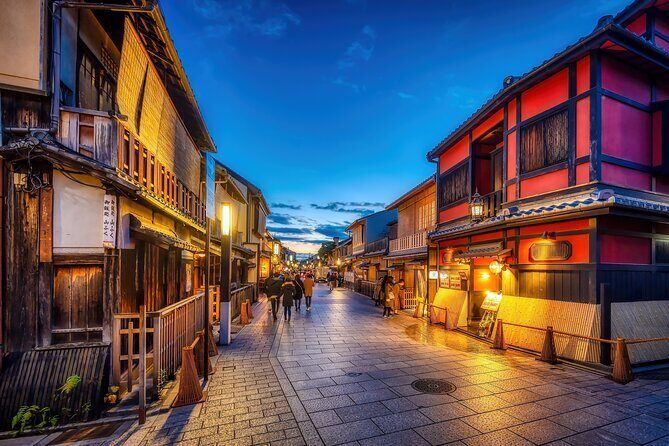
If daytime Kyoto is about temples and photos, night Kyoto is about atmosphere. Gion turns softer after dark. Lanterns, restaurant signs, and the glow of traditional buildings create a completely different rhythm—slower, more intimate, and way easier to observe without elbowing anyone.
This tour is designed around that shift. You’re not just passing through the famous postcard spots. You’re moving through narrow lanes with a guide who helps you read what you’re seeing—architecture, street layout, and the customs tied to the area. And since it’s small, you can actually hear the explanations instead of listening from behind a sea of heads.
A few more Kyoto tours and experiences worth a look

The small-group size that actually changes your experience
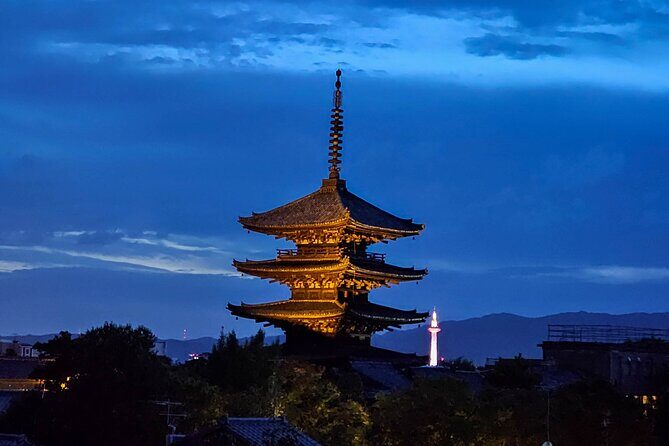
The headline perk here isn’t the theme. It’s the group size. The tour is set up so there are no more than 9 people per outing, which is a big deal in Gion, where crowds can stack up quickly.
That smaller size affects practical stuff:
- You can stop when a question pops up.
- You can take photos without timing your life around 40 other cameras.
- You’re less likely to get left behind when the guide points out a side street.
The tour also lists a maximum of 25 travelers. In real terms, that usually means you won’t feel like you’re being marched, especially when the outing cap is truly kept to the low end.
Stop-by-stop: Gion lanes, Hanamikoji Street, and Yasaka Shrine
Gion after sunset: lantern light and old-street energy
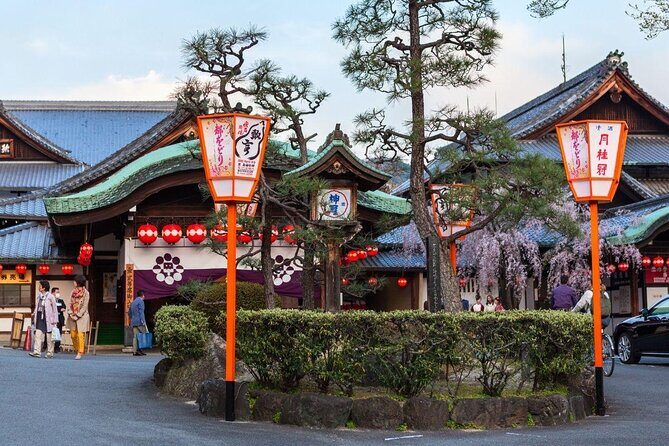
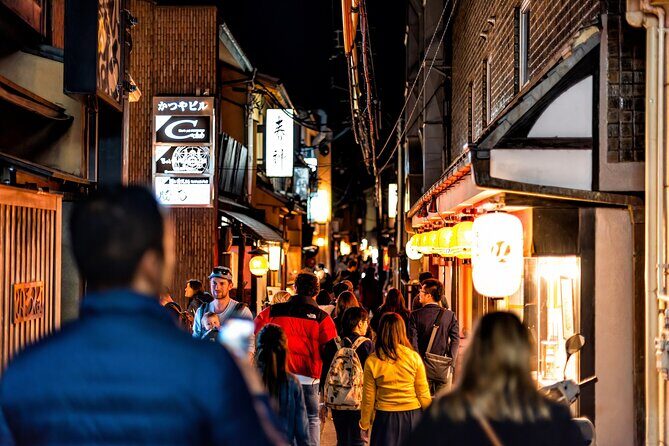
The main block is spent in Gion for about 2 hours. This is where the district feels most alive—illuminated storefronts, teahouse-style architecture, and the kind of street scene that’s hard to understand from a daytime walk.
You might also get a peek at the culture in motion. A lucky moment could mean spotting a maiko or geisha, especially around the edges of the action near traditional lanes. But even without that, the value is in the context: your guide helps you understand why people come to this area, how it works, and what to look for besides the big signs.
A quick heads-up from what I’d do in your shoes: if you want the smoothest experience, try not to time your walk for major national holiday peak crowds. On those nights, the area can feel more like a traffic jam than a story.
Hanamikoji Street: the preserved old street moment
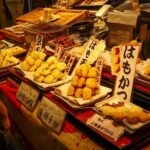
Next you’ll head to Hanamikoji Street for about 30 minutes. This is one of the best-preserved historic streets in Gion, and the guide’s job is to make it readable: which buildings and street angles matter, what traditions you’re seeing, and how the area’s look connects to everyday life here.
This is also where photos make sense. The street is made for walking slowly, and a good guide will help you position yourself without blocking anyone or chasing the perfect shot.
If you’re hoping to spot maiko/geisha, this is one of the best parts of the route. It’s not guaranteed, but it’s where many visitors focus their attention—and where your guide can point out cues that you’d otherwise miss.
Other walking tours we've reviewed in Kyoto




Yasaka Shrine (Gion Shrine): tradition with real explanations
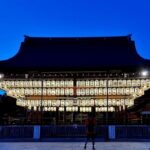
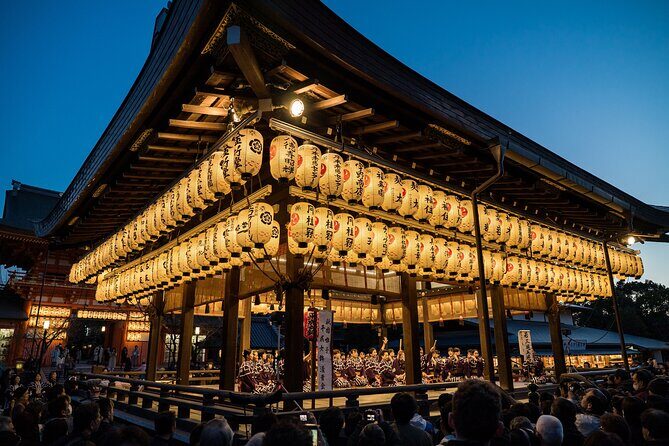
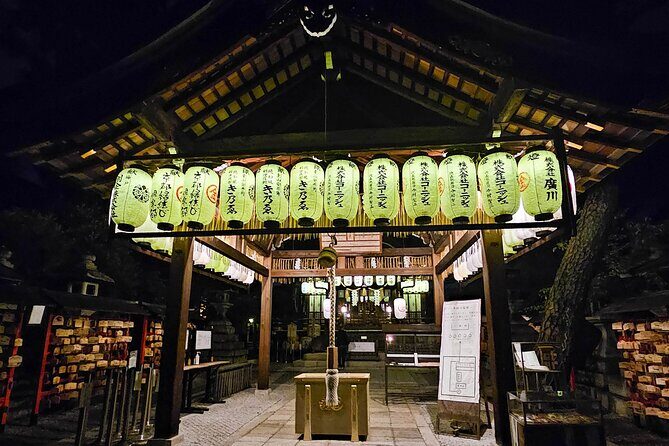
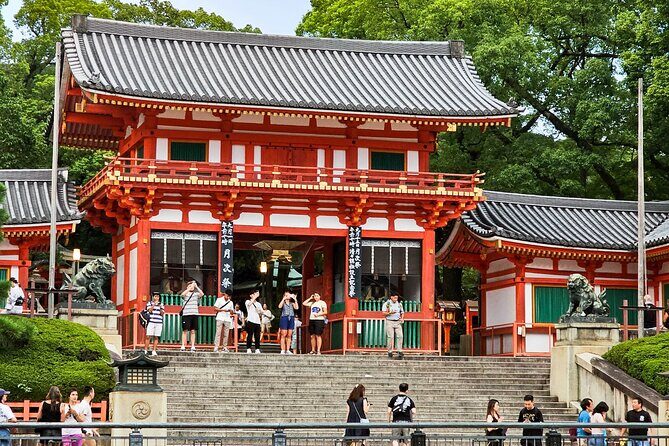
The final stop is Yasaka Shrine, also known as Gion Shrine, for about 30 minutes. Even if you’ve seen lots of shrines in Japan, this one lands differently because it’s tied directly to the Gion area’s customs and history.
What you’re getting here is context. Your guide connects the visuals—architecture, layout, and symbolism—to how people understand the area’s traditions. It’s the kind of stop that makes the whole evening click, because suddenly the streets feel less random and more connected.
Your evening route: where you meet and where you end
The tour starts at Kyoto Kawaramachi Garden, 68 Shinchō, Shimogyo Ward. It ends at Sanjō Ōhashi Bridge.
That ending point matters. You’ll likely still need to navigate your way onward for dinner plans or transit afterward. So if you’re trying to catch a late train or make a dinner reservation nearby, plan your timing with that finish location in mind.
Also, the meeting spot sits in an active area with multiple groups. One small frustration that can happen is getting a little unsure about which guide you’re following at first. I’d show up a few minutes early, look for your group by the guide’s presence, and don’t be shy about asking a staff member or another group in the immediate area to point you in the right direction.
Guides make the difference: what you’re likely to get from them
This is one of those tours where the guide can turn a nice walk into a memorable evening. The tour is led by an English-speaking guide, and the range of guide styles shows up clearly in the feedback.
For example:
- Zied was described as a wealth of information and easy to talk to, including when traveling with an elderly parent.
- Shingo (Japanese, strong English) guided people to sites they wouldn’t have found on their own.
- Guillaume felt like a friend showing you Kyoto, with shrine and restaurant recommendations.
- Jasmine was praised for answering questions clearly and for being kind, professional, and patient with the group.
- Naoki’s guidance made Gion feel even brighter, and one person specifically highlighted a detour connected to Japanese history interests (like Shinsengumi-related context).
- Some guides add small side moments—one guide named Jasmine took people to a “magic rock” side stop that became a favorite part of the day.
You don’t have to be a Japan-history expert for this to work. The best part is that guides translate the area into plain language so you can connect dots while you’re still walking.
If you want a more private feel, there’s an upgrade option for a private Kyoto walking tour in multiple languages. That’s ideal if you’re traveling with kids, have limited mobility, or want a slower pace with more Q&A.
What’s included (and how that affects your planning)
The tour includes:
- An English-speaking tour guide
- A walking tour
- Water, and a snack can be included depending on the tour option (premium/private notes the snack)
Here’s how I’d plan around that. If your departure includes a snack break, great—you’ll get a little reset during the walk. If you’re on a format without a snack, you should assume you’ll want one later, because the route is long enough (about 3 hours) that you’ll notice the time, especially if you started the evening close to dinner.
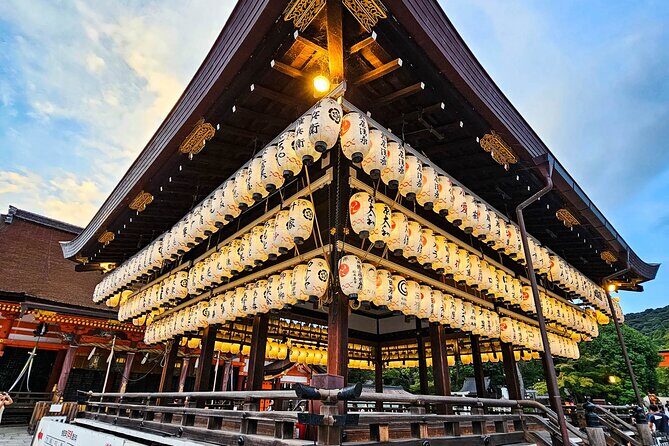
Also bring your own simple comfort items. Even when the weather is decent, you’re walking in evening air on uneven stone and along narrow streets. A light layer helps.
Dress warm, bring sensible shoes, and expect real walking
Even a “night walk” in Kyoto means you’ll be on your feet. People should be ready for stairs, uneven sidewalks, and a fair amount of up-and-down in the lanes.
One reviewer simply said it: dress warm. In winter, the cold can show up fast when the streets quiet down. So I’d treat this like a proper evening stroll, not a casual 60-minute shuffle.
Footwear matters more than you think. If your shoes are only okay for a museum, they might feel tired by hour two.
When geisha sightings happen (and when they don’t)
This tour can set you up well for a possible sighting—especially around Hanamikoji Street—but it’s not a controlled performance. Lighting helps you see the atmosphere, and a good guide can spot the cues that you might otherwise miss.
If you don’t see anything, you still get value from the street walk and the explanations. Gion is the main event, not a guaranteed show.
Is this tour worth $18?
At $18 per person for about 3 hours, this is priced like a “high return on time” Kyoto evening. The big value is not a long list of ticketed attractions. It’s the guide-led interpretation in a place where it’s otherwise easy to wander with no idea what you’re looking at.
You’re also paying for the pacing. A small group means you spend more time walking with purpose and less time waiting or repositioning for crowds.
If you’re comparing to a private tour, the private upgrade can be worth it for families, couples who want more flexibility, or anyone who wants more direct questions answered. Just keep in mind that private pricing isn’t listed here, so you’ll need to check what that upgrade costs for your date.
Should you book this Gion night walk?
Yes, if you want a Kyoto evening that feels personal and street-level. This is a strong choice for first-timers because it gives you a clean “how to read Gion” framework: where to look, what the streets mean, and how Yasaka Shrine ties into the district’s customs.
You might skip it if you’re very sensitive to timing. Because the tour can overlap dinner hours and you walk for about 3 hours, I’d only book it if you’re okay with eating later or grabbing a quick bite before you go.
If you do book, here’s my practical move: eat something first, bring warm layers, and arrive a bit early at the meeting point so you can start relaxed.
FAQ
How long is the Kyoto Gion Night Walk tour?
It lasts about 3 hours.
How big are the groups?
There are no more than 9 people per outing, and the tour lists a maximum of 25 travelers.
Where does the tour start and end?
It starts at Kyoto Kawaramachi Garden (68 Shinchō, Shimogyo Ward) and ends at Sanjō Ōhashi Bridge.
What are the main places you visit?
You spend time in Gion, then walk Hanamikoji Street, and finish at Yasaka Shrine.
What’s included in the price?
You get an English-speaking tour guide and a walking tour. Water is included, and a snack is noted for premium/private tour options.
Can I cancel and get a refund?
Yes. You can cancel up to 24 hours in advance for a full refund. If you cancel less than 24 hours before the start time, the amount paid isn’t refunded.