This tea ceremony feels like a visit.
At Sakura Experience Japanese Culture Nijo Home, I like that the whole experience happens in real Kyoto tea rooms, led by Aya-sensei and her team, not on a stage. You’ll taste three seasonal wagashi, learn the steps of the ritual, and prepare matcha the traditional way in a calm home setting near Nijo Castle.
Two things I really like: the gluten-free, vegan snack pairing, and the fact you don’t just watch—you do the whisking, the serving, and the etiquette in a structured way. The tea booklet is also a handy keepsake, so you can review what you learned after you leave.
One thing to consider: you’ll need to follow house rules closely. Wear long sleeves and long pants or a long skirt, bring socks (or buy them on site), avoid perfume, and arrive on time—late arrivals can’t join.
In This Review
- Key highlights to look for
- Tea in a real home near Nijo Castle
- What happens during the 1-hour tea ceremony
- The wagashi course: three sweets with diet-friendly options
- Matcha basics: Uji blend and the bamboo whisk technique
- Etiquette rules you’ll actually notice once you arrive
- Privacy, pace, and who this fits best
- Booking value: what $99.08 buys you
- Practical tips so you don’t lose time on the day
- Photos and follow-up: extra memory support
- Do you get kimono here?
- Should you book this Kyoto tea ceremony at Aya’s home?
- FAQ
- How long is the Kyoto private tea ceremony?
- Is this activity private or shared with other groups?
- What food is included?
- Are the wagashi suitable for dietary restrictions?
- Do I need to wear a kimono?
- What should I wear?
- Do I need to bring socks?
- Who can join and what if I’m late?
Key highlights to look for
- A tea master-led ceremony in a private Kyoto home near Nijo Castle, not a bus-tour performance
- Three seasonal wagashi from a long-established confectioner, offered as gluten-free and vegan
- Hands-on matcha preparation using a bamboo whisk and a blended matcha from Uji
- Tatami and etiquette basics, guided step-by-step with room for questions
- A tea ceremony booklet souvenir you can take home
- Photo support from the hosts, including photos taken during your session
Tea in a real home near Nijo Castle
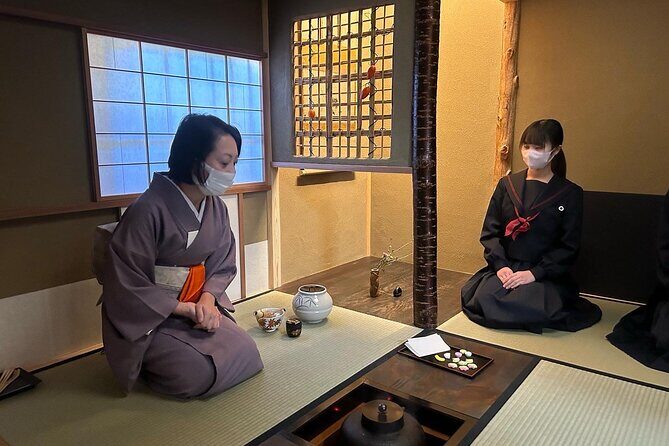
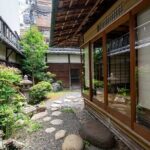
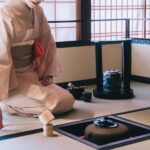
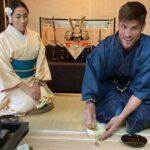
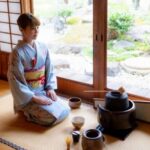
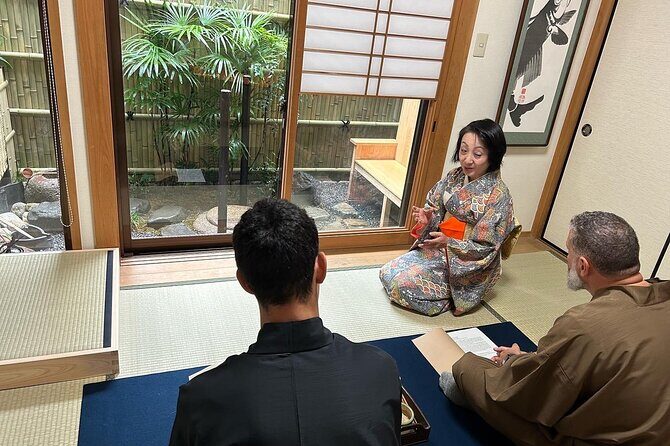
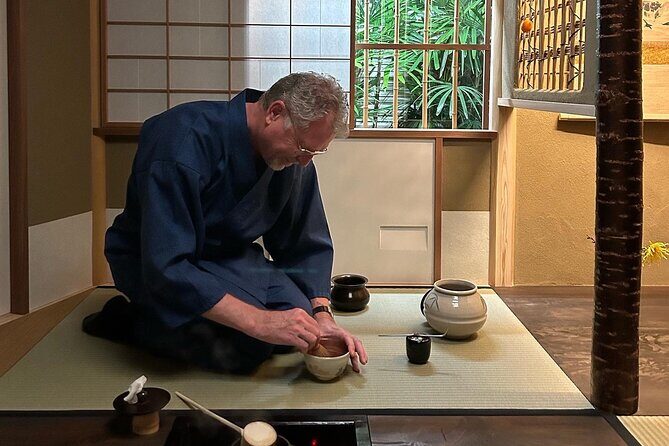
The biggest reason this Kyoto private tea ceremony works is the setting. Instead of doing it in a crowded showroom, you’re invited into Aya-sensei’s home, where tea is treated like a living craft. The experience takes place in traditional tea rooms named Koma and Hiroma, and that matters because the room’s rhythm shapes the ceremony. It’s quieter. Slower. More respectful of the ritual.
The location is also practical. You meet at Sakura Experience Japanese Culture Nijo Home in Izumichō, Nakagyo Ward—near public transportation and convenient for pairing with Nijo Castle afterward. If you like Kyoto days that mix big sights with smaller, calmer moments, this is a strong match.
A few more Kyoto tours and experiences worth a look
What happens during the 1-hour tea ceremony
This isn’t a long performance that you endure for an hour. It’s a tight, well-timed lesson that gives you both context and participation. Plan on about an hour from start to finish.
In the first part, you’ll learn what tea etiquette is trying to do: slow your pace, sharpen your attention, and show respect through small, precise actions. Aya-sensei guides you through how the ceremony begins and how each step connects to the overall flow.
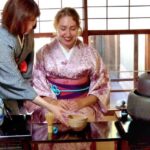
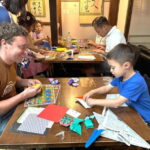
Then comes the hands-on section—the part you’ll probably remember when you’re back in your hotel wondering why whisking matcha is so specific. You’ll prepare matcha using a bamboo whisk, following the tea master’s instructions for the proper mixing technique. After that, you’ll sip and receive guidance on what to notice in the tea and sweets.
Finally, you’ll take away a concise booklet about the spirit and etiquette of tea. It’s meant to help you keep the meaning, not just the steps.
The wagashi course: three sweets with diet-friendly options
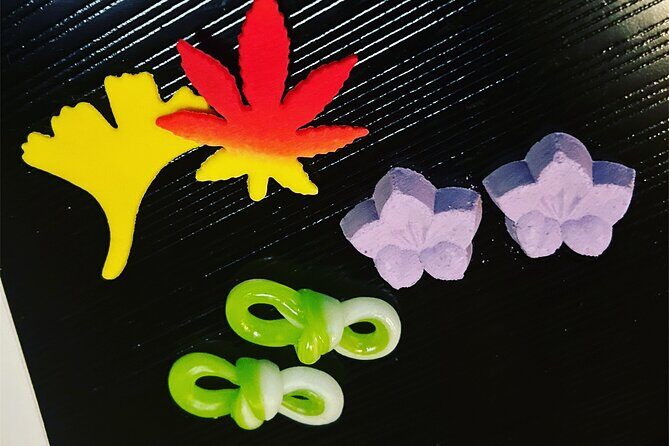
One of the most practical perks here is the food approach. You’ll snack on three different types of Japanese sweets (wagashi) sourced from a historical shop, and they’re listed as gluten-free and vegan. That’s a big deal if you’re traveling with dietary restrictions or you just don’t want to gamble with unknown ingredients.
Wagashi also isn’t random candy. In tea culture, sweets are part of balancing flavors before the matcha. You’re not only eating; you’re learning why these sweets show up alongside the tea.
Matcha basics: Uji blend and the bamboo whisk technique
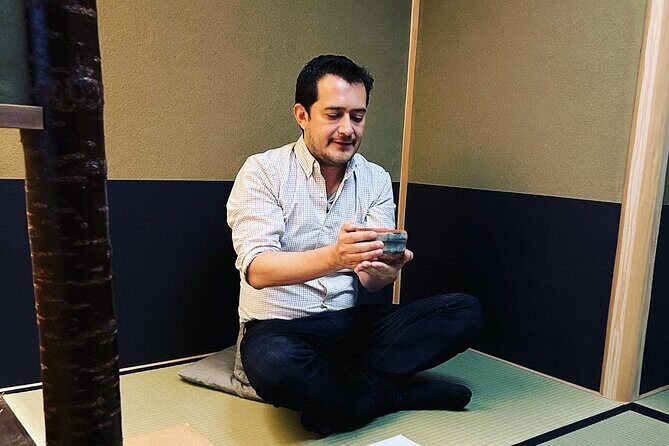
Matcha is the headline, but what makes this experience feel authentic is how it’s taught. Aya-sensei doesn’t treat whisking like a gimmick. She walks you through the process so you can understand what you’re doing and why.
A couple details you’ll appreciate:
- You’ll use a bamboo whisk (chasen) to mix the matcha.
- The session includes two bowls of matcha made with their original blended matcha from Uji.
Uji matters in matcha culture, and having it referenced clearly in the program gives you a concrete tie to tea-growing regions instead of vague “from famous tea areas” marketing. You’ll get a blended matcha prepared in the way the tea room expects, and you’ll get to taste it at the moment it’s meant to be shared.
Etiquette rules you’ll actually notice once you arrive
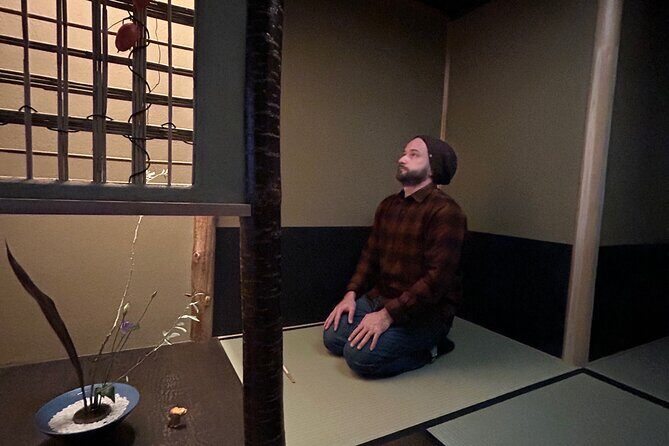
Tea etiquette is one of those things people describe with big words. In this class, you’ll feel it in the small rules that the host asks you to follow.
Here’s what you should know before you go, because it affects comfort inside the room:
- Socks are required to protect tatami mats and for hygiene. If you forget, socks are available to purchase on site.
- Your outfit should be practical and modest: wear a long skirt or long pants and a top with sleeves. Sleeveless tops, shorts, and mini skirts aren’t permitted.
- Perfume is a no-go. Fragrance can disturb the tea room atmosphere. If you wear fragrance, you may be asked to remove it before entering.
- Seating: if you need small chairs, you can request them in advance.
You’ll probably hear these rules and think, okay, sure. Then you step into the tea room and realize it’s not about being strict—it’s about protecting the atmosphere so you can focus on taste, sound, and movement.
Other private tours in Kyoto





Privacy, pace, and who this fits best
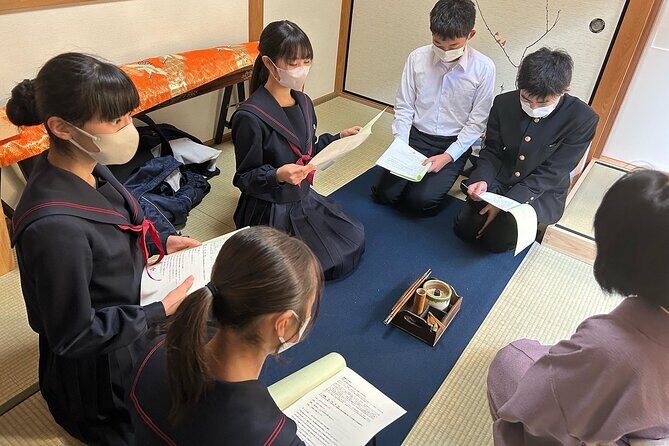
This is a private experience, meaning only your group participates. That reduces the common awkward parts of cultural classes where you’re trying to learn while others talk over you, take photos at the wrong moment, or ask questions that throw off the timing.
The calm, private pace is a good fit if:
- you want a quieter Kyoto activity between busy temple days
- you learn well through guided step-by-step practice
- you enjoy cultural etiquette and small details
Age note: children 13 and under aren’t permitted. If you’re traveling with a teen, that can work well, since the ceremony includes explanation and hands-on involvement. If you’re traveling with younger kids, you’ll need a different activity plan.
Booking value: what $99.08 buys you
At about $99.08 per person for a roughly 1-hour private session, the cost looks “high” only if you compare it to group classes. Compared to a typical private cultural experience in central Kyoto, you’re paying for three things that matter:
- A licensed tea master-led ceremony in a private home setting
- Instruction plus hands-on preparation (matcha whisking isn’t passive)
- Included wagashi and matcha, plus a tea etiquette booklet to keep
If you’re traveling as a small group, keep an eye out for group discounts mentioned for the activity. Even though it’s private, pricing can be more friendly when you share the experience with companions.
Also, the time efficiency is real. One hour is long enough to learn and participate, but short enough to keep your Kyoto schedule intact.
Practical tips so you don’t lose time on the day
These are the details that can make or break your stress level.
1) Arrive early.
You should aim to be on time, because arriving more than 15 minutes late means you can’t participate, and no refund applies.
2) Bring socks, or plan to buy them.
You can purchase socks on site if you forget, but it’s easier to show up prepared.
3) Dress for tatami.
Long pants or a long skirt with sleeves is the rule. If you’ve been packing for temple visits, you already know the drill—just use that same modest approach.
4) Skip the perfume.
Even light scents can trigger a request to remove it. If you’re worried, go unscented.
5) Ask questions.
Several reviews highlight how welcome guests feel to ask during the session, and the whole experience is designed for communication and explanation, not silent observation.
Photos and follow-up: extra memory support
A standout detail from reviews: Aya-sensei’s husband (Manabu) is described as taking photos throughout the session and sending them to you while you’re still there. That’s genuinely helpful. It means you get a record of the tea room moment without needing to manage your phone during etiquette timing.
Also, communication before arrival is supported. One review notes great communication via WhatsApp ahead of time, plus excellent English guidance. If you’re worried about language barriers, the program is clearly set up to make the experience understandable.
Do you get kimono here?
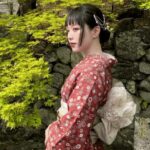
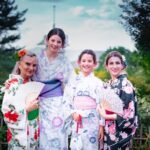
A careful point: kimono rental isn’t included. Some hosts in Kyoto offer optional kimono, but this experience focuses on tea culture itself rather than costume immersion. In reviews, the host also notes that the program changed and they stopped offering kimono after COVID, shifting emphasis toward deeper cultural explanation.
So if your goal is photos in a kimono, you might need a separate add-on elsewhere. If your goal is learning the ritual, this is still a strong match.
Should you book this Kyoto tea ceremony at Aya’s home?
I’d book it if you want a Kyoto activity that feels respectful, calm, and hands-on. The private format, diet-friendly wagashi, matcha preparation with a bamboo whisk, and the booklet souvenir all point to a class designed to leave you with real understanding—not just a quick photo.
I’d think twice if you:
- need an activity for kids under 13
- don’t want to follow etiquette rules about socks, perfume, and clothing
- hate the idea of arriving precisely on time
If you’re the type of traveler who enjoys learning how traditions work from the inside, this Kyoto private tea ceremony is a great use of an hour—and a memorable one.
FAQ
How long is the Kyoto private tea ceremony?
It lasts about 1 hour.
Is this activity private or shared with other groups?
It’s private. Only your group participates.
What food is included?
You get seasonal three types of handcrafted wagashi and two bowls of matcha prepared with the original blended matcha from Uji.
Are the wagashi suitable for dietary restrictions?
The snacks are listed as gluten-free and vegan.
Do I need to wear a kimono?
No. Kimono rental is not included, and the program focuses on the tea ceremony itself.
What should I wear?
Wear a long skirt or long pants and a top with sleeves. Sleeveless tops, shorts, and mini skirts are not permitted.
Do I need to bring socks?
Yes, socks are required for hygiene and to protect tatami mats. If you forget, socks are available to purchase on site.
Who can join and what if I’m late?
Children aged 13 and under are not permitted. Arriving more than 15 minutes after the start means you can’t participate and no refund is provided. Confirmation is received at booking.