Kyoto can feel like a living museum. This 9–10 hour small-group day strings together four UNESCO powerhouses, from the Kinkaku-ji gold reflections to the giant wooden stage at Kiyomizudera. I especially like how much you see without having to plan trains or tickets, and I really appreciate the option for an A5 Kobe Beef lunch when you want a treat.
One thing to keep in mind: it’s a long day with a set rhythm. The tour departs even if roads are slow (unless you’re told otherwise), and they don’t wait if you’re late, so comfortable shoes and punctual timing matter.
In This Review
- Key highlights worth planning for
- A whirlwind of Kyoto UNESCO sights in one day
- Kinkaku-ji Golden Pavilion and Mirror Pond photos
- Arashiyama bamboo, Kimono Forest photos, Togetsukyo Bridge, and Tenryuji
- The “army of compassion” at Sanjusangendo
- Kiyomizudera’s nail-free stage, Otowa Waterfall, and Koyasunoto Pagoda views
- Ninenzaka and Sannenzaka shopping lanes that feel like the real Kyoto
- Kobe Beef lunch: is the A5 upgrade worth it?
- Guide and small-group rhythm (Kaytu, bilingual support, and time pressure)
- Price and value for a ticketed Kyoto day
- Who this tour suits best (and who should pick something else)
- Should you book this Kyoto UNESCO World Heritage Sites 1d Tour?
- FAQ
- What does the tour include for lunch?
- Is Kobe Beef lunch included automatically?
- How long is the tour?
- Which UNESCO sites are visited?
- What temple tickets are included?
- What languages is the guide?
- Where is the meeting point?
- What if there’s traffic or bad weather?
- When should I arrive for pickup?
Key highlights worth planning for
- Kinkaku-ji Mirror Pond: the gold pavilion and its reflections are the kind of photo you’ll understand immediately.
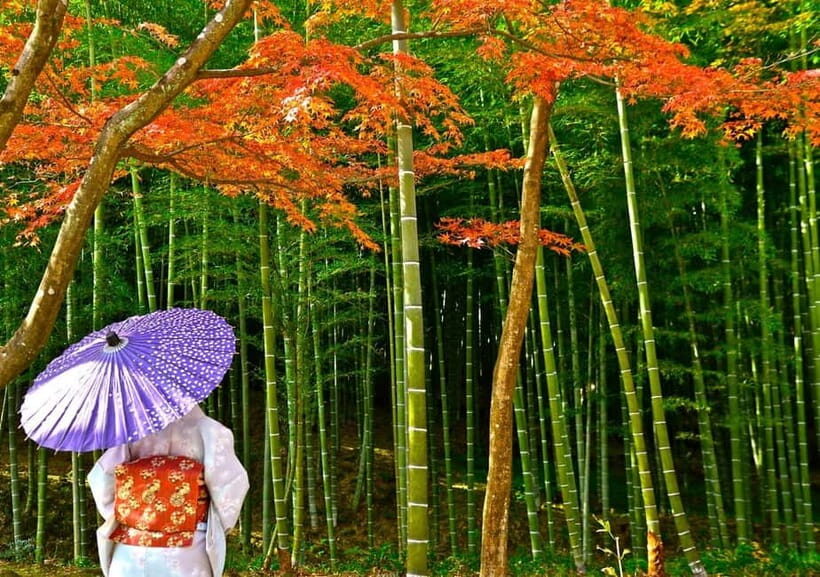
- Arashiyama bamboo walk + Togetsukyo Bridge views: a calm stroll followed by big scenery over the Katsura River.
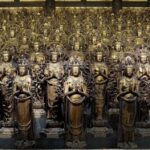
- Sanjusangendo’s 1,001 Kannon statues: a sea of gold figures that makes the place feel almost unreal.
- Kiyomizudera’s nail-free wooden stage: major views from a structure built the old-school way.
- Ninenzaka and Sannenzaka lanes: shopping streets that keep the day feeling local, not just templish.
A whirlwind of Kyoto UNESCO sights in one day
This tour is built for people who want Kyoto’s signature sights with the hard parts handled. You get an air-conditioned vehicle, a bilingual guide (English/Chinese), and ticket coverage for two key temples, so you spend your energy looking instead of researching.
The day moves in a smart sequence: start with the gold of the north, shift to the bamboo-and-bridge mood in western Kyoto, then go bigger in the afternoon with a massive hall of statues and finish with the famous views from Kiyomizudera. It’s a lot of ground, but it’s not chaotic—each stop has a clear purpose.
Also, I like that the tour gives you breathing room. After the big moments, you often get free time for photos, shopping, or just standing back and letting the atmosphere hit.
Other historical tours in Kyoto

Kinkaku-ji Golden Pavilion and Mirror Pond photos
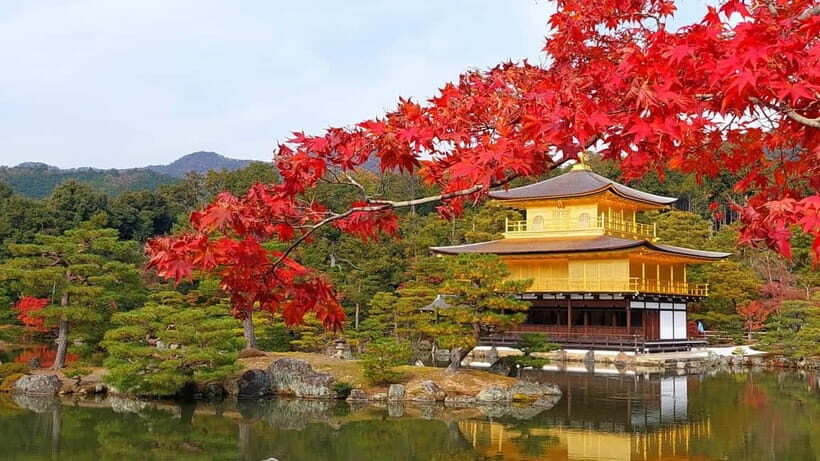
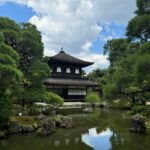
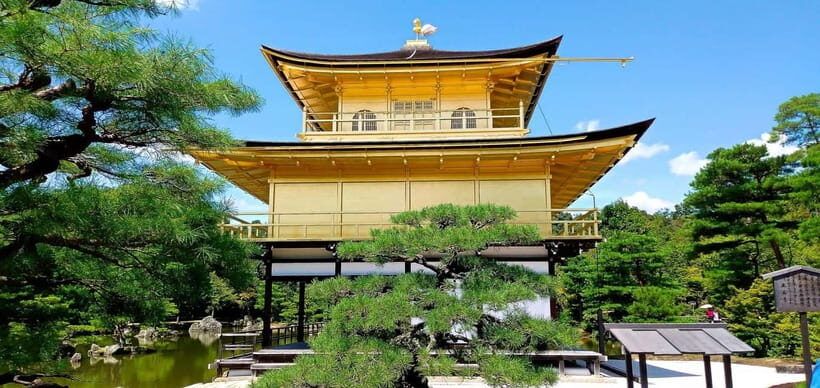
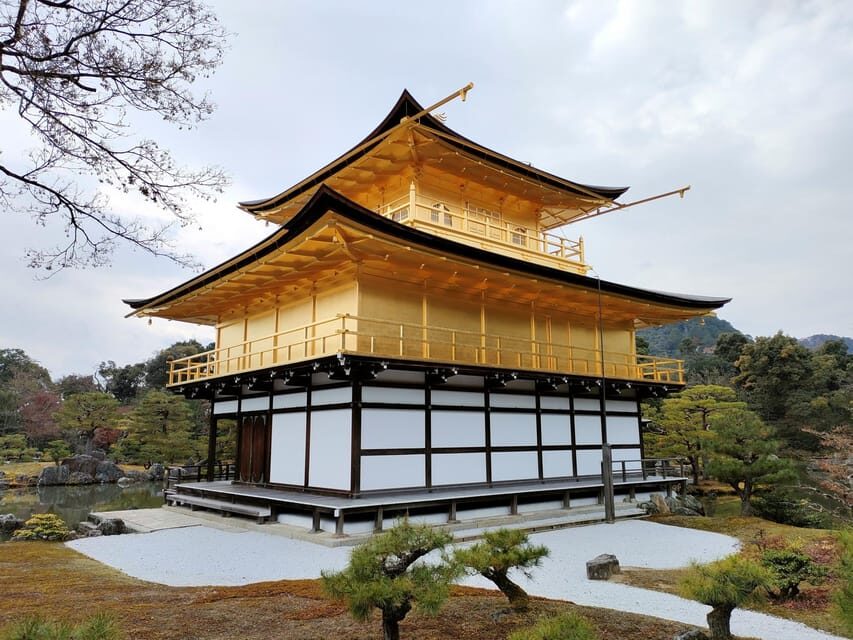
Your first big hit is Kinkaku-ji, the Golden Pavilion, one of Japan’s best-known Zen treasures. The top floors are covered in shimmering gold leaf, and the setting does the rest: it’s designed for reflection, so the pavilion shows up twice—once in the eye, once in the water.
Timing is short (about 40 minutes), which is actually helpful. You’ll have enough time to see the whole scene, take photos from different angles, and still feel like you got the core experience, not just a quick walk-by.
What makes it special is how the place communicates balance. Even if you’re not a temple person, the gold against the greenery and the Mirror Pond effect turn it into a visual lesson in harmony.
Practical tip: expect crowds around the photo angles. If you want less congestion, spend a few extra minutes shifting locations rather than trying to muscle your way into the tightest spot.
Arashiyama bamboo, Kimono Forest photos, Togetsukyo Bridge, and Tenryuji
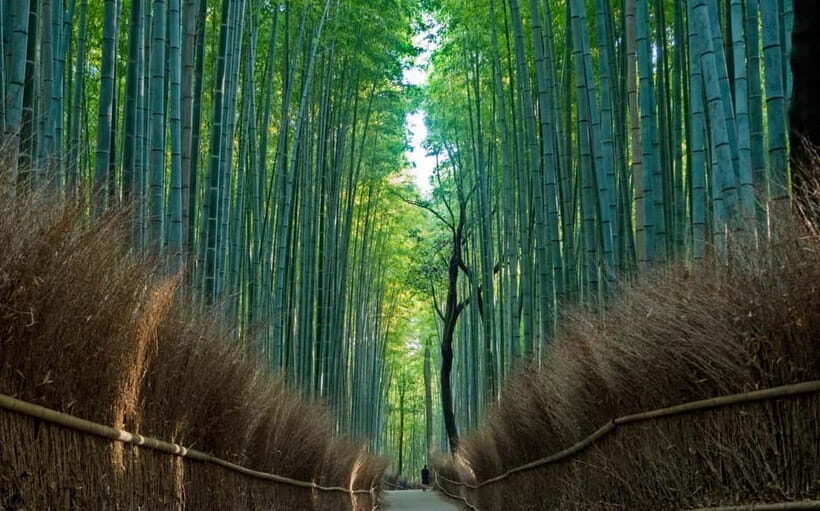
After the gold pavilion, the day shifts west to Arashiyama, where the air feels different the second you step in. The headline moment is the bamboo grove: tall stalks create a tunnel of green that filters sunlight and changes how sound carries.
This part is often the most calming of the day. You walk through a scene that looks staged, but it doesn’t feel fake—it feels like the environment is doing the directing. If you come expecting a “touristy bamboo photo,” you’ll still get that, but you’ll also get that quiet, almost meditative pace.
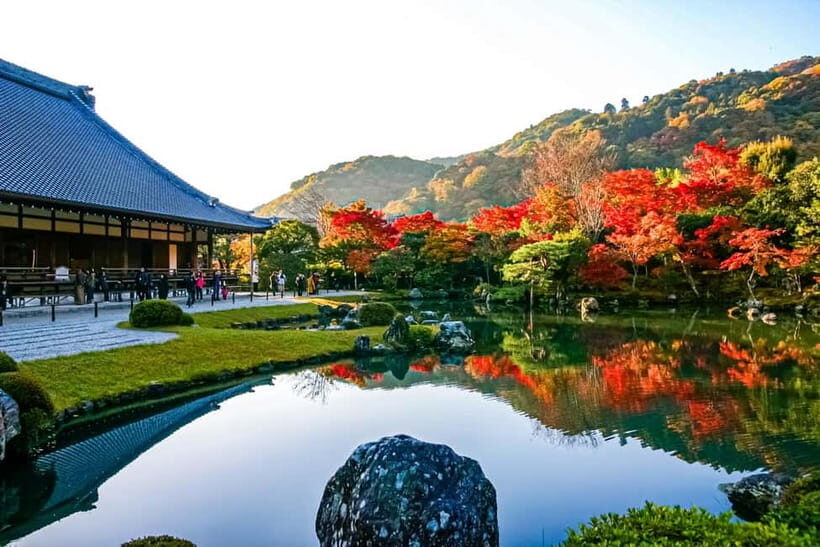
Next comes the Togetsukyo Bridge area for classic scenery. You get time for photo stops and views back toward the mountains and the Katsura River. Even with limited time, it’s enough to feel the scale of Arashiyama’s natural setting.
A couple more visual stops fill out the experience:
- You’ll hit the Kimono Forest photo spot, which is exactly what it sounds like: a popular background area meant for pictures.
- Tenryuji Temple is included as a visit/free time moment, giving you a break from straight-photo stops and a chance to slow down and look at the temple grounds.
There’s also time for lunch and shopping here, which is smart because Arashiyama is where the day can otherwise feel like a series of sprints. The tour gives you a window to eat, browse, and reset your legs before heading to the heavier spiritual sights.
Practical tip: wear shoes you trust. Arashiyama paths can be uneven, and you’ll likely be on your feet for multiple stops back-to-back.
The “army of compassion” at Sanjusangendo
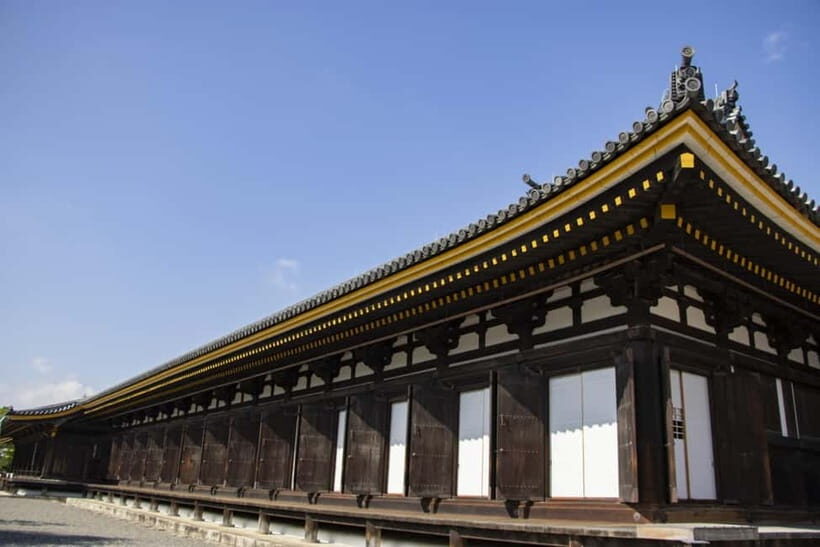
Then you shift from scenery to something stranger and more intense: Sanjusangendo. This hall is famous for being Japan’s longest wooden structure, and it’s packed with 1,001 life-sized golden statues of Kannon, the Goddess of Mercy.
That number matters because it changes your perception. It’s not one statue you admire and walk away from. It’s a whole field of golden faces, each carved with individual details, which makes the hall feel like it’s giving you a slow, visual conversation.
The tour keeps this part focused (about 40 minutes), but it’s timed well. You can take in the full scale, notice how your viewpoint changes as you move, and still avoid getting numb from standing too long in one place.
A nice bit of context the guide can bring is the idea that among the thousand faces, you might find one that connects to you personally. Even if you don’t follow the story as a belief, it gives you a reason to look closely instead of just snapping photos.
Kiyomizudera’s nail-free stage, Otowa Waterfall, and Koyasunoto Pagoda views
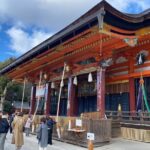
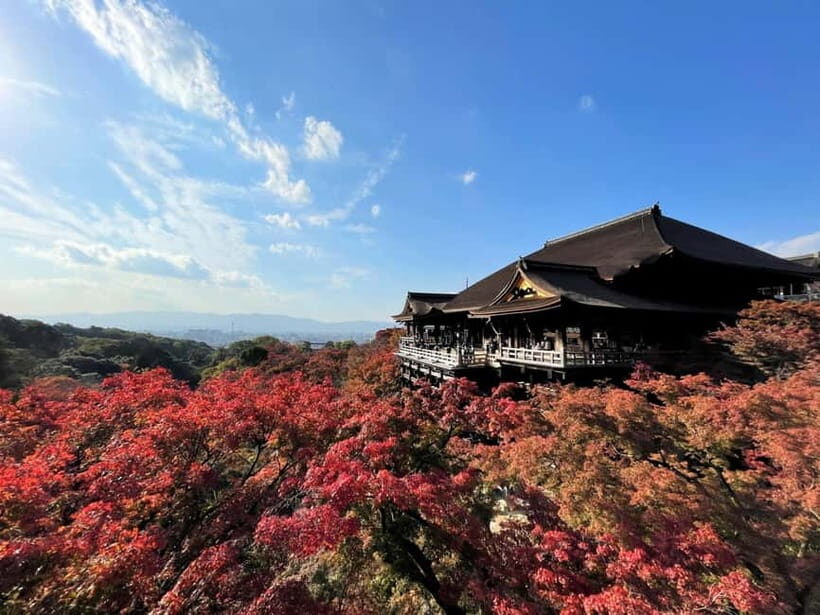
Kiyomizudera is the closer-to-the-sky kind of temple. You’ll spend about 80 minutes here, with enough time to see the big stage and enjoy the views out over Kyoto.
The wooden stage is legendary for a very specific reason: it’s built without a single nail. That fact helps you appreciate what you’re standing in front of, because the structure looks sturdy and old-school at the same time.
From the stage area, the panorama is a major draw. The season can shape what you notice—cherry blossoms or fiery maple colors are both mentioned as possible framing—so the overall feel changes depending on when you go.
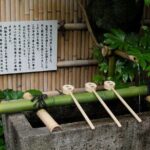
Before leaving, you can also visit the Otowa Waterfall area to drink the sacred waters. The tour description includes the belief that drinking from it brings health, longevity, and success. Even if you take that as folklore, it’s still a meaningful moment inside the temple experience, not just a random stop.
After Kiyomizudera, you also visit the Koyasunoto Pagoda area. It adds one more angle to the story of the complex, and it helps the afternoon feel rounded instead of ending right at the main stage.
A few more Kyoto tours and experiences worth a look




Ninenzaka and Sannenzaka shopping lanes that feel like the real Kyoto
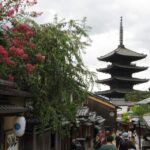
By the time you reach the streets of Ninenzaka and Sannenzaka, you’re in “Kyoto walking” mode. These lanes are included for visits and shopping, and they’re a good place to slow down when the temples have already done their big work.
Think of these as your chance to turn the day from sightseeing into souvenirs and small moments. You’ll likely find snacks, small crafts, and the kind of traditional street atmosphere that makes Kyoto feel like Kyoto rather than just a checklist.
Practical tip: if you want gifts, this is where you should spend your last shopping energy. By the time you’re this late in the day, you don’t want to realize you forgot the one thing you came for.
Kobe Beef lunch: is the A5 upgrade worth it?
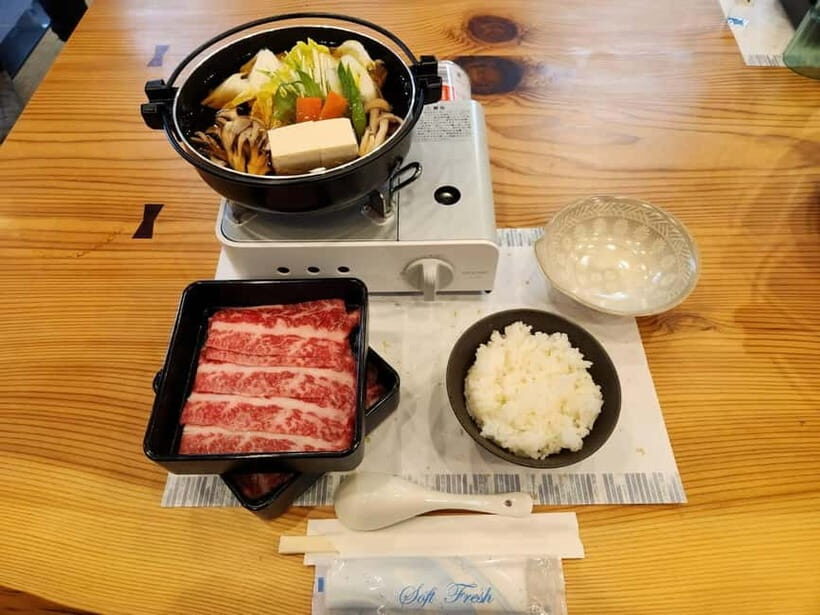
The tour offers an optional Kobe Beef lunch, and it’s one of the few “splurge” components built directly into the day. If you choose it, lunch is included; if you don’t, you still have time for a meal during the Arashiyama portion.
Why people consider it worth paying for: A5-ranked wagyu is known for its marbling, and the whole point of Kobe Beef as a premium experience is that texture—the kind that melts rather than chews. The tour highlights the refined umami and sweetness you get from high-grade meat.
Is it necessary? No. Kyoto already gives you plenty of cultural wow. But if you’re planning a first trip and want one meal that feels like a once-in-a-while memory, this is a clean way to do it without hunting down a specific restaurant yourself.
If you skip the upgrade, don’t worry. The schedule still includes lunch and free time, so you can eat what you like and keep your energy for the afternoon temple sequence.
Guide and small-group rhythm (Kaytu, bilingual support, and time pressure)
A major part of the quality here is the guide. One verified experience specifically praised a guide named Kaytu for historical knowledge, and that kind of context matters on UNESCO days. Temples can blur together if you only see them as buildings—good commentary helps you notice differences.
You’re guided in English or Chinese, depending on the group mix. The tour also notes that English- and Chinese-speaking guests may share the same bus, so you might hear both languages over the day.
Group size is described as small, which helps a lot. You’re not stuck in a cattle-line pace, and the guide can typically manage the flow better through the key areas.
Now the realism: the tour runs on a schedule. You’re asked to arrive about 10 minutes early, and the operator notes they don’t accommodate delays or wait for any reason. That means you should treat this like a meeting, not a flexible suggestion.
If you’re prone to running late, add margin before you head to the pickup spot.
Price and value for a ticketed Kyoto day
At $59 per person, this is positioned as a value-focused day tour, not a luxury private guide. What you get for that price includes an air-conditioned vehicle and a bilingual guide, plus temple ticket inclusion for Kinkakuji and Sanjusangendo.
That ticket coverage matters because those are two of the most in-demand sites on the list. If you were booking everything separately, you’d likely spend more on the ticketing alone, then stack on transport and guiding.
One more value point: the day is built around efficiency. You’re visiting multiple UNESCO World Heritage-linked highlights in one outing, and the route reduces the back-and-forth that can drain a first-time Kyoto day.
The possible “cost” you pay is time and pacing. It’s not a slow, sit-and-stare itinerary. It’s a structured day designed to show you a lot, and then let you use free time for photos, shopping, and a meal reset.
Who this tour suits best (and who should pick something else)
This tour fits best if you:
- Want a first Kyoto hit with major UNESCO sights in one day
- Appreciate a guide who can add context, especially for history-heavy temples
- Prefer being transported and guided rather than planning logistics between districts
- Want flexibility for photos and shopping in Arashiyama and the Higashiyama lanes
It may be less ideal if you:
- Need a totally unhurried pace between major temples
- Hate tight schedules or the idea of not being able to get back if you miss the group
- Want to spend extra time in a single site beyond a quick guided window
If you’re the kind of person who likes deep reading in one place, you’ll probably enjoy Kyoto more with a slower plan. But if you’re time-limited and want the “greatest hits,” this day tour does that job.
Should you book this Kyoto UNESCO World Heritage Sites 1d Tour?
Book it if you want a well-structured day that hits Kyoto’s most recognizable sacred architecture and signature scenery, plus a chance to add A5 Kobe Beef if that’s your kind of treat. The ticket inclusion for Kinkakuji and Sanjusangendo, the air-conditioned vehicle, and the bilingual guide all support the value.
Pass or consider an alternative if you’re sensitive to long days, you’re worried about timing, or you want a slow stroll where you can linger without checking the clock.
My practical advice: if you do book, plan your pickup carefully, wear good walking shoes, and decide in advance whether you’ll upgrade to Kobe Beef so you don’t make the choice while you’re hungry and jet-lagged.
FAQ
What does the tour include for lunch?
Lunch is included only if you select the option. The tour also includes lunch during the Arashiyama portion when the lunch option is chosen.
Is Kobe Beef lunch included automatically?
No. A5 ranked Kobe Beef lunch is offered as an optional upgrade.
How long is the tour?
The duration is approximately 9 to 10 hours.
Which UNESCO sites are visited?
The day focuses on UNESCO World Heritage highlights including Kinkakuji, Sanjusangendo, and Kiyomizudera, plus major Arashiyama-area stops such as Tenryuji.
What temple tickets are included?
Kinkakuji Temple ticket and Sanjusangendo Temple ticket are included.
What languages is the guide?
The live tour guide speaks English and Chinese.
Where is the meeting point?
Meeting points vary by option. The listed options are VIPヴィラなんば and 京都VIPラウンジ.
What if there’s traffic or bad weather?
The tour departs regardless of weather/traffic unless the local operator notifies you otherwise. In severe traffic situations, planned attractions may be reduced with no refund.
When should I arrive for pickup?
Arrive about 10 minutes before the departure time.