Kyoto by pedal is good. Kyoto by e-bike with a small group is better. This Historical Kyoto E-Bike Tour strings together major sights and quieter streets in about 5 to 6 hours, with a max group size of 8 for easier pacing and more personal attention. I especially like the mix of classic icons (gold-leaf Kinkaku-ji, Arashiyama bamboo) plus history-focused stops (Kitano Tenmangu and Tenryu-ji). The one thing to think about is road riding: even on an e-bike, you’re sharing space with pedestrians and traffic, and some parts of temple visits involve real walking.
You also get practical comfort touches that matter on a half-day in Kyoto: a helmet, bike provided, and a bottle of water included. Then you get time for lunch and the transitions between stops by bike, which is the whole point—cover more ground than a walking tour without wiping yourself out.
If you’ve been staring at Kyoto’s map and thinking, Wow, that’s a lot to do in one day, this tour helps you actually make it happen without turning the trip into a logistics project.
In This Review
- Key things that make this Kyoto e-bike tour work
- Why Kyoto by e-bike is such a smart use of time
- The meeting point: find it early, then relax
- Your half-day route: Kitano Tenmangu to Kinkaku-ji to Arashiyama
- Stop 1: Kitano Tenmangu Shrine (about 30 minutes)
- Stop 2: Kinkaku-ji (about 45 minutes, admission ticket included)
- Stop 3: The Bamboo Forest Trail in Arashiyama (about 45 minutes, admission ticket included)
- Stop 4: Tenryu-ji (about 45 minutes, admission ticket included)
- Lunch time: plan for cash and a real break
- Riding tips for Kyoto traffic (and why the guide matters)
- Guides you might meet: English-friendly, safety-first, and adaptable
- Value check: is $99.49 worth it?
- Who should book this Historical Kyoto E-Bike Tour?
- Should you book this tour?
- FAQ
- How long is the Historical Kyoto E-Bike Tour?
- How much does the tour cost?
- What’s included with the tour?
- How big is the group?
- Are there different start times?
- Where does the tour start and end?
- Is the meeting point near public transportation?
- Do I need a mobile ticket?
Key things that make this Kyoto e-bike tour work
- Small-group rhythm (up to 8): easier to stop for questions, photos, and the occasional slow-down.
- E-bike effort control: less physical strain while still getting that bike freedom through neighborhoods.
- Major highlights in one route: Kitano Tenmangu, Kinkaku-ji, Arashiyama bamboo grove, and Tenryu-ji.
- Admission tickets included at stops: you’re not stuck hunting for entry or timing.
- Two morning options: you can pick a start time that matches your day better.
- Built-in lunch time: most of your 5 to 6 hours isn’t just riding; you get a proper break.
Why Kyoto by e-bike is such a smart use of time
Kyoto is gorgeous, but it’s also crowded at the wrong moments. The e-bike format is a real advantage because you can cover distance quickly between sights, then slow down when it matters—at shrines, temple entrances, and viewpoints where you want time to look around and take photos.
This tour is also designed for different energy levels. Everyone can use an e-bike during the ride, so you’re not forced into a sweat-fest just to keep up. That makes the day feel more like a guided sightseeing loop than a workout you have to survive.
And the small-group size helps more than you might expect. In a group that stays under 8, the guide can manage slower riders, adjust pace when you hit a moment of congestion, and keep you informed about crossings and riding rules in Kyoto’s real street mix.
Possible catch: it’s still a city. Kyoto has limited dedicated bike infrastructure in places, so you’ll ride alongside pedestrians and vehicles at times. If you’re uneasy riding in traffic, plan to go slowly, stay predictable, and follow the guide’s cues.
Other cycling tours in Kyoto


The meeting point: find it early, then relax
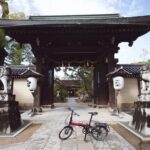
The tour meets at Memory Kyoto Bike Tour in Nakagyo Ward, at 8-6 Umaryo-cho, Nishinokyo Nakagyo-ku, Kyoto city. The area is listed as near public transportation, which is helpful if you’re coming by subway or bus.
One practical tip from real-world experience: the meeting spot can feel a little tucked away, and signage might not be obvious at first glance. So don’t “arrive exactly on time” and hope for the best. Give yourself a cushion, especially if you’re walking in the morning before you’ve fully reset to Kyoto pace.
You’ll start and end back at the same meeting point. That’s convenient because you don’t have to plan a separate ride back across town.
Your half-day route: Kitano Tenmangu to Kinkaku-ji to Arashiyama
The schedule is built around a clear flow: shrine first, then a major temple, then the Arashiyama area (bamboo grove, gardens, more temple time). Total time runs about 5 to 6 hours, with the planned stops plus riding time between locations and time for lunch.
Stop 1: Kitano Tenmangu Shrine (about 30 minutes)
Kitano Tenmangu Shrine is connected to Sugawara no Michizane, the deity associated with learning. That theme changes the vibe of the visit. Instead of only admiring architecture or scenery, you’re seeing a place where ritual and intention are part of the experience.
If you’re visiting in early spring, you’ll also see the famous plum trees—there can be around 1,000 plum trees blooming there. Even when plum season isn’t happening, the shrine grounds are still worth the stop because the story behind the site gives you something to pay attention to.
What I like about this as a first stop: it sets the context for Kyoto’s religious life early, before you speed into the day’s bigger set pieces.
Watch-outs: plan for some walking within the shrine area, even if your bike portion is smooth.
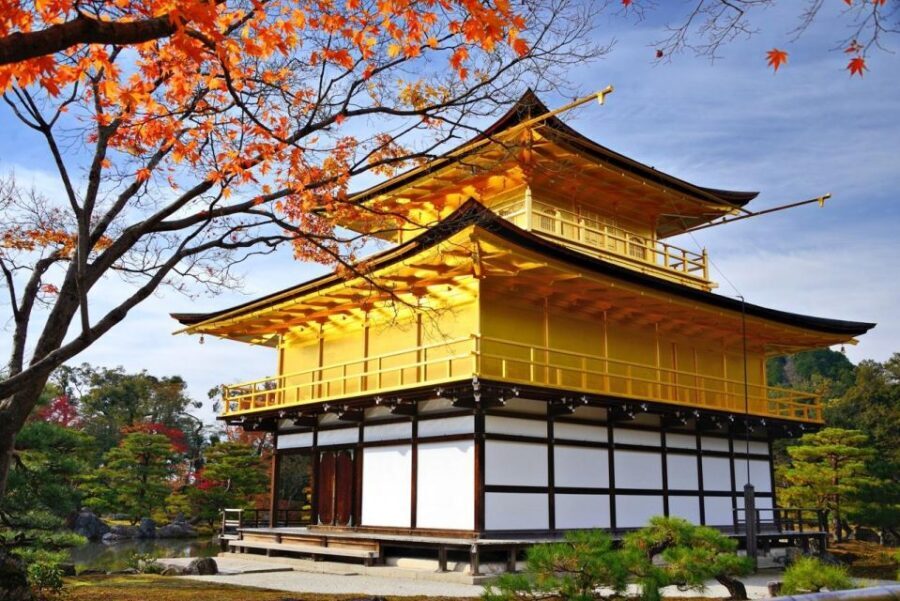
Stop 2: Kinkaku-ji (about 45 minutes, admission ticket included)
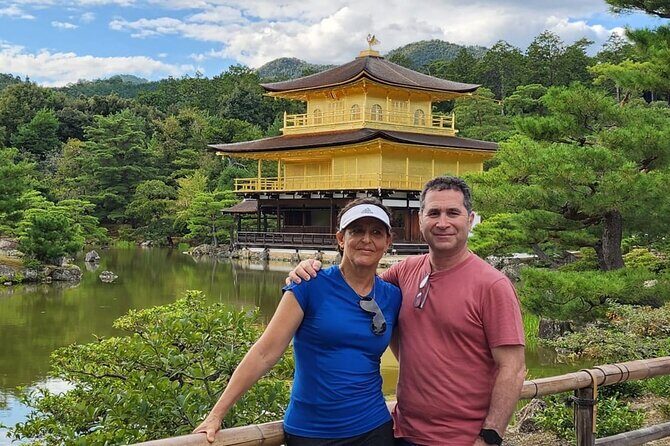
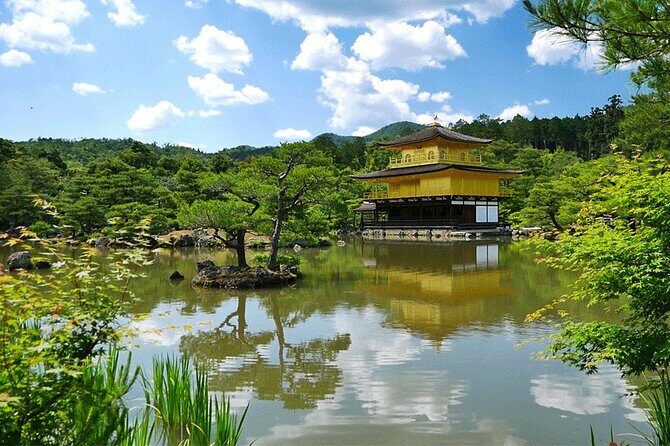
Kinkaku-ji is the temple with gold leaf that reflects over the surrounding pond. The effect is instant—this is one of those places where you understand why people travel to Kyoto specifically.
The time here is long enough to do more than snap a photo. You can look from multiple angles, read signage, and spend time letting the view settle instead of rushing through a checklist.
If you like when a place has a strong visual identity, this is your moment.
Possible drawback: Kinkaku-ji can be crowded, and you’ll still be in that kind of environment. The e-bike tour helps because you’re not stuck with a long walking-only approach; you can move efficiently between sites, then slow down for the temple itself.
Other historical tours in Kyoto


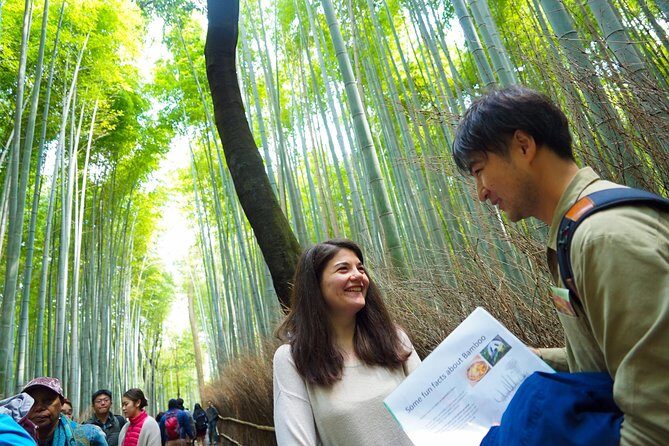
Stop 3: The Bamboo Forest Trail in Arashiyama (about 45 minutes, admission ticket included)
Arashiyama’s bamboo grove is iconic for a reason. Walking into those tall stalks can feel surreal—like the noise of normal street life disappears and the light changes as you go in.
This stop is structured as a walking experience inside the grove, so bring your photo instincts. You’ll want to pause, step aside, and capture the perspective lines between the bamboo.
I also like that this tour doesn’t treat bamboo as just a quick photo stop. The timing gives you room to enjoy it instead of treating it like a 60-second stop on a cram schedule.
Tip: wear comfortable shoes even if you’re on an e-bike the whole time. Bamboo groves are built for strolling.
Stop 4: Tenryu-ji (about 45 minutes, admission ticket included)
Tenryu-ji Temple is a UNESCO World Heritage site (listed since 1994). The emphasis here is the garden—this is a great counterbalance after the bamboo grove, because the atmosphere shifts from tall, vertical bamboo into a more composed, landscaped temple setting.
The timing gives you space to understand what you’re looking at rather than sprinting through gates. Tenryu-ji works well for travelers who like details: the way the grounds are arranged, how visitors flow, and why the garden is treated as a centerpiece.
Good to know: you’re still walking here. Even if the bike is the headline, temple time is mostly on foot.
Lunch time: plan for cash and a real break
Your total tour time includes lunch and biking between stops. The lunch situation varies by day, but from what’s been experienced on this tour, lunch can be at a local ramen restaurant or a food court with street-food style options.
Here’s the practical advice: bring some yen and be ready for cash-only dining. At least some lunch spots have been described that way, so don’t count on being able to pay with only a card.
Also, if you’re picky about dietary needs, the best-case scenario is that your guide can accommodate you. In the past, guides have been attentive to requests at lunch, which is exactly what you want on a group tour.
Riding tips for Kyoto traffic (and why the guide matters)
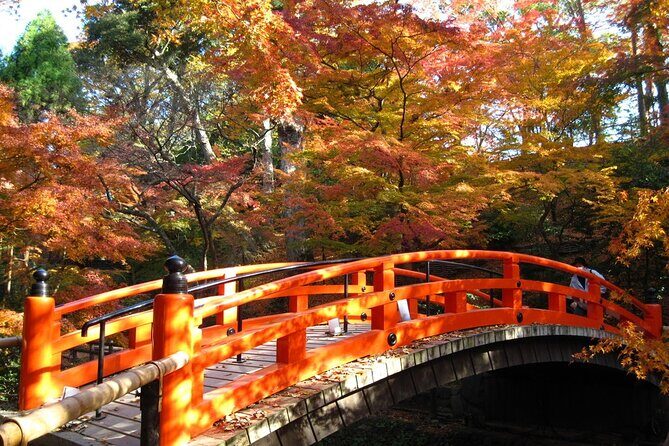
Even with e-bikes, you’ll ride through Kyoto streets with a mix of pedestrians, cars, buses, mopeds, and cyclists. Some people find it smooth once they get used to it. Others need a little extra caution—especially if you’re not used to riding on-road.
The good news: the tour includes safety guidance. In particular, guides have explained:
- where you’ll cross the road
- basic laws/rules for riding bikes in Kyoto
- how to stay together in a small group
Also, guides have been able to adjust if weather changes. If it rains mid-day, you’ll see the tour adapt rather than forcing an uncomfortable schedule.
Guides you might meet: English-friendly, safety-first, and adaptable
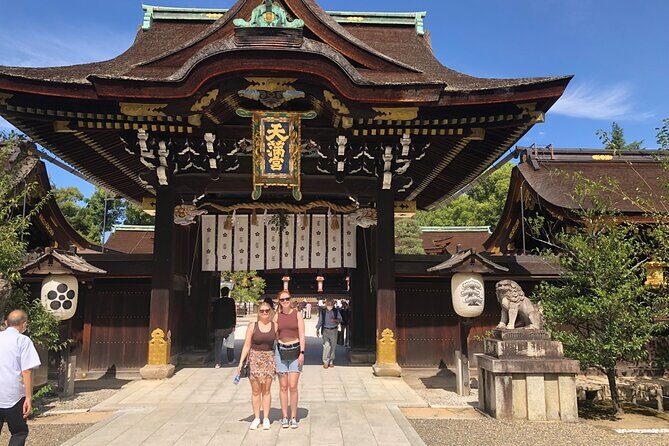
One of the biggest quality signals here is the guide style. Multiple guides mentioned in real experiences share a common theme: clear instructions, attention to safety, and a willingness to answer questions.
You might be guided by people like George, Pohan, Diego, Jody, Benjamin, or Jorge (names that have shown up with this tour). Regardless of the name on the day, the pattern is consistent: you’ll get explanations of what you’re seeing and how to handle the ride portion calmly.
For me, the best part of a good Kyoto tour guide is the small stuff—like pointing out what to watch for, not just what to photograph.
Value check: is $99.49 worth it?
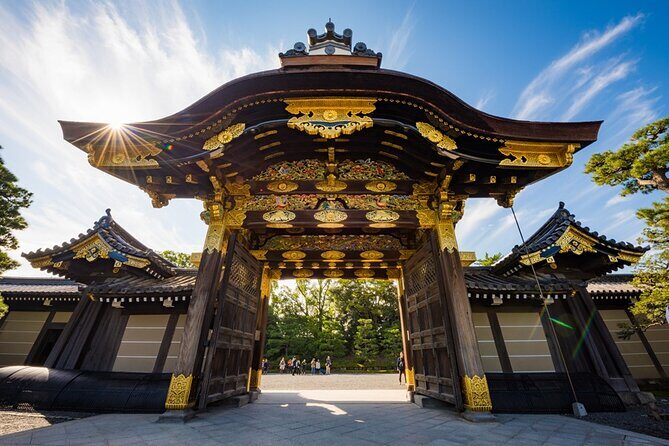
At $99.49 per person, you’re paying for more than a bike. You’re essentially buying:
- a guided day through multiple top Kyoto stops
- a small group (up to 8)
- e-bikes and helmets provided
- a bottle of water included
- admission tickets included at the listed sites
- time for lunch within the overall schedule
If you were to recreate this yourself, you’d be stuck dealing with transportation between far-flung areas, entry timing, and the hassle of managing the riding portion without local guidance. The tour packs it into one route with a realistic pace.
Is it a luxury deal? Not exactly. But it’s strong value for a focused half-day when you want big sights plus real context, without spending your entire day in transit.
Who should book this Historical Kyoto E-Bike Tour?
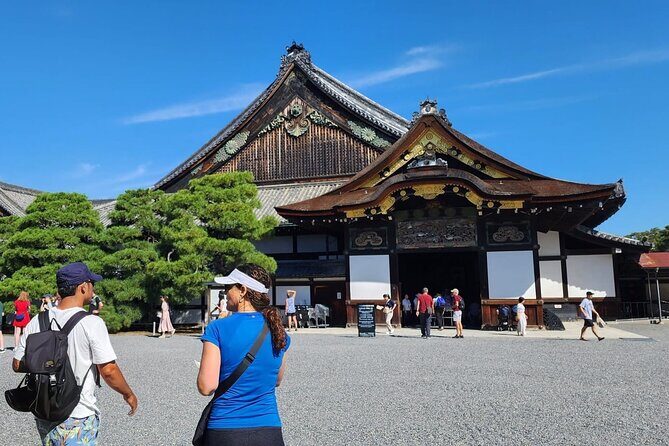
This tour is a great fit if you:
- want to see Arashiyama and Kinkaku-ji plus temple/shrine stops without burning a whole day
- like guided history explanations tied to what you’re standing in front of
- want an easier ride than pushing a pedal bike uphill and through crowds
- prefer small groups for pacing and attention
It may be less ideal if you:
- have major anxiety about riding near cars and pedestrians
- hate walking inside temple/shrine grounds (you will do some)
For families with teenagers, it can work well if the teens are comfortable with city riding rules. For younger kids, it likely depends on your comfort managing bike handling and traffic awareness.
Should you book this tour?
If your goal is a smart Kyoto highlight day, I’d book it. The combination of an e-bike that keeps you moving, admission included at major sites, and a route that hits Kitano Tenmangu, Kinkaku-ji, the bamboo grove, and Tenryu-ji makes it a practical way to “do Kyoto” without making your legs pay for every kilometer.
Just do two things to set yourself up for an easy day: arrive a bit early at the meeting point, and bring some cash for lunch in case the place is cash-only. If you’re comfortable riding in a real city street environment and you pack comfortable shoes, you’ll get a lot out of these hours.
FAQ
How long is the Historical Kyoto E-Bike Tour?
The tour runs about 5 to 6 hours. Most of your time is used for the scheduled stops, plus biking between locations and lunch.
How much does the tour cost?
The price is $99.49 per person.
What’s included with the tour?
You get a bike and helmet for the ride, a bottle of water, and admission tickets included for the listed stops. Lunch time is also built into the day.
How big is the group?
The tour has a maximum of 8 travelers, which keeps the experience more manageable and easier to guide.
Are there different start times?
Yes. You can choose from two morning tour options for flexibility.
Where does the tour start and end?
It starts at Memory Kyoto Bike Tour in Kyoto’s Nakagyo Ward. It ends back at the same meeting point.
Is the meeting point near public transportation?
Yes, the meeting point is listed as near public transportation.
Do I need a mobile ticket?
Yes. The tour includes a mobile ticket, and confirmation is received at the time of booking.