Kyoto feels lighter when you skip the chase. This private car tour trades the big-bus sprint for a calmer day: your group of up to 10 rides together, moves at your pace, and hits lesser-seen temples and shrines tied to Kyoto’s older stories.
I love the easy hotel pickup and drop-off, because you spend less time figuring out trains and more time looking closely. I also love the quiet wow factor, from Kennin-ji’s moss garden to Ryoan-ji’s carefully ordered rock garden.
One budgeting note: there’s an admission fee of ¥3,000 per person listed as not included, even though several stops are marked as free-entry.
In This Review
- Key highlights you’ll feel right away
- Why this private Kyoto car route feels different
- Price and added costs: the real Kyoto math
- The day’s flow: a route built for calmer temples
- Stop 1: Fushimi Inari-taisha—gate mountain views at your pace
- Stop 2: Kennin-ji moss garden, plus a “secret” reveal twist
- Stop 3: Ryoan-ji—rock garden order and Buddhist storylines
- Stop 4: Adashino Nembetsu-ji—unusual origins and survival after fire
- Stop 5: The Golden Pavilion area—Yasakanoto / Kinkakuji connection
- Stop 6: Otagi Nenbutsu-ji—tea-and-art atmosphere in a garden
- Stop 7: Monkey Park Iwatayama area break, with Kyoto-style desserts
- Stop 8: Kibune Shrine—koi pond feeding and neighborhood devotion
- Guide comfort and the value of having Takashi in the driver’s seat
- Who should book this Kyoto private car tour?
- Should you book this tour?
- FAQ
- How many people are in the private group?
- How long is the tour?
- Is hotel pickup and drop-off included?
- Are temple admission fees included?
- Is lunch included in the price?
- Is there an alcohol age requirement?
- What is the cancellation window?
Key highlights you’ll feel right away
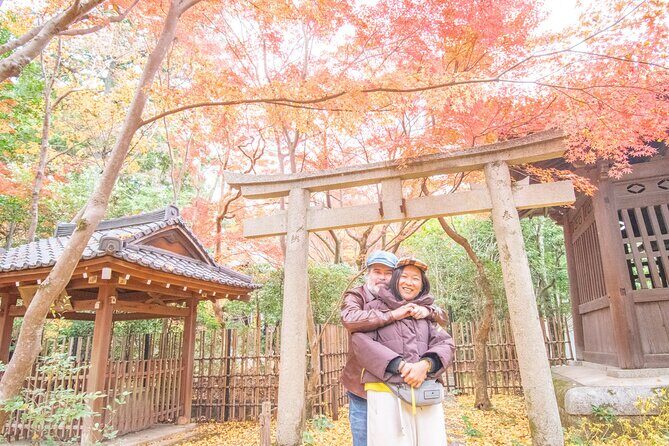
- Private group, up to 10 people: You choose the rhythm instead of following a crowd line.
- Hotel pickup and drop-off: The day starts and ends smoothly, without logistics headaches.
- A flexible route: The guide can adjust based on what you want to spend time on.
- Air-conditioned vehicle: Big comfort win in hot or humid Kyoto days.
- Kyoto history beyond the postcard spots: Moss, rock gardens, and old shrine legends—not just the main gates.
- Local lunch and dessert tips: You’re pointed to good stops during the day rather than guessing.
Why this private Kyoto car route feels different
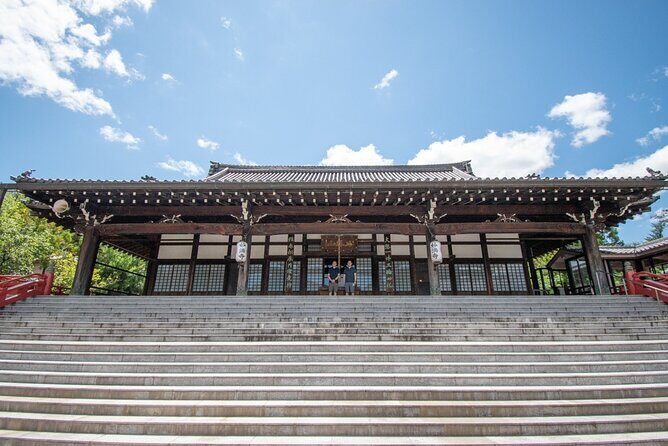
Kyoto can be a lot. Not because it’s hard to enjoy, but because it’s easy to get trapped in a tight schedule: arrive, photograph, shuffle forward, repeat. This tour flips that. You’re in a vehicle with your group, and the itinerary is designed to make “hidden history” feel practical.
With a group size capped at 10, you don’t get the constant traffic of a large tour bus. In Kyoto, that matters. The most interesting moments often happen when you’re not surrounded, when you can actually read signs, notice details, and sit for a minute.
Flexibility is a big deal here too. The tour is built around a set path (with specific temple/shrine stops), but the guide can adjust within the structure—time for photos, slowing down at a garden, or giving your group a breather when the day gets warm. It’s the difference between seeing Kyoto and getting to enjoy it.
Other private tours in Kyoto
Price and added costs: the real Kyoto math
At $108.58 per person for a 7-hour private car tour, you’re paying for convenience plus local guidance. You’re not just buying transport. You’re buying someone who can drive you efficiently between sites, explain what you’re seeing, and steer you away from the busiest moments.
Here’s the part to double-check in your budget:
- The tour includes the air-conditioned vehicle, gas & parking (up to ¥3,000/day), and hotel pickup/drop-off.
- Lunch is not included, but the guide can help with restaurant and dessert choices during the day.
- Admission fee is listed as not included: ¥3,000 per person.
This creates an odd-looking mismatch at first glance: many stops are described as free entry. Still, there’s a separate ¥3,000 charge listed as not included. I’d treat that as your “plan for this cost” number, then confirm on booking what that admission fee is tied to.
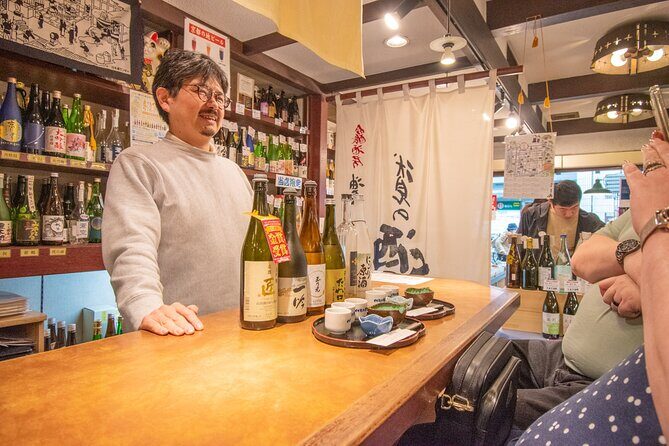
Also, the tour is family-friendly in the general sense (“most travelers can participate”), but if your group wants sake or alcohol-related stops, there’s a minimum age of 18 for alcohol consumption.
The day’s flow: a route built for calmer temples
This route sets you up for a mix of shrine spectacle and temple quiet. It starts with one of Kyoto’s most iconic entrances—Fushimi Inari-taisha—then moves into temples where the mood changes fast: moss gardens, rock composition, and smaller sites with strong local connections.
The time allocation is tight enough to cover several locations in about 7 hours, but it doesn’t feel like a stampede. You’re given short, focused blocks rather than a long “one-size-fits-all” stop.
Two practical wins:
- You’re transported between areas, so your legs don’t do all the work.
- Several stops are described as less crowded or less commonly visited, which helps the day feel peaceful instead of frantic.
If you like a mix—spectacle first, reflection after—this order makes sense.
Stop 1: Fushimi Inari-taisha—gate mountain views at your pace
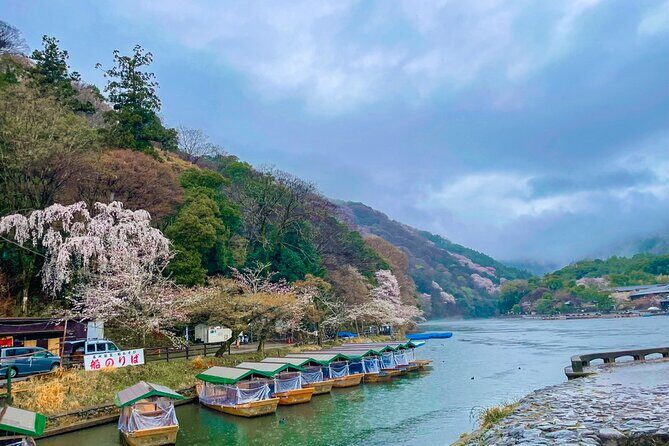
Fushimi Inari is the “thousands of gates” Kyoto. You’ll be surrounded by tri-gates climbing through the grounds, and the scale is part of the magic: the shrine premises stretch up a whole mountain.
What makes this first stop work well on a private route is simple. You’re not stuck in a fast-moving stream right away. You can slow down to notice patterns in the gates, and you can find that calm feeling the moment the crowd thins.
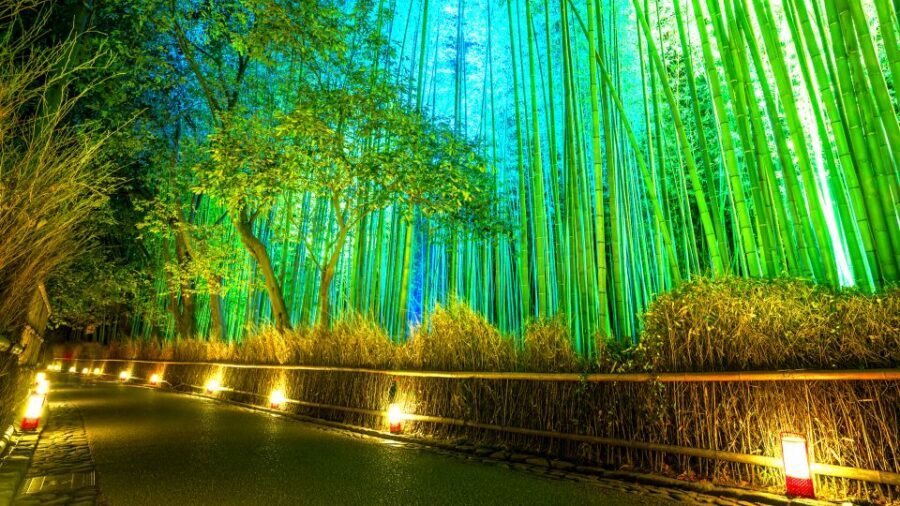
You’ll also get bamboo forest scenery in the area, plus the sense of a place that feels lived-in rather than purely staged. The description highlights peaceful birds and the mountain setting, and that’s exactly why this stop is a strong opener: it tells you what Kyoto “secrecy” really means here—small details and space, not hiding locations.
Practical tip: bring a small bottle of water and plan for steps. Even if you don’t climb far, the grounds and walkways still add up.
Stop 2: Kennin-ji moss garden, plus a “secret” reveal twist
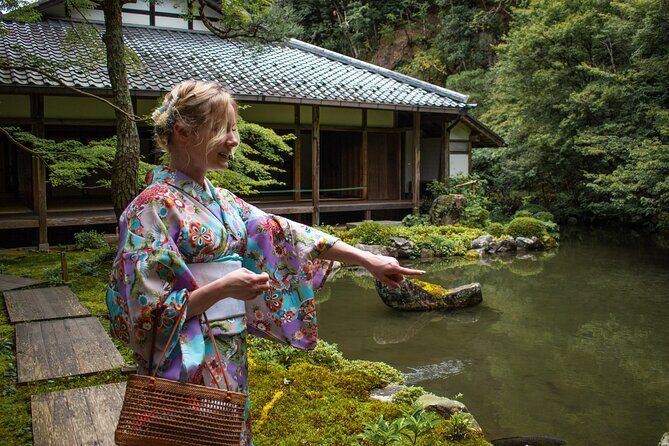
After Inari’s energy, you shift into temple calm. The itinerary names Kennin-ji Temple and also notes a “secret temple” concept where the temple name is disclosed only on the tour.
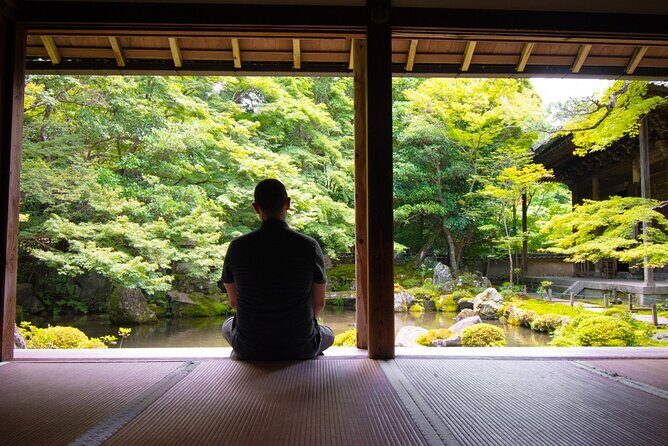
Either way, the emotional payoff is the same: the highlight is an extremely gorgeous moss garden. Moss is one of those Kyoto materials that looks different depending on light and weather, and the point of visiting it is not to rush. You want time to look at texture, color, and the way the garden frames views.
The tour description also explains that this kind of temple isn’t visited by many people, partly due to distance and inconvenience. That’s often the difference between “nice photos” and “I get why this place matters.”
Possible drawback to consider here: if you’re someone who wants everything spelled out in advance, the “secret temple” approach may feel like less clarity before you arrive. Still, it usually becomes part of the fun because the guide can frame why that temple belongs in the story you’re experiencing.
Other historical tours in Kyoto


Stop 3: Ryoan-ji—rock garden order and Buddhist storylines
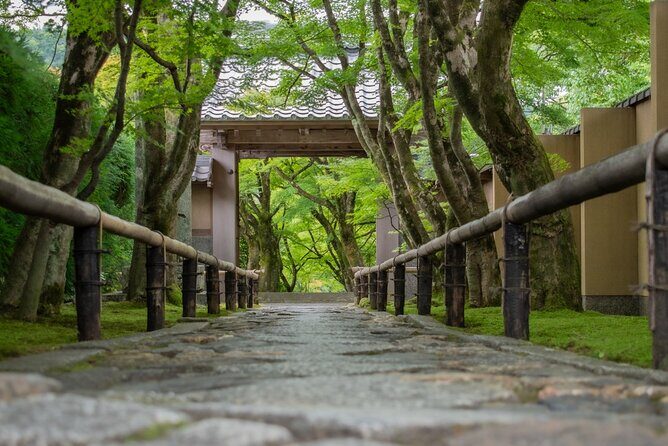
Next is Ryoan-ji Temple, described as one of the larger temples in northern Kyoto, with millions of tiny rocks arranged into a designed garden. The rocks are the showpiece, and the experience is partly about recognizing the structure of the placement.
There’s also a historical angle: you’ll get context about the rich history of a Buddhist schism in Japan. That matters because the garden isn’t just a decoration. It ties into how sect ideas shaped art, space, and ritual life.
When you visit somewhere like Ryoan-ji, you’ll either like it or bounce off it based on your mindset. If you enjoy slow observation—how lines and islands of stone guide your eye—this is a great match.
Practical tip: give yourself a minute to sit or stand without filming. The design is more readable when your brain isn’t racing.
Stop 4: Adashino Nembetsu-ji—unusual origins and survival after fire
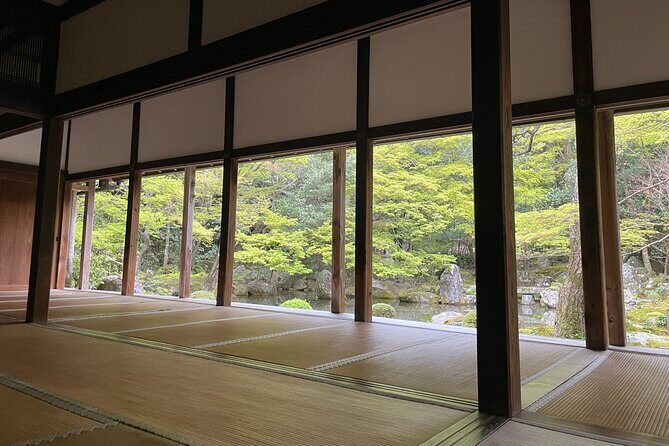
This stop is short but memorable: Adashino Nembetsu-ji Temple. The description ties it to the Hatashi group, said to have Korean-rooted ethnic roots in the 5th–6th century.
It also includes a “never vanished” story. The temple was originally erected, then experienced a burn down in the 8th century, but it continues. That kind of survival through catastrophe is exactly what makes Kyoto’s smaller sites feel important. The bigger temples get your attention. The smaller ones give you the deeper reason.
The stop duration is listed around 30 minutes, so don’t expect a full course. Treat it like a story stop: look at what you’re shown, listen to the context, then move on.
Stop 5: The Golden Pavilion area—Yasakanoto / Kinkakuji connection
Stop 5 is where the itinerary gets interesting because the label and the description point to the same big draw.
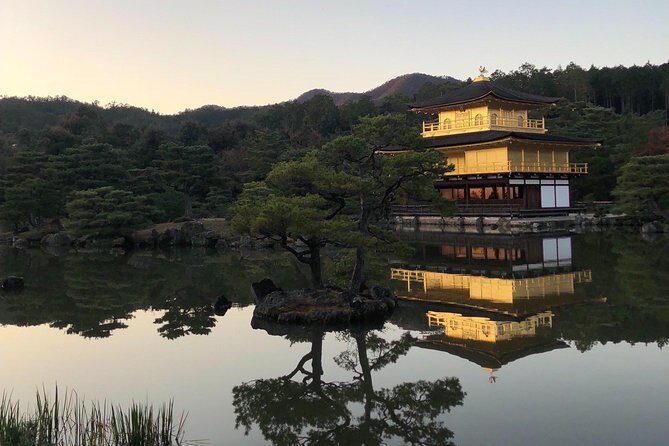
It’s called Yasakanoto in the itinerary, but the description explains features of the Golden Pavilion (Kinkakuji): it was originally the villa of Shogun Yoshimitsu Ashikaga (1358–1408), and after his death it was converted into a temple. You’ll also hear about the building where the two top floors are covered with gold leaf.
This stop is a classic Kyoto photo moment, but on a private car day, you’re less likely to feel like you’re trapped in a cattle line. You can take your time between viewpoints and absorb what you’re seeing—gold leaf as symbolism, architecture as status, and conversion into religious use as political history.
Practical tip: wear clothing that’s comfortable for sun and humidity. Even if you’re in shade at times, Kyoto can feel intense.
Stop 6: Otagi Nenbutsu-ji—tea-and-art atmosphere in a garden
After the Golden Pavilion glamour, you shift to something more quirky and personal: Otagi Nenbutsu-ji Temple.
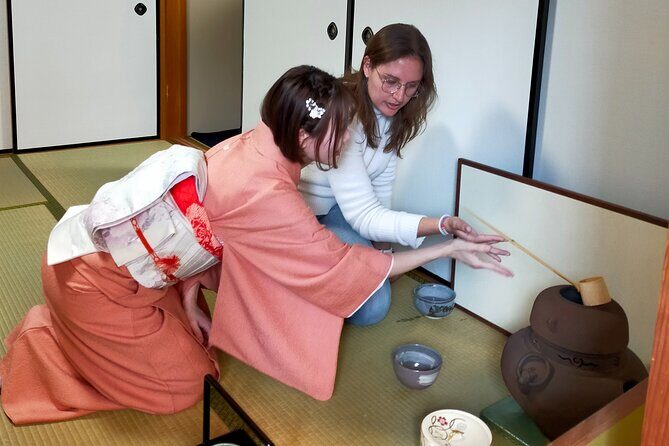
The description says the temple’s setting connects to an art master who worked across multiple arts such as tea ceremony and calligraphy. The garden is described as having an “awesome garden” with various planted trees and tea ceremony items. Even without extra explanation, that combination—tea culture plus art—tends to create a more intimate feel.
This is the kind of stop that rewards a slower pace. If you like seeing how Japanese culture blends everyday aesthetics (like tea objects) into sacred spaces, you’ll enjoy it.
Duration is about 30 minutes, so again: don’t expect a long deep study. Think of it as a mood reset before the final stretch.
Stop 7: Monkey Park Iwatayama area break, with Kyoto-style desserts
This is where the tour leans into a very Kyoto idea: sightseeing plus snacks, not as an afterthought but as part of the experience.
The itinerary notes Monkey Park Iwatayama and also mentions a stop at a local dessert shop. The description calls out Kyoto-styled sweets, including:
- Mochifu (pounded rice cake with different textures than normal mochi)
- Shaved ice flavored with yuzu (Japanese citrus) or matcha
A dessert stop can sound like a throw-in. In practice, it’s useful. It gives you a break between temples, and it’s a way to experience Kyoto flavors without turning it into a separate meal mission.
If your schedule is tight, this kind of stop keeps your energy steady and makes the last shrine smoother.
Stop 8: Kibune Shrine—koi pond feeding and neighborhood devotion
The final temple/shrine stop is Kibune Shrine. It’s described as the biggest shrine erected by a powerful noble family tied to the Hatashi tribe, beloved by surrounding neighborhood households.
The highlight you’ll likely remember is the large koi fish pond, where feeding fish is part of the experience. That sounds simple, but it’s actually a strong way to end a day. It brings you back to “Kyoto as lived-in tradition,” not just historic architecture.
Kibune is often appreciated when you’re ready for something less intense. By the time you reach the pond, you’ll be temple-walked out in a good way. Ending here feels like a quiet exhale.
Guide comfort and the value of having Takashi in the driver’s seat
The provider behind this tour is Amazing Kyoto Experience, and the guide name that shows up repeatedly is Takashi. Multiple write-ups highlight that he speaks fluent English and can be friendly and accommodating.
That combination matters more than it sounds. In Kyoto, context is half the experience. If your guide can connect the places you’re seeing—why a shrine is tied to a family, why a temple garden looks the way it does—then even free-entry sites feel richer.
The vehicle is air-conditioned, and the tour includes parking and gas up to a daily limit. That’s a big practical advantage. Kyoto traffic and distances can eat time. A private driver keeps the day from collapsing into missed connections.
One more note from real-world experience: there’s evidence of occasional communication hiccups at the start due to a booking system mix-up that led to a cancelled outing and refund. That’s not the norm, but it’s a reminder: when you book, watch for confirmation messages and make sure the pickup details are clear.
Who should book this Kyoto private car tour?
I think this is a strong choice if:
- You want Kyoto history and temples, but with breathing room instead of a bus-group rush.
- You’re traveling as a small group (family, friends, or a couple) and want your own pace.
- You care about comfort: hotel pickup, air-conditioned transport, and fewer wasted minutes getting around.
- You like a day that mixes famous landmarks (like the Golden Pavilion area) with quieter, less obvious sites (moss, rock gardens, and offbeat temple stories).
I’d reconsider if:
- You’re obsessed with only major-name attractions and don’t want shorter, focused stops that feel more like story visits.
- You dislike “surprise” elements like the possibility that a temple name is framed as a reveal rather than fully advertised upfront.
- Your budget can’t stretch to the ¥3,000 admission fee listed as not included.
Should you book this tour?
If you want Kyoto to feel personal instead of crowded, I’d book it. The big value isn’t just “private.” It’s that the day is built around a mix of shrine spectacle and quieter temples, with a guide who can explain what you’re seeing and keep the pacing comfortable in an air-conditioned vehicle.
Just do two things before you go:
- Budget for the ¥3,000 admission fee per person even if some stops are listed as free.
- Confirm pickup details clearly before the day starts, especially if you’re sensitive to timing.
When it’s working well, this is the kind of Kyoto day that leaves you thinking about stories, gardens, and architecture—not just photos.
FAQ
How many people are in the private group?
The tour is private for your group, with a maximum size of up to 10 people.
How long is the tour?
The duration is about 7 hours.
Is hotel pickup and drop-off included?
Yes. Hotel pickup and drop-off in Kyoto are included.
Are temple admission fees included?
An admission fee of ¥3,000 per person is listed as not included. Some stops are described as free entry, but the separate admission fee still applies.
Is lunch included in the price?
Lunch is not included. The guide can recommend and potentially stop for lunch or dessert depending on timing and situation.
Is there an alcohol age requirement?
Yes. The minimum age requirement for alcohol consumption is 18.
What is the cancellation window?
You can cancel up to 24 hours in advance for a full refund. Within 24 hours, there’s no refund.