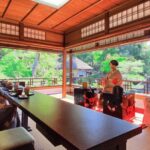
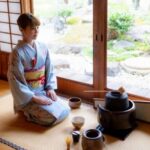
Start with a red gate, end with pure water. This private Kyoto tour strings together Shinto and Zen to help you read the sights with context, not just photos. I love the Zen stillness at Entoku-in and the nail-less wooden stage views at Kiyomizu-dera. One thing to consider: the time is tight, so inside-the-temple exploring is brief, and Kiyomizu can be busy.
You meet at Yasaka Shrine’s west gate in Gion, get a history orientation with a map, then walk through Maruyama Park toward a less-chaotic side of the famous neighborhood. In many runs, guides such as Hisako or Hiroshita use hand-drawn visuals to make shrine, temple, and political-era context feel easier to grasp. It’s a great way to get your bearings fast without racing.
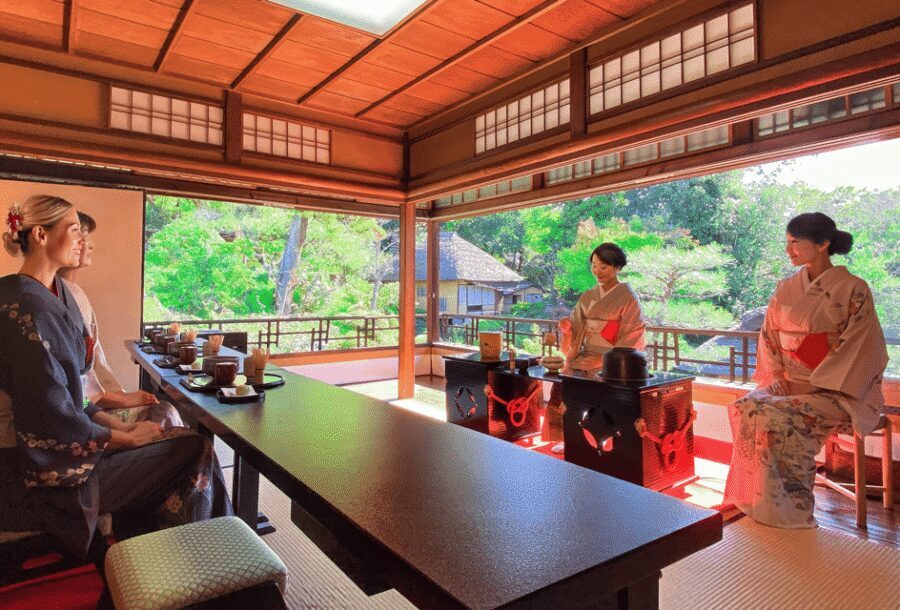
Dry Zen garden at Entoku-in
See the rock-and-moss style dry-garden setting and the tradition of pictures on sliding doors.
The Nene-no-michi backstory
Walk a street tied to Nene, wife of Toyotomi Hideyoshi, and the Zen temple associated with her.
A five-storied pagoda photo moment
Spot the five-story Yasaka-no-to (Yasaka pagoda) from outside near Koshindo.
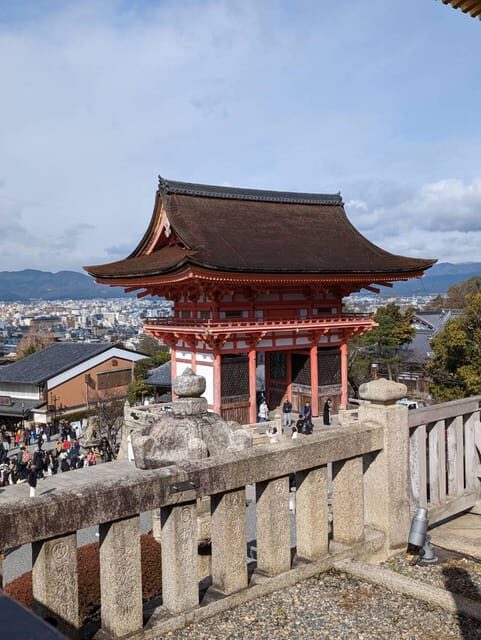
Kiyomizu-dera from the wooden stage
Learn the meaning of the Kannon worship hall and get a view that includes the Koyasu Pagoda.
Pure-water details you’ll notice afterward
Kiyomizu’s water, never dried up, plus the iron tools people try lifting.
In This Review
- Start at Yasaka Shrine’s red gate in Gion
- Entoku-in Zen rooms and the dry garden quiet
- Nene-no-michi to Yasaka Kōshin-dō and the Yasaka pagoda photo angle
- Kiyomizu-dera: Kannon worship, the nail-less stage, and Koyasu Pagoda
- How the guide style changes the whole experience
- Timing, cost, and what you might pay for on top
- Who should book this private Kyoto historical walk
- Should you book this Kyoto Historical Walking Tour?
- FAQ
- Where does the tour meet?
- How do I get there by train?
- How long is the tour?
- What is the price?
- Is a guide included?
- Are temple admission fees included?
- What should I bring?
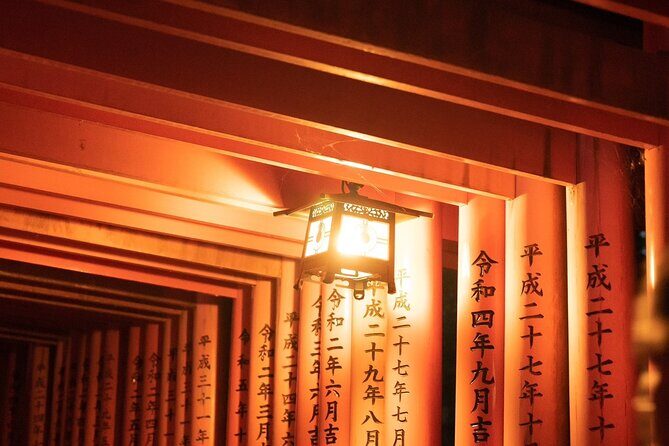
Start at Yasaka Shrine’s red gate in Gion
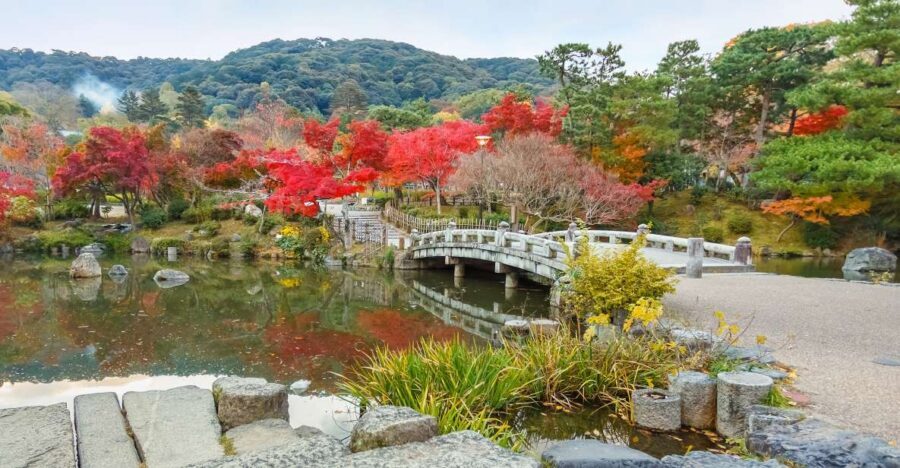
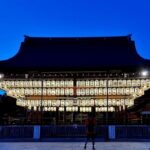
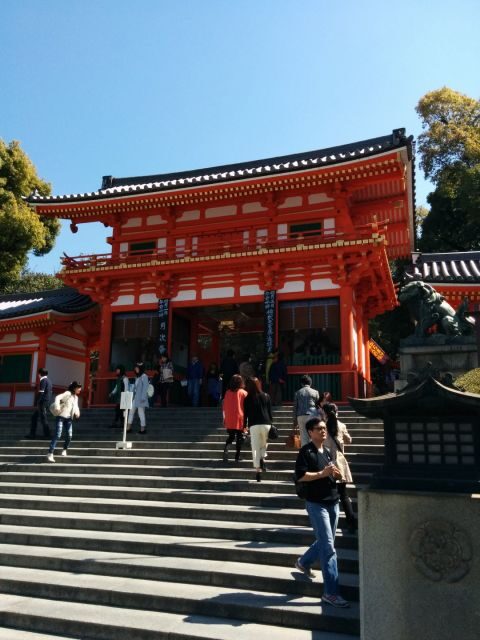
The tour begins at the west gate (red gate) of Yasaka Shrine—easy to find, especially if you’re already in the Gion area. If you’re arriving by train, plan on Gion Shijo Station (Keihan Line) or Kawaramachi Station (Hankyu Line). From there, you walk to the east along Shijo Street and climb stone steps up to the top.
At the gate, your guide sets the tone. You don’t just get a route; you get a map of Kyoto and a plain-language guide to how the city’s history shaped what you’ll see—shrines, temples, and the way belief systems show up in architecture and daily rituals. Some guides also bring a folder of their own drawings and notes (people have praised guides like Hisako and Hiroko for this style of teaching).
This first segment matters because it changes how you look. Instead of thinking, I’ll walk past a shrine, you start thinking, I’ll recognize why this place is here and what people do when they arrive.
What to watch for: notice how the shrine grounds teach worship etiquette. Your guide explains how people typically worship at a shrine, which pays off later when you shift from shrine customs to temple customs.
Entoku-in Zen rooms and the dry garden quiet
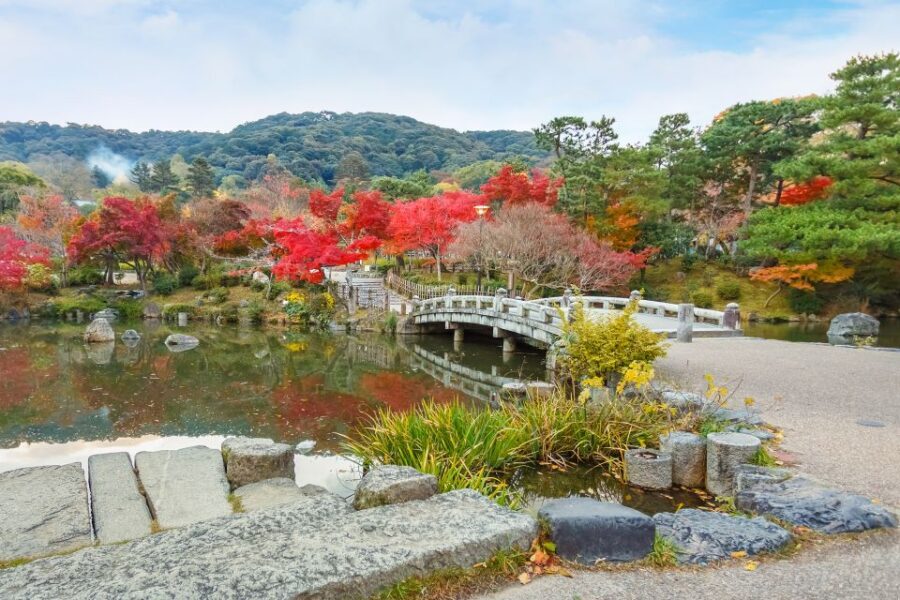
After Yasaka Shrine, you head toward Maruyama Park and then along Nene-no-michi—a street that’s busy in the best way, because it feels lived-in. But it’s not just a stroll. Your guide ties this area to Nene, wife of Toyotomi Hideyoshi, a major political figure of the late 1500s. That’s how the walk becomes more than scenery: the streets get names, and the names get stories.
Your Zen stop is Entoku-in, linked with Nene. Here’s what makes it special:
- You’ll see a Zen dry garden setting, designed for calm observation rather than heavy greenery.
- You can also look at traditional rooms, including the kind of visual storytelling that appears on sliding doors.
- The tone is quiet and reflective, a contrast to the louder street energy you just walked through.
Several guides are praised for using drawings to help you remember what you just heard, including architecture and religious symbolism. If you’re someone who likes to understand the why, this is where the tour earns its keep.
Potential drawback: this is a visit with a set time window. If you like to linger long enough to fully soak in each room or repeatedly re-check the details, you may want to come back on your own after the tour ends.
Other walking tours we've reviewed in Kyoto

Nene-no-michi to Yasaka Kōshin-dō and the Yasaka pagoda photo angle
Once you’ve had your Zen pause, the route continues with a short walk and then a stop at Yasaka Kōshin-dō. The goal here is more orientation than deep dive—you’ll get enough context so the buildings and statues start making sense as part of Kyoto’s layered spiritual world.
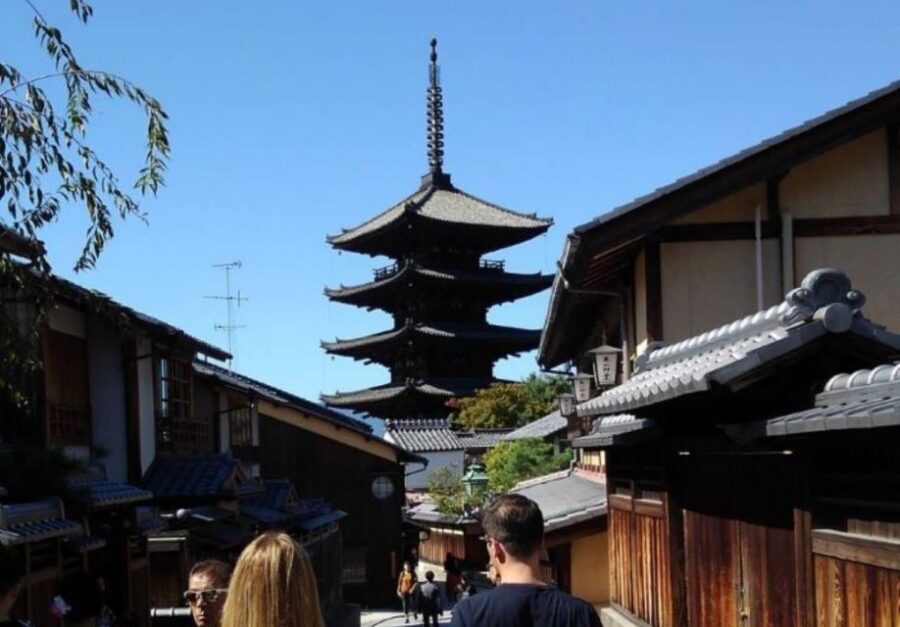
Then comes one of the most camera-friendly parts of the day: the five-storied pagoda, commonly called Yasaka-no-to (Yasaka pagoda). It sits close to Koshindo, and you’ll see it from outside. There’s also a famous photo spot nearby, so you’re not left guessing where to stand.
This is a good reminder that Kyoto isn’t just about getting inside. A lot of the most iconic views are meant to be seen from the street—at the right angle, framed by shopfronts, lanes, and passing foot traffic.
Quick advice: if you care about photos, use the stop as a chance to set your angle early. After that, enjoy the explanation your guide gives you, because the pagoda will mean more once you know what surrounds it and why it’s there.
Kiyomizu-dera: Kannon worship, the nail-less stage, and Koyasu Pagoda
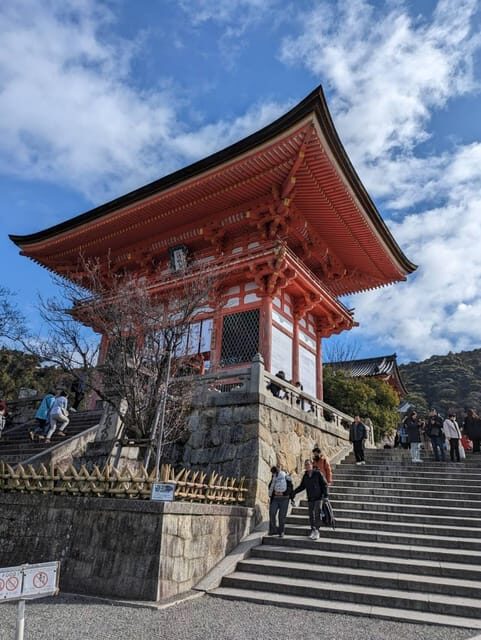
Your final temple visit is Kiyomizu-dera, one of Kyoto’s top destinations. The tour timing brings you here with enough energy left to appreciate it, not just sprint through it.
The basics your guide will cover are worth holding onto:
- Kiyomizu-dera dates back to the 8th century.
- The main object of worship is Kannon Bodhisattva.
- The temple sees about five million visitors a year from around the world.
Once you’re on the grounds, you’ll also see Buddhist statues, including Kannon Bodhisattva, and the main hall features a famous wooden stage. The stage is a wooden structure built without the use of nails—a detail that sounds technical, but it helps you understand the craftsmanship behind the dramatic platform design.
From the stage, the views are the big payoff. You can look out over the area and see a three-storied pagoda called the Koyasu Pagoda, which literally relates to easy birth. Your guide explains the custom: people—especially women—visit and pray for easy birth.
Then there’s the element that makes Kiyomizu feel different from many other big temples: the water. Kiyomizu literally means pure water. A stream runs down from the mountain behind the temple and has never been dried up. People line up to drink it, and it’s one of those moments where everyone suddenly becomes quietly focused on the same small action.
If you want something interactive, the precinct includes donated items: an iron stick and iron clogs. The iron stick is heavy, and your guide may invite you to try lifting it. It’s not about the workout; it’s about joining the ritual-like culture of trying.
One more custom to notice: before the tour ends, the guide also explains Jishu Shrine, a shrine for match making. Even if you don’t go inside Jishu, you’ll know what it’s for and what kind of wishes people associate with it.
How the guide style changes the whole experience
This tour’s biggest strength isn’t just that you hit famous landmarks. It’s how the guide helps you connect the dots—religion, politics, and daily practices—so Kyoto doesn’t stay as a blur of buildings.
In the reviews and guide descriptions you’ll see repeated themes:
- Your guide uses a prepared folder with hand-drawn pictures, bullet points, and sometimes maps.
- English instruction is repeatedly described as strong and patient.
- The pace is generally comfortable, with time to look around and take photos instead of feeling herded.
You’ll also benefit if you’re the type who asks questions. Multiple guide reports mention they’re willing to answer everything from shrine vs. temple differences to how historical figures shaped the city’s spiritual landscape.
If you’ve already studied a little about Japan, this tour can still help, because it translates the basics into what you’re actually seeing under your feet. And if you know almost nothing, it helps because the stories arrive in the right order, right when each place needs context.
Timing, cost, and what you might pay for on top
Let’s talk value—because $80 per group up to 5 people is a solid deal for a private, English-language guide.
What makes it feel like value:
- You’re paying for teaching time, not just transportation-free walking.
- You get context at multiple stops: shrine worship etiquette, Zen room symbolism, pagoda meaning, and Kiyomizu’s worship customs and stage view.
- The route includes big-name sites plus a quieter Zen experience, which can save you the time of figuring out what to prioritize.
What’s not included is also important. The tour includes the guide only, and it does not include admission fees to the temples. You’ll also want to budget for any optional spending you choose at stops (food, drinks, and souvenirs), since meals are not included. And bring comfortable shoes—the walking is part of the appeal.
If you’re comparing this to a budget group tour, the advantage is control: private pacing and a higher chance your questions get answered in real time.
Other private tours in Kyoto



Who should book this private Kyoto historical walk
This tour is a good fit if you want:
- A fast start to Kyoto with clear context, especially for shrine and temple customs.
- A route that balances famous sights (Kiyomizu-dera and its stage) with calmer, meaning-forward stops (Entoku-in’s dry Zen garden).
- A private experience where you can ask questions and adjust your pace.
I’d lean toward booking if you’re traveling as a couple, friends, or a small family group, because the group cap (up to 5) makes the per-person cost more reasonable. It’s also a smart choice early in your trip. After this, you’ll understand what you’re looking at the next day, even if you don’t have a guide with you.
Should you book this Kyoto Historical Walking Tour?
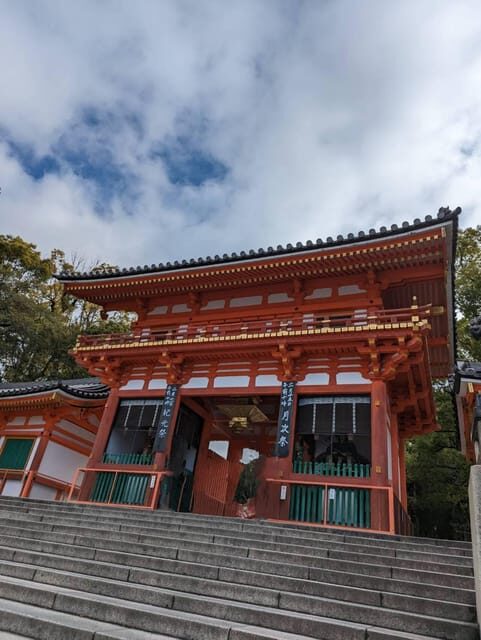
Book it if you want a guided walk that helps you read Kyoto, not just check boxes. The combination of Yasaka Shrine orientation, Zen calm at Entoku-in, the Yasaka pagoda view moment, and the nail-less stage perspective at Kiyomizu-dera hits a great mix of culture and atmosphere.
Skip it (or at least add extra temple time of your own) if you hate crowds or you expect a slow, hours-long “stay until you’re ready” visit inside major sites. Kiyomizu is popular, and you’ll still want to return later if you like deep wandering.
If you like explanations with sketches and you want a day that feels organized but not rushed, this is a strong choice.
FAQ
Where does the tour meet?
Meet at the west gate (red gate) of Yasaka Shrine.
How do I get there by train?
If you use the Keihan Line, get off at Gion Shijo Station, or if you use the Hankyu Line, get off at Kawaramachi Station. From there, walk east along Shijo Street and climb stone steps to the top to meet your guide in front of the gate.
How long is the tour?
The duration is listed as 2 hours (the tour name also mentions 2.5 hours).
What is the price?
It’s $80 per group, for a private tour up to 5 people.
Is a guide included?
Yes. A live English-speaking guide is included.
Are temple admission fees included?
No. Admission fees to the temples are not included.
What should I bring?
Wear comfortable shoes, since it’s an on-foot walking tour.