Kyoto can feel like a stampede. This private car day turns it into a calm route you control. I especially like the hotel pickup/drop-off convenience and the fact that you’re not battling trains and transfers between the big sights. Plus, your English-speaking driver can smooth out logistics and nudge your plan when crowds or traffic get annoying.
The main thing to watch: this is a driver-escort setup, not a full licensed guide service by default. If you want deeper lectures at every temple, you’ll likely need to add the optional tour guide service (¥10,000 per booking).
Key highlights at a glance
- Private, air-conditioned vehicle with fuel, tolls, and parking handled for you
- English-speaking driver who can help manage pacing and route decisions
- Arashiyama Bamboo Forest + Golden Pavilion in a single day without public transport stress
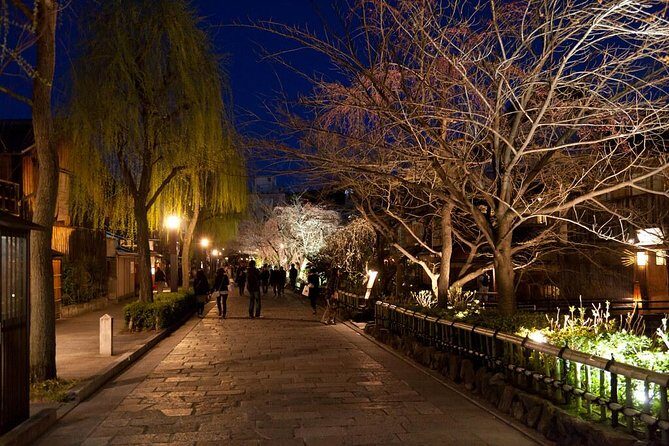
- Gion + preserved old streets for classic photo lanes and easy strolling breaks
- Kiyomizu-dera + Ninenzaka/Sannenzaka timed for maximum sight with less hassle
- Fushimi Inari’s torii tunnel closes the day on a memorable note
In This Review
- A Private Kyoto Day That Keeps You From Playing Transport Tetris
- Driver Setup: English-Speaking Help With Real Limits (Good to Know)
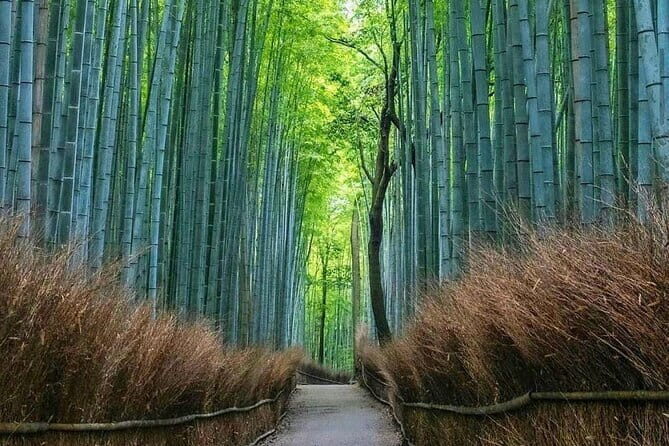
- Arashiyama Bamboo Forest: A 45-Minute Reset in Green Calm
- Kinkaku-ji Golden Pavilion: The Photo Target That Teaches Timing
- Gion Old Streets: Where Lanterns and Strategy Meet
- Kiyomizu-dera and the Ninenzaka/Sannenzaka Walk: Scenic, Steep, and Worth It
- Kodai-ji and Yasaka Shrine: The Cool-Down Stops Between Big Hits
- Fushimi Inari-taisha: Torii Gates as Your Day’s Grand Finale
- Timing, Walking Pace, and Comfort During 10 Hours
- Price and Value: $482 for Up to 5 People, Plus What to Budget
- How to Customize Your Kyoto Day Without Losing the Plot
- Should You Book This Kyoto Private Tour?
- FAQ
- Is hotel pickup and drop-off included?
- What does the English-speaking driver actually do?
- Are attraction tickets included?
- How long is the tour?
- What happens if I go over the 10-hour limit?
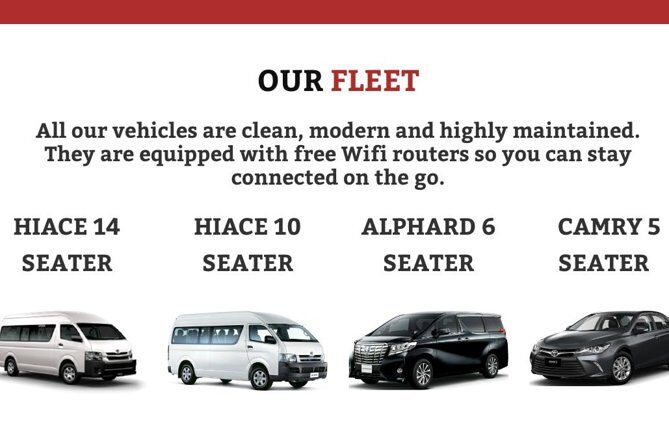
- Is there Wi-Fi in the vehicle?
- Can I add a licensed tour guide?
A Private Kyoto Day That Keeps You From Playing Transport Tetris
On a first visit, Kyoto’s big attractions can look close on a map. In real life, they’re spread out, and crowds turn “easy” into “wait.” This tour’s whole promise is simple: you ride together in a private vehicle, and your driver handles the hopping between neighborhoods.
That matters because Kyoto days are really about momentum. You get a limited window (about 10 hours from pickup to drop-off), and you don’t want to waste it standing in lines for tickets or figuring out which bus arrives when. With the private setup, you can spend your energy on the places you came for—bamboo, gold, lantern-lit streets, temple viewpoints, and that iconic red torii tunnel.
The other value hit is comfort. You’re in an air-conditioned car, with the driver acting as a buffer between you and the friction of the city. In the real-world feedback I saw, guides like Yuki, Sasaki, and Lexie were praised for being easy to work with—showing up on time, helping with practical directions, and adjusting when plans needed tweaking.
Driver Setup: English-Speaking Help With Real Limits (Good to Know)
This matters for setting expectations. The included service is an English-speaking driver, who can offer travel advice and help manage your itinerary. Several experiences reported drivers like Fujimoto/Fuji, Steve, Eric, and Lexie tailoring the day to the group’s pace.
But you should assume this is not the same as a full guide who will give you a constant stream of detailed commentary. One downside that showed up in lower ratings was that guests expected more explanation than a driver-escort typically provides. If that’s your style—if you want history, stories, and meaning repeated at each stop—ask about adding the optional tour guide service during booking.
Also pay attention to “how communication works.” Many drivers in the good feedback handled logistics well, including sending directions through WhatsApp when you got turned around on foot. That’s useful in Kyoto because street layouts near famous sights can feel like a puzzle once you’re inside the crowd flow.
Other private tours in Kyoto
Arashiyama Bamboo Forest: A 45-Minute Reset in Green Calm
You start with the Arashiyama Bamboo Forest, aiming for that signature quiet mood people chase when they visit Kyoto. The draw here is not just the bamboo—it’s the atmosphere: a peaceful walkway, scenic riverside views nearby, and traditional streets that feel distinct from the city centers.
Time is tight, so you’ll want to walk with purpose:
- Expect photo stops.
- Plan a short circuit rather than trying to “wander forever.”
- Wear shoes with grip, because paths can be uneven.
One practical benefit of having a driver: getting in and out without wasting time. Crowds can slow movement on foot, but your car helps keep the day’s pace realistic.
If your group includes slower walkers or you want frequent pauses, this is a good first stop because it’s visually strong without requiring a long climb like some temple areas.
Kinkaku-ji Golden Pavilion: The Photo Target That Teaches Timing
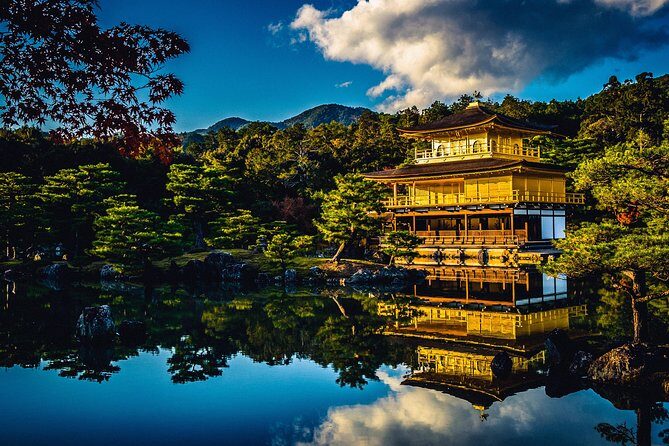
Next is Kinkaku-ji (Golden Pavilion)—the Zen temple covered in gold leaf, famous for its reflection in the pond. Even if you’ve seen photos online, the scene hits harder in person because the gold catches light differently as you move.
Here’s the practical part: you’ve only got about 45 minutes. So don’t spend that time standing in one spot waiting for the perfect angle. Look around, find a view where the pavilion and pond align, then move to the next viewpoint.
The payoff is you get a world-famous icon without losing half your day. And because you’re in a private car, your driver can help you time transitions toward the next neighborhood once the main crowd flow starts shifting.
Gion Old Streets: Where Lanterns and Strategy Meet
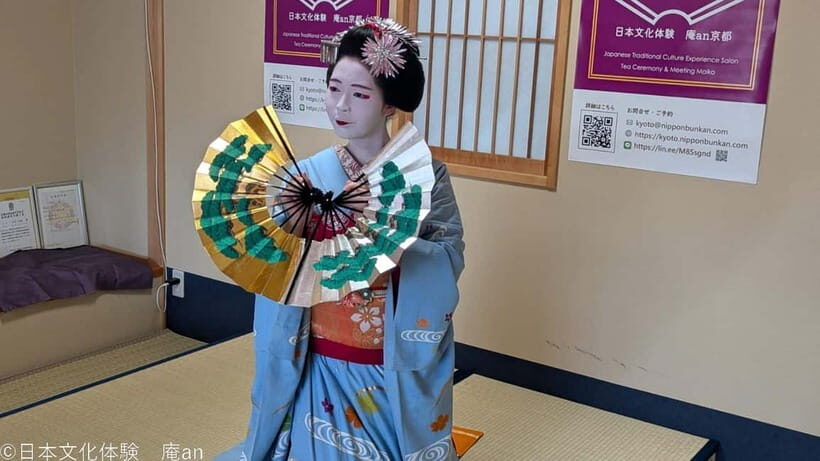
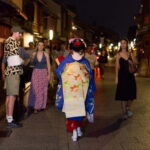
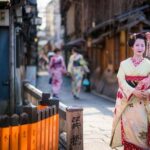
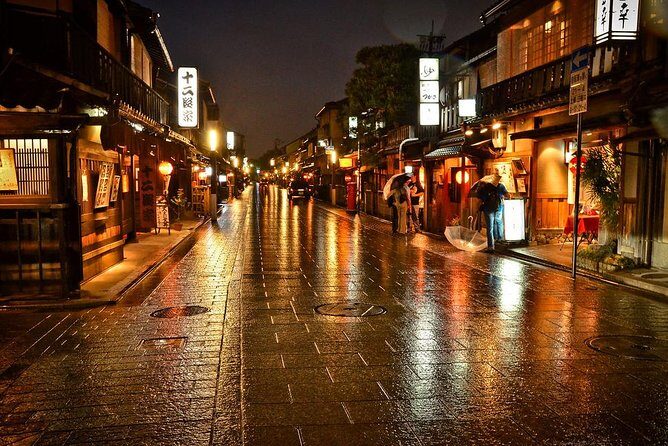
From Kinkaku-ji you head toward Gion, Kyoto’s historic geisha district vibe: wooden teahouses, lanterns, and old-town streets that feel like a living postcard.
You get roughly 35 minutes here, plus flexibility for customization (including an optional second Gion stop). In practice, that means you can:
- Do a quick “first look” for the atmosphere.
- Shop lightly or just browse.
- Take photos without turning the stop into a 2-hour detour.
Here’s a key pacing tip. Gion looks magical, but it can also feel crowded and slow. A driver can help you choose the right moment to move to nearby areas or linger a bit if the light is good.
If you’re traveling with kids, people with limited stamina, or just anyone who gets tired easily, this is also a good place for micro-breaks—pause for a snack, step aside from heavy foot traffic, and regroup in a calmer pocket before continuing.
Kiyomizu-dera and the Ninenzaka/Sannenzaka Walk: Scenic, Steep, and Worth It
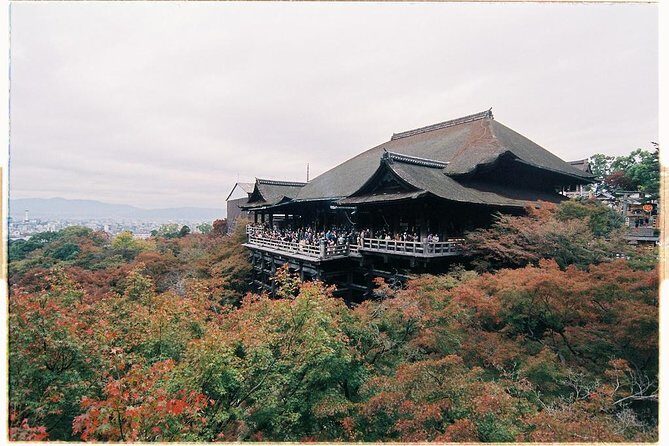
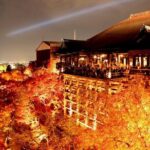
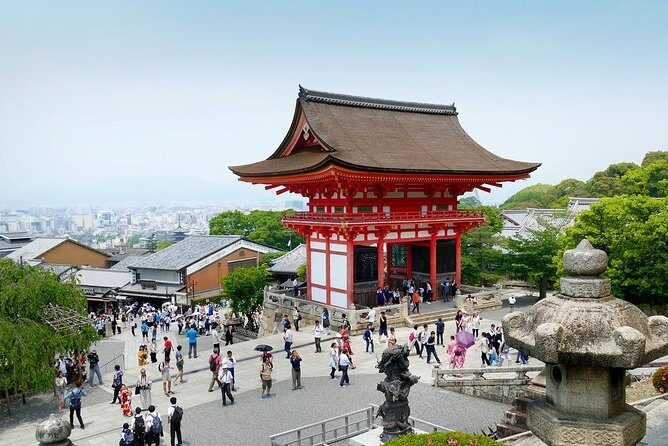
Now you hit Kiyomizu-dera, a UNESCO-listed temple known for its wooden stage overlooking Kyoto. Expect classic temple drama: wide views, dramatic structures, and seasonal beauty that makes people stop moving.
You’ve got about 45 minutes, which is enough time to see the key viewpoint and still keep the day from dragging.
Then you walk down Ninenzaka and Sannenzaka—a preserved stone-paved slope lined with traditional shops and café stops. This is where Kyoto becomes very “walkable.” The time here is about 45 minutes, and the walk itself is part of the experience.
But here’s the reality check: the streets are sloped. If moderate physical fitness is part of the requirement for your group, this stop is where you feel it. Plan for:
- Slower pace if anyone’s mobility is limited
- Frequent photo breaks (easy to overdo)
- Water and a quick rest spot if needed
In positive experiences, drivers like Lexie were praised for guiding guests through sequential old-street walking routes and for helping with directions when people got turned around after bamboo. That kind of support is helpful here because once you’re in the lanes, it’s easy to lose the fastest way back.
A few more Kyoto tours and experiences worth a look


Kodai-ji and Yasaka Shrine: The Cool-Down Stops Between Big Hits
After the big names, the tour often includes Kodai-ji and Yasaka Shrine.
- Kodai-ji is a beautifully designed temple with elegant gardens and walking paths, about 30 minutes. This can feel like a breather after Kiyomizu-dera, because the pace is more garden-walk than viewpoint marathon.
- Yasaka Shrine sits in a lively area known for bright lanterns, about 35 minutes, and it also acts like a gateway between Gion and nearby park space.
If your day feels heavy with crowds, these are good places to slow down. They also work well for photos where you want a Kyoto atmosphere without the “everyone stop here at once” feeling you sometimes get at the top icons.
Seasonal notes aren’t guaranteed on your exact travel date, but illumination and light effects can happen at some of these sites in certain periods. Even without special lighting, gardens and shrine lanterns offer nice variety.
Fushimi Inari-taisha: Torii Gates as Your Day’s Grand Finale
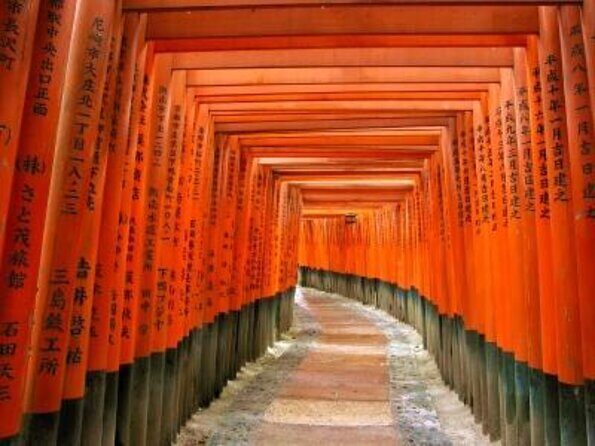
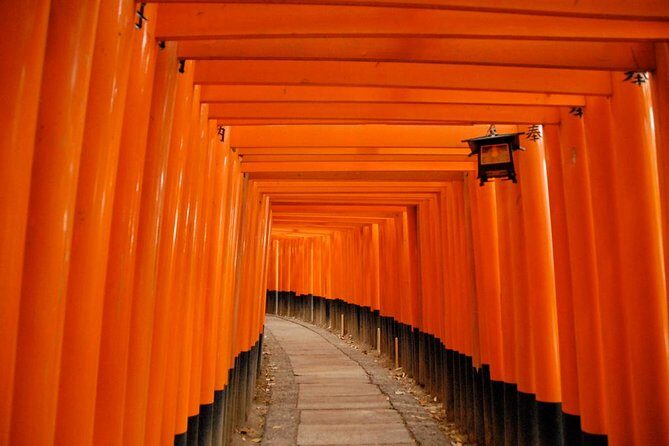
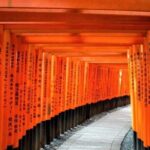
You end at Fushimi Inari-taisha, famous for thousands of red torii gates forming a tunnel up the mountain. You get about 45 minutes.
This is one of those places where the “main experience” is walking. So go in with the right expectations:
- If you want a shorter version, aim for a partial climb and turn back.
- If you want the full feeling, keep walking deeper into the torii path.
The advantage of a private driver is not just transportation. It’s also timing. Your driver can plan your arrival and departure so you’re not stuck in the worst congestion at the worst moment. Some praised experiences highlighted “efficient routes” that helped guests cover major sites without feeling like their feet were attached to public transit schedules.
Fushimi Inari is a great finish because even after a long day, it’s still visually rewarding. You don’t just “check it off.” You feel like you closed Kyoto with a proper scene.
Timing, Walking Pace, and Comfort During 10 Hours
This is a 10-hour day, from hotel pickup to drop-off. That’s long enough to hit major attractions, but short enough that you’ll feel every detour if you add too much.
A few practical points:
- You’re moving between neighborhoods often. Use the car downtime to rest your legs and reset your energy.
- Expect slopes and stairs at places like Kiyomizu-dera and the old-street lanes of Ninenzaka/Sannenzaka.
- The tour includes an air-conditioned vehicle, but like any car day in hot weather, your comfort can depend on conditions and how the vehicle is used during stops.
In the mixed feedback, I saw complaints about AC and English communication. That’s the exception, not the rule—but it’s worth being aware. If AC is a major issue for you, message the operator before travel so they can confirm the vehicle setup.
Also note: the vehicle can come with Wi‑Fi, described as free Wi‑Fi routers in the car. But availability can vary, so don’t plan your entire day around perfect Wi‑Fi. Bring a charger if you rely on your phone.
Price and Value: $482 for Up to 5 People, Plus What to Budget
The price is $482.30 per group (up to 5) for about 10 hours. That’s roughly $96 per person if you fill all five spots, which makes a private car day more reasonable than it first sounds.
Here’s what’s included:
- Private air-conditioned vehicle
- Hotel pickup & drop-off within Kyoto and Osaka city
- English-speaking driver
- Fuel, highway tolls, and parking
Here’s what’s not included:
- Food and drinks
- Attraction tickets (estimated around 1,500–2,000 yen per person)
- Optional tour guide service: ¥10,000 per booking
- Possible pick-up surcharges if outside Kyoto/Osaka
- Overtime if you go past 10 hours
So the value equation depends on you:
- If you’re 3–5 people who hate transit transfers, the private format usually makes sense.
- If you’re solo or two people, you’ll feel the cost more, but you still gain time, comfort, and fewer “navigation headaches.”
- If you’re the type who loves deep explanations, think about the optional guide add-on—because the driver is there for logistics and communication, not a full museum-style tour lecture.
One last cost reality: overtime matters. If you go beyond the 10-hour window, you’ll pay extra (the stated rate is 2,500 yen per 30 minutes, meaning about 5,000 yen per hour). Plan a “last stop buffer” so you’re not rushing at the end.
How to Customize Your Kyoto Day Without Losing the Plot
The best way to use this tour is to decide your “must-do energy level” before you start.
Here’s a simple approach:
- Pick your top 2–3 icons you can’t skip (for many people: Arashiyama, Kinkaku-ji, Fushimi Inari).
- Choose one “walk-focused” zone (Kiyomizu-dera plus the Ninenzaka/Sannenzaka lanes).
- Choose one “calm-down” stop (Kodai-ji works well for that).
Then communicate pacing needs early. Some positive experiences credited drivers like Sasaki and Fujimoto/Fuji with tailoring timing to the group’s comfort. On the flip side, there were complaints where guests wanted more accommodation for limited walking ability, so be clear about what your group can handle—especially on slopes.
Also, remember you’ll get contact the day before via WhatsApp. Use that message to confirm pickup time, your hotel location, and any specific must-knows (mobility limits, bathroom breaks, your preferred lunch window).
Should You Book This Kyoto Private Tour?
Book it if you want:
- A low-stress day built around major Kyoto highlights
- Hotel pickup/drop-off that saves time
- A private vehicle so you can avoid transit juggling
- A driver who can handle routing and help keep the day on track
Consider skipping or upgrading (add the optional tour guide) if:
- You want a constant stream of deep historical explanations at every stop
- Your group needs very specific mobility accommodations and you want extra assurance that pacing will match your needs
- Your budget can’t stretch for private transportation, even when shared among your group
If you’re deciding with limited time in Kyoto, I think this kind of private day is one of the most practical ways to get the highlights without turning your trip into a logistics exercise.
FAQ
Is hotel pickup and drop-off included?
Yes, pickup and drop-off are included within Kyoto and Osaka city.
What does the English-speaking driver actually do?
The driver can help with logistics, navigation, and basic travel assistance, and can provide travel advice and help manage the itinerary. This is not automatically a full tour guide service.
Are attraction tickets included?
No. Attraction tickets are not included, and estimated costs are around 1,500–2,000 yen per person depending on what you visit.
How long is the tour?
It’s about 10 hours, from hotel pickup to drop-off. Any time beyond that is overtime.
What happens if I go over the 10-hour limit?
Overtime is charged if you exceed the 10 hours. The stated overtime rate is 2,500 yen per 30 minutes (about 5,000 yen per hour), paid directly to the driver on the day.
Is there Wi-Fi in the vehicle?
Vehicles are equipped with free Wi‑Fi routers, but availability can vary. If you require a Wi‑Fi accessible car, it’s something to request during booking.
Can I add a licensed tour guide?
Yes. Tour guide service can be requested upon booking for an additional ¥10,000 per booking.