Uji can make matcha feel personal. In just 3 hours in Uji, you’ll get a guided walk through Kyoto’s tea roots and taste matcha in ways you probably haven’t tried before. I especially love the hands-on matcha making part, plus the fact that you’re not just sightseeing—you’re eating, learning, and tasting your way through the town. One thing to plan for: the meeting spot is Keihan Uji station (not JR), and they only wait 5 minutes after the start time.
I also like the slow, relaxed pace for a place that’s easy to rush through on your own. You’ll spend time around World Heritage sites like Byodoin Temple, then move through tea shops and local streets with an English guide who answers real questions. No hotel pickup here, so you’ll want to get yourself to the meeting point cleanly.
In This Review
- Key things you should know before you go
- Uji’s matcha reputation comes from how it’s made
- Keihan Uji station meeting point and the 5-minute rule
- World Heritage stops, plus the religion-and-culture context
- The guided walk: Uji’s past told through characters, not dates
- Tea fields and the Uji River: the calm part of the route
- Food stops that actually change what you taste
- Matcha making: what happens when you get your hands involved
- Shopping time: bring home tools, not just tea tins
- Price and value: what $173 really covers
- Who should book this tour, and who might not love it
- Should you book the Kyoto Matcha Green Tea Tour?
- FAQ
- Where is the meeting point?
- How long is the tour?
- Is the tour guide English-speaking?
- How large is the group?
- What’s included in the tour price?
- What is not included?
- Are there age restrictions?
- Do I need to tell the operator about dietary restrictions?
- Is free cancellation available?
- Can I reserve now and pay later?
Key things you should know before you go
- Meeting point is Keihan Uji station: the guide meets you at the entrance of Keihan Uji station 宇治駅 (NOT JR Uji station).
- Small group keeps it personal: limited to 8 participants, so questions don’t get lost.
- Matcha isn’t one thing: you’ll taste matcha in multiple forms, not just one cup.
- You’ll also make matcha: the experience includes matcha making, tasting, and sweet pairings.
- Food is built in: multiple food stops are included, plus wagashi and matcha ice cream.
- Shopping time is included: you’ll have a little time to browse tea shops and pick up souvenirs.
Uji’s matcha reputation comes from how it’s made
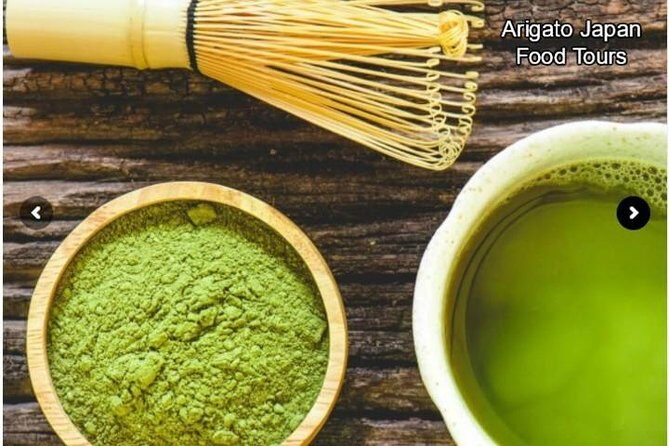
If you’ve ever wondered why matcha tastes different from one place to another, Uji is where the story starts. This district near Kyoto is famous for its tea culture, and the tour is designed so you understand matcha with more than your eyes. You’ll learn the background of the area—how Uji became a retreat connected to Kyoto’s elite—and then see and taste the results.
What makes this tour feel practical is that it doesn’t treat matcha like a museum item. You’ll experience it through daily life: tea shops, local snacks, and the rituals that surround it. Even if you’re not a “tea person,” you’ll come away with a better sense of how matcha’s flavor develops and why Uji carries so much weight.
A few more Kyoto tours and experiences worth a look

Keihan Uji station meeting point and the 5-minute rule
This is the part I’d treat like a checklist, because it affects stress level. You meet at the entrance of Keihan Uji station (宇治駅), specifically in Otsukata Uji, Kyoto 611-0021. The tour is not meeting at JR Uji station, so double-check signs and station exits on arrival.
Also note the timing: the guide can wait only an additional five minutes after the starting time. After the tour begins, directions and phone contact won’t be available for the guide, since they need to keep things running smoothly and also respect relationships with the restaurants you’ll visit. My advice: arrive early, grab a coffee or water nearby if you need it, then meet your guide and settle in.
One more logistics note: hotel pickup isn’t included. Uji is about 40 minutes from Kyoto City, so plan to travel there on your own and then focus on the tour once you arrive.
World Heritage stops, plus the religion-and-culture context
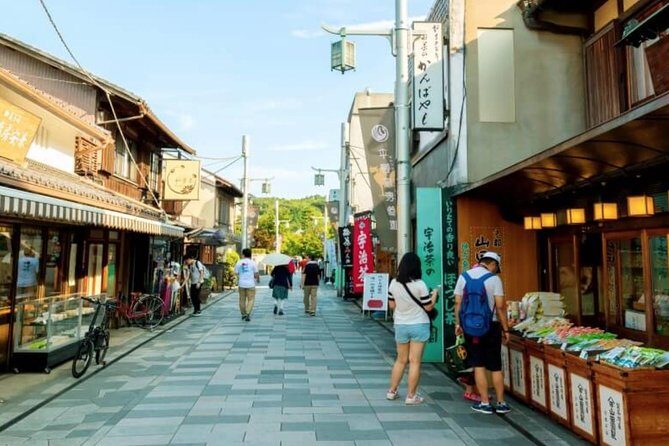
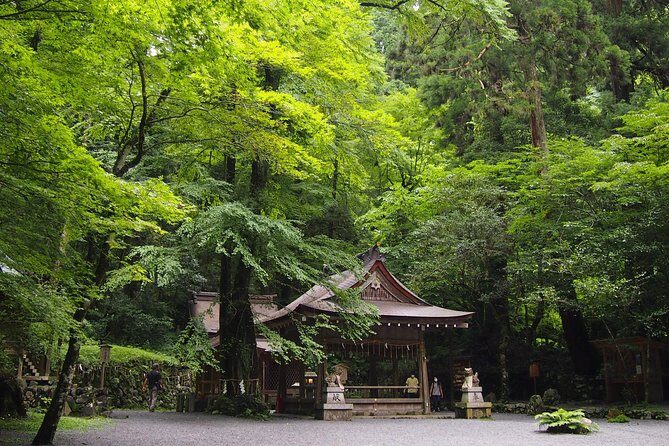
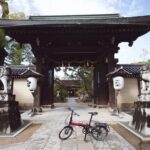
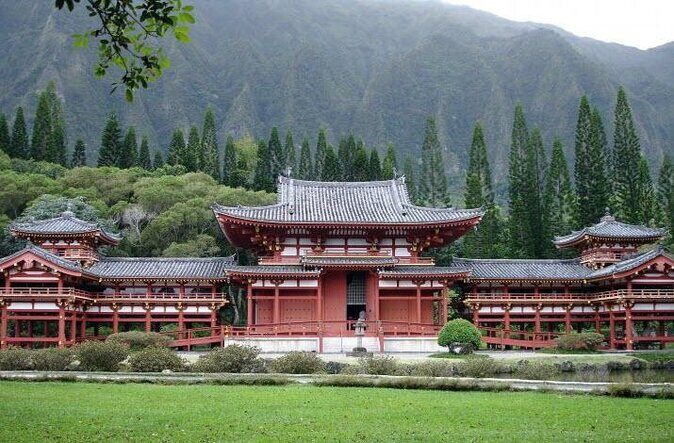
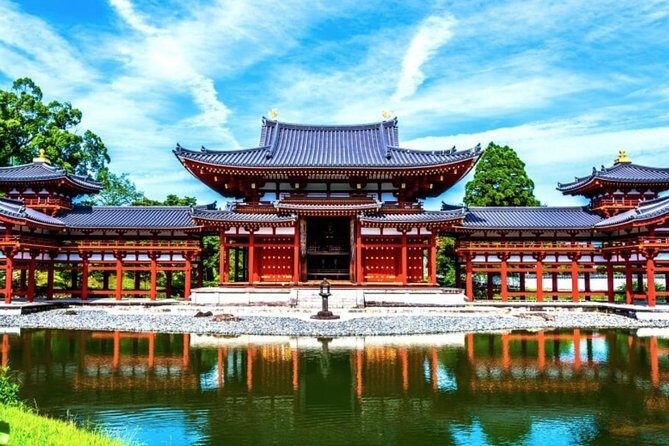
Uji is more than tea fields and souvenir shops. The tour includes time around World Heritage sites, and one highlight is Byodoin Temple. This matters because matcha culture isn’t floating in a vacuum—it’s tied to religion, ceremony, and history in ways that are easier to understand when someone explains what you’re actually looking at.
You’ll also make a shrine and temple-focused stop where you learn basic etiquette, not just trivia. In particular, you’ll get a chance to pick up a goshuin stamp. That small ritual detail is a big deal in Japan because it turns a quick photo stop into something personal and meaningful—like you’re participating in how locals mark a visit, not just consuming sights.
A possible drawback: this is a walking-and-sightseeing style tour, so you’ll want comfortable shoes. If you’re hoping for a mostly sit-down food-and-tea afternoon, you might feel your legs more than you expected.
The guided walk: Uji’s past told through characters, not dates
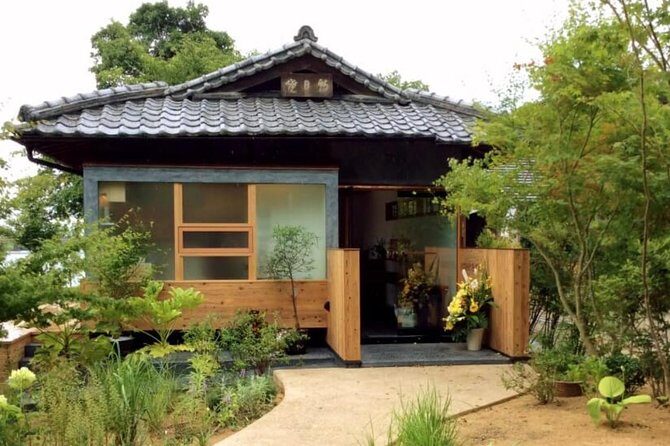
The guide is a big part of what makes this work. In many experiences, you hear general history and then move on. Here, the stories are framed around the people and forces that shaped Uji into a tea center. That approach helps history stick.
You’ll hear about the area’s past and the characters who influenced Uji’s identity, then you’ll connect those stories to what you see on the ground: streets, tea-related shops, and the atmosphere around the river. One review-style detail you can take advantage of is how guides often handle questions well. People described guides like Karim, Miki, Sanae, Thomas, and Raquel as patient and responsive, including helping with communication when needed.
English live guiding also helps you get more out of the stops. If you’re the type who always asks why something is arranged a certain way, you’ll probably enjoy this tour’s pace.
Tea fields and the Uji River: the calm part of the route
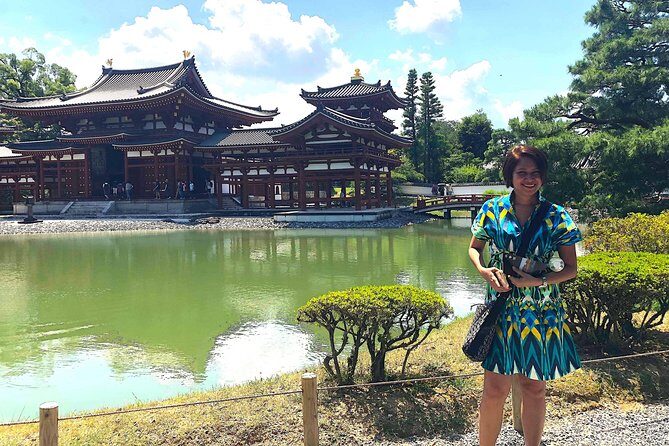
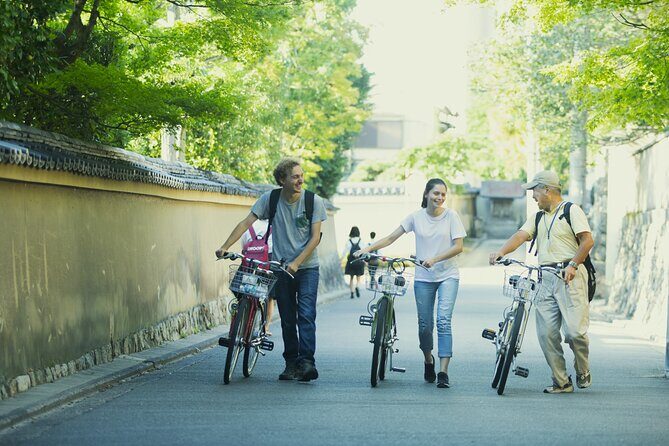
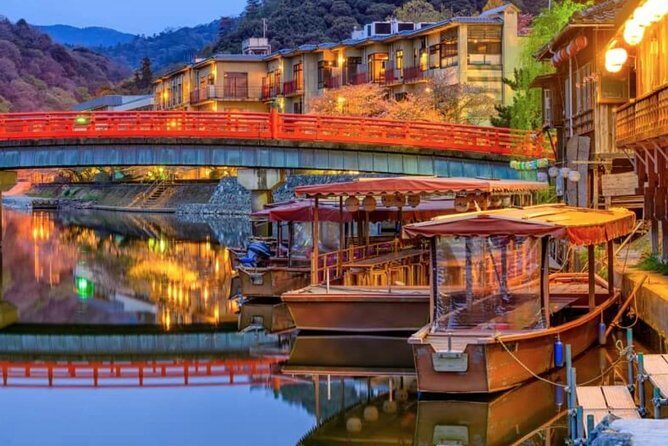
A key piece of the tour is the tone shift from busy city energy to a quieter rhythm. You’ll notice the breeze as you walk and you’ll spend time around the Uji River area. It’s not just scenery; it’s part of why Uji became associated with retreat and reflection.
Even the best matcha tastes better when you’re in the right mood, and this tour uses that mood intentionally. The walking segments help you build anticipation, so by the time you reach the tea experience, you’re not rushing—you’re ready.




Food stops that actually change what you taste
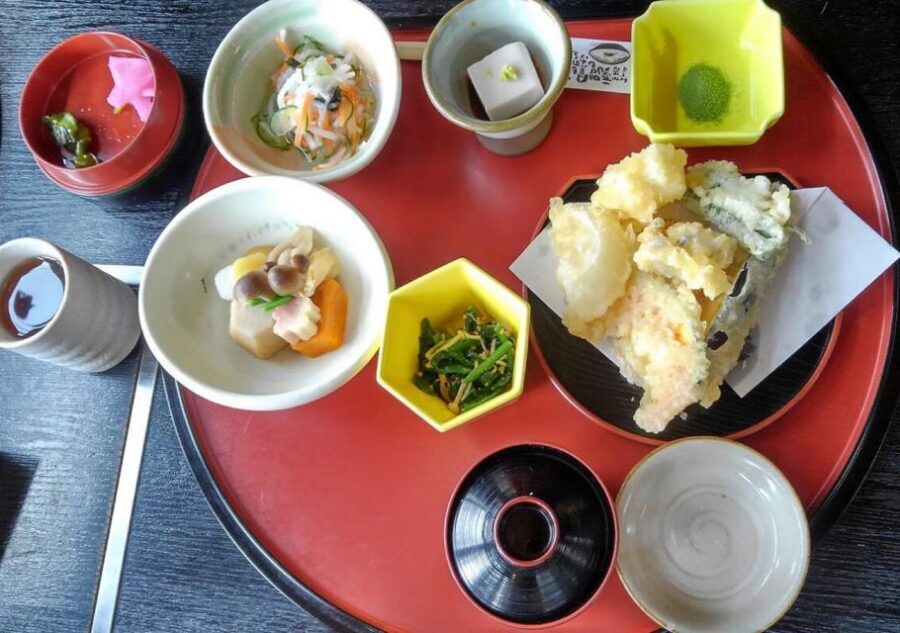
This tour includes multiple food stops, and that’s where the value quietly shows up. If you love Japanese food but usually end up eating only one meal, this gives you more chances to try local flavors paired with tea.
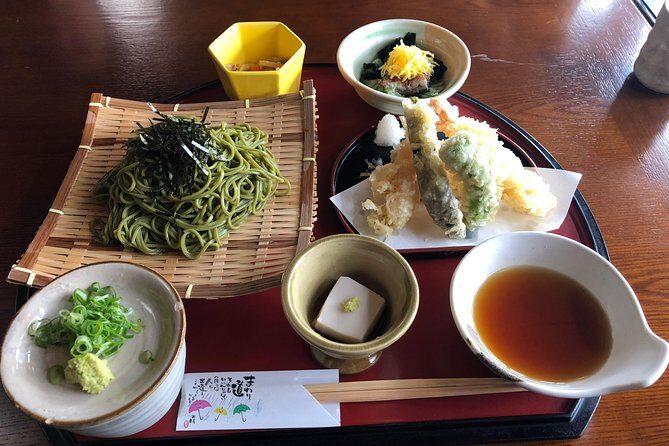
You can expect a lunch-style stop (some participants highlighted soba along the river) and additional sweet pairings throughout. And yes, there’s a matcha element beyond drinks: you’ll see how matcha fits into savory and sweet moments.
What I like here is that the food isn’t treated as filler. Wagashi sweets are included, and later you’ll also have matcha ice cream as part of the experience. That combination helps you understand matcha as a flavor system—not just an ingredient in one cup.
If you’re not a sweets person, you’ll still likely enjoy the experience because you’re also learning and tasting matcha in different forms. But if you strongly dislike matcha flavors, be aware this is clearly a matcha-forward tour.
Matcha making: what happens when you get your hands involved
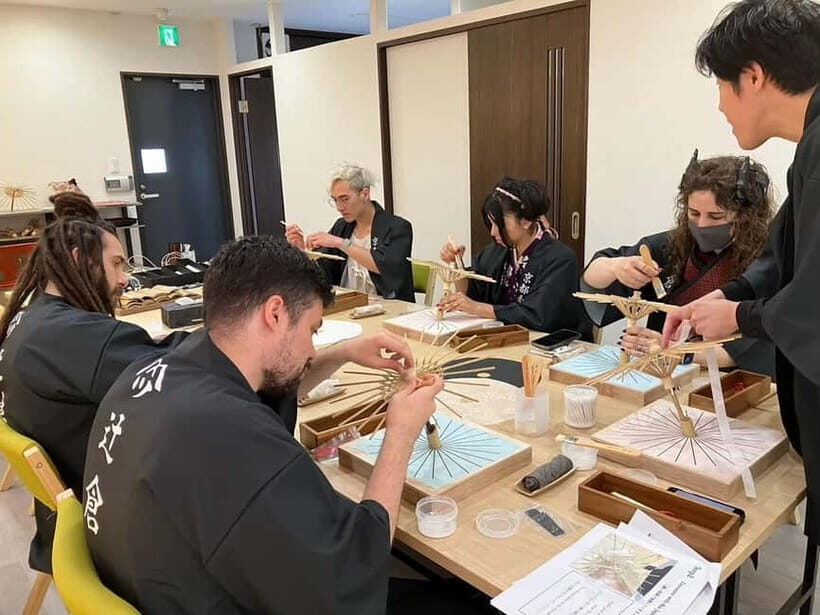
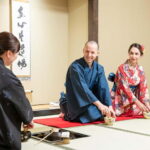
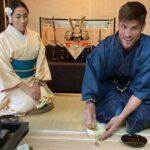
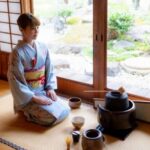
This is the “don’t skip it” part. The tour includes matcha making, plus a tasting that finishes the experience. Hands-on work changes everything because matcha isn’t only about taste—it’s about texture, aroma, and technique.
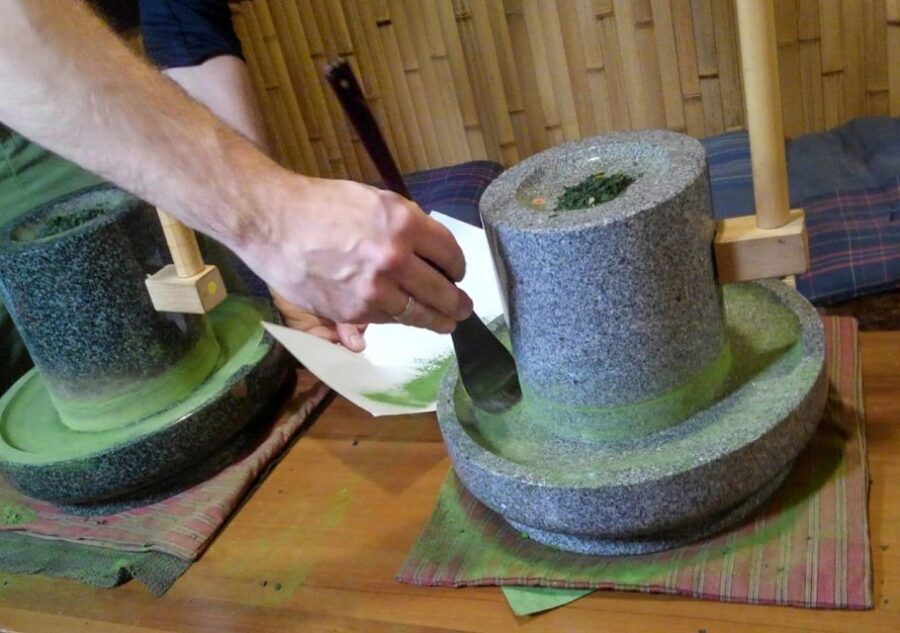
You’ll get to see the process tied to how matcha is prepared, including the grinding aspect. Then you’ll make your own bowl and taste it as part of the guided flow. You’re not expected to be perfect; the point is to understand how small actions affect the result.
You’ll also experience matcha beyond one standard format. The tour includes matcha tasting and has included sweet pairings, so you can compare how flavors shift with different preparations. If you’ve ever had matcha that felt bitter or flat, this is the kind of tour where you can start learning what to look for in the cup.
One small practical tip: if you have dietary requirements, tell the supplier at booking. You’re explicitly asked to advise them for any specific needs, and since the tour includes multiple food stops, it’s smart to get it right early.
Shopping time: bring home tools, not just tea tins
There’s time built in for shopping, and that can be useful if you want to keep the experience going after you return to your hotel. In Uji, tea shops are part of daily culture, so having a guided window helps you ask questions and compare options.
I usually recommend focusing on one or two items rather than trying to buy everything. Think: a small bag of matcha you can actually use soon, plus maybe a tool or accessory if it makes sense for your routine. This tour’s shopping time is there for you to make that decision with context.
Price and value: what $173 really covers
At $173 per person for 3 hours, you’re paying for more than a walk. The price bundles:
- multiple food stops
- matcha tasting
- hands-on matcha making
- wagashi sweets
- matcha ice cream
- shopping time
- an English live guide
Transportation costs aren’t included, and there’s no hotel pickup, so you’ll handle getting to Uji yourself. But once you’re there, the experience is structured so you’re not paying separately for every ingredient and tasting moment. For many people, that turns into good value because you’re buying time, expertise, and a sequence of “tea culture” moments that add up fast if you plan them alone.
Small group size (up to 8) also matters. It’s easier to ask questions and get help with the hands-on tea experience when the group isn’t too large.
Who should book this tour, and who might not love it
This tour is a great fit if you:
- want matcha culture with hands-on experience
- like World Heritage sites but don’t want to manage everything alone
- enjoy food stops as part of the sightseeing
- prefer small-group pacing with an English guide
You might want to pass or at least think twice if:
- you dislike matcha flavors and sweets
- you need lots of rest time or minimal walking
- you’re hoping for a full-day itinerary (this is 3 hours)
There are also clear age rules. Unaccompanied minors aren’t allowed, and children must be accompanied by an adult. The minimum drinking age is 21, which may matter depending on what you plan to purchase or drink during the experience.
Should you book the Kyoto Matcha Green Tea Tour?
Yes, I’d seriously consider booking if you want a focused, efficient way to understand Uji and matcha in one morning/afternoon block. The biggest reason is that you’re not just tasting matcha—you’re making it, pairing it with local sweets, and learning the cultural context at World Heritage stops like Byodoin Temple.
Book it if you’ll arrive on time, because the 5-minute wait rule is strict. Pack good walking shoes, come hungry enough for a lunch stop, and if you have dietary needs, tell the supplier during booking so the food stops work for you.
If your goal is a matcha experience you’ll actually remember (not just a souvenir cup), this tour is built for that.
FAQ
Where is the meeting point?
You’ll meet at the entrance of Keihan Uji station 宇治駅 (NOT JR Uji station), in Otsukata Uji, Kyoto 611-0021.
How long is the tour?
The tour lasts 3 hours.
Is the tour guide English-speaking?
Yes. The tour includes a live guide who speaks English.
How large is the group?
The group is limited to 8 participants.
What’s included in the tour price?
The tour includes multiple dishes at food stops, matcha tasting, matcha making, wagashi sweets, matcha ice cream, and shopping time.
What is not included?
Hotel pickup, gratuity, transportation costs, and any additional drinks or food you purchase on your own are not included.
Are there age restrictions?
Unaccompanied minors are not allowed. Children must be accompanied by an adult, and the minimum drinking age is 21.
Do I need to tell the operator about dietary restrictions?
Yes. You should advise the supplier of any specific dietary requirements at the time of booking.
Is free cancellation available?
Yes. You can cancel up to 24 hours in advance for a full refund.
Can I reserve now and pay later?
Yes. You can reserve your spot and pay nothing today, then pay later.