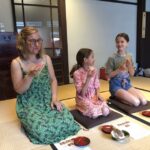
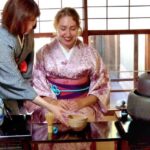
Kyoto is where tea feels like philosophy. This 90-minute kimono + matcha experience is a hands-on way to slow down and learn the steps behind Japan’s tea tradition. I like that you get full English guidance from a tea master, not just a quick demo. I also like the calm focus on Zen values like harmony and respect, which you can actually see in how the ritual is done.
The main catch is simple: you’ll be wearing a kimono, so it’s not a casual “walk in and out” activity. Plan to arrive ready to be patient during dressing, and know that seating is typically on tatami (with chair options available).
You’ll start by picking your kimono style, then you’ll be guided through wearing it correctly. After that, you’ll move into a traditional tea room where the tools are arranged for the ritual, and you’ll learn the history, etiquette, and meaning of each step before you make your own bowl of matcha with premium matcha powder and seasonal wagashi.
In This Review
- Quick hits
- Why this Kyoto tea ceremony feels different from a quick demo
- Kimono selection and dressing: the part you’ll remember in photos
- The tea room setup: tools, order, and why tatami matters
- Meet the tea master: English guidance that makes the ritual click
- Zen principles, explained in real time (Wa, Kei, Sei, Jaku)
- Making your own matcha: hands-on whisking with premium powder
- Wagashi sweets: seasonal detail you can taste
- Timing and what a 90-minute session really feels like
- Comfort and seating options: plan for tatami in advance
- Value check: why $66 feels fair for what you get
- Who should book this Kyoto kimono and matcha experience?
- Should you book it? My practical recommendation
- FAQ
- How long does the Kyoto kimono tea ceremony take?
- Do I make matcha myself?
- What food is included?
- Is the guide available in English?
- What seating is used during the ceremony?
- Do children get to join?
- Is transportation included to and from the venue?
- Is hair styling included?
Quick hits
- Kimono dressing included, with staff help to get the fit right and you looking sharp for photos
- Matcha prep hands-on, so you don’t just watch—you whisk and make your own bowl
- Seasonal wagashi, with sweets that change by time of year in color, flavor, and design
- Small group feel (about 12–14 people), with more room for questions
- Tatami is typical, with wooden chairs available on request and bamboo chairs if you request in advance
- Zen principles explained (Wa, Kei, Sei, Jaku) in plain English as you go
Why this Kyoto tea ceremony feels different from a quick demo
If you’ve done a lot of Kyoto sightseeing, you know it can turn into a checklist. This experience is different because it forces you into the pace of the ritual. Even if you’ve never held a tea whisk before, the session is built to make you learn by doing, not just looking.
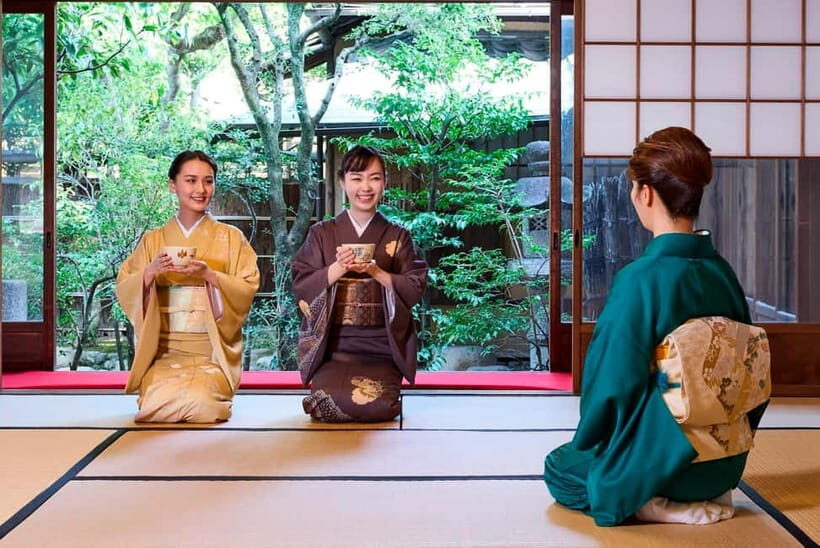
The kimono portion matters more than people expect. Wearing the outfit changes your posture and your attention. It also gives you a clear reason to slow down for photos before and after the ceremony. Several details are geared toward comfort too: you sit on tatami as is customary, but you can request wooden chairs (and bamboo chairs if you arrange ahead).
A few more Kyoto tours and experiences worth a look


Kimono selection and dressing: the part you’ll remember in photos
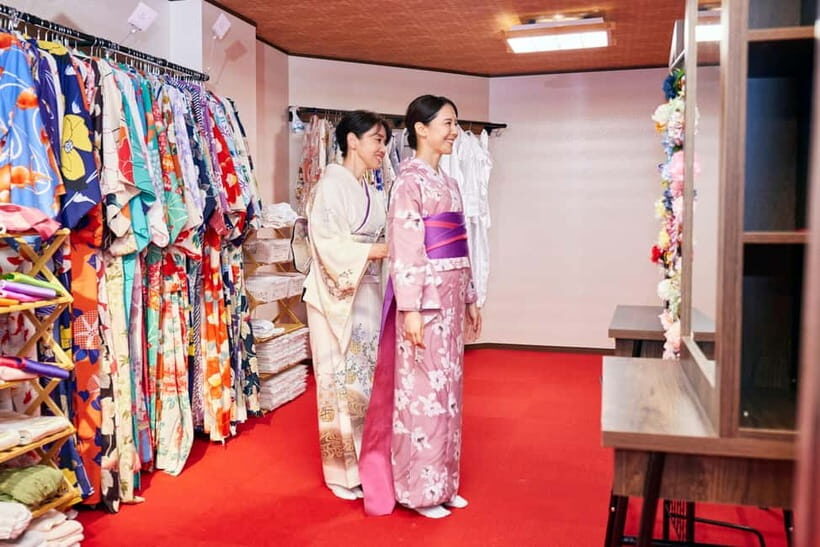
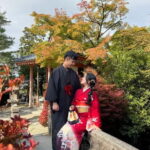
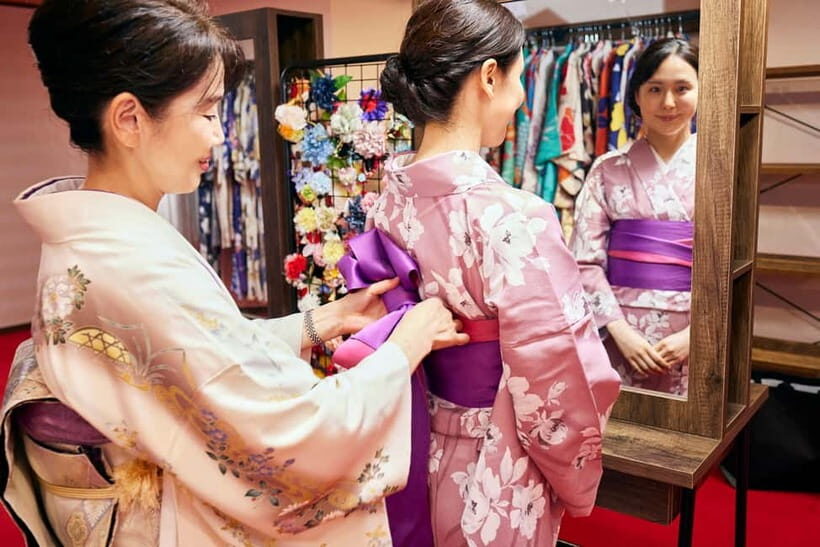
The experience begins with choosing from a variety of kimonos and getting dressed by the staff. For many people, this is the fun part you can’t easily recreate later at home. You’re not just told to wear something—you’re fitted, adjusted, and styled so it sits properly.
A nice extra is that women with long hair can get hair styling as part of the included service. In practice, this can add another layer of customization, like hair flowers and the overall finish of the look (you’ll want to consider this if you’re particular about your final photos). Also, some guests have noted getting kimono socks and choosing a matching obi as part of the dressing flow.
One practical note: dressing happens first, so come to the venue ready for it. If you’re thinking about makeup or quick outfit changes, you might feel rushed. The dressing process is detailed and staff will focus on getting it right, not on letting you do your own finishing touches.
The tea room setup: tools, order, and why tatami matters
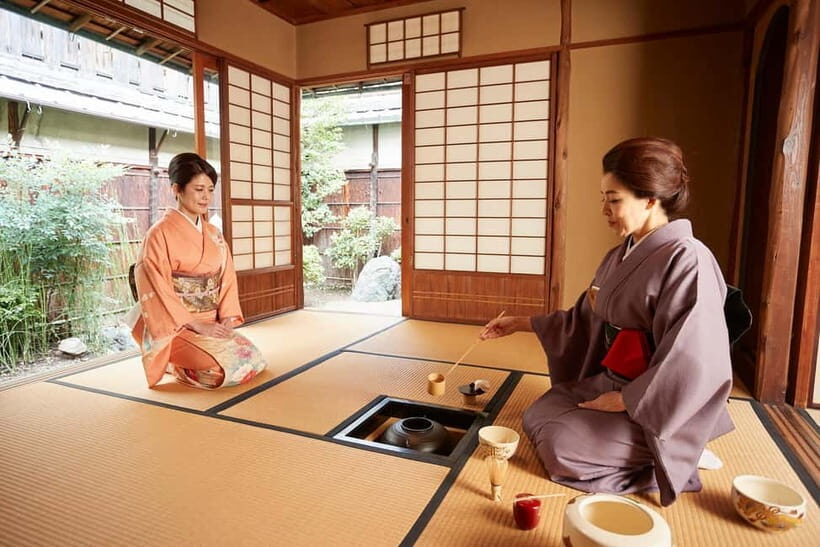
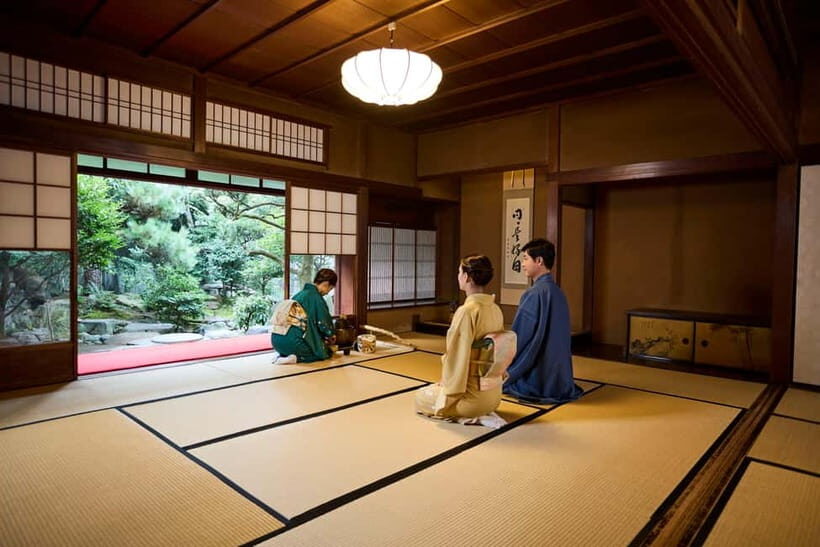
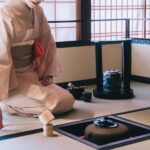
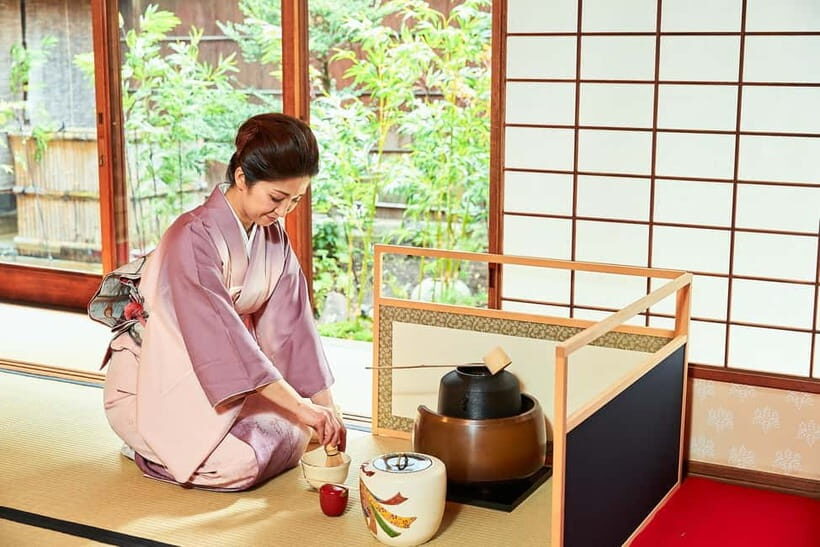
Once you’re dressed, you step into the traditional tea room. The utensils and tools are carefully arranged for the ritual, and that order is part of the lesson. Tea isn’t random. It’s choreography—how you handle the bowl, how you clean or present tools, and how you move matter.
Most of the experience happens with you seated on tatami mats, which is the classic setup. If you’d rather not, you can request wooden chairs, and bamboo chairs are available if you request in advance. That flexibility is worth knowing before you book, because Kyoto tea rooms can vary, and comfort affects how much you’ll actually enjoy the session.
Group size is another big deal here. Your session will typically include around 12–14 participants, so you get a small-group tone instead of a theater-style performance. That means your tea master can pace the teaching and still keep time for everyone to participate.
Meet the tea master: English guidance that makes the ritual click
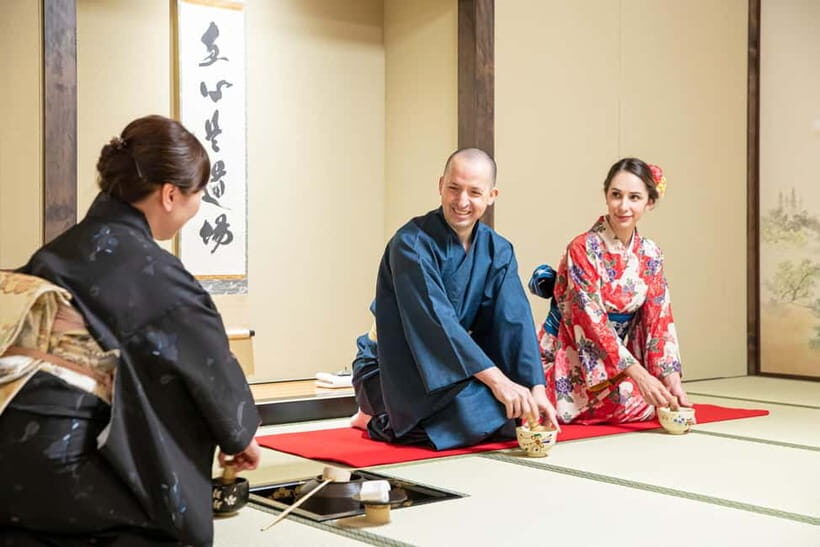
This is an English-led experience with bilingual staff assistance. You’re not left guessing. The tea master explains the history, the tools, and the etiquette as you watch the steps and then practice them yourself.
Two tea master names have shown up often in guest experiences: Maki and Megumi. The common theme is patient, calm instruction—especially helpful if you’re nervous about doing everything correctly. If you’re worried about misunderstanding Japanese terms, don’t be. The explanation is delivered in clear English, and the ritual itself gives you a visual map to follow.
The best part is that the session doesn’t treat etiquette like a rulebook. It frames etiquette as respect: how you present the bowl and how you share the moment with others. That’s where the Zen principles come in.
Zen principles, explained in real time (Wa, Kei, Sei, Jaku)
Tea ceremony Zen isn’t abstract here. The staff tie the ritual to values you’ll recognize immediately:
- Wa (harmony): how the mood is set and how everyone moves in sync
- Kei (respect): how tools are handled and how attention is shown
- Sei (purity): cleanliness and care in the process
- Jaku (tranquility): the goal state—calm, present, unhurried
This matters because it turns the activity into something you can carry with you. You’re not just learning facts about tea. You’re learning why each step exists, and how that mindset shapes the experience.
If you’re sensitive to noise or crowds during Kyoto days, this is also a built-in reset. The room, the pacing, and the attention to small actions make it easier to relax and focus.
A few more Kyoto tours and experiences worth a look

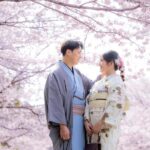
Making your own matcha: hands-on whisking with premium powder
Now for the part most people actually want: you’ll make your own bowl of matcha using high-quality powder. You’ll learn the process step-by-step, then you’ll do it yourself under guidance.
What’s valuable here is the feedback loop. Tea is one of those things where small changes matter—how you scoop, how you whisk, and how you watch the texture form. The goal isn’t just to make something drinkable. It’s to understand what makes matcha properly mixed and enjoyable.
Some guests also highlight how the session helps you achieve a frothier, creamier result. Even if you don’t aim for perfection at home, you’ll leave with a better sense of how the whisking technique creates that texture.
Also, your tea master will explain the symbolism behind the steps. That’s why the matcha-making doesn’t feel like a casual workshop. It’s part of the ritual structure.
Wagashi sweets: seasonal detail you can taste
Before or alongside your matcha moment, you’ll be served traditional Japanese sweets called wagashi. The key point is that they change with the seasons. That means the flavors, colors, and design aren’t random—they’re meant to reflect the time of year.
This is a great “Kyoto” touch because it connects the ceremony to nature and the calendar, not just to tea. The sweets also give you something to focus on while you’re settling in: first sight, then smell, then taste, all at a slower tempo than most meals in Japan.
Timing and what a 90-minute session really feels like
The advertised experience is 90 minutes, but the tea ceremony itself is noted as lasting about 90–120 minutes. In real life, that usually means plan for a longer window than the minimum slot. The schedule includes kimono dressing first, so there’s not much room for late arrivals.
To make it smooth:
- Arrive on time, especially if you want the full photo time before and after
- Wear comfortable slip-on shoes (you’ll be in/out of dressing areas)
- Keep your expectations realistic: it’s a guided ritual, not a fast walkthrough
If you’ve got another Kyoto stop right after, give yourself a buffer.
Comfort and seating options: plan for tatami in advance
Tatami seating can be perfectly fine—but it depends on your body and your tolerance for kneeling. The activity offers options:
- Tatami is customary
- Wooden chairs are available upon request
- Bamboo chairs require advance request
If you’re booking with a partner and one of you has lower mobility, this is worth sorting out when you reserve. I’d rather plan for comfort now than try to adjust during the ceremony.
Also note: children under 7 aren’t allowed. So if you’re traveling as a family with young kids, this probably won’t fit.
Value check: why $66 feels fair for what you get
At $66 per person, you’re paying for several things that are hard to DIY in Kyoto:
- Staff help with kimono dressing
- English-led tea instruction and etiquette coaching
- Hands-on matcha preparation using quality powder
- Seasonal wagashi
- Bilingual assistance throughout
- Hair styling for women with long hair
When you compare it to a plain matcha tasting or a photo-only kimono rental, this session gives you more than “just an activity.” You’re learning technique, ritual meaning, and you’re bringing home a skill you can repeat. That’s why the price feels reasonable: the cost is tied to guided time and cultural instruction, not just props.
If you’re a solo traveler, it can also be a smart choice. You’ll be in a small group, so you still get attention without the pressure of a private one-on-one session.
Who should book this Kyoto kimono and matcha experience?
This one is a strong match if you want:
- A quieter, mindful Kyoto break from temples and lines
- Hands-on cultural learning, not just watching
- A kimono experience where staff actually style you for the ritual
- English guidance and a structured explanation of etiquette
- Seasonal details like wagashi that feel connected to place and time
It’s also a good fit for couples. One guest noted surprising a partner with kimono time, and the ceremony made it feel like a shared memory with real meaning. Friends also work well because the teaching is group-friendly and questions are welcome.
If you want a strictly modern activity, or you’re chasing adrenaline, this won’t be that. This is about calm, order, and craft.
Should you book it? My practical recommendation
Book it if you’re the type who likes learning a tradition by doing it correctly. The combination of kimono dressing, English tea instruction, and making your own matcha makes this feel worth the money. The added wagashi piece is also a nice “sensory education,” not just a snack break.
Skip it (or reconsider) if:
- You don’t want to wear a kimono or you’re worried about comfort
- You have tight timing for the rest of your day
- You’re expecting a super-quick program with minimal instruction
If you can handle a calm 90-minute ritual and want a meaningful Kyoto experience, this is a very solid choice.
FAQ
How long does the Kyoto kimono tea ceremony take?
The kimono dressing starts the experience. The tea ceremony lasts about 90 to 120 minutes, and the overall experience is listed as 90 minutes. Plan for the longer end of that range.
Do I make matcha myself?
Yes. You’ll prepare your own bowl of matcha using premium matcha powder with guidance from the tea master.
What food is included?
You’ll be served traditional Japanese sweets called wagashi, which change with the seasons.
Is the guide available in English?
Yes. The instructor provides English guidance, and there is bilingual staff assistance.
What seating is used during the ceremony?
Tatami mats are customary. Wooden chairs are available upon request, and bamboo chairs can be requested in advance if you prefer not to sit on tatami.
Do children get to join?
Children under 7 are not allowed.
Is transportation included to and from the venue?
No. Transportation to and from the venue is not included.
Is hair styling included?
Hair styling for women is included for long hair only.
If you want, tell me your travel dates and whether you’d prefer tatami or a chair, and I’ll help you choose a good time slot and how to fit it into a Kyoto day.