Nara and Uji make a great combo. You’ll get hitched up to an air-conditioned coach and guided through UNESCO World Heritage highlights, then slow down for the Uji matcha part where you actually make tea. Guides like At-chan and Nanami (both mentioned for strong English and great pacing) tend to keep the day feeling easy to follow.
I especially like the mix of big-name sights—Todaiji’s Great Buddha—plus small, sensory moments like feeding deer and shopping for tea in Uji. I also like that you’re not stuck guessing your way around; you get a live English guide and extra audio help on the bus. One drawback: it’s a long day with walking up stairs and hills, so it’s not a great fit if mobility is limited.
If you want a Kyoto day trip that feels organized but not rushed, this delivers. You’ll see the must-sees in Nara, then finish with Uji’s matcha tradition, including a hands-on experience. The only real consideration is timing: check-in is early, and the order of stops can shift with weather or traffic.
In This Review
- Key things to know before you go
- Meeting at Kyoto Avanti and Settling In on the Coach
- The Road to Nara: Comfort First, Then History
- Todai-ji Temple’s Great Buddha Hall (Daibutsuden)
- Nara Park Deer Encounters: Fun, Cute, and Slightly Risky
- Kasuga Taisha’s 3,000 Stone Lanterns
- Lunch Break Between Temples and Tea Town Time
- Byodoin Temple and the Phoenix Hall on the 10 Yen Note
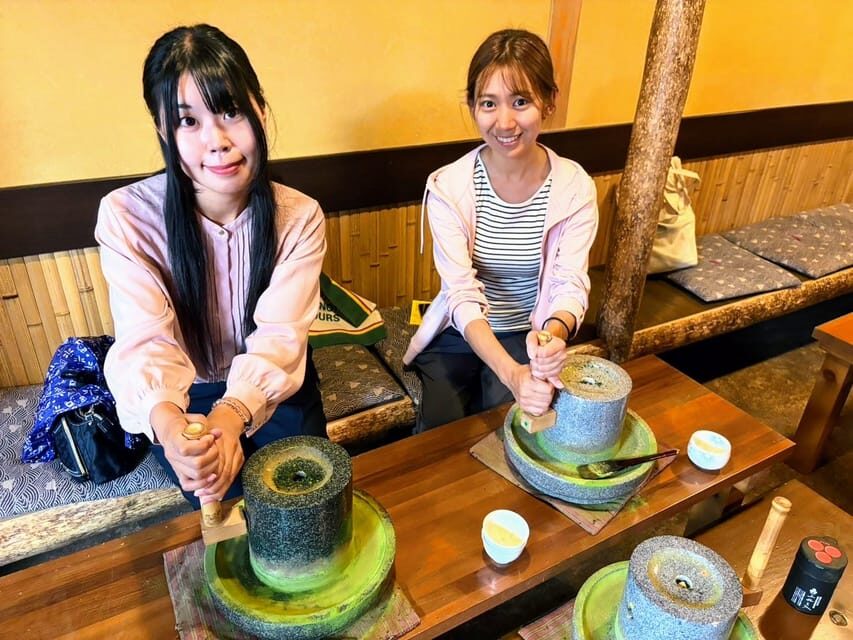
- Uji Free Time and Hands-On Matcha Making
- How the Guides Shape Your Day (And Why That Matters)
- Value: Is $122 Reasonable for All-In Sightseeing?
- Who This Tour Fits Best (And Who Should Skip It)
- Should You Book This Kyoto Nara and Traditional Matcha Bus Tour?
- FAQ
- Where does the tour meet, and what time should I arrive?
- What time frame is this tour?
- Which attractions are included in the tour?
- Is lunch included?
- What is included besides the guide and transportation?
- Is this tour suitable for wheelchair users or mobility impairments?
Key things to know before you go
- Three UNESCO World Heritage sites in one day across Nara and Kyoto-area sights
- Todaiji’s Daibutsuden: the huge hall housing the Great Buddha
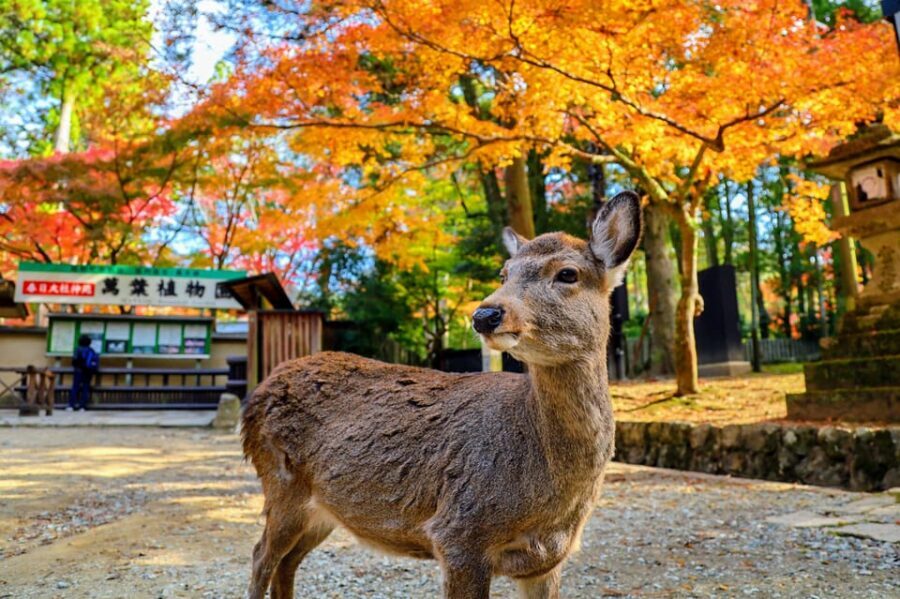
- Nara Park deer time: close encounters plus rice-cracker feeding
- Kasuga Taisha lanterns: the magical feeling of thousands of stone lanterns
- Uji matcha from scratch: make your own green tea and taste the result
- A smoother ride with tools: air-conditioning, free Wi‑Fi, and multi-language audio headsets
Meeting at Kyoto Avanti and Settling In on the Coach
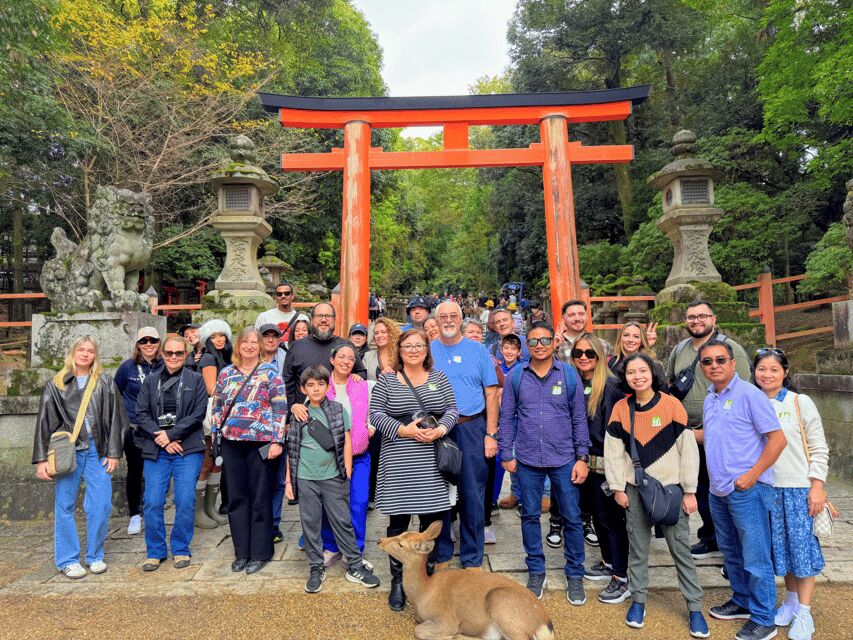
Most people start this day at Tully’s Coffee, Kyoto Avanti Store (check in at 7:50 AM, depart 8:00 AM). It’s a clear meeting point inside a major Kyoto rail hub area, which matters on an early start. Look for the green and white flag for Japan Panoramic Tours.
The coach setup is one of the practical wins here. You get an air-conditioned bus with free Wi‑Fi and an antibacterial coating (plus regular ventilation). On top of that, you’ll have audio headsets available in several languages, so even if you’re not fully dialed into the live guide, you still have context while you move between sites.
One small but smart thing: bring comfortable shoes, water, and cash. Cash helps with extra snacks, drinks, or buying deer crackers and tea items along the way.
A few more Kyoto tours and experiences worth a look

The Road to Nara: Comfort First, Then History
Before you even step onto temple grounds, the bus ride gives you a bit of Kyoto-region context. Along the way, you pass by Fushimi Castle and Heijokyo palace, which helps you understand why Nara and Kyoto aren’t just random stops on a map. They’re part of the same story: shifting capitals, court culture, and religious power moving across centuries.
This segment matters because it sets the pace for the day. Instead of you navigating train transfers and walking between spots on your own, you’re in a group with a professional English-speaking guide handling the transitions. You can use this time to relax, plan photos, and get your bearings before the religious sites start stacking up.
Also note: the stop order can change depending on traffic, weather, or operations. That’s normal for a bus day, and it usually just means you should keep your expectations flexible.
Todai-ji Temple’s Great Buddha Hall (Daibutsuden)
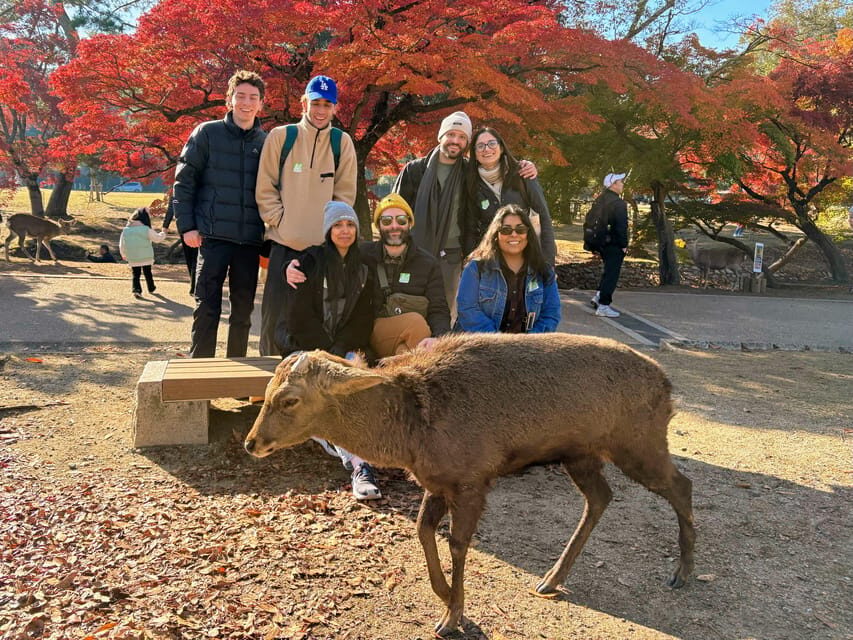
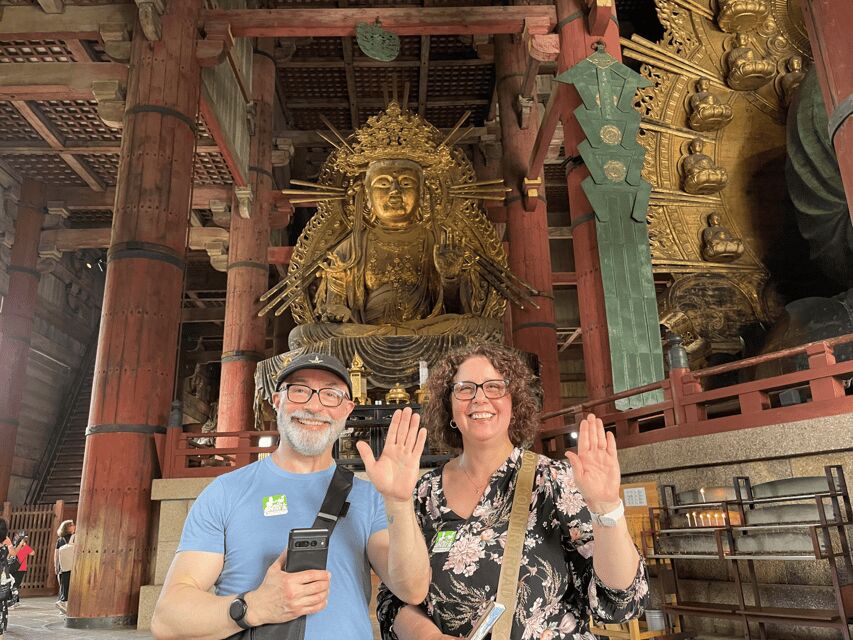
When you arrive at Todaiji Temple, you’re going to feel the scale fast. The heart of the complex is the Daibutsuden Hall, which houses the Great Buddha of Nara. It’s one of the world’s largest wooden buildings, and that size isn’t just trivia—it affects how you experience the place. Big wooden halls create a kind of hushed gravity, and you notice details you might otherwise rush past.
You’ll have about 50 minutes here, which is enough time to see the main highlights without turning this into a speed run. Because the guide is there, you get the meaning behind what you’re looking at, not just a list of names.
Practical tip: wear shoes you can walk in comfortably. Even with a guided plan, these temple complexes tend to involve level changes, stairs, and uneven steps.
Nara Park Deer Encounters: Fun, Cute, and Slightly Risky
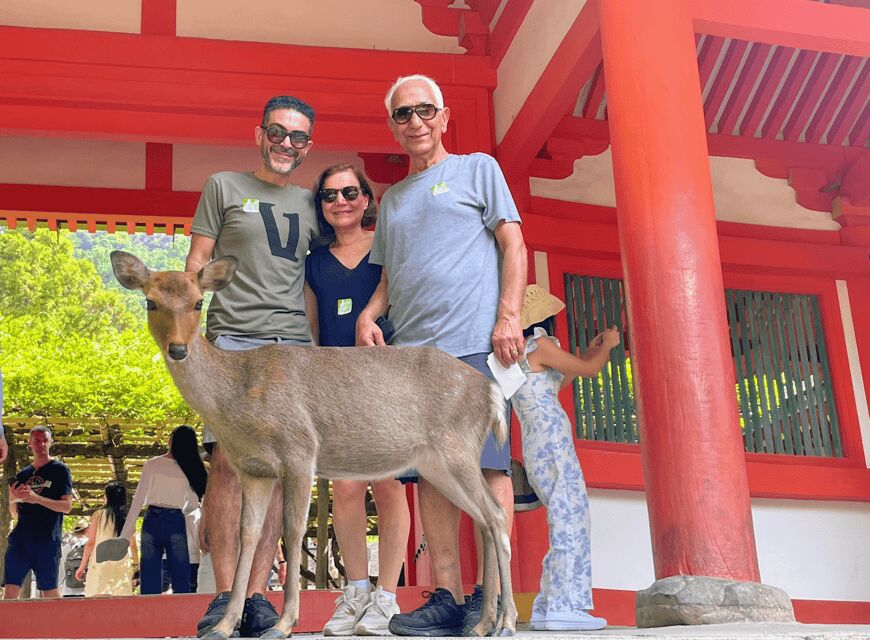
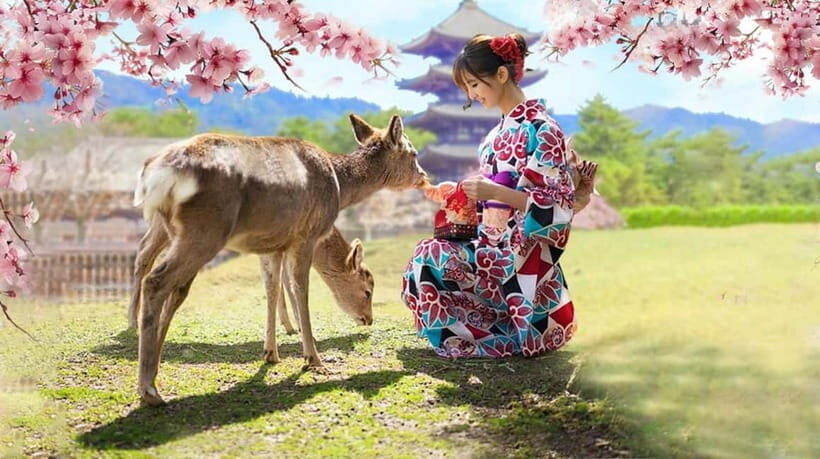
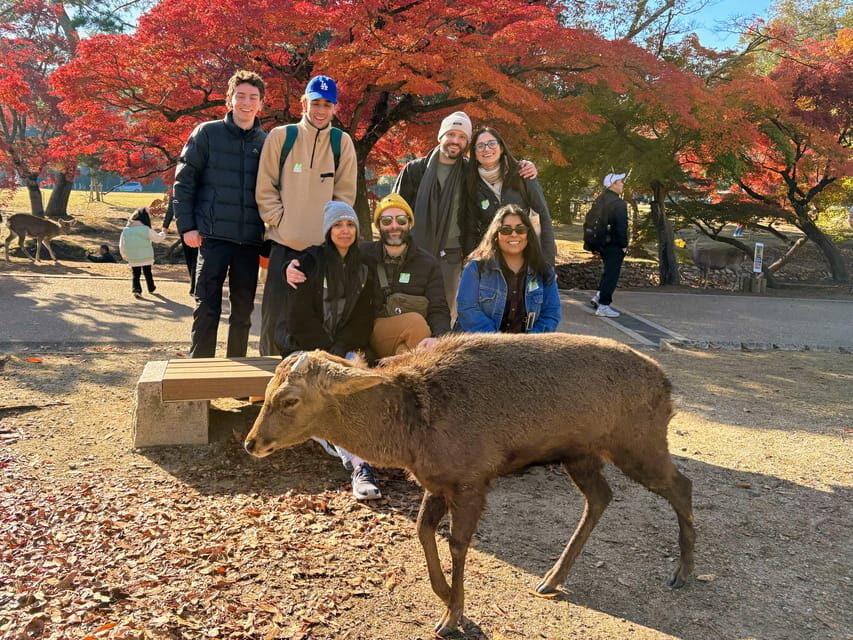
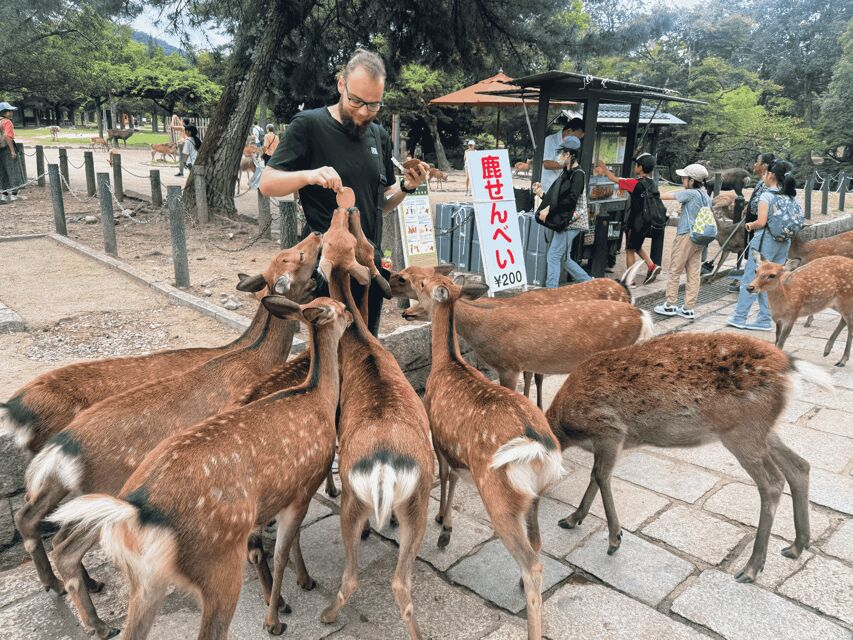
Right next door to Todaiji, Nara Park is where the day becomes memorable in a different way. You’ll get around 30 minutes to walk through the park and meet the deer that roam freely.
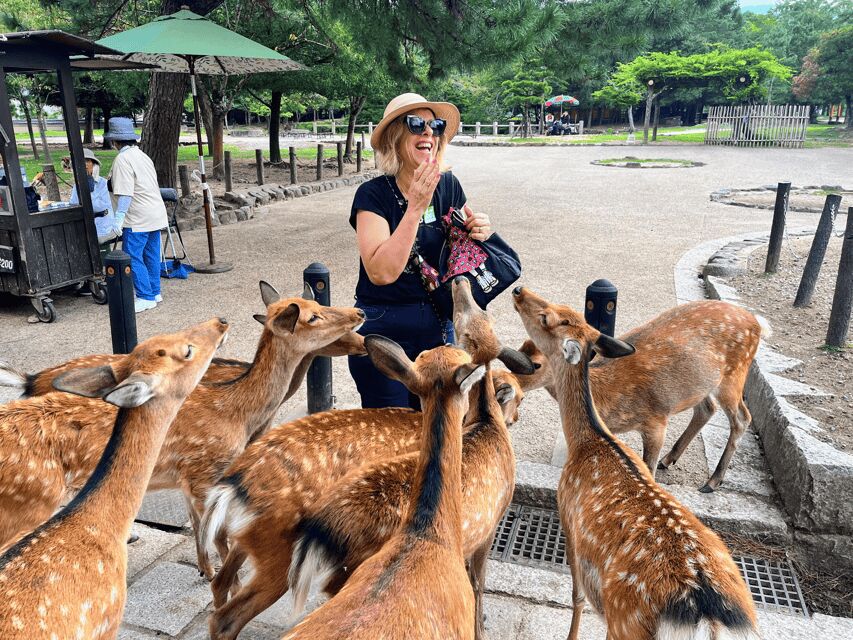
Feeding is part of the experience. You can buy rice crackers at roadside stalls and near shrine areas in the park. Watch how people hold the crackers and the timing of the deer approach. They’re used to visitors, but they’re still wild animals, so keep your reactions calm.
Here’s the honest part: the deer can get pushy. One practical hint from the experience of others: be careful—deer may bite if you act too fast or if your fingers look like food. Keep your hand placement steady, use gentle movements, and keep your snacks secured when you’re not actively feeding.
Why this is worth it: it’s one of the few places in Japan where you get to interact with an animal crowd in a way that feels natural and local. Just remember you’re in their space too.
Kasuga Taisha’s 3,000 Stone Lanterns
Next up is Kasuga Taisha Shrine with its famous atmosphere. The standout feature isn’t a single building; it’s the sheer presence of the 3,000 stone lanterns. When you walk among them, the shrine feels like it has its own rhythm—quiet paths, repeating shapes, and a gentle sense of ceremony.
You’ll have about 30 minutes at this stop. That’s a sweet spot for taking photos and letting the details settle in, especially with a guide explaining what you’re seeing rather than leaving you to interpret alone.
Practical consideration: lantern areas can be busy. Even on a guided day, it helps to keep moving at a steady pace so you don’t get stuck in slow photo lines.
A few more Kyoto tours and experiences worth a look

Lunch Break Between Temples and Tea Town Time
Between Nara and the Uji portion of the day, you’ll stop for lunch with about 50 minutes allotted. If you booked the lunch option, you’ll enjoy a Japanese lunch at a local restaurant.
This is a good moment to reset—hydrate, stretch your legs, and gear up for another round of temple walking and the matcha experience. If you didn’t select lunch, you’ll still have the time block, but you’ll need to manage your own food and drinks.
Also useful: vegetarian meal arrangements can be requested up to 2 days before the tour date. If you’re doing this last-minute, regular meal service applies.
Byodoin Temple and the Phoenix Hall on the 10 Yen Note
After lunch, you’ll head to Byodoin Temple. This is the kind of stop that looks familiar even if you’ve never been here—because the Phoenix Hall is famously shown on the 10 yen coin.
You’ll get about 1 hour at Byodoin, which gives you time not only to see the iconic hall, but also to understand why it’s a landmark in Japanese religious art and architecture. It’s also registered as a UNESCO World Heritage site as part of the Historic Monuments of Ancient Kyoto.
Why I think this works well in the tour flow: Byodoin adds a different flavor from the Nara temples. Nara is about the early, monumental Buddhist presence. Byodoin gives you a more specific artistic and cultural snapshot. Together, they help you see how Japanese religious expression evolved.
Uji Free Time and Hands-On Matcha Making
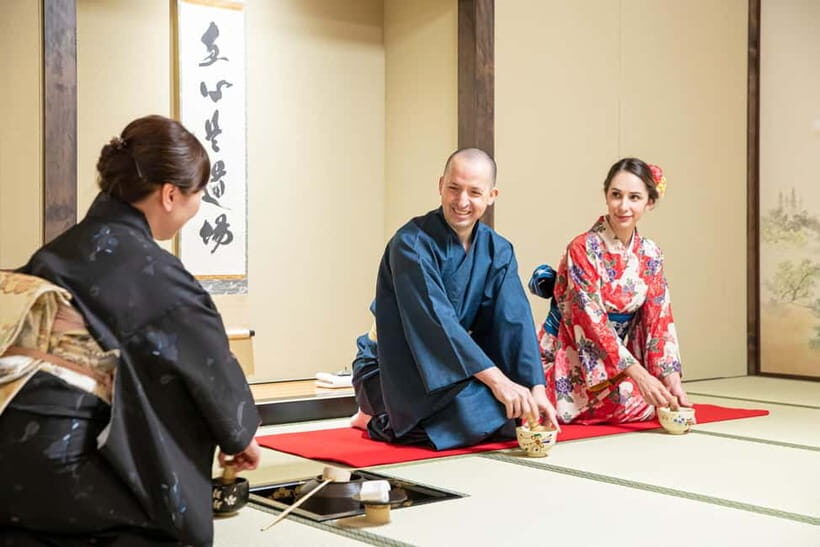
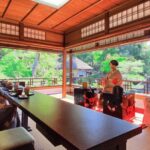
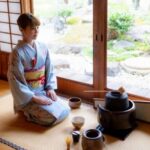
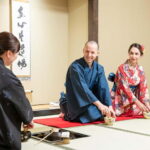
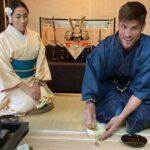
This is the part most people remember. You’ll reach Uji, the region associated with matcha, and you’ll have around 70 minutes for Uji time, including a tea ceremony and the matcha-making experience.
Here’s what’s actually special: you learn how matcha is made from scratch. Matcha is finely ground green tea leaves. In Japan, it’s not only used for tea ceremonies—it also shows up in sweets and cooking. But in Uji, you don’t just taste. You produce something yourself, and that changes how you understand the flavor.
Once you finish making matcha, you’ll be near small shops and spots to buy souvenirs. This is where you can turn the experience into a take-home habit: buy matcha you’ll actually use, not just a souvenir you forget.
Then you’re back onto the bus for the ride to Kyoto. The total group time after Uji is about 30 minutes, so you don’t feel stuck in traffic for hours at the end.
How the Guides Shape Your Day (And Why That Matters)
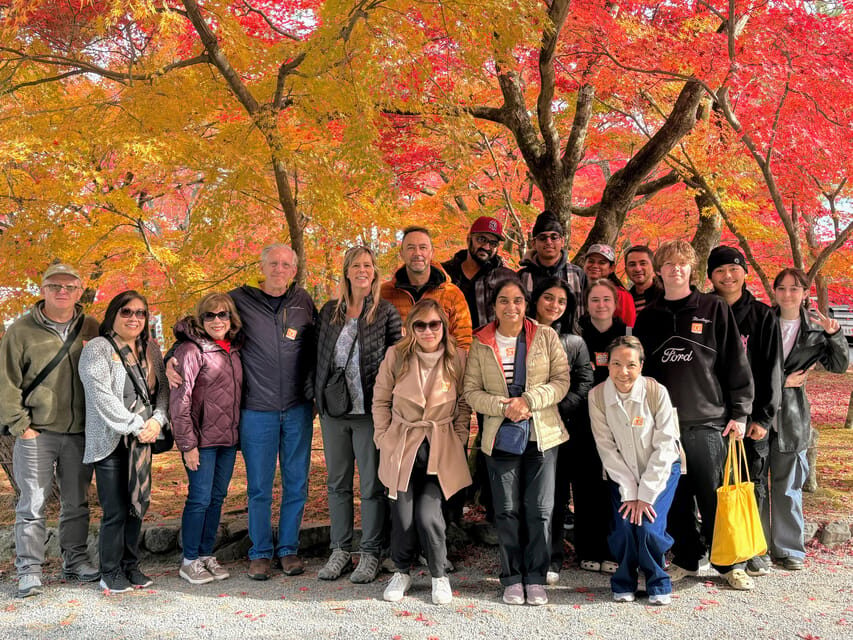
The tour is built on famous landmarks, but the strongest edge is the people running it. Many guides associated with this tour have been praised for clear explanations, friendly energy, and helping the day feel organized without being stiff.
A recurring theme in guide style from what you can see in real operation: guides like At-chan and Nanami are noted for engaging people during transit and adding small practical touches—like basic Japanese words and numbers, plus guidance on what to do during shopping time. One example people highlight is extra help finding a specific tea shop during Uji free time, which can save you effort when the streets get crowded.
If you want a day trip where someone is actively translating culture into plain language, this is where it pays off.
Value: Is $122 Reasonable for All-In Sightseeing?
At $122 per person, this isn’t a “cheap bus ticket” deal. But you’re buying a bundle:
- Transportation on an air-conditioned coach with free Wi‑Fi
- Professional English-speaking guide plus multilingual audio headsets
- Admission fees for Todaiji Temple and Byodoin Temple
- Matcha experience fee in Uji
- Lunch only if you select the lunch option
- Skip the ticket line (less waiting, more time in places)
If you tried to DIY this day, you’d pay for train/bus transfers, temple admission tickets, and you’d spend time figuring out logistics—especially with early start times and multiple sites. Here, you buy time and coordination, which is usually what makes group tours feel worth it.
The transport feedback is strong too, with 96% of reviewers scoring transport a perfect score, which matters because this itinerary depends on a smooth coach day.
Who This Tour Fits Best (And Who Should Skip It)
This fits best if:
- You want Nara + Uji in one day without planning between stations
- You like a guided rhythm: temple → park → shrine → lunch → temple → matcha
- You care about understanding what you’re seeing, not just photographing it
- You’ll enjoy deer encounters and tea shopping
It’s not a great fit if:
- You have mobility impairments or use a wheelchair
- You don’t do well with stairs and hills (the tour includes both)
If you’re traveling with a group mindset and you’re comfortable with a full, early start, you’ll likely have a smoother day.
Should You Book This Kyoto Nara and Traditional Matcha Bus Tour?
Yes, if you want a structured day trip that hits the classics—Todaiji, Nara Park deer, Kasuga Taisha lanterns, Byodoin’s Phoenix Hall, and Uji matcha—without the stress of coordinating transit and entry on your own. The value is strongest because admission fees and the matcha-making part are included, and the coach experience is designed to keep you comfortable.
Skip it if you need a low-walking day or you’re sensitive to crowds around major shrines and park areas. Also, if you’re a late riser, that early 8:00 AM departure can be a test.
If you’re the kind of traveler who likes to come home with both photos and a new routine (like actually using matcha), this tour is an easy “yes” from where I stand.
FAQ
Where does the tour meet, and what time should I arrive?
You meet in front of Tully’s Coffee (Kyoto Avanti Store). Check-in is at 7:50 AM and the bus departs at 8:00 AM.
What time frame is this tour?
The total duration is 510 minutes, starting at 8:00 AM and returning to the same meeting point.
Which attractions are included in the tour?
You’ll visit Todaiji Temple, Nara Park, Kasuga Taisha Shrine, Byodoin Temple, and you’ll spend time in Uji for the matcha experience.
Is lunch included?
Lunch is included only if you selected the option with a Japanese lunch. There is a lunch break of about 50 minutes.
What is included besides the guide and transportation?
Admission fees for Todaiji Temple and Byodoin Temple are included, along with the matcha experience fee in Uji. Skip-the-ticket-line is included, and free Wi‑Fi is available on the bus.
Is this tour suitable for wheelchair users or mobility impairments?
No. It is not suitable for people with mobility impairments or wheelchair users because you will have to walk up stairs and hills during the tour.