Kyoto’s Gion feels like a living set. This 2-hour walking tour takes you through the district’s old-street atmosphere and uses real context to explain what you’re seeing, from teahouses to the traditions behind Geiko and Maiko. I like that the pace stays friendly and story-driven, so the “wow” moment (when you spot Geiko or Maiko moving between appointments) comes with real meaning.
What I also like: you get practical photo stops and quieter streets that you’d likely miss on your own. One potential drawback to plan for: you might not see Geiko or Maiko every time, since schedules and timing can’t be forced.
In This Review
- Key highlights to look for
- Why Gion works so well on foot
- The 2-hour walk: what happens from the first street to the lanterns
- Meeting point: find the red parasols near Hotel Alza Kyoto
- Early Gion streets: teahouses, machiya, and quiet corners
- Hōkan-ji Pagoda: a cultural anchor
- Kennin-ji Temple: serenity with historical weight
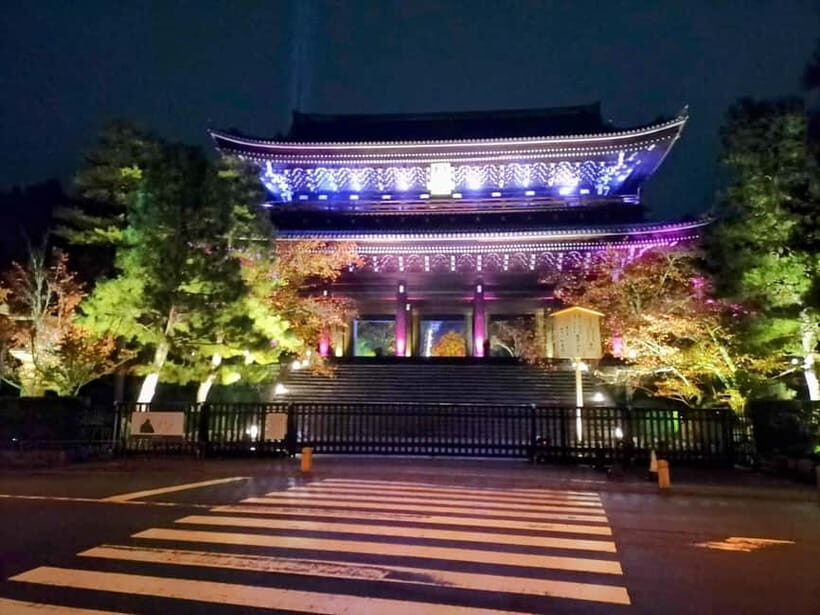
- Chion-in Temple: the “often overlooked” national treasure stop
- Tea house context: private performances for wealthy clientele
- Evening feel: lantern-lit Gion at the right time
- Seeing Geiko and Maiko: what the tour sets up (and what it can’t)
- Temples and pagoda stops: why they matter to your Geisha-culture understanding
- The guide makes the difference (and the reviews back that up)
- Price and value: $25 for context, walking, and photo help
- Who should book this tour
- Quick tips to get the most from your two hours
- Should you book the Kyoto Geisha Walking Tour in Gion?
- FAQ
- How long is the Kyoto Geisha Walking Tour?
- How much does it cost?
- Where is the meeting point?
- Is the tour offered in English?
- Can I cancel for a full refund?
- Do I need to pay right away?
- Is the tour suitable for wheelchair users?
Key highlights to look for
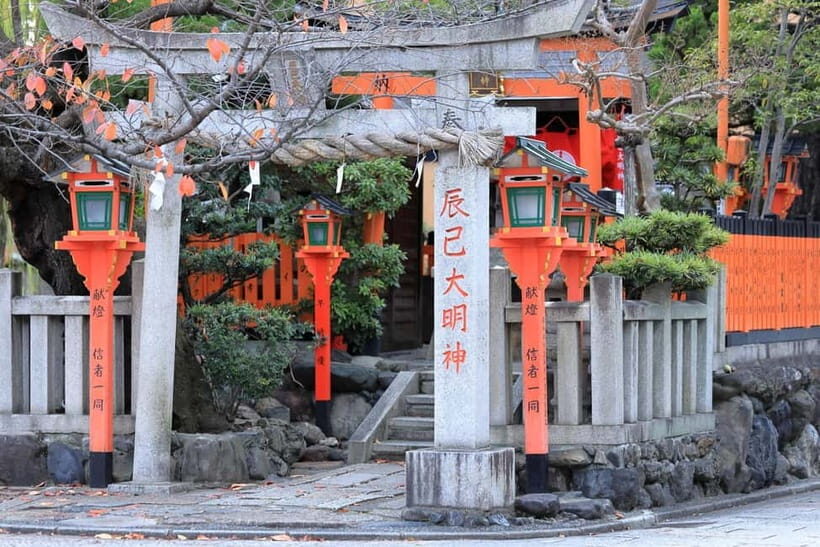
- Gion street-life storytelling that turns cobblestones and teahouses into culture, not just scenery
- Chance to see Geiko and Maiko as they make their way to appointments
- Temple and pagoda stops like Hōkan-ji Pagoda, Kennin-ji, and Chion-in (with national treasure context)
- Off-the-beaten-path photo angles in places that feel calmer than the main lanes
- Guide-led recommendations for restaurants, bars, shops, and what to do next in Kyoto
Why Gion works so well on foot
Gion is one of those Kyoto neighborhoods where “seeing” and “understanding” happen at the same time. Part of that is physical: the streets tighten, the sightlines change, and the district’s teahouse-lined character shows up in small details. Part of it is guided interpretation—this tour is built around helping you connect the dots between the architecture, the temples, and the people you may spot in traditional dress.
The tour’s focus is also unusually practical for a cultural walk. You’re not just collecting sights. You’re learning how Geisha culture developed in Kyoto, how it fits into modern society, and how the district functions today. That matters because Gion can look like a stage from the outside. With the right context, it stops feeling like a postcard and starts feeling like a real neighborhood.
A few more Kyoto tours and experiences worth a look

The 2-hour walk: what happens from the first street to the lanterns
This tour lasts about two hours, which is a sweet spot for first-time Kyoto visitors. You get enough time to feel the district’s rhythm without turning the experience into an all-day shuffle. You’ll also cover more ground than most self-guided attempts because the route is shaped around meaningful stops and good photo points.
Meeting point: find the red parasols near Hotel Alza Kyoto
You’ll start on a side street next to Hotel Alza Kyoto. Look for the red parasol umbrellas with marble seats underneath. This is helpful on a busy day, because it removes the usual guesswork of “Where do we line up?”
Early Gion streets: teahouses, machiya, and quiet corners
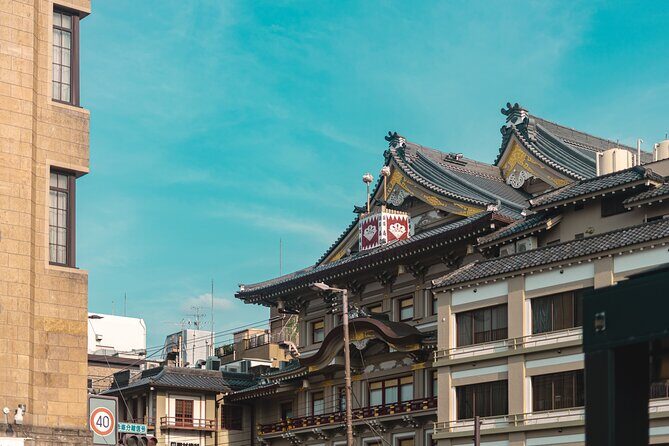
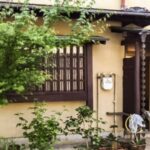
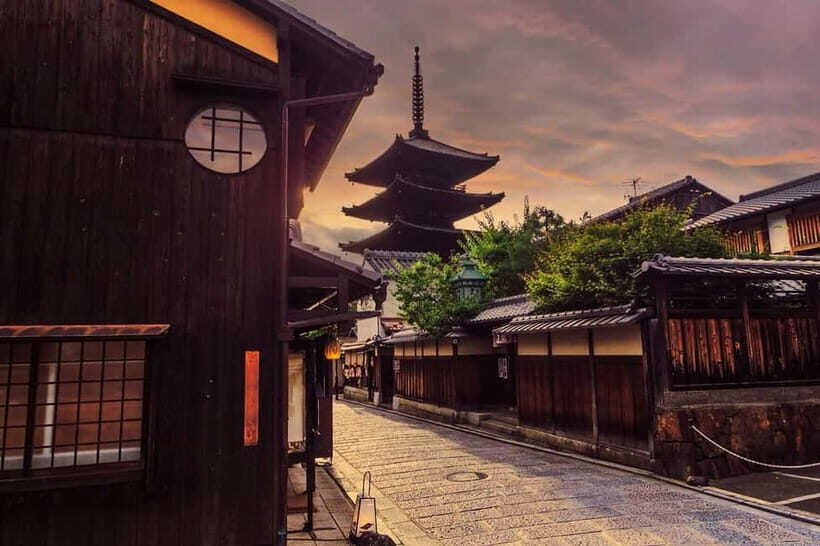
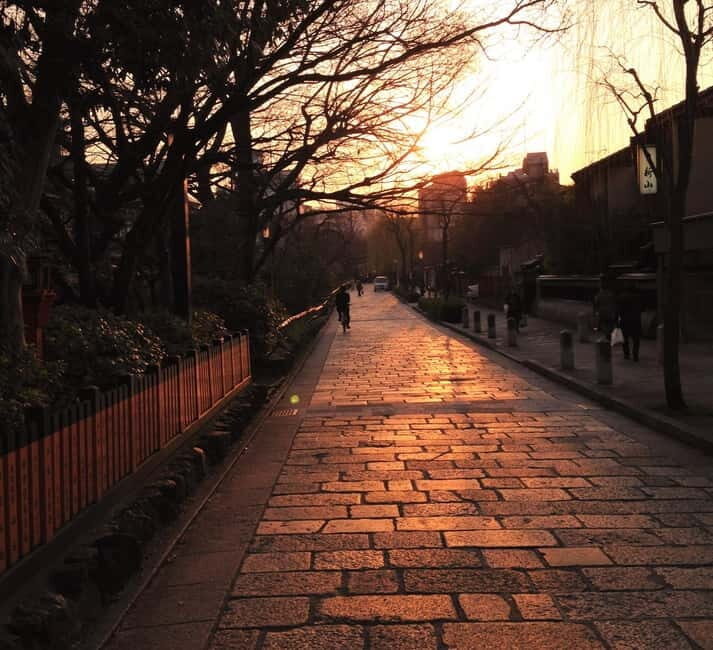
Right away, you’ll be in the Gion atmosphere: cobblestone lanes, teahouse facades, and the kind of street character that’s hard to replicate elsewhere. The tour includes stops that highlight preserved machiya townhouses, which helps you understand why Gion is valued for its built heritage—not only its famous performers.
You’ll also pass by off-the-beaten-path spots for photos. The point isn’t “pose here.” It’s that the guide chooses angles where the street feels more intimate and less like a traffic jam of cameras.
Hōkan-ji Pagoda: a cultural anchor
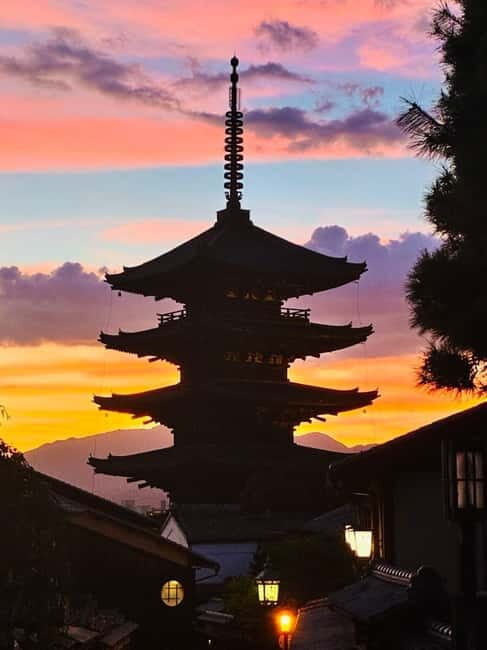
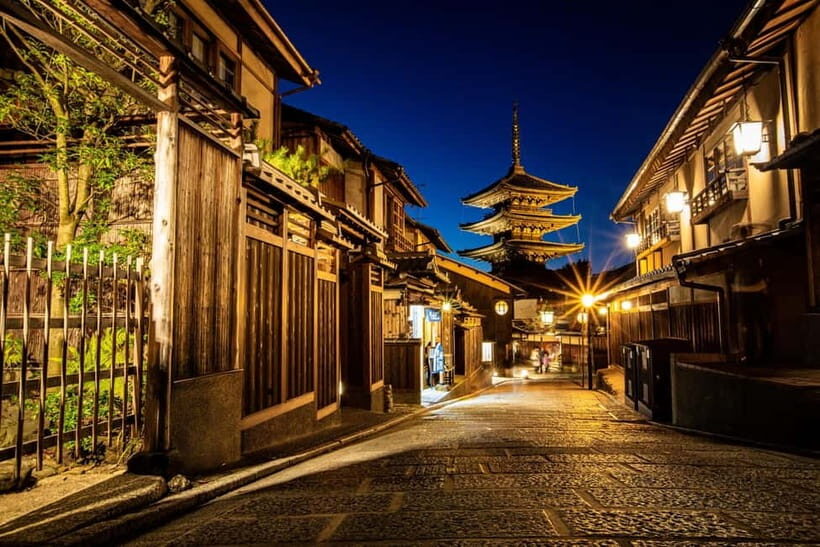
One of the standout named stops is Hōkan-ji Pagoda. The tour frames it as a symbol of Kyoto’s cultural heritage. Even if you only have a short time in Kyoto, it’s a good reminder that this city’s icons aren’t limited to temples with big, obvious gates. A pagoda like this adds depth to what you’re walking through.
Other walking tours we've reviewed in Kyoto






Kennin-ji Temple: serenity with historical weight
Next comes Kennin-ji Temple, described as the oldest Zen temple in Kyoto. This is where the tour gets a little quieter and more reflective. You’re not just sightseeing buildings—you’re getting a bridge between daily Gion life and the spiritual backdrop that shaped Kyoto for centuries.
The practical payoff: you’ll know what you’re looking at and why it matters, instead of taking photos and moving on.
Chion-in Temple: the “often overlooked” national treasure stop
The tour also calls out Chion-in Temple, noting it includes three designated national treasures within its grounds. That’s a big promise in a short walk, and it’s exactly the kind of stop that makes a guided route worth it: the area is famous, but the tour pushes you toward the parts people often skip.
This stop is also a nice contrast to Gion’s street energy. If you’ve been doing temple hopping all week, it still feels different—because here the tour ties the stop back to Kyoto’s cultural roots and the district you started in.
Tea house context: private performances for wealthy clientele
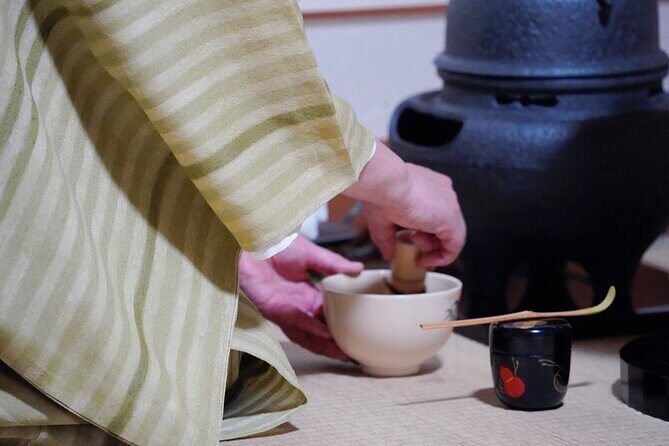
The tour includes context around tea houses connected to the world of Geiko and Maiko, including the idea of exclusive private performances for wealthy clientele. This isn’t about dressing up the facts. It’s about helping you understand the social structure around the performances you may hear about online.
One caution: even with context, these settings are not meant to be treated like tourist attractions. Keep your focus on listening and looking, not trying to force access.
Evening feel: lantern-lit Gion at the right time
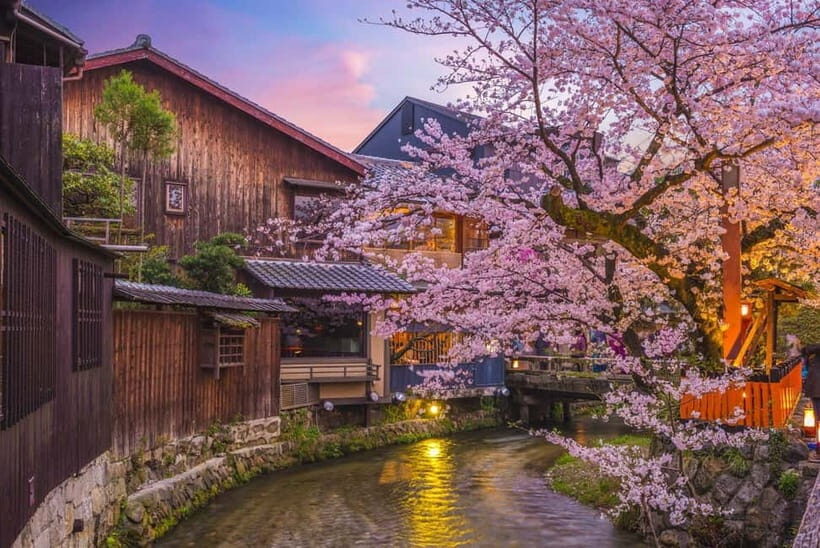
As evening falls, Gion shifts. The tour specifically mentions lantern-lit streets, which is when the neighborhood turns dreamier. One review notes a later slot (like 6pm) can be ideal because the area is quieter, which helps you take in the sights without constant crowd pressure.
Seeing Geiko and Maiko: what the tour sets up (and what it can’t)
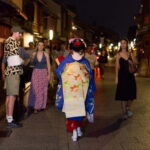
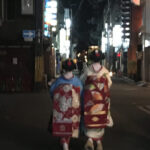
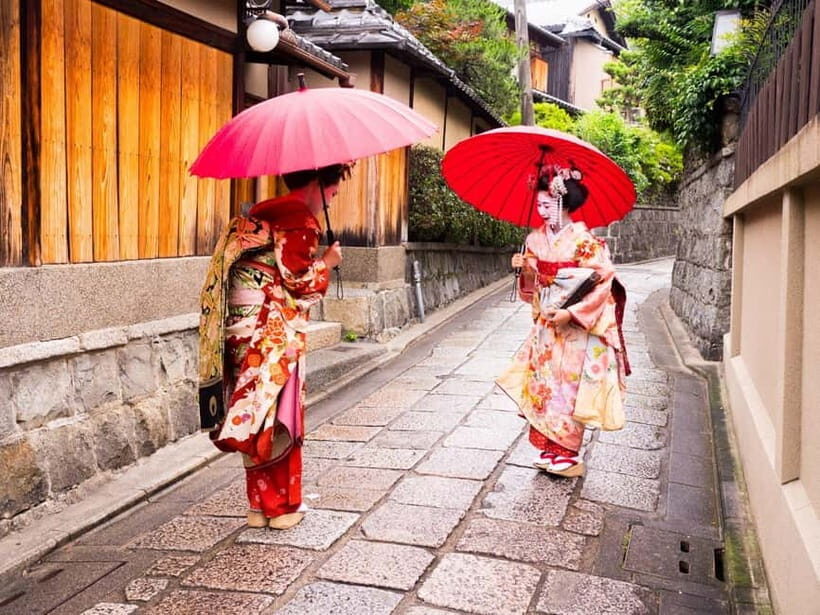
This tour gives you a chance to spot Geiko and Maiko as they make their way to appointments. That’s one of the main reasons people book. And it’s also the part that comes with a built-in reality check: schedules change, and you can’t guarantee a sighting like you can guarantee a temple photo.
The good news is that the tour is built around improving your odds. A guide knows where to stand, how to read the flow of the streets, and what to look for—especially when Geiko and Maiko are moving between appointments. You also get the cultural background, so you’re not just trying to catch a glimpse. You’ll understand why certain details matter.
In at least one booking, people weren’t lucky enough to see any Geisha that day. That didn’t ruin the experience because the tour’s temple stops, street context, and guide stories carried it. My advice: go in expecting a strong Gion education first, and treat a sighting as a bonus.
Temples and pagoda stops: why they matter to your Geisha-culture understanding
The tour’s structure is smart: it uses religious and architectural landmarks to explain cultural origins. The message is simple—Kyoto’s traditional arts don’t sit in a vacuum. They evolved alongside the city’s institutions, neighborhoods, and aesthetics.
Here’s what those stops add:
- Hōkan-ji Pagoda gives you a Kyoto “heritage marker” that anchors the walk in long-standing cultural identity.
- Kennin-ji Temple connects you to Zen history, which helps explain the broader Kyoto mindset behind refinement and restraint.
- Chion-in Temple adds depth through the note of national treasures and a grand temple setting that many visitors overlook.
The best part is that you’re not wandering. You’re stopping at places selected for meaning, then hearing stories that connect the sites to the district you’re walking through.
The guide makes the difference (and the reviews back that up)
In the reviews, the guide experience shows up again and again. Michael is mentioned frequently and described as friendly, funny, and engaging. People say he’s passionate about history, answers questions, and gives clear explanations that make Kyoto feel easy to grasp.
You’ll also hear names like Yuri, Anton, and Ikuro in different bookings, with the same theme: the guides bring strong context and a respectful tone. One review specifically says Michael speaks English, French, Japanese, and some Arabic. Even if you don’t need extra languages, it’s a sign the guide is really tuned into communication.
The most useful guide perk, though, is what happens near the end. The tour includes a detailed list of recommendations: restaurants, bars, shops, and places to visit for the rest of your trip. I love this because it turns the walk into a planning tool. After two hours in Gion, you’ll have better instincts about where to eat and what to do next.
Price and value: $25 for context, walking, and photo help
For $25 per person and about two hours, this is priced like an activity that aims to be accessible without turning into a “big tour bus” product. The value comes from three things:
- You’re paying for guidance that explains Geisha culture origins and how Gion works today.
- You’re paying for time savings and better routing—especially the off-the-beaten-path photo stops.
- You’re getting a built-in planning bonus: the guide’s restaurant and activity recommendations.
If you’re the type of traveler who likes to get your bearings fast, this fits well. If you only want a checklist of famous sights, you may feel it’s a lot of explanation for a short walk. But if you want Gion to make sense as you walk, the cost feels fair.
Who should book this tour
This one is a strong fit for:
- First-timers in Kyoto who want a clean introduction to Gion
- Culture-focused travelers who care about the “why,” not only the “what”
- People who want good photos without spending hours hunting for angles
- Travelers who value a guide’s on-the-ground recommendations at the end
It’s not suitable for people with mobility impairments or wheelchair users, since it’s a walking tour.
Also keep in mind that if the weather is rough, your comfort depends on the day. One review called out how cold it was and wished there were a place to charge/warm up. So if you’re booking in winter, wear layers and plan for walking time.
Quick tips to get the most from your two hours
- Choose your time slot with the evening in mind if you can. Lantern-lit streets are part of the magic.
- Go before you’re starving, not after. With the guide’s food recommendations, it helps to have dinner options ready.
- Ask questions. The reviews repeatedly mention that guides make time for them, which is when the tour gets personal and memorable.
Should you book the Kyoto Geisha Walking Tour in Gion?
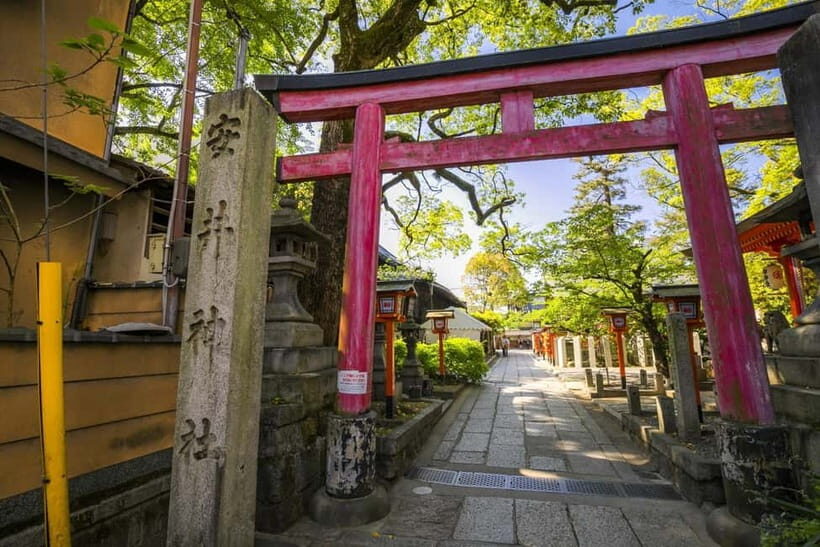
If your goal is to understand Gion instead of just walking through it, I think this is a solid booking. You get a structured 2-hour route, meaningful stops like Hōkan-ji Pagoda, Kennin-ji Temple, and Chion-in, plus the chance to see Geiko and Maiko on the street. The guide recommendations at the end are also the kind of practical add-on that pays off for the rest of your Kyoto days.
If you’re mainly chasing a guaranteed sighting, temper expectations. You can’t force appointments. But even when Geiko or Maiko doesn’t show up that day, the tour still has enough depth to feel worth the time and the $25 price tag.
FAQ
How long is the Kyoto Geisha Walking Tour?
The tour lasts about 2 hours.
How much does it cost?
It costs $25 per person.
Where is the meeting point?
It meets on a side street next to Hotel Alza Kyoto. Look for the red parasol umbrellas with marble seats underneath.
Is the tour offered in English?
Yes. The live tour guide is English-speaking.
Can I cancel for a full refund?
Yes. You can cancel up to 24 hours in advance for a full refund.
Do I need to pay right away?
No. It’s listed as Reserve now & pay later.
Is the tour suitable for wheelchair users?
No. It is not suitable for people with mobility impairments or wheelchair users.