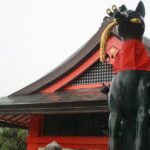
Kyoto is better before the day warms up. This early bird walk hits three major landmarks while they’re still calm, so you can actually enjoy the views instead of speed-walking with the crowd. Fushimi Inari in morning light, Kinkaku-ji at opening, then Arashiyama bamboo before it gets packed—that’s the whole point here: beat Kyoto’s most famous lines.
I love how the tour keeps things focused (only three stops) and finishes early, around noon, so your afternoon stays open for your own pace. I also like the human factor: guides like Akiko, Megumi, Kaz, and Tomoko are repeatedly praised for explaining what you’re seeing and keeping everyone moving smoothly, with smart attention to kids, photo stops, and basic needs.
The main thing to consider is the obvious one: it’s a walking-heavy half-day. You’ll want comfortable shoes and a moderate fitness level, and if you’re dealing with weather or mobility constraints, go in with realistic expectations.
In This Review
- Key highlights worth caring about
- Kyoto’s early-bird advantage: beating the crowd without skipping the magic
- Start at Kyoto Station and head straight for Fushimi Inari’s torii tunnel
- Kinkaku-ji at opening time: seeing the Golden Pavilion when it’s calm
- Arashiyama bamboo forest in the morning: cool air before the midday crush
- How the 5 hours 15 minutes works (and why pacing is part of the value)
- Guides and real-world help: what makes it feel smooth
- Price and value: $105.45 plus the add-ons that matter
- Weather and comfort: the one variable you can’t ignore
- Who should book the Kyoto Early Bird Walking Tour?
- Should you book it or skip it?
- FAQ
- How long is the Kyoto Early Bird Walking Tour?
- Where do I meet the guide, and where does the tour end?
- Is admission to Kinkaku-ji Temple included?
- Are the other two stops free to enter?
- What’s included in the tour price?
- How much is public transportation during the tour?
- Is this tour private?
- What happens if the weather is bad?
- Can I cancel for a full refund?
Key highlights worth caring about
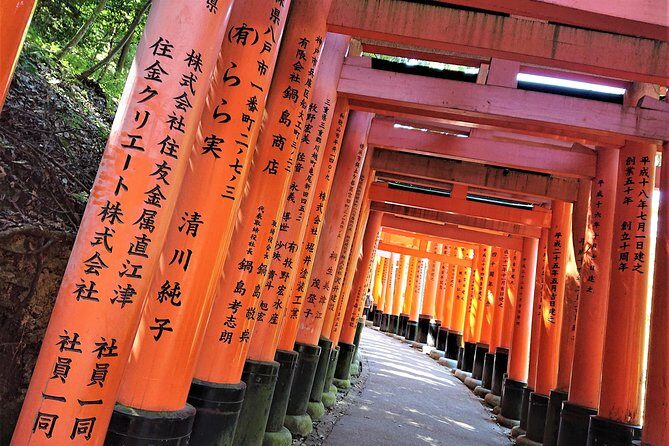
- Torii gates at first light at Fushimi Inari, when the crowds haven’t fully arrived yet
- Golden Pavilion close to opening time for a quieter look at the gilded temple grounds
- Arashiyama bamboo forest early so you get cooler air and more breathing room in the grove
- Finishes before midday so you can switch gears and explore the rest of Kyoto on your own
- Guides that help with real-world timing and logistics, including where to stand for photos
Kyoto’s early-bird advantage: beating the crowd without skipping the magic
Kyoto’s famous places have a pattern. By late morning, you feel it—slowdowns, crowded lanes, and the weird stress of trying to look at something beautiful while people pile in behind you. This tour is designed around that reality.
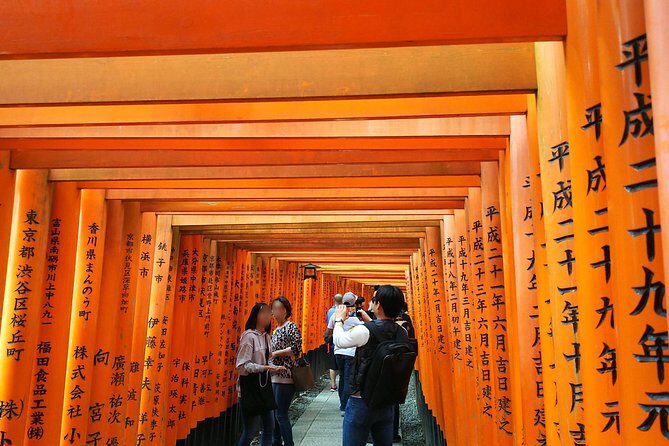
You start right at Kyoto Station, and you’re moving before most sightseeing groups take over the city. That early timing matters because it changes your experience. At Fushimi Inari, the tunnel of torii gates doesn’t just look good—it feels walkable. At Kinkaku-ji, the Golden Pavilion doesn’t become a background blur behind other people’s phones. And in Arashiyama, the bamboo forest is at its best when the morning air is still cool and the pathways aren’t shoulder-to-shoulder.
There’s also a practical bonus. You’re done by about noon, which is not just a nice-to-have. It’s what lets you use the rest of your day for other neighborhoods, side streets, and last-minute choices—without feeling like you have to rush back to a tour schedule.
Other walking tours we've reviewed in Kyoto

Start at Kyoto Station and head straight for Fushimi Inari’s torii tunnel
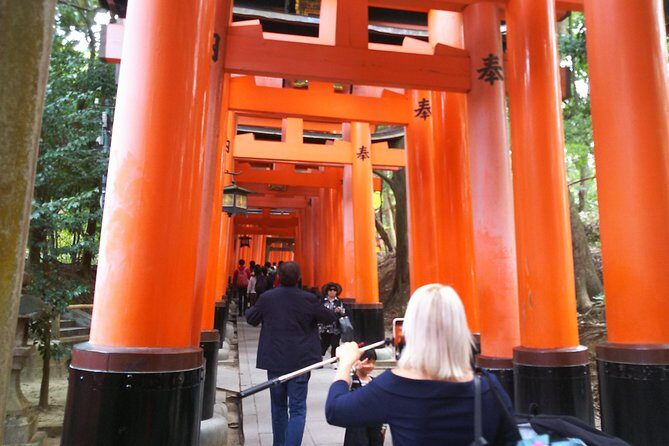
You meet in the Kyoto Station Building 901 area (Kyoto Station, Shimogyo Ward). From there, you head to Fushimi Inari-taisha Shrine, the one with the iconic tunnel of thousands of vermilion torii gates.
This stop is special because it’s not just a photo stop. It’s a hike-through experience. The gates create a layered rhythm: step forward, turn slightly, watch the lines of red gates pull you along, and then notice how the atmosphere changes the higher you go. Early in the morning, you can actually slow down and enjoy that feeling instead of treating it like a conveyor belt.
What you’ll like most:
- The early timing helps you walk through the torii gates with less noise and fewer interruptions.
- The shrine setting tends to feel more peaceful when you’re not fighting for space.
A small consideration: the tour is about walking. Even though the stop is around one hour, you’ll still want to conserve energy so the rest of the morning feels good.
Good news: Fushimi Inari admission is free, so your cost at this stop is just your time and your legs.
Kinkaku-ji at opening time: seeing the Golden Pavilion when it’s calm
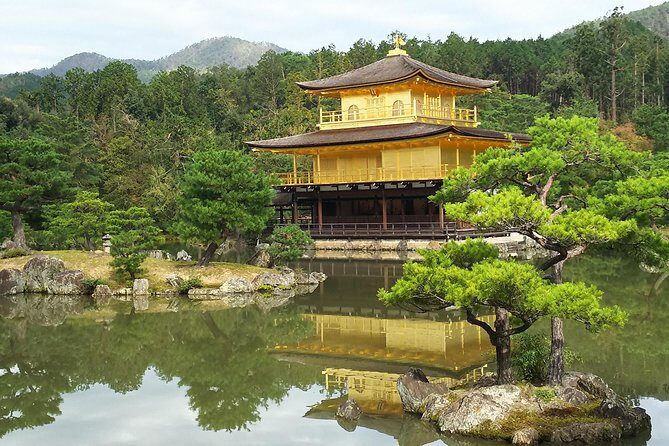
Next is Kinkaku-ji Temple (the Golden Pavilion). The big advantage here is that you visit right after it opens—when fewer people are around and you can see the details instead of just the silhouette.
Kinkaku-ji is one of those places where timing can make the difference between:
- a rushed look, and
- a slow, satisfying one.
Early access helps you notice the gilded building and the pond area in a quieter setting. You’re not constantly craning around other visitors. You can look at the reflections, take a breath, and actually process what makes it so recognizable.
Important cost note: Kinkaku-ji admission is not included. Plan on ¥500 per person for the temple ticket. This is worth budgeting because it’s the one “mandatory add-on” in the tour’s pricing setup.
Another practical point: Kinkaku-ji tends to attract a lot of first-timers. A guide helps because they can point out where your view is best and how to move through the space without getting tangled in the busiest patterns.
Arashiyama bamboo forest in the morning: cool air before the midday crush
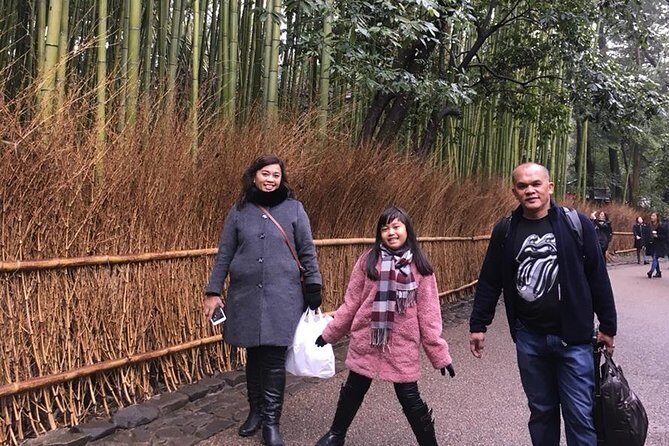
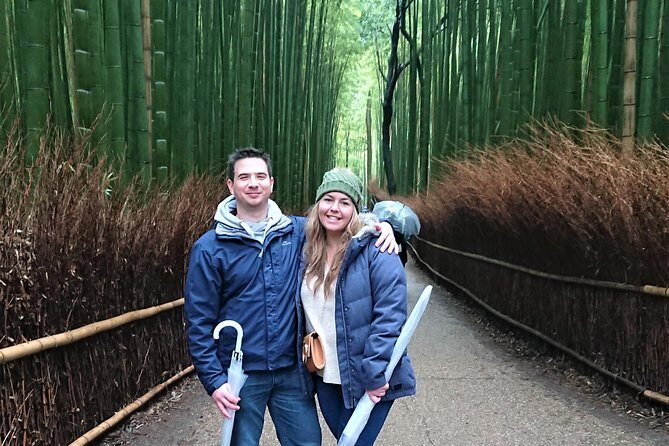
After Kinkaku-ji, you head to Arashiyama, and specifically the famous bamboo forest area. This stop works because morning light and cool air change the feel of the grove.
In the early hours, you can hear the bamboo and notice the way the pathways funnel your movement. The “wow” factor isn’t only the height of the stalks—it’s the mood created by spacing, shadow, and breeze.
What to expect here:
- Around an hour in the bamboo area
- A more comfortable temperature early on (things rise around midday)
- Enough time to walk slowly and stop for photos without constant crowd pressure
Admission for this stop is listed as free, so again, your main “cost” is just time and walking energy.
A consideration: bamboo paths can feel slippery if it’s rained earlier. If the weather has been wet, take smaller steps and keep an eye on your footing.
How the 5 hours 15 minutes works (and why pacing is part of the value)
The tour runs about 5 hours 15 minutes and ends back at the meeting point around noon. That schedule is what makes it attractive for people on a tight itinerary. You get three of Kyoto’s headline experiences without spending the whole day in transit or in lines.
You’ll also move across different parts of Kyoto. The tour includes the guide fee, but public transportation fare is not included. The listed transport cost is ¥1,220 per person. For your planning, think of the tour price as paying for:
- your guide,
- the timing strategy (early departures),
- and the efficiency of getting you between these sites.
The transportation isn’t optional—you’re going to use it because the stops are spread out on opposite sides of Kyoto. The guide’s role becomes more than commentary; it’s about helping you avoid wasted time while you transfer between stations and lines.
Wear a plan into your day:
- Comfortable shoes are non-negotiable.
- Bring water. The tour doesn’t list drinks included, and you’ll want to stay comfortable during morning walking.
- If you’re traveling in summer, I’d copy the helpful advice people often give—bring a sun umbrella if you can. Mornings start better, but the heat can climb quickly.


Guides and real-world help: what makes it feel smooth
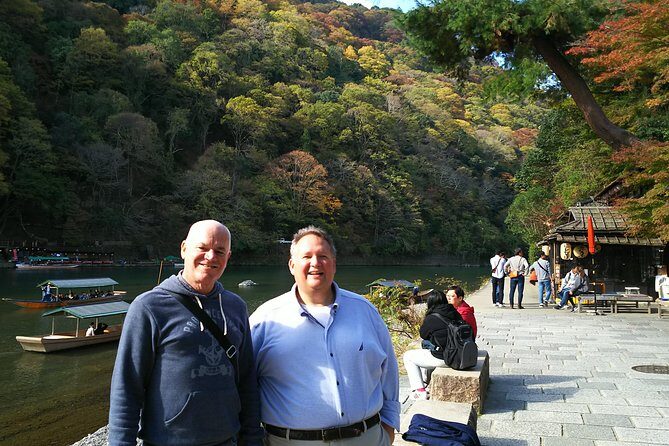
One thing that comes up again and again is that the tour guides aren’t just reciting facts. They’re helping with the human stuff—keeping the pace right, answering questions, and making sure you don’t waste time figuring things out.
You may encounter guides such as Akiko, Megumi, Kaz, Hiro, Sumiko, Emiko, Tomoko, Makoto, Miho, Naoko, or Kazuo. Across these names, the pattern is consistent:
- prompt meeting and smooth start,
- clear explanations tied to what you’re seeing (Shinto and Buddhist context shows up often),
- and practical assistance like helping with navigation, photo spots, and even small needs.
If you’re traveling with kids, the “helpful pace” matters even more. Several guides are specifically praised for being attentive and friendly when families are on board—so it’s less chaotic than trying to manage Kyoto logistics by yourself.
Price and value: $105.45 plus the add-ons that matter
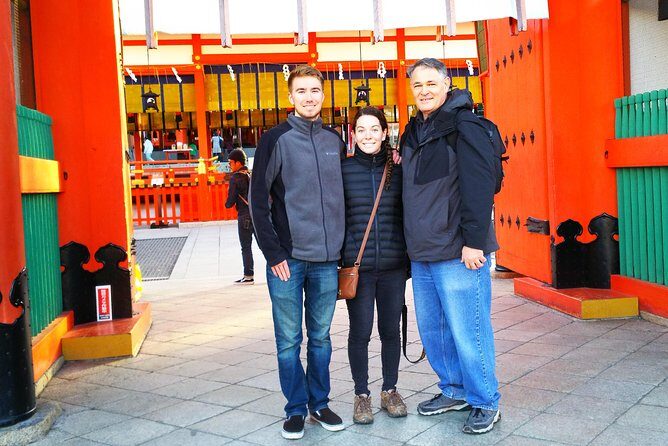
The tour price is $105.45 per person and includes the guide fee and a mobile ticket. On top of that, there are two realistic add-ons:
- Public transportation fare: ¥1,220 per person
- Kinkaku-ji admission: ¥500 per person
If you’re doing quick math, the tour isn’t just “buying three tickets.” You’re paying for a guided morning plan that:
- starts early enough to protect your time,
- bundles Kyoto’s most in-demand sights into a short, manageable block,
- and helps you move efficiently between far-apart neighborhoods.
Is it worth it? For most people, yes—especially if you want to reduce stress and avoid getting stuck mid-day. If you love wandering on your own and don’t mind crowds, you could DIY this. But if your goal is to maximize the morning and still keep a relaxed afternoon, this format is a strong value.
Weather and comfort: the one variable you can’t ignore
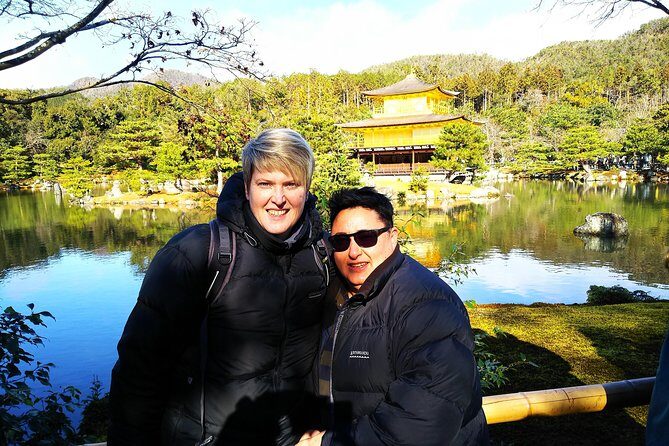
The tour requires good weather. If it gets canceled due to poor weather, you’ll be offered a different date or a full refund.
Also, you’ll be outside and walking. The tour notes a moderate physical fitness level is best, and it comes with guidance like “quite a bit of walking required.” If you have a heart condition, it’s listed as not recommended. On the flip side, it’s described as accessible for people with limited eye sight and limited mobility, so it’s worth asking your provider what accommodations can be made for your specific needs.
Who should book the Kyoto Early Bird Walking Tour?
This is a great fit if you:
- want big Kyoto hits without turning your day into a line-queue marathon,
- love photography but don’t want to fight the crowds for a view,
- are okay with a brisk morning and plenty of walking,
- and like the idea of ending by noon so you can go explore on your own.
It’s also a smart choice for a first-time Kyoto visit, because it gives you an orientation across key cultural areas rather than one neighborhood only.
If you’re the type who hates any schedule at all, or you’re unsure you can handle walking, you might prefer a slower plan. But if you’re ready to start early and want maximum calm at the most popular stops, this tour makes that easy.
Should you book it or skip it?
Book it if your priorities are timing and getting breathing room at Fushimi Inari, Kinkaku-ji, and Arashiyama. The early start isn’t a small perk—it’s the whole strategy, and it directly affects what you’ll feel at each site.
Skip it only if you know you won’t tolerate the walking pace, or if you’re traveling at a time when weather is unreliable and you don’t want the possibility of a reschedule. Otherwise, for $105.45 plus the listed add-ons, you’re paying for a morning plan that trades stress for time. And in Kyoto, that trade is usually worth it.
FAQ
How long is the Kyoto Early Bird Walking Tour?
It runs for about 5 hours 15 minutes.
Where do I meet the guide, and where does the tour end?
Meet at Kyoto Station Building 901 (Kyoto Station area). The tour ends back at the same meeting point.
Is admission to Kinkaku-ji Temple included?
No. Kinkaku-ji admission is not included, and the listed cost is ¥500 per person.
Are the other two stops free to enter?
Yes. Fushimi Inari-taisha Shrine and Arashiyama are listed with free admission.
What’s included in the tour price?
The guide fee is included, and you also get a mobile ticket. Public transportation fare is not included.
How much is public transportation during the tour?
The listed public transportation fare is ¥1,220 per person.
Is this tour private?
Yes. It’s a private tour/activity, and only your group participates.
What happens if the weather is bad?
This experience requires good weather. If it’s canceled due to poor weather, you’ll be offered a different date or a full refund.
Can I cancel for a full refund?
Yes. You can cancel up to 24 hours in advance for a full refund.