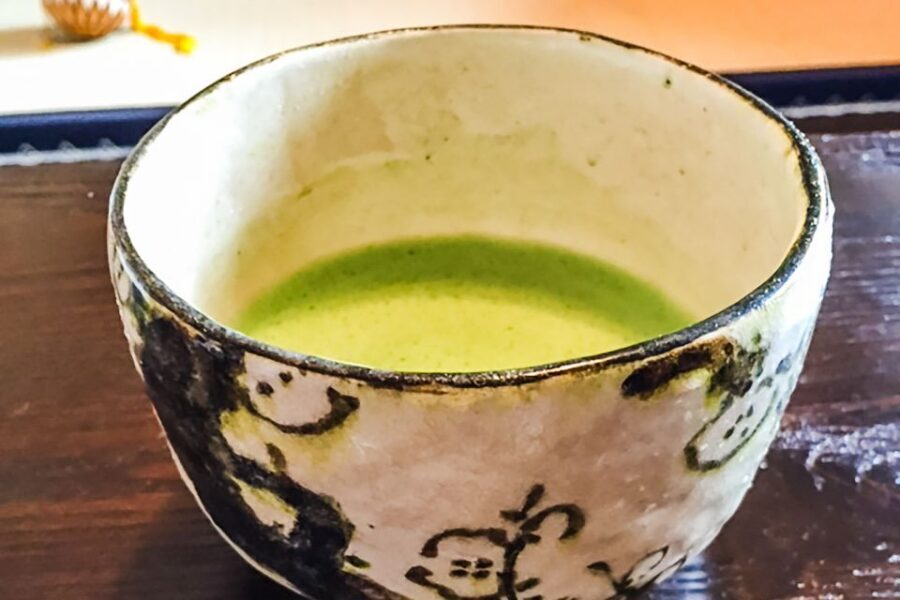
That matcha cup takes work, on purpose.
This 45-minute Kyoto tea ceremony lesson is built around the real ritual: you sit on tatami, watch a licensed tea master (from the Urasenke tradition) prepare matcha, then you make it yourself following the rules. It’s the thin tea style, not a watered-down version, and the host explains both the history and the spiritual role of the ceremony as you go.
I especially like the two matcha flavors part, because it makes the lesson feel like more than just watching polite whisking. I also like how the host ties technique to taste, so you learn why each step matters, then you finish with traditional sweets that match the mood. One thing to consider: the pace can feel a bit tight if you want lots of extra chatting, and the ceremony keeps a serious, quiet tone.
In This Review
- Key Highlights You’ll Actually Notice
- Finding Tea Ceremony Koto Near Kinkakuji’s Gate
- Tatami Etiquette: Watching the Matcha Start the Right Way
- Your Hands-On Moment: Making Tea Using the Ceremony Rules
- History and Spirit: Why This Feels Different From a Show
- Traditional Sweets After Tea: The Taste Comes With Context
- Photos, Kimono Add-On, and Nishijin Textile Examples
- Candle Light Ceremony After Sunset for a Different Mood
- Public vs Private: Choose the Experience That Matches Your Style
- Value for $22: What You’re Getting for the Time
- Small Things That Can Change Your Day
- Should You Book This Kyoto Tea Ceremony Lesson?
- FAQ
- How long is the Kyoto tea ceremony lesson?
- What does the price include?
- How much does it cost?
- Is hotel pickup included?
- What languages will the instructor speak?
- Can I add a kimono to the experience?
- If I book the kimono add-on, when should I arrive?
- Are video recordings allowed during the ceremony?
- Is there a dress code?
- What if I can’t sit on the floor comfortably?
Key Highlights You’ll Actually Notice
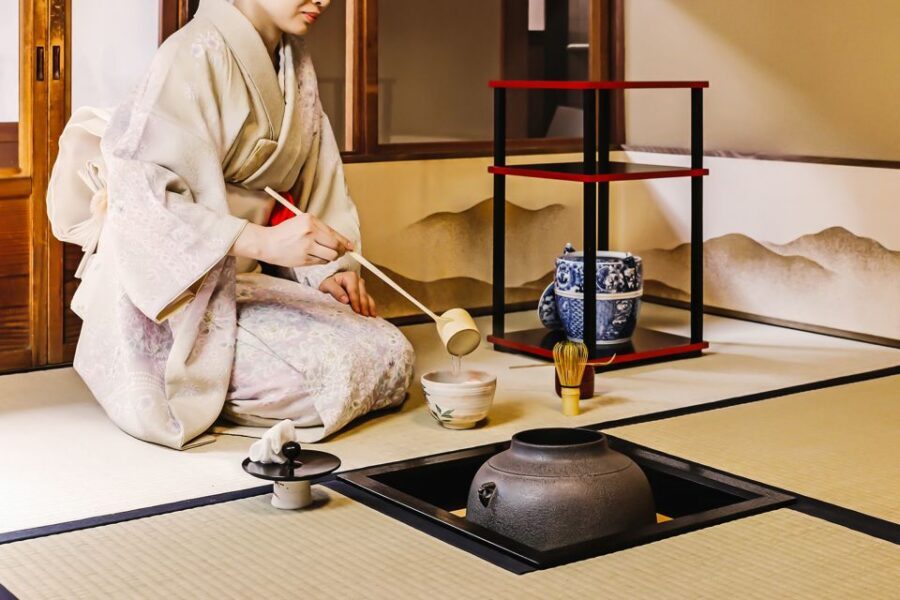
- Licensed Urasenke tea master teaching the ceremony as beginners learn it in Japan
- Two flavors of Japanese green tea so you can compare how methods change the cup
- 45 minutes on tatami with hands-on matcha-making, not just a talk-and-watch session
- Traditional sweets to round out the experience the way the ceremony intends
- Kimono add-on with photo time, plus examples of Nishijin woven textiles nearby
- Candle Light Option for a quieter, atmospheric evening version of the ritual
Finding Tea Ceremony Koto Near Kinkakuji’s Gate
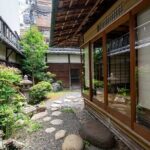
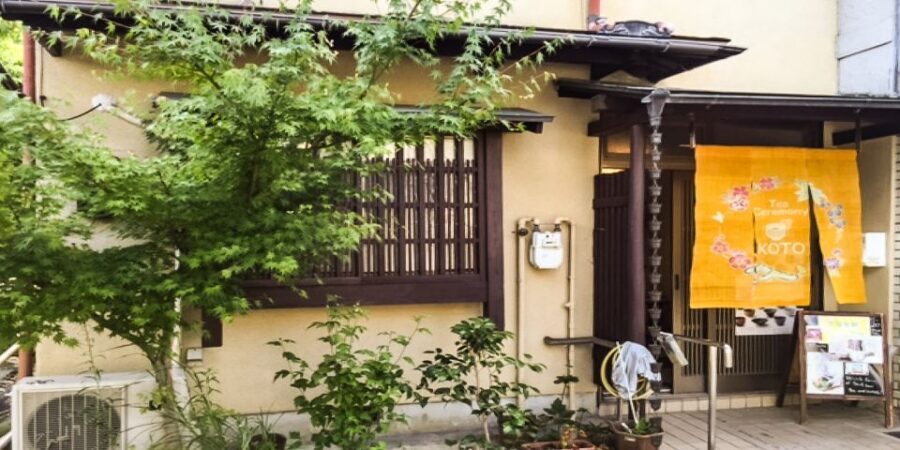
Tea Ceremony Koto is easy to plug into a Kyoto day because the meeting point sits right by Kinkakuji-temple. You enter through the sliding door with the orange curtain at the building, and the venue is about a minute’s walk from the gate of Kinkakuji. If you’re using transit, it’s roughly a minute from the Kinkakuji-Michi city bus stop, or around 10–15 minutes by Kyoto buses 204/205 from Kitaoji subway or JR Enmachi.
This location matters because you won’t burn your time crossing town. You can do Kinkakuji first, then slow down with tea. Just plan to arrive on time; the ceremony starts promptly and you’re expected to follow the flow once you’re seated.
A few more Kyoto tours and experiences worth a look
Tatami Etiquette: Watching the Matcha Start the Right Way
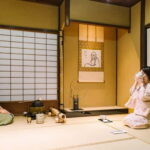
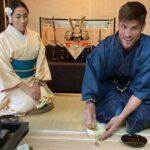
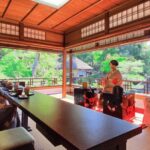
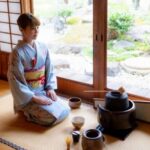
The experience begins when you’re guided onto tatami, the traditional floor mats used for Japanese tea rooms. Your host is an English-speaking licensed tea master from Urasenke, the biggest tea school in Japan. That’s a big deal for authenticity because it signals you’re learning a recognized system, not just a generic tourist performance.
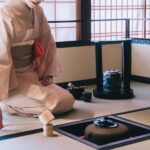
First comes a full ceremonial preparation of matcha. You’ll see the host carry out the steps with the same kind of careful routine that beginners learn in Japan: calm movements, precise tools handling, and the idea that each action supports a specific feeling and result. One practical tip: before you go, watch the short Do’s and Dont’s videos provided by the tea ceremony team. They help you avoid common etiquette mistakes that can throw off the rhythm.
Your Hands-On Moment: Making Tea Using the Ceremony Rules
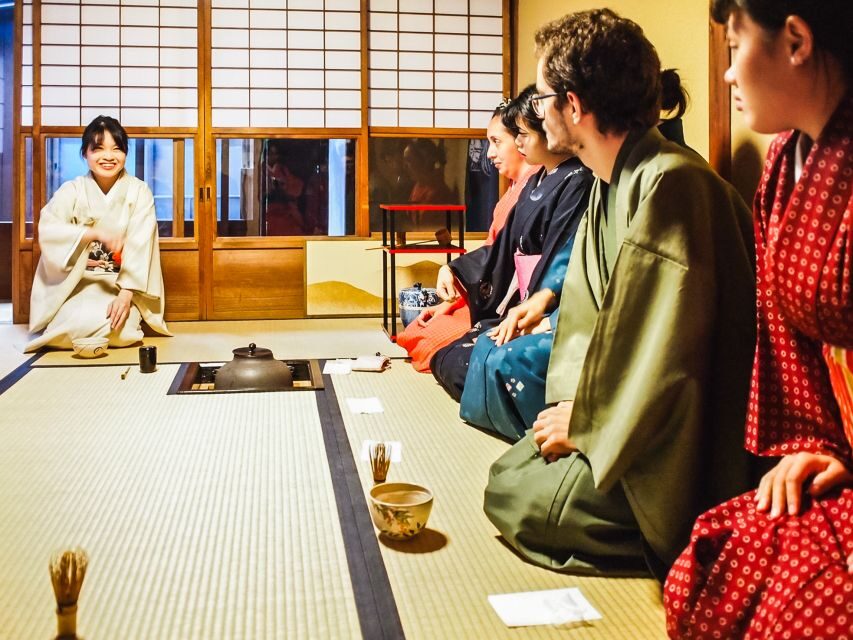
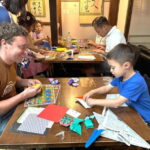
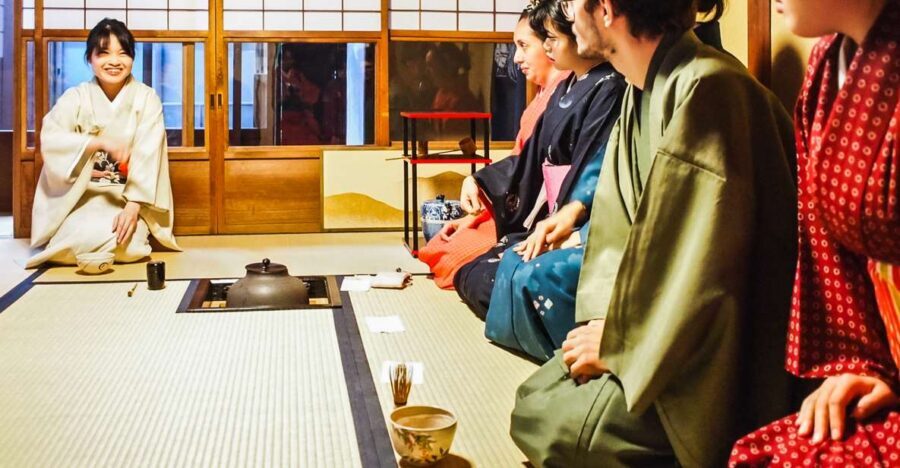
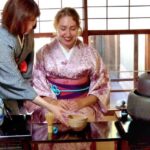
After you watch the preparation, you make the tea yourself. The lesson is designed so you’re not just holding the whisk for a photo; you learn the mechanics and the etiquette behind them, step by step. Your host explains how different methods affect flavor, so you understand what you’re doing rather than copying moves like a cooking class.
A standout here is that you’ll be served two flavors of Japanese green tea. That gives the session a built-in comparison. Even if you already like matcha, you’ll likely notice differences that come from how the matcha is handled and how the drink is prepared. The ceremony turns taste into information, which is one reason people come back saying it felt calm but not vague.
Your duration is about 45 minutes, which is long enough to get hands-on without stretching into an all-afternoon commitment. In real terms, it means you’ll feel the structure of the ritual: preparation, then you taking part, then the tea and sweets.
History and Spirit: Why This Feels Different From a Show
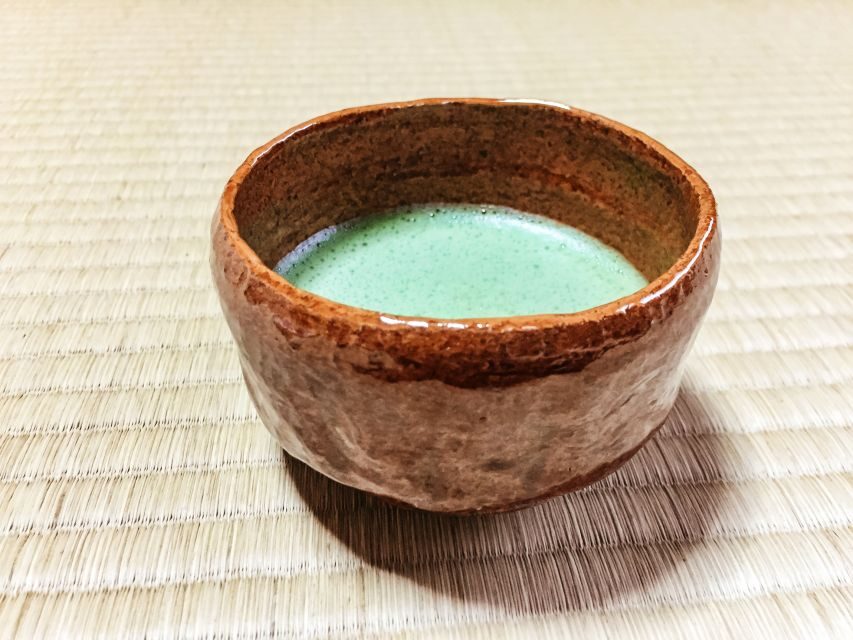
This lesson doesn’t treat tea as a fun drink only. Your tea master explains the history and spiritual role of the tea ceremony as part of the teaching, not as a side lecture. You’ll also learn about the intended effects of each tea-making method on the flavor. That’s what turns the experience into something more than a checklist.
If you’re the type who likes your cultural activities to have meaning, this is a good match. The atmosphere trends quiet and respectful, and the host runs the ritual seriously. That’s also why the experience can feel a little rushed at the edges for some people: the ceremony keeps moving so it stays true to the format. If what you want most is a long casual Q&A, you might feel the time is tight.
Traditional Sweets After Tea: The Taste Comes With Context
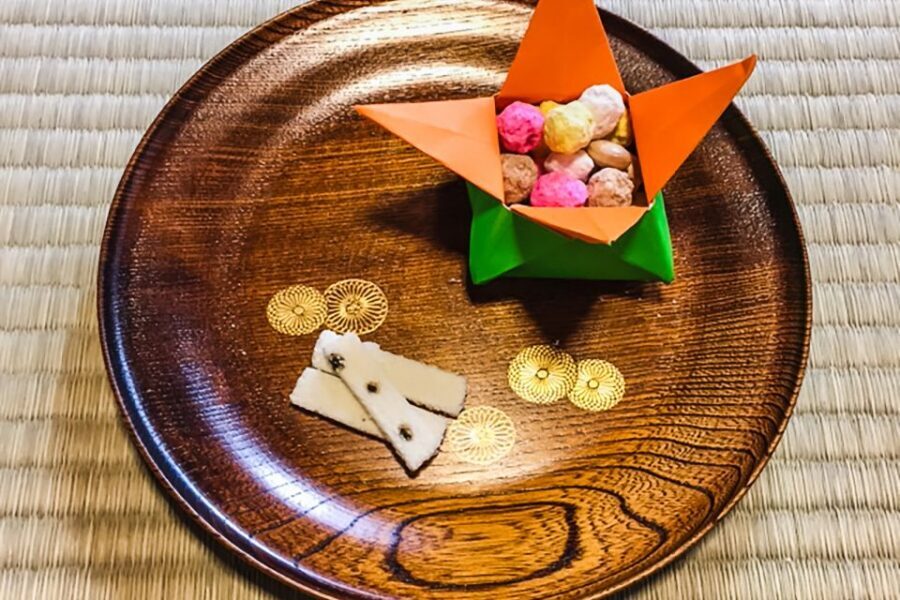
Once the matcha part is done, you’ll savor traditional Japanese sweets. This isn’t just a snack add-on. In the logic of the ceremony, the sweetness and texture are meant to complement the tea experience and help shift your palate and mood after the bitterness matcha can bring.
And yes, matcha can be bitter. The value here is that you’re learning how tea ceremony technique shapes what you taste. Reviews mention people who don’t usually enjoy bitterness feeling better about this matcha, which usually points to quality and preparation. In other words: you’re not just sipping green stuff; you’re getting the context so the flavor makes sense.
A few more Kyoto tours and experiences worth a look



Photos, Kimono Add-On, and Nishijin Textile Examples
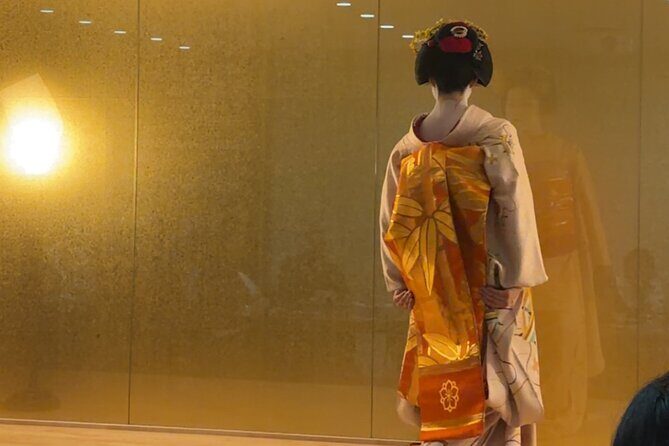
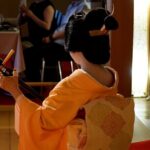
Once the ceremony closes, there’s time for photos. You’ll also see examples related to kimono and beautiful woven textiles made in the Nishijin district of Kyoto. It’s a nice way to extend your understanding beyond matcha. Even if you don’t buy anything, the visuals help you connect the ceremony to the broader culture of craft and fabric that Kyoto is known for.
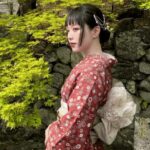
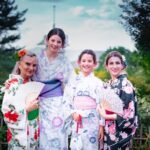
If you want the full photo-moment, you can add a kimono option during booking. If you choose kimono, arrive 20 minutes early. That’s not a small rule: it’s there because it can be difficult to add kimono styling at the last minute. Reviews also describe the kimono dressing process as quick and smooth when you arrive early, which makes the whole timing feel easier.
Candle Light Ceremony After Sunset for a Different Mood
There’s also a Candle Light Ceremony Option, an evening session designed to recreate the peaceful ambiance of old Kyoto. The idea is simple: the ritual feels even more intentional when the room is lit by candle glow instead of daylight. If you’re trying to create a memorable end to your day, this option often fits better than squeezing tea into a busy afternoon.
You’re still learning the ceremony and participating, just in a different setting that changes how the same steps feel. If you’re sensitive to noise and crowds, candlelight sessions can feel like the calmer side of Kyoto.
Public vs Private: Choose the Experience That Matches Your Style
Tea Ceremony Koto offers three formats: Private, Public, and Candle Light versions.
- If you want a quieter setting for questions and attention, the Private Ceremony Option is best. You get close attention from the tea master and can move at your own pace.
- If you prefer shared learning, the Public Ceremony Option places you with a small group, so you learn alongside others in a beginner-friendly way.
- If you want mood first, pick the Candle Light session, especially after a sightseeing day.
This choice affects how much you’ll interact and how you’ll feel about the atmosphere. A serious ritual works great in any format, but the social level changes your comfort.
Value for $22: What You’re Getting for the Time
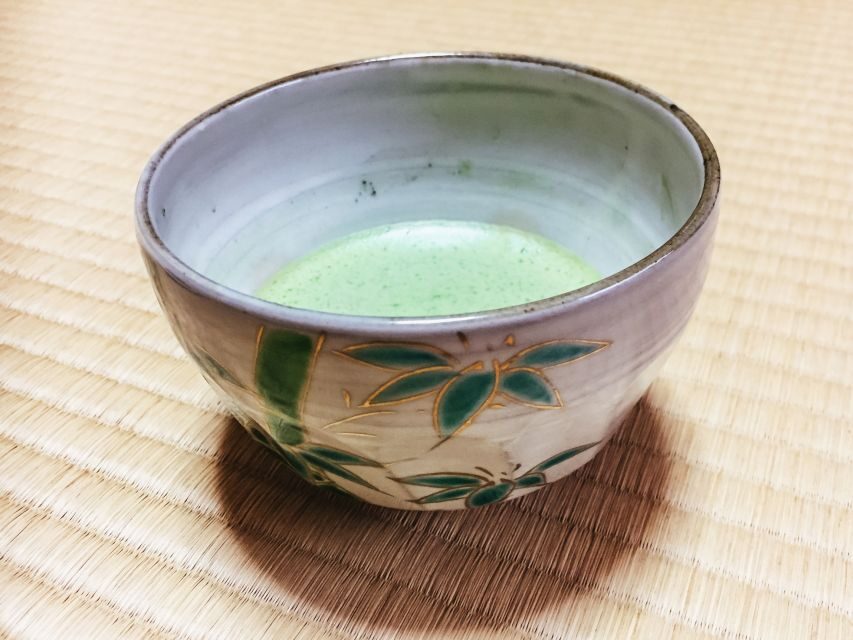
At $22 per person for 45 minutes, this is priced like a focused cultural lesson rather than a long guided tour. The value comes from what’s included: two flavors of green tea and traditional sweets, plus a full teaching format that follows the thin tea style (as opposed to a simplified tourist version).
That last part matters. Many tea experiences are shortened or heavily adapted for foreigners. Here, the teaching is presented as the same way Japanese beginners learn, and the rules are explicitly taught. The result is that you leave with skills: how to make matcha, and how to understand the ceremony’s etiquette and purpose.
One more practical value point: the ceremony bans video recording, which might sound restrictive until you realize it protects the calm focus. Phones aren’t treated as the main event, and the experience reads more like a ceremony room than a content set.
Small Things That Can Change Your Day
A few details can save you stress. The first is the seating: you’ll be on the floor, but if you might struggle to sit on tatami, tell the supplier ahead of time. They can provide chairs. That one message can be the difference between enjoying the ritual and spending the session tense.
Second: do a quick etiquette prep. The venue provides short videos showing common not-to-do behaviors. Watching them before you arrive helps you respect the room and reduces awkward moments.
Third: if you’re thinking about transportation, plan your exit with the area in mind. The information provided says calling a taxi after the ceremony is impossible because taxi companies won’t get on the phone immediately, and there’s a big taxi stand in front of the location. That affects your timing if you’re heading to a late dinner or another stop.
Should You Book This Kyoto Tea Ceremony Lesson?
Book it if you want a real, rule-based matcha lesson with a licensed Urasenke tea master, hands-on matcha making, and tasting that’s tied to technique. It’s also a strong pick if you like quiet cultural experiences and you enjoy learning why people do things the way they do.
Skip or reconsider if you’re hoping for a casual, chatty activity with tons of extra time, or if floor seating is a hard no for you. The format stays structured, and some people find it a bit rushed.
If you want my simplest decision rule: if matcha and etiquette sound like your kind of Kyoto morning or evening, this is a solid use of time and money.
FAQ
How long is the Kyoto tea ceremony lesson?
The experience lasts 45 minutes.
What does the price include?
It includes two flavors of Japanese green tea and traditional Japanese sweets.
How much does it cost?
The price is $22 per person.
Is hotel pickup included?
No, hotel pick-up is not included.
What languages will the instructor speak?
The instructor offers English and Japanese.
Can I add a kimono to the experience?
Yes. You can select a kimono add-on during booking, and you’ll be able to wear it for photos.
If I book the kimono add-on, when should I arrive?
You need to arrive 20 minutes early if you reserved the kimono add-on.
Are video recordings allowed during the ceremony?
No. Video recording is not allowed.
Is there a dress code?
No. There is no dress code for this activity.
What if I can’t sit on the floor comfortably?
If you might have difficulty sitting on the floor, inform the supplier, and they can provide chairs.