A kimono day with real matcha skills. This Kyoto experience in Gion lets you skip the stress of etiquette and focus on doing it right, step by step. You start by choosing from 200+ kimono designs, get dressed with help from the staff, and then learn the tea ritual in a calm tea room.
I especially like two parts: the small group size (max 10) keeps the pace relaxed and questions welcome, and the hands-on matcha lesson teaches you a technique you can actually repeat later. One possible drawback: you’re trading sightseeing time for a slower, ritual-focused couple of hours, so it’s not the choice if you want a packed “see everything” tour.
The setting is also practical. You meet at Gion Oritsuruya, a short walk from Hankyu Kyoto-Kawaramachi and Keihan Gion-Shijo stations, and the whole flow runs in English. Staff members are attentive with photos and comfort, and more than one person mentions guides by name, including Juki.
In This Review
- Key things I think you’ll notice right away
- Why Gion Oritsuruya is a smart base for your Kyoto kimono day
- Selecting your kimono from 200+ designs (and dressing without stress)
- The matcha tea ceremony: what you learn, and how you’ll feel while doing it
- Snacks, photos, and time after the ceremony in your kimono
- Adding Japanese calligraphy: when the extra time is worth it
- Price and value: is $49 really fair for Kyoto?
- Who should book this, and who might want a different plan
- Quick planning tips for your day in Gion
- Should you book Kyoto: Kimono Tea Ceremony at Orizuruya Gion?
- FAQ
- How long is the kimono tea ceremony?
- What does the price include?
- Do I need to speak Japanese?
- Is there a calligraphy lesson available?
- Can I keep the kimono after the ceremony?
- Where is the meeting point?
- How far is the meeting point from nearby stations?
- What is the cancellation policy?
Key things I think you’ll notice right away
- 200+ kimono choices mean you actually get to pick your look, not just get assigned one
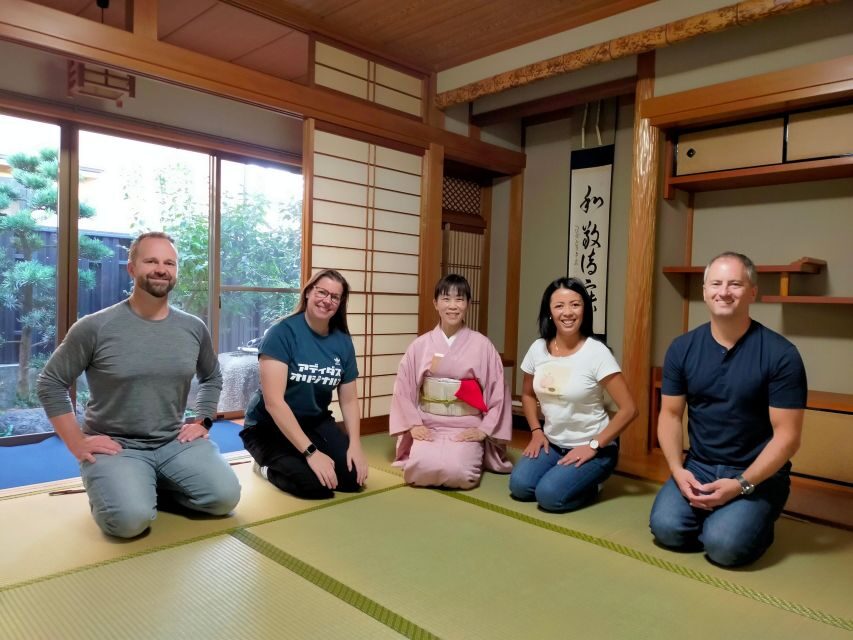
- Small group pacing (10 max) makes the instructions feel personal
- Matcha-making practice with the traditional bamboo whisk (chasen), then you make your own bowl
- Wagashi and matcha snacks so you taste what you’re learning
- Calligraphy option adds a hands-on cultural activity (with the calligraphy set provided when selected)
- Gion after-ceremony time: many participants were able to wear the kimono for a walk and photos, with some noting time up to 5pm
Why Gion Oritsuruya is a smart base for your Kyoto kimono day
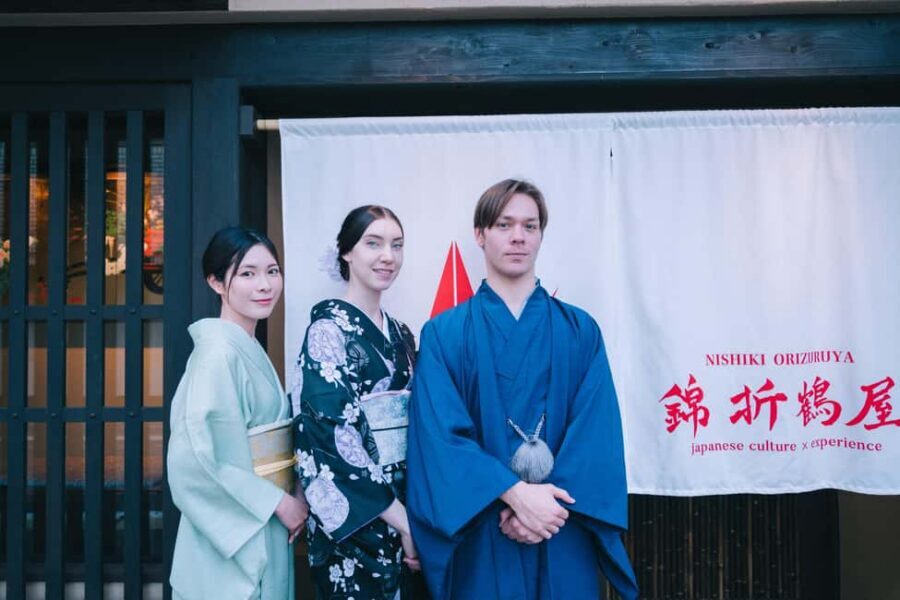
If you want a Kyoto cultural experience that doesn’t feel like a roadside performance, pick the neighborhood first. This one is in Gion-machi, the classic Kyoto district of old streets and traditional vibes. That matters because the kimono experience doesn’t end inside a building. The location makes it easy to roll your ceremony into a short walk afterward, which is exactly what many people did for photos and atmosphere.
The meeting point is clearly set: Gion Oritsuruya, 572-7 Minamigawa, Gion-machi, Higashiyama-ku. It’s also convenient. You’re looking at about a 10-minute walk from Hankyu Kyoto-Kawaramachi Station and about a 7-minute walk from Keihan Gion-Shijo Station. That’s helpful because your time in Kyoto is limited, and you don’t want to burn half your day figuring out a last-mile route.
Also, the program is designed for comfort. You’re not expected to know how to behave in a tea room before you arrive. The licensed guide and English instruction mean you can focus on learning, not guessing. That’s a big deal in Japan, where you’ll sometimes feel self-conscious about doing something “wrong” in cultural settings.
Finally, the overall rating is extremely high: 4.9 from 618 reviews. That doesn’t replace your own judgment, but it is a strong signal the operation is consistent.
A few more Kyoto tours and experiences worth a look


Selecting your kimono from 200+ designs (and dressing without stress)
Most kimono rentals in Kyoto are either fast photo stops or crowded line chaos. Here, the start is part of the experience—and it’s built around choice and guidance.
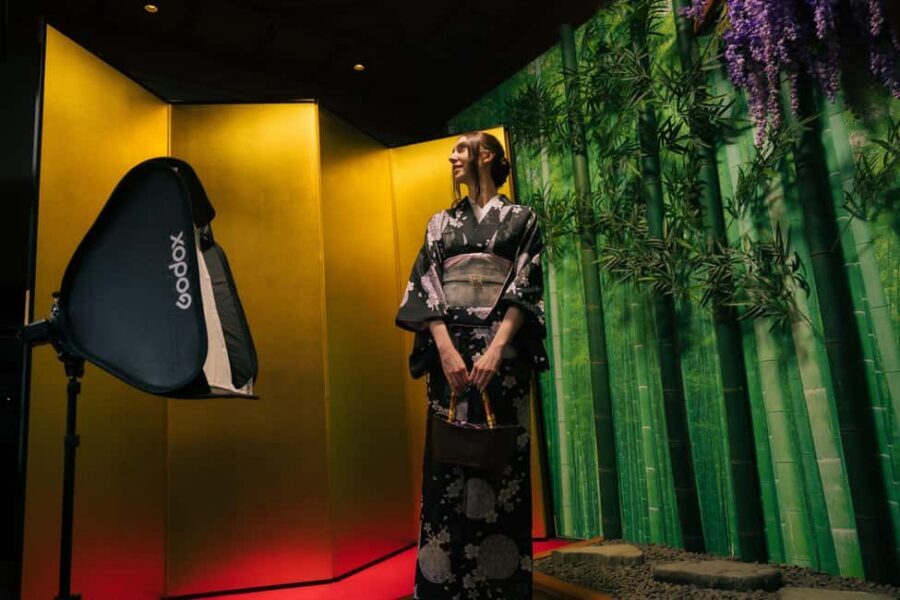
You begin by selecting your favorite kimono from over 200 designs. Then staff help you get dressed properly. This is where the experience earns its keep: you’re not wrestling fabric and knots you’ve only seen in videos. Multiple people mention that the dressing process feels professional and efficient, which keeps the whole day from turning into a logistical headache.
If you’re a woman, the included styling helps finish the look. The info you provided says complimentary hair styling (simple style) is included. Even if your hair isn’t perfect ahead of time, they help you land in a finished, camera-ready style that works with the kimono.
A detail worth caring about: many people reported feeling comfortable even if they weren’t sure they’d enjoy wearing a kimono in public. That’s not just luck. It’s usually the combination of the fit being right and the staff making you feel at ease while you change. If you’re nervous about the “am I doing this right?” part, this program’s structure is designed to remove that fear.
Practical tip: wear shoes that are easy to slip on and off. You’ll spend time adjusting and sitting during dressing, and the smoother you make the “clothes transition” part, the more enjoyable the ritual itself becomes.
The matcha tea ceremony: what you learn, and how you’ll feel while doing it
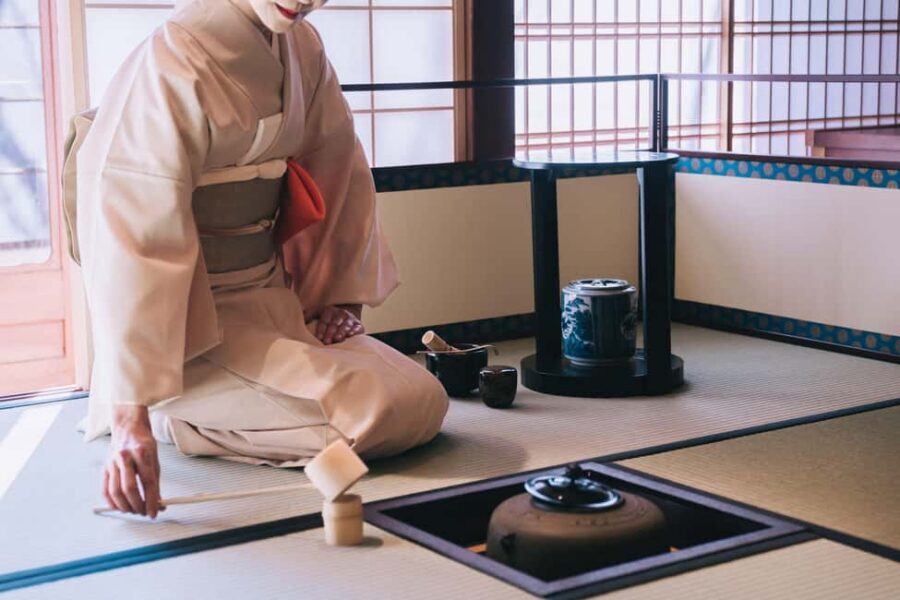
This is the core of the activity, and it’s run at a pace that helps you actually learn instead of just watch.
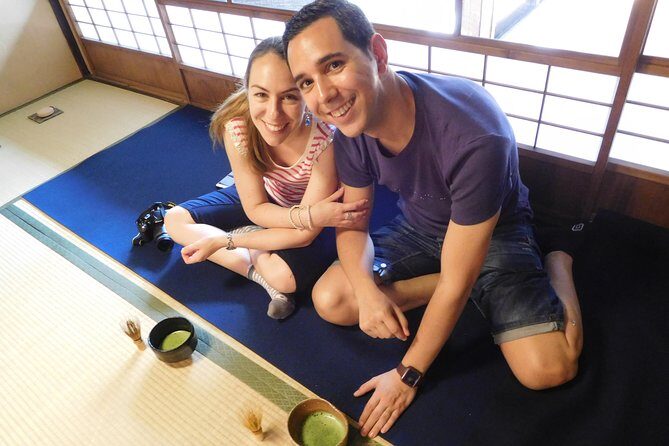
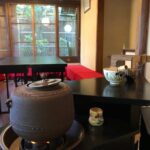
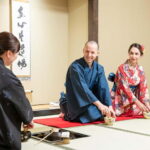
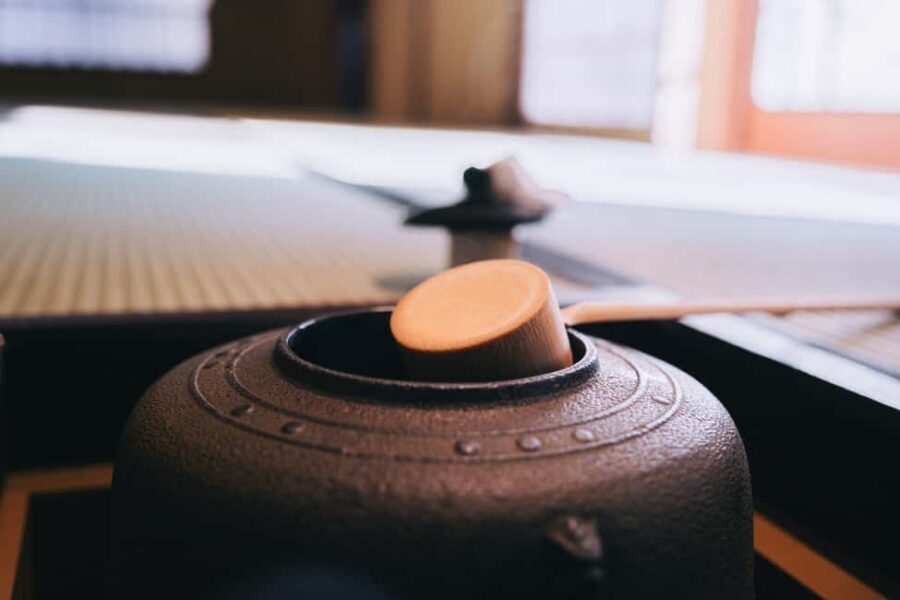
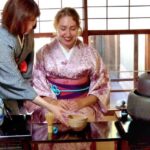
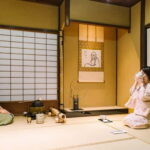
You’ll step into a serene tea room and receive instruction from an experienced instructor (English). Then you’ll learn the techniques for preparing matcha using a traditional bamboo whisk (chasen). The goal isn’t to impress anyone. It’s to understand the movement and timing behind a simple bowl of green tea.
What I like about the way this is set up for you: you don’t just get shown the motions. You also try making your own bowl. That’s where the “tea ceremony experience” becomes a skill you can repeat later at home.
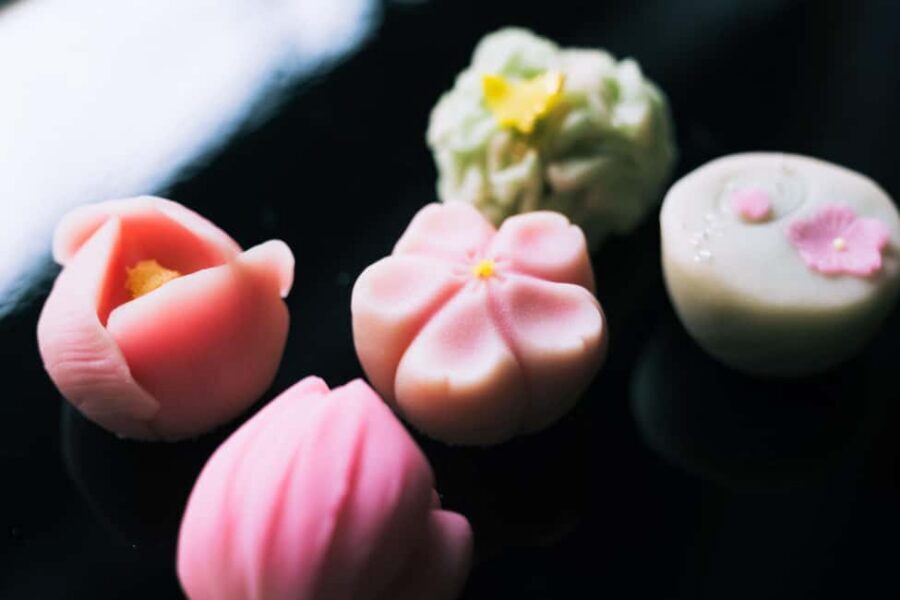
You’ll also taste your result. The included snacks include wagashi and matcha, which are small but important. Wagashi is sweet and often delicate, and it’s meant to balance the matcha. Eating what you’re served during training helps you connect the theory to flavor.
From the reviews, one theme shows up again and again: people appreciated explanations that were detailed without being stressful. Several mention being able to ask questions about matcha—how it’s made and what makes different types different. So if you’re the type who likes to understand the why, you’ll probably enjoy this more than a purely performative demo.
Expect the mood to shift toward calm. Even if you’re visiting in busy Kyoto traffic hours, the ceremony itself slows you down. That can be refreshing in a trip packed with shrines, temples, and lines.
Snacks, photos, and time after the ceremony in your kimono
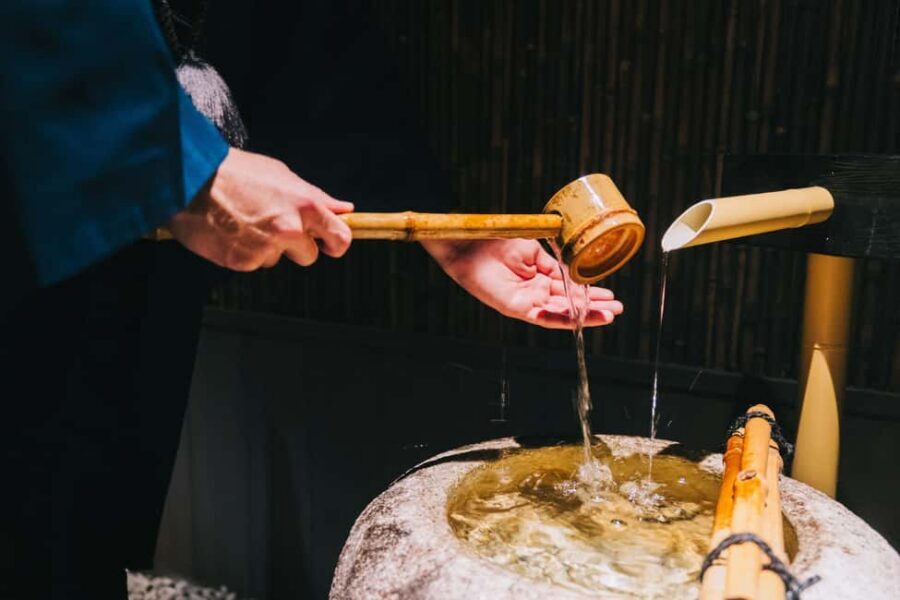
The ceremony isn’t the end of the story. A lot of the value here is what happens afterward—especially if you take advantage of the kimono time.
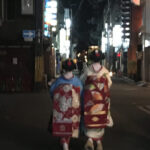
Several reviews mention the ability to keep the kimono on and walk around in the area afterward for photos, with some noting time until 5pm. One person specifically mentions a quick temple visit that’s about a 10-minute walk. Another mentions choosing how long to wear the kimono up to a certain point, which is useful if weather is a factor (cold days can change your comfort fast).
This part matters because Kyoto photography in a kimono looks best when you’re not rushing. If you schedule it well, you get that classic Gion street atmosphere without turning it into a half-hour production line.
Also, the staff being photo-friendly is not a small thing. Multiple reviews note help with photos and a friendly, polite attitude throughout the process. If you’ve ever tried to coordinate group photos in a busy Japanese street, you already know how hard it can be. Having someone assist removes friction and lets you enjoy the moment.
Food-wise, the wagashi and matcha are more than a snack token. They give you the full “tea room” experience: sweet accompaniment, matcha bitterness, and the ritual tempo that goes with it.
Adding Japanese calligraphy: when the extra time is worth it
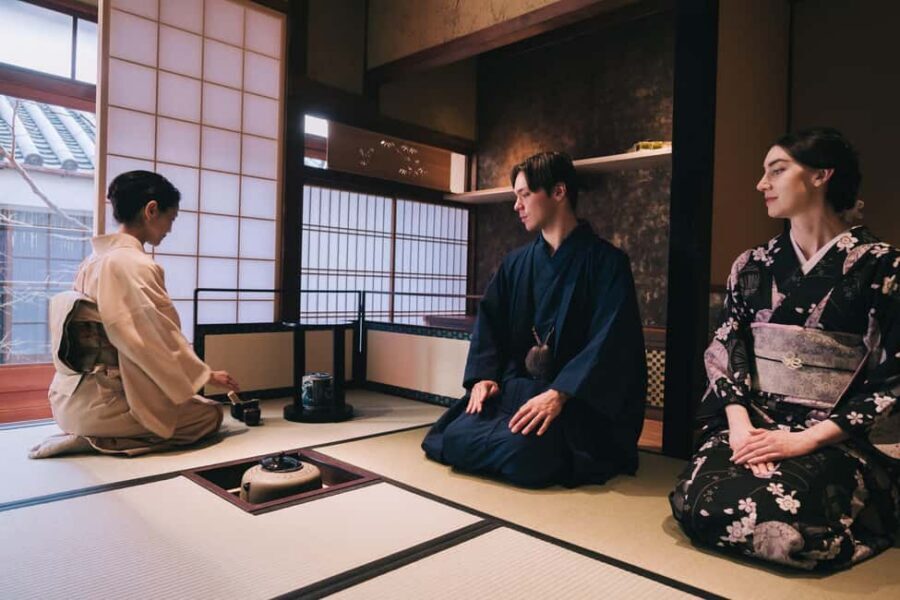
There’s an option that extends the experience to about 2 hours: the kimono tea ceremony plus a Japanese calligraphy experience. When you choose this option, you’ll get Japanese calligraphy set rental included.
From the reviews, calligraphy is a standout for many people, even those who originally thought they only wanted tea and kimono. The common thread: the instruction feels patient, and the lesson can be challenging in a good way. That’s exactly what you want from an activity like this. It’s not just busywork. You’re doing something with your hands and learning a cultural skill.
If you’re trying to choose between tea-only and tea-plus-calligraphy, here’s the practical way to think about it:
- If you want the calmest, most focused experience, choose tea-only at around 90 minutes to 2 hours depending on the exact slot.
- If you like “practice-based learning” and want one more cultural activity, calligraphy turns it into a fuller experience without needing any extra planning.
One more point: your calligraphy lesson and tea experience are tied together in the overall cultural theme. It’s the kind of pairing that keeps the day cohesive, rather than stacking unrelated activities.
A few more Kyoto tours and experiences worth a look


Price and value: is $49 really fair for Kyoto?
At $49 per person, you’re paying for more than matcha. You’re paying for a structured, guided cultural moment that includes:
- Kimono set rental
- Tea ceremony utensil rental
- (When selected) calligraphy set rental
- Hairstyling (simple style) for women
- Snacks (wagashi and matcha)
- All fees and taxes
- A licensed guide
- English instruction
- Skip-the-line handling for the activity process
So where does the value land?
First, the kimono part isn’t just “rent a robe.” You get staff help to wear it correctly and hair styling if applicable. In real terms, that saves you time and trouble, and you avoid the common rental mistake: you look like you borrowed something rather than wearing it properly.
Second, matcha isn’t just tastings. You learn the basic technique and make your own bowl. That’s the difference between a passive show and something you carry home as a real memory plus a skill.
Third, small-group size (max 10) supports the value. If it were a huge crowd, English explanations and question time would disappear. Here, the structure supports a calmer pace.
Could you spend less in Kyoto? Sure, if you’re only trying to take photos or do a quick tasting. But this price is competitive for a guided cultural workshop that includes wardrobe, instruction, snacks, and utensils.
If you want one “book now” cultural activity in Kyoto that’s low-stress and high-reward, this is priced like something you’ll feel happy about later.
Who should book this, and who might want a different plan
This experience fits best if you want:
- A calm, guided activity with English instruction
- A safe way to experience tea culture without worrying about etiquette
- Hands-on learning (matcha technique, and calligraphy if you choose it)
- A chance to wear a kimono in a way that feels supported, not chaotic
It’s also great for:
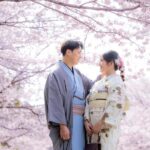
- Couples: many people come as pairs and enjoy the photos and shared ritual
- First-time Japan visitors who want one classic cultural activity done well
- Gift-givers: more than one review mentions it felt like a memorable present
You might consider another type of activity if:
- You’re only interested in quick temple-sightseeing and don’t want a slower two-hour block
- You hate sitting for structured lessons, even short ones
- You’re only chasing street photos and don’t care about tea technique or calligraphy
The best part is that you can tailor the tone. If you keep your expectations right—tea ritual as the main event—you’ll likely leave feeling like you learned something real.
Quick planning tips for your day in Gion

Do a little prep and the whole experience goes smoothly:
- Bring a light layer. Even if Kyoto is pleasant, tea rooms and the walk in kimono time can feel different depending on weather.
- Wear shoes that are easy to remove and put back on.
- If you’re booking early or late, think about comfort for any kimono walk time afterward. Some participants noted they could wear kimono until around 5pm, and time choices were flexible up to a point.
- If you’re doing calligraphy, plan for a quieter next stop afterward. You’ll likely be focused during the lesson, and you might want a relaxed meal afterward.
Also, since the meeting point is a short walk from two major stations, you’re not locked into one route. That makes it easier to connect with other Gion plans.
Should you book Kyoto: Kimono Tea Ceremony at Orizuruya Gion?
Yes, if you want one Kyoto experience that combines dressing, a guided tea ritual, and actual hands-on practice in a small setting. The mix of kimono selection (200+ designs), matcha-making with chasen, and the option for calligraphy makes it feel like more than a photo stop.
Book it especially if:
- You want something culturally meaningful but not stressful
- You’d rather learn than just watch
- You appreciate small-group attention and English instruction
Skip it if:
- You want fast-paced sightseeing above all
- You’d rather do a self-guided “kimono rental + wander” with no structured instruction
If you’re on the fence, choose the calligraphy option. The reviews suggest it’s often the part that surprises people—in a good way—because you leave with a new skill, not just memories.
FAQ
How long is the kimono tea ceremony?
The kimono tea ceremony runs about 90 minutes to 2 hours, depending on the option and start time. The kimono tea ceremony plus Japanese calligraphy experience is about 2 hours.
What does the price include?
The experience includes snacks (wagashi and matcha), kimono set rental, tea ceremony utensil rental, and a licensed guide. Hair styling (simple style) is included. Calligraphy set rental is included only if you choose the calligraphy experience option.
Do I need to speak Japanese?
No. The instruction is listed as English, so you can follow along during dressing help and the tea ceremony teaching.
Is there a calligraphy lesson available?
Yes. There is a Japanese calligraphy option that adds time (total about 2 hours) and includes calligraphy set rental.
Can I keep the kimono after the ceremony?
Many participants reported being able to keep the kimono for a walk afterward, with time up to around 5pm mentioned in reviews.
Where is the meeting point?
You meet at Gion Oritsuruya, 572-7 Minamigawa, Gion-machi, Higashiyama-ku, Kyoto-shi, Kyoto.
How far is the meeting point from nearby stations?
It’s about a 10-minute walk from Hankyu Kyoto-Kawaramachi Station and about a 7-minute walk from Keihan Gion-Shijo Station.
What is the cancellation policy?
Free cancellation is available up to 24 hours in advance for a full refund.