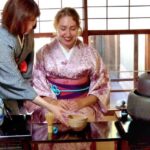
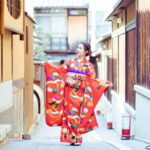
Kyoto’s old houses still feel magical. This Kyoto Kimono and Tea Ceremony Experience at Tondaya lets you step into a 140-year-old machiya and wear high-quality silk kimonos before watching (and learning from) a traditional tea ceremony in a real historic townhouse. It is built for people who want more than photos on a street corner.
I especially like the way the experience starts in the kimono dressing room, with staff helping you get fitted quickly so you can get to the calm part faster. I also like that the tea ceremony is led by a seasoned tea master inside the machiya, not in a generic studio. The main catch to know up front: if you choose the standard option, it runs as a group experience, so it can feel crowded and you may share space, seating, and photo time with other participants.
In This Review
- Quick take: what makes this Kyoto experience work
- Tondaya: stepping into a 140-year-old Kyoto machiya
- Getting fitted in silk kimono in about five minutes
- The tea ceremony: what you’ll actually do in the machiya
- House tour time: gardens, woodwork, and photo chances
- Group pacing, crowding, and the “quiet tea” behavior test
- Price and value: is $222 reasonable for Kyoto kimono + tea?
- Getting there and what to do before you arrive
- Who should book this kimono and tea ceremony at Tondaya
- Should you book?
- FAQ
- FAQ
- Do I need to bring socks?
- Is there kimono dressing included?
- Can I take photos during the experience?
- Is this experience a group or private session?
- What languages are used during the tour?
- How long does the experience take?
Quick take: what makes this Kyoto experience work
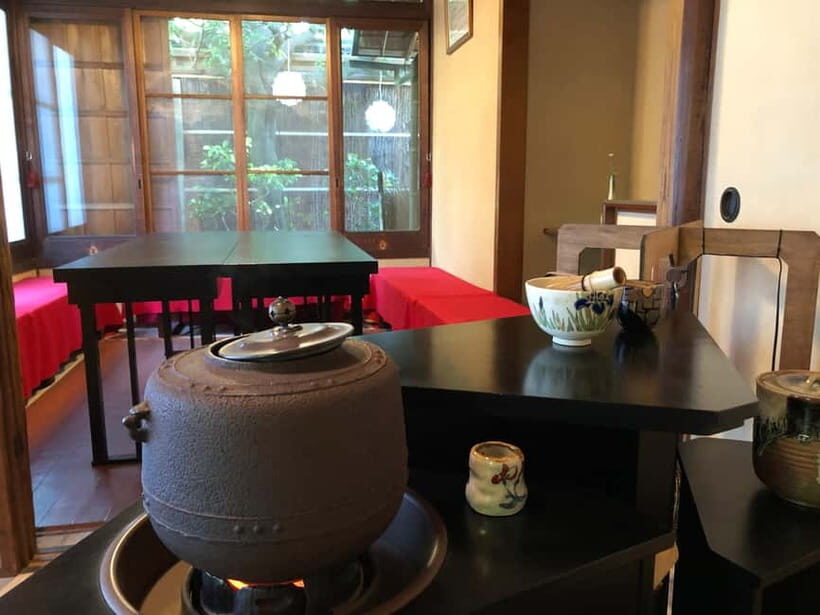
- Tondaya’s machiya setting: a nationally registered cultural property tied to Kyoto City’s cultural landmark recognition.
- Silk kimono dressing: you get fitted with help, with socks required and bare feet not allowed.
- Tea ceremony in a real townhouse: the ceremony happens in the traditional interior space, not a showroom.
- Photo opportunities in traditional rooms and gardens: plan for timing and rules during dressing and changing.
- Language support using English/Japanese: translation help may be used if needed.
- Group dynamic: if you pick non-private, expect other people in the house and ceremony room.
Tondaya: stepping into a 140-year-old Kyoto machiya
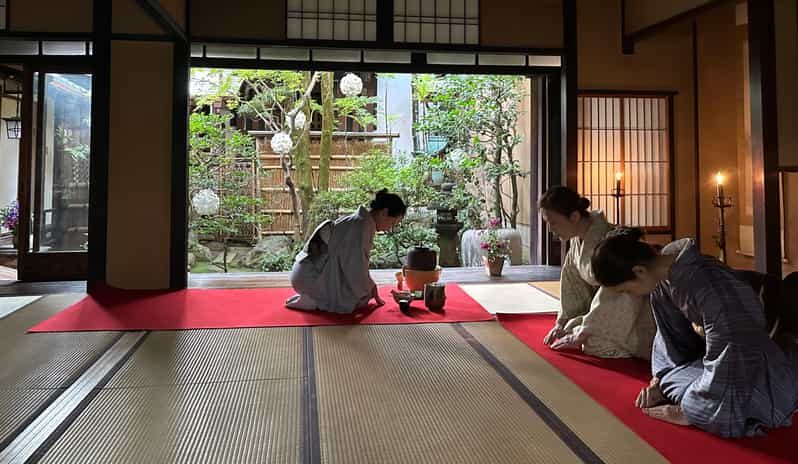
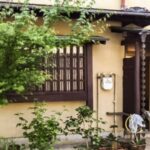
The star here is the building itself. Tondaya is a 140-year-old machiya that is officially recognized as a culturally significant property, so you’re not just dressing up and doing an activity—you’re visiting a place with a real past. The townhouse style matters because machiya were designed for daily life: woodwork, tucked-in rooms, and that soft, lived-in feeling you just don’t get in modern replicas.
As you move through the rooms with staff, you’ll get a guided look at the space and its historically valuable artifacts. It’s the kind of tour where the setting does half the work. You end up noticing small things, like how the rooms flow, how light hits the interior, and why tea culture fits so naturally into this kind of architecture.
If you’re the type who likes calm, slow travel, you’ll appreciate the pace. If you’re rushing, you might wish you had a longer block to soak it in. The good news: the experience is timed so you get tea plus time in the house without it dragging into an all-day event.
A few more Kyoto tours and experiences worth a look
Getting fitted in silk kimono in about five minutes
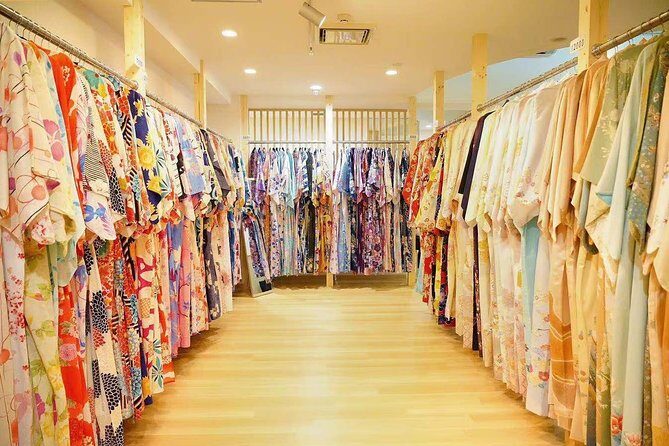
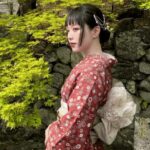
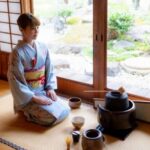
Kimono dressing is fast here. The experience includes kimono dressing, and the process starts right away in the dressing room. Staff help you choose and fit an authentic silk kimono, and the fitting is described as taking around five minutes, which is ideal because it reduces the time you’re stuck waiting around before the ceremony.
A few practical rules are worth taking seriously:
- You must wear socks. Bare feet are not allowed.
- Bring your own socks, and the guidance says to avoid stockings.
- Skip tight collars. Wear clothes that don’t pinch at the neck, so the kimono can sit correctly.
- If your T-shirt is wet, you may not be able to be helped in dressing. Bring a dry shirt to change into.
One detail I like is that you’re not expected to do this on your own. The staff can handle the practical side, including getting you dressed properly. Another detail to plan for: hair styling and makeup are not included, so if you want an intentional look under the obi, do that before you arrive.
There is also a “kimono reality” note. One person reported that taller guests ended up with larger kimonos that were solid colors, while shorter guests got nicer prints. So if kimono aesthetics are your main goal, consider booking a private option (if available for your date) or be ready for some styling variation based on size and what is ready in that session.
The tea ceremony: what you’ll actually do in the machiya
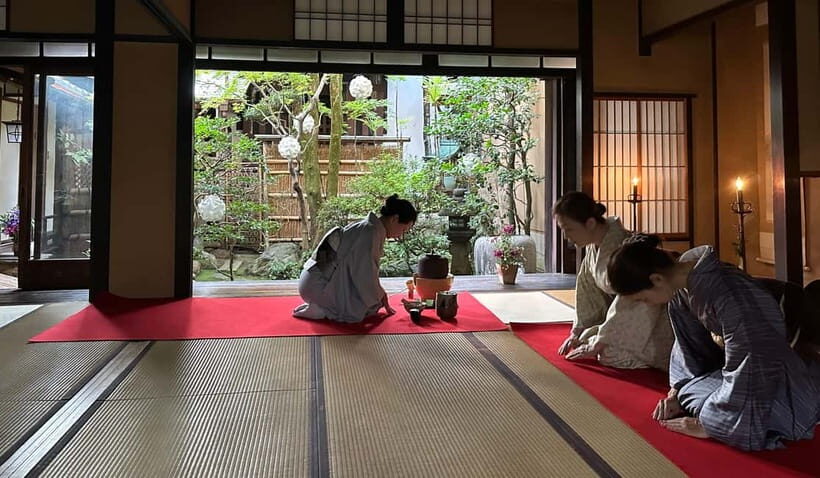
Tea culture in Kyoto is not about speed. Even when the ceremony itself is short, the whole point is attention: how you move, how you receive the bowl, and how the moment stays quiet enough to feel intentional.
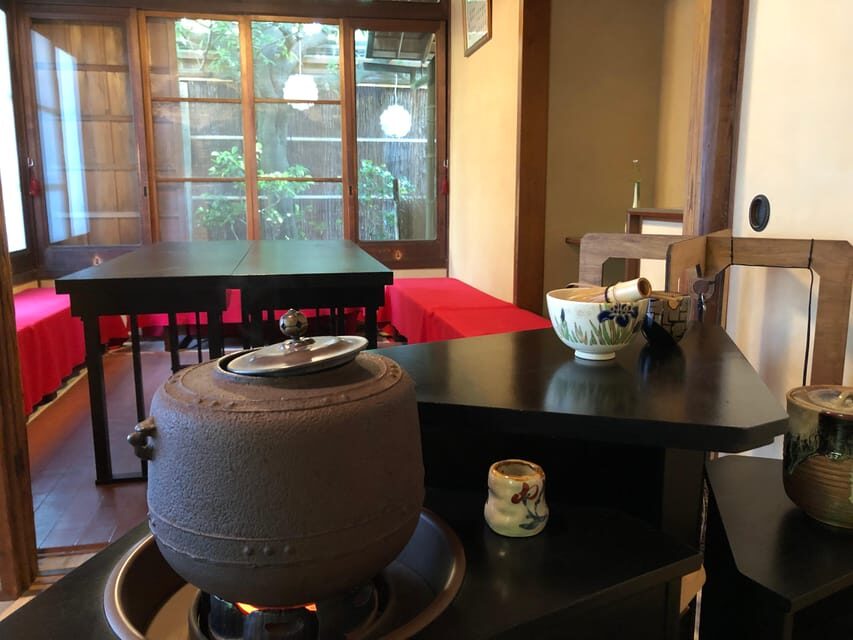
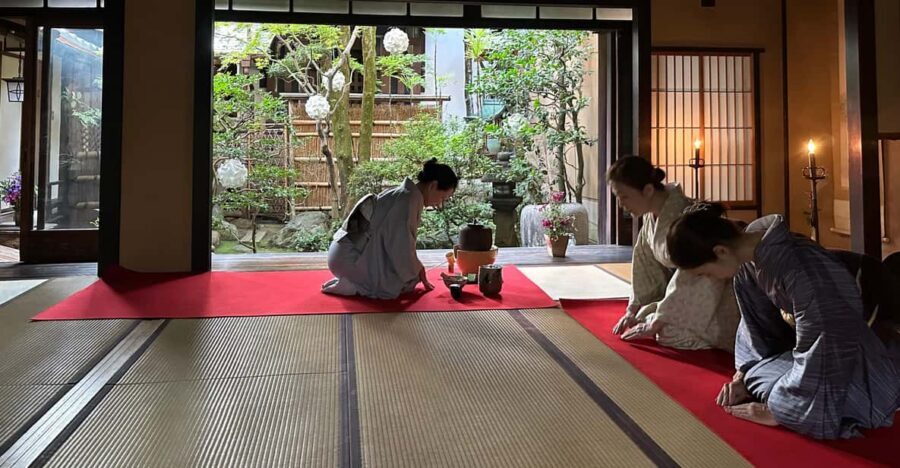
Here, the ceremony is prepared by a seasoned tea master in the traditional machiya setting. You’ll watch the performance and learn what is happening and why. That explanation piece is important because tea ceremonies can look repetitive from the outside—learning the logic makes the repetition feel meaningful instead of staged.
What to expect during seating:
- You’ll sit on the floor, which means you’ll want to be comfortable with kneeling or seated posture.
- Some sessions have a few small chairs available, so you might find options depending on the setup that day.
Also, you may not get the same kind of hands-on role as you’d expect from a DIY tea workshop. One person mentioned wanting more chance to mix tea. That doesn’t mean you won’t learn or participate, but it’s a useful reminder to align expectations: this experience focuses on the tea master’s ceremony plus instruction, not an every-guest training lab.
And yes, matcha matters. The ceremony includes the serving of tea, and the experience is built around you experiencing it in the townhouse atmosphere, where the room’s quiet and details make the tea feel part of the architecture.
House tour time: gardens, woodwork, and photo chances
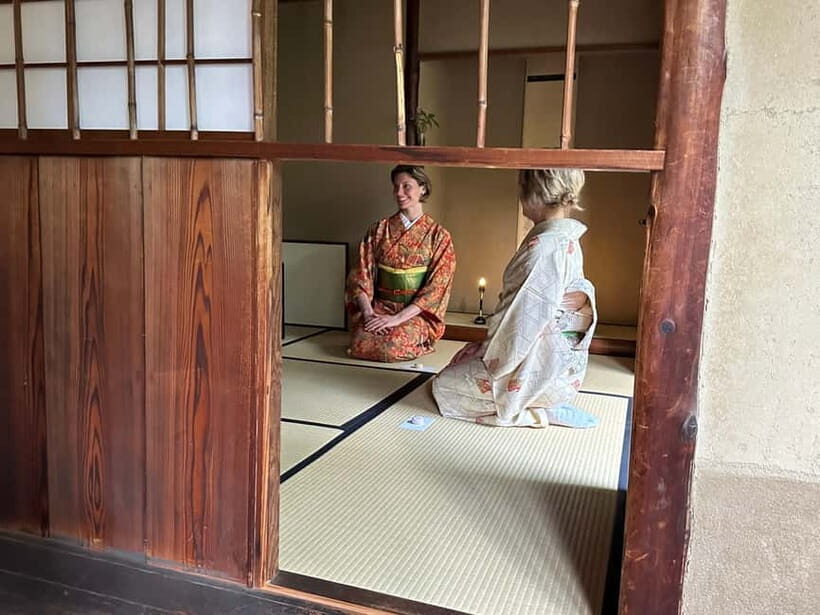
Between dressing and tea, you’ll get a guided walkthrough of Tondaya. The most useful part of this isn’t just seeing artifacts. It’s understanding the space—how the rooms are laid out, what you can notice as a first-timer, and how the house supports tea culture and traditional living.
This is also when photography becomes a big part of the value. The experience is marketed as a photo-worthy Kyoto moment, and the machiya interior plus traditional garden views give you a real variety of backdrops. You’ll get time for your own photos, and multiple people highlighted that they had plenty of time to take pictures.
One caution: photo rules can change depending on where you are in the process. A report noted that photos were not allowed during kimono dressing or while changing/undressing. So treat it as likely that your phone will be out for the house tour and photo time, but not during every step of the changing process.
If you care about angles for the tea ceremony, don’t assume you’ll see the tea master clearly from every seat. One person specifically mentioned that some had a better view than others. If the setup allows it, arrive early and pay attention when seating gets arranged. Even small changes in where you sit can change whether you get a great view of the main action.
Group pacing, crowding, and the “quiet tea” behavior test
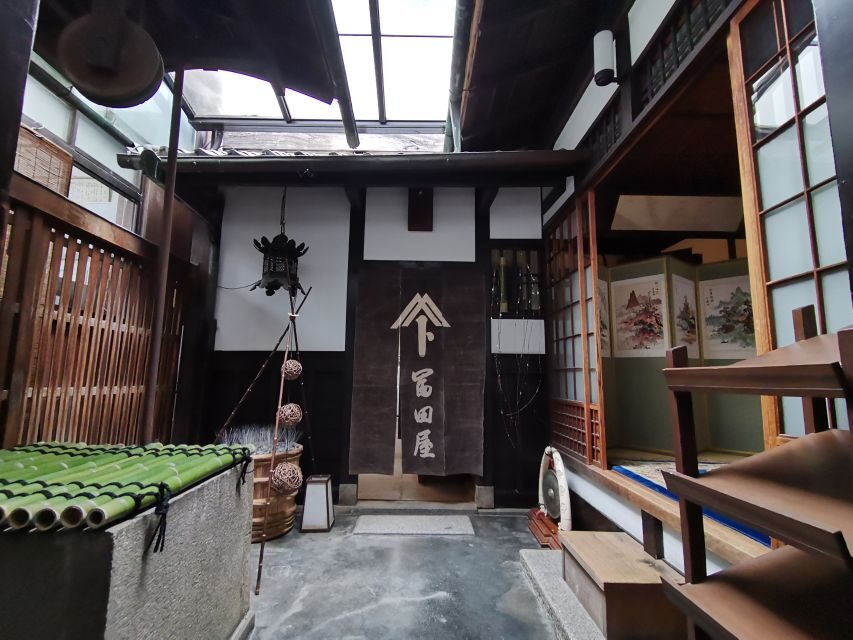
This experience often runs as a group session. That affects everything: how quickly you move from dressing to tea, how many people are in each room, and how much personal attention you get.
A few practical outcomes of group format:
- You may have to wait at times, especially for tea ceremony seating.
- The house tour can feel busy with multiple people inside at once.
- If staff language support is limited, you might rely on a translation device or app when needed.
The vibe matters here. Tea ceremonies are meant to be mindful. One of the stronger negative notes wasn’t about the ceremony at all—it was about other participants being loud, using phones too much, and disrupting the hosts. If you book this, do yourself and everyone else a favor: put your phone away during the ceremony, be quiet, and let the tea master lead.
If you want a calmer environment, choose private. The private option exists for a reason, and it’s the best way to reduce crowd pressure, increase chances for direct questions, and get more room for photos without shoulder-to-shoulder timing.
A few more Kyoto tours and experiences worth a look

Price and value: is $222 reasonable for Kyoto kimono + tea?
At $222 per person, this isn’t a budget activity. But it also isn’t a generic “cultural performance” where you sit, clap, and leave. You’re paying for three bundled elements:
- entry and access to the Tondaya property
- kimono dressing support
- a tea ceremony performed by a tea master in a historic townhouse
Whether that value works for you comes down to what you want out of Kyoto.
If you want a once-in-a-trip memory where you can dress in a Kyoto-typical silk kimono and experience matcha in an authentic machiya, the price can make sense. Several people directly called out the tea ceremony and the townhouse setting as the core payoff.
If you mainly want a short photo stop, or you are very price-sensitive, you’ll likely feel it’s expensive for what is ultimately about about 90 minutes to a few hours of time (depending on the session and any waiting).
A smart way to decide: ask yourself if you’d pay extra for the building and the dressing guidance, not just for the act of watching tea. If yes, go for it. If you’d rather spend less and keep moving through Kyoto, you may prefer a lower-cost kimono rental plus a separate tea tasting elsewhere.
Getting there and what to do before you arrive
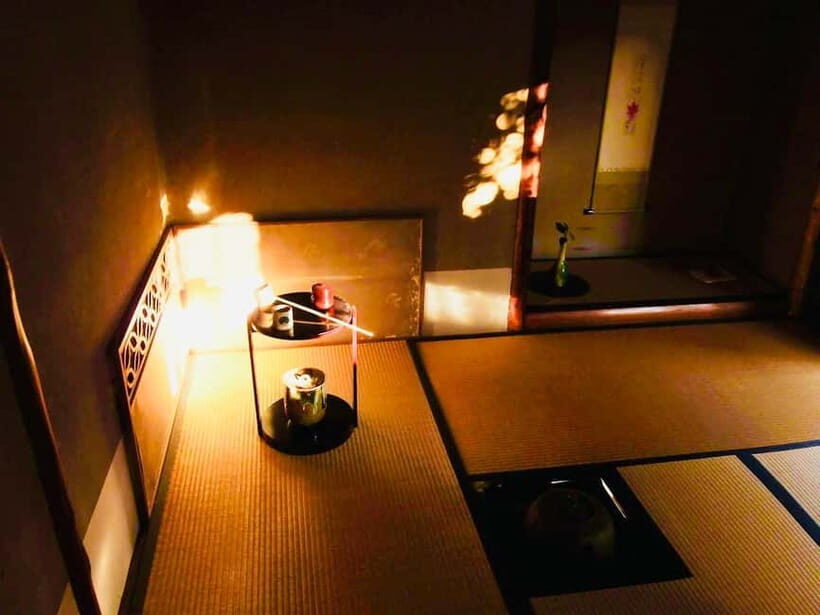
The meeting point is Tondaya – Nishijin Japanese Cultural Experience Museum, 697 Ishiyakushichō, Kamigyo Ward, Kyoto.
From a practical standpoint, locations around Nishijin and Kamigyo can be a little tricky for late-stage pickup. One person mentioned having trouble getting a taxi from the location even with an Uber app. So don’t plan to wing it at the last minute. If you’re using a ride service, give yourself extra time, or plan a transit route and a short walk.
Before you leave your hotel, do a quick outfit check:
- wear loose clothing around the neck
- bring clean socks
- bring a dry T-shirt to change into, if there’s any chance your shirt could be damp
Also consider timing. People reported that arriving early helps the day flow because dressing and transition steps move faster when you’re already ready.
Who should book this kimono and tea ceremony at Tondaya
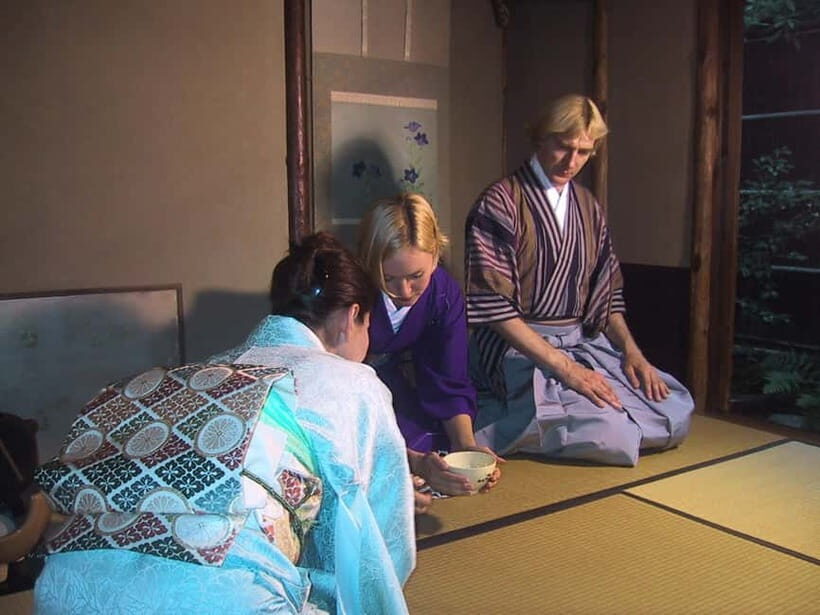
This experience fits you best if you want:
- a true Kyoto townhouse setting, not a staged showroom
- kimono dressing help without doing it yourself
- tea ceremony instruction plus a calm, traditional environment
It may be less ideal if:
- you’re easily overwhelmed by crowds and prefer quiet spaces
- you need lots of English explanation, since some staff may use translation support rather than fluent continuous English
- you want a very hands-on tea-making role (this is centered on the ceremony as performance plus learning)
If you’re going with a friend and you want photos with less crowding, private can be worth the upgrade. If you’re traveling solo and flexible, the group option can still be a great way to get the full package in one sitting.
Should you book?
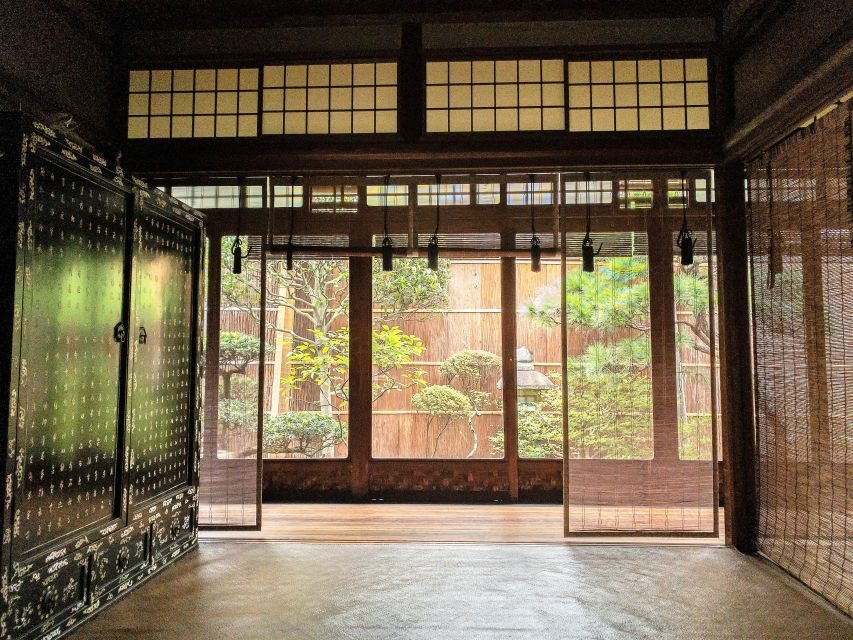
Book this if you care about doing Kyoto traditions—silk kimono dressing, then matcha tea in a historic machiya—rather than just ticking off an activity. The value is strongest when you want both the building and the tea master experience, and when you’re okay with group energy.
Don’t book (or go private) if you hate crowds, need lots of detailed garment education, or get stressed when other people aren’t mindful. Tea culture is sensitive to noise, and your enjoyment rises fast when the room stays quiet.
FAQ
FAQ
Do I need to bring socks?
Yes. Socks are required, and bare feet are not allowed. Bring your own socks, and avoid stockings.
Is there kimono dressing included?
Yes. Kimono dressing is included, and staff will assist you with choosing and fitting your kimono in the dressing room.
Can I take photos during the experience?
You should plan to take photos during the house tour and photo time. Some sessions restrict photos during kimono dressing and while changing, so follow the host’s instructions at each step.
Is this experience a group or private session?
It can be either. The standard experience is conducted in a group with other participants, while the private experience option is also available.
What languages are used during the tour?
The experience lists English and Japanese. If not all staff members speak English fluently, a translation device may be used when necessary.
How long does the experience take?
The duration is listed as 90 minutes to 4 hours, depending on the session start time and how the day’s flow works.