Bamboo in Kyoto, plus monkeys. This 5-hour walk through Saga-Arashiyama strings together bamboo, Zen gardens, and quick scenic stops with a guide leading the way (often including guides like Mari, who gets praised for being kind and helpful). I especially love the small group size feel, so you’re not stuck behind a wall of people, and you get enough guidance to move smartly between sights without playing navigation bingo.
The one thing to consider: you’ll do a 20-minute hike as part of the Iwatayama Monkey Park portion, so comfy shoes and a steady pace matter.
In This Review
- Key reasons this tour is worth your time
- Why Arashiyama’s bamboo-and-gardens loop works in 5 hours
- Meeting points and moving between sights (without stressing)
- Arashiyama Kimono Forest and Togetsukyo Bridge: quick hits with big payoff
- Iwatayama Monkey Park: the hike, the payoff, and pacing tricks
- Tenryu-ji Temple gardens: Zen calm with UNESCO-level context
- Arashiyama Bamboo Forest: where the air changes and the photos get better
- Nonomiya Jinja in a bamboo grove: a smaller stop that changes the mood
- Okochi Sanso hillside garden: views that make the effort feel worth it
- Price and what you’re really paying for (the $60 question)
- Who this tour is best for (and who might want a different day)
- Should you book the Bamboo Grove Temple and Garden Views Tour?
- FAQ
- How long is the Bamboo Grove Temple and Garden Views Tour?
- What time does the tour start?
- Where do I meet and where does the tour end?
- Is public transportation included in the price?
- What admissions are included?
- Is this tour physically demanding?
- What’s the group size limit?
- What if the weather is bad?
Key reasons this tour is worth your time
- Small group cap (up to 12 travelers) means smoother movement and more guide attention
- Photo-heavy opening at Arashiyama Kimono Forest with 600 kimono-wrapped pillars
- Iconic views early at Togetsukyo Bridge over the Katsura River
- Iwatayama Monkey Park hike plus included entry, for real nature watching
- Two temple/garden hits: Tenryuji (UNESCO) and Okochi Sanso (actor Denjiro Okochi’s hillside garden)
- Bamboo atmosphere goes deeper with a shrine stop in a bamboo grove (Nonomiya Jinja)
Why Arashiyama’s bamboo-and-gardens loop works in 5 hours
Arashiyama is one of those Kyoto areas where you can burn a whole day and still feel like you saw only half of what’s there. This tour is built for the opposite goal: pack in the best nature and garden views without turning it into a sprint with no plan.
You’ll start the day at 8:30 am and end near the Arashiyama side of town, which keeps the morning efficient. Along the way, the guide’s job isn’t just “say a few facts.” It’s more practical: pacing, routing, and commentary that helps you understand what you’re looking at while you’re still standing there, not an hour later with your phone at 3%.
And yes, there are photo moments. The trick is that they’re not all the same vibe. You get bamboo paths, temple pond scenery, shrine calm, and even a macaque stop that feels like you escaped into the wild for a little while.
A few more Kyoto tours and experiences worth a look

Meeting points and moving between sights (without stressing)
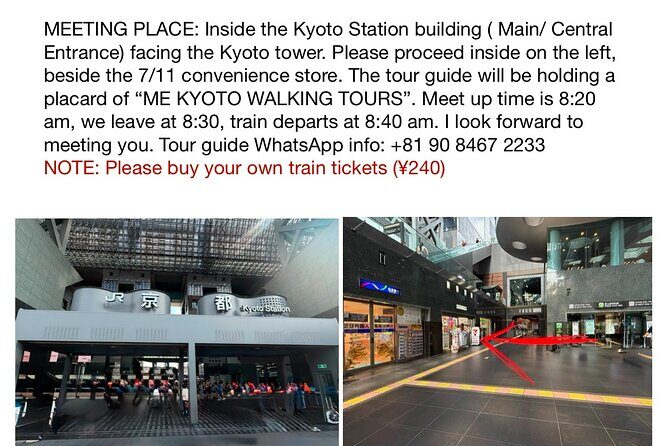
This tour is set up for easy joining and leaving. You meet at Kyoto Station (Higashishiokoji Kamadonocho, Shimogyo Ward) and finish at Randen Arashiyama Station Center (near Tsukurimichi-cho area). That end point matters because it places you in position to keep exploring Arashiyama after the tour instead of backtracking the same way.
One cost note: public transportation isn’t included. The tour lists ¥240 per person for transit, so budget that in if you’re calculating total trip costs. It’s not a deal-breaker, but it does mean the $60 isn’t the only number you’ll see.
If you’re trying to travel light, remember you’ll be walking between different spots and also climbing a bit for the monkey park area. A small day bag with water helps. The tour also uses a mobile ticket, which is convenient when you’re moving quickly.
Arashiyama Kimono Forest and Togetsukyo Bridge: quick hits with big payoff
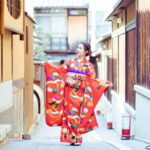
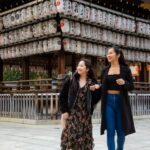
The day opens with Arashiyama Kimono Forest, a walkway lined with 600 glowing pillars wrapped in traditional kimono textiles. The look is very “Kyoto-at-a-glance,” but it’s more than a gimmick. It’s a controlled, scenic entry point that helps you get into the mood fast, and it’s ideal when you want photos without immediately wrestling crowds at a major temple gate.
Next comes Togetsukyo Bridge, where the Katsura River runs below and the Arashiyama mountains frame the background. This stop is short, so you’ll want to decide quickly: do you want a river-facing shot, a mountain backdrop, or a perspective that includes both? The bridge view changes with your angle, so even with limited time, you can still get more than one strong photo.
If you’re the type who hates rushing photos, you’ll still be fine here. The advantage of having a guide is that you can spend those few minutes looking instead of wondering where to go next.
Iwatayama Monkey Park: the hike, the payoff, and pacing tricks
The most active part of the tour is Iwatayama Monkey Park. You’ll hike for about 20 minutes (the total stop is listed closer to an hour), then enjoy monkey viewing time with admission included.
Two things make this stop special for most people:
- You’re not just “seeing an animal exhibit.” You’re walking a trail to reach a natural habitat setting.
- You get wild Japanese macaques roaming freely (over 120 are mentioned), so the experience has that unpredictable, watch-and-wait energy.
The hike is listed as 20 minutes, but the more important question is how it feels for you. If you’re used to city walking, it may be manageable. If you’re carrying luggage, wearing slippery shoes, or arriving tired, it can feel longer than the stopwatch suggests.
Practical tip: keep your pace steady and don’t sprint uphill. The macaques tend to show themselves in bursts, and arriving calm gives you more chances to watch behavior instead of just scanning for movement.
Tenryu-ji Temple gardens: Zen calm with UNESCO-level context
After the monkey park, the tour shifts into quieter territory with Tenryu-ji Temple. This is a UNESCO World Heritage site, and you’ll spend around 30 minutes inside the garden area with admission included.
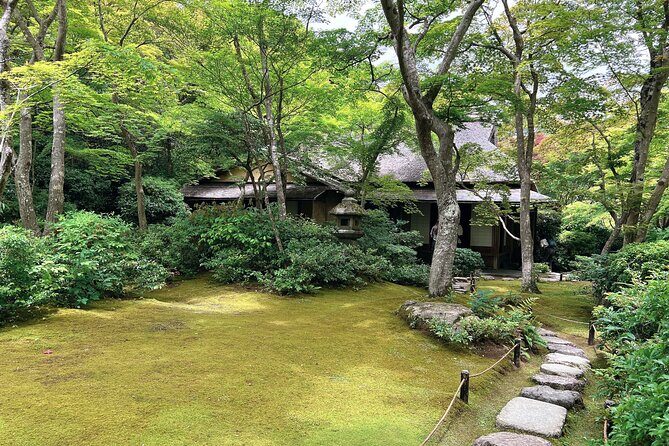
Tenryu-ji’s garden is known in part for the way it guides your attention: you move along paths that bring you past a tranquil pond, artfully placed stones, and plants that shift with the seasons. The best way to enjoy this kind of garden is slow looking. You’re not there to “check the box.” You’re there to notice how the view changes as you walk a few steps.
A realistic consideration: because your time here is limited, you won’t be doing a long, lingering session like you might on your own. But that’s also the point of the itinerary. Tenryu-ji gives you a true Zen garden moment without taking over the whole day.


Arashiyama Bamboo Forest: where the air changes and the photos get better
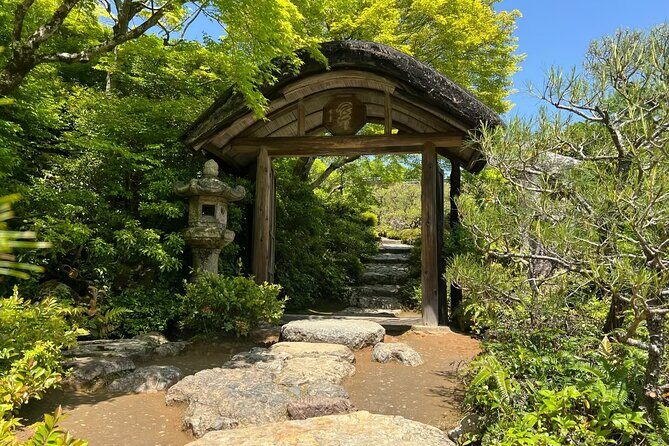
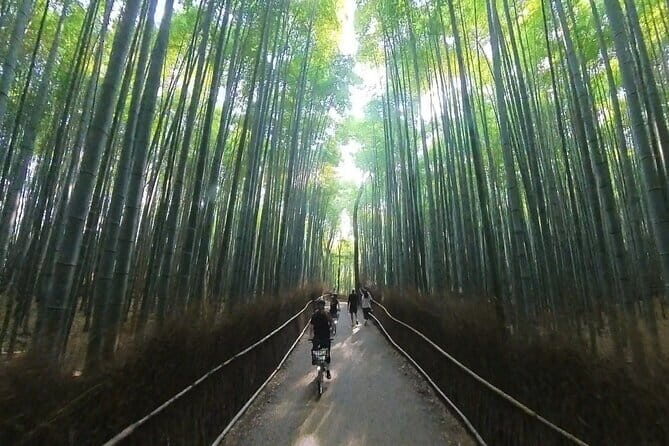
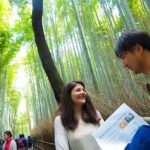
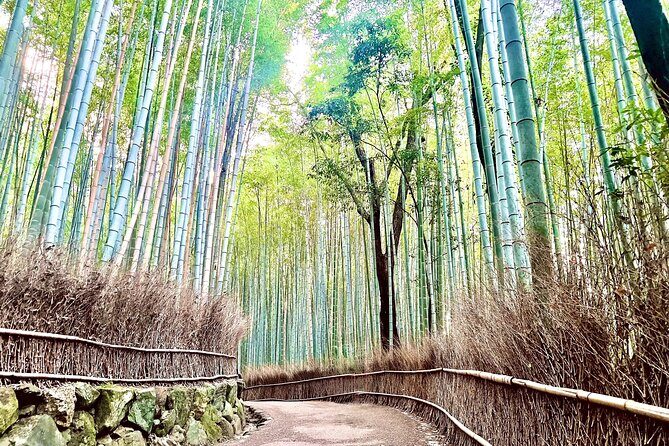
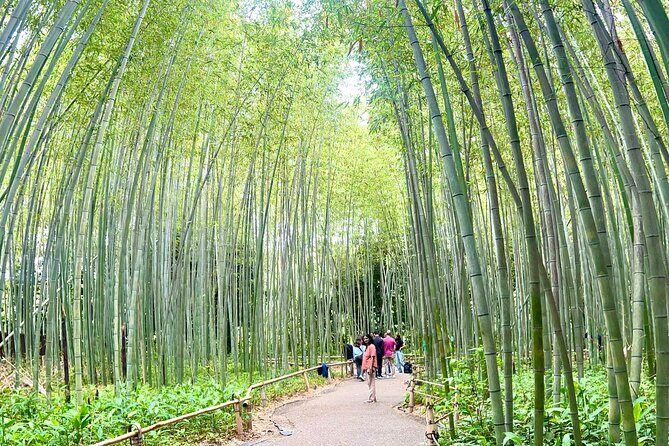
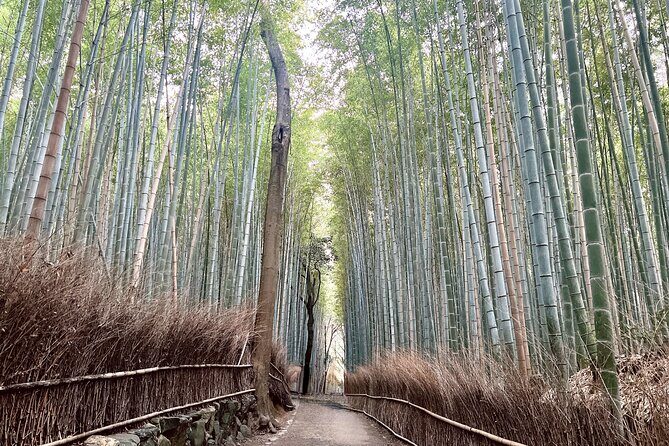
Then you get back to bamboo with Arashiyama Bamboo Forest. You’ll walk for about 30 minutes in a space of towering stalks that sway overhead. Sunlight filters through the canopy, creating that cool, shaded feel people associate with bamboo groves.
This is also where your photo strategy can matter. If you keep shooting from one spot, you’ll feel like your photos look similar. If you walk slowly and change angles, you can get multiple moods: vertical stalk lines, softer background blur, and the way light hits the path.
Also, this stop lists admission as free. That’s nice because it means you’re spending money where it counts (and it keeps your day from getting chopped up by paid entries at every corner).
Nonomiya Jinja in a bamboo grove: a smaller stop that changes the mood
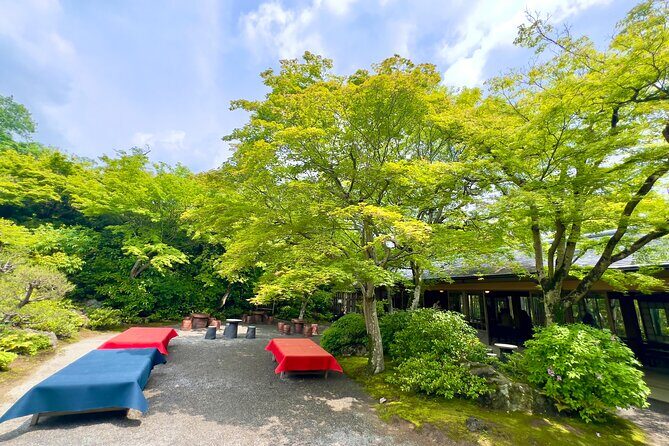
One of the clever parts of this itinerary is that it doesn’t treat every bamboo-related location as the same thing. You’ll also visit Nonomiya Jinja, a small Shinto shrine tucked into a bamboo grove.
The shrine is noted for connections to imperial history and for blessings connected to love and purification. Even if you don’t plan to interpret that deeply, the practical value is mood. Shrines tend to slow your breathing and lower your voice. It’s a reset after walking, hiking, and photographing, and it gives the day a spiritual texture without forcing you into a long ceremony.
This stop is only about 15 minutes, so it won’t interrupt your momentum. It’s just enough time to feel like you changed gears.
Okochi Sanso hillside garden: views that make the effort feel worth it
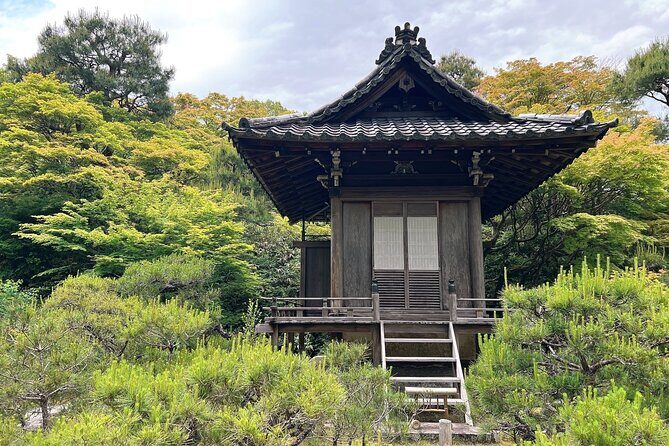
Next up is Okochi Sanso Garden, a hillside villa-and-garden built over 30 years by actor Denjiro Okochi. You’ll have about 30 minutes there, and admission is included.
The main reason people love Okochi Sanso is the setting. It’s a hillside garden, so the experience includes panoramic views over Kyoto and toward Mount Hiei (the tour highlights this range of views). In other words, it’s not just bamboo and pond and stone. It’s also the “look out across the city” kind of reward.
In terms of value, this is a strong payoff stop because the gardens are visually interesting even if you’re not spending your whole trip chasing famous temples. The time limit still applies, so go with intention: pick one view angle you want most, then explore the garden with that in mind rather than chasing every single photo from every single path.
Price and what you’re really paying for (the $60 question)
At $60 per person, this tour sits in the “structured day” zone rather than “budget walk.” The price makes more sense when you look at what’s included.
- Guide fee is included.
- Admission fees are included for Monkey Park, Tenryu-ji, and Okochi Sanso.
- Other stops are listed with free entry (like parts of the bamboo forest and the bridge/forest areas).
If you tried to do this loop on your own, you’d likely spend money on admissions anyway, and you’d spend time figuring out how to string stops together without zigzagging across Arashiyama. That’s where the guide earns the cost: you get an efficient route, commentary that helps you look better, and a small group that keeps movement smoother.
One more value factor: weather sensitivity. The tour notes it requires good weather, and if it’s canceled due to poor weather, you’ll be offered a different date or a full refund. That’s not “fine print.” It’s part of why the itinerary is timed tightly.
Who this tour is best for (and who might want a different day)
This tour is a great match if you:
- want multiple Arashiyama highlights without planning transport between each one
- enjoy gardens and nature more than big museums
- like taking photos but still want time to stop and look
- can handle a short hike up to the monkey park area
You might want a different style of day if you:
- hate any kind of incline (the monkey park portion includes a hike)
- want long, slow temple time without timeboxing
- are hoping for lots of unstructured wandering with no guide guidance
What makes it work is the balance: quick scenic stops, one active portion, two garden/temple areas, and a shrine moment that cools down your pace.
Should you book the Bamboo Grove Temple and Garden Views Tour?
If your ideal Kyoto day is bamboo scenery plus garden calm plus a little wildlife watching, this tour is a strong booking. It’s also good value for the area because key admissions are included, and you’re paying for a guide-led route rather than just access to a few sites.
Book it especially if you’d rather spend your energy enjoying the sights than figuring out the logistics. The small group limit (up to 12) helps a lot with that “I can move and breathe” feeling.
If you’re sensitive to walking, hills, or you want lots of extra time at one single temple, then consider a slower, self-paced approach instead. But for a morning-to-afternoon Arashiyama hit, this one is easy to recommend.
FAQ
How long is the Bamboo Grove Temple and Garden Views Tour?
The tour runs about 5 hours.
What time does the tour start?
The start time is 8:30 am.
Where do I meet and where does the tour end?
You meet at Kyoto Station (Higashishiokoji Kamadonocho, Shimogyo Ward) and end at Randen Arashiyama Station Center (20-2 Tsukurimichi-cho, right by the Arashiyama area).
Is public transportation included in the price?
No. Public transportation is listed as ¥240 per person.
What admissions are included?
Admission fees are included for Monkey Park Iwatayama, Tenryuji Temple, and Okochi Sanso Garden.
Is this tour physically demanding?
The tour information says travelers should have a strong physical fitness level, and the monkey park portion includes a 20-minute hiking segment.
What’s the group size limit?
The tour has a maximum of 12 travelers.
What if the weather is bad?
The tour requires good weather. If it’s canceled due to poor weather, you’ll be offered a different date or a full refund.