A quiet Kyoto pause beats another temple photo.
This Family Mitsui House Museum ticket lets you slow down in a Meiji-era villa setting, with garden views and matcha green tea served while you’re seated on tatami. Even though you’re in the city, the mood feels far removed, with birds nearby and the sound of a river in the background.
Two things I really like: the chance to watch the seasonal garden change your experience, and the fact that the tea is built into the visit—not an afterthought or a separate plan. One potential drawback: your included access focuses on the 1F and garden, while 2F/3F and the tea room area aren’t included, so if you want those upstairs rooms, you’ll need to plan for a different ticket option.
In This Review
- Quick takes before you go
- Why the Mitsui Shimogamo villa feels calmer than Kyoto streets
- Your $15 ticket: admission plus matcha, with 1F and garden access
- The Old Mitsui house on the first floor: preserved merchant architecture
- Tatami seating and garden views: where the matcha moment lands
- Seasonal garden highlights: bellflowers, lotus, and everything in between
- Time, tickets, and getting there without stress
- What to expect if your Japanese (or reading) is limited
- Garden goods and small “don’t-miss” moments
- Who should book the matcha ticket (and who might want an alternative)
- Should you book this Family Mitsui House Museum matcha ticket?
- FAQ
- How long is the visit?
- What does the $15 ticket include?
- Are the 2F, 3F, or the tea room area included?
- Where is the experience located?
- What are the opening hours shown for this experience?
- Do I need a paper ticket?
- Can I cancel for a full refund?
Quick takes before you go
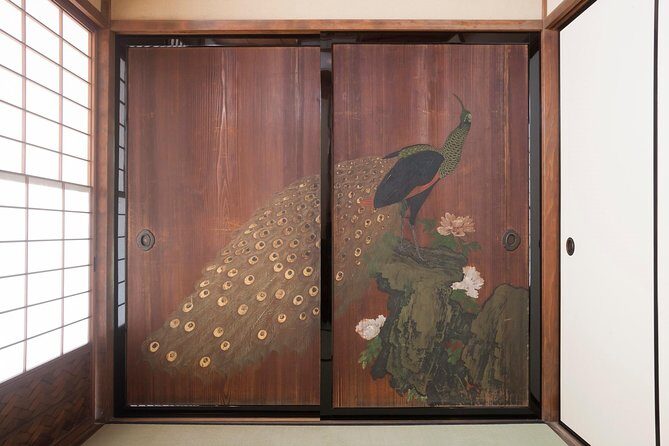
- Garden-on-your-side seating: you get to enjoy matcha while you’re looking out at the grounds.
- Tatami tea time: it’s served in a traditional setting, not a café-style stop.
- Preserved merchant-era mansion: the Shimogamo villa is open to the public and well maintained.
- Seasonal highlights: bellflowers and lotus are examples of what you may see depending on timing.
- Limited English on site: expect more guidance via a standard leaflet than full translation.
- 1 hour is enough: it’s a compact visit that still feels unhurried.
Why the Mitsui Shimogamo villa feels calmer than Kyoto streets
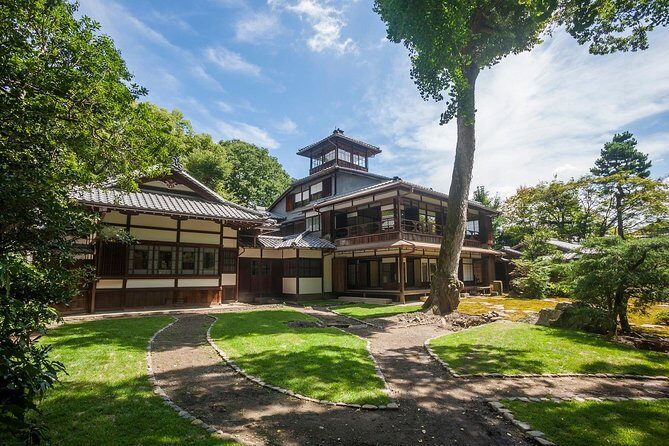
If you want Kyoto without the constant crowd pressure, this kind of stop is gold. The Old Mitsui Family Shimogamo Villa sits quietly by Shimogamo, away from the busiest tourist flow, so your brain can finally stop scanning for the next “must-do.”
What makes it work is the contrast: urban location on paper, peaceful atmosphere in practice. People often describe the soundscape as birds plus a low river murmur, and you really notice how that changes your pace when you’re sitting still.
A few more Kyoto tours and experiences worth a look



Your $15 ticket: admission plus matcha, with 1F and garden access
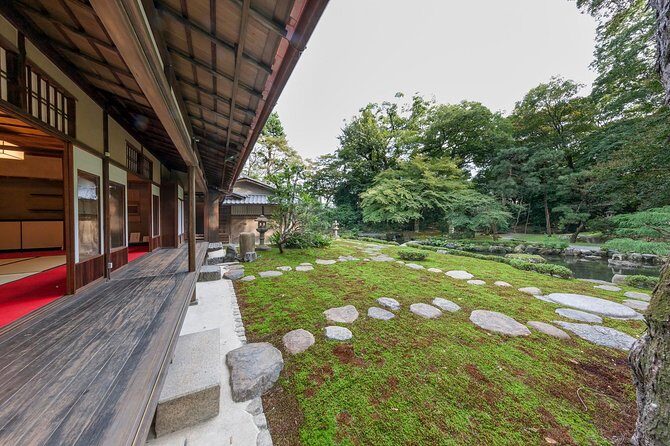
At $15, you’re paying for more than just “entry.” Your admission is bundled with matcha green tea, which is a smart value move if you like tea anyway. If you were going to buy admission and then hunt for a tea break, this package saves you hassle and keeps the rhythm of the visit simple.
Now the fine print that matters: the ticket includes the main areas you’d expect at a house museum, but 2F, 3F, and the tea room area aren’t included. That doesn’t ruin the experience—many of the most atmosphere-heavy moments are on the ground level and in the garden—but it does shape what you can see.
One detail worth planning around: you may encounter limited English beyond a standard leaflet. If you read a bit of Japanese, great. If not, just know you’ll likely rely on your own eye and the basic provided materials to connect the dots.
The Old Mitsui house on the first floor: preserved merchant architecture
This villa is tied to the Mitsui family and is open to the public as a preserved large-scale mansion. It’s associated with the period around 1880 (Meiji 13), and it’s designated an important cultural property because the building remains in strong condition.
On your visit, you can see the interior on 1F. That’s a big part of why this works as a calm, self-guided-feeling experience: you’re not crisscrossing endless rooms. Instead, you can take your time with the architecture and the way the house’s layout supports quiet living.
Here’s the trade-off. Because upstairs rooms and the tea room area aren’t included with this ticket, the visit can feel a bit more “one-level” than other house-museum experiences. One person even said they wished they’d chosen a ticket that allowed access to 2F, so keep that in mind if climbing rooms is part of what you want most.
Tatami seating and garden views: where the matcha moment lands
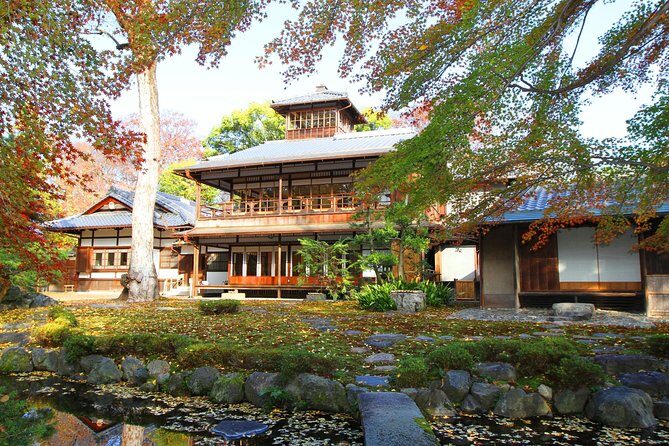
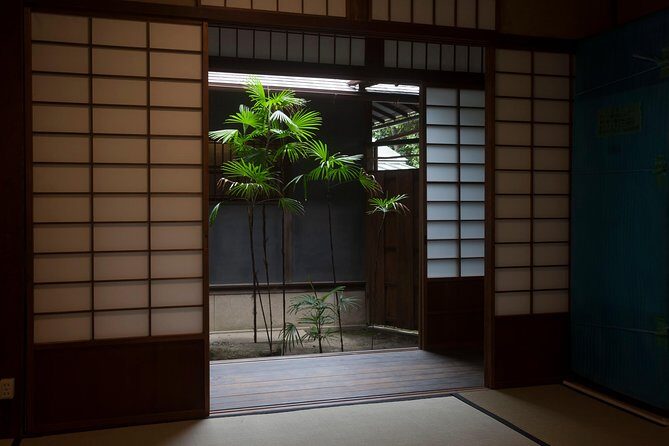
The best part of this ticket is also the simplest: you get to enjoy matcha while sitting on tatami and looking toward the garden. There’s something about drinking tea in a room that still feels like a home that makes the pause feel real, not staged.
Expect a slower sensory experience. You’re watching plants and light change through the day, and you’re not rushing between exhibits. It’s the kind of moment where you can actually hear yourself think for a while—especially if you’re traveling with family and you want a break that doesn’t require “active sightseeing” energy.
Practical tip: plan for the tea moment as the center of your visit. If you treat it like a quick add-on, you’ll miss why people come back to this setting. Give yourself time to sit, look, and let the garden do the talking.
Seasonal garden highlights: bellflowers, lotus, and everything in between
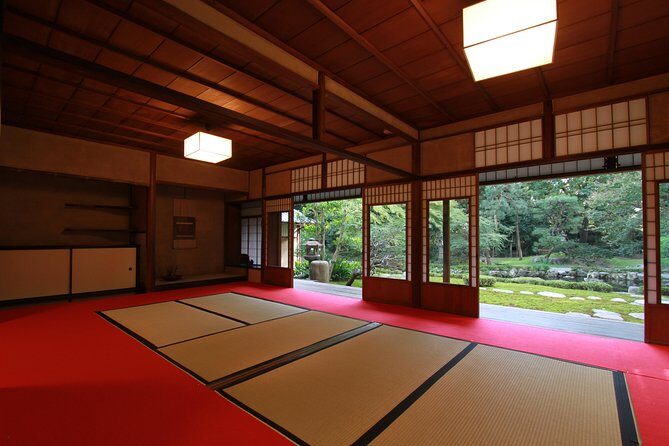
This is a garden visit with a purpose. Even though it’s in Kyoto’s city context, the grounds are designed to offer changing views across seasons—part of the charm of any old villa garden.
Depending on timing, you might catch specific blooms. One description mentioned bellflowers (桔梗) while walking the lower garden path, and also seeing lotus blooms nearby. Those are perfect examples of how the garden can shift from “pleasant scenery” into “oh wow, this is seasonal.”
The garden also works as a grounding tool when you’re tired. When you’ve had enough shrines and stone steps, walking slowly here feels like switching channels. If your ideal Kyoto day includes quiet pauses rather than constant movement, you’ll probably love how the garden shapes your pacing.
Other museum experiences in Kyoto






Time, tickets, and getting there without stress
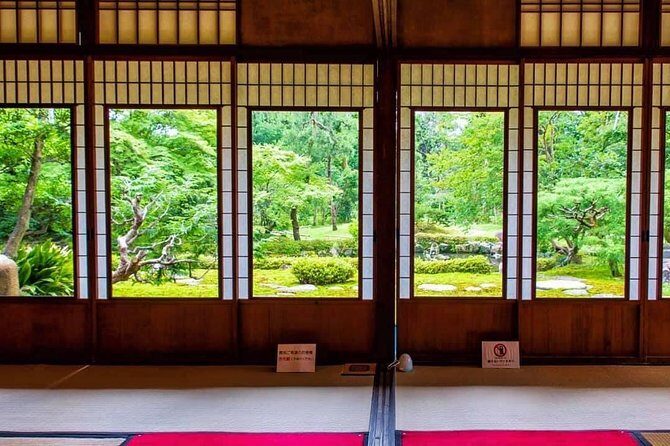
The whole experience runs about 1 hour (approx.), so you’re not committing your day to a long museum schedule. That shorter timeframe is a real advantage: it fits well between bigger sightseeing blocks, and it’s easier to manage with family members who want something calmer.
You’ll use a mobile ticket, which is usually a relief if you don’t want to hunt for paper passes. The site is also described as near public transportation, which helps you avoid the “where do we park and how do we get there” scramble.
Hours listed for Jan 5, 2026 to Mar 31, 2026 show Mondays 9:00 AM to 5:00 PM. Since only that window is provided here, I recommend checking the current hours for your exact travel dates before you plan your route around it.
Service animals are allowed, and most people can participate. In other words, it’s set up for a broad range of visitors, without needing anything fancy from you.
What to expect if your Japanese (or reading) is limited
The experience is easier to enjoy if you read a bit, but you’re not blocked if you don’t. One recurring point from visitors is that there isn’t a lot of English translation beyond a standard leaflet.
So I’d use your strategy like this:
- Look first. Let the architecture and the garden explain most of the mood.
- Use the leaflet for the key names and context.
- Ask staff if you have a clear question. People noted that staff were careful and polite in how they explained things.
If you’re the kind of traveler who loves “interpretation,” you might feel slightly shortchanged if you hoped for a lot of spoken translation. If you’re more into atmosphere and place, you’ll likely find it satisfying anyway.
Garden goods and small “don’t-miss” moments
This kind of venue often has a small shop feel rather than a big retail push. One visitor wished they’d bought more of the kara-paper style postcard goods (唐紙ハガキ).
That’s not a must-do, but it’s a helpful reminder. If you want a souvenir that matches the house-and-paper vibe, grab what you like during your visit rather than assuming you’ll circle back later.
Who should book the matcha ticket (and who might want an alternative)
This ticket is best for you if you want:
- A calm Kyoto pause in a preserved mansion setting
- Matcha with a view, served in a traditional tatami atmosphere
- Seasonal garden time without a full-day schedule
- A break that doesn’t require big physical exertion or long museum wandering
I’d be a bit cautious if:
- You strongly want 2F/3F and the tea room area included. Your ticket doesn’t cover that, and at least one person felt they should have chosen a different option.
- You expect a lot of English explanation on site. The provided materials may be mostly basic.
Should you book this Family Mitsui House Museum matcha ticket?
I think it’s a smart book if you’re seeking a quieter Kyoto experience with a clear value math: $15 includes admission plus matcha, and the tea happens in a setting that matches the villa atmosphere. The visit is short enough to fit easily, and the garden-focused pacing makes it feel worth your time even if you’re not “museum-first.”
Book it if you want serenity, architecture, and seasonal views more than you want maximum room access. If your priority is seeing every floor or getting deeper guided translation, consider looking into a higher-access ticket option before you commit.
FAQ
How long is the visit?
The experience lasts about 1 hour (approx.).
What does the $15 ticket include?
The ticket includes admission plus matcha green tea.
Are the 2F, 3F, or the tea room area included?
No. The 2F, 3F, and the tea room area are not included with this admission ticket plan.
Where is the experience located?
It’s in Kyoto, Japan, at the Old Mitsui Family Shimogamo Villa area.
What are the opening hours shown for this experience?
For Jan 5, 2026 to Mar 31, 2026, it lists Mondays from 9:00 AM to 5:00 PM.
Do I need a paper ticket?
No. The ticket is described as a mobile ticket.
Can I cancel for a full refund?
Yes. You can cancel up to 24 hours in advance for a full refund.