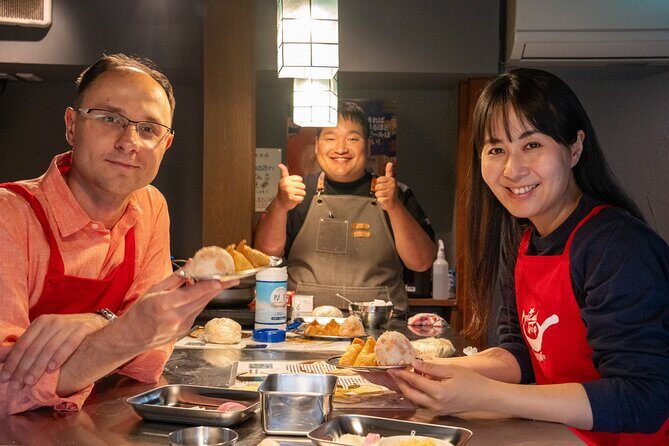
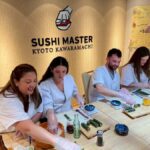
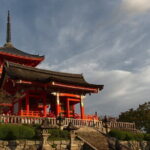
Sushi lessons in Kyoto feel like theatre. This Kyoto sushi making experience puts you in front of a Taisho chef and an English-speaking guide/translator, with a small group capped at 7. Expect careful, real counter-side instruction, from knife work to rice handling, all paced so you can actually participate.
I especially love two parts: you’ll make nigiri and roll sushi (not just watch), and you’ll taste what you made right away. The sake tasting also matters here: you get pairing tips that connect flavors to the sushi instead of treating drinks like an afterthought. You finish by whisking matcha and eating it with traditional Japanese sweets.
One drawback to plan around: dietary limits are strict. This isn’t set up for vegetarians, vegans, or gluten-free requests, and allergy-free meals can’t be guaranteed.
In This Review
- Key things worth knowing before you go
- Where you start in Kyoto (and how to not lose time)
- The English guide and the Taisho chef at the counter
- The sushi lesson: 9 nigiri plus roll sushi, step by step
- Tempura set and two drinks: the meal is part of the lesson
- Sake tasting with pairing tips you can actually use
- Matcha experience in a quiet Kyoto-style garden
- Price and value: is $161 worth it?
- Who this Kyoto sushi class is best for (and who should skip it)
- Should you book this Kyoto sushi making experience?
- FAQ
- How long is the Kyoto sushi making experience?
- What will we eat and drink during the class?
- Is the class taught in English?
- What is the group size?
- Can vegetarians, vegans, or gluten-free guests join?
- Is the experience wheelchair accessible?
- Where is the meeting point?
Key things worth knowing before you go

Small group of up to 7 keeps the chef close and questions manageable.
You learn the full flow: nigiri, rolls, then tempura plus sake.
Sake pairing tips are part of the lesson, not just a sip-and-smile add-on.
Matcha + wagashi ties the meal together with a classic Kyoto-style finish.
Kids need supervision if they’re near knives or hands-on steps.
Where you start in Kyoto (and how to not lose time)

This experience is set up with a clear meeting point near Karasuma Oike Station Exit 5, and the day starts at DIESEL 京都. Arriving on time is a big deal. The activity begins as scheduled out of respect for everyone’s seats around the chef’s station, and late arrivals won’t be able to join or reschedule.
So here’s the practical move: give yourself a little buffer for train exits, street crossings, and that first “wait, which side is the exit?” moment. Kyoto is easy to navigate once you’re oriented, but timing matters most when you’re heading into a kitchen setup.
Also, note the session length: the full class runs about 210 minutes. That means there’s no dead air. You’ll spend that time doing the real stuff—knife work observation, hands-on sushi, then the food and drink components—so treat it like a focused meal experience, not a casual stroll.
A few more Kyoto tours and experiences worth a look

The English guide and the Taisho chef at the counter

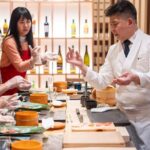
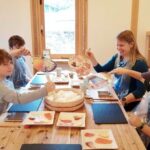
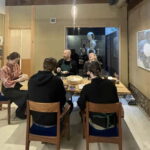
A big part of the value here is the teaching setup. You get a professional sushi chef (the workshop is described as led by a master Taisho chef) and an English instructor/translator who handles communication smoothly. In guest feedback, the guide names mentioned include Ayu and Ayuri, and a host named Yuka also comes up—useful because it tells you translation is actually part of the plan.
Why this matters: sushi making has a lot of tiny technique choices. If you miss one cue—rice temperature, how to press (and how hard not to press), how to place fish, or when to let something rest—you can still make something edible, but you won’t get the “aha” that makes it click.
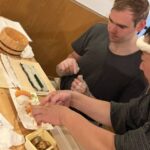
In this class, the chef shows precise knife work and the elegant way nigiri is formed, then you repeat the steps yourself. The guide’s job isn’t just language. They help connect the how to the why, so what you practice has meaning.
You also get tour photos included. That’s underrated. When someone else takes pictures, you’re less tempted to crowd the experience with your phone. You can actually pay attention to rice texture and finger placement.
The sushi lesson: 9 nigiri plus roll sushi, step by step

The course is built around a hands-on sushi workflow. You’re working with a set menu that includes 9 nigiri sushi plus roll sushi, and you’re doing it during the class rather than after a lecture.
Here’s what you’ll likely notice as the lesson unfolds:
Rice handling is everything. Nigiri looks simple, but the rice needs the right feel and temperature. The chef’s pace is designed so you can watch, ask, and then try the next step without feeling lost.
Shaping is its own skill. For nigiri, the goal is compact enough to stay together, light enough to not compress the texture into paste. The pressure and the angle matter.
Fish placement is precision work. Even when the fish is already prepared, you’re learning how to position it so it sits correctly and doesn’t tear the structure.
Rolling teaches timing and restraint. Roll sushi changes the “feel” of sushi making. It’s not just shaping; it’s distributing ingredients evenly and rolling with enough control to get clean edges.
And yes—you’ll eat the results. That’s one of the best practical reasons to do a class like this in Kyoto: the instruction doesn’t end when you’re done shaping. You get to taste right after, so you can connect technique to flavor immediately.
Tempura set and two drinks: the meal is part of the lesson

Sushi classes sometimes stop at sushi. This one keeps feeding you. You’ll also enjoy a tempura set made by the chef, plus two drinks as part of the experience.
Tempura is a good pairing lesson because it teaches contrast. Sushi is refined and delicate, while tempura brings crunch and heat. In a format like this, you get a sense of how Japanese meals balance textures rather than treating every bite as the same flavor profile.
The class structure matters too. You’re not just waiting for food. You’re moving from sushi making into tempura, then drinks, so the energy stays up and your palate is fresh for the next step.
Sake tasting with pairing tips you can actually use

Sake tasting is included, with sake tastings and pairing advice to help you connect drinks to sushi bites. The point isn’t to memorize labels. It’s to learn how flavors shift when you match the style of sake to the foods on the counter.
This is where the lesson feels grounded. Sushi works because of small changes: fat content of fish, salt level, acidity, and the presence of rice sweetness. Sake can amplify or soften those edges depending on how it’s served and what you choose to pair.
In other words: you’re not just trying alcohol. You’re learning a practical restaurant skill—how to order more confidently when the menu is wide and you don’t want to guess.
If you enjoy pairing food and drink at home, you’ll like that this class treats sake like part of the craft, not a souvenir.

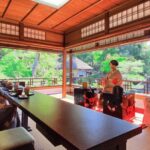

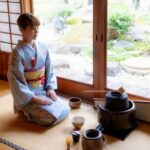

Matcha experience in a quiet Kyoto-style garden

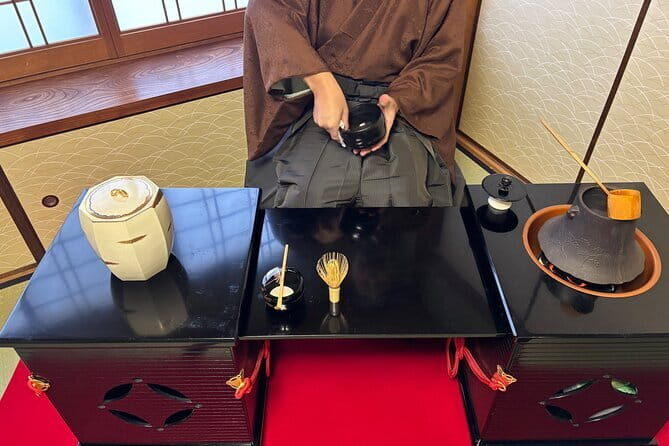
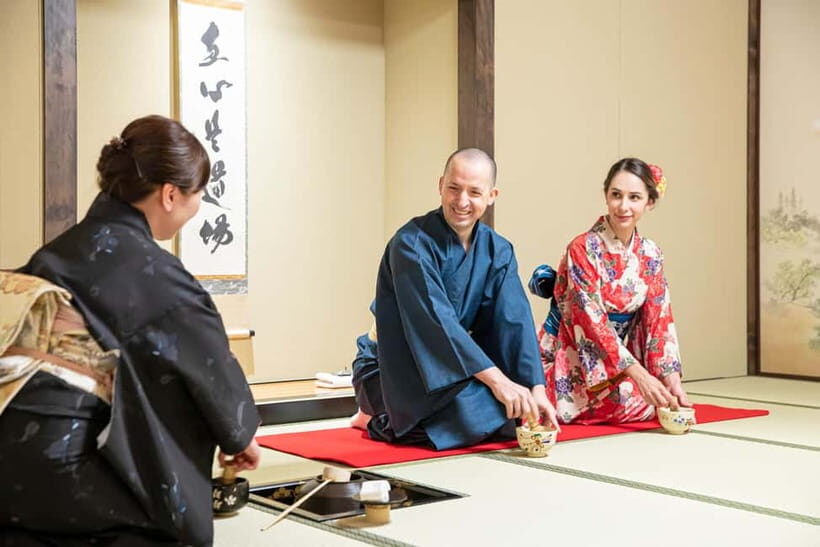
The ending is calm on purpose. After the sushi, tempura, and drinks, you shift into a matcha experience where you whisk your own matcha and savor it with Japanese sweets (wagashi).
You’ll also start the day with a stop for traditional Japanese sweets, so your sweets for matcha aren’t generic—they’re chosen as part of the experience flow. Wagashi changes the matcha taste perception. Sweetness, texture, and sometimes a hint of bean or fruit influence how your matcha reads on the tongue.
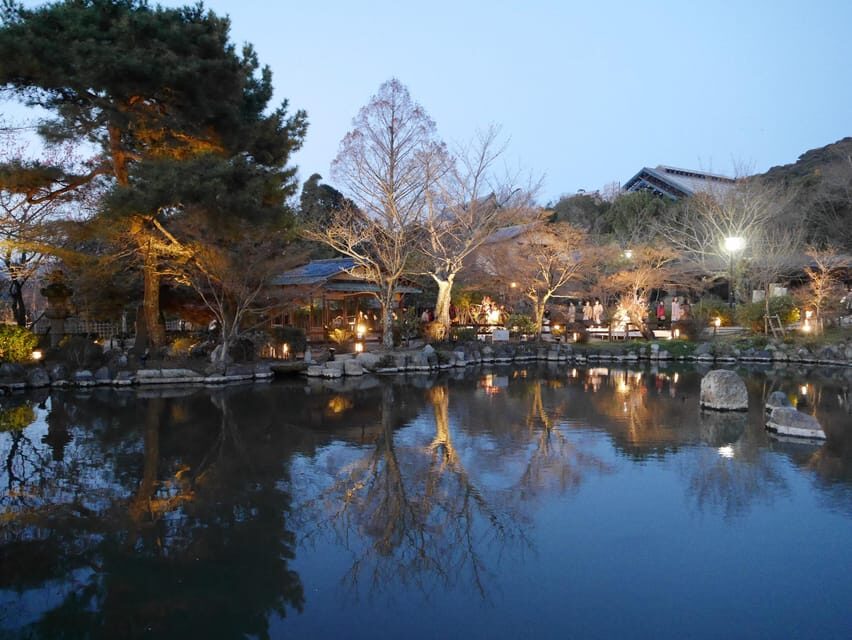
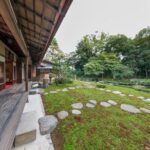
What I like about this finale is the pacing. You finish in a peaceful Kyoto-style garden and the class often ends seated on tatami mats (in feedback, guests specifically note that style). Even if you’re not a tea person, whisking matcha gives you a hands-on moment that’s totally different from sushi: no knives, no shaping—just rhythm, foam, and slow attention.
It’s also a nice cultural wrap-up. The matcha component helps you understand that Kyoto dining isn’t only about one dish. It’s about seasons, texture, and the way meals move from savory to quiet.
Price and value: is $161 worth it?

At $161 per person, this isn’t a budget activity. Still, the value isn’t just “a cooking class.”
You’re paying for:
- Instruction from a professional sushi chef
- Hands-on sushi work: 9 nigiri + roll sushi
- A tempura set
- Two drinks plus sake tastings with pairing guidance
- A matcha experience with wagashi
- Tour photos
- An English instructor/translator for the full session
- A small group capped at 7, which supports real teaching time
When you add it up, it functions like a chef-led private-meal lesson more than a short demo. The two drinks and sake tasting alone push it beyond a simple class format, and the matcha + sweets finish gives you a complete food arc.
If you like hands-on experiences and you want more than a photo-op, this price makes sense. If you only want a quick try of sushi without the sake and matcha components, you might find it too much.
Who this Kyoto sushi class is best for (and who should skip it)

This works well if you:
- Want hands-on sushi skills you can talk about and potentially repeat at home
- Enjoy food pairing, especially sake with sushi
- Like structured cultural experiences that include sweets and tea
- Appreciate small-group instruction over crowded group tours
It may not be for you if you:
- Use a wheelchair (the experience isn’t suitable for wheelchair users)
- Need vegetarian, vegan, or gluten-free meals (the experience can’t accommodate those requests)
- Have allergies that require strict, allergy-free handling (allergy-free can’t be guaranteed since food is prepared in non-specified kitchens)
There are also age considerations. Participants must be at least 4 years old, and children handle steps with supervision—especially around knives or potentially dangerous parts.
Should you book this Kyoto sushi making experience?

I’d book it if you want a real sushi counter lesson with tasting built in: nigiri, roll sushi, tempura, sake pairings, and matcha with wagashi, all guided in English for a small group.
I’d think twice if your priority is only eating sushi. This is a skills-and-craft class first, with food as the reason you practice. And if your diet has restrictions (vegetarian/vegan/gluten-free) or mobility needs, you’ll need to look for a different type of class.
If you’re deciding in one sentence: this is a chef-led Kyoto food lesson that ends with matcha calm, and it’s priced like the full meal-and-instruction experience it is.
FAQ
How long is the Kyoto sushi making experience?
The duration is 210 minutes (about 3.5 hours). Check availability for the exact starting times.
What will we eat and drink during the class?
You’ll include 9 nigiri sushi and roll sushi, a tempura set, two drinks, sake tastings, a matcha experience, and Japanese sweets (wagashi).
Is the class taught in English?
Yes. The instructor is listed as English.
What is the group size?
It’s a small group limited to 7 participants.
Can vegetarians, vegans, or gluten-free guests join?
No. The activity cannot accommodate vegetarian, vegan, or gluten-free requests.
Is the experience wheelchair accessible?
No. It is not suitable for wheelchair users.
Where is the meeting point?
You meet near Karasuma Oike Station Exit 5. The starting location is listed as DIESEL 京都.